Splash-backed Poison Frog (Red)
Adelphobates galactonotus
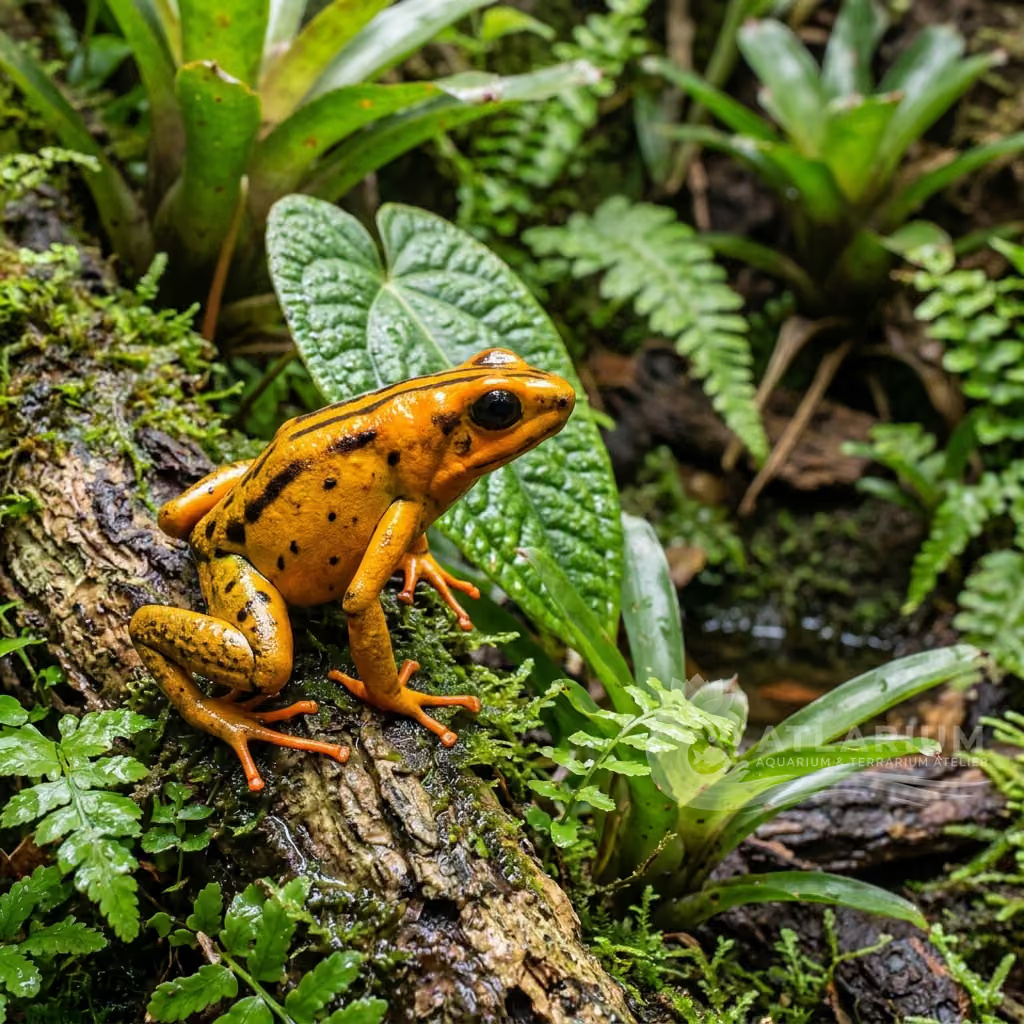
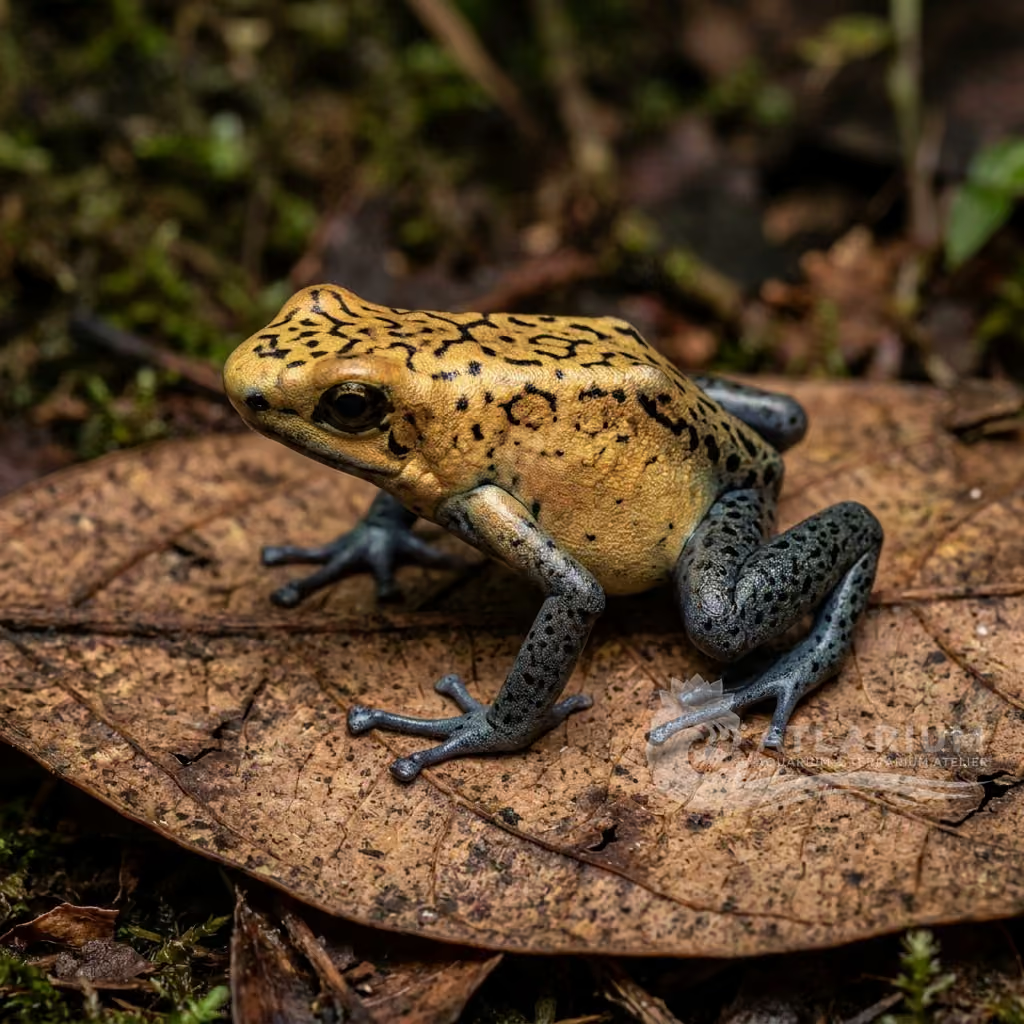
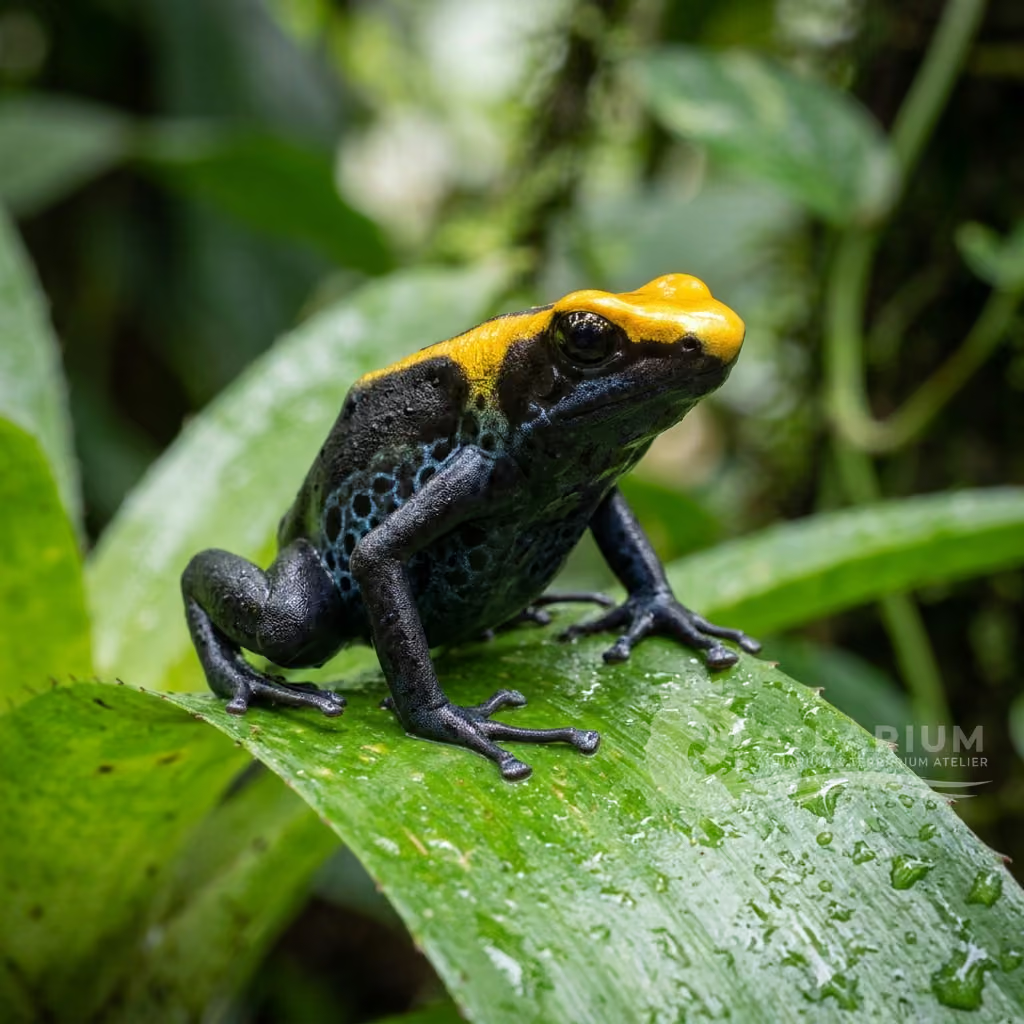
The breathtaking Red morph of the splash-backed poison frog, featuring a striking blood-red coloration on its back contrasting sharply with black legs.
Ambiente
Terrestre
Umidade
70 - 100 %
Temperatura diurna
20 - 26 °C
Temperatura noturna
18 - 21 °C

Descrição da espécie
Geographical Origin and Habitat: Inhabits the humid, dense, and dark primary rainforests of the southern Brazilian Amazon (Tapajós and Pará river basins). It is a terrestrial species that lives on the forest floor, hiding under leaf litter, fallen coconut shells, and roots.
Taxonomy and Genetics: A robust and relatively large dart frog species, reaching about 4 cm in size. The lower body and legs are deep velvety black, while the dorsal area features a vivid, solid "splash" of blood-red, orange, yellow, or blue depending on the morph. Females are larger and rounder.
Behavior and Habits: Diurnal and moderately bold, often spending time in the open on leaves or mossy logs. When startled, they perform short, quick hops. The male's courtship call is a very quiet buzz, and males carry tadpoles on their backs to water sources after hatching.
Morphology: Sexual dimorphism is characterized by the larger, wider, and rounder body shape of adult females when gravid, whereas males are smaller, more slender, and produce vocalizations during courtship.

Cuidado, criação e companheiros de tanque
Terrarium Setup: Provide a horizontally-oriented terrarium of at least 60x45x45 cm for a small group. Use a drainage layer (clay pebbles) topped with a moisture-retaining substrate, covered in leaf litter. Include coconut huts, flat cork bark, and broad-leafed plants for hiding.
Lighting and Heating: Maintain a temperature range of 24–26°C. Avoid temperatures approaching 29–30°C as they can be fatal. A night drop to 21°C is ideal. Provide low UVB (2–5%) to support calcium absorption and prevent metabolic bone disease.
Humidity and Hydration: Maintain high humidity between 80–90% via daily misting. Proper ventilation via mesh screening or fans is essential to prevent stagnant air, which can cause lethal bacterial infections (Red Leg syndrome). Use purified or declorinated water.
Feeding and Supplementation: Ravenous feeders. Offer live insects such as fruit flies (Drosophila hydei), pinhead crickets, and small roaches. Dust prey with calcium, vitamin D3, and vitamin A supplements three times a week to prevent nutritional issues.
Compatibility: Very peaceful and highly social. They can be successfully kept in groups (e.g. 2 males and 4 females in a larger enclosure) without the territorial aggression common in other dart frogs.
Health and Common Diseases: Never handle these frogs unless absolutely necessary; their skin is highly sensitive to soap, lotion, and skin oils. Maintain clean conditions and avoid exposing them to aerosol sprays, smoke, or dirty water.

Origem e distribuição geográfica
Inhabits the humid, dense, and dark primary rainforests of the southern Brazilian Amazon (Tapajós and Pará river basins). It is a terrestrial species that lives on the forest floor, hiding under leaf litter, fallen coconut shells, and roots.
Origem
Melhoramento seletivo e cultivaresAmazônia, Orinoco e GuianasAmérica do NorteLeste Asiático

Perfil anfíbio
- Dieta
- Insectivore
- Their diet consists of small insects such as fruit flies, springtails, and pinhead crickets. Captive frogs must receive properly gut-loaded and supplemented prey to prevent nutritional deficiencies. Feeding should occur almost daily due to their high metabolism.
- Expectativa de vida
- 8-15 years
- Tamanho adulto
- 4.2 cm
- Estilo de vida/Microhabitat
- Terrestrial
- Primarily terrestrial but will climb low vegetation and hardscape. They require a highly humid environment with deep leaf litter to mimic their native Amazonian forest floor. Providing a complex environment with varying moisture gradients is beneficial.
- Ciclo de atividades
- Diurnal
- Diurnal, with peak activity occurring in the morning and late afternoon. They spend their days actively hunting for food and interacting with conspecifics. A regular light cycle helps maintain their natural rhythms.
- Socialidade
- Gregarious
- They are generally bold and active, making them great subjects for a planted vivarium. They can be somewhat territorial, so adequate space and visual barriers are important if keeping a group. Their bright coloration serves as a warning to predators in the wild.
- Reprodução
- Oviparous
- Males call from hidden locations to attract females for breeding. Eggs are typically laid on wet leaves or in the axils of plants. The male attends to the eggs and later transports the newly hatched tadpoles to small pools of water to complete their metamorphosis.
- Toxicidade
- Harmless
- Wild specimens sequester potent alkaloid toxins from their highly specific diet of Amazonian leaf-litter arthropods, rendering them toxic to predators. Captive-bred "Red" morphs, however, are raised exclusively on harmless domestic insects and are completely incapable of producing these defensive toxins. As a result, they are entirely non-toxic and perfectly safe for hobbyists to keep and maintain.
- Estágio de vida
- Metamorphosis
- The omnivorous tadpoles require clean water and high-quality protein food; they are prone to cannibalism and should be raised in separate containers. The metamorphosed froglets are initially reclusive and demand a highly humid, secure environment with abundant micro-insects to fuel their rapid growth. Adult frogs are large, robust, and display a brilliant, solid bright red dorsum over dark legs, becoming very bold and active display animals.
- Tolerância de tratamento
- Display only
- Direct handling with human skin must be strictly avoided, as their delicate, semi-permeable skin easily absorbs harmful oils, salts, and chemical residues. Handling induces extreme stress, compromises their crucial mucous layer, and drastically increases the risk of absorbing fatal toxins or pathogens. If a frog must be moved, the only safe methods are gently coaxing it into a clean cup or using moistened, powder-free nitrile gloves.
- Brumação
- Não obrigatório
- Endemic to the consistently hot and humid lowland Amazon rainforest, this species does not brumate and is highly sensitive to cold temperatures. They require a stable, tropical environment year-round, with ideal terrarium temperatures maintained between 75°F and 85°F. Exposure to temperature drops can quickly lead to severe metabolic suppression, immune failure, and potentially death.
- Muda
- Periodic
- Shedding is a vital and regular biological necessity that accommodates their growth and maintains the critical permeability and health of their skin. The frog will systematically stretch, break the old skin, and push it forward over its head before consuming it entirely to recover nutrients. A consistently high ambient humidity is absolutely essential to ensure the skin sheds cleanly and does not form constricting bands around the toes.

Espécies relacionadas
Recomendações agrupadas por parentes próximos, escolhas de acompanhantes e cuidados semelhantes.