Imitator Poison Dart Frog (Cainarachi Valley)
Ranitomeya imitator
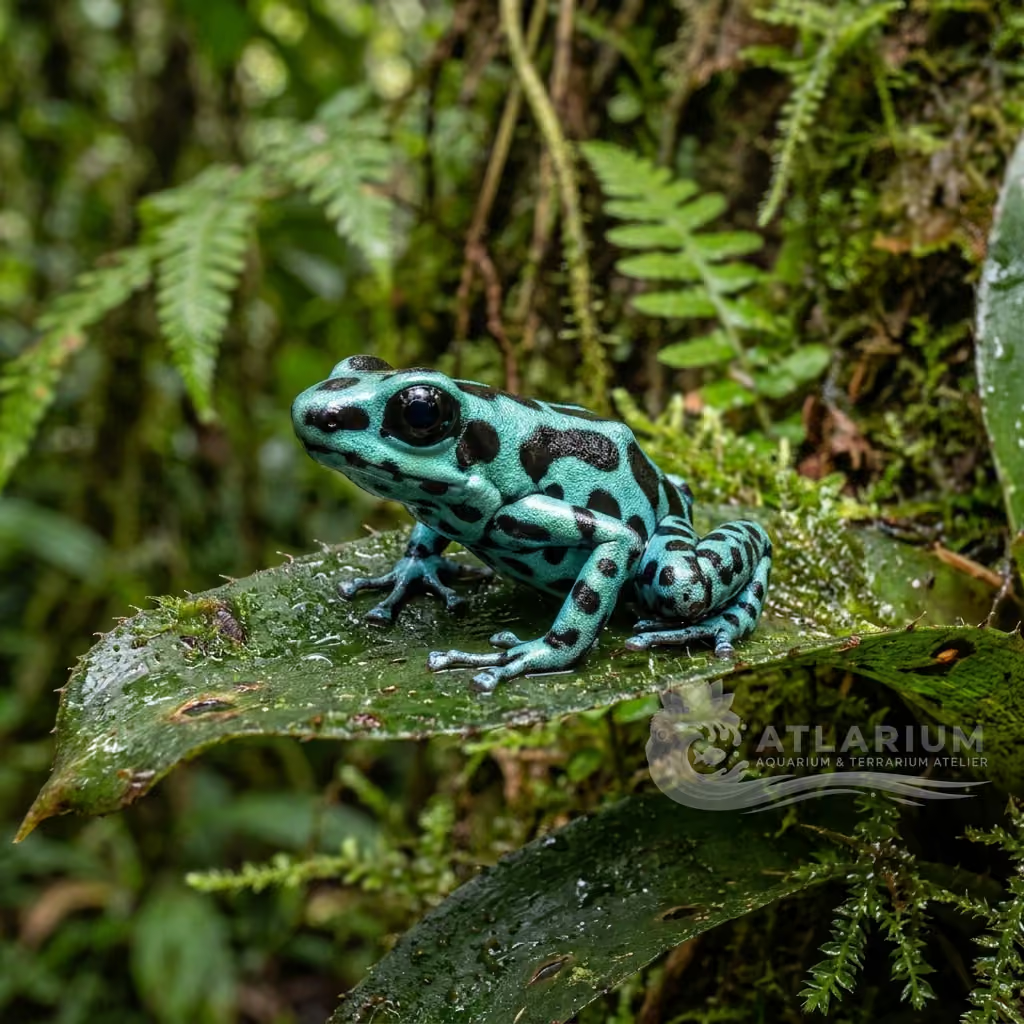
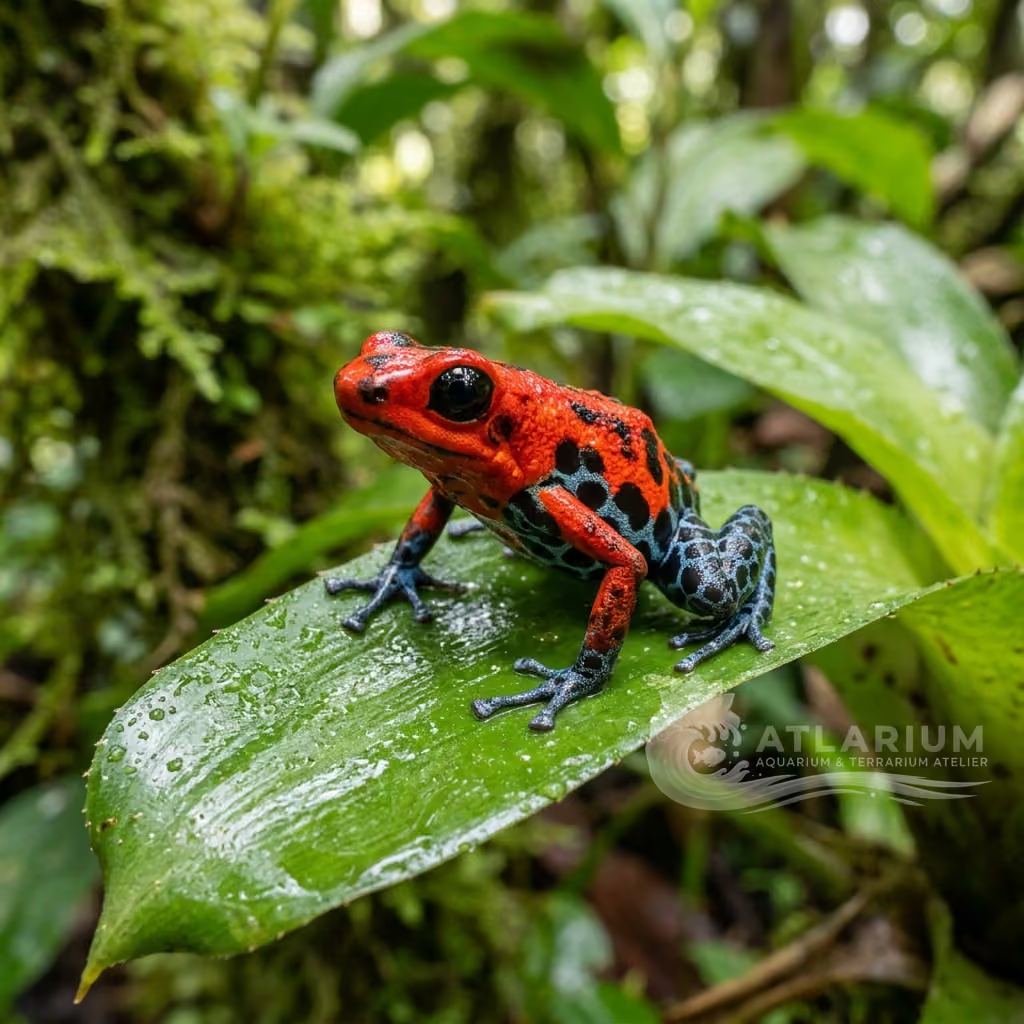
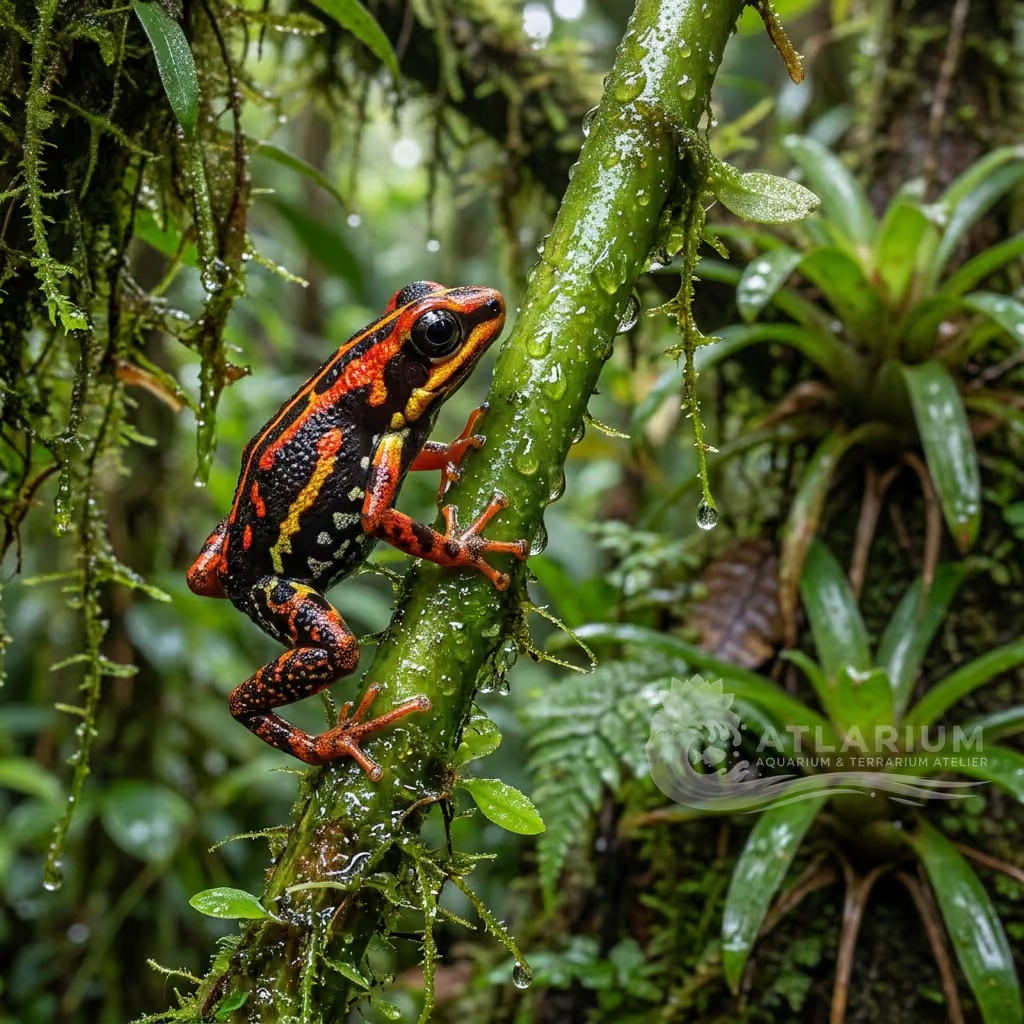
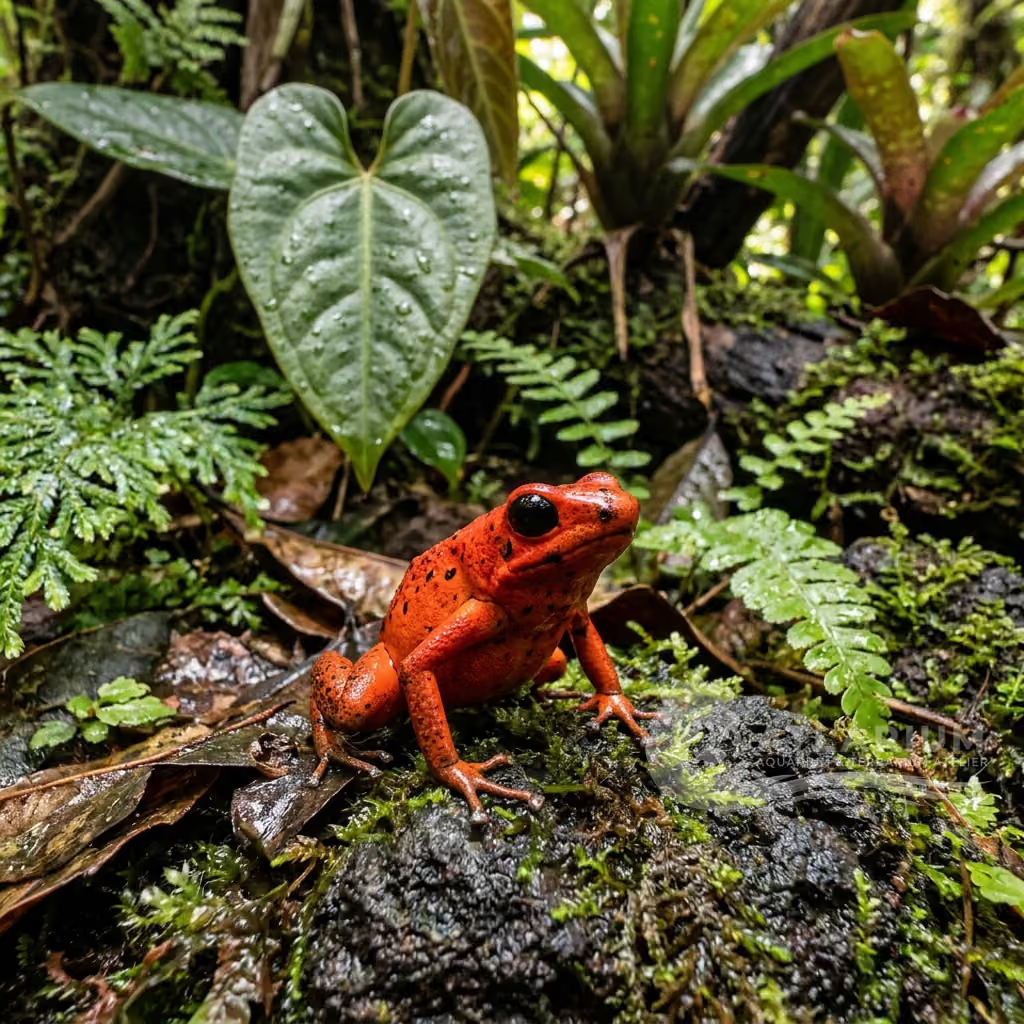
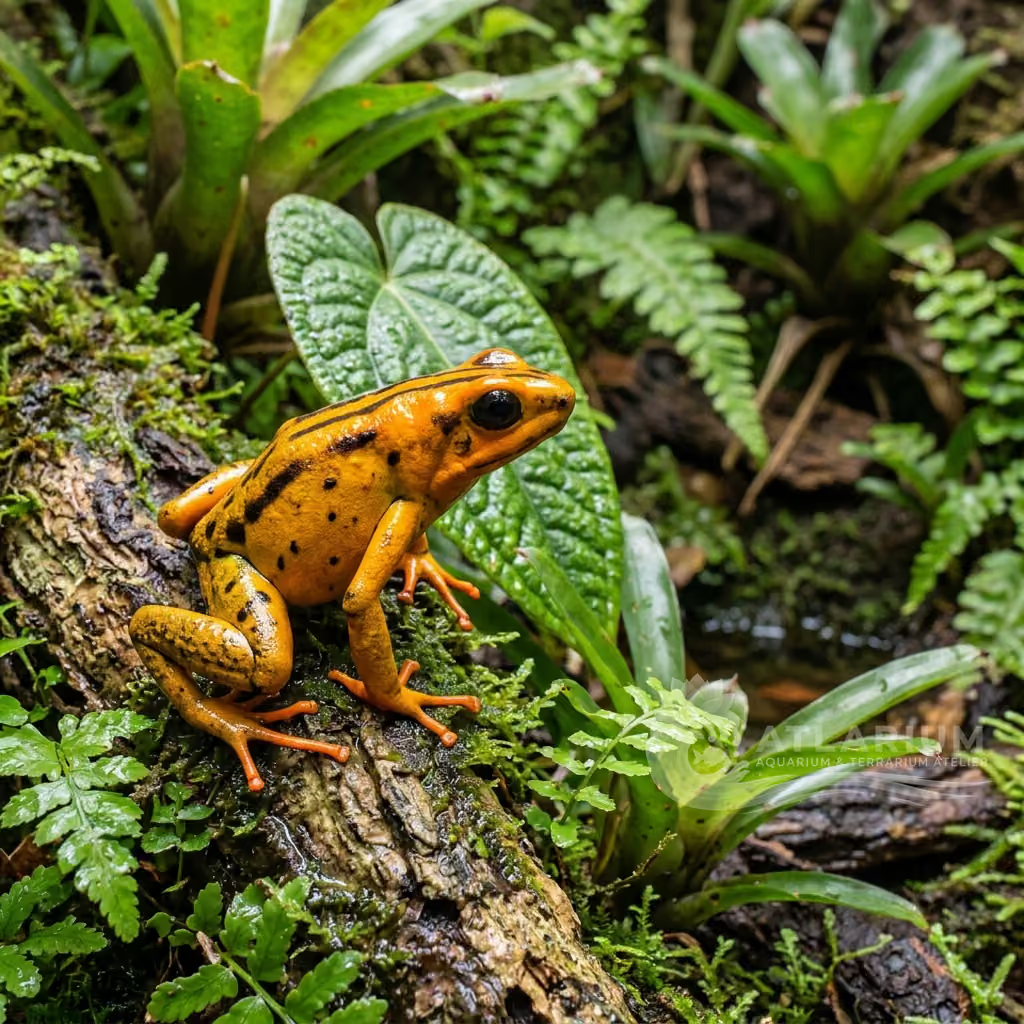
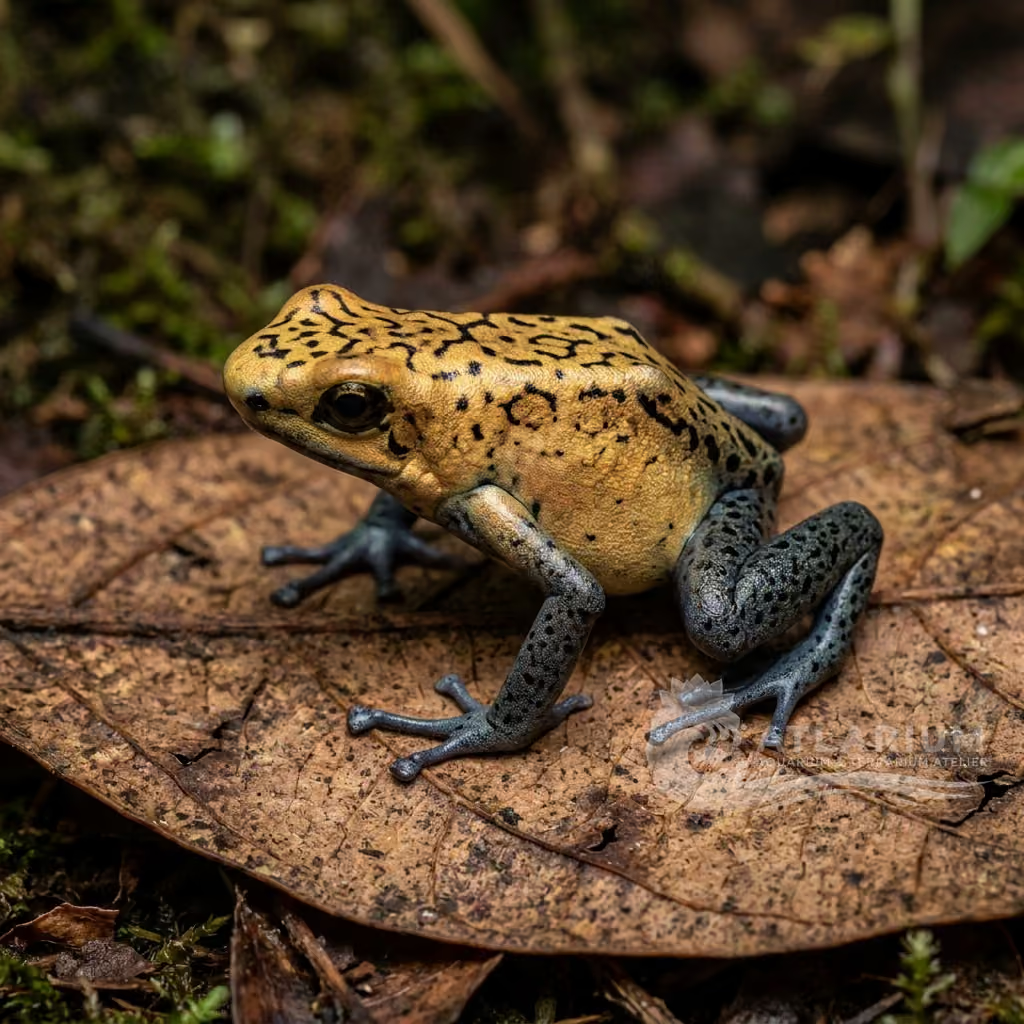
The spectacular Cainarachi Valley morph of the Mimic Poison Frog. Marked by a gleaming golden head, striped black-and-turquoise body, and dark legs.
Ambiente
Terrestre
Umidade
80 - 95 %
Temperatura diurna
24 - 26 °C
Temperatura noturna
20 °C
Temperatura ambiente
24 - 26 °C
Gabinete mínimo
>= 45 L

Descrição da espécie
Geographical Origin and Habitat: Endemic to the Cainarachi Valley in the San Martín region of northeastern Peru. They inhabit wet premontane forests, living primarily in the lower canopy and undergrowth among epiphytic bromeliads.
Taxonomy and Genetics: Belonging to the family Dendrobatidae. Ranitomeya imitator is famous for its evolutionary mimicry of other poison frogs. The Cainarachi morph mimics Ranitomeya variabilis, displaying a golden-yellow head and striped turquoise body.
Behavior and Habits: Diurnal and active. This species is famous for its strict monogamy and obligate biparental care: the male guides the female to deposit unfertilized food eggs for their tadpoles in separate water cups.
Morphology: A dwarf frog reaching 1.5–2.0 cm in length. Females are slightly wider and heavier. Males are identified by their rhythmic calling behavior and vocal sac.

Cuidado, criação e companheiros de tanque
Terrarium Setup: A vertical rainforest terrarium (minimum 45x45x60 cm) is required. Provide multiple small live bromeliads (Neoregelia) and vertical hollow bamboo tubes. Use a bioactive substrate topped with leaf litter and moss.
Lighting and Heating: Keep daytime temperatures at 24–26°C, with a night drop to 20–22°C. Avoid temperatures exceeding 27°C. Provide bright lighting for live plants and a low-intensity (2–5%) UVB source.
Humidity and Hydration: Maintain high humidity levels of 80–95%. Mist the enclosure daily with dechlorinated water. Bromeliad central cups must always be filled with water.
Feeding and Supplementation: Feed exclusively micro-prey, primarily springtails and small fruit flies (Drosophila melanogaster). Dust food with a high-quality calcium, vitamin A, and D3 supplement three times a week.
Compatibility: Highly territorial, particularly among females due to their monogamous nature. Best kept in single compatible pairs (1.1). Do not mix with other poison frog species.
Health and Common Diseases: Very sensitive to heat stress and dehydration. Maintain clean conditions to prevent skin infections (red leg). Handle only with wet, powder-free gloves.

Origem e distribuição geográfica
Endemic to the Cainarachi Valley in the San Martín region of northeastern Peru. They inhabit wet premontane forests, living primarily in the lower canopy and undergrowth among epiphytic bromeliads.
Origem
Melhoramento seletivo e cultivaresAmazônia, Orinoco e GuianasAmérica do NorteLeste Asiático

Perfil anfíbio
- Dieta
- Insectivore
- As microphagous predators, their diet consists entirely of tiny invertebrates such as springtails, fruit flies, and aphids. In captivity, they should be fed daily with vitamin and calcium-dusted Drosophila melanogaster or similar small prey. Their fast metabolism requires frequent feeding.
- Expectativa de vida
- 10-15 years
- Tamanho adulto
- 2.2 cm
- Estilo de vida/Microhabitat
- Arboreal
- Arboreal and semi-arboreal, they thrive in densely planted, vertically oriented terrariums with high humidity. Bromeliads are crucial for their lifecycle, providing hiding spots and rearing pools for tadpoles. They do best in groups or pairs with plenty of visual barriers.
- Ciclo de atividades
- Diurnal
- Strictly diurnal, they are most active during the morning and late afternoon. They spend their day foraging for food, socializing, and defending territories. A proper photoperiod of 12 hours of light and 12 hours of darkness is essential.
- Socialidade
- Gregarious
- These dart frogs are bold, diurnal, and very active, constantly exploring their environment. Males are highly territorial and will call frequently to defend their space and attract mates. Despite their toxic wild counterparts, captive-bred individuals are harmless but should still be treated as display animals.
- Reprodução
- Oviparous
- They are known for their complex reproductive behavior, including courtship displays and biparental care. Females lay small clutches of eggs on broad leaves or inside film canisters. Once hatched, the male transports the tadpoles to individual water pools, and the female returns to feed them unfertilized trophic eggs.
- Toxicidade
- Harmless
- Wild individuals extract toxic alkaloids from their natural diet of rainforest insects, accumulating them in their skin glands as a defense. These toxins are absent in captive-bred specimens because they do not consume the required toxic prey. Therefore, captive Cainarachi Valley Imitators are completely non-toxic and pose no danger to their keepers. Hand-to-frog contact should still be strictly avoided to prevent the transfer of oils and salts to their highly permeable skin.
- Estágio de vida
- Metamorphosis
- Development begins in the egg phase, which lasts around two weeks before the aquatic tadpoles emerge. The demanding tadpole stage spans 2 to 3 months, reliant entirely on the mother's unfertilized feeder eggs for nutrition. Upon completing metamorphosis, the froglets emerge onto land measuring scarcely larger than a fruit fly. They grow relatively fast, maturing into fully capable breeding adults in approximately half a year.
- Tolerância de tratamento
- Display only
- Like all poison dart frogs, they should be considered display-only pets. Their delicate, semi-permeable skin easily absorbs harmful oils and salts from human hands.
- Brumação
- They do not require brumation. They thrive in a stable, warm, and humid tropical environment year-round without any seasonal cooling.
- Muda
- Periodic
- Shedding occurs frequently and is often unnoticed because the frog eats the shed skin. Consistent high humidity is essential to prevent skin issues during this process.

Espécies relacionadas
Recomendações agrupadas por parentes próximos, escolhas de acompanhantes e cuidados semelhantes.