Spot-legged Poison Frog
Ameerega picta
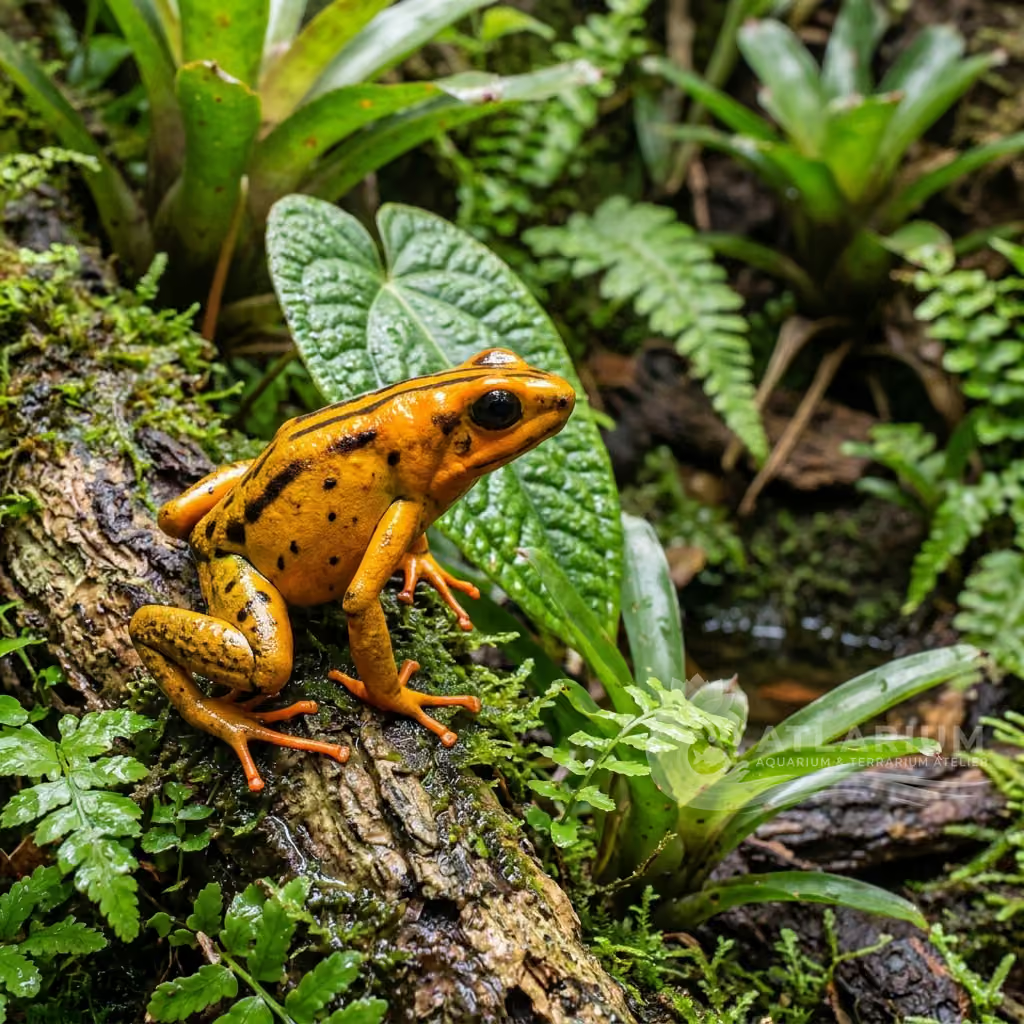
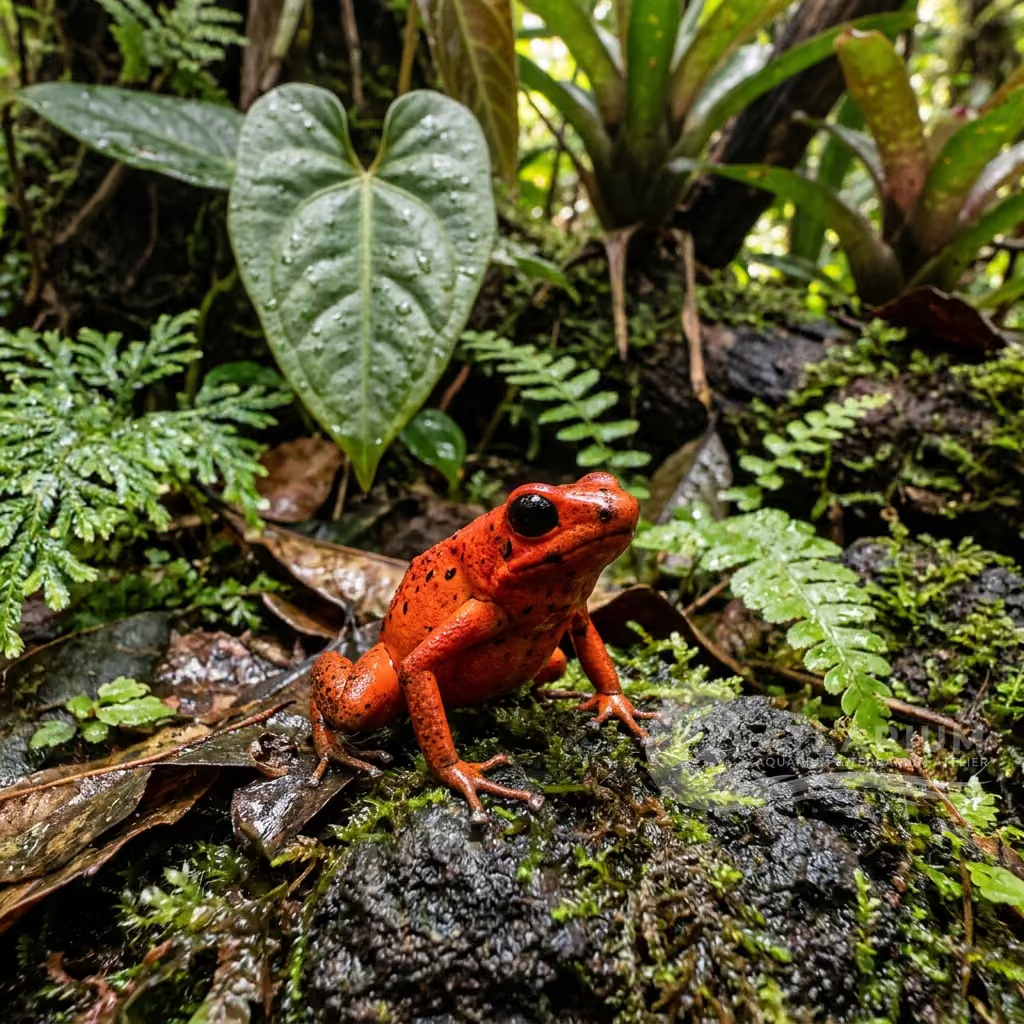
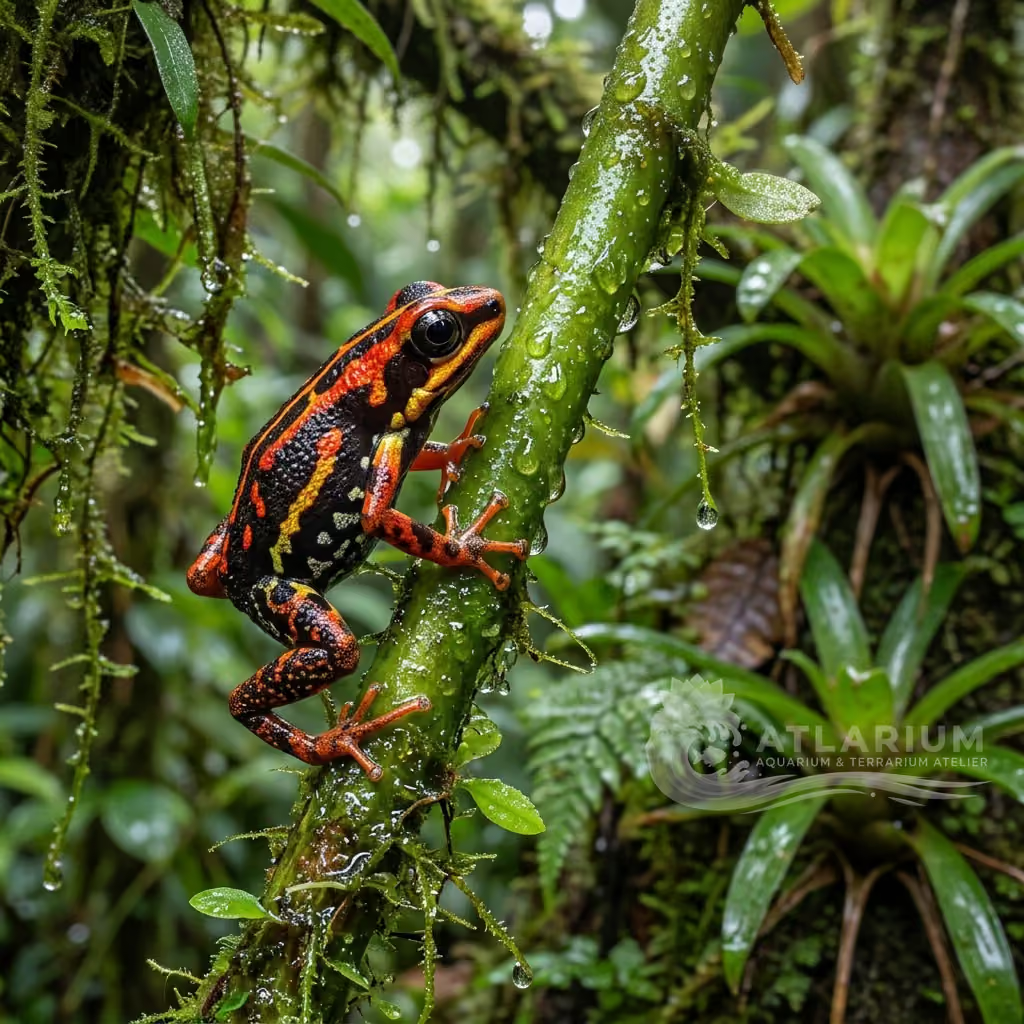
The spot-legged poison frog (Ameerega picta) is a terrestrial South American poison dart frog characterized by its dark body, yellow lateral stripes, and bright red spots on its thighs.
Ambiente
Terrestre
Umidade
75 - 85 %
Temperatura diurna
24 - 26 °C
Temperatura noturna
20 - 21 °C
Temperatura ambiente
24 - 26 °C
Gabinete mínimo
>= 45 L

Descrição da espécie
Geographical Origin and Habitat: This species is widely distributed across South America, with established populations in Bolivia, central and southern Brazil, eastern Paraguay, and southeastern Peru. It primarily inhabits the humid leaf litter of primary and secondary tropical forests, gallery forests, and transition zones between forests and savannas (Cerrado), typically close to slow-moving streams or seasonal pools.
Taxonomy and Genetics: Ameerega picta is a member of the Dendrobatidae family, genus Ameerega. This genus comprises medium to large-sized terrestrial poison frogs. Genetic and phylogenetic studies link it to other Amazonian species. Its skin secretions contain toxic alkaloids (such as pumiliotoxins) that serve as a chemical defense against predators, though they are less lethal than those of Phyllobates.
Behavior and Habits: Strictly diurnal, terrestrial, and active. It spends the day foraging in the leaf litter for small invertebrates. During the breeding season, males find elevated perches on stones or low leaves and emit a loud, repetitive metallic trilling call to attract females. Eggs are laid in damp leaf litter, and the male carries the hatched tadpoles on his back to nearby water bodies.
Morphology: Adult specimens reach an average length of 2.5 to 3.0 cm. The body shape is robust yet streamlined. Coloration features a dark grey or black dorsum, bordered by two distinct cream-colored or golden-yellow longitudinal stripes running from the snout to the groin. Notable bright red or orange spots are present on the inner surfaces of the thighs and elbows, serving as flash colors.

Cuidado, criação e companheiros de tanque
Terrarium Setup: Requires a humid, forest-type terrarium with a large horizontal footprint. A minimum enclosure size of 60x40x40 cm is recommended for a pair or small group. The substrate should consist of coconut fiber or organic soil, topped with a thick layer of live sphagnum moss and sterilized leaf litter. Provide low branches, cork bark tubes, and broad-leafed live plants (like Pothos) for hiding.
Lighting and Heating: Requires moderate lighting to support plant growth and frog health. Use full-spectrum LED lighting and a linear 2-5% UVB bulb to facilitate vitamin D3 synthesis. Keep daytime temperatures between 24°C and 26°C. They do not tolerate high heat; temperatures above 28°C can be fatal. Nighttime temperatures should drop to 20-21°C.
Humidity and Hydration: Maintain high relative humidity between 80% and 90% at all times. Mist the enclosure once or twice daily using reverse osmosis (RO) or distilled water to protect their sensitive skin. Provide a shallow water area or a very low-profile water dish (no deeper than 1-2 cm) to allow hydration without the risk of drowning.
Feeding and Supplementation: Strictly insectivorous. Feed small live insects such as wingless fruit flies (Drosophila melanogaster and Drosophila hydei), pinhead crickets, and springtails. Dust all feeder insects at every meal with a high-quality calcium and D3 powder, and use a multivitamin with vitamin A (retinol) twice a week to prevent nutritional deficiencies.
Compatibility: Relatively social compared to other dart frogs and can be kept in pairs or small groups (e.g., one male and two females) if provided with enough space and hiding spots. Do not house with different species of Dendrobatidae to prevent territorial conflicts, stress, and potential pathogen transmission.
Health and Common Diseases: Highly susceptible to rapid dehydration if humidity levels drop. Poor sanitation in the enclosure can lead to bacterial skin infections, such as red leg disease. Lack of proper calcium supplementation and UVB lighting will cause Metabolic Bone Disease (MBD) and spindly leg syndrome in growing frogs. Clean feces and debris regularly.

Origem e distribuição geográfica
This species is widely distributed across South America, with established populations in Bolivia, central and southern Brazil, eastern Paraguay, and southeastern Peru. It primarily inhabits the humid leaf litter of primary and secondary tropical forests, gallery forests, and transition zones between forests and savannas (Cerrado), typically close to slow-moving streams or seasonal pools.
Origem
Cosmopolita ou apresentadoExtra-Amazônica América do SulAmérica do Norte

Perfil anfíbio
- Dieta
- Carnivore
- This species is primarily insectivorous, consuming a wide variety of small invertebrates like crickets, flies, and roaches in the wild. In captivity, a similar varied diet should be provided, dusted regularly with calcium and multivitamin supplements. Appropriately sized live food is essential to trigger their natural feeding response.
- Expectativa de vida
- 5-8 years
- Tamanho adulto
- 2.4 cm
- Estilo de vida/Microhabitat
- Terrestrial
- Depending on their morphology, they may live exclusively in trees, on the forest floor, or near bodies of water. A properly designed vivarium must provide the correct balance of humidity, temperature, and specific microhabitats. Ample vertical climbing space or deep substrate should be provided accordingly.
- Ciclo de atividades
- Diurnal
- Most are strictly nocturnal, becoming active at dusk to hunt and vocalize under the cover of darkness. This pattern helps them avoid diurnal predators and prevents desiccation from the heat of the sun. During daylight hours, they remain motionless in hidden spots to conserve energy and retain moisture.
- Socialidade
- Solitary
- They exhibit fascinating behaviors that vary depending on their exact habitat, often relying on camouflage to avoid predators. Many display remarkable agility and jumping prowess when startled or while hunting. Social interactions are generally limited to breeding seasons when males become highly territorial.
- Reprodução
- Oviparous
- Breeding typically occurs following heavy rainfall or during the wet season. Males attract females with distinctive vocalizations from specific calling sites near water. Depending on the exact species, eggs may be laid in water, on foliage overhanging water, or in specialized foam nests.
- Toxicidade
- Toxic
- In the wild, the Spot-legged Poison Frog sequesters potent lipophilic alkaloids from its diet of toxic arthropods, rendering its skin highly toxic to predators. However, like all poison dart frogs, captive-bred individuals that are fed a conventional diet of fruit flies and crickets fail to accumulate these toxins and are generally considered harmless. Nonetheless, handling should always be minimized to protect the amphibian's delicate skin from human oils.
- Estágio de vida
- Neotenic
- The life cycle begins as a tiny egg guarded on the forest floor, soon becoming an aquatic tadpole dependent on isolated pools of water. Following a rapid metamorphosis, the juvenile froglets emerge bearing the characteristic spots and bright colors of their parents, though slightly muted. As adults, they are robust, small-bodied frogs that will maintain their diurnal, terrestrial lifestyle under the humid canopy.
- Tolerância de tratamento
- Display only
- As delicate amphibians, they should never be handled unless absolutely necessary. Toxins are lost in captivity, but their skin remains extremely sensitive to oils and salts on human hands.
- Brumação
- Não obrigatório
- They do not require brumation. Instead, they need a consistently warm and tropical environment year-round to thrive.
- Muda
- Periodic
- High humidity is crucial for proper molting. The shedding process is quick and often unobserved, as they stretch and consume their old skin immediately.

Espécies relacionadas
Recomendações agrupadas por parentes próximos, escolhas de acompanhantes e cuidados semelhantes.