Imitator Poison Dart Frog (Tarapoto)
Ranitomeya imitator
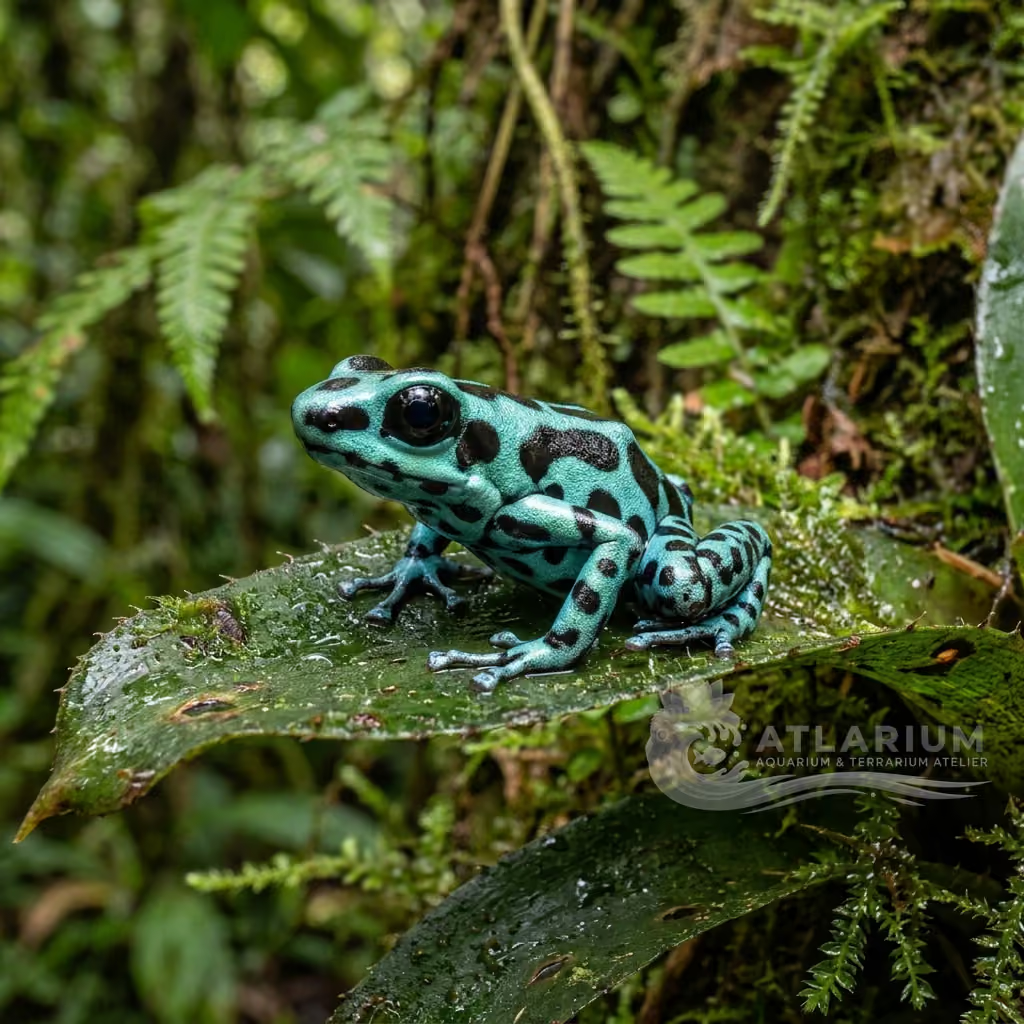
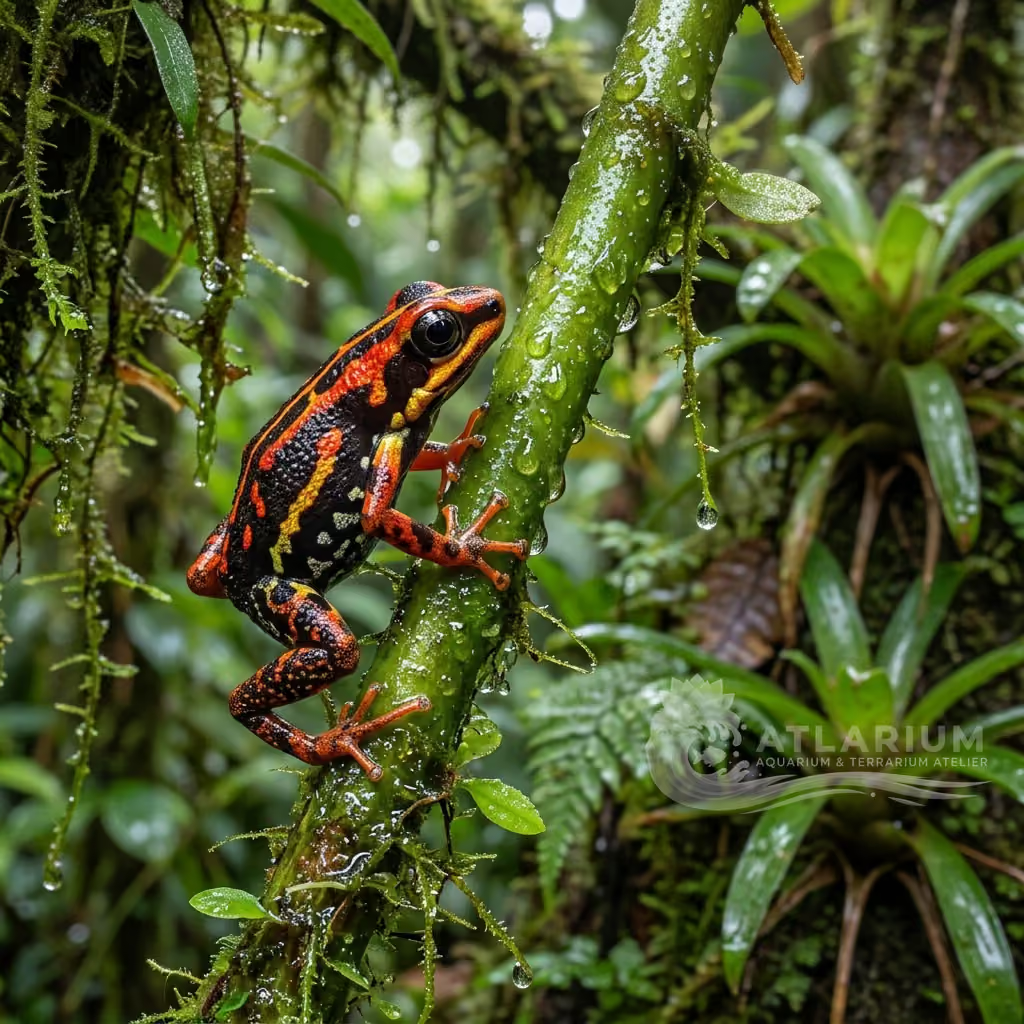
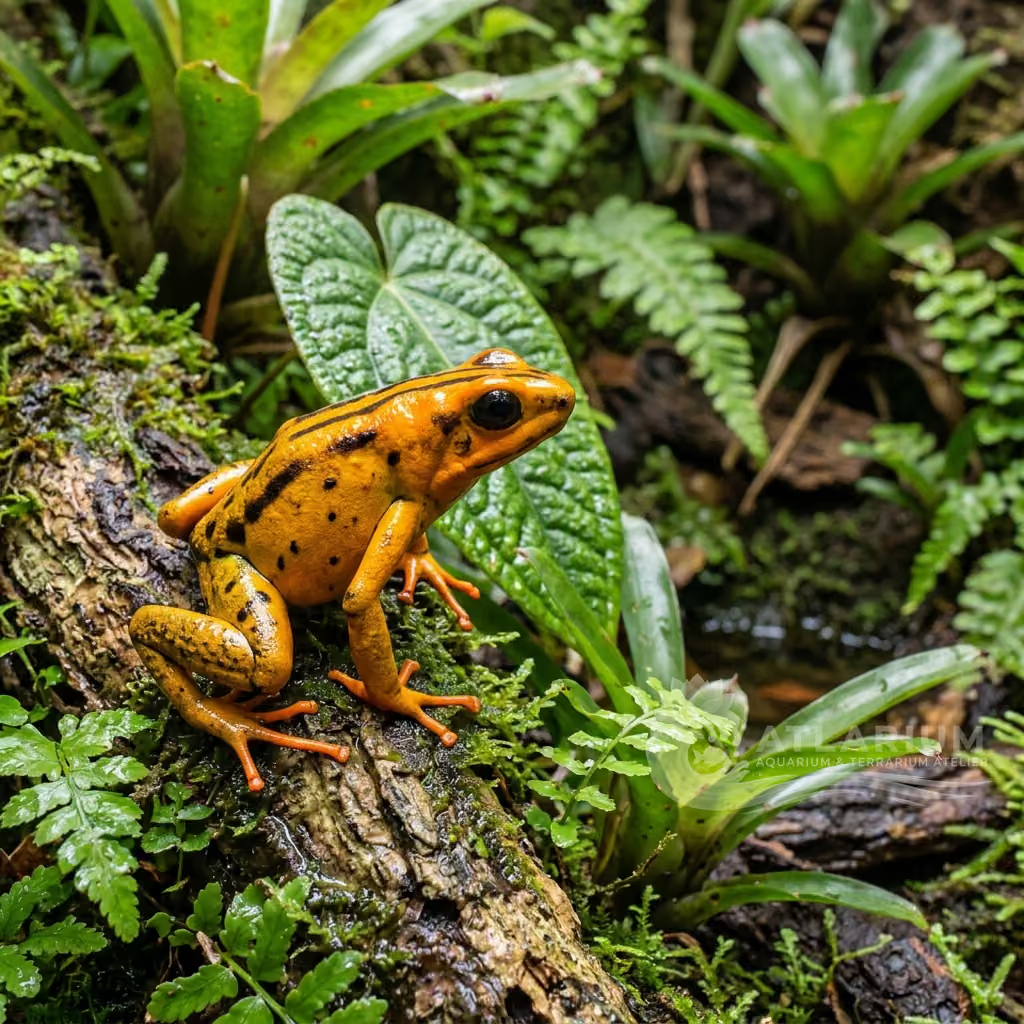
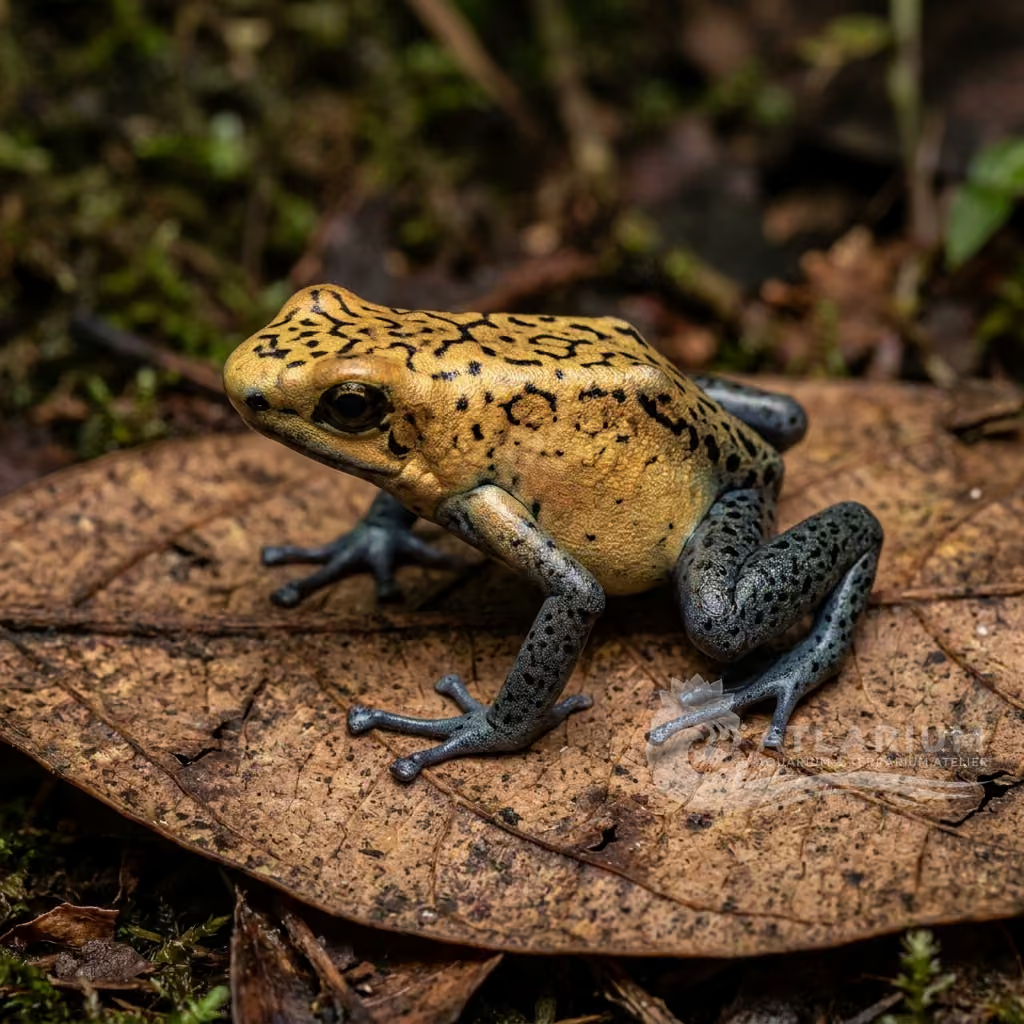
Tarapoto morph of the mimic poison frog. Renowned spotted yellow and green coloration that mimics the highly toxic Ranitomeya variabilis inhabiting the Tarapoto region.
Ambiente
Terrestre
Umidade
80 - 90 %
Temperatura diurna
24 °C
Temperatura noturna
20 °C
Temperatura ambiente
24 °C
Gabinete mínimo
>= 45 L

Descrição da espécie
Geographical Origin and Habitat: Native to the montane rainforests of the San Martin region near Tarapoto in north-central Peru. Strictly arboreal, living in water-holding leaf axils of large epiphytes and understory vegetation.
Taxonomy and Genetics: A thumbnail-sized frog reaching 1.5 to 2 cm. Features a metallic green or cyan reticulated pattern on the legs and body, with bright yellow or golden patches on the head and back, mimicking local toxic species.
Behavior and Habits: Active, diurnal, and arboreal. Famous for its monogamous breeding habits and dedicated parental care, where the male carries tadpoles to individual water pockets.
Morphology: Females are larger, wider, and show a rounder belly when gravid. Males are smaller and emit a high-pitched trill call.

Cuidado, criação e companheiros de tanque
Terrarium Setup: Requires a vertically oriented, heavily planted terrarium (minimum 30x30x40 cm for a pair). Provide live bromeliads, leaf litter, and climbing branches.
Lighting and Heating: Keep temperatures between 24°C and 26°C. Avoid temperatures above 28°C. Provide low-level UVB light (2.0-5.0) and moderate light for live plants.
Humidity and Hydration: Maintain high humidity (80-90%) using reverse osmosis or distilled water. Ensure good cross-ventilation to prevent stagnant air.
Feeding and Supplementation: Feed exclusively on micro-prey such as Drosophila melanogaster and springtails. Dust prey with calcium and vitamin supplements containing D3 at every feeding.
Compatibility: Best housed in breeding pairs. Females can exhibit territorial aggression toward other females in small enclosures.
Health and Common Diseases: Vulnerable to dehydration and metabolic bone disease. Never handle with bare hands to protect the frog's sensitive skin from chemical burns.

Origem e distribuição geográfica
Native to the montane rainforests of the San Martin region near Tarapoto in north-central Peru. Strictly arboreal, living in water-holding leaf axils of large epiphytes and understory vegetation.
Origem
Melhoramento seletivo e cultivaresAmazônia, Orinoco e GuianasAmérica do NorteLeste Asiático

Perfil anfíbio
- Dieta
- Insectivore
- As microphagous predators, their diet consists entirely of tiny invertebrates such as springtails, fruit flies, and aphids. In captivity, they should be fed daily with vitamin and calcium-dusted Drosophila melanogaster or similar small prey. Their fast metabolism requires frequent feeding.
- Expectativa de vida
- 10-15 years
- Tamanho adulto
- 2 cm
- Estilo de vida/Microhabitat
- Arboreal
- Arboreal and semi-arboreal, they thrive in densely planted, vertically oriented terrariums with high humidity. Bromeliads are crucial for their lifecycle, providing hiding spots and rearing pools for tadpoles. They do best in groups or pairs with plenty of visual barriers.
- Ciclo de atividades
- Diurnal
- Strictly diurnal, they are most active during the morning and late afternoon. They spend their day foraging for food, socializing, and defending territories. A proper photoperiod of 12 hours of light and 12 hours of darkness is essential.
- Socialidade
- Gregarious
- These dart frogs are bold, diurnal, and very active, constantly exploring their environment. Males are highly territorial and will call frequently to defend their space and attract mates. Despite their toxic wild counterparts, captive-bred individuals are harmless but should still be treated as display animals.
- Reprodução
- Oviparous
- They are known for their complex reproductive behavior, including courtship displays and biparental care. Females lay small clutches of eggs on broad leaves or inside film canisters. Once hatched, the male transports the tadpoles to individual water pools, and the female returns to feed them unfertilized trophic eggs.
- Toxicidade
- Harmless
- In their native rainforest habitat, these frogs acquire potent lipophilic alkaloids through their diet of specific toxic ants and mites. They secrete these toxins through their skin as a powerful defense mechanism against predators. However, in captivity, they completely lose this toxicity because they are fed a domestic diet of harmless fruit flies and springtails. Consequently, captive-bred individuals are completely safe to keep, though handling should still be minimized to protect their delicate skin.
- Estágio de vida
- Metamorphosis
- The life cycle begins with small eggs laid on smooth surfaces, which develop over 10 to 14 days before hatching into aquatic tadpoles. The tadpole stage is highly dependent on maternal feeding and lasts roughly 60 to 80 days. Upon metamorphosis, they emerge as tiny, fully terrestrial froglets that are exact miniatures of the adults. They grow rapidly over the next several months, typically reaching full reproductive maturity within 6 to 8 months.
- Tolerância de tratamento
- Display only
- Like all poison dart frogs, they should be considered display-only pets. Their delicate, semi-permeable skin easily absorbs harmful oils and salts from human hands.
- Brumação
- They do not require brumation. They thrive in a stable, warm, and humid tropical environment year-round without any seasonal cooling.
- Muda
- Periodic
- Shedding occurs frequently and is often unnoticed because the frog eats the shed skin. Consistent high humidity is essential to prevent skin issues during this process.

Espécies relacionadas
Recomendações agrupadas por parentes próximos, escolhas de acompanhantes e cuidados semelhantes.