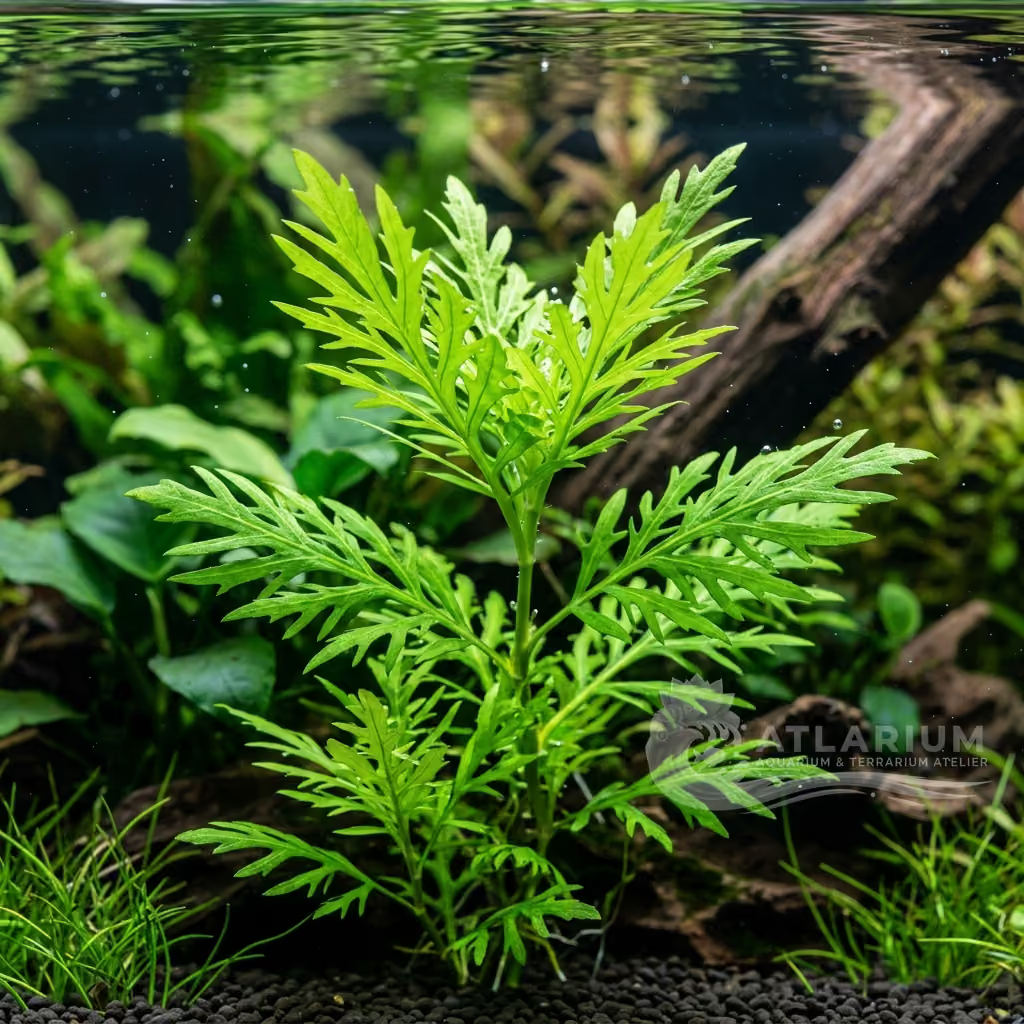
Saururus cernuus
Saururus cernuus
Saururus cernuus is a slow-growing aquatic plant suitable for the foreground and midground of an aquarium, valued for its distinctive light green foliage and unique structure. While it tolerates a wide range of conditions, it expresses its full beauty and compact growth under intense lighting and adequate CO2 supplementation.
Water Temperature
4 - 27 °C
pH Value
6 - 8
Water type
Freshwater
Light
High
CO2
Low - High
Expected height
30 cm
Expected width
20 cm
KH
5 - 15 dKH

Species description
Geographical Origin and Habitat: Saururus cernuus, commonly known as "lizard's tail," is native to the eastern and central regions of North America, where it thrives in swampy areas, bogs, riverbanks, and shallow lake margins. This amphibious plant prefers habitats with organic-rich substrates and calm or slow-moving waters, often growing both submerged and emergent. Its broad tolerance to temperature and pH variations makes it incredibly adaptable in its natural environment, even withstanding short periods of frost.
Taxonomy & Genetics: Belonging to the family Saururaceae, Saururus cernuus is the sole species of the genus Saururus found in North America, with a sister species, Saururus chinensis, distributed in Asia. The Saururaceae family is considered one of the most ancient evolutionary lineages among angiosperms, exhibiting primitive characteristics that make it an object of botanical interest. Its classification underscores its uniqueness, distinguishing it from more common aquatic plants, and reflects a successful evolutionary history in humid environments.
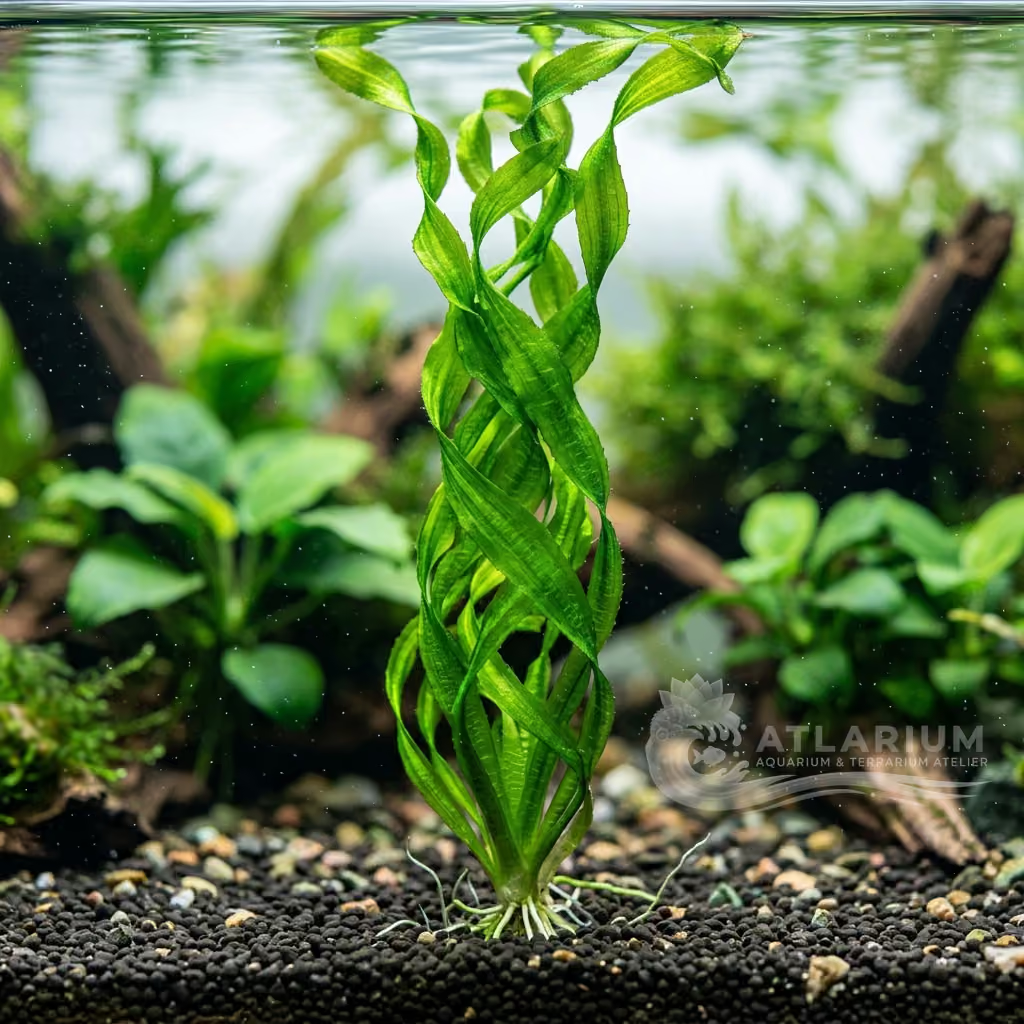
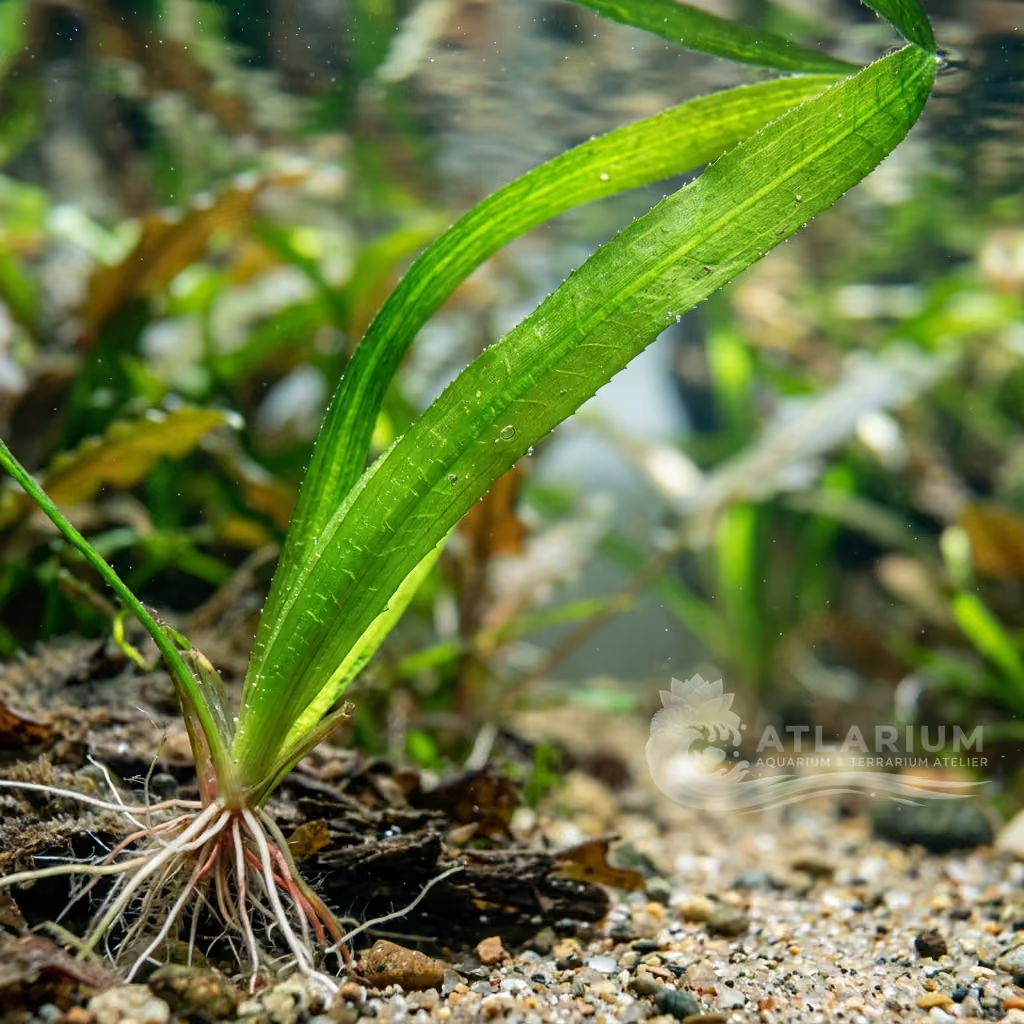
Physical Structure: Physically, Saururus cernuus features bright green, heart-shaped to pointed leaves that can be either submerged or emergent. It develops robust stems and a creeping rhizome that allows it to anchor firmly to the substrate and spread horizontally. When emergent, it produces a characteristic inflorescence—a white, erect, and fragrant spike—resembling a lizard's tail, from which its common name is derived.
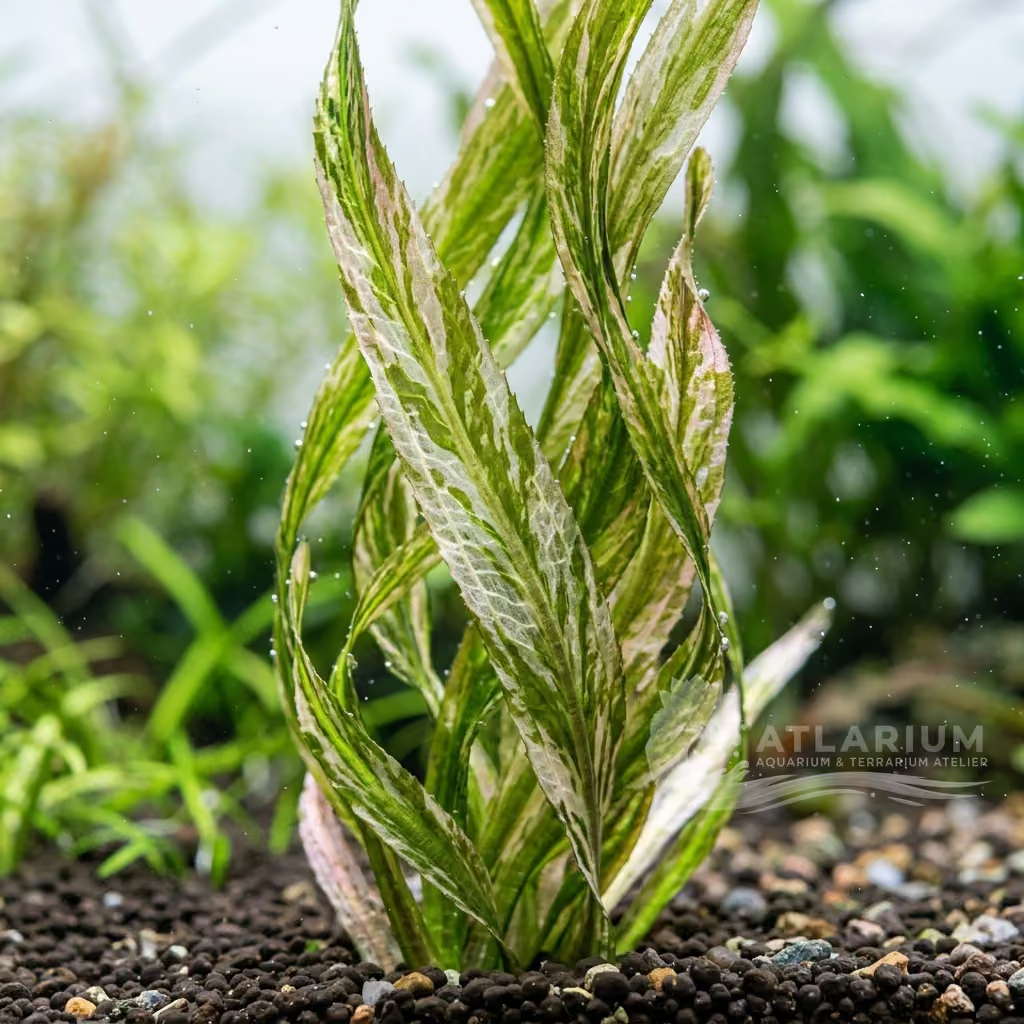
Color & Texture: The predominant color of Saururus cernuus is a vibrant, fresh medium-light green, which may vary slightly depending on light intensity and nutritional conditions. Under very intense light, new leaves or margins can develop reddish hues, adding an extra element of visual interest. The leaf surface is generally smooth and slightly glossy, giving it a clean and delicate appearance, while the white flower spike offers a notable chromatic contrast.

Care, breeding and tankmates
Lighting & CO2: Saururus cernuus demands high light to thrive in the aquarium and maintain compact, healthy growth, preventing excessive stem elongation and loss of lower leaves. Intense illumination also stimulates the potential reddish coloration of younger leaves and promotes efficient photosynthesis. CO2 injection, while not strictly indispensable for survival under optimal conditions, is highly recommended to encourage robust growth, a denser habit, and excellent overall health, especially in high-tech setups.
Nutrition & Substrate: As a primarily root-feeding plant, Saururus cernuus greatly benefits from a fertile, nutrient-rich substrate, such as aquasoil or an enriched sand and clay mixture. The integration of root tabs placed near the roots is essential to ensure a constant supply of micronutrients and macronutrients directly where they are most needed. While foliar absorption is secondary, a balanced liquid fertilization, rich in iron and potassium, will complement its nutritional requirements for lush foliage and vibrant colors.
Water Chemistry: Saururus cernuus demonstrates impressive tolerance to a wide range of water parameters, capable of surviving in temperatures from 4.0 to 27.0 C, though a more stable range between 20-26 C is optimal for aquarium growth. It prefers a pH from 6.0 to 8.0 and a carbonate hardness (KH) between 5.0 and 15.0, making it suitable for various setups, from soft to harder water. Stability in these parameters is more crucial than their extreme readings, as sudden fluctuations can cause stress to the plant.
Space Management & Placement: Despite being classified as a foreground plant, Saururus cernuus, with its slow growth and potential emergent height, is best suited for the front or midground of the aquarium, where it can form dense, attractive bushes. Its unique structure makes it an excellent focal point or a transition element between plants of different heights. Planting it in groups is advisable to create a greater visual impact, ensuring sufficient space between stems to promote water circulation and light penetration, which is essential for its overall health.
Pruning: Pruning Saururus cernuus is relatively simple and primarily performed to maintain the desired shape, control size, and encourage denser growth. It is advisable to trim longer stems or those showing signs of less vigorous growth near the substrate, using sharp, clean scissors. Cut stems can be replanted into the substrate to propagate the plant, helping to further fill in the desired area. Regular pruning prevents excessive shading of lower leaves and maintains the vitality of the bush.
Risks & Diseases: Saururus cernuus is generally robust, but it can suffer from filamentous algae if lighting is too intense or nutrients are imbalanced, especially with insufficient CO2. Nutritional deficiencies manifest as pale leaves (iron deficiency), stunted growth (insufficient macronutrients), or holes in leaves (potassium deficiency). Melting can also occur, particularly after transplanting from an emergent to a submerged form, due to stress and adaptation to new environmental conditions. Carefully monitoring water parameters and plant conditions is crucial to prevent such issues.

Geographic origin and distribution
Saururus cernuus, commonly known as "lizard's tail," is native to the eastern and central regions of North America, where it thrives in swampy areas, bogs, riverbanks, and shallow lake margins. This amphibious plant prefers habitats with organic-rich substrates and calm or slow-moving waters, often growing both submerged and emergent. Its broad tolerance to temperature and pH variations makes it incredibly adaptable in its natural environment, even withstanding short periods of frost.
Origin
North America

Plant profile
- Placement
- Foreground
- Place Saururus cernuus in the midground or background of the aquarium. It needs enough space to avoid shading neighboring species. Proper placement ensures steady light exposure and water flow.
- Botanical form
- Stem
- Saururus cernuus features a distinct structural form with well-defined leaves. Its stem and root structures anchor firmly into the substrate. The overall appearance provides excellent visual texture underwater.
- Growth
- Slow
- The growth rate of Saururus cernuus is generally moderate under optimal conditions. Adding CO2 injection will significantly accelerate its development. However, it can adapt to slower growth in low-tech setups.
- Substrate
- High
- *Saururus cernuus*, or lizard's tail, requires a deep, nutrient-dense substrate to accommodate its extensive, creeping rhizomes. It feeds heavily through its root system, preferring an aqua soil or a clay-based substrate supplemented with root tabs for optimal nutrient uptake. A substrate depth of at least 5-7 cm is crucial to keep its vigorous roots well-anchored and nourished. Without a fertile substrate, its growth will be stunted and its characteristic heart-shaped leaves may fail to reach their full potential.
- Column fertilization
- Recommended
- Liquid fertilization is very beneficial for Saururus cernuus. It absorbs dissolved minerals directly from the water column. Dosing a complete micronutrient fertilizer twice a week is recommended.
- Root fertilization
- Required
- A nutrient-rich substrate strongly supports the root system of Saururus cernuus. Adding root tabs near its base provides essential macronutrients. This promotes a stronger base and healthier overall growth.
- Trimming
- Occasional
- Regular trimming keeps Saururus cernuus looking neat and prevents overgrowth. Cut the stems just above a node to encourage branching. Remove any decaying or yellowing leaves to maintain water quality.
- Propagation
- Cuttings
- Propagation of Saururus cernuus is straightforward by taking stem cuttings. Replant the healthy cut portions directly into the substrate. They will develop new roots within a week or two.
- Sensitivity
- Moderate
- Saururus cernuus is somewhat sensitive to sudden fluctuations in water parameters. It prefers stable temperatures and consistent CO2 levels. Algae can grow on its leaves if lighting is too intense.
- Layout role
- Foreground, Midground, group
- Saururus cernuus plays a crucial role in creating depth in an aquascape. Its unique texture contrasts beautifully with fine-leaved plants. It works well as a focal point or a transition plant.

Related species
Recommendations grouped by close relatives, companion choices, and similar care.