Saururus chinensis
Saururus chinensis
Saururus chinensis is a medium-growth, rhizomatous aquatic plant ideally suited for the midground of an aquarium, valued for its dense foliage and moderate height. It requires high light intensity to fully express its vitality and vibrant leaf coloration.
Water Temperature
4 - 27 °C
pH Value
6 - 8
Water type
Freshwater
Light
High
CO2
Low - High
Expected height
45 cm
Expected width
25 cm
KH
5 - 15 dKH

Species description
Geographical Origin and Habitat: Native to the humid regions of East Asia, specifically China, Korea, Japan, and Vietnam, Saururus chinensis thrives in semi-aquatic environments such as marshes, riverbanks, and shallow ponds. In these natural habitats, it can grow both submerged and emergent, demonstrating remarkable adaptability to fluctuating water levels. Its resilience allows it to tolerate a wide range of temperatures, a trait inherited from its native environment where seasons can bring significant variations.
Taxonomy & Genetics:
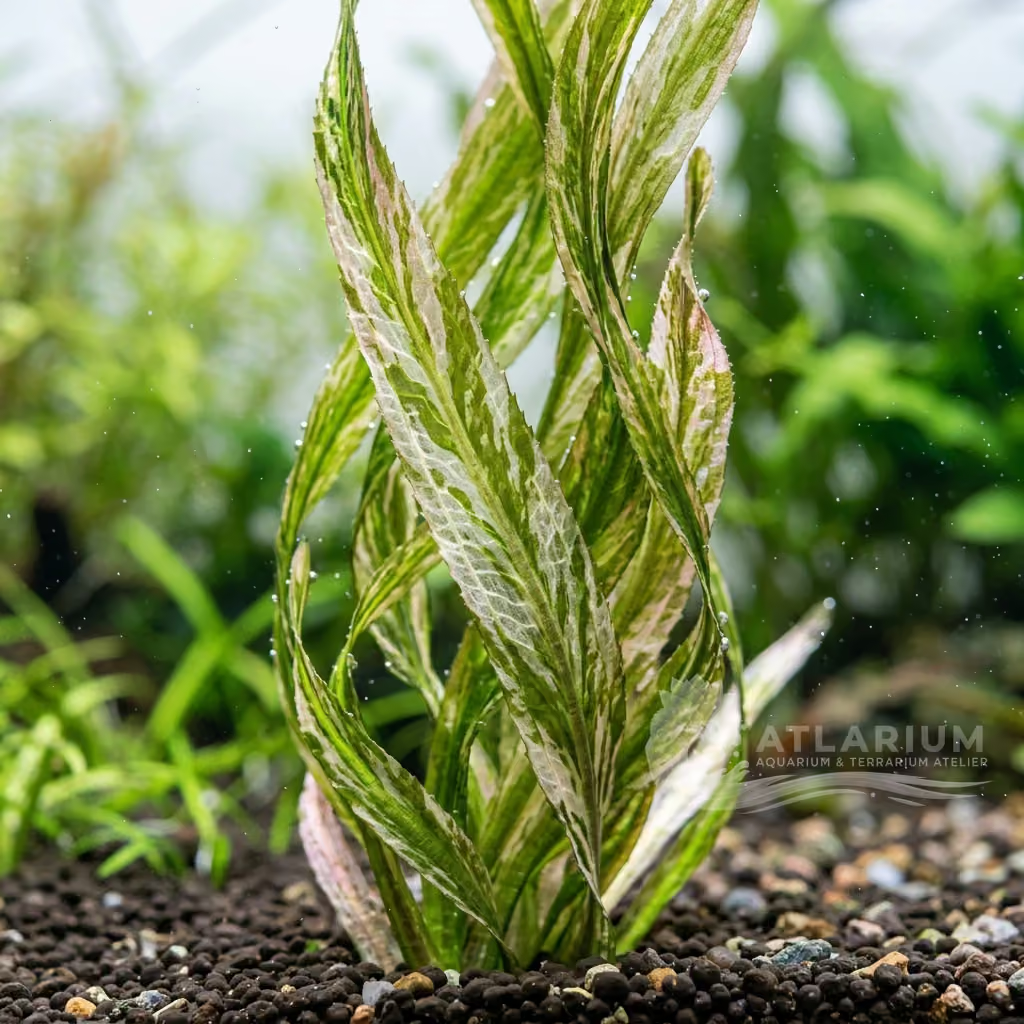
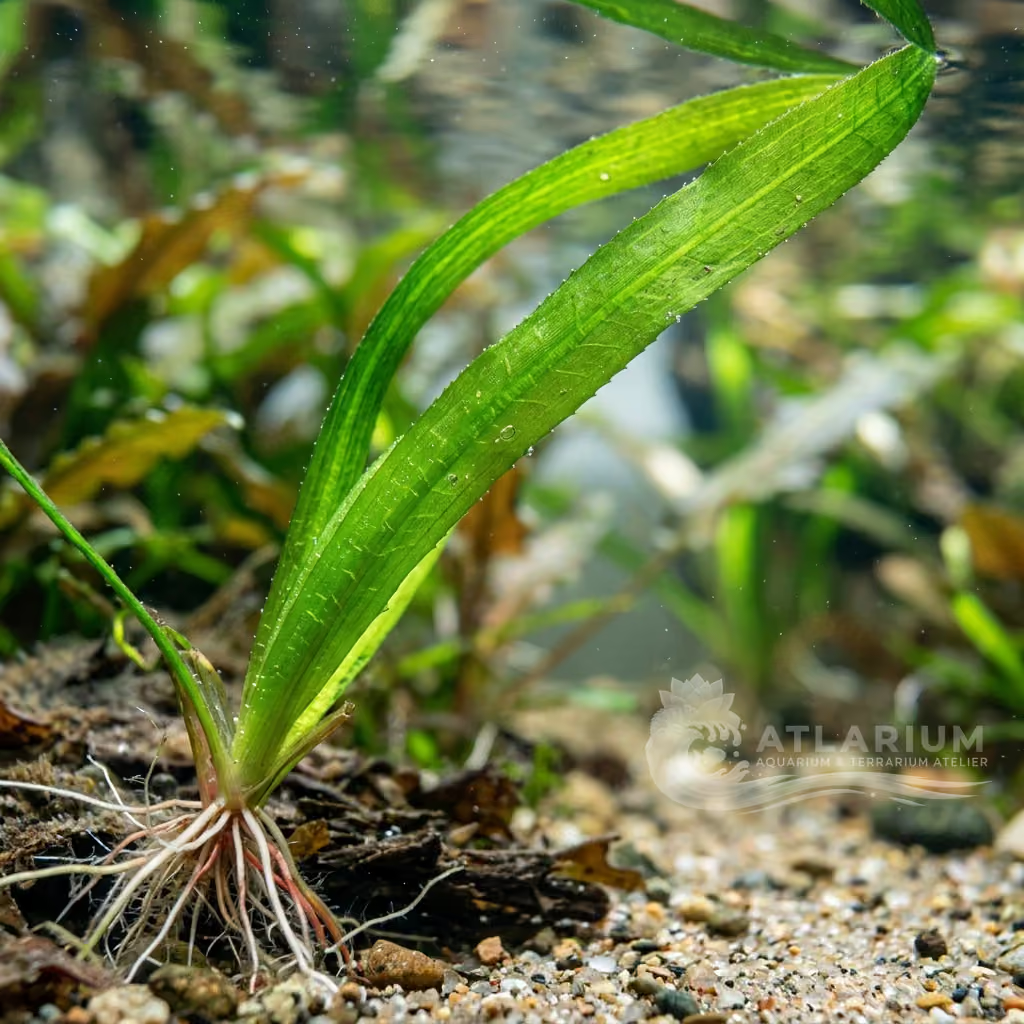
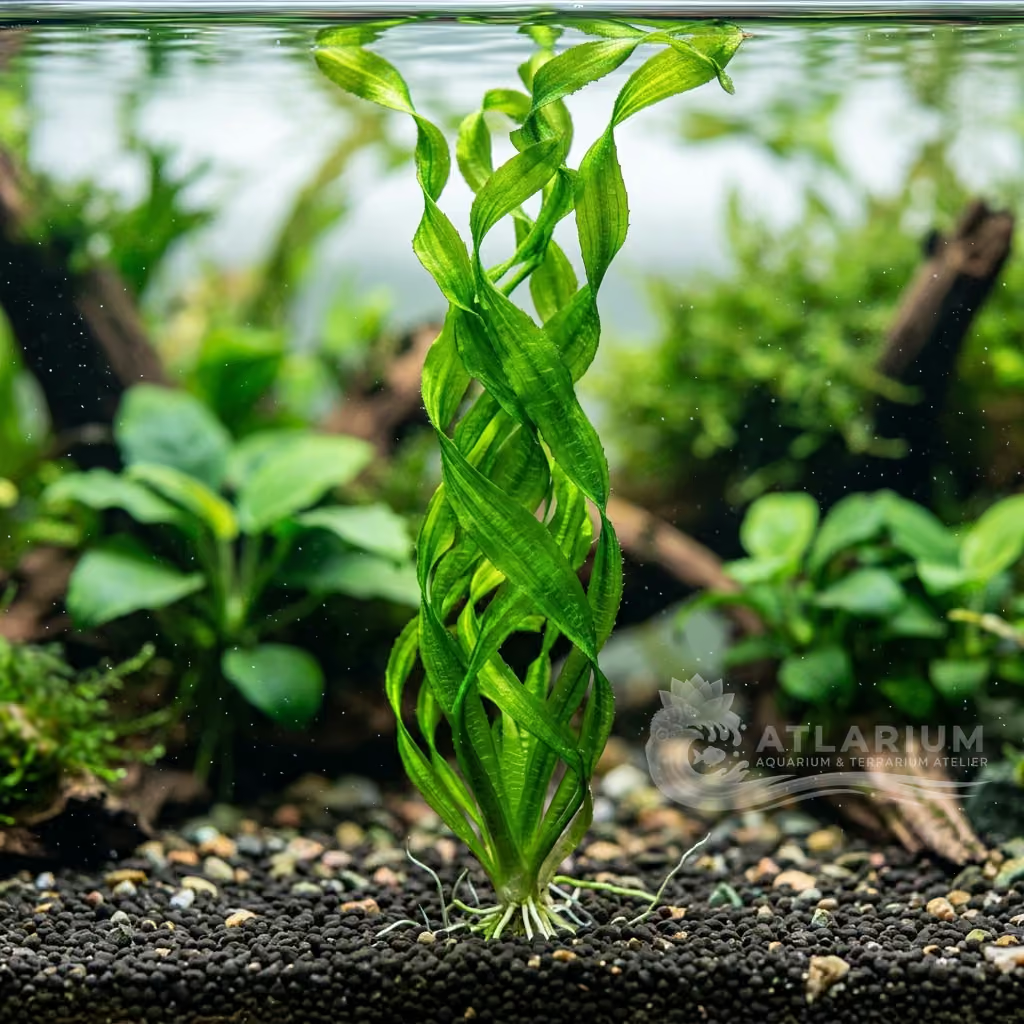
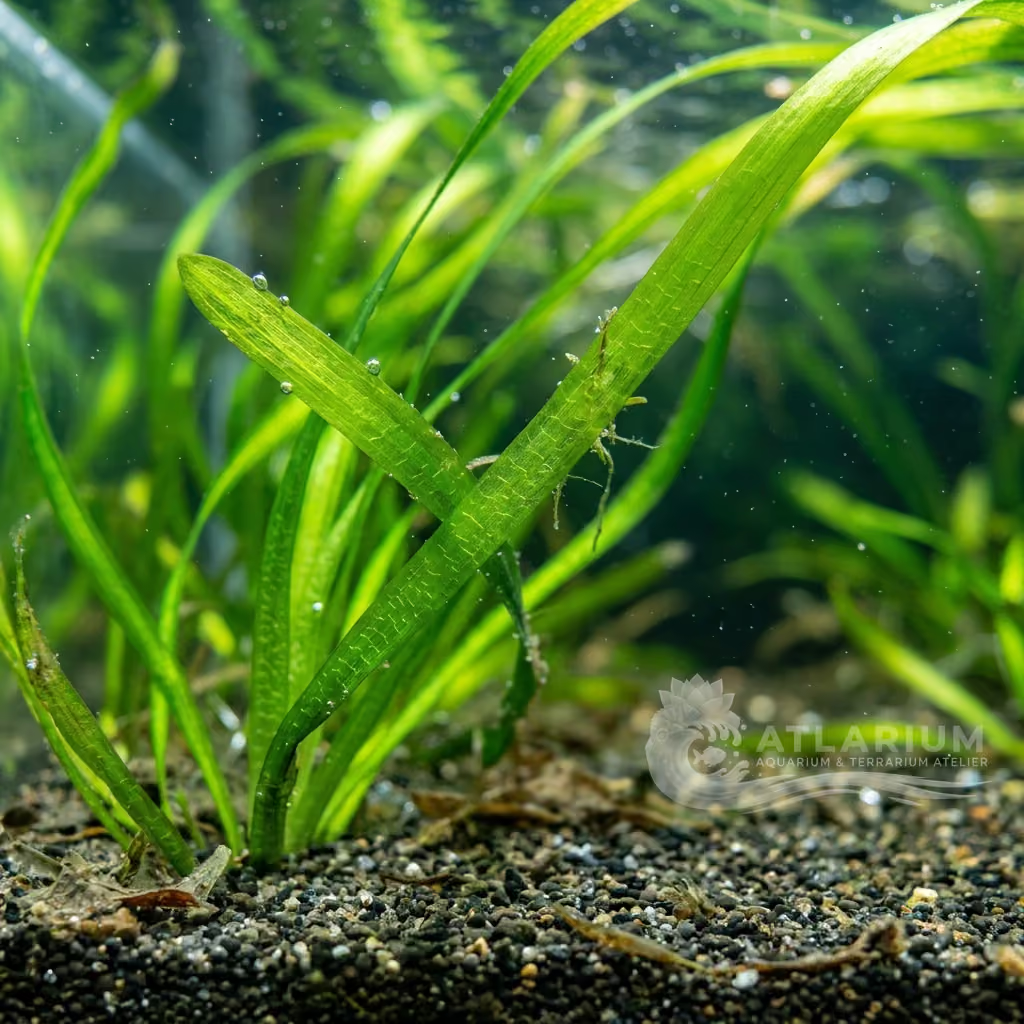
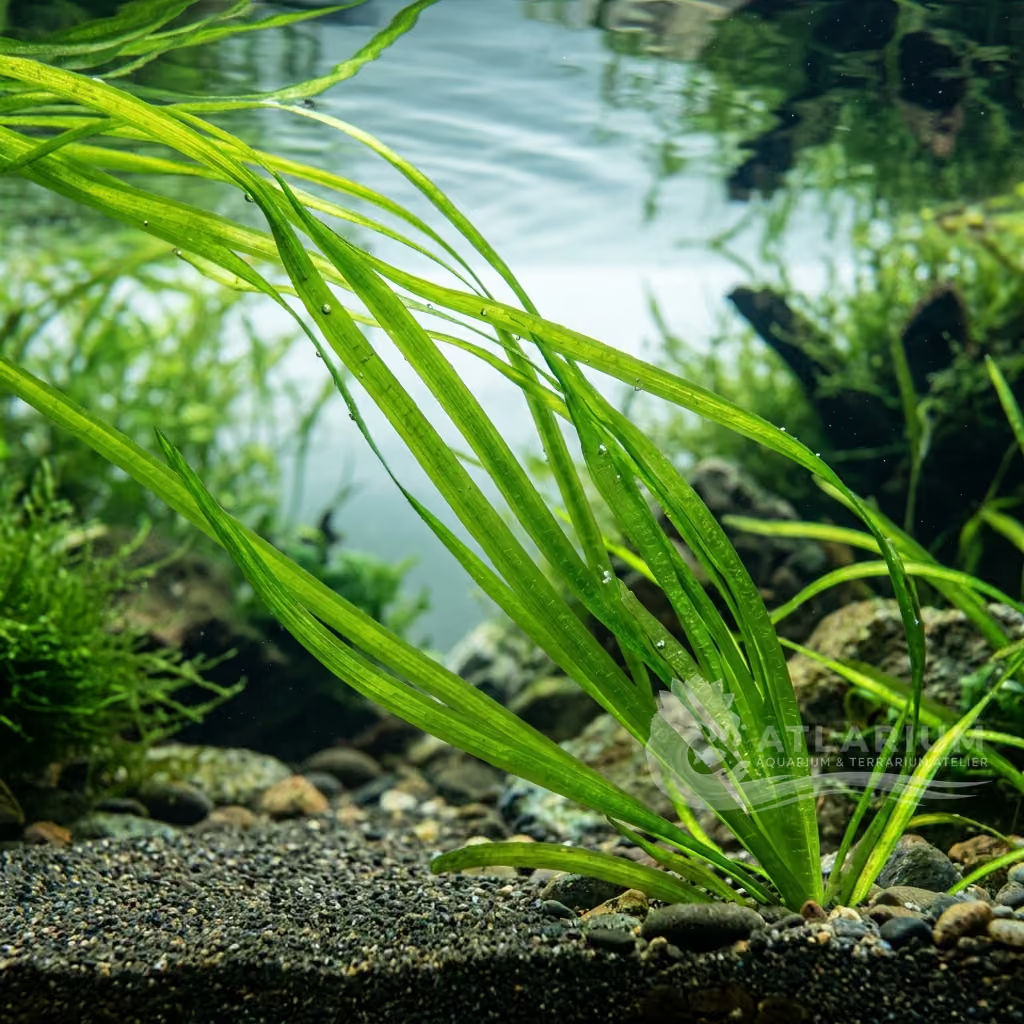
Physical Structure: Saururus chinensis is characterized by a robust rhizomatous root system from which upright stems emerge, bearing alternate leaves. The leaves are typically heart-shaped (cordate) with an acuminate apex and well-defined veins running through the leaf blade. When cultivated submerged, the stems tend to remain more compact, and the leaves may adopt a slightly narrower shape compared to emergent forms, adapting to the aquatic environment to maximize light absorption. The plant can reach considerable heights under optimal conditions, making it suitable for the midground of an aquarium.
Color & Texture: The dominant color of Saururus chinensis is a bright, vibrant green, which can vary in intensity depending on lighting and nutritional status. Under high light and adequate nutrient supply, the leaves can develop more intense shades, and sometimes subtle reddish veins may appear on the stems or the underside of younger leaves, especially in particular varieties. The texture of the leaves is generally smooth but robust, giving the plant a solid and structured presence within the aquarium, highly appreciated for its contrast with more delicate-leaved plants.

Care, breeding and tankmates
Lighting & CO2: Saururus chinensis demands high lighting to flourish, which translates to at least 0.7-1 watts per liter or an equivalent of 50-70 lumens per liter using quality LED lighting. Insufficient light can lead to elongated internodes (leggy growth), smaller and paler leaves, and a general weakening of the plant. CO2 injection is highly recommended to promote vigorous growth and intense coloration, facilitating efficient photosynthesis and preventing algae formation on the leaves due to its high energy requirements.
Nutrition & Substrate: This plant greatly benefits from a nutrient-rich substrate, capable of delivering essential micronutrients and macronutrients directly to its robust rhizomatous roots. Supplementation with root tabs or a specialized plant substrate is therefore strongly advised. In addition to root fertilization, it is important to provide a complete liquid fertilizer that supplies nitrates, phosphates, potassium, and trace elements to support the growth of new leaves and maintain overall plant health, preventing deficiencies that manifest as chlorosis or leaf necrosis.
Water Chemistry: Saururus chinensis exhibits remarkable tolerance to a wide range of water parameters, provided they remain stable. The ideal temperature range is between 4.0 and 27.0 °C, making it suitable even for unheated aquariums in temperate climates. The pH should be maintained between 6.0 and 8.0, while carbonate hardness (KH) should be between 5.0 and 15.0. It is crucial to avoid sudden fluctuations in these parameters, which can stress the plant and slow its growth or cause leaf melt, especially after introduction into a new aquatic environment.
Space Management & Placement: Given its medium-to-high growth potential and tendency to spread via rhizomes, Saururus chinensis is ideally placed in the midground of the aquarium. Planting it in dense groups can create an attractive focal point and provide shelter for smaller fish. It is important to leave sufficient space around each group to allow for rhizome spread without the plant overcrowding neighboring species. Regular management of its expansion through rhizome
Pruning: Pruning Saururus chinensis is essential to control its size and shape while simultaneously stimulating bushier and more compact growth. Overly long stems can be trimmed just above a node, and the trimmed sections can be replanted into the substrate to propagate new plants. It is also important to regularly remove older or damaged leaves at the base to promote water circulation and light penetration, reducing the risk of detritus buildup and algae issues, in addition to improving the plant's overall aesthetics.
Risks & Diseases: Like many aquatic plants, Saururus chinensis can be susceptible to nutrient deficiencies if the fertilizer balance is not maintained, manifesting as yellowing (chlorosis) or holes in the leaves. The presence of algae on the leaves can indicate excessive light combined with a lack of CO2 or nutrients, or an overabundance of nutrients in the water column. Pests such as snails can occasionally damage tender leaves, but usually do not pose a severe threat to robust plants. Regularly monitoring the plant and water parameters helps prevent most issues.

Geographic origin and distribution
Native to the humid regions of East Asia, specifically China, Korea, Japan, and Vietnam, Saururus chinensis thrives in semi-aquatic environments such as marshes, riverbanks, and shallow ponds. In these natural habitats, it can grow both submerged and emergent, demonstrating remarkable adaptability to fluctuating water levels. Its resilience allows it to tolerate a wide range of temperatures, a trait inherited from its native environment where seasons can bring significant variations.
Origin
East Asia

Plant profile
- Placement
- Midground
- Place Saururus chinensis in the midground or background of the aquarium. It needs enough space to avoid shading neighboring species. Proper placement ensures steady light exposure and water flow.
- Botanical form
- Stem
- Saururus chinensis features a distinct structural form with well-defined leaves. Its stem and root structures anchor firmly into the substrate. The overall appearance provides excellent visual texture underwater.
- Growth
- Medium
- The growth rate of Saururus chinensis is generally moderate under optimal conditions. Adding CO2 injection will significantly accelerate its development. However, it can adapt to slower growth in low-tech setups.
- Substrate
- High
- Much like its American relative, *Saururus chinensis* thrives in a rich, deeply layered substrate that can sustain its vigorous rhizomatous growth. A nutrient-loaded aqua soil provides the necessary iron and macronutrients for the plant's strong roots to absorb effectively. Ensure the substrate is at least 6 cm deep so the thick runners have ample room to spread and anchor properly. A nutrient-poor bed will lead to smaller leaves and slower propagation, making root-level fertilization highly beneficial.
- Column fertilization
- Recommended
- Liquid fertilization is very beneficial for Saururus chinensis. It absorbs dissolved minerals directly from the water column. Dosing a complete micronutrient fertilizer twice a week is recommended.
- Root fertilization
- Recommended
- A nutrient-rich substrate strongly supports the root system of Saururus chinensis. Adding root tabs near its base provides essential macronutrients. This promotes a stronger base and healthier overall growth.
- Trimming
- Occasional
- Regular trimming keeps Saururus chinensis looking neat and prevents overgrowth. Cut the stems just above a node to encourage branching. Remove any decaying or yellowing leaves to maintain water quality.
- Propagation
- Cuttings
- Propagation of Saururus chinensis is straightforward by taking stem cuttings. Replant the healthy cut portions directly into the substrate. They will develop new roots within a week or two.
- Sensitivity
- Moderate
- Saururus chinensis is somewhat sensitive to sudden fluctuations in water parameters. It prefers stable temperatures and consistent CO2 levels. Algae can grow on its leaves if lighting is too intense.
- Layout role
- Midground
- Saururus chinensis plays a crucial role in creating depth in an aquascape. Its unique texture contrasts beautifully with fine-leaved plants. It works well as a focal point or a transition plant.

Related species
Recommendations grouped by close relatives, companion choices, and similar care.