Rorippa aquatica
Rorippa aquatica
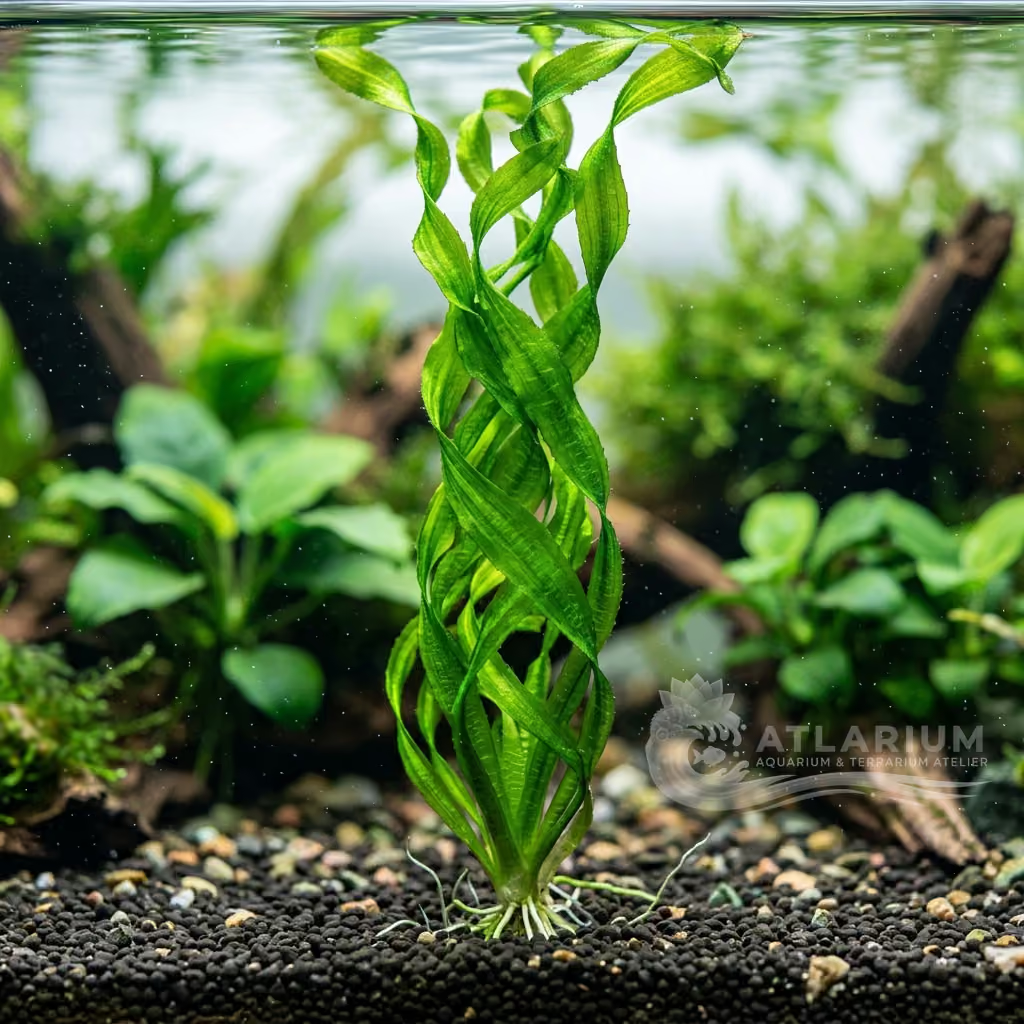
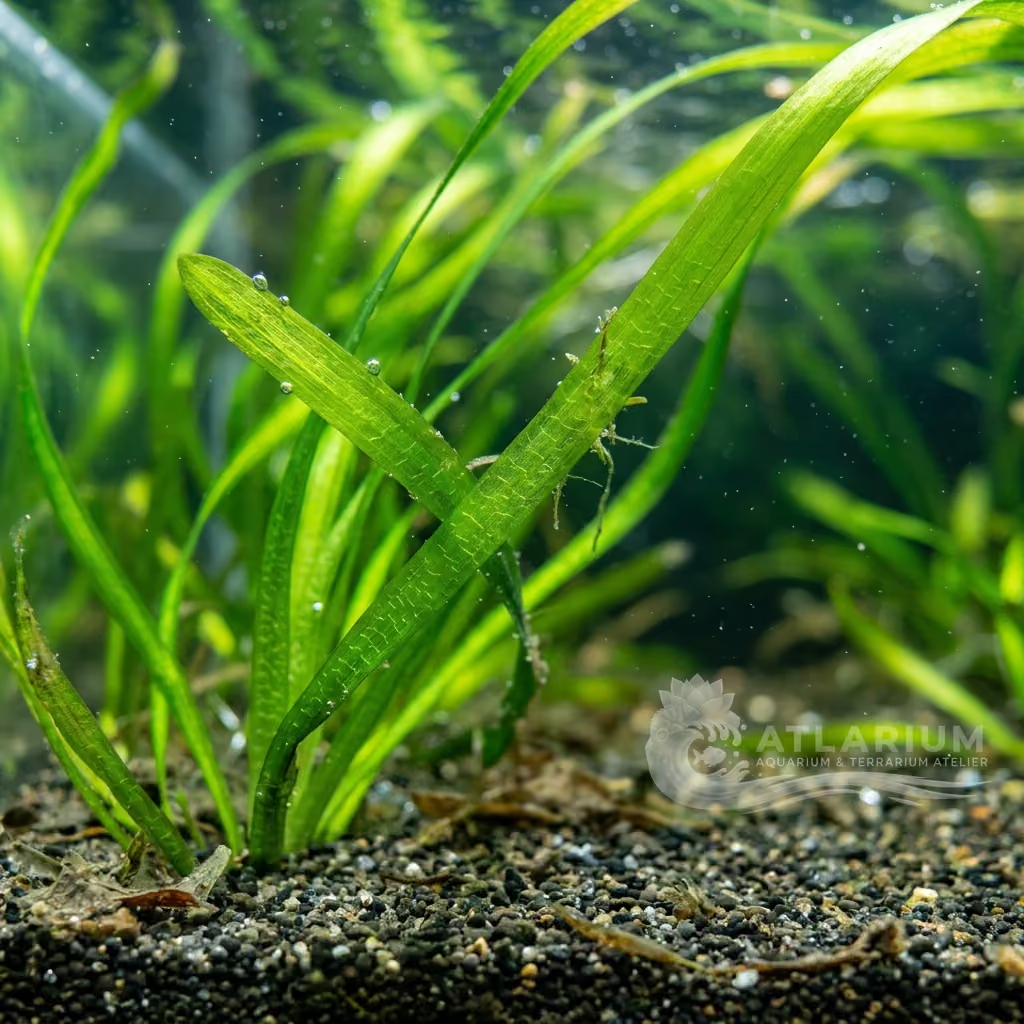
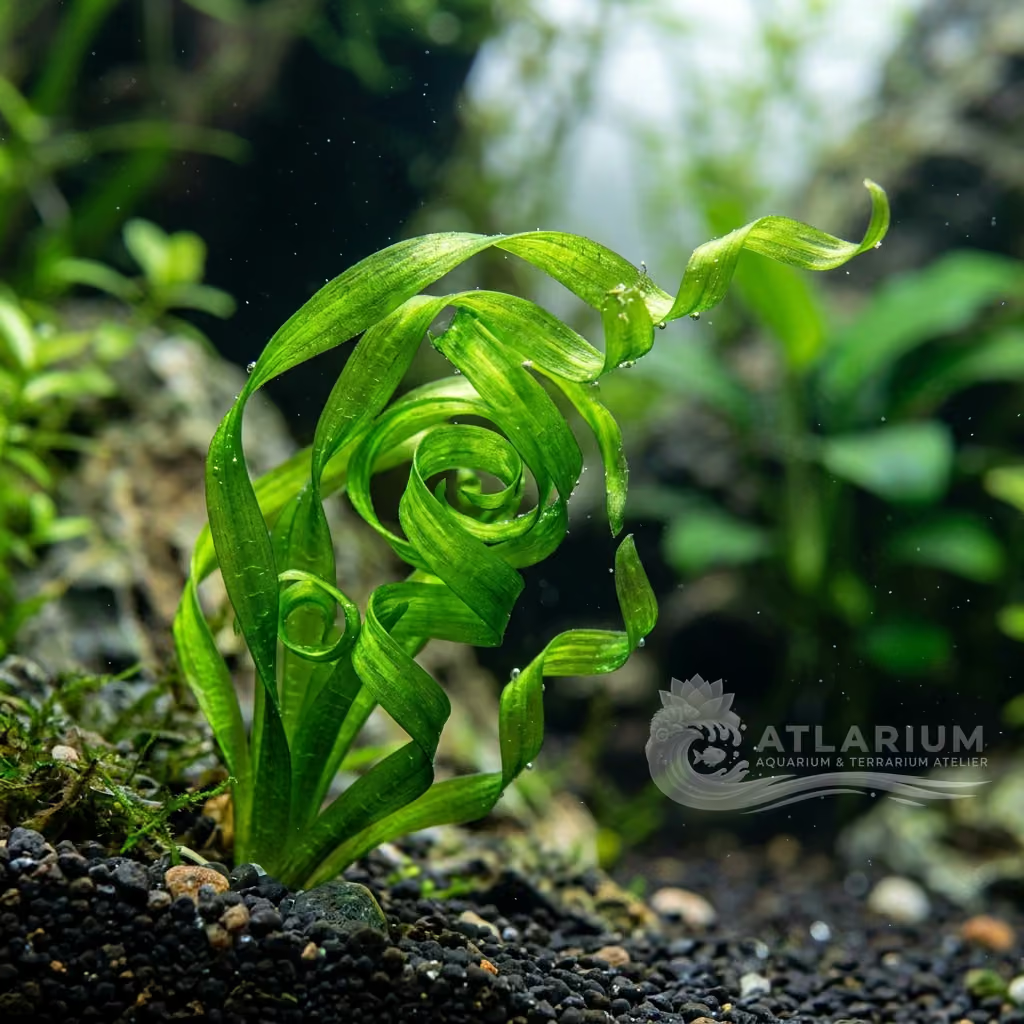
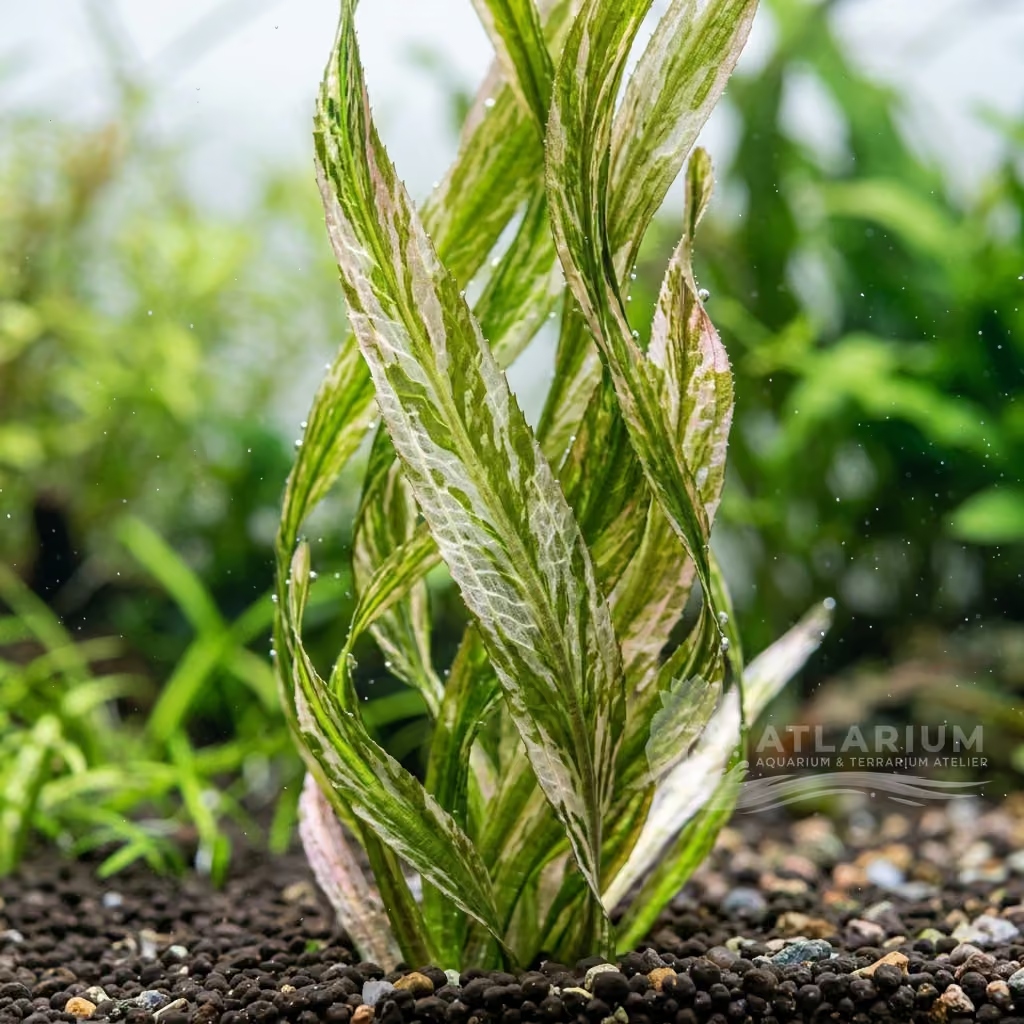
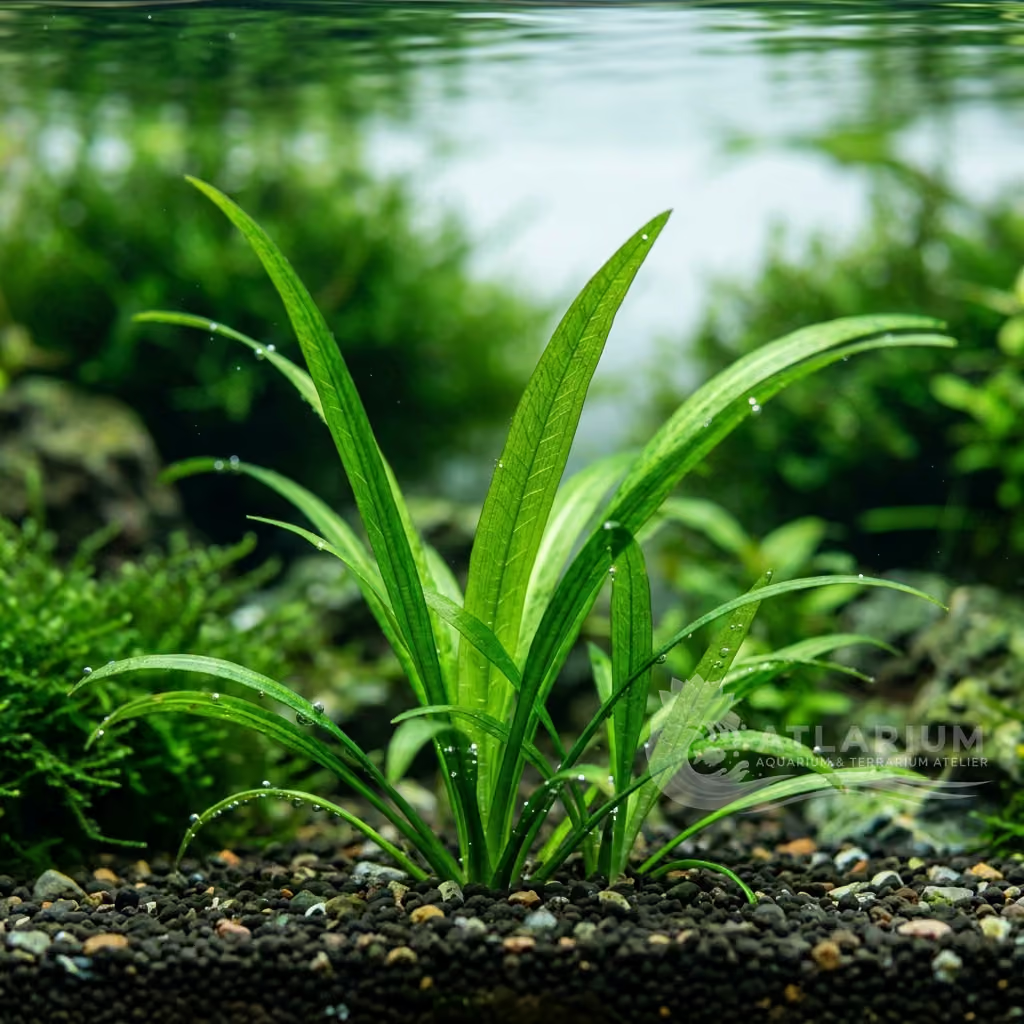
Rorippa aquatica is a beautiful foreground plant, prized for its delicate foliage and very slow growth rate, making it perfect for stable, long-lasting aquascape layouts. This species adds a fine texture and vibrant green color, helping to create a carpeting effect or a distinctive accent in the front of the aquarium.
Water Temperature
4 - 27 °C
pH Value
6 - 7.5
Water type
Freshwater
Light
Medium to High
CO2
High
KH
2 - 14 dKH

Species description
Geographical Origin and Habitat: Native to North America, where it is commonly known as American Watercress, Rorippa aquatica thrives in aquatic and semi-aquatic environments such as slow-moving streams, marshes, and pond edges. Its ability to adapt to both submerged and emersed conditions makes it a versatile species, although in aquariums it primarily favors full submersion. In its natural habitat, it is often found in clear, nutrient-rich waters, anchored to sandy or silty substrates.
Taxonomy & Genetics: Belonging to the Brassicaceae family, which also includes plants like cabbage and mustard, Rorippa aquatica is botanically related to numerous terrestrial and aquatic species. Its common name, watercress, highlights its affinity for aquatic environments and its edible leaves, although in aquariums it is cultivated exclusively for ornamental purposes. The classification within the Brassicaceae family reflects its shared genetic and morphological characteristics with other members of the Rorippa genus.
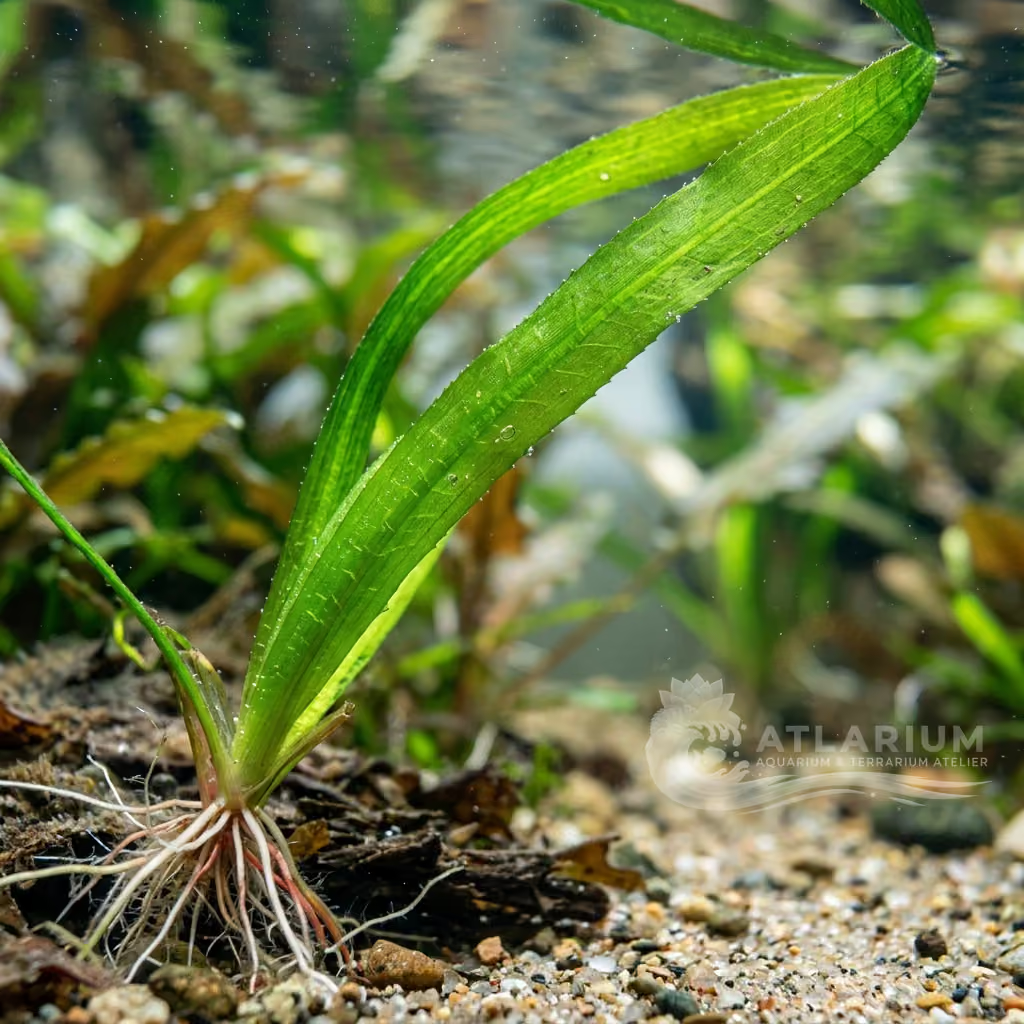
Physical Structure: The physical structure of Rorippa aquatica is characterized by thin, creeping stems that can develop a dense adventitious root system as they spread. The leaves are small, ranging from rounded to slightly lobed, and arranged alternately along the stem, contributing to a compact and dense appearance. The very slow growth of this species ensures it maintains a contained form, making it ideal for foreground positions without requiring excessively frequent pruning.
Color & Texture: Rorippa aquatica displays a vibrant bright green color, which can intensify or take on slightly reddish hues under very intense lighting conditions and with good nutrient availability, particularly iron. Its texture is delicate and slightly succulent, lending a soft and inviting appearance to the aquarium layout. This combination of color and texture makes it an excellent choice for creating contrast with darker plants or adding visual depth.

Care, breeding and tankmates
Lighting & CO2: For Rorippa aquatica, medium to high lighting is crucial for vigorous and compact growth, promoting optimal coloration and preventing stem elongation. While it can survive with medium light, higher intensity will stimulate denser, more rooted growth. Carbon dioxide (CO2) supplementation is highly recommended, especially given its very slow growth; CO2 will accelerate the plant's metabolism, improving nutrient uptake and resistance to algae.
Nutrition & Substrate: Adequate nutrition is vital for Rorippa aquatica, which benefits from both substrate nutrients and those present in the
Water Chemistry: Rorippa aquatica is surprisingly tolerant of a wide range of water parameters, making it suitable for various aquarium setups, from softer to moderately hard water. It maintains optimal health within a temperature range of 4.0 to 27.0 C, although milder temperatures (20-24 C) are often ideal for growth. pH should be maintained between 6.0 and 7.5, while KH can range from 2.0 to 14.0, demonstrating remarkable flexibility that facilitates its integration.
Space Management & Placement: Given its very slow growth and compact habit, Rorippa aquatica is ideally placed in the foreground of the aquarium, where it can form a delicate carpet or a distinctive accent. It is perfect for nature-style or Dutch aquascaping, where its fine texture and bright green can be highlighted. Ensure it is planted with sufficient space to allow for slow but steady lateral spread, without being overshadowed by faster-growing plants.
Pruning: Pruning Rorippa aquatica is an infrequent task due to its very slow growth, but it is important to maintain the desired density and shape. When necessary, older or damaged stems should be removed by cutting them at the base to encourage the growth of new side shoots. To promote denser, more compact growth, it is advisable to trim any tips that tend to stretch upwards, encouraging branching and filling empty spaces in the foreground.
Risks & Diseases: Rorippa aquatica is generally a robust plant, but its slow growth makes it susceptible to algae accumulation on its leaves, especially with imbalances in light and nutrients. Nutritional deficiencies, particularly iron, can manifest as pale or yellowing leaves, while insufficient lighting can lead to stunted and leggy growth. It is crucial to carefully monitor water parameters and fertilization to prevent such issues and maintain the plant's health.

Geographic origin and distribution
Native to North America, where it is commonly known as American Watercress, Rorippa aquatica thrives in aquatic and semi-aquatic environments such as slow-moving streams, marshes, and pond edges. Its ability to adapt to both submerged and emersed conditions makes it a versatile species, although in aquariums it primarily favors full submersion. In its natural habitat, it is often found in clear, nutrient-rich waters, anchored to sandy or silty substrates.
Origin
North America

Plant profile
- Placement
- Foreground
- This plant is best placed in the midground of the aquarium where its unique texture can be fully appreciated. It forms bushy clusters that can beautifully transition between lower foreground plants and taller background stems. Adequate spacing should be provided to ensure lower leaves receive sufficient light.
- Botanical form
- Stem
- It features finely lobed, somewhat fragile leaves that grow in a rosette-like to stem structure. The leaves have a delicate, almost fern-like appearance that adds a high level of detail to the layout. When the leaves detach, they can float and naturally develop into independent plantlets.
- Growth
- Very slow
- Rorippa aquatica exhibits a moderate growth rate, allowing it to be easily managed without frequent, invasive pruning. Under optimal lighting and CO2 conditions, it develops side shoots steadily. This steady pace makes it an excellent choice for maintaining a consistent aquascape design over time.
- Substrate
- High
- *Rorippa aquatica* thrives exceptionally well when planted in a nutrient-rich, deep aqua soil that can accommodate its extensive root system. As a demanding species, its roots rely heavily on a well-aerated, fertile substrate to absorb essential macronutrients and trace elements efficiently. A minimum depth of 5 to 7 centimeters is recommended to ensure secure anchoring and prevent uprooting. Regular root tab supplementation will further enhance the vitality and growth of this aquatic plant.
- Column fertilization
- Recommended
- Regular liquid fertilization is very beneficial, particularly for supplying iron and trace elements directly to the leaves. It actively absorbs nutrients from the water column, responding well to consistent dosing schedules. Maintaining optimal potassium levels helps prevent pinholes and degradation of the older foliage.
- Root fertilization
- Required
- A nutrient-rich substrate or the addition of root tabs will significantly boost its root development and overall vigor. The plant develops a strong root system when planted in aqua soil. Substrate fertilization provides a steady reserve of nutrients that complements liquid dosing perfectly.
- Trimming
- Occasional
- Trimming should be done carefully by cutting the main stem just above a healthy node to encourage bushy side growth. Due to its fragile leaves, use sharp scissors to avoid crushing the plant tissue. Detached or damaged leaves can be left to float, as they often sprout roots and form new plants.
- Propagation
- Cuttings
- Propagation is remarkably easy as the plant naturally reproduces from detached leaves that float in the water column. You can also propagate it by taking top cuttings and replanting them into the substrate. Both methods yield healthy new plantlets that quickly establish their own root systems.
- Sensitivity
- Moderate
- Rorippa aquatica is somewhat sensitive to sudden changes in water parameters, particularly fluctuations in CO2 and pH. Its leaves can be brittle and may detach if handled roughly during maintenance or by active fish. It also struggles in shaded areas, requiring unobstructed light to prevent lower leaf melt.
- Layout role
- Foreground, group
- It serves as an excellent midground focal point or transition plant due to its distinctive, heavily textured leaves. Its bright green coloration contrasts beautifully with red aquatic plants or dark hardscape materials. Rorippa aquatica brings a wild, natural aesthetic to both Nature Aquarium and Dutch-style layouts.

Related species
Recommendations grouped by close relatives, companion choices, and similar care.