Microsorum pteropus "Thors Hammer"
Microsorum pteropus "Thors Hammer"
Microsorum pteropus "Thors Hammer" is a distinct and resilient Java Fern cultivar, prized for its unique fronds and robust nature. This slow-growing plant is ideal for midground placement, enriching the aquarium with its distinctive texture.
Water Temperature
4 - 30 °C
pH Value
5 - 8
Water type
Freshwater
Light
Low to High
CO2
High
KH
0 - 14 dKH

Species description
Geographical Origin and Habitat: Microsorum pteropus, the species from which the "Thors Hammer" cultivar originates, is native to Southeast Asia, where it thrives in marshy areas and along the banks of rivers and streams. It is commonly found anchored to submerged wood, rocks, or organic debris, often in areas where sunlight is filtered by the overhead vegetation. This natural habitat explains its tolerance to a wide range of aquatic conditions and its preference for epiphytic growth, without being rooted in the substrate.
Taxonomy & Genetics: Microsorum pteropus "Thors Hammer" is a genetically selected cultivar derived from the genus Microsorum, which belongs to the Polypodiaceae family, a large group of terrestrial and epiphytic ferns. Although its specific origin as a cultivar is not natural, it retains the fundamental genetic and morphological characteristics of wild Microsorum pteropus, but with a particular emphasis on specific aesthetic traits. This targeted selection has resulted in a variant with distinctively shaped and textured fronds, making it unique while preserving the robustness and adaptability of the parent species.
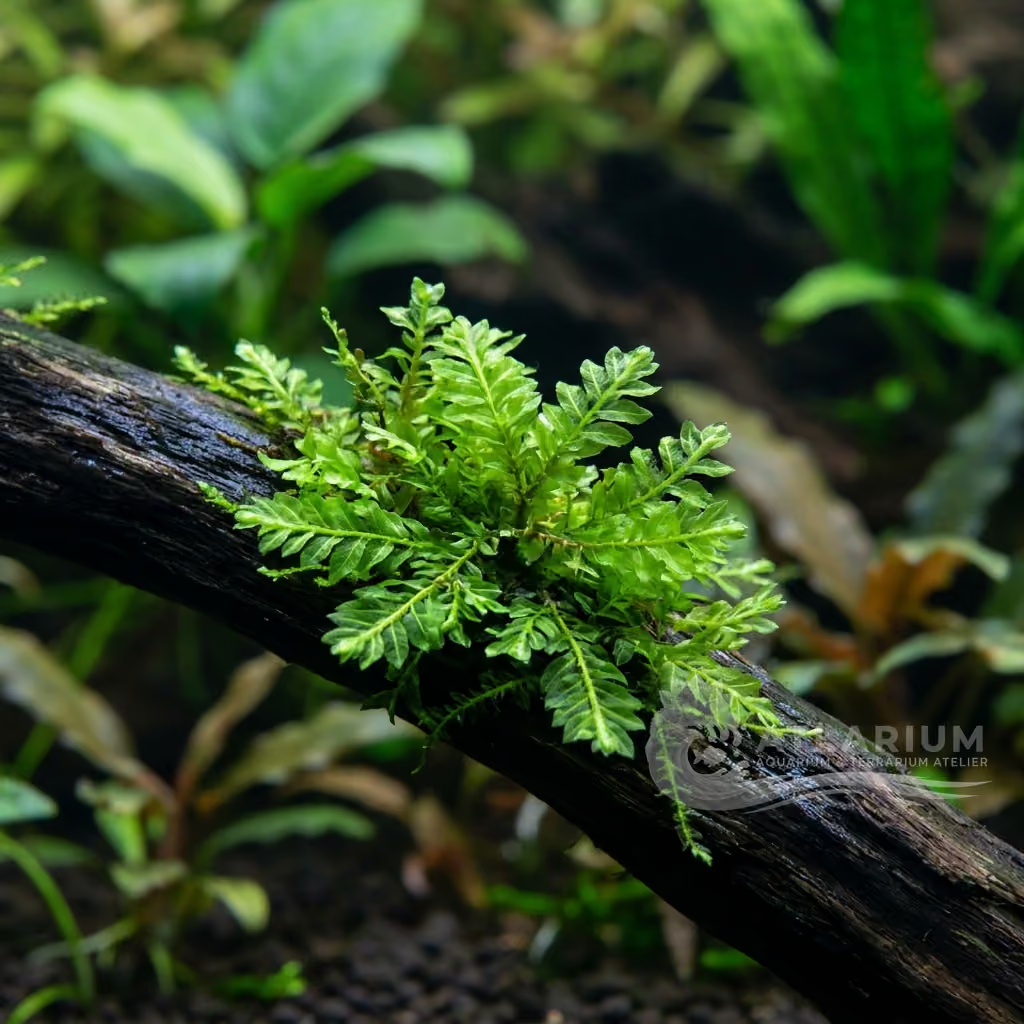
Physical Structure: This cultivar is distinguished by its robust physical structure and a creeping rhizome from which the fronds emerge. Its fine, fibrous roots tenaciously attach to any available surface, such as driftwood or rocks, rather than penetrating the substrate. The fronds, which constitute the most visible and decorative part of the plant, develop directly from the rhizome, displaying gradual growth and remarkable longevity. The precise shape of the "Thors Hammer" fronds is what makes it unique, often featuring more pronounced lobes or segments or a more rugged texture compared to standard varieties, evoking the name it carries.
Color & Texture: The fronds of Microsorum pteropus "Thors Hammer" typically exhibit a medium to dark green hue, which can vary slightly in intensity depending on lighting and nutrient conditions. Their texture is notably robust and leathery to the touch, a distinctive characteristic of the species and often amplified in this cultivar. It is precisely the unusual conformation of the fronds, which may appear more jagged, crinkled, or with pronounced lobes, that gives it its distinctive appearance and the evocative name "Thor's Hammer," making it a visual focal point in the aquarium.

Care, breeding and tankmates
Lighting & CO2: Microsorum pteropus "Thors Hammer" is an extremely versatile plant regarding lighting, thriving well in both low-light conditions and aquariums with more intense illumination. Under moderate to high light, its growth may be slightly accelerated, and the fronds might display more vibrant colors, but adequate nutrient supply is crucial to prevent deficiencies. CO2 injection is not strictly necessary for the plant's survival, given its slow growth, but it can stimulate more vigorous growth and greater vitality of the fronds, contributing to optimal health.
Nutrition & Substrate: As an epiphytic fern, Microsorum pteropus "Thors Hammer" does not require a fertile substrate for its primary nutrition; its roots primarily serve for anchoring. It absorbs nutrients directly from the
Water Chemistry: This Microsorum cultivar is exceptionally tolerant of a wide range of water parameters, making it suitable for almost all freshwater aquariums. The ideal water temperature can range from 4.0 to 30.0 °C, although optimal growth is observed in a narrower, stable range. The pH should be maintained between 5.0 and 8.0, while carbonate hardness (KH) can span from 0.0 to 14.0. Stability of parameters, rather than specific values at the extremes, is always preferable to avoid stress and promote consistent, healthy plant growth.
Space Management & Placement: Microsorum pteropus "Thors Hammer" is ideal for midground placement, where its unique fronds can become a visual focal point. As an epiphytic plant, it must be securely attached to driftwood, rocks, or other decorative elements using fishing line or aquarium-safe super glue. It is crucial to leave the rhizome exposed to the water to prevent it from rotting. This placement not only highlights its distinctive shape but also facilitates water circulation around the rhizome, contributing to its overall health and problem prevention.
Pruning: Pruning Microsorum pteropus "Thors Hammer" is generally simple and infrequent, given its slow growth. It primarily focuses on removing older, damaged, or yellowing fronds by cutting them at the base of the rhizome with sharp, clean scissors. If the plant becomes too large or dense, the rhizome can be divided into several sections, ensuring each section has at least a few fronds and a healthy piece of rhizome. This operation not only controls the plant's size but is also the main method of propagation, allowing for the creation of new plants.
Risks & Diseases: Despite its robustness, Microsorum pteropus "Thors Hammer" can be susceptible to some issues. "Java Fern Melt," a blackening and disintegration of leaves, is often caused by sudden changes in conditions, poor water quality, or, most commonly, by burying the rhizome. Algae can proliferate on its fronds under conditions of excessive lighting or nutrient imbalances. It is also important to watch out for attacks from snails or herbivorous fish, although its leathery leaves are generally less palatable than other softer plants. Prevention through regular maintenance is key to avoiding most of these problems.

Geographic origin and distribution
Microsorum pteropus, the species from which the "Thors Hammer" cultivar originates, is native to Southeast Asia, where it thrives in marshy areas and along the banks of rivers and streams. It is commonly found anchored to submerged wood, rocks, or organic debris, often in areas where sunlight is filtered by the overhead vegetation. This natural habitat explains its tolerance to a wide range of aquatic conditions and its preference for epiphytic growth, without being rooted in the substrate.
Origin
South and Southeast AsiaSelective breeding and cultivars

Plant profile
- Placement
- Midground
- Must be tied or glued to wood, rocks, or other decorative items in the aquarium. It looks best when positioned in the midground, where its unique leaf structure can be showcased. The rhizome should always be kept exposed to the water.
- Botanical form
- Rhizome
- Highly distinctive for its deeply bifurcated, forked leaf tips that resemble the mythical hammer of Thor. The leaves are typically broad at the base and split heavily towards the ends, creating a complex, ragged appearance. It grows from a hardy rhizome and features a leathery, vibrant green texture.
- Growth
- Slow
- Notoriously slow-growing, it requires significant patience to form a large clump. This slow pace makes it excellent for layouts where frequent trimming is undesirable. Consistent water parameters will help it maintain a steady, albeit slow, development.
- Substrate
- None
- This unique cultivar, Microsorum pteropus "Thors Hammer", shares the strict epiphytic requirements of all Java Ferns. The rhizome serves as the critical center of growth and must be kept clear of sand, gravel, or soil. By fixing the plant to branches or hardscape features, its tough, hair-like roots will naturally adhere to the surface to provide immense stability against water currents.
- Column fertilization
- Recommended
- Draws all necessary nutrients straight from the surrounding water column. A weekly dose of comprehensive liquid fertilizer is recommended to keep the foliage lush and green. Adequate water circulation helps deliver these nutrients effectively to the plant's surface.
- Root fertilization
- None
- Does not benefit from root tabs or nutrient substrates since it is an epiphytic fern. Burying the roots or rhizome will almost certainly result in the plant rotting and dying. All nutritional support must come from the water column.
- Trimming
- Occasional
- Trimming is rarely needed due to its incredibly slow growth rate. When necessary, simply clip off any dead, dying, or heavily algae-infested leaves at the base near the rhizome. This helps redirect the plant's energy into producing new, healthy, hammer-shaped fronds.
- Propagation
- Cuttings
- Easily propagated by cutting the main rhizome into smaller sections with a sharp tool. Each section will continue to grow as an independent plant if it has a few leaves and roots. It also frequently spawns small plantlets from the tips and undersides of old leaves.
- Sensitivity
- Moderate
- Extremely tough and resistant to herbivorous fish, thanks to its tough leaf structure. However, it is very sensitive to being planted in the substrate, which will cause it to rot. It thrives best in clean water with moderate flow to prevent algae from settling on its slow-growing leaves.
- Layout role
- Epiphyte, Midground, Background
- Acts as a spectacular, eye-catching centerpiece or accent plant in the midground. Its heavily branched leaves create intricate shadows and hiding spots for small fish and shrimp. It adds a wild, ancient, and highly textured look to any nature aquarium layout.

Related species
Recommendations grouped by close relatives, companion choices, and similar care.