Microsorum pteropus 'Philippine'
Microsorum pteropus 'Philippine'
Microsorum pteropus 'Philippine' is a captivating variety of Java fern, distinguished by its elongated leaves and remarkable hardiness. This plant is an excellent choice for aquarists seeking a slow-growing and low-maintenance species capable of adapting to various aquarium conditions.
Water Temperature
4 - 30 °C
pH Value
5 - 8
Water type
Freshwater
Light
Low to High
CO2
High
KH
0 - 14 dKH

Species description
Geographical Origin and Habitat: The 'Philippine' variety of Microsorum pteropus likely originates from the Philippines, an archipelago known for its rich aquatic biodiversity. In its natural habitat, it commonly attaches to submerged rocks and driftwood in streams and flooded areas, thriving in the partial shade provided by overhead vegetation. Its aerial roots allow it to anchor firmly, resisting currents and flourishing in moist, submerged environments. This adaptability to varied conditions makes it a robust and widespread species within these tropical ecosystems.
Taxonomy & Genetics: Scientifically classified within the Polypodiaceae family, Microsorum pteropus 'Philippine' is considered a cultivar or geographical variant of the species M. pteropus. Its 'Philippine' designation indicates a specific geographical origin, suggesting potential distinctive morphological or genetic differences compared to other Java fern varieties. Taxonomically, Java fern is known for its ability to produce numerous cultivars, often identified by names reflecting their leaf shape or provenance, but all share the robust genetic foundation of the parent species. This particular selection was likely isolated or cultivated for its unique aesthetic characteristics.
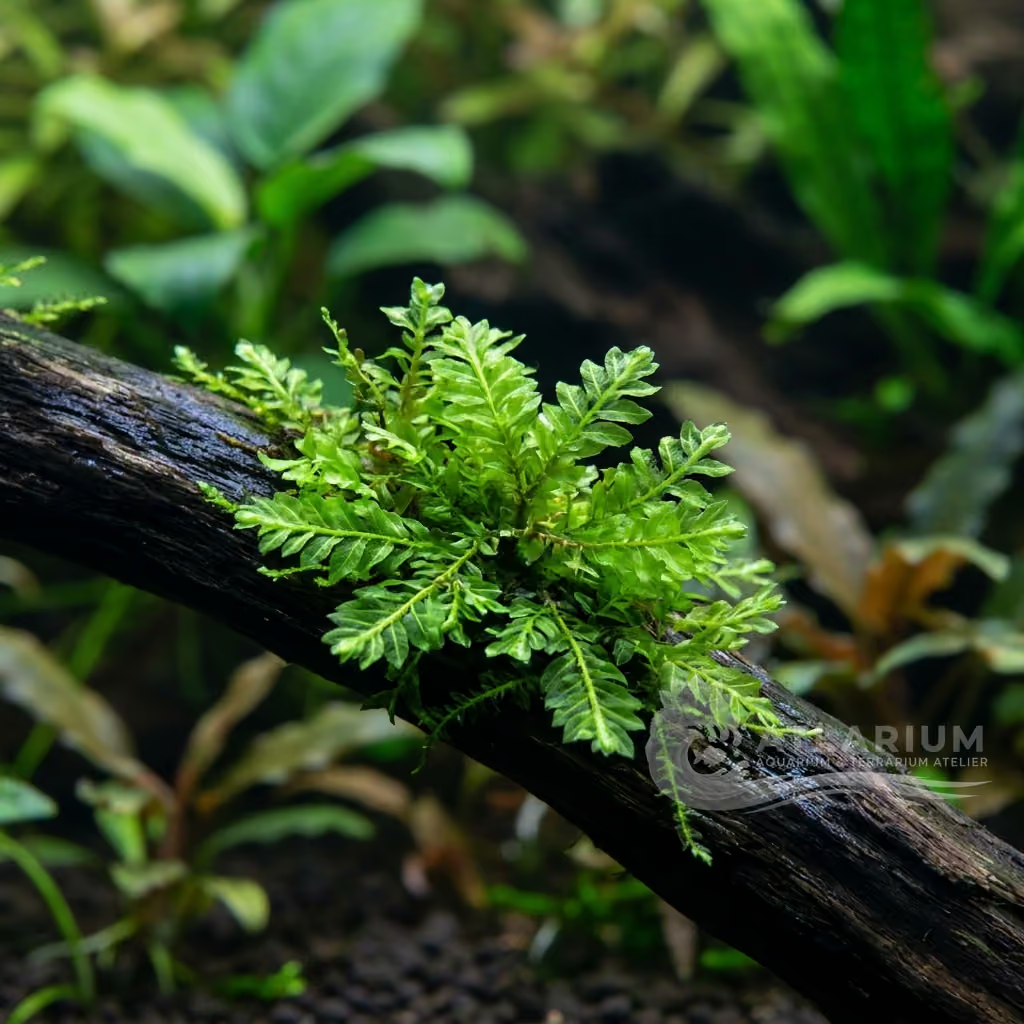
Physical Structure: The physical structure of Microsorum pteropus 'Philippine' is characterized by a creeping, thick rhizome from which both leaves and roots emerge. The thin, dark roots cling tenaciously to any available surface, while the rhizome must remain exposed to the water to prevent rot. Its leaves are typically elongated and lanceolate with a well-defined petiole, capable of reaching considerable sizes depending on growing conditions. Mature leaves often display small, brown sori on their undersides, which are sporangia containing spores, indicating sexual reproduction, though vegetative propagation is more common in aquariums.
Color & Texture: The leaves of Microsorum pteropus 'Philippine' display a vibrant green color, ranging from a medium to a deep, intense shade, influenced by light intensity and nutrient availability. The leaf surface is smooth and slightly leathery to the touch, lending the plant a robust and resilient texture. Unlike some other Java fern varieties, this 'Philippine' cultivar tends to have narrower and more elongated leaves, giving it an elegant and less frilly appearance. Its chromatic contrast against dark driftwood and rocks, to which it is often anchored, further enhances its natural beauty within the aquarium.

Care, breeding and tankmates
Lighting & CO2: Microsorum pteropus 'Philippine' is remarkably versatile regarding lighting, thriving in conditions from low to high light. In aquariums with more intense light, its growth might accelerate slightly, but CO2 supplementation is not strictly necessary, although it can promote more vigorous development and brighter coloration. It is crucial to avoid excessive, direct lighting, especially without adequate CO2 and nutrients, as this can lead to algae growth on the leaves, hindering photosynthesis and overall plant health. Moderate light is often ideal for maintaining balance and preventing issues.
Nutrition & Substrate: This aquatic fern is not particularly demanding regarding substrate, as it primarily absorbs nutrients from the
Water Chemistry: column and should not be buried. It is crucial that its rhizome remains completely exposed; otherwise, it
Risks & Diseases: Microsorum pteropus 'Philippine' is incredibly tolerant of a broad spectrum of water parameters, making it an excellent choice for many aquariums. It adapts to temperatures ranging from 4.0 to 30.0 C, pH levels between 5.0 and 8.0, and a carbonate hardness (KH) between 0.0 and 14.0. This flexibility makes it compatible with a wide variety of setups, from soft and acidic water biotopes to harder and more alkaline environments. Maintaining stable conditions within these optimal ranges will contribute to healthy growth and prevent aquatic stress.
Space Management & Placement: For space management and placement, Microsorum pteropus 'Philippine' is ideal for the midground, where its elongated leaves can create an interesting visual effect without overly shading smaller plants. It is essential to attach the plant to driftwood, rocks, or other decor using fishing line or cyanoacrylate glue, ensuring the rhizome is never covered. Its slow growth rate makes it suitable for moderately sized aquariums, where it can form dense clumps over time, providing natural shelters for fish and contributing to the ecosystem's biodiversity.
Pruning: Pruning of Microsorum pteropus 'Philippine' is generally minimal due to its slow growth. It primarily focuses on removing old, damaged, or algae-covered leaves to maintain the plant's aesthetics and health. Yellowed or blackened leaves near the rhizome often indicate stress or deficiencies and should be removed by cutting them close to the rhizome with sharp scissors. This process not only improves appearance but also prevents the spread of problems and encourages the plant to focus energy on new growth.
Risks & Diseases: One of the primary risks for Microsorum pteropus 'Philippine' is "Java fern melt," a phenomenon where leaves begin to decompose and disintegrate, often due to environmental stress or drastic changes in water conditions. Filamentous algae can become an issue on older leaves or in aquariums with excessive lighting and insufficient CO2. Carefully monitoring water parameters and providing balanced fertilization are crucial steps to prevent these problems and maintain plant health. It is also important to avoid burying the rhizome, as this is a common cause of rot and decline.

Geographic origin and distribution
The 'Philippine' variety of Microsorum pteropus likely originates from the Philippines, an archipelago known for its rich aquatic biodiversity. In its natural habitat, it commonly attaches to submerged rocks and driftwood in streams and flooded areas, thriving in the partial shade provided by overhead vegetation. Its aerial roots allow it to anchor firmly, resisting currents and flourishing in moist, submerged environments. This adaptability to varied conditions makes it a robust and widespread species within these tropical ecosystems.
Origin
South and Southeast Asia

Plant profile
- Placement
- Midground
- Best attached to hardscape materials such as driftwood or rocks rather than planted in the substrate. It works exceptionally well in the midground or background, depending on the aquarium size. Its textured leaves add excellent contrast when placed alongside smooth-leaved Anubias or mosses.
- Botanical form
- rhizome or creeping stem
- Features distinctively narrow, elongated leaves with a hammered, textured surface that sets it apart from standard Java fern varieties. The vibrant green fronds have undulating margins and are highly resilient to typical aquarium conditions. It develops a sturdy rhizome from which the intricate foliage continuously sprouts.
- Growth
- Slow
- Exhibits a slow growth rate, making it a low-maintenance choice for aquascapes. The leaves gradually multiply over several months, eventually forming dense, bushy clusters. CO2 injection can slightly accelerate its development, though it remains a fundamentally slow grower.
- Substrate
- None
- As a true epiphyte, Microsorum pteropus 'Philippine' should never be planted directly into the substrate, as burying its rhizome will lead to rot. Its dark, wiry roots are specially adapted to anchor tightly onto hardscape materials such as driftwood or porous rocks. It absorbs all necessary nutrients directly from the water column, meaning the underlying substrate type is entirely irrelevant to its growth.
- Column fertilization
- Recommended
- Benefits greatly from regular additions of liquid fertilizers directly into the water column. Since it feeds predominantly through its leaves and rhizome roots, comprehensive liquid nutrients including potassium are essential. Iron supplementation helps keep the leaves bright green and prevents the development of translucent spots.
- Root fertilization
- None
- Root tabs are entirely unnecessary because the rhizome should never be buried in the substrate. The plant derives no significant nutritional benefit from substrate-based fertilization. Its roots function primarily as anchors to grip wood or stone rather than as primary nutrient absorbers.
- Trimming
- Occasional
- Pruning is straightforward; simply cut older, damaged, or heavily algae-covered leaves as close to the rhizome as possible. This encourages the plant to direct energy into producing fresh, healthy growth. Avoid cutting the leaves in half, as the remaining portions will turn brown and slowly decay.
- Propagation
- Cuttings
- Extremely easy to propagate by dividing the main rhizome into smaller segments, each containing a few healthy leaves. These segments can then be reattached to new pieces of hardscape. It also naturally produces tiny plantlets with their own roots on the edges and tips of mature leaves.
- Sensitivity
- Moderate
- Very hardy but sensitive to having its rhizome buried in soil or gravel, which quickly leads to rot and plant death. It can occasionally develop black spots on older leaves, which is often a normal part of aging rather than a disease. It thrives in moderate water flow to prevent debris accumulation on its textured leaves.
- Layout role
- Epiphyte, Midground, Background
- Excellent as a striking focal point or structural filler among hardscape in a nature aquarium. Its textured, 'hammered' leaves bring a rugged, wild aesthetic that enhances the natural look of wood and stone. It bridges the gap perfectly between the foreground and larger background plants.

Related species
Recommendations grouped by close relatives, companion choices, and similar care.