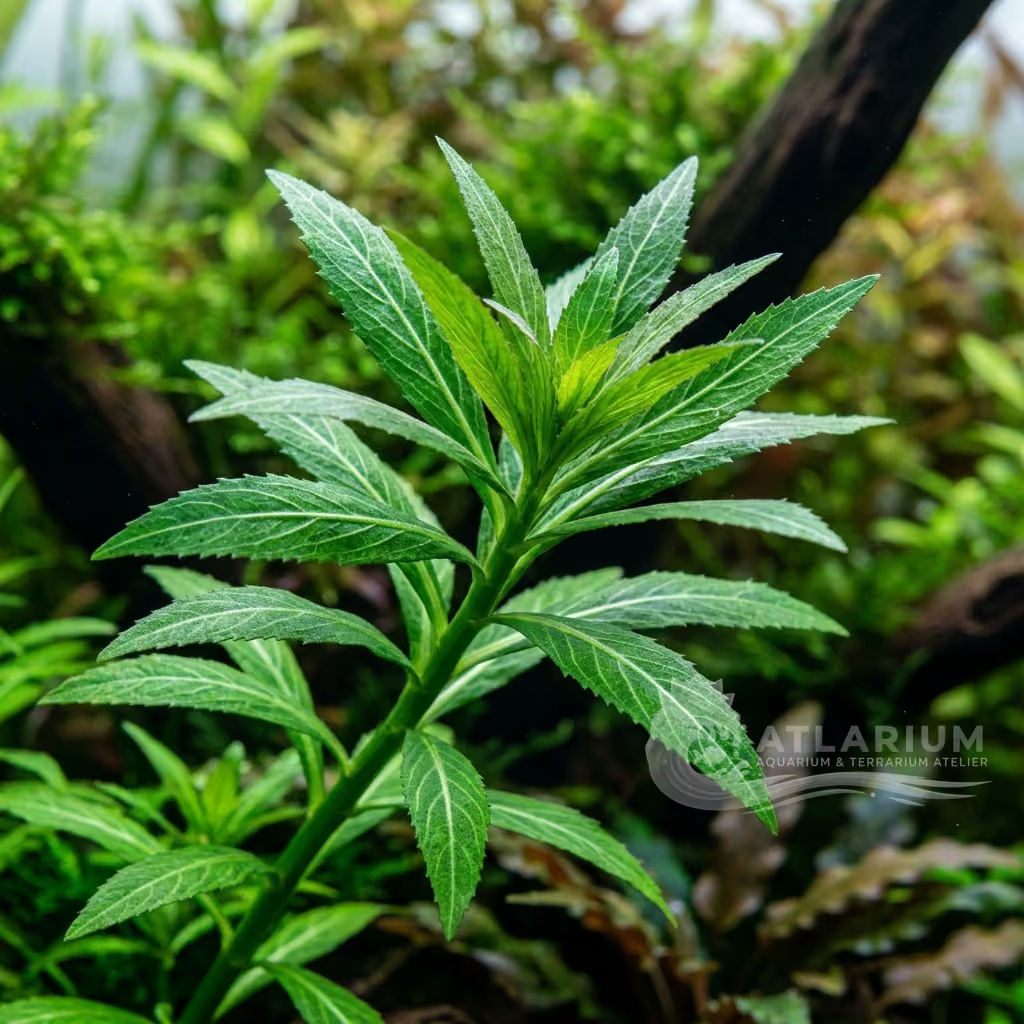
Microsorum pteropus 'Tropica'
Microsorum pteropus 'Tropica'
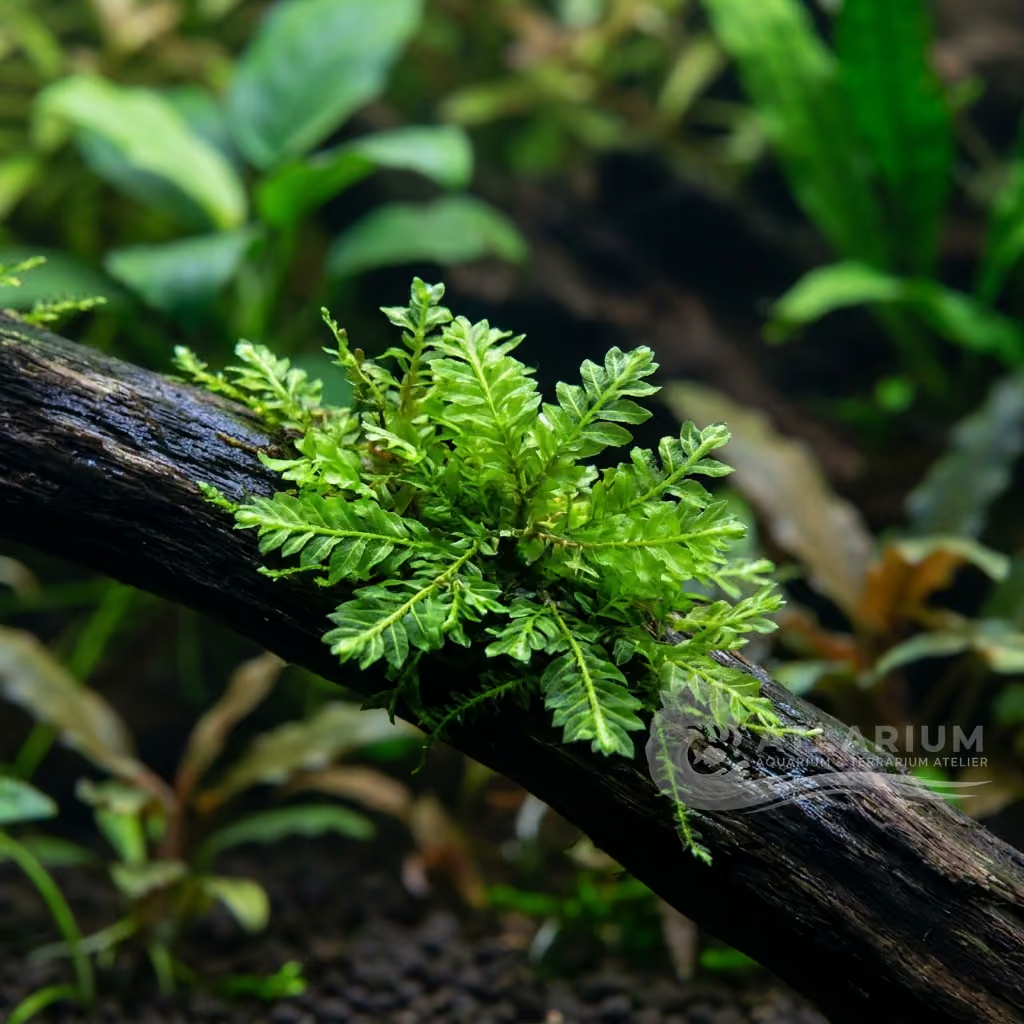
Microsorum pteropus 'Tropica' is a reliable and easy-to-care-for aquatic fern, excellent for creating a natural focal point in the midground of an aquarium. Its moderately slow growth and ability to anchor to hardscapes make it an excellent choice for long-lasting aquascapes.
Water Temperature
4 - 30 °C
pH Value
5 - 8
Water type
Freshwater
Light
Low to High
CO2
High
KH
0 - 14 dKH

Species description
Geographical Origin and Habitat: While 'Tropica' is a cultivated variety, the species Microsorum pteropus is native to Southeast Asia, where it thrives as both an aquatic and emersed fern. It is commonly found anchored to submerged wood, rocks, and riverbanks in slow-moving streams and shaded ponds. These natural conditions reflect its resilience and preference for anchoring onto solid surfaces rather than being rooted in substrate.
Taxonomy & Genetics: Microsorum pteropus belongs to the family Polypodiaceae, a large group of ferns characterized by creeping rhizomes and pinnatifid fronds. The 'Tropica' cultivar has been selected for its distinctive aesthetic characteristics, which differentiate it from wild forms and other varieties. Although not a genetically modified species, it represents a phenotype stabilized through vegetative propagation, ensuring consistent traits.
Physical Structure: The physical structure of Microsorum pteropus 'Tropica' is typical of rhizomatous aquatic ferns. It possesses a horizontal, fleshy rhizome from which slender roots and lanceolate fronds emerge. The leaves can reach considerable sizes and sometimes display a slight undulation at the margins, lending an elegant appearance to the overall plant structure within the aquarium.
Color & Texture: The fronds of Microsorum pteropus 'Tropica' exhibit a vibrant green coloration, which can vary in intensity depending on light conditions and available nutrients. The texture of the leaves is generally smooth and slightly leathery, offering a pleasing visual contrast with softer-leaved plants. Occasionally, small dark spots may appear on the leaf blade, often indicating nutrient deficiencies or simply mature, aging leaves.

Care, breeding and tankmates
Lighting & CO2: This fern adapts to a wide spectrum of light intensities, from low to high, but its growth is optimal under moderate illumination. Excessive light levels without adequate CO2 and nutrient supplementation can promote algal growth on the leaves and stress the plant. Carbon dioxide injection is not strictly necessary for survival but significantly accelerates its growth rate and enhances overall robustness.
Nutrition & Substrate: Microsorum pteropus 'Tropica' primarily derives its nutrients from the
Water Chemistry: The water chemistry requirements for Microsorum pteropus 'Tropica' are extremely tolerant, making it suitable for almost all aquarium setups. It thrives best in temperatures between 20°C and 28°C but can withstand broader ranges from 4°C to 30°C without significant issues. It adapts well to a pH ranging from 5.0 to 8.0 and a carbonate hardness (KH) between 0.0 and 14.0, demonstrating remarkable resilience.
Space Management & Placement: For ideal placement, Microsorum pteropus 'Tropica' is perfect for the midground of the aquarium, where its fronds can create a natural focal point. As an epiphytic fern, its rhizome must be tied or glued to wood, rocks, or other decorations, strictly avoiding burying it in the substrate. Keeping the rhizome exposed prevents suffocation and rot, ensuring healthy and vigorous growth.
Pruning: Pruning of Microsorum pteropus 'Tropica' is only necessary to remove older, damaged, or excessively long fronds that might overshadow other plants. Leaves showing signs of deterioration or persistent algae coverage can also be removed. This process encourages the development of new, more vigorous fronds and helps maintain the desired aesthetic in the aquarium.
Risks & Diseases: One of the most common issues affecting this fern is "Java Fern melt," characterized by the rapid deterioration of leaves, often caused by drastic environmental changes or nutrient deficiencies. Black spots on leaves can indicate a potassium deficiency or natural aging, while algae attacks occur due to light and nutritional imbalances. Maintaining stable conditions and adequate fertilization is crucial to prevent these problems.

Geographic origin and distribution
While 'Tropica' is a cultivated variety, the species Microsorum pteropus is native to Southeast Asia, where it thrives as both an aquatic and emersed fern. It is commonly found anchored to submerged wood, rocks, and riverbanks in slow-moving streams and shaded ponds. These natural conditions reflect its resilience and preference for anchoring onto solid surfaces rather than being rooted in substrate.
Origin
South and Southeast AsiaSelective breeding and cultivars

Plant profile
- Placement
- Midground
- Should be secured to driftwood or rocks using thread or aquarium-safe glue. It is highly effective in the midground to background areas where it can grow undisturbed. The horizontal rhizome must be exposed to the water to prevent decay.
- Botanical form
- Rhizome
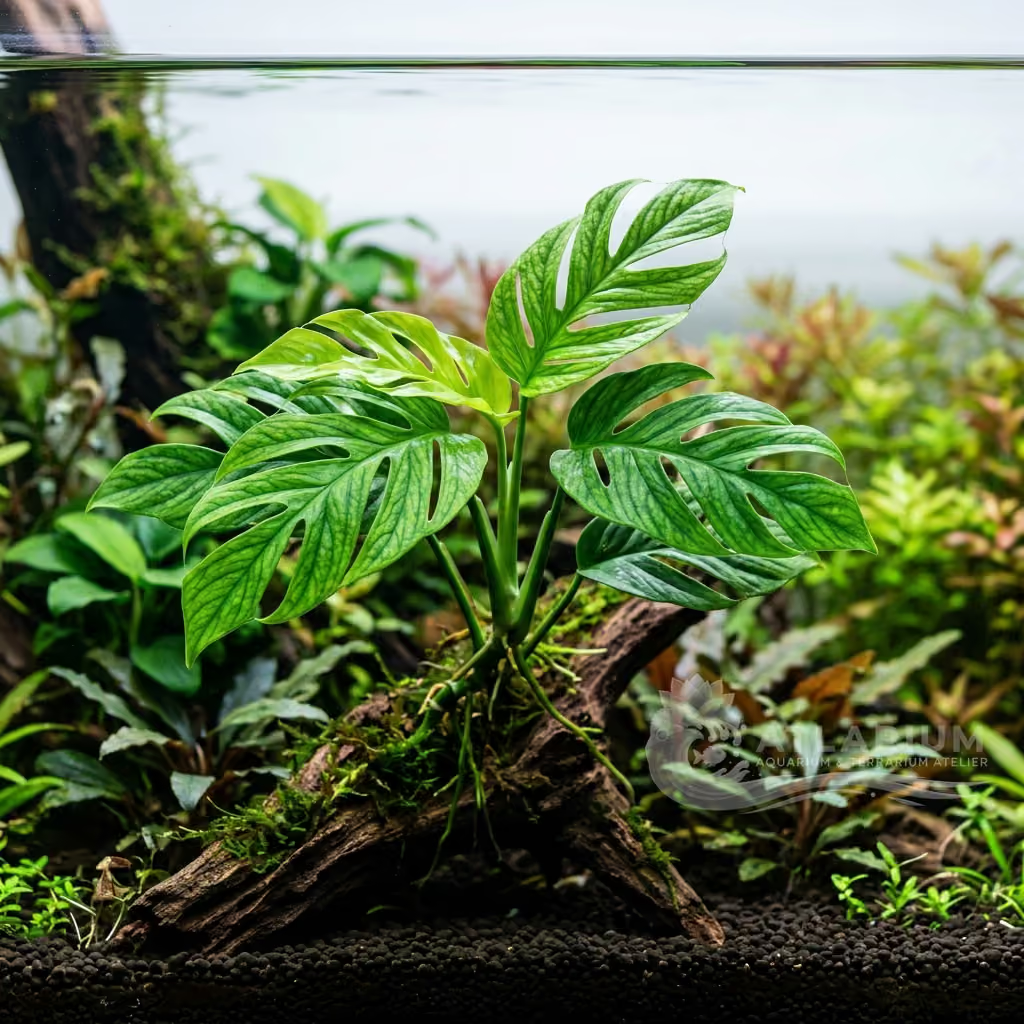
- Renowned for its large, heavily lobed, and deeply cut leaves that give it a highly ornate, jagged appearance. It is one of the most distinctive Java ferns, with broad, bright green fronds that look almost like oak leaves. It grows from a sturdy, creeping rhizome that anchors tightly to surfaces.
- Growth
- Slow
- Exhibits a slow and steady growth rate, producing new fronds gradually over time. Its slow growth makes it a great choice for aquascapes that are intended to be low-maintenance. Providing better lighting and CO2 can marginally increase its growing speed.
- Substrate
- None
- As an epiphytic species, Microsorum pteropus 'Tropica' does not utilize the substrate for rooting or nutrition. Its thick green rhizome must remain completely exposed to the open water, while its wiry roots seek out physical grip on stones or wood. Substrate composition is consequently immaterial, as the plant relies fully on liquid fertilizers and organic waste in the water column for sustenance.
- Column fertilization
- Recommended
- Absorbs all its necessary nutrients directly from the water column. Dosing a comprehensive liquid fertilizer ensures the leaves remain robust and free of deficiencies. Potassium is especially vital to maintain the integrity of its large, intricate leaves.
- Root fertilization
- None
- Being an epiphyte, it derives no benefit from nutrient-rich substrates or root tabs. The roots serve only to anchor the plant to hardscape elements. Planting the rhizome in soil or gravel will quickly lead to the death of the plant.
- Trimming
- Occasional
- Pruning is simple; remove any old, unsightly, or decaying leaves by cutting them off near the base. This redirects the plant's energy into producing fresh, healthy growth. Because of its size, removing a few large leaves can dramatically change the look of the clump.
- Propagation
- Cuttings
- Propagation is done by cleanly cutting the rhizome into smaller sections, making sure each piece has leaves and roots. It also reproduces by forming tiny plantlets on the edges and undersides of older leaves. These plantlets can be detached and grown independently once they develop a root system.
- Sensitivity
- Moderate
- Extremely durable and capable of surviving in very low light conditions. It is, however, intolerant of having its rhizome buried in the substrate. Older leaves may naturally develop harmless brown or black spots, which is typical for the species.
- Layout role
- Epiphyte, Midground, Background
- Makes a fantastic, eye-catching specimen plant due to its large, deeply lobed leaves. It provides excellent texture and a wild, jungle-like aesthetic to the midground of larger aquariums. It pairs beautifully with smoother-leaved plants like Anubias or Cryptocoryne.

Related species
Recommendations grouped by close relatives, companion choices, and similar care.