Microsorum pteropus "Short Narrow Leaf"
Microsorum pteropus "Short Narrow Leaf"
Microsorum pteropus "Short Narrow Leaf" is an excellent midground plant known for its slow growth and unique, compact foliage. It serves as a resilient and aesthetically pleasing addition to various aquascapes, anchoring beautifully to hardscape elements.
Water Temperature
4 - 30 °C
pH Value
5 - 8
Water type
Freshwater
Light
Low to High
CO2
High
KH
0 - 14 dKH

Species description
Geographical Origin and Habitat: Microsorum pteropus, the parent species of "Short Narrow Leaf," originates from the diverse aquatic and semi-aquatic environments of Southeast Asia, particularly thriving in countries like Thailand, Malaysia, and Indonesia. In its natural habitat, this fern is typically found attached to submerged rocks, driftwood, or even emergent along riverbanks, often in shaded areas with flowing water. This specific cultivar, "Short Narrow Leaf," retains the robust nature of its wild ancestors while exhibiting more refined leaf characteristics, making it well-suited for cultivated aquarium settings. Its ability to tolerate a wide range of water conditions mirrors the varied hydrological environments it encounters in its native regions.
Taxonomy & Genetics: Belonging to the family Polypodiaceae, Microsorum pteropus "Short Narrow Leaf" is a cultivated variety (cultivar) of the widely recognized Java Fern. This particular designation highlights its distinct morphological characteristics, specifically shorter and narrower leaves, which have been selectively bred or identified from natural variations for their aesthetic appeal in aquascaping. While sharing the genetic resilience and basic reproductive strategies of the parent species, this cultivar offers a unique aesthetic contribution, allowing aquascapers to create more intricate and delicate midground compositions. Its genetic heritage as an epiphyte means it derives most of its sustenance directly from the water column, rather than relying heavily on substrate nutrients.
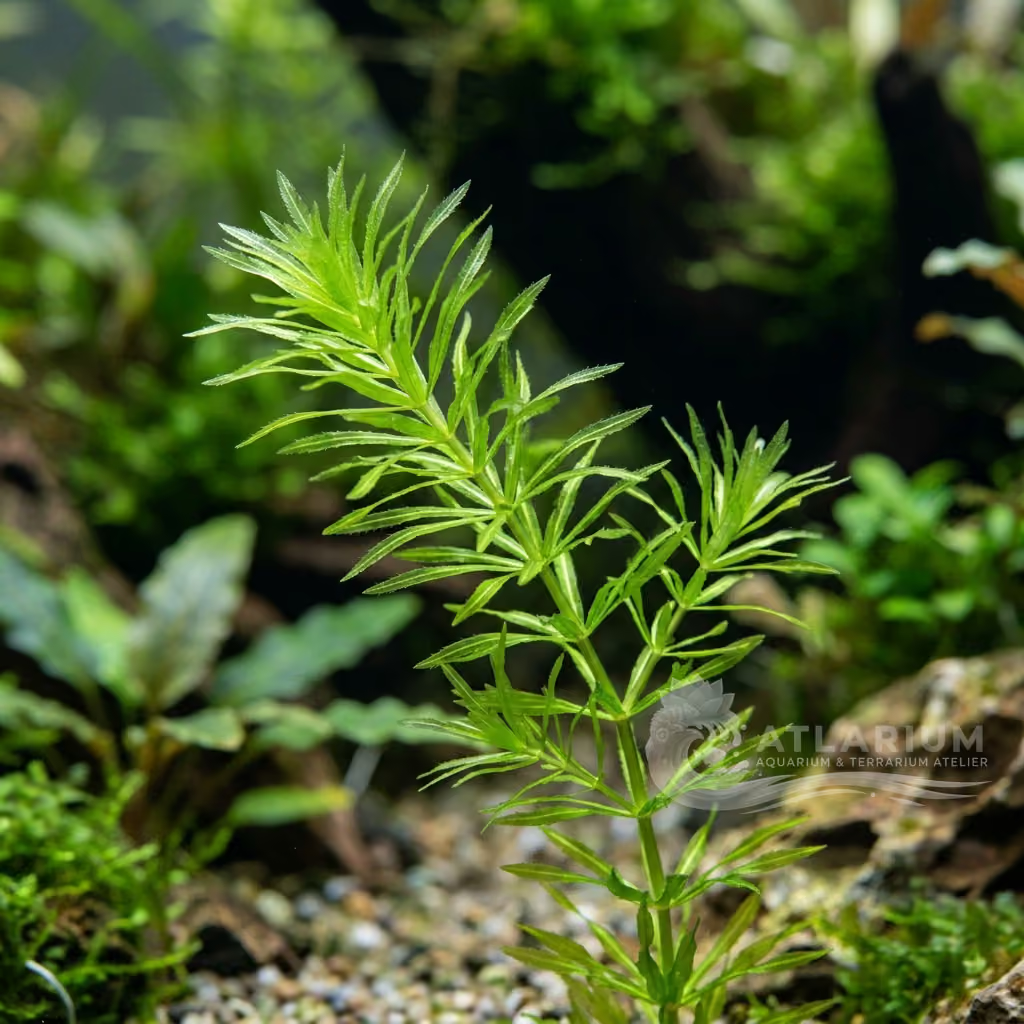
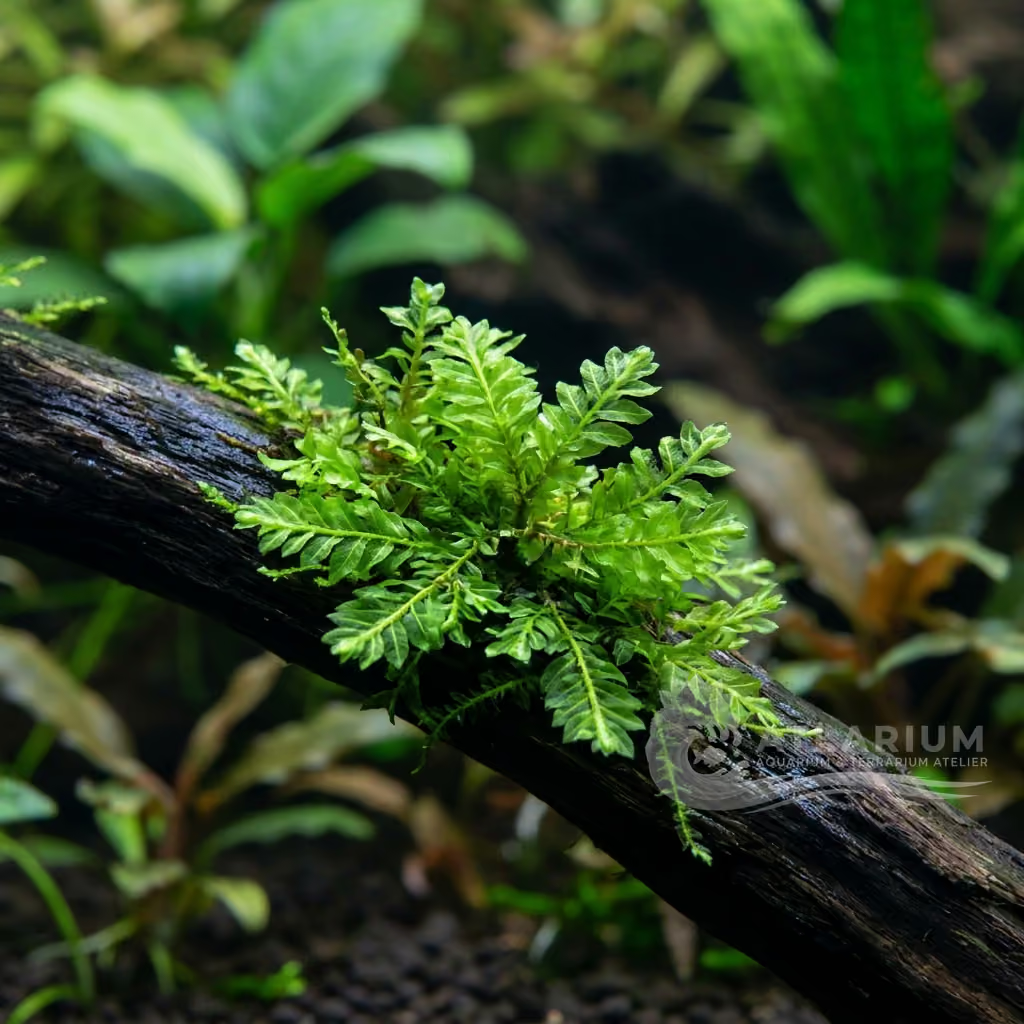
Physical Structure: The physical structure of Microsorum pteropus "Short Narrow Leaf" is characterized by a creeping rhizome from which both roots and leaves emerge. Unlike typical rooted plants, its fine, dark roots are primarily for attachment to hardscape rather than nutrient absorption from the substrate. The leaves themselves are the defining feature of this cultivar, presenting a more compact and elegant form compared to the broader leaves of the standard Java Fern. These leaves typically grow to a moderate length, maintaining a distinctively narrower profile that contributes to its refined appearance and makes it ideal for midground placement where intricate detailing is desired.
Color & Texture: The foliage of Microsorum pteropus "Short Narrow Leaf" typically exhibits a vibrant medium to dark green coloration, providing a rich contrast against lighter hardscape elements or other plant textures. The leaves possess a firm, slightly leathery texture, which helps deter herbivorous fish from excessive grazing and adds to their resilience. Over time, particularly on older leaves or under specific conditions, small dark spots (sporangia, reproductive structures) may appear on the underside, adding a subtle, natural detail to the plant's overall appearance. The creeping rhizome is typically dark brown or black, offering a visual anchor from which the green leaves gracefully emerge.

Care, breeding and tankmates
Lighting & CO2: Microsorum pteropus "Short Narrow Leaf" is remarkably adaptable to a wide spectrum of lighting conditions, ranging from low to high intensity. Under lower light, its growth will be predictably slower, but it will still thrive, making it an excellent choice for low-tech setups. Conversely, in higher light environments, combined with adequate CO2 supplementation, the plant can exhibit more robust growth and a denser canopy, although its inherent slow growth rate will always be maintained. While CO2 injection is not strictly necessary for its survival, providing supplemental CO2 can significantly enhance its photosynthetic efficiency, leading to stronger, healthier leaves and potentially faster propagation.
Nutrition & Substrate: As an epiphytic plant, Microsorum pteropus "Short Narrow Leaf" primarily absorbs nutrients directly from the
Water Chemistry: This cultivar of Java Fern is exceptionally tolerant of a broad range of water parameters, making it a highly versatile plant for diverse aquarium setups. It thrives in temperatures from a cool 4.0°C up to a warm 30.0°C, accommodating both temperate and tropical aquatic environments. The plant also demonstrates remarkable flexibility regarding water hardness, tolerating KH levels from 0.0 to 14.0, and pH values between 5.0 and 8.0, allowing it to adapt to soft, acidic waters as well as harder, more alkaline conditions. Maintaining stable parameters within these ranges, rather than frequent drastic fluctuations, will contribute most significantly to its long-term health and vitality.
Space Management & Placement: Microsorum pteropus "Short Narrow Leaf" is perfectly suited for midground placement in an aquascape, where its moderate size and refined leaf structure can provide intricate detail and textural contrast. Its epiphytic nature dictates that it must be attached to hardscape elements such as driftwood or rocks, rather than planted in the substrate. This can be achieved using fishing line, cotton thread, or specialized plant glue, ensuring the rhizome is exposed to the water column. Strategic placement can help create natural focal points, break up lines of sight, or provide shaded areas for shy fish species.
Pruning: Pruning Microsorum pteropus "Short Narrow Leaf" is a straightforward process primarily aimed at managing plant size, removing senescent leaves, and facilitating propagation. Old, damaged, or algae-covered leaves should be carefully trimmed near the rhizome using sharp aquascaping scissors to promote new growth and maintain plant aesthetics. For propagation, sections of the rhizome can be carefully cut, ensuring each section has at least a few healthy leaves and roots attached. Additionally, plantlets that often form on older leaves can be gently detached and reattached elsewhere, creating new, independent plants.
Risks & Diseases: Despite its general hardiness, Microsorum pteropus "Short Narrow Leaf" is susceptible to a few specific issues if not properly cared for. The most critical risk is rhizome rot, which occurs if the rhizome is buried in the substrate, depriving it of oxygen. Sudden drastic changes in water parameters or light intensity can lead to "fern melt," where leaves rapidly deteriorate. Furthermore, while beneficial, high light combined with insufficient CO2 or nutrients can promote algae growth on its broad leaf surfaces, which can stunt plant growth and reduce aesthetic appeal. Regular observation and stable conditions are key to preventing these problems.

Geographic origin and distribution
Microsorum pteropus, the parent species of "Short Narrow Leaf," originates from the diverse aquatic and semi-aquatic environments of Southeast Asia, particularly thriving in countries like Thailand, Malaysia, and Indonesia. In its natural habitat, this fern is typically found attached to submerged rocks, driftwood, or even emergent along riverbanks, often in shaded areas with flowing water. This specific cultivar, "Short Narrow Leaf," retains the robust nature of its wild ancestors while exhibiting more refined leaf characteristics, making it well-suited for cultivated aquarium settings. Its ability to tolerate a wide range of water conditions mirrors the varied hydrological environments it encounters in its native regions.
Origin
South and Southeast AsiaSelective breeding and cultivars

Plant profile
- Placement
- Midground
- Ideal for attaching to small pieces of driftwood, stones, or decorative roots in the aquarium. Its compact size makes it perfect for the midground or even the foreground in larger setups. The rhizome must remain exposed to the water flow to prevent rot.
- Botanical form
- Rhizome
- Features exceptionally narrow and relatively short leaves compared to the standard needle leaf Java fern. The foliage is a vibrant, bright green with a delicate, grassy appearance. It grows from a creeping rhizome, forming dense, miniature thickets over time.
- Growth
- Slow
- Exhibits a very slow growth rate, maintaining its compact shape for long periods without intervention. Once established, it steadily produces new, fine leaves. Providing stable water parameters and slight CO2 injection can optimize its slow but steady development.
- Substrate
- None
- The "Short Narrow Leaf" variety of Java Fern requires no substrate at all, as it has evolved to grow epiphytically on submerged surfaces. Attempting to plant its creeping rhizome in gravel or aqua soil will quickly suffocate the plant. Instead, it should be wedged into crevices or tied to wood, where its specialized root system will establish a permanent anchor while absorbing waterborne nutrients.
- Column fertilization
- Recommended
- Absorbs required nutrients directly from the water column through its leaves and exposed roots. Dosing a comprehensive liquid fertilizer, particularly one with adequate potassium, prevents leaf degradation. Iron can be added sparingly to ensure the leaves remain deeply colored.
- Root fertilization
- None
- Completely independent of substrate fertility, rendering root tabs useless. The root system is purely for anchoring the plant to hard surfaces. Placing the plant in nutrient-rich soil will actually harm it by causing rhizome rot.
- Trimming
- Occasional
- Requires very infrequent trimming due to its slow growth and compact nature. When necessary, remove older, browning leaves by cutting them off near the rhizome. This keeps the clump looking fresh and encourages new, delicate shoots to form.
- Propagation
- Cuttings
- Easily propagated by cleanly slicing the rhizome into smaller sections with a sharp blade. It also frequently produces tiny plantlets on the tips of mature or aging leaves. These adventitious plantlets can be left to detach naturally or carefully removed and tied down elsewhere.
- Sensitivity
- Moderate
- Very hardy and tolerant of varying water parameters, including low light. It is sensitive to being buried; the rhizome must be kept entirely above the substrate. Strong currents should be avoided if they cause the delicate leaves to tear, though moderate flow is beneficial.
- Layout role
- Epiphyte, Midground, accent
- Excellent for adding fine detail to smaller aquascapes or nano tanks. Its grassy texture provides a wonderful contrast when placed next to broad-leaved plants or rugged hardscape. It is often used to soften the edges of rocks and wood in intricate Nature Aquarium layouts.

Related species
Recommendations grouped by close relatives, companion choices, and similar care.