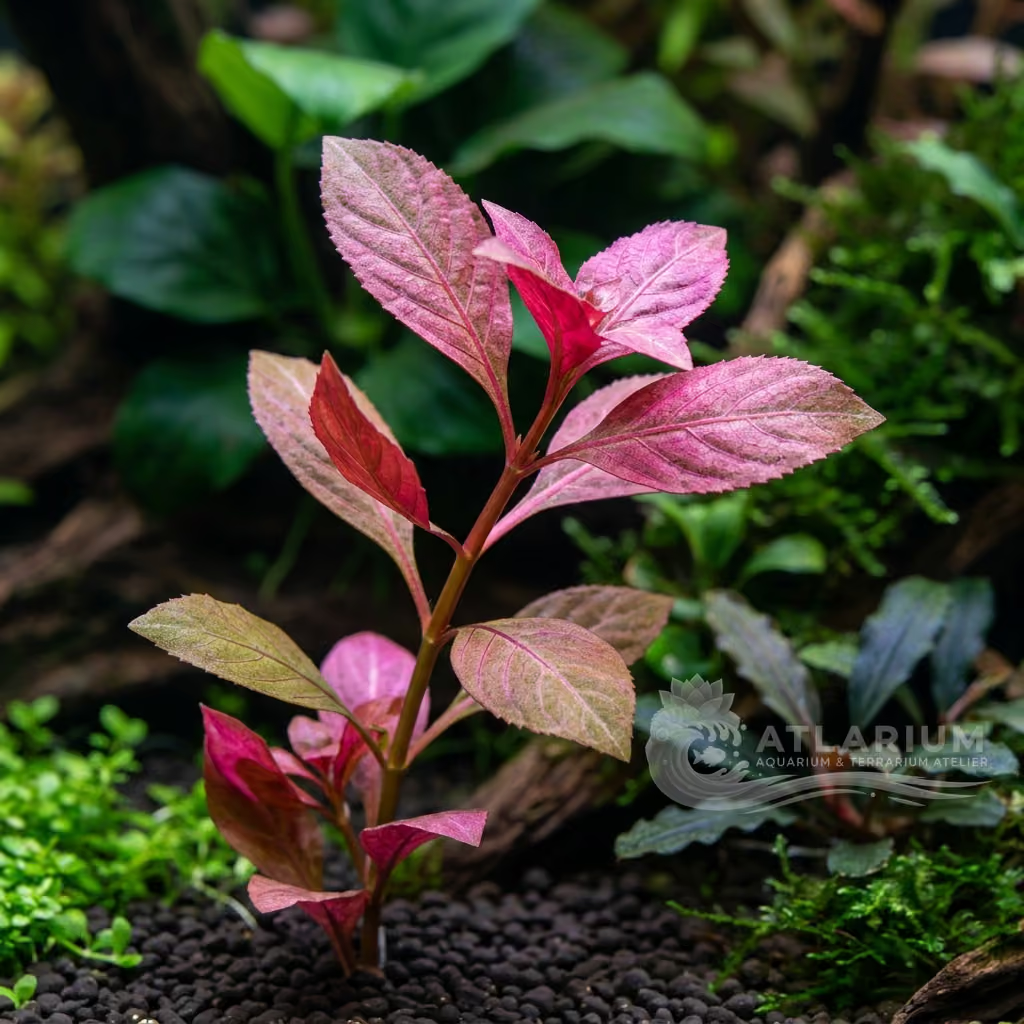
Juncus repens
Juncus repens
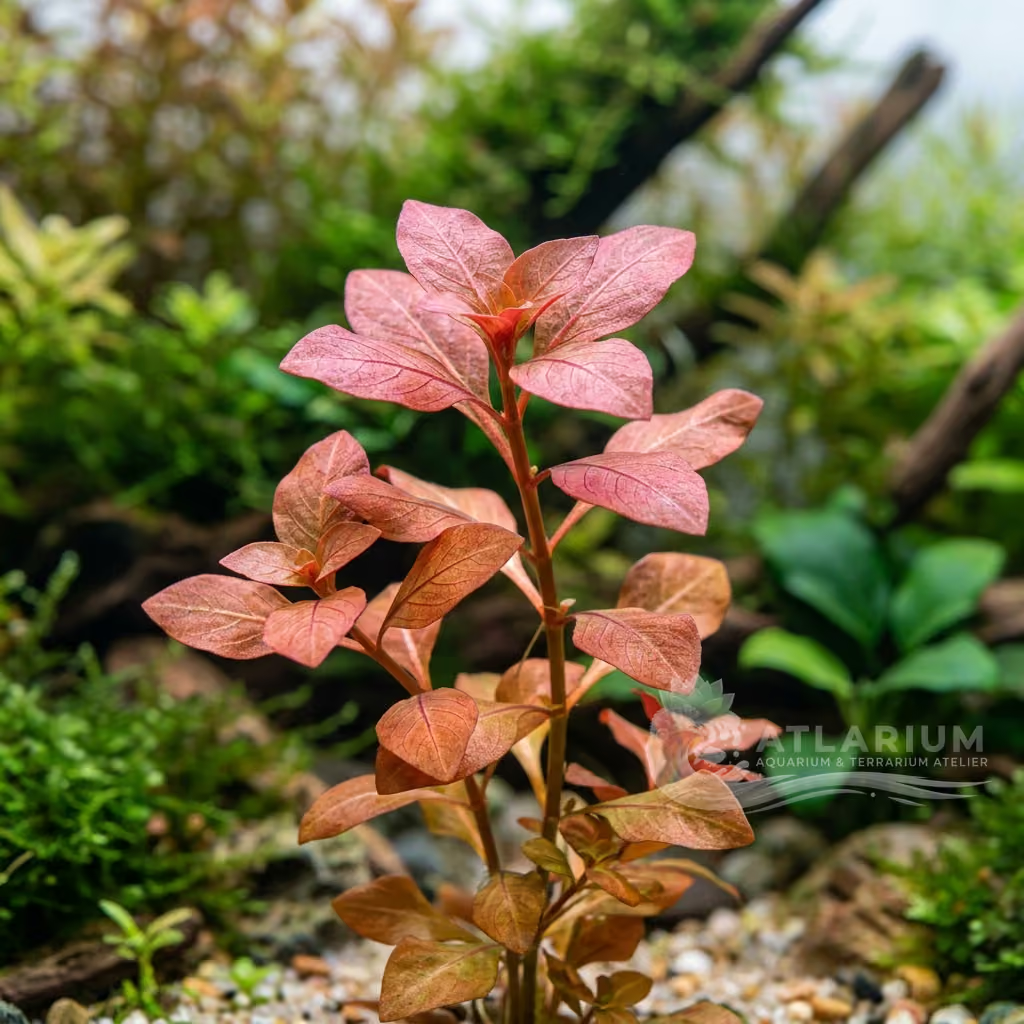
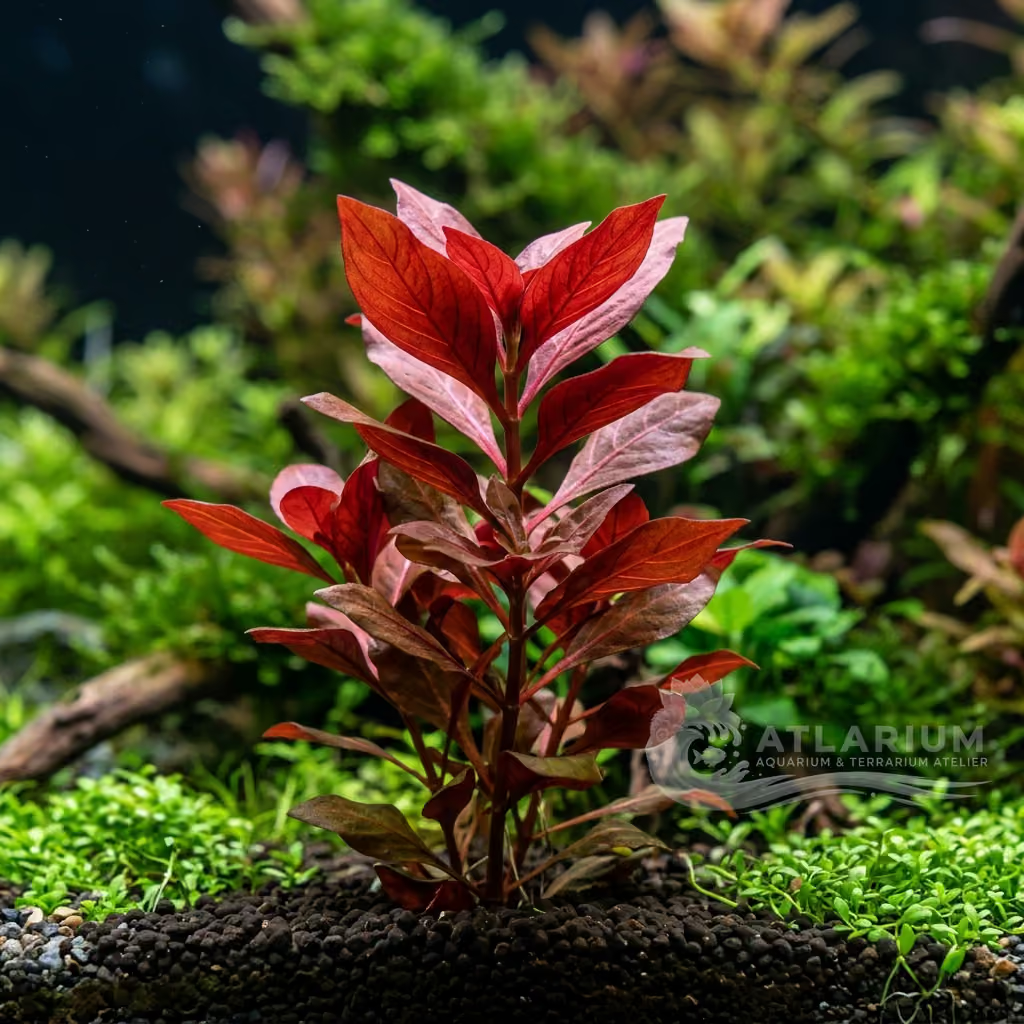
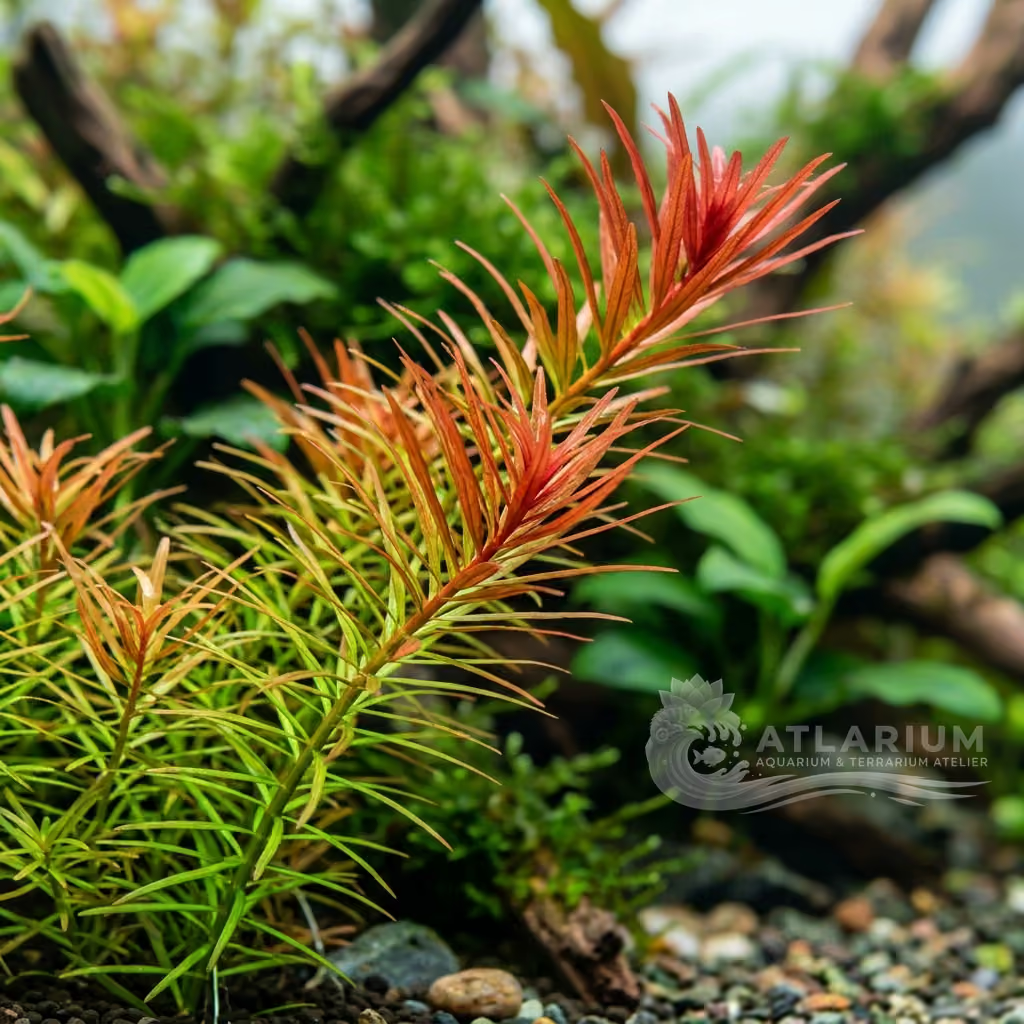
A versatile North American marsh plant with grass-like leaves. It maintains a bushy green look under moderate light but develops stunning coppery tones when provided with high light and CO2.
Water Temperature
4 - 28 °C
pH Value
5 - 7
Water type
Freshwater
Light
Medium - High
CO2
Low to Medium
GH
2 - 21 dGH
KH
0 - 14 dKH

Species description
Geographical Origin and Habitat: Juncus repens is native to North America, particularly the southeastern regions of the United States, where it populates wetlands, sandy shores of lakes, and shallow water bodies. It grows both partially emersed and completely submerged, forming dense marshy bushes. Its natural warm-temperate ecology allows it to thrive in a wide range of habitats and withstand harsh winters in dormant form.
Taxonomy & Genetics: Belongs to the Juncaceae family, representing one of the very few species of this family commonly cultivated in the aquarium. Unlike most terrestrial rushes, Juncus repens has developed an exceptional tolerance to continuous submerged life. Genetically stable, it shows no known cultivated variants, but its leaf morphology adapts strongly to nutrient availability and light quality.
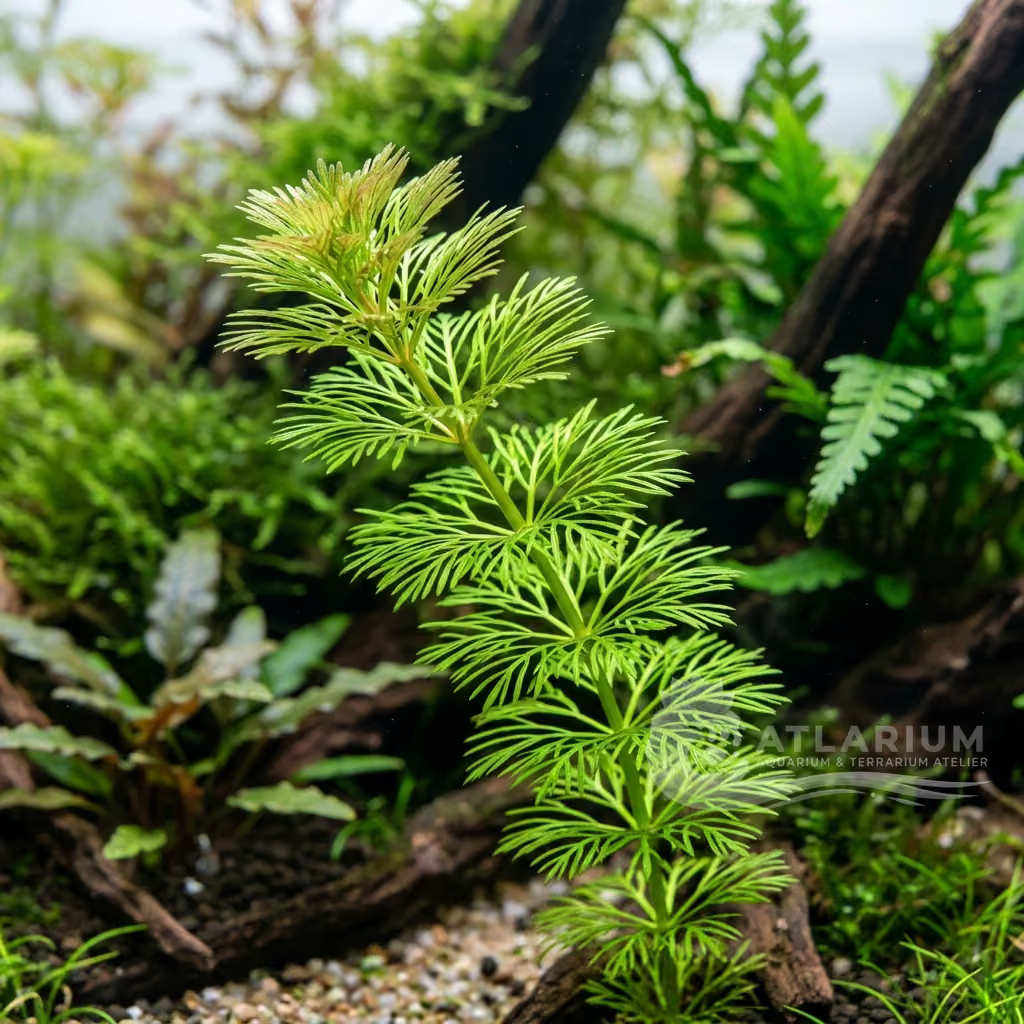
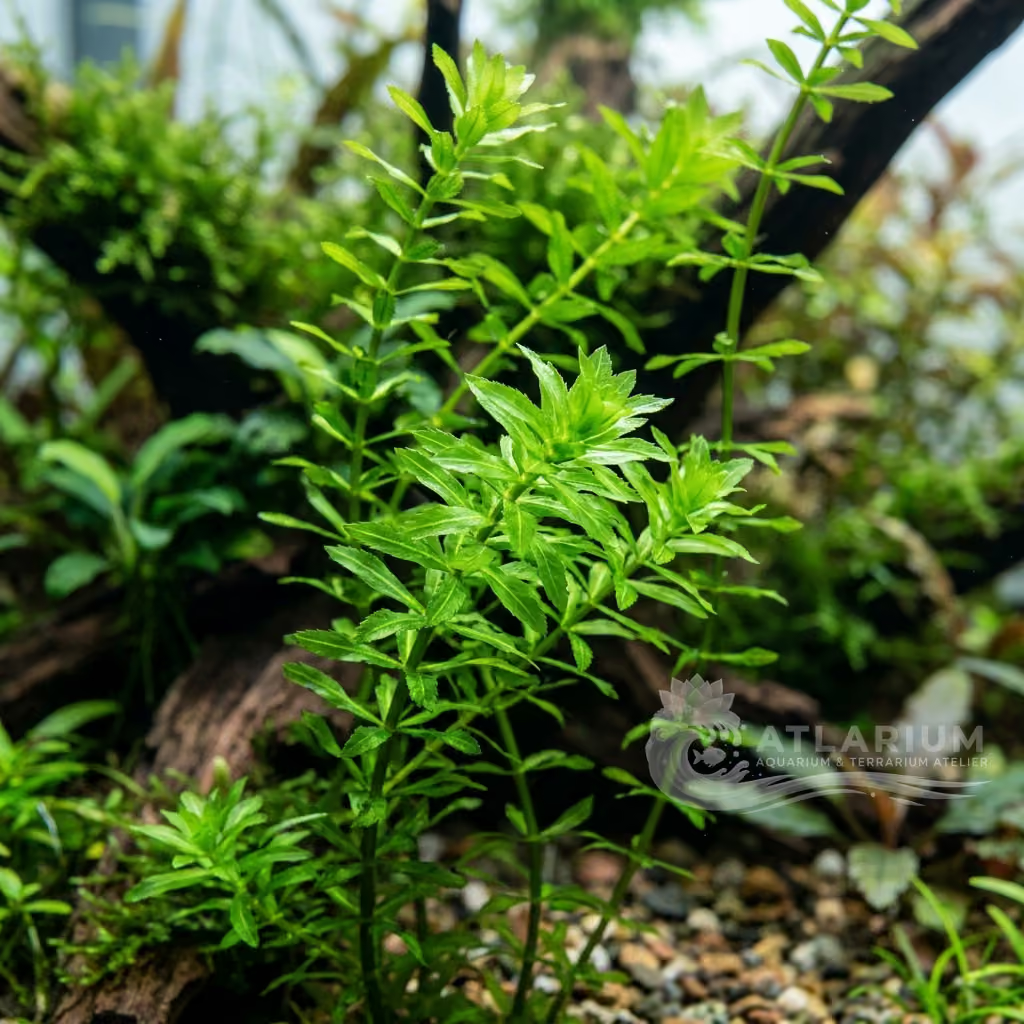
Physical Structure: Under the water surface, it develops flexible stems from which emerge, at regular intervals, dense tufts of flat, needle-like leaves. Each leaf tuft resembles a small rosette or a miniature palm tree, and the plant grows by stacking these tufts on top of each other. The overall habit is bushy and unstructured, creating a pleasant visual contrast to traditional stem plants.
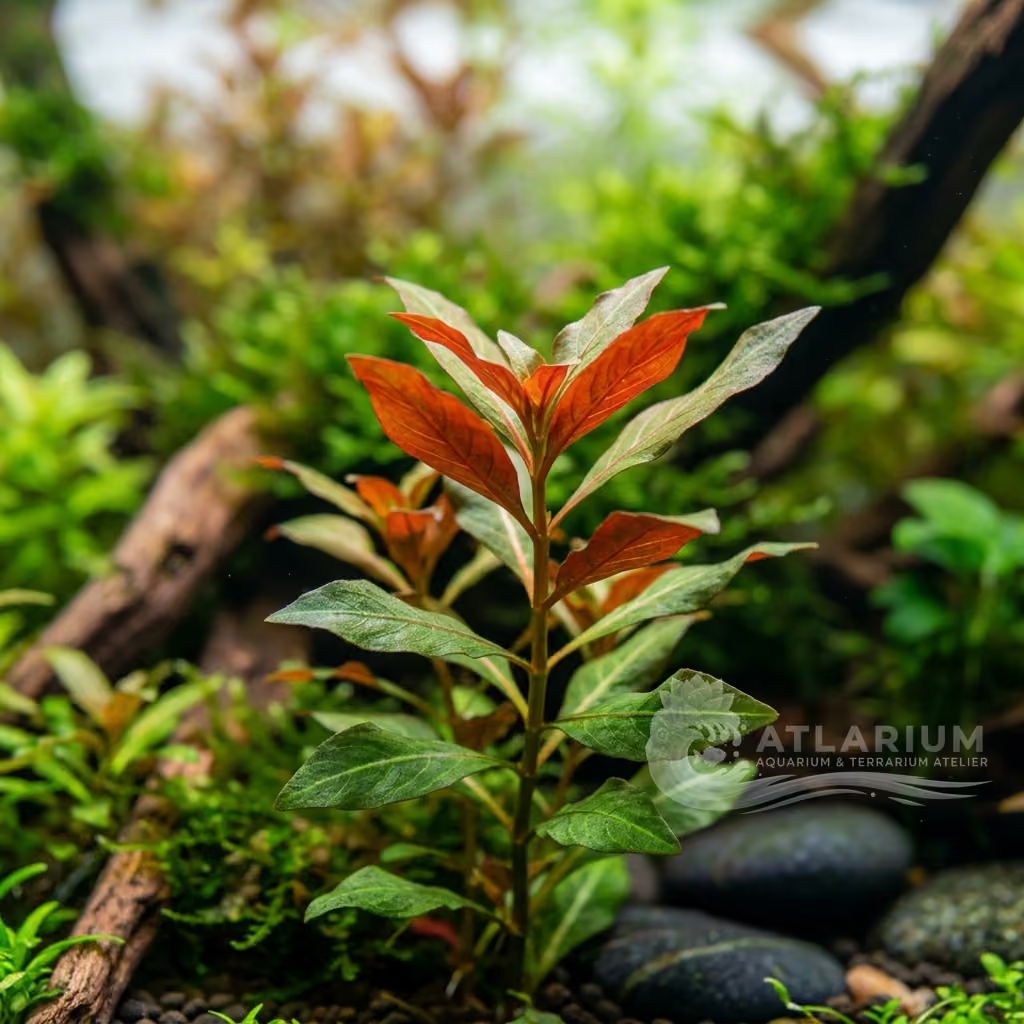
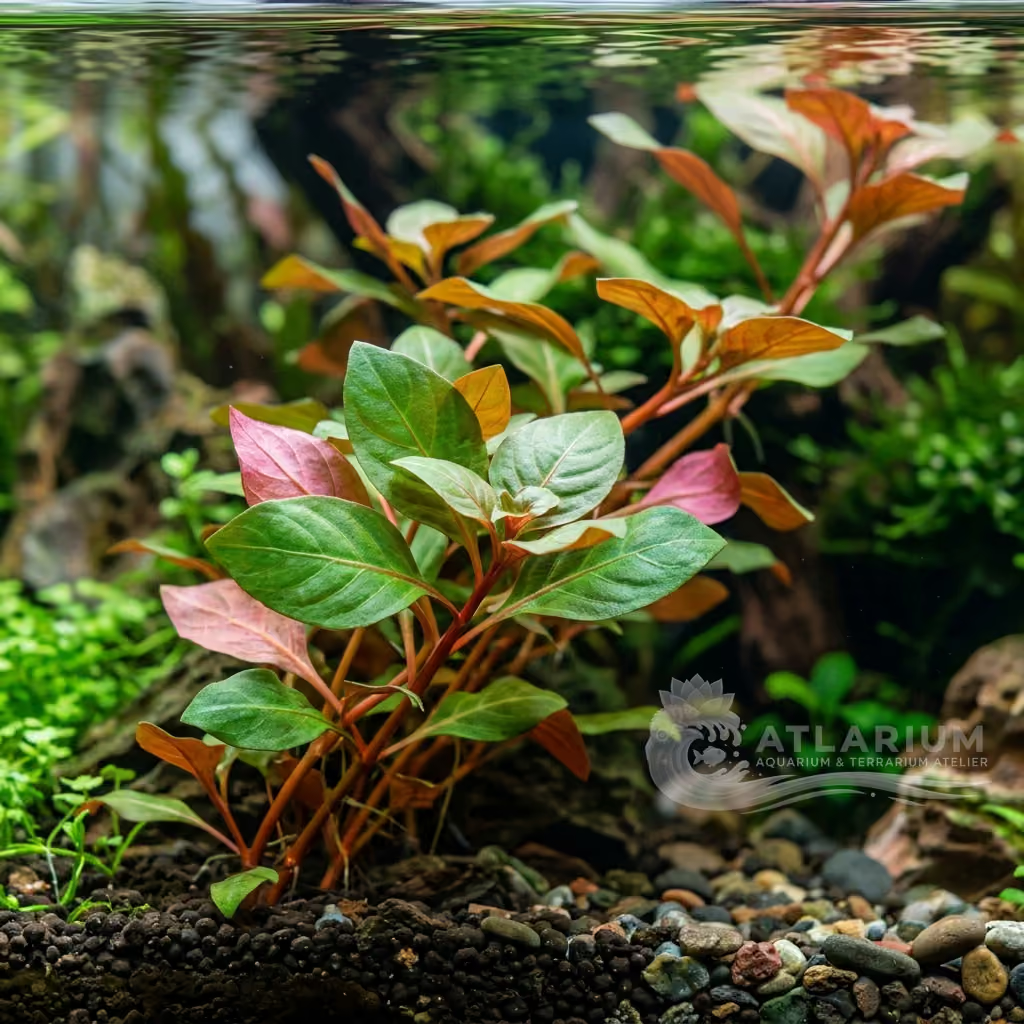
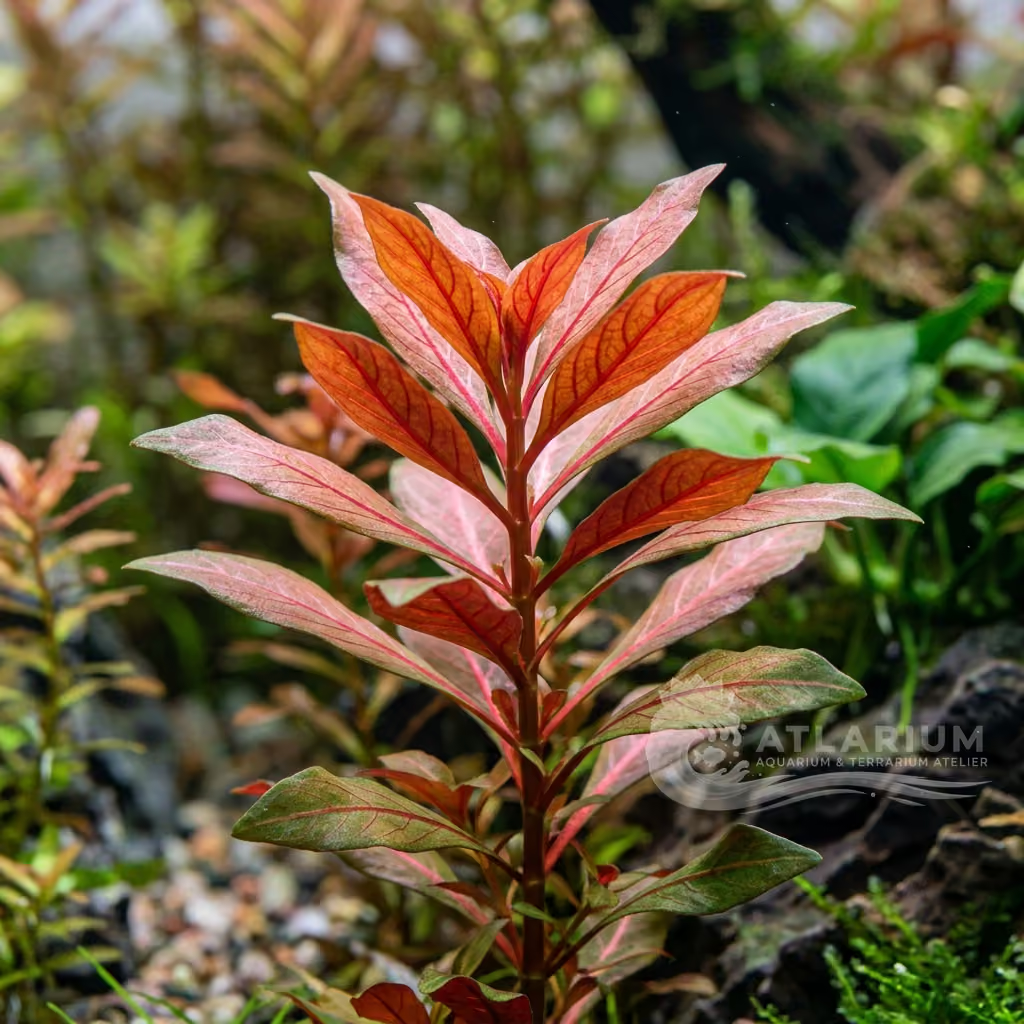
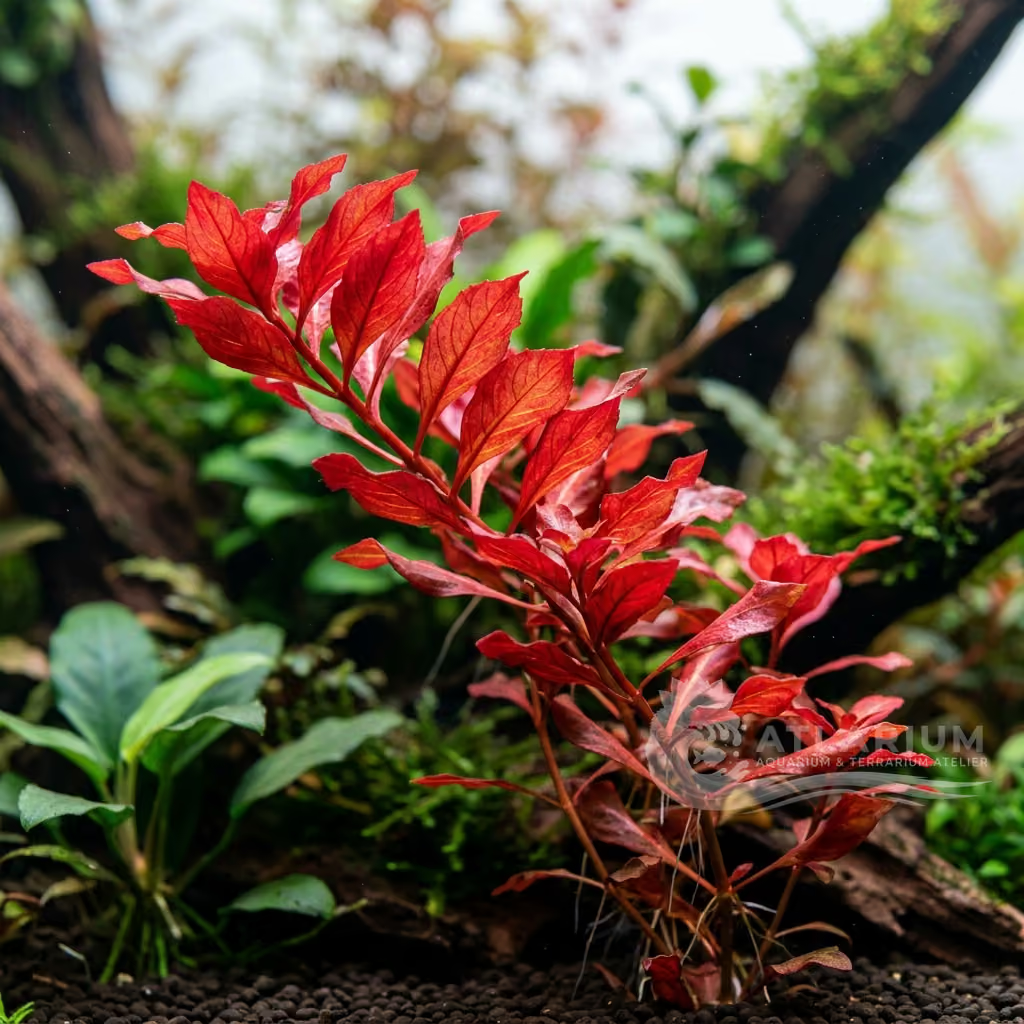
Color & Texture: Under moderate light conditions, the leaves are of a bright light green coloration. Under very intense lighting, combined with a fertilization rich in iron and micronutrients, the tips of the leaves and new rosettes turn towards coppery, orange, or reddish-brown tones. The leaves have a smooth texture and a flexible but robust consistency, typical of leathery marsh plants.

Care, breeding and tankmates
Lighting & CO2: It is an incredibly versatile plant. It can grow under low or moderate light, maintaining a light green coloration, but requires intense light and CO2 injection to develop the characteristic coppery tones and maintain compact growth. The addition of CO2 significantly accelerates bushy development.
Nutrition & Substrate: It does not require exceptionally rich substrates, as it absorbs most of its nutrients from the leaves. However, it benefits from a balanced liquid fertilization containing iron and potassium. The presence of bioavailable iron is essential to stimulate the color shift of leaves exposed to strong light.
Water Chemistry: Shows exceptional chemical tolerance, being able to grow at temperatures between 4°C and 28°C, with pH between 5.0 and 7.0 and carbon hardness (KH) up to 14 dKH. It is also ideal for outdoor ponds or temperate cold-water aquariums, tolerating even temporary shifts in chemical values.
Space Management & Placement: Its flexibility makes it suitable for any zone of the aquarium. It can be planted in the foreground if pruned constantly low, in the midground to create transition bushes, or in the background in small tanks. Its bushy structure offers natural shelter for fry and small crustaceans.
Pruning: Pruning is done by cutting the stems between one tuft and another. The plant branches easily from the cut node. Cut tufts provided with a small portion of stem can be replanted in the substrate, where they will develop roots in a few days, facilitating propagation.
Risks & Diseases: It is an extremely resistant plant and almost devoid of specific diseases. If fertilization is deficient or light is too weak, the plant can grow very slowly and be subject to colonization by filamentous algae that get caught between the thin leaves of the tufts.

Geographic origin and distribution
Juncus repens is native to North America, particularly the southeastern regions of the United States, where it populates wetlands, sandy shores of lakes, and shallow water bodies. It grows both partially emersed and completely submerged, forming dense marshy bushes. Its natural warm-temperate ecology allows it to thrive in a wide range of habitats and withstand harsh winters in dormant form.
Origin
North America

Plant profile
- Placement
- Foreground
- It can be placed almost anywhere in the aquarium depending on how it's pruned. It makes a beautiful midground bush or a creeping foreground plant under high light. Plant the stems in small groups slightly spaced apart. Ensure it has room to send out its creeping runners.
- Botanical form
- Stem
- It has a unique botanical form that resembles a cross between a stem plant and a grass. The leaves grow in star-like clusters along the creeping stems. Under optimal conditions, the tips develop attractive reddish hues. This spiky, grassy form provides a very dynamic look.
- Growth
- Fast
- It exhibits a moderate to fast growth rate, largely dependent on light and CO2 availability. Under intense lighting, it grows rapidly and stays low, creeping along the substrate. In lower light, it grows upwards more slowly like a traditional stem plant. Regular trimming is required to shape it.
- Substrate
- Low
- Juncus repens possesses a versatile, grass-like growth habit that roots efficiently in both inert sands and nutrient-rich aquatic soils. While its primary nutrition often comes from the water column, planting it in a fine-grained, fertilized substrate enhances its growth rate and encourages lateral creeping via runners. A shallow substrate bed of about 3 to 4 centimeters is generally sufficient to anchor its fine roots and allow it to form dense, bushy clusters in the midground or background.
- Column fertilization
- Recommended
- Liquid column fertilization is highly beneficial as it absorbs nutrients directly through its leaves. A comprehensive liquid fertilizer applied regularly will support its fast growth and coloration. Watch for pale leaves as an early sign of nutrient deficiency. It readily responds to changes in column dosing.
- Root fertilization
- None
- While it feeds well from the water column, it also develops a strong root system. A nutrient-rich substrate or root tabs will significantly boost its growth and overall health. The roots help it anchor securely as it creeps along the bottom. Substrate feeding is highly recommended.
- Trimming
- Occasional
- Trimming is essential to maintain its desired shape and promote creeping. Cut the upward-growing stems to encourage it to spread horizontally. The trimmed tops can be easily replanted to create a denser group. It tolerates heavy pruning very well without dying back.
- Propagation
- Cuttings
- Propagation is straightforward and naturally prolific. It sends out creeping runners that develop roots and new plantlets at the nodes. Simply cut the runner and separate the new plantlet, then replant it. You can also propagate it by taking top stem cuttings.
- Sensitivity
- Moderate
- This plant is generally very hardy and adaptable to a wide range of parameters. It can be susceptible to algae growth among its spiky leaves if flow is poor or nutrients are imbalanced. It transitions easily between emersed and submersed forms. Maintain good flow to keep the clusters clean.
- Layout role
- Midground, group, Foreground, Background
- It is an incredibly versatile layout plant. It can be used as a grassy foreground cover, a spiky midground bush, or a subtle background accent. Its unique star-like clusters break up soft textures beautifully. It transitions perfectly between different hardscape elements.

Related species
Recommendations grouped by close relatives, companion choices, and similar care.