
Encyclopaedia
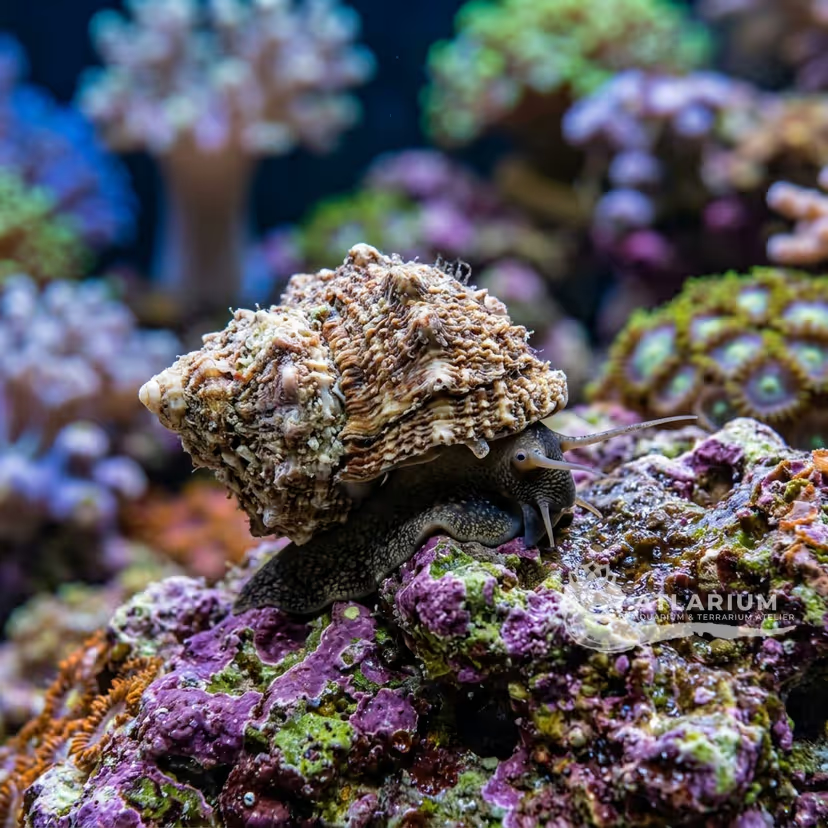
West Indian Star Snail
Lithopoma tectum
The West Indian Star Snail is a heavy-bodied grazer native to the Caribbean. It aggressively tackles nuisance algae on live rock, necessitating mature aquariums with highly stable rock formations.
Share
Check out West Indian Star Snail on Atlarium
22 - 28 °C
8.1 - 8.4
Marine
Freshwater snail
4 cm
>= 1
8 - 12 dKH
Herbivore
Species description
Care, breeding and tankmates
Geographic Origin and Distribution
Origin
Invertebrate profile
- Diet
- Algae eater
- Ecological role
- Herbivore
- Shock sensitivity
- High
- Calcium and minerals
- High
- Molting
- Shell growth
- Reproduction
- Oviparous
- Compatibility & tankmates
- With caution
Image gallery
Licensed images linked to the species or, when marked, to the closest representative taxon.
Related species
Recommendations grouped by close relatives, companion choices, and similar care.
Variants and close relatives
Same atlas type, nearby scientific identity, genus, or family.




Recommended companions
Compatible cards from coherent ecosystems with matching parameters.
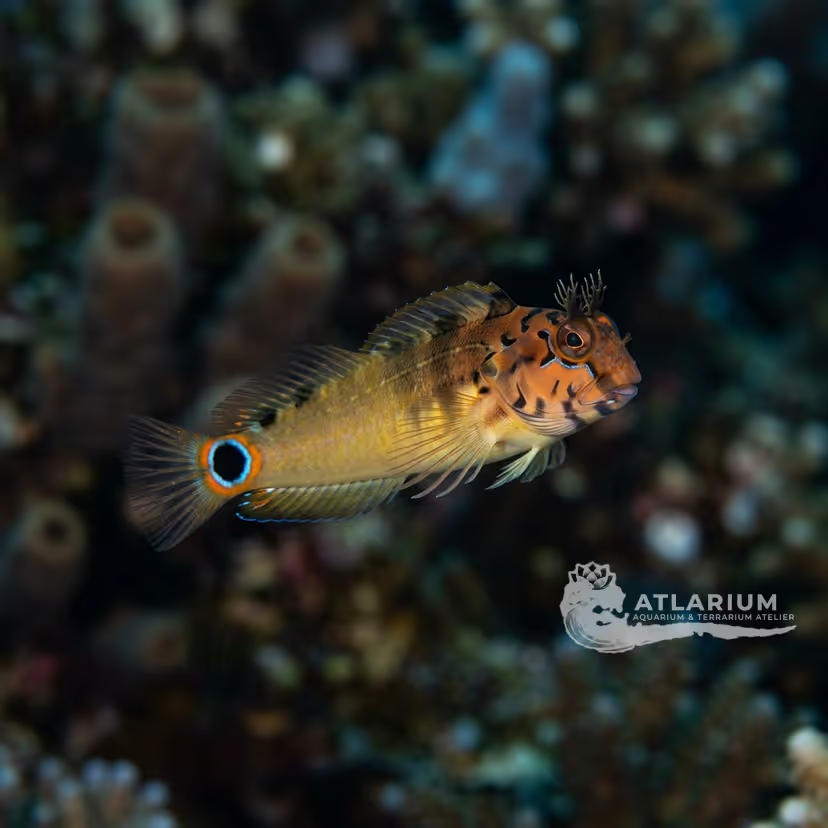
Tailspot blenny
Ecsenius stigmatura

Grape caulerpa
Caulerpa racemosa
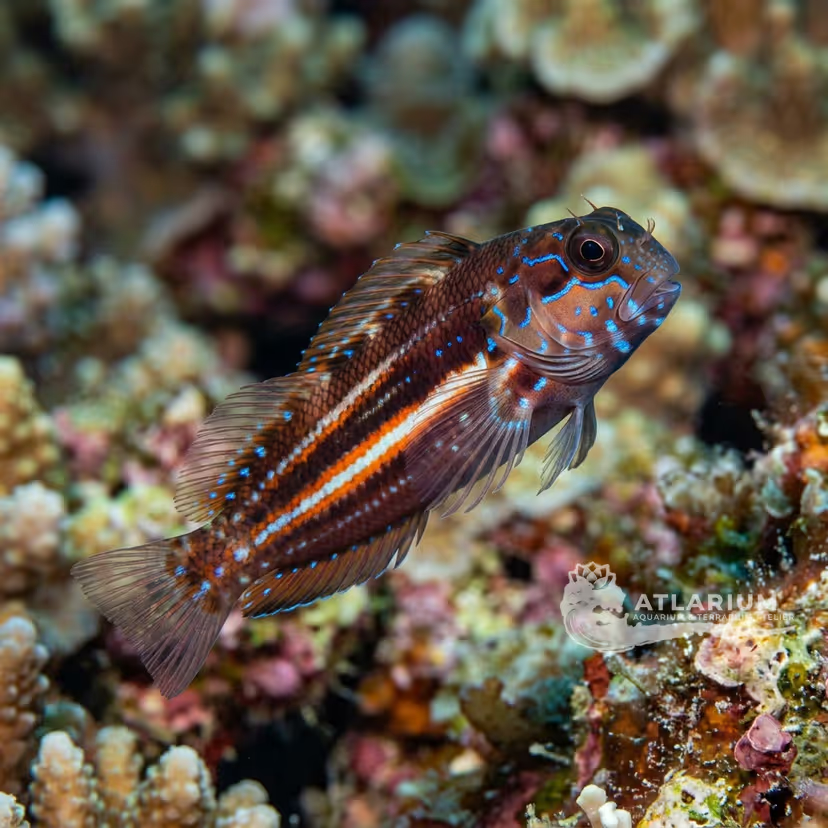
Beautiful Blenny
Ecsenius pulcher

Blue assessor
Assessor macneilli

Caulerpa prolifera
Caulerpa prolifera
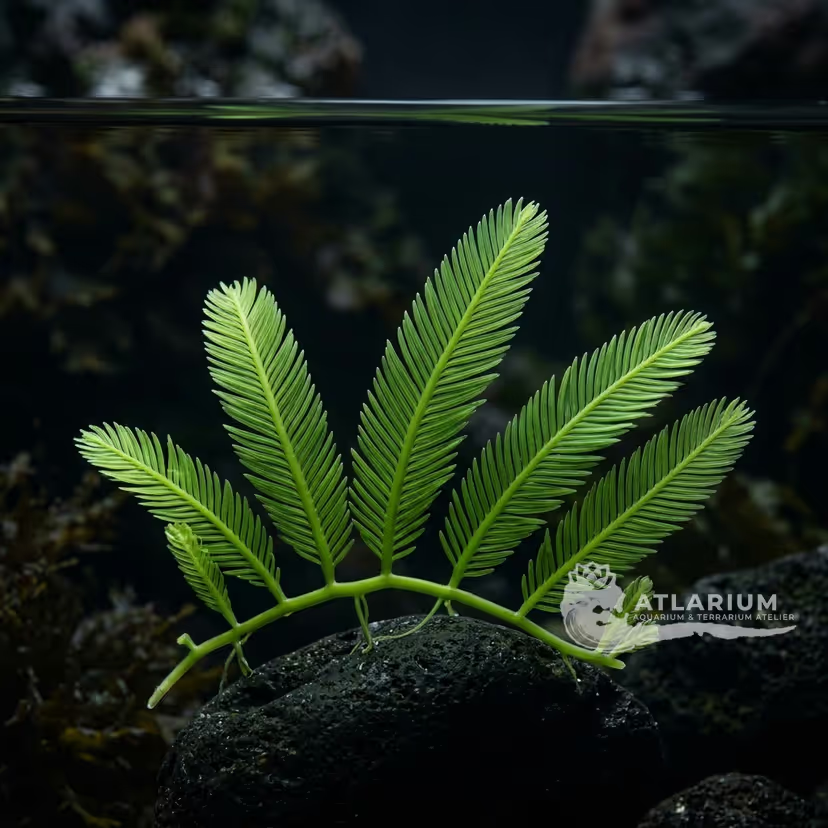
Caulerpa taxifolia
Caulerpa taxifolia
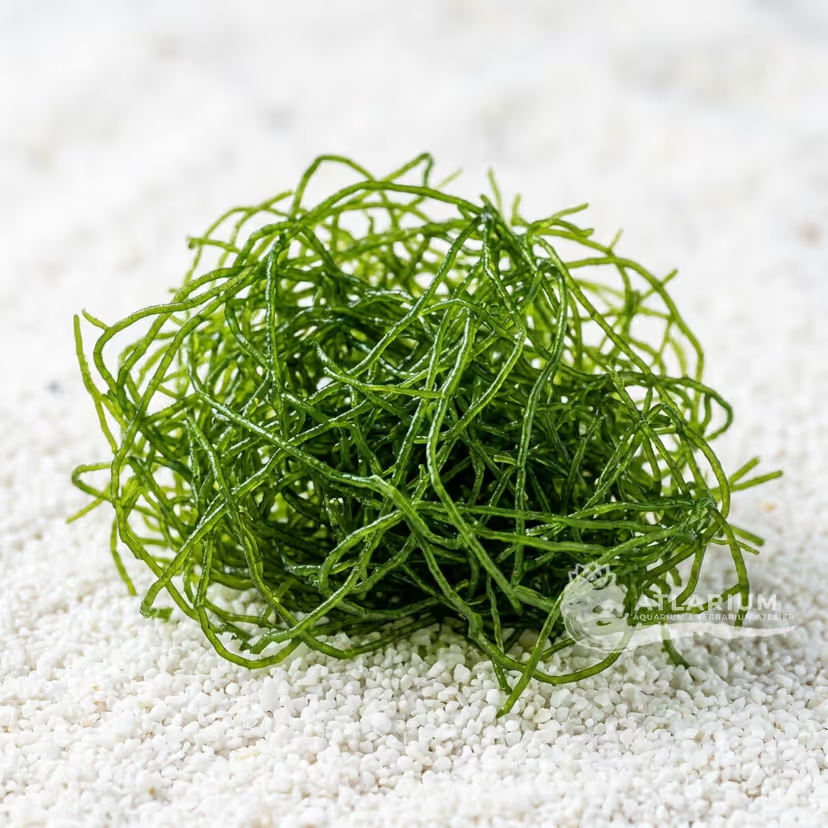
Chaetomorpha macroalgae
Chaetomorpha linum

Dead man fingers algae
Codium fragile

Halimeda macroalgae
Halimeda opuntia

Red gracilaria
Gracilaria parvispora
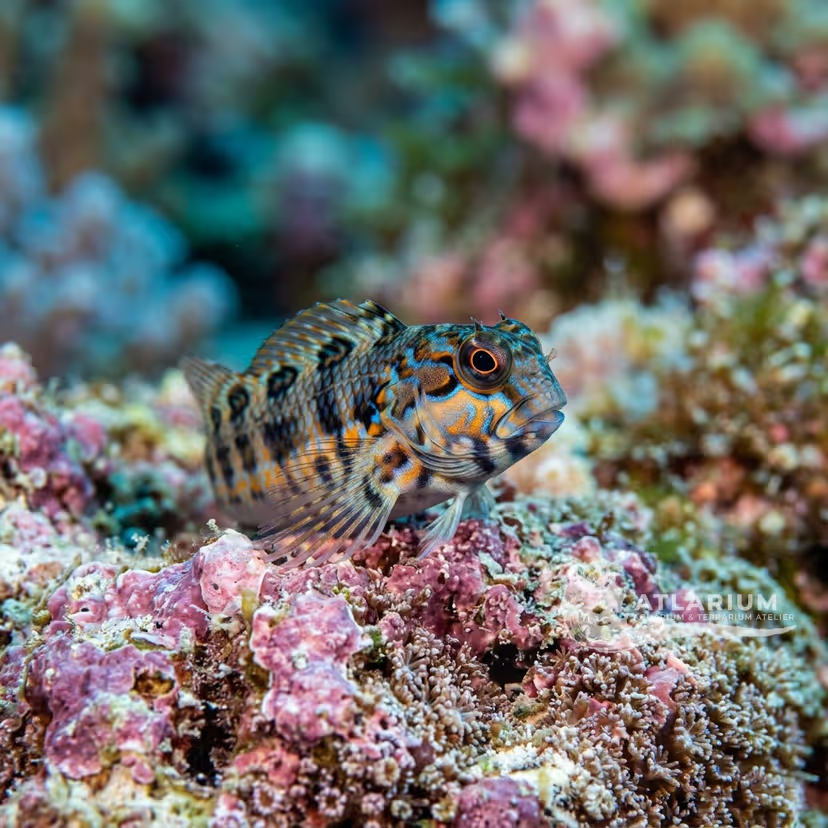
Allen's blenny
Ecsenius alleni

Ambon Chromis
Chromis amboinensis

Axelrod's blenny
Ecsenius axelrodi
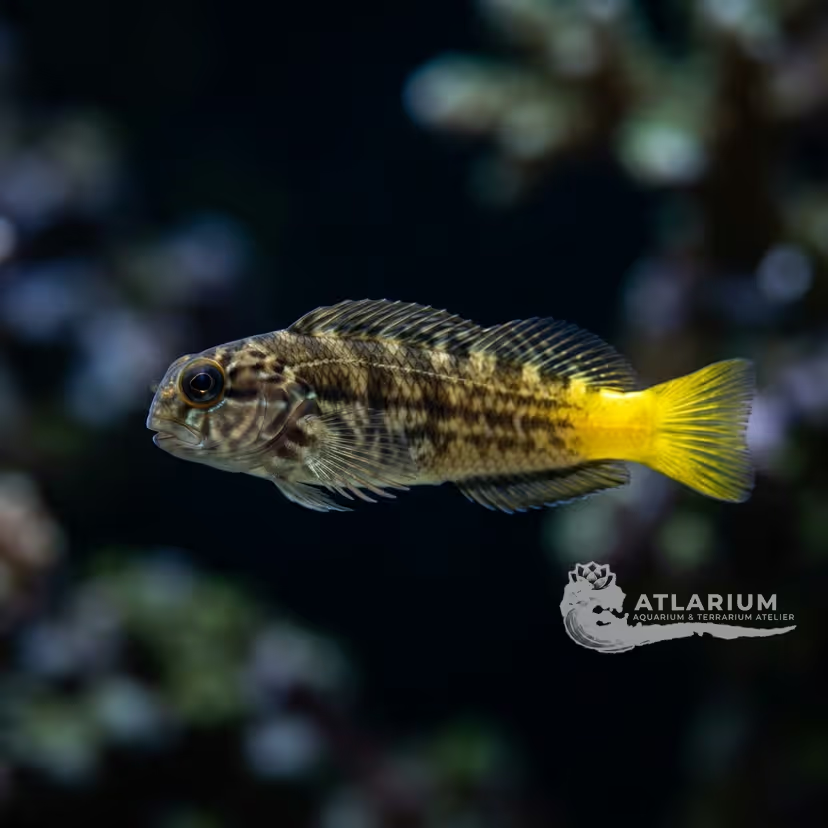
Black combtooth blenny
Ecsenius namiyei

Black-axil Chromis
Chromis atripectoralis
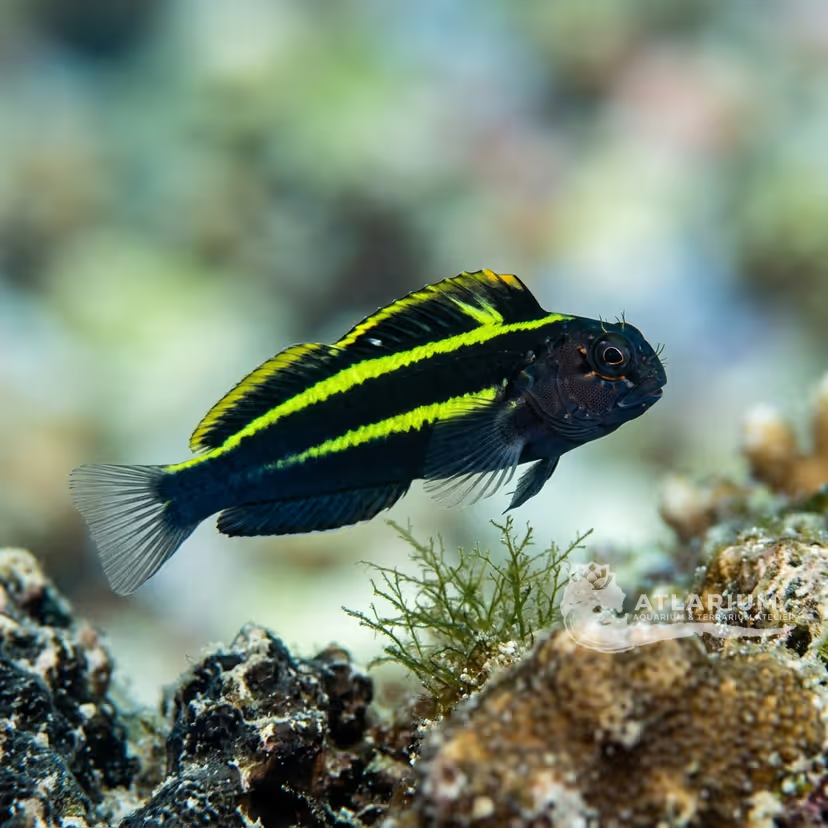
Bundoon blenny
Meiacanthus bundoon
Similar care
Cards with similar requirements, difficulty, habitat, and husbandry profile.

Pyramid top shell
Tectus pyramis

Acorn dog whelk
Nassarius glans

Mud babylon
Babylonia lutosa

Money Cowry
Monetaria moneta

Nassa mud snail
Nassarius obvelatus

Anchisteus Cleaner Shrimp
Lysmata anchisteus

Blue-legged Boxer Shrimp
Stenopus cyanoscelis

Bluntclaw snapping shrimp
Alpheus amblyonyx
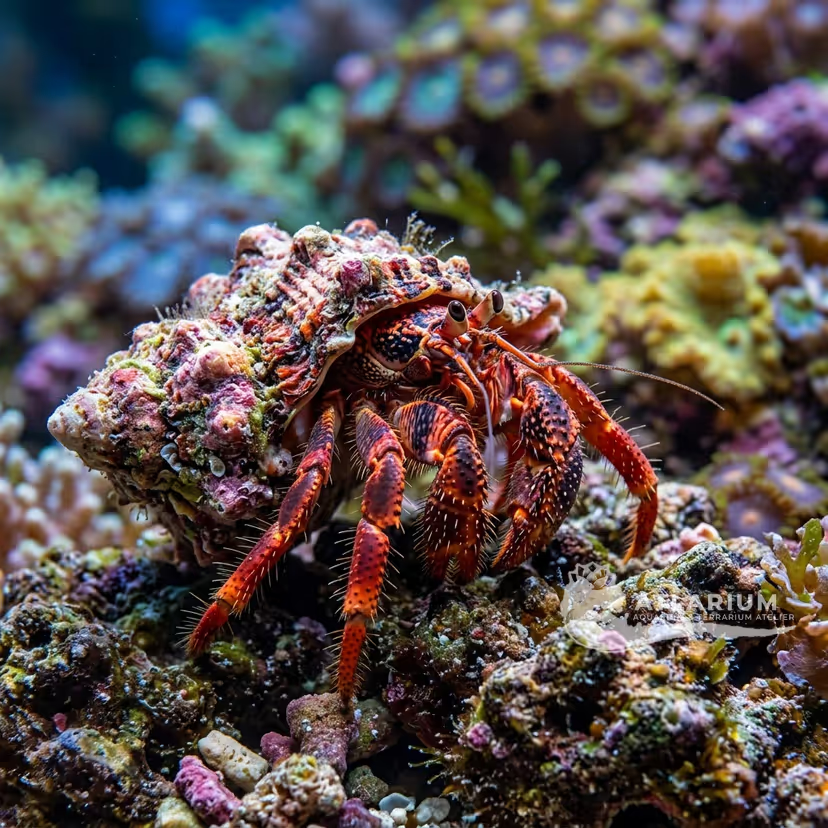
Carnifex Hermit Crab
Clibanarius carnifex

Crested snapping shrimp
Alpheus cristulifrons

Hammer Snapping Shrimp
Alpheus malleator
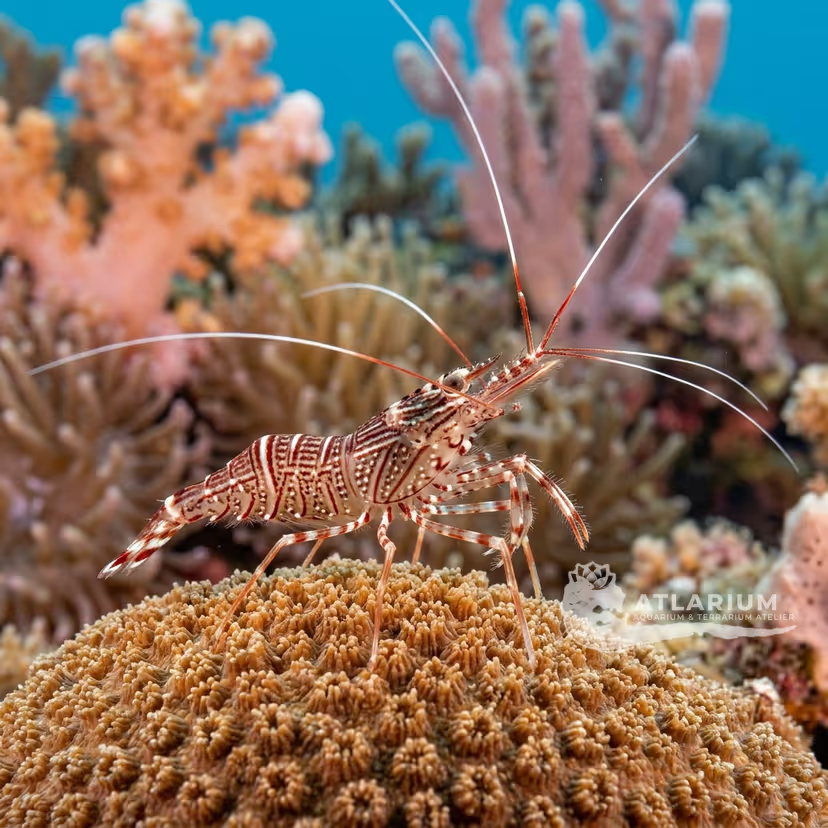
Peppermint Shrimp var. multiscissa
Lysmata multiscissa
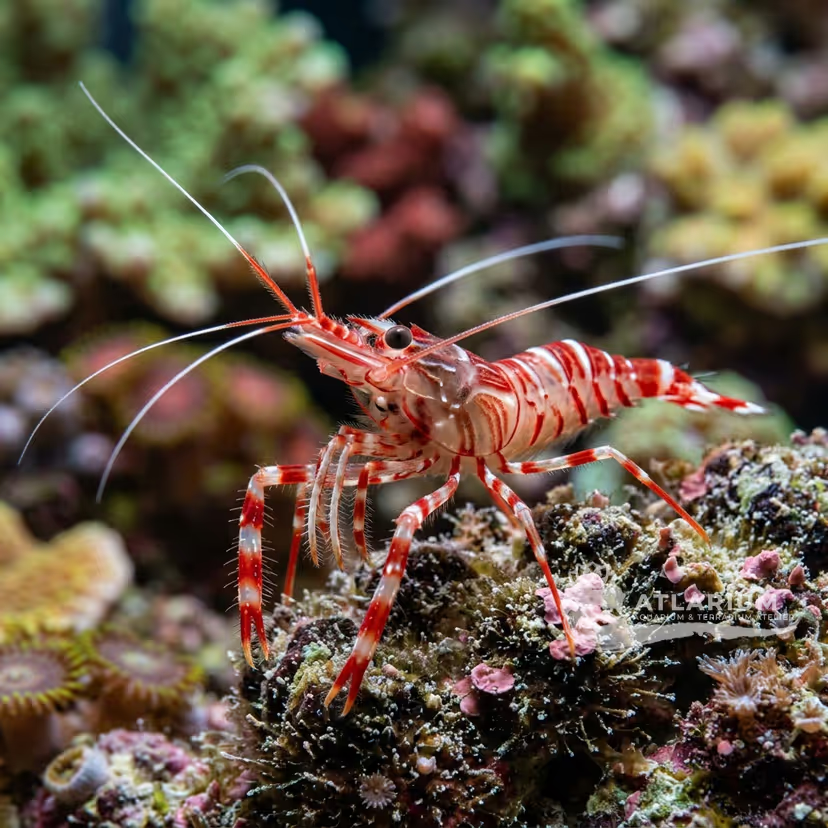
Anker's Cleaner Shrimp
Lysmata ankeri

Blood-spotted Hermit Crab
Clibanarius cruentatus

Boggess' Peppermint Shrimp
Lysmata boggessi

Chapin's Hermit Crab
Clibanarius chapini