Porthole Catfish
Dianema longibarbis
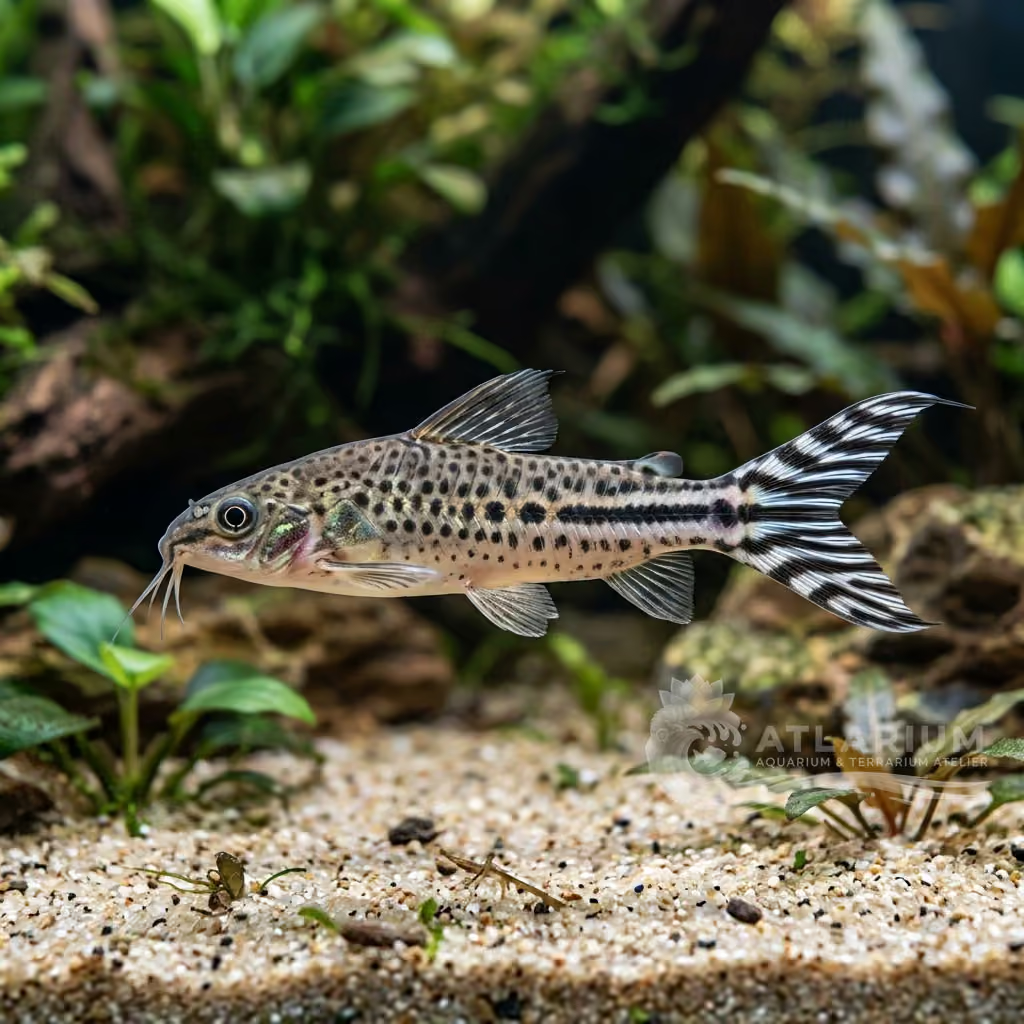
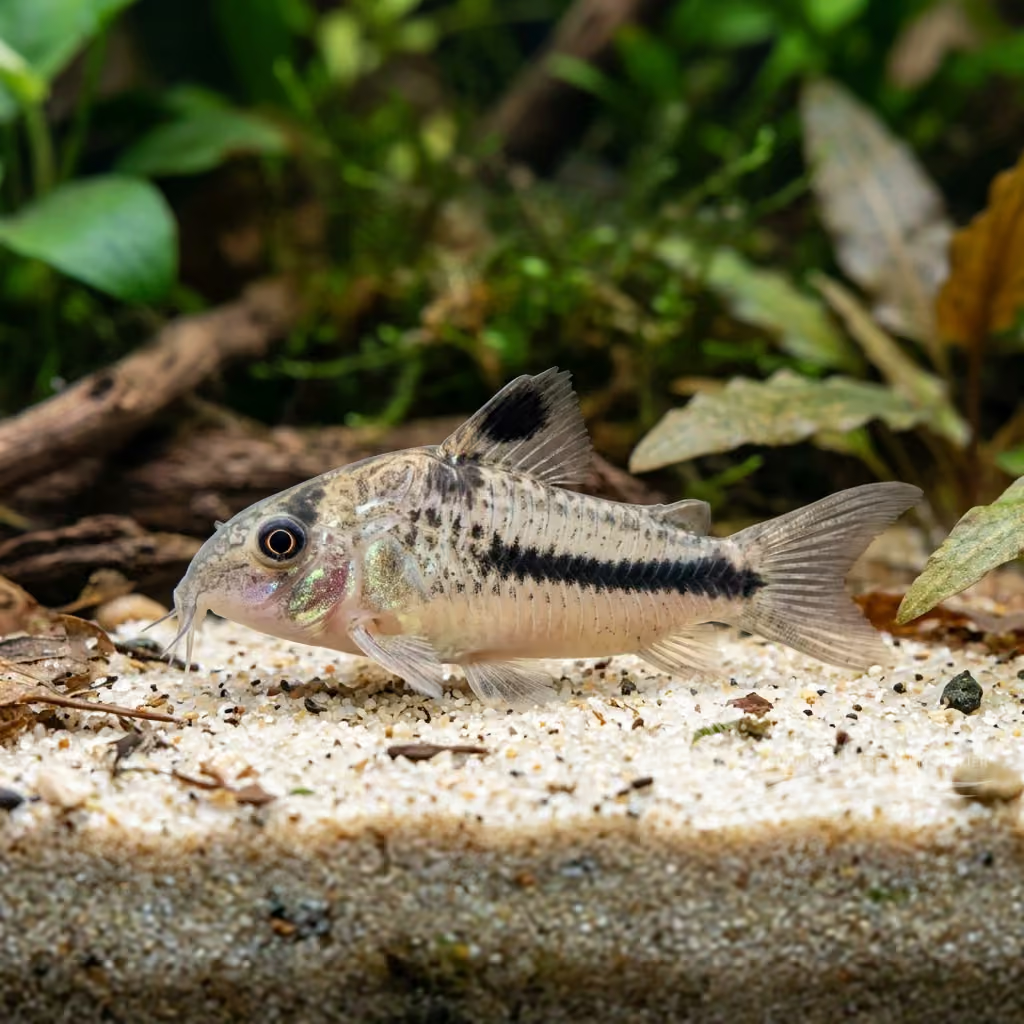
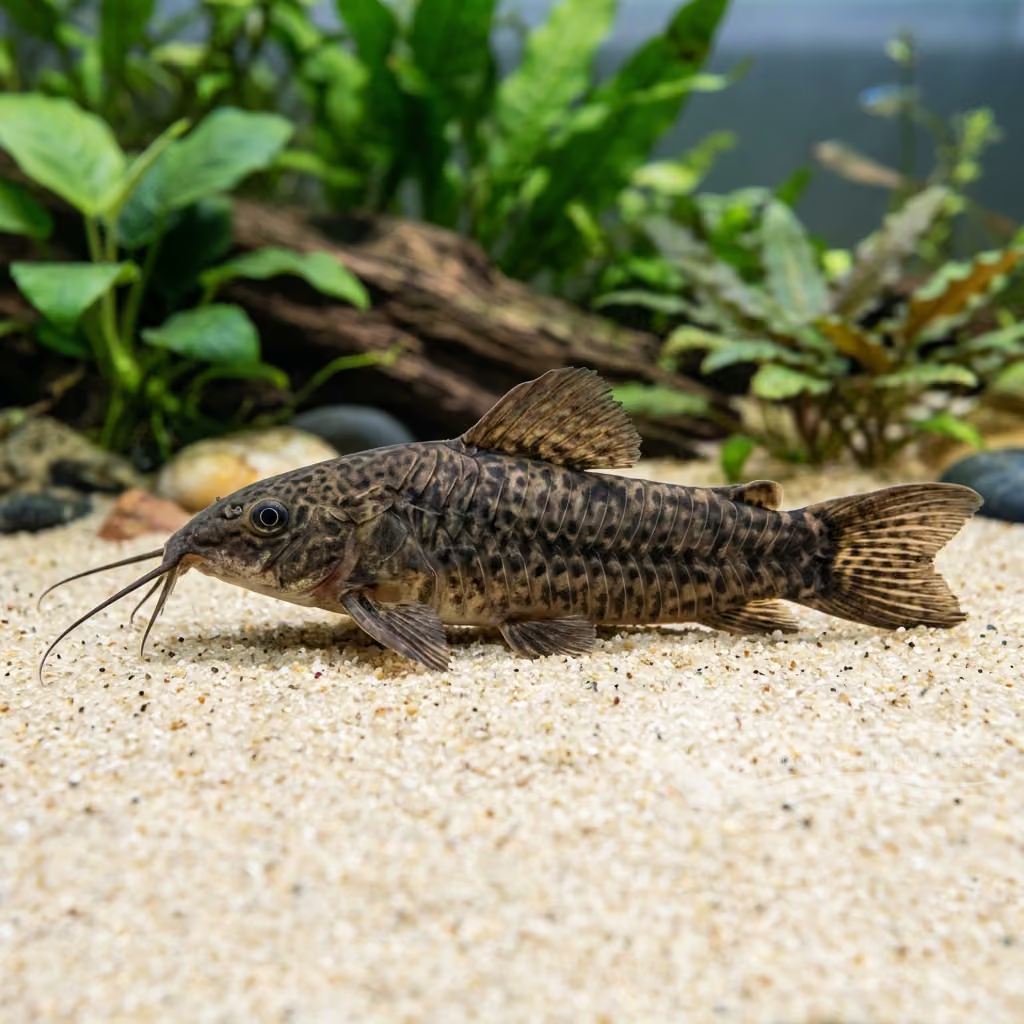
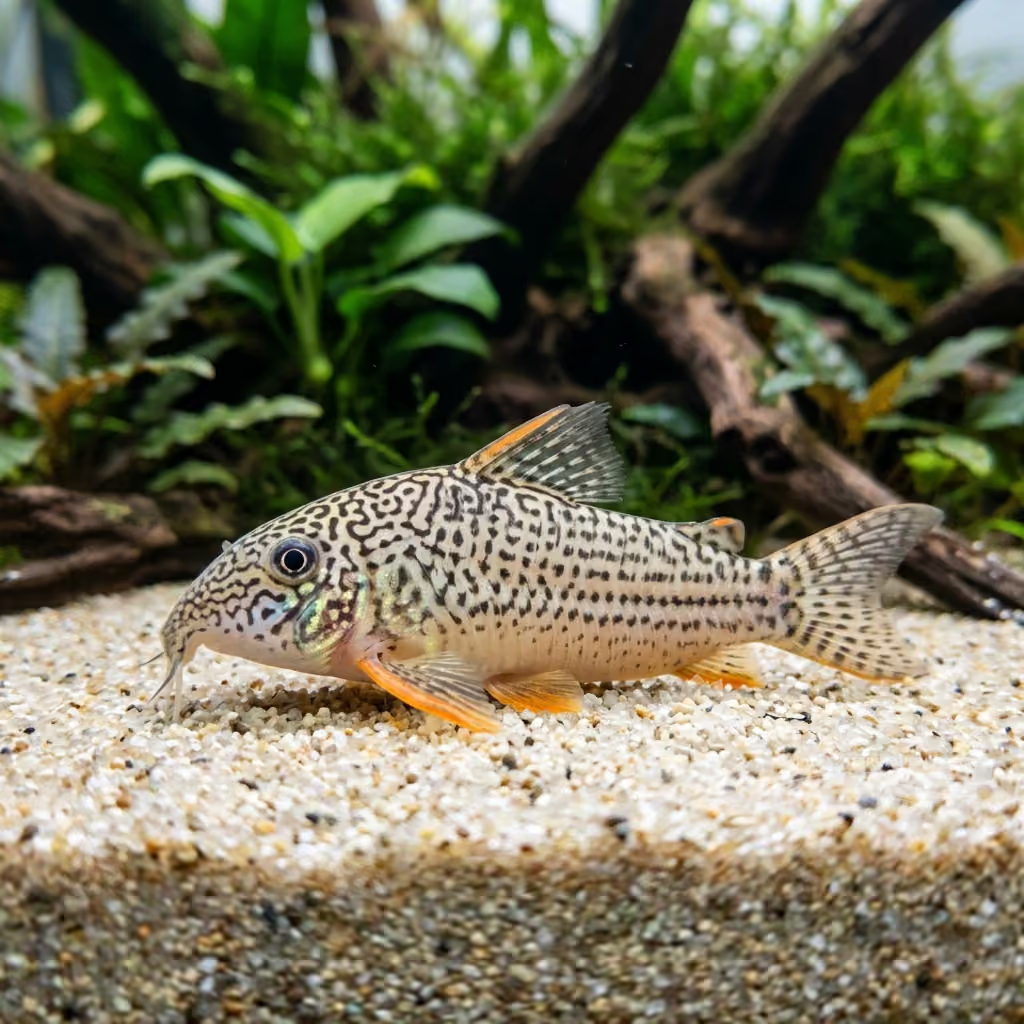
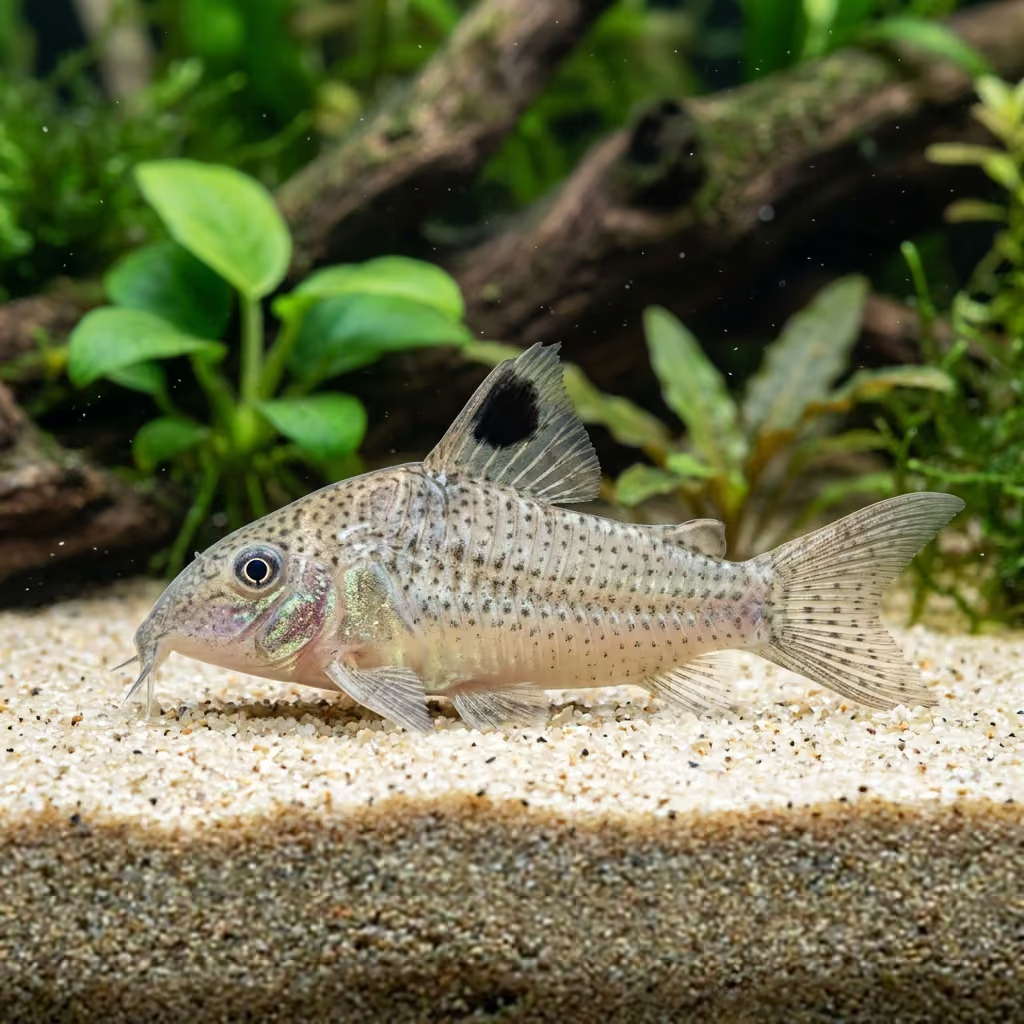
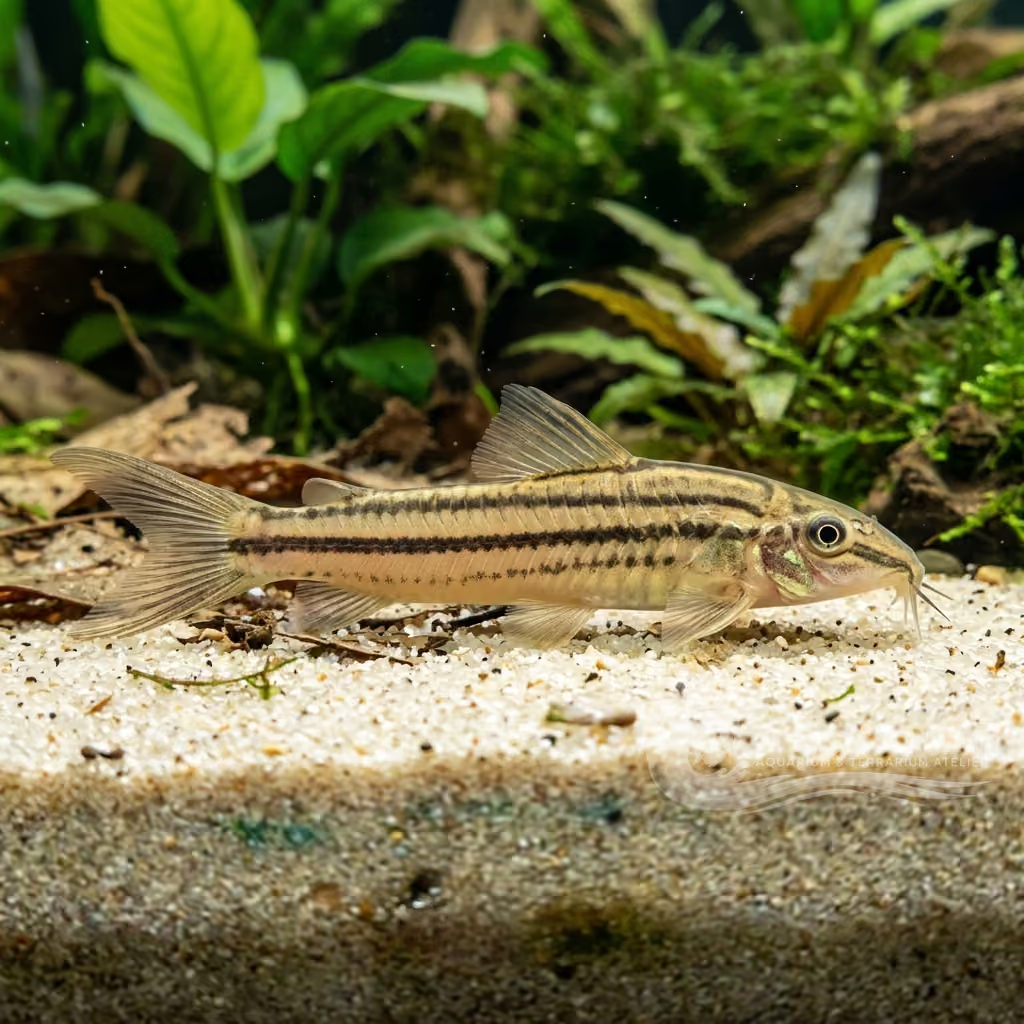
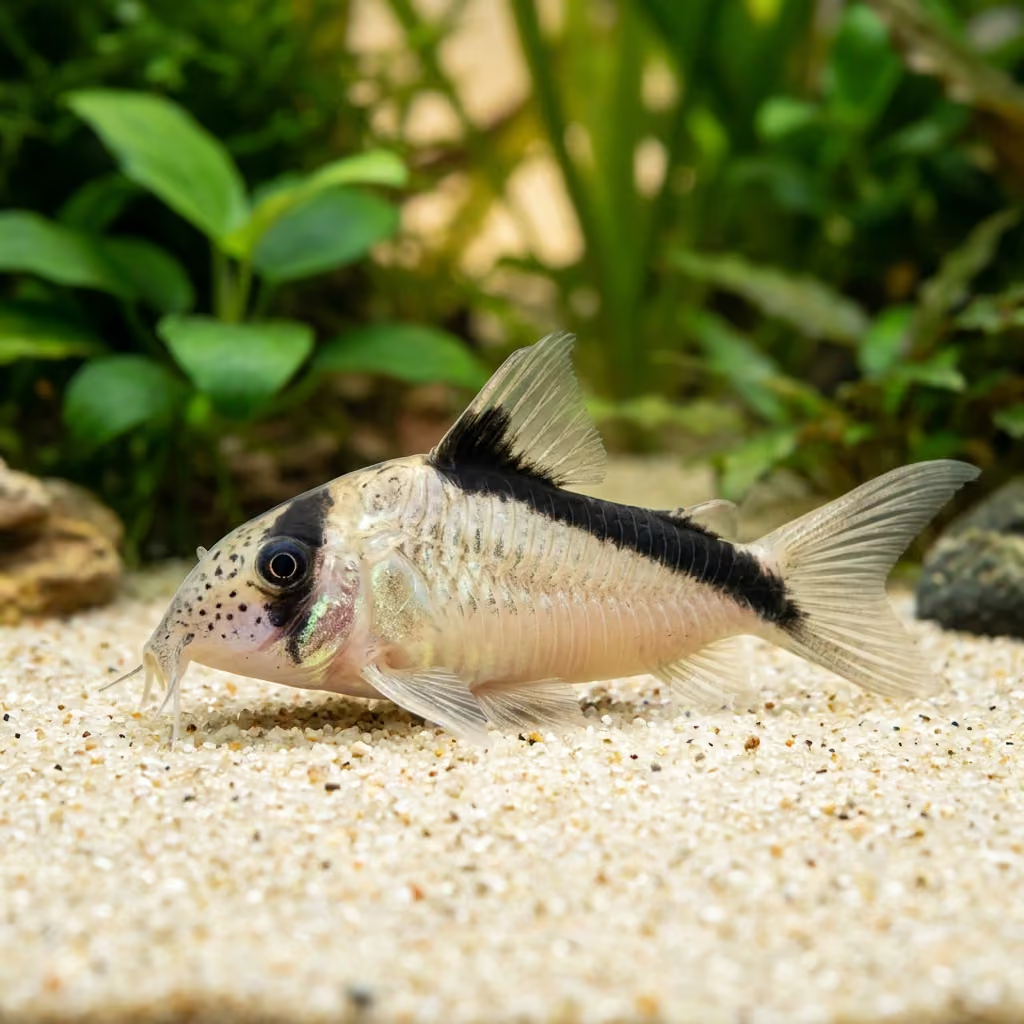
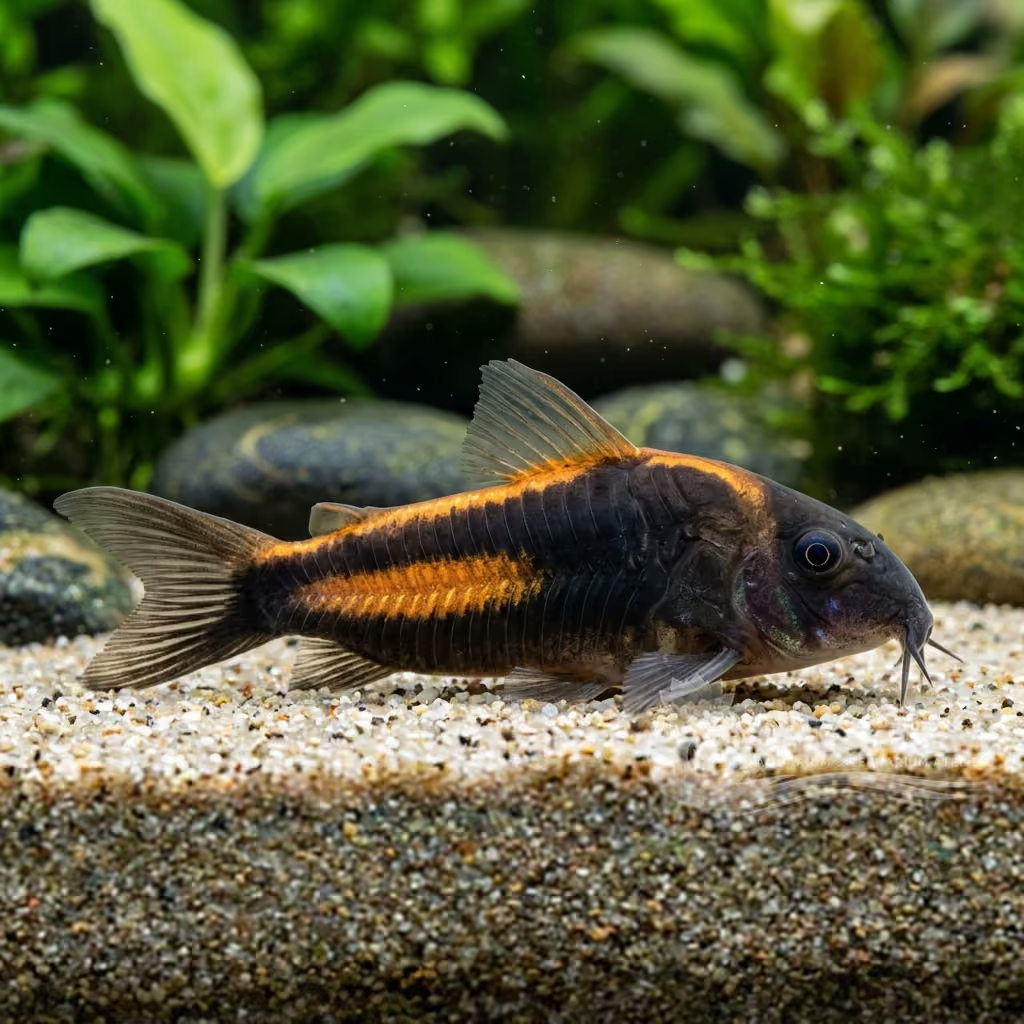
Torpedo-shaped relative of Corydoras. Shows off very long tactile barbels ('longibarbis') pointed forward, with which it explores the water like an insect, and large black spots on the flanks.
Water Temperature
24 - 28 °C
pH Value
6 - 7.2
Water type
Freshwater
Tank level
Bottom and middle
Adult size
10 cm
Minimum tank volume
>= 120 L
Minimum group
>= 6
GH
2 - 15 dGH
KH
2 - 10 dKH
TDS
50 - 325 ppm
Conductivity
78 - 508 uS/cm

Species description
Geographical Origin and Habitat: Endemically widespread throughout the large Amazon basin (Peru and Brazil). Tireless populator of swamps, slow-flowing igarapés, and stagnant alluvial tracts. Exploits the very dense underwater foliage to camouflage perfectly among shadows, roots, and silt.
Taxonomy and Morphology: Known as the "Porthole Catfish". A 10-centimeter (4-inch) siluriform exponent of the Callichthyidae family. Cigar-shaped and tapered body used for horizontal swimming in mid-water, shielded along the flanks. Possesses two sets of unusually elongated barbels (longibarbis).
Social Behavior: Hyperactive but very timid fish and prone to acute psychosis in captivity if kept solitary or exposed to open and bare tanks. Obligatory and categorical stationing in thick schools of at least 6-8 individuals, where the species will lose its inhibitions, floating in a group among the branches.
Coloration and Sexual Dimorphism: Extreme sobriety: "dirty" pinkish-sand livery decorated laterally by a decisive longitudinal row of circular black spots (similar to portholes, hence the name). Dominant males flaunt notably swollen first pectoral spines, encrusted with tiny sensory villi (hairs).

Care, breeding and tankmates
Aquarium Setup: Pelagic and benthic swimmer: combine free swimming with intricate Vallisneria forests, huge broad-leaved plants and floating bark to alleviate panic. The substrate must be, here too, necessarily of very fine rounded sand. Tanks with generous volumes (> 150 liters).
Diet and Feeding: Micro-predator. Sifts water and soil hunting frantically both day and night. Excellent devourer of bottom fish tablets, willingly accepts semi-floating granules mixed with conspicuous administrations of tubifex, bloodworms and large daphnia or mysis.
Water Quality: Temperate/warm, loves Amazonian temperatures of 24-28°C (75-82°F). Tolerant on average ranges: neutral-subacidic pH (6.0 - 7.2) and moderate GH (2-15). Endowed with strong resistance, takes in atmospheric air swallowing it (accessory intestinal respiration) in case of warm waters poor in oxygen.
Compatibility and Cohabitation: Sweetest tankmate for Amazonian biotopes with calm waters. Triumphant insertion together with imposing schools of medium-sized Tetras (Lemon tetra, Bleeding heart) and quiet Cichlids (Mesonauta, Cleithracara, Geophagus). Exclude fierce Astronotus or hostile loricariids.
Aquarium Breeding: They do not lay like Corydoras. The male engineers and builds a large and compact nest of bubbles and vegetation anchored on the surface to large leaves or floating plants, in which he crams the eggs following mating and which he will rabidly defend against intrusions.
Risks and Diseases: Many specimens succumb in the first days in the tank due to sudden jerks caused by panic (crashing against the glass) in overly bright and bare tanks. Enormous sensitivity to intoxication with intensive treatments based on Malachite Green.

Geographic origin and distribution
Endemically widespread throughout the large Amazon basin (Peru and Brazil). Tireless populator of swamps, slow-flowing igarapés, and stagnant alluvial tracts. Exploits the very dense underwater foliage to camouflage perfectly among shadows, roots, and silt.
Origin
Amazon, Orinoco, and Guianas

Fish profile
- Temperament
- Semi-aggressive
- The Porthole Catfish is remarkably peaceful, shy, and somewhat comical in its behavior. They are highly gregarious and must be kept in groups; solitary individuals will be chronically stressed and hide constantly. When kept in a proper group, they are active and inquisitive, often schooling together in a tight formation. They pose absolutely no threat to other fish and are an ideal, peaceful bottom-dweller for a community aquarium.
- Diet
- Omnivore
- Porthole Catfish are omnivorous bottom feeders that readily accept a wide variety of sinking foods. Their diet should primarily consist of high-quality sinking pellets or wafers designed for catfish and bottom dwellers. To ensure optimal health, this should be supplemented with live or frozen foods such as bloodworms, blackworms, and brine shrimp. They use their long barbels to sift through the substrate, so sinking foods are essential for their feeding behavior.
- Life expectancy
- 8-10 years
- Adult size
- 10 cm
- Sex ratio
- School
- There are no strict sex ratio requirements for this species in a standard community setup. They are highly social and will school together regardless of the mix of males and females. If attempting to breed, having a ratio of one male to several females may increase the chances of a successful pairing. Generally, purchasing a group of juveniles will naturally provide an adequate mix of sexes.
- Feeding frequency
- Twice daily
- Feeding them once or twice a day is generally sufficient to keep them well-nourished and healthy. It is important to feed them just before the aquarium lights go out, as they are most active during twilight and nighttime hours. Ensure that enough food reaches the bottom past faster-swimming mid-water fish so the catfish get their share. Overfeeding should be avoided to prevent substrate fouling, which can negatively impact their delicate barbels.
- Bioload
- Medium
- The Porthole Catfish produces a moderate bioload typical for a fish of its size and dietary habits. While they are not overly messy eaters, a group of them will steadily contribute to the organic waste in the aquarium. Good mechanical and biological filtration is necessary, along with a routine of regular partial water changes. Ensuring the substrate is kept clean is also important, as they spend a significant amount of time foraging near the bottom.
- Flow
- Stagnant
- They prefer calm to moderately flowing water, mimicking the sluggish streams and slow-moving rivers of their natural Amazonian habitat. Strong, turbulent currents can be stressful and should be avoided in their setup. Providing a gentle flow that adequately oxygenates the water without creating a whirlwind effect is ideal. The use of sponge filters or canister filters with baffled outputs works well for this species.
- Jump risk
- Yes
- While they spend most of their time in the lower levels, they are capable of sudden, rapid dashes to the surface to gulp air due to their modified intestinal tract. During these frantic dashes, they can accidentally breach the surface and jump out of the tank if startled. A secure lid is highly recommended to prevent any accidental escapes during these breathing excursions. Floating plants can also help dampen their upward momentum and reduce jump risk.
- Reproduction
- Oviparous
- Breeding the Porthole Catfish in captivity is rare but possible, often requiring the simulation of the rainy season with large, cool water changes. They are bubblenest builders, a unique trait among catfish, utilizing floating vegetation or broad leaves near the surface. The male constructs the nest, and after spawning, fiercely guards the eggs against any intruders. The fry are quite small and require infusoria or finely powdered fry food once they have absorbed their yolk sacs.
- Compatibility & tankmates
- Community
- This is an exceedingly peaceful and gregarious catfish that makes an excellent addition to a South American community tank. They are entirely unbothered by most tank mates and are best kept with other peaceful species like tetras, rasboras, and dwarf cichlids. They must be kept in groups of at least four to six individuals to feel secure; otherwise, they will become extremely reclusive. Avoid housing them with large, aggressive, or territorial bottom-dwellers that might bully or outcompete them for food.
- Tank level
- Middle/Bottom
- They are primarily bottom and mid-water dwellers, spending much of their time resting on the substrate or hovering just above it. Interestingly, they often exhibit a characteristic behavior of perching precariously on plant leaves or driftwood in the mid-water column. They appreciate a tank with plenty of hiding spots formed by roots, caves, and dense vegetation. Open sandy areas are also appreciated for them to safely forage with their barbels.

Scientific Parameters & Models
FishBase
Window to the official scientific data of the species
FishBase v25.04Data synced on: 06/15/2026
- Trophic level
- 2.9 ± 0.3 se
- Resilience
- High (less than 15 months)
- Phylogenetic uniqueness (PD50)
- 0.75
- Bayesian Length-Weight
- a = 0.02344, b = 2.99
- VulnerabilityLow vulnerability (10 / 100)

Related species
Recommendations grouped by close relatives, companion choices, and similar care.