Pinheiro's Cory
Brochis pinheiroi
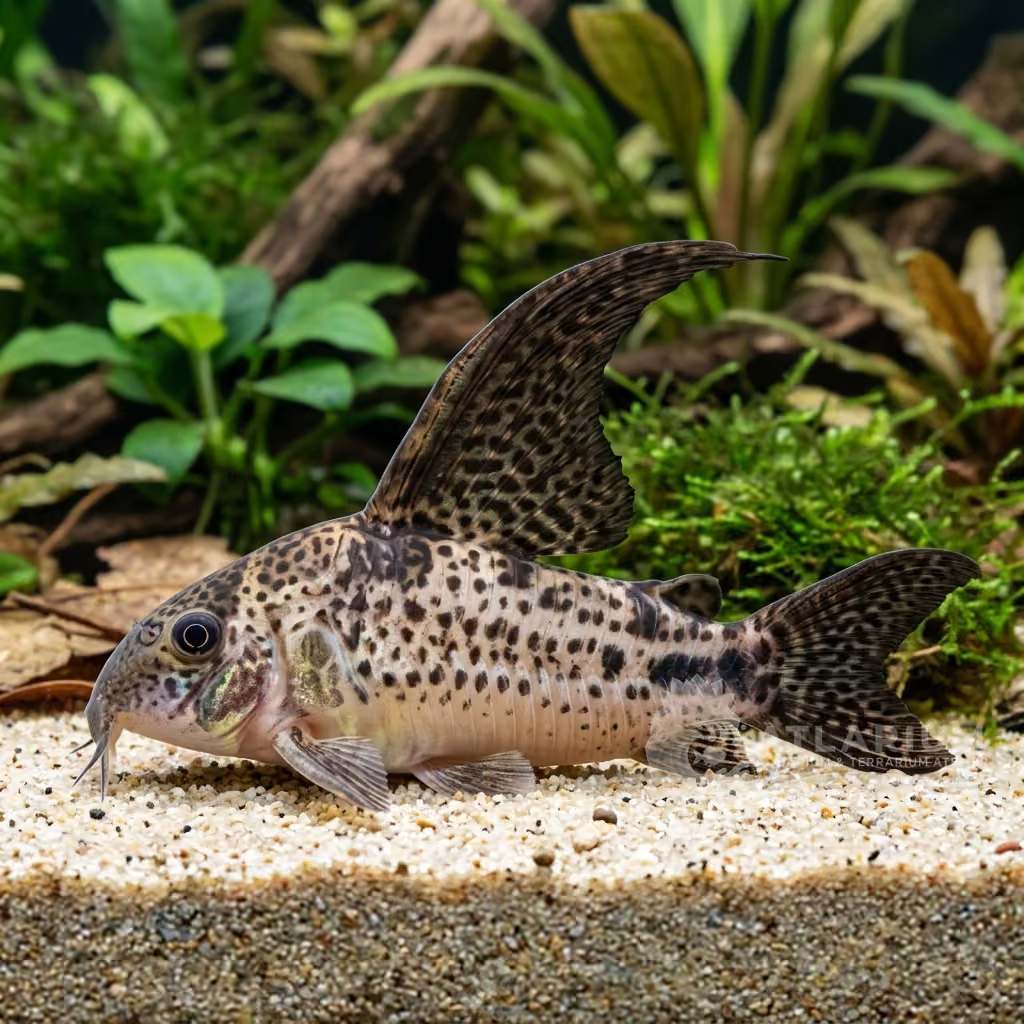
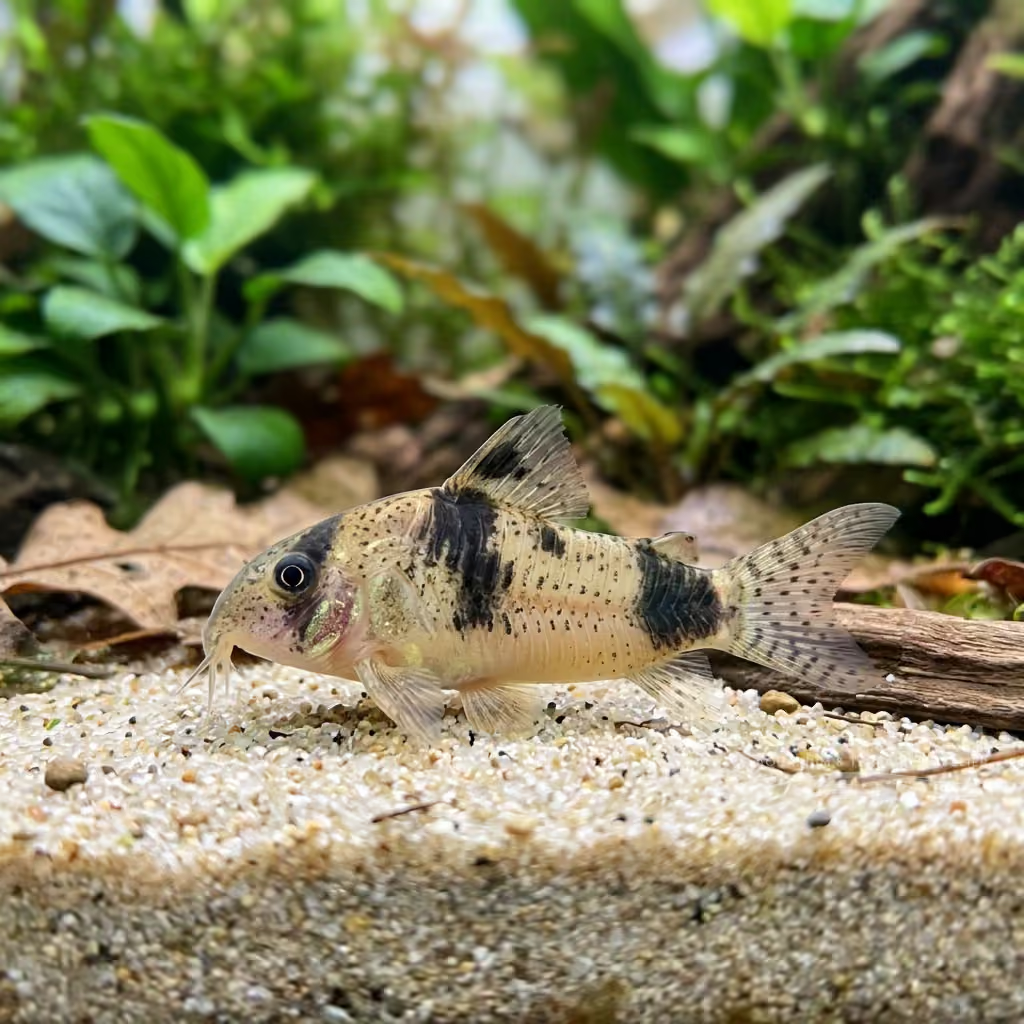
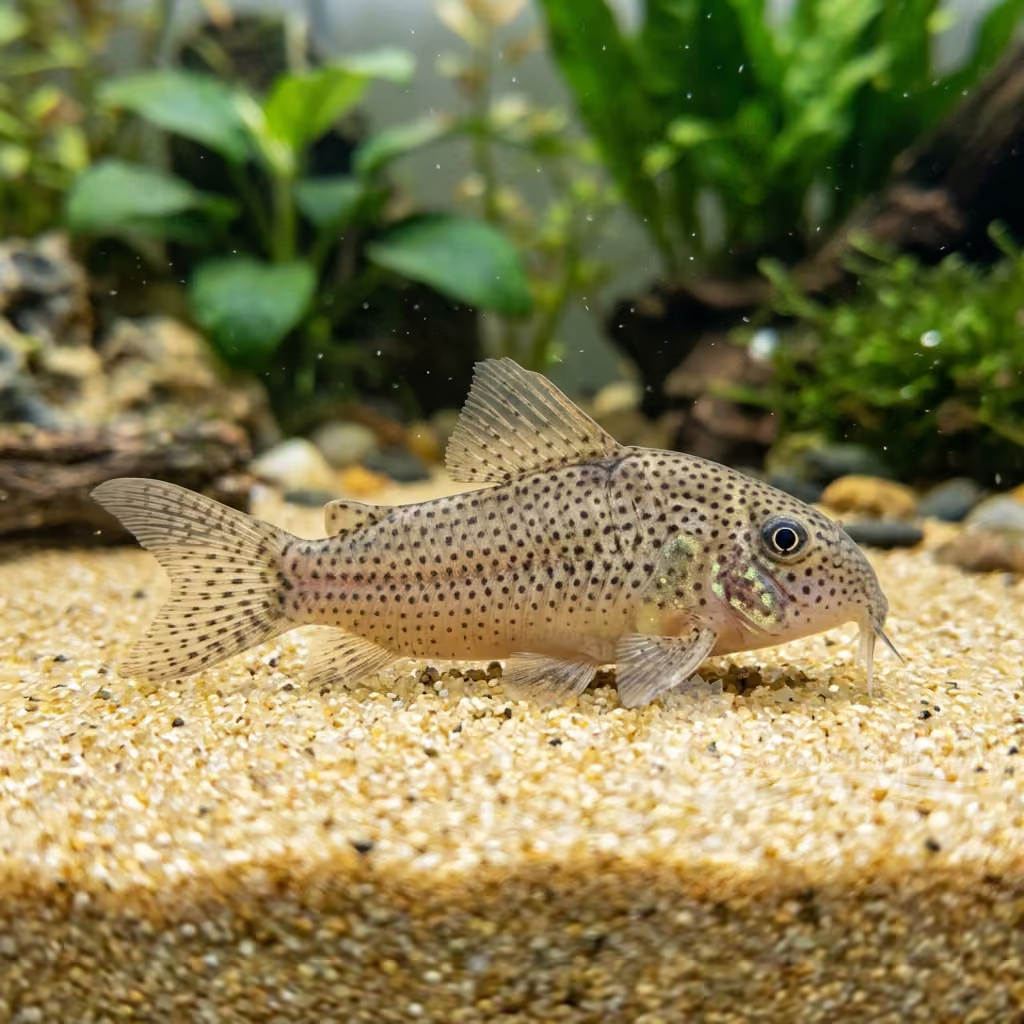
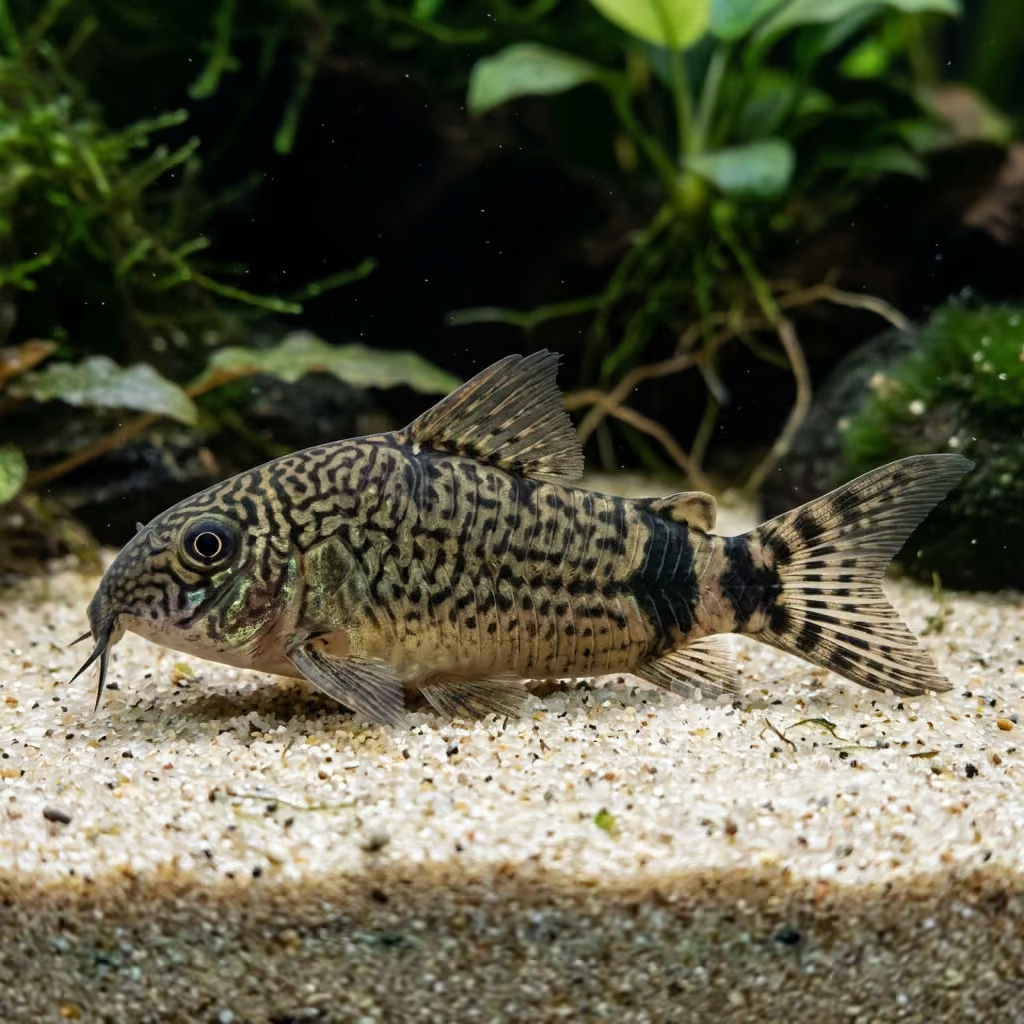
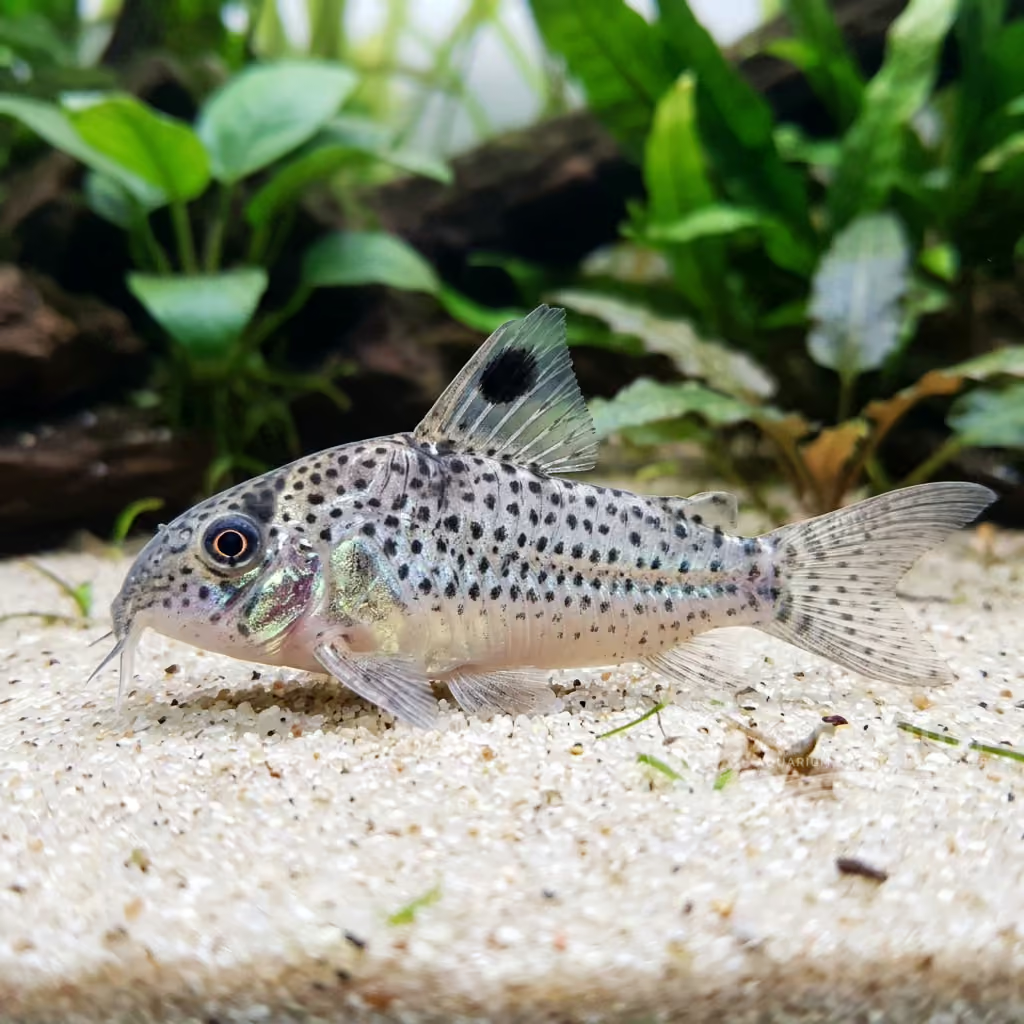
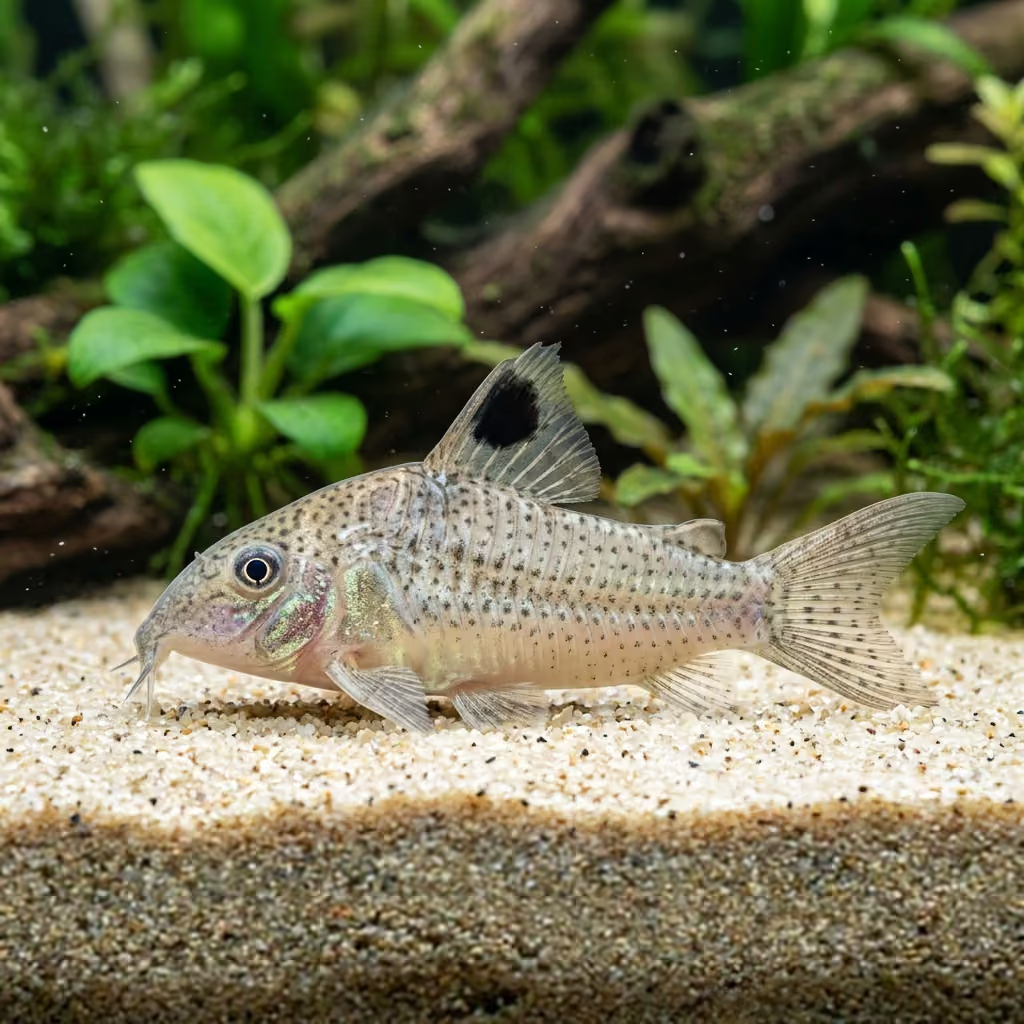
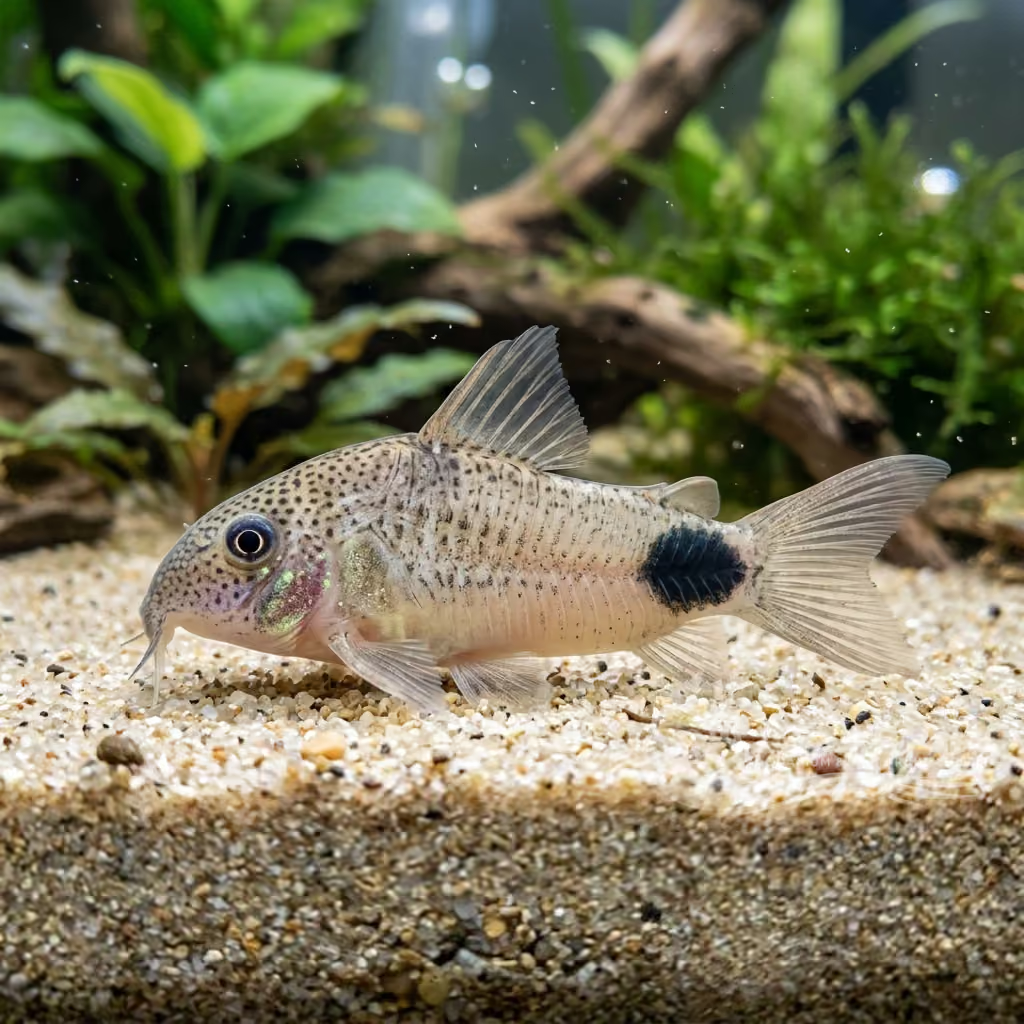
Chromatically very similar to C. sterbai (light spots on a dark brown/black background), but possesses an elongated snout of a classic Lineage 1 benthic hunter.
Water Temperature
22 - 26 °C
pH Value
6 - 7.2
Water type
Freshwater
Tank level
Bottom
Adult size
6.5 cm
Minimum tank volume
>= 80 L
Minimum group
>= 6
GH
2 - 12 dGH
KH
2 - 10 dKH
TDS
50 - 280 ppm
Conductivity
78 - 438 uS/cm

Species description
Geographical Origin and Habitat: Originates from the Madeira river basin and minor tributaries in Brazil. Exclusive inhabitant of "blackwater": slow rivers and submerged amber oxbows, characterized by almost non-existent light and thick organic layers on the bottom.
Taxonomy and Morphology: Majestic member of the Callichthyidae family. Corydoras of formidable size (touches 6.5 - 7 cm / 2.5-2.8 inches), boasts a moderately long snout (long-snouted) and is covered by thick and defensive horny shielded plates.
Social Behavior: Inert if bred in small numbers, it acquires absolute security in schools of at least 6-8 individuals. Unbelievably peaceful, it spends its days meticulously patrolling the sand.
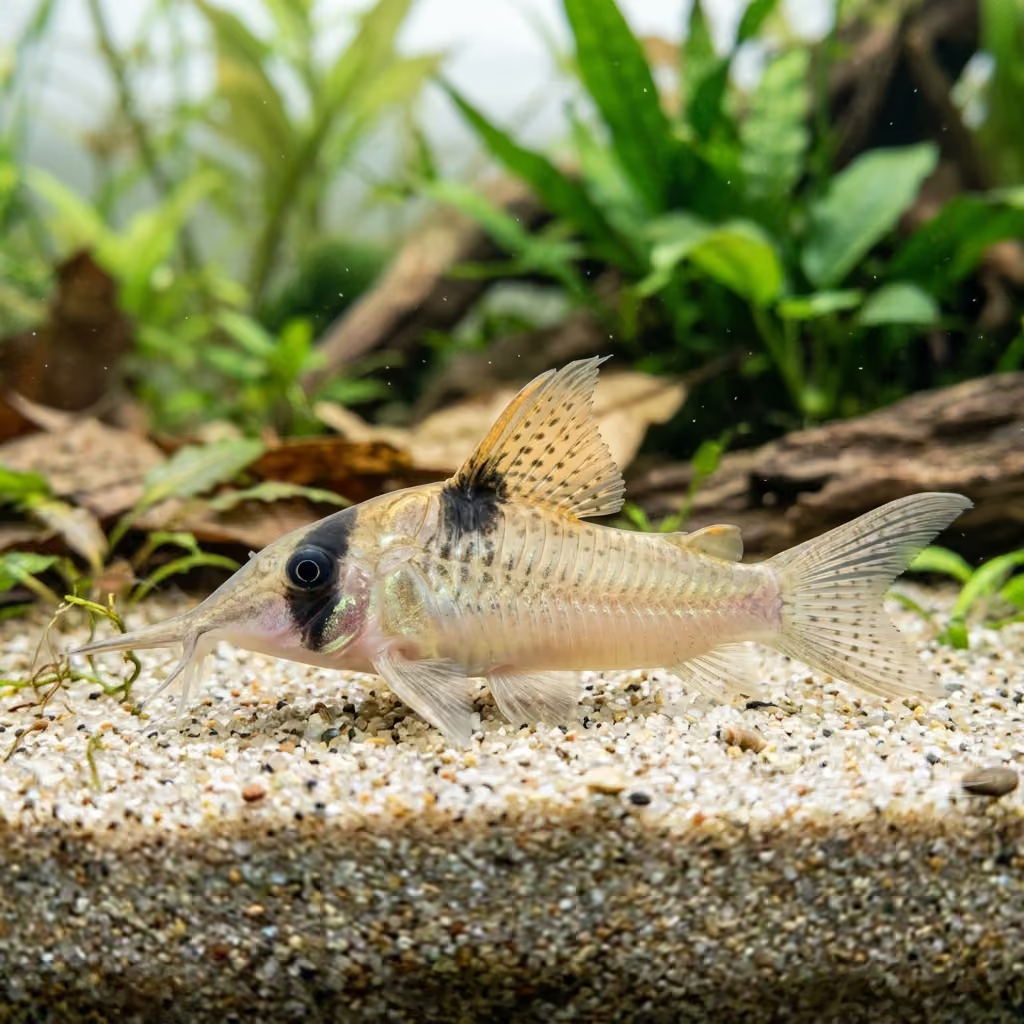
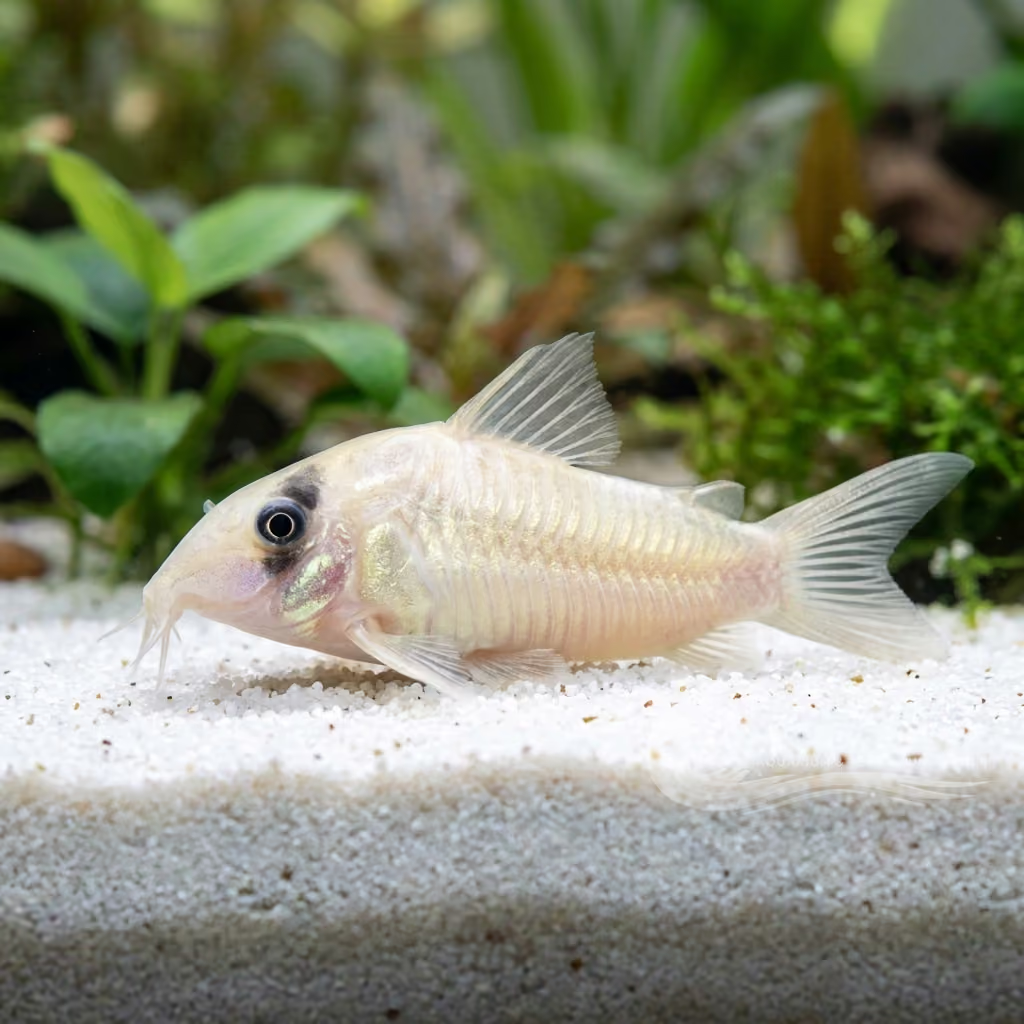
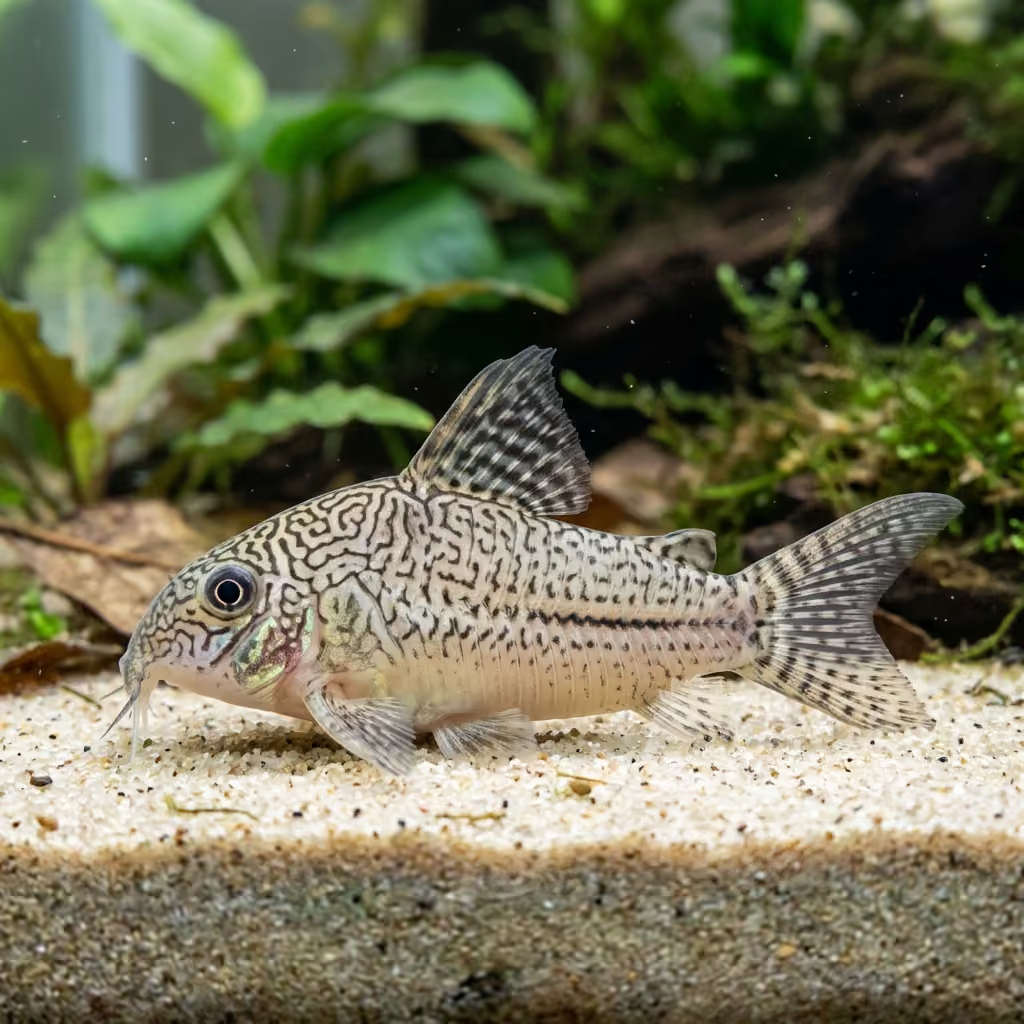
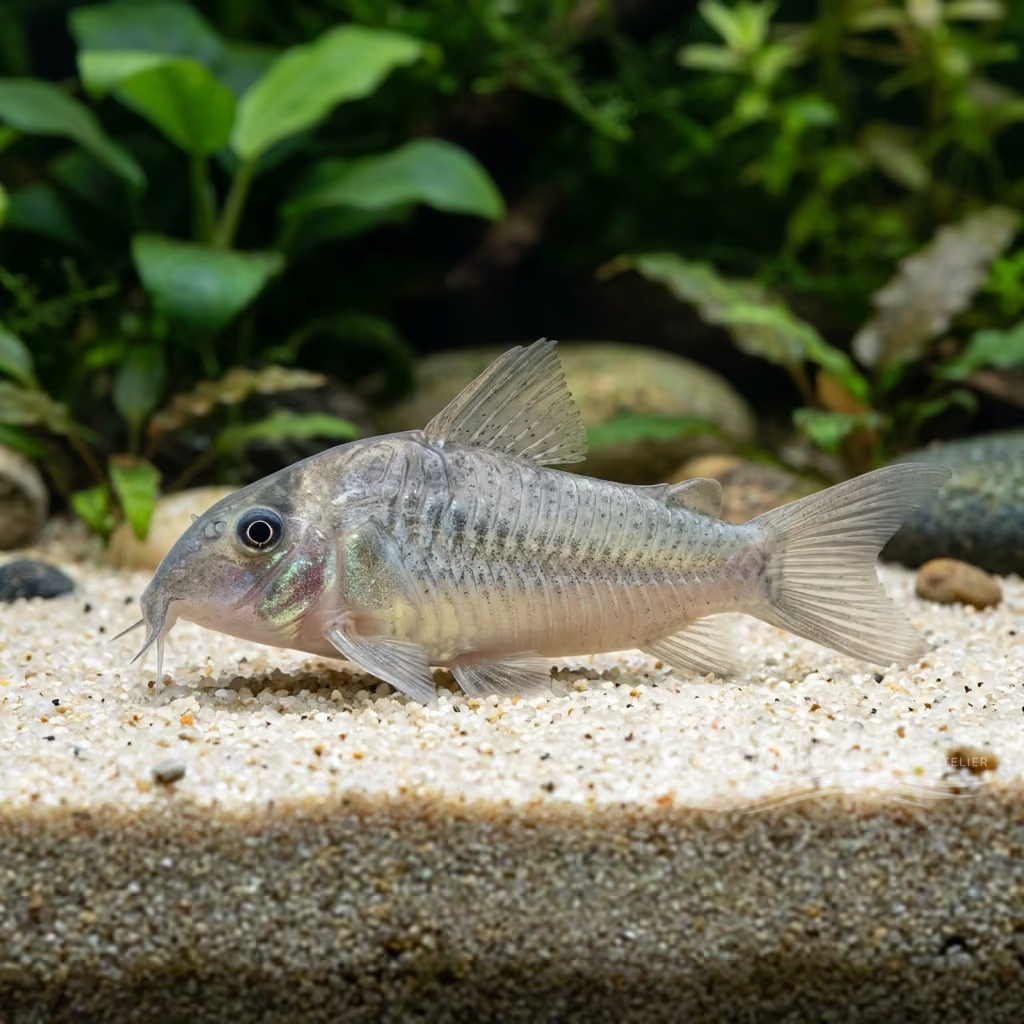
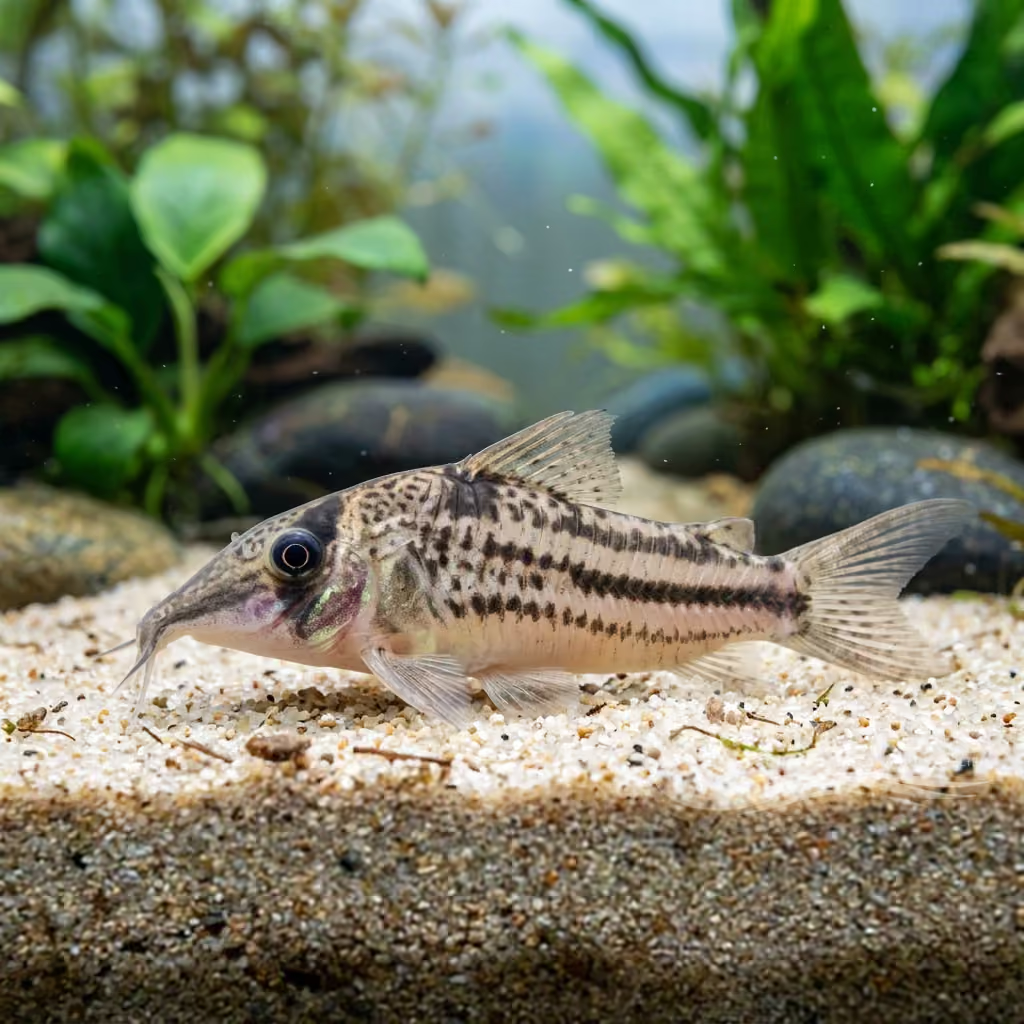
Coloration and Sexual Dimorphism: A Corydoras with a very particular pattern (similar to C. sterbai but with inverted/reticulated coloration): silvery-cream body dense with sinuous dark streaks (reticulated pattern) and showy spotted ventral and anal fins. The female exhibits a much more pronounced abdominal diameter than the male.

Care, breeding and tankmates
Aquarium Setup: Does not negotiate soft sand (silica) to safeguard the shielded snout. Loves thick and dark shelters: insert large interwoven trunks (Red Moor) and cover the bottom with large oak or Catappa leaves. Strictly weak lights.
Diet and Feeding: Nocturnal and diurnal omnivorous digger. Consumes greedy meals of plecostomus and Corydoras wafers, but the diet must be robustly supported with tri-weekly administrations of full-bodied live/frozen baits: Tubifex and giant bloodworms.
Water Quality: Does not forgive ammoniacal spikes on the bottom. Temperature 22-26°C (72-79°F). The pH range must be strictly weakly acidic or neutral (6.0 - 7.2) and the water must have a very soft hardness (GH 2-12). Very high-performance filter but never turbulent at the bottom.
Compatibility and Cohabitation: Superb fish for "large peaceful community": perfectly associates with huge schools of Cardinals, Nannostomus, Carnegiella and Apistogramma or Ramirezi. Any pairing with territorial or frantic burrowing fish is banned.
Aquarium Breeding: True goal for experts: must be triggered by dropping the temperature with drastic RO changes (mimicking monsoons). During the chaotic "T" mating, they release thick eggs on the glass. They must strictly be removed to elude the raid of the colony itself.
Risks and Diseases: Gravel and abrasive substrates will cause atrophying mutilations, and rapid death from septicemia or hunger. Very high lethal susceptibility to chemical treatments in the tank based on copper (Cu) or formaldehyde.

Geographic origin and distribution
Originates from the Madeira river basin and minor tributaries in Brazil. Exclusive inhabitant of "blackwater": slow rivers and submerged amber oxbows, characterized by almost non-existent light and thick organic layers on the bottom.
Origin
Tropical oceans and reefsExtra-Amazon South America

Fish profile
- Temperament
- Semi-aggressive
- The temperament of Brochis pinheiroi is exceedingly peaceful and sociable, making them a favorite among community tank enthusiasts. They show absolutely no aggression towards other fish species and prefer to go about their daily foraging undisturbed. They are highly gregarious and derive comfort from the presence of their own kind, frequently resting and moving together as a unified group. Isolation can cause them immense stress, resulting in hiding and refusing to eat.
- Diet
- Omnivore
- Brochis pinheiroi are omnivorous bottom feeders that require a varied diet to thrive in captivity. A high-quality sinking pellet or wafer specifically formulated for bottom dwellers should form the staple of their daily meals. They also greatly benefit from regular offerings of live or frozen foods such as bloodworms, daphnia, and brine shrimp. It is important to ensure that food reaches the bottom before being consumed by mid-water fish so they do not go hungry.
- Life expectancy
- 5-10 years
- Adult size
- 6.5 cm
- Sex ratio
- School
- A recommended sex ratio for Brochis pinheiroi, especially if breeding is desired, is two or three males for every female. This mimics their natural breeding groups and increases the chances of successful fertilization of the eggs. In a standard display tank, exact ratios are less critical as long as they are kept in a sufficiently large shoal of six or more. Having more males ensures that the female is constantly courted during the breeding cycle.
- Feeding frequency
- Twice daily
- Feeding Brochis pinheiroi one or two times a day is generally sufficient to maintain their health and vitality. Care should be taken to provide only what they can actively consume within three to five minutes to prevent water fouling. If kept in a community setup with aggressive surface feeders, it may be beneficial to feed them after lights out. Observing their belly fullness can help determine if the feeding frequency and amounts are appropriate.
- Bioload
- Low to Medium
- Brochis pinheiroi produces a moderate bioload, making them excellent candidates for community tanks. Their efficient scavenging habits actually help maintain water quality by consuming uneaten food that would otherwise decay. Despite their modest size, a school of six or more does contribute somewhat to the tank's waste output. Regular water changes and adequate filtration are still necessary to keep the bioload manageable and nitrate levels low.
- Flow
- Stagnant
- This species prefers gentle to moderate water flow that mimics the slow-moving streams and tributaries of various South American river basins. Excessive flow can cause unnecessary stress and fatigue, as they are not built for constant swimming against strong currents. A well-placed sponge filter or a canister filter with a spray bar can provide the ideal balance of filtration and gentle water movement. Oxygenation remains important, so ensuring surface agitation without overpowering the bottom areas is key.
- Jump risk
- Yes
- The jumping risk for Brochis pinheiroi is exceptionally low, as they are primarily bottom-dwelling fish that spend most of their time foraging in the substrate. However, they do periodically dart to the surface to gulp air due to their modified intestine that acts as an accessory respiratory organ. During these quick ascents, an open tank could present a slight risk if they misjudge the distance. A standard aquarium lid is recommended to ensure they stay safely contained inside the tank.
- Reproduction
- Oviparous
- Breeding Brochis pinheiroi can be achieved in a dedicated breeding setup with cool water changes used to trigger spawning behavior. The females are typically larger and more robust, scattering adhesive eggs onto broad-leaved plants, aquarium glass, or spawning mops. Once spawning is complete, the adult fish should be removed to prevent them from eating the eggs. The fry hatch after a few days and require very small live foods like microworms or freshly hatched brine shrimp.
- Compatibility & tankmates
- Community
- These peaceful catfish are highly compatible with a wide variety of community fish. They do exceptionally well with small tetras, rasboras, and dwarf cichlids that inhabit the middle and upper levels of the aquarium. Aggressive or large bottom-dwelling species should be avoided as they may bully the Brochis pinheiroi or outcompete them for food. Keeping them in groups of at least six of their own kind is vital for their sense of security.
- Tank level
- Bottom
- Brochis pinheiroi are strictly bottom dwellers, spending almost the entirety of their day sifting through the substrate in search of food. They require a soft, sandy substrate to prevent damage to their delicate barbels, which are essential for sensing their environment. While they occasionally dart to the surface to take in a breath of atmospheric air, they immediately return to the bottom. Decor elements like caves, driftwood, and low-lying plants provide them with much-needed resting spots.

Scientific Parameters & Models
FishBase
Window to the official scientific data of the species
FishBase v25.04Data synced on: 06/15/2026
- Trophic level
- 2.9 ± 0.3 se
- Resilience
- High (less than 15 months)
- Phylogenetic uniqueness (PD50)
- 0.5
- Bayesian Length-Weight
- a = 0.02455, b = 3
- VulnerabilityLow vulnerability (10 / 100)

Related species
Recommendations grouped by close relatives, companion choices, and similar care.