Kaloula assamensis
Kaloula assamensis
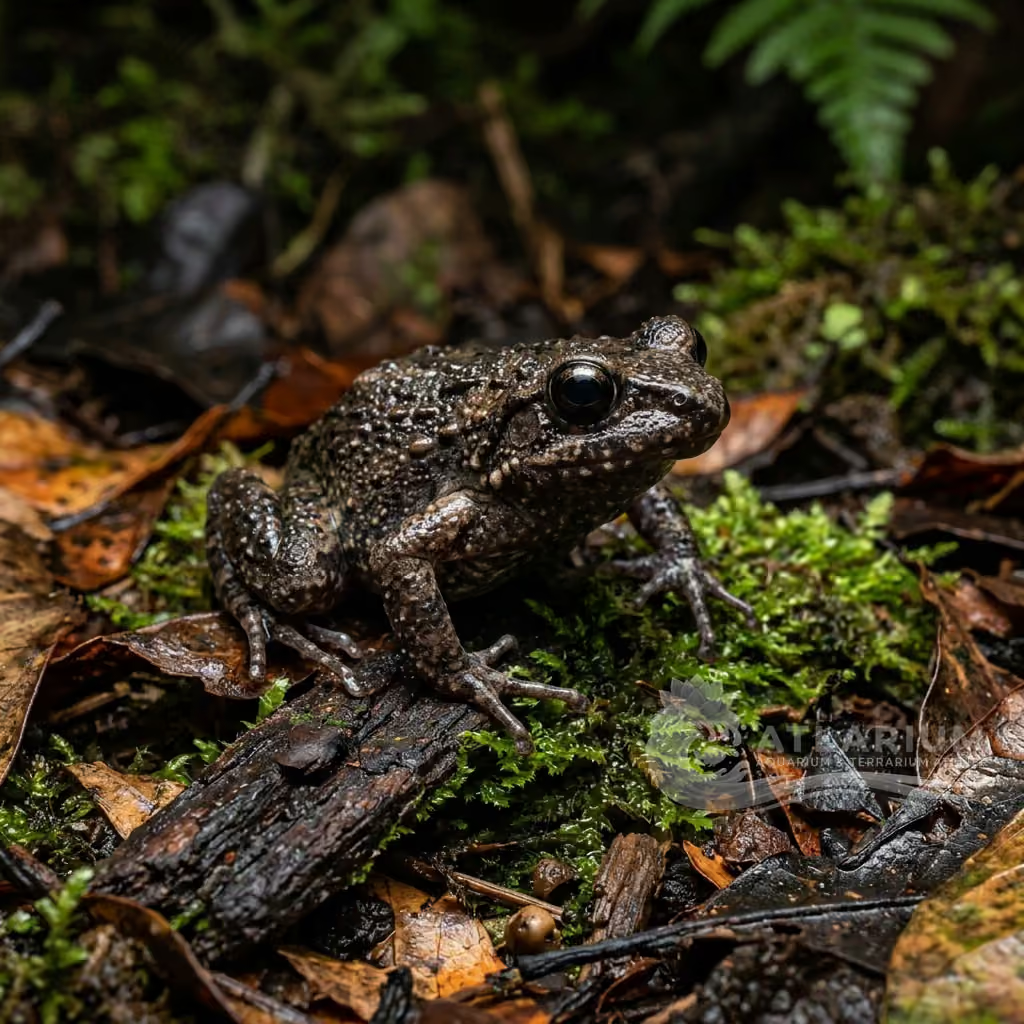
A specialized microhylid frog (3.2 cm) native to Northeastern India (Assam). Characterized by its small size and a characteristic dark hourglass-shaped patch on its back and fossorial, leaf-litter dwelling habits.
Environment
Terrestrial
Humidity
70 - 85 %
Day temperature
25 °C
Night temperature
20 °C
Ambient temperature
25 °C
Minimum enclosure
>= 45 L

Species description
Geographical Origin and Habitat: Native to Northeastern India (Assam). It primarily occurs in the floodplains of the Brahmaputra River and seasonally wet grasslands. It lives mostly concealed within leaf litter or burrowed inside moist soils.
Taxonomy and Genetics: Belongs to the Microhylidae family, genus Kaloula. This group consists of narrow-mouthed frogs highly adapted to specific fossorial or semi-arboreal microhabitats.
Behavior and Habits: Primarily nocturnal and secretive. It spends the daytime hours buried under the substrate or hidden beneath leaf litter, emerging to forage and breed during heavy seasonal rains.
Morphology: Features a plump, rounded body reaching about 3.2 cm. Skin texture ranges from smooth to warty with cryptic colors. Males are smaller than females and exhibit distinct vocal sacs during the breeding season.

Care, breeding and tankmates
Terrarium Setup: Provide a horizontal terrarium with a deep (10-15 cm) layer of loose, damp substrate such as coconut fiber and sterile peat moss. Add cork bark hides, dry leaves, and flat shelters to create shaded spots.
Lighting and Heating: Maintain daytime temperatures around 25.0°C and night temperatures at 20.0°C. Provide a 12-hour light cycle; a low-intensity UVB source is recommended to support general health.
Humidity and Hydration: Maintain relative humidity between 70.0% and 85.0%. Mist regularly with dechlorinated water and supply a very shallow water dish to prevent drowning risks.
Feeding and Supplementation: Strictly insectivorous. Offer gutloaded crickets, roaches, fruit flies, and small worms. Dust prey with high-quality calcium and vitamin D3 twice a week to support skeletal structure.
Compatibility: Best kept in a species-specific setup. Small groups of similar size can cohabitate, avoiding competition or accidental cannibalism.
Health and Common Diseases: Highly susceptible to bacterial skin infections (red leg disease) if ventilation is poor or the substrate is soiled. Regularly check skin condition and hydration levels.

Geographic origin and distribution
Native to Northeastern India (Assam). It primarily occurs in the floodplains of the Brahmaputra River and seasonally wet grasslands. It lives mostly concealed within leaf litter or burrowed inside moist soils.
Origin
South and Southeast Asia

Amphibian profile
- Diet
- Insectivore
- This narrow-mouthed frog feeds primarily on ants, termites, and other small invertebrates. It actively forages through the dense leaf litter during the night. Its small mouth is perfectly adapted for consuming tiny, swarming insects.
- Life expectancy
- 5-10 years
- Adult size
- 3.8 cm
- Lifestyle/Microhabitat
- Fossorial
- Predominantly fossorial. They use hardened spades on their hind feet to burrow effectively into soft, moist soil.
- Activity cycle
- Nocturnal
- They are strongly nocturnal, hiding deep in burrows or under logs by day and emerging at night, especially after rain.
- Sociality
- Solitary
- A secretive and largely burrowing species, it spends much of its life hidden beneath the soil or decaying vegetation. It emerges almost exclusively during heavy rains to feed and mate. When undisturbed, it is a slow-moving amphibian that relies heavily on its camouflage.
- Reproduction
- Oviparous
- Breeding takes place in temporary pools formed by heavy monsoon rains. Males call from the shallow edges to attract females, who then lay small clutches of eggs. The eggs quickly hatch into aquatic tadpoles that must develop before the pools dry up.
- Toxicity
- Mildly toxic
- This frog is not known to be significantly toxic to humans or larger predators. However, it can secrete a mild, sticky mucus from its skin when threatened. This secretion makes it slippery and unpalatable to smaller predators.
- Life stage
- Metamorphosis
- It begins its life cycle as an aquatic tadpole hatching in temporary puddles. Following a rapid metamorphosis, it emerges onto land as a tiny froglet. Adults remain relatively small and live a strictly terrestrial, burrowing lifestyle.
- Handling tolerance
- Display only
- Display-only. Like most narrow-mouthed frogs, they produce mild skin secretions when stressed and should not be handled.
- Brumation
- Not required
- Tropical in origin, they do not require brumation. They may aestivate in deep burrows if their environment becomes too dry.
- Molting
- Periodic
- Shedding occurs periodically. High humidity is crucial, and the frogs will slough off and ingest their old skin.

Related species
Recommendations grouped by close relatives, companion choices, and similar care.