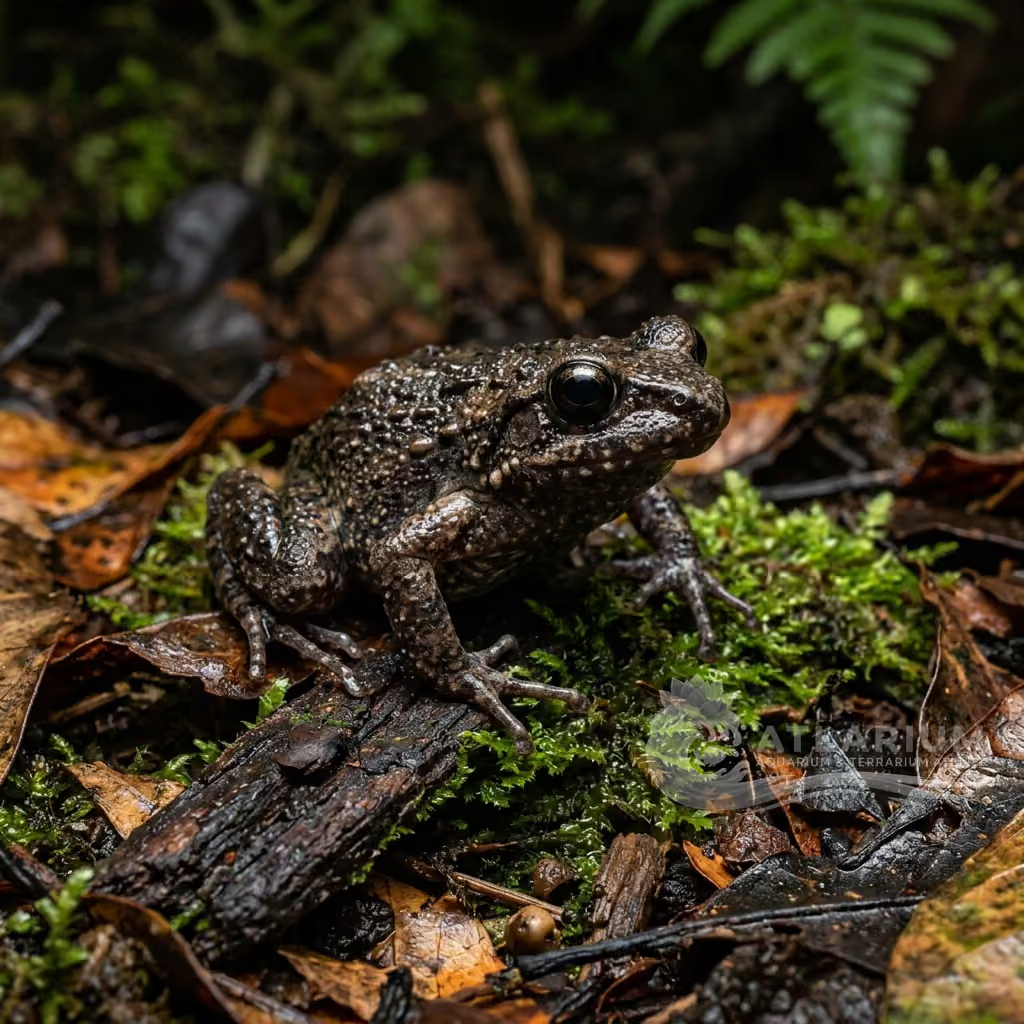
Sao Matheos Brazilian Dumpy Frog
Stereocyclops incrassatus
A specialized microhylid frog (4.5 cm) native to Eastern Brazil (Bahia and Espírito Santo states). Characterized by its pointed snout and thick protective skin folds over the head and fossorial, leaf-litter dwelling habits.
Environment
Terrestrial
Humidity
60 - 80 %
Day temperature
24 - 28 °C
Night temperature
20 - 24 °C

Species description
Geographical Origin and Habitat: Native to Eastern Brazil (Bahia and Espírito Santo states). It primarily occurs in the moist leaf litter of coastal lowland Atlantic forests. It lives mostly concealed within leaf litter or burrowed inside moist soils.
Taxonomy and Genetics: Belongs to the Microhylidae family, genus Stereocyclops. This group consists of narrow-mouthed frogs highly adapted to specific fossorial or semi-arboreal microhabitats.
Behavior and Habits: Primarily nocturnal and secretive. It spends the daytime hours buried under the substrate or hidden beneath leaf litter, emerging to forage and breed during heavy seasonal rains.
Morphology: Features a plump, rounded body reaching about 4.5 cm. Skin texture ranges from smooth to warty with cryptic colors. Males are smaller than females and exhibit distinct vocal sacs during the breeding season.

Care, breeding and tankmates
Terrarium Setup: Provide a horizontal terrarium with a deep (10-15 cm) layer of loose, damp substrate such as coconut fiber and sterile peat moss. Add cork bark hides, dry leaves, and flat shelters to create shaded spots.
Lighting and Heating: Maintain daytime temperatures around 24.0°C and night temperatures at 20.0°C. Provide a 12-hour light cycle; a low-intensity UVB source is recommended to support general health.
Humidity and Hydration: Maintain relative humidity between 75.0% and 90.0%. Mist regularly with dechlorinated water and supply a very shallow water dish to prevent drowning risks.
Feeding and Supplementation: Strictly insectivorous. Offer gutloaded crickets, roaches, fruit flies, and small worms. Dust prey with high-quality calcium and vitamin D3 twice a week to support skeletal structure.
Compatibility: Best kept in a species-specific setup. Small groups of similar size can cohabitate, avoiding competition or accidental cannibalism.
Health and Common Diseases: Highly susceptible to bacterial skin infections (red leg disease) if ventilation is poor or the substrate is soiled. Regularly check skin condition and hydration levels.

Geographic origin and distribution
Native to Eastern Brazil (Bahia and Espírito Santo states). It primarily occurs in the moist leaf litter of coastal lowland Atlantic forests. It lives mostly concealed within leaf litter or burrowed inside moist soils.
Origin
Tropical oceans and reefsExtra-Amazon South America

Amphibian profile
- Diet
- Insectivore
- The diet of Stereocyclops incrassatus primarily consists of small invertebrates such as ants and termites found in its natural habitat. As a microhylid or related species, it possesses a specialized narrow mouth suited for rapidly consuming large quantities of these small prey items. In a terrarium setting, they should be offered appropriately sized fruit flies, pinhead crickets, and springtails dusted with calcium and vitamin supplements. Regular feeding schedules are important, but care must be taken not to overfeed, as these sedentary frogs can become prone to obesity.
- Life expectancy
- 5-10 years
- Adult size
- 4.1 cm
- Lifestyle/Microhabitat
- Fossorial
- The lifestyle of Stereocyclops incrassatus is predominantly fossorial or terrestrial, making them highly dependent on loose and moist substrates. They thrive in environments that offer plenty of ground cover, such as dense leaf litter, rotting logs, and moist moss beds. Because of their stout body shape and short legs, they are not typically adept climbers, preferring to stay grounded or in shallow burrows. A proper terrarium setup must include a deep, moisture-retaining substrate like coconut coir mixed with sphagnum moss to accommodate their habits.
- Activity cycle
- Nocturnal
- Activity patterns for Stereocyclops incrassatus are overwhelmingly nocturnal, helping them avoid both the heat of the day and diurnal predators. During daylight hours, they remain buried under soil, leaf litter, or debris where the humidity levels remain stable and high. They emerge at dusk or during heavy rain showers to forage for insects and other invertebrates. In a captive setting, providing a distinct day-night cycle with low nighttime illumination can encourage their natural exploratory behaviors.
- Sociality
- Gregarious
- The behavior of Stereocyclops incrassatus is characterized by its secretive and cryptic nature, often spending long periods hidden from plain sight. They are skilled burrowers or leaf-litter dwellers, using their specialized hind limbs to dig backwards into loose soil. When confronted by predators, some species may inflate their bodies with air to appear larger and harder to swallow. They are generally solitary animals, congregating only during the breeding season when heavy rains trigger a mass emergence.
- Reproduction
- Oviparous
- Reproduction in Stereocyclops incrassatus is strongly tied to heavy rainfall and the onset of the monsoon or wet season. Males will call out from concealed positions near temporary pools, leaf litter, or flooded areas to attract receptive females. Amplexus is typically axillary, and the female lays eggs that may float on the water surface or attach to submerged vegetation. The eggs hatch relatively quickly, and the tadpoles develop rapidly to complete their aquatic cycle before the temporary water bodies dry up.
- Toxicity
- Harmless
- Stereocyclops incrassatus is not considered highly toxic to humans, lacking the potent skin secretions found in poison dart frogs. However, like most amphibians, it can excrete mild defensive secretions from its skin when stressed or threatened. These secretions can cause irritation if they come into contact with mucous membranes, cuts, or eyes, making proper hygiene essential. Always wash your hands thoroughly with soap and water before and after handling the enclosure or the amphibian to prevent cross-contamination.
- Life stage
- Adult only
- The life cycle of Stereocyclops incrassatus generally includes distinct stages: an aquatic larval phase (tadpole) and a terrestrial adult phase. After hatching from eggs laid in temporary pools, water-filled phytotelmata, or moist environments, the tadpoles undergo metamorphosis to develop limbs and lungs. Once metamorphosis is complete, the miniature froglets emerge onto land, where they will forage and grow into their adult forms. Adulthood is typically reached within one to two years, after which they focus on feeding and reproducing during the wet seasons.
- Handling tolerance
- Display only
- Handling Stereocyclops incrassatus should be kept to an absolute minimum to avoid causing the animal undue stress and potential physical injury. Their skin is extremely delicate, highly permeable, and can easily absorb toxins, oils, or soap residues from human hands. If handling is unavoidable, such as for a health inspection or enclosure cleaning, always wear moistened powder-free nitrile gloves. They may attempt to leap unexpectedly or excrete a defensive fluid when stressed, so they should be held securely but gently over a soft surface.
- Brumation
- Not required
- Brumation or aestivation in Stereocyclops incrassatus is often a response to extreme dry seasons or unfavorable environmental conditions in their native habitats. During periods of prolonged drought, they will burrow deep into the substrate to conserve precious moisture and avoid desiccation. They remain in this dormant state, drastically reducing their metabolic rate until the monsoon rains return to soften the ground. In captivity, unless aiming to cycle them for breeding, it is usually unnecessary to induce this state; maintaining consistent humidity keeps them active.
- Molting
- Periodic
- Like all amphibians, Stereocyclops incrassatus periodically sheds its outer layer of skin as it grows and to maintain optimal skin health and permeability. The molting process is typically brief and often goes unnoticed by keepers because it usually occurs covertly during the nighttime hours. During the shed, the frog will contort its body to loosen the old skin and will use its limbs to push the sloughed skin forward towards its mouth. They then consume the shed skin, a common behavior that helps recycle valuable nutrients and conceals their presence from potential predators.

Related species
Recommendations grouped by close relatives, companion choices, and similar care.