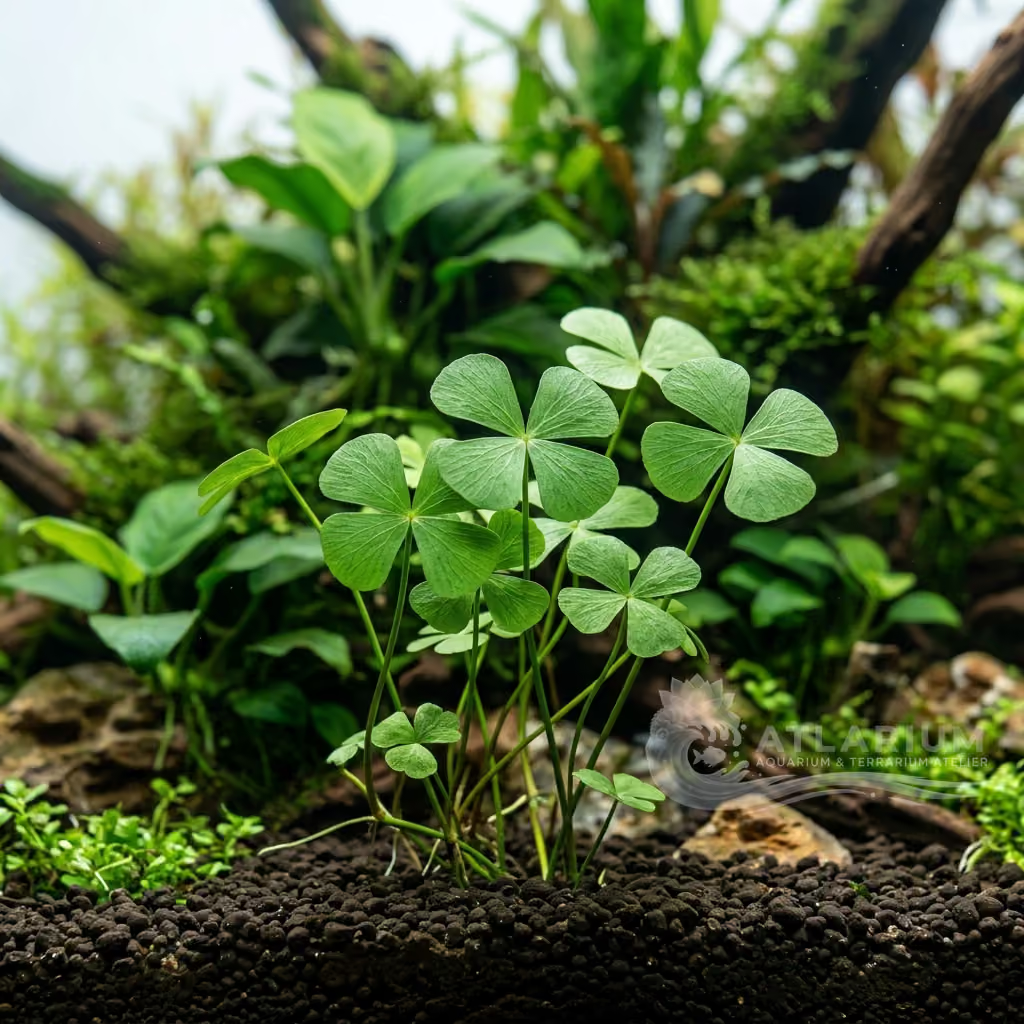
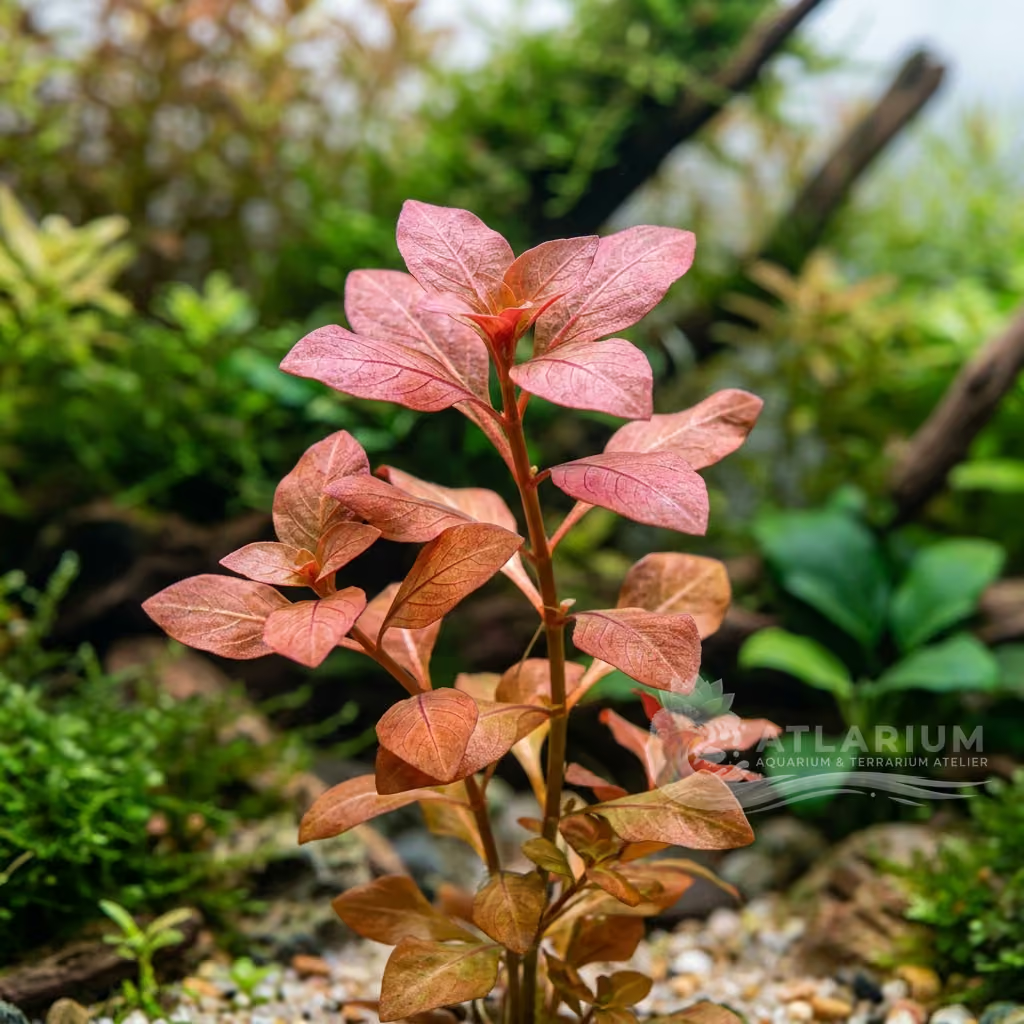
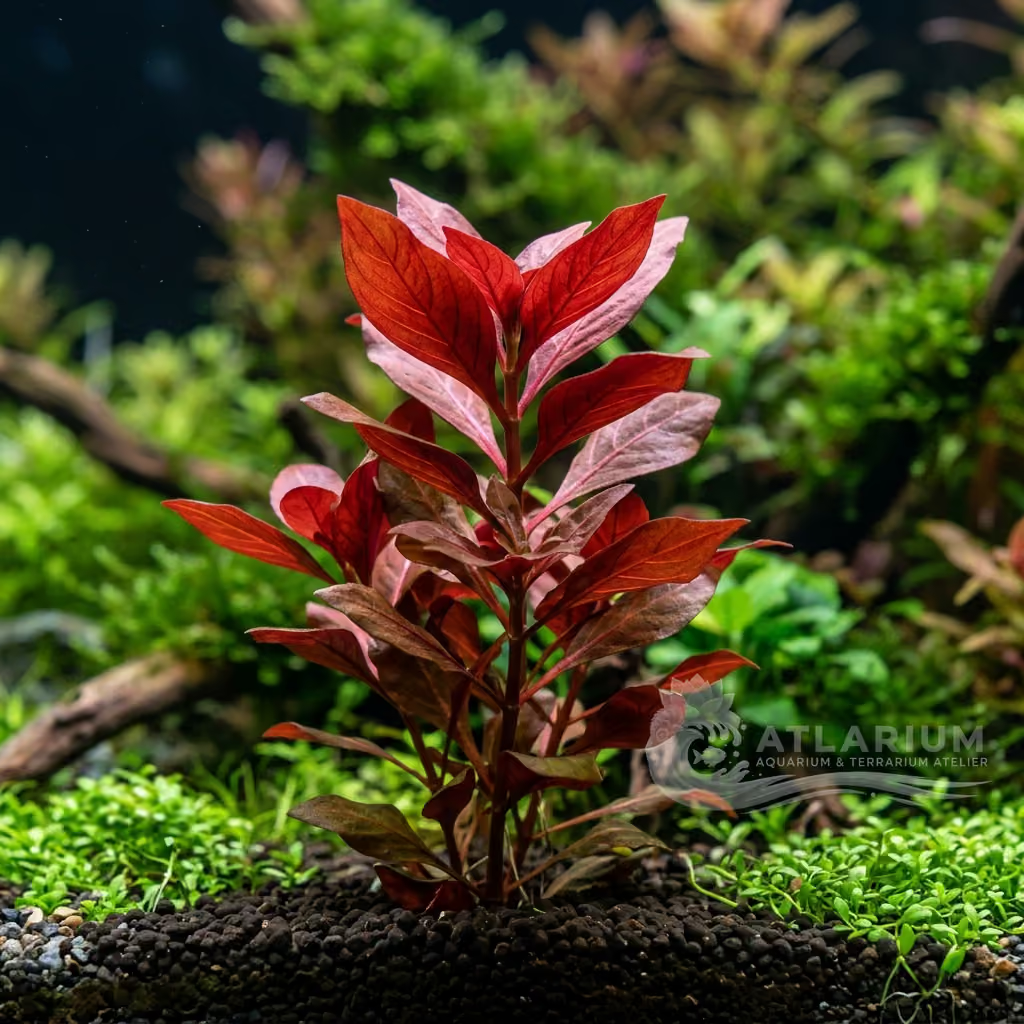
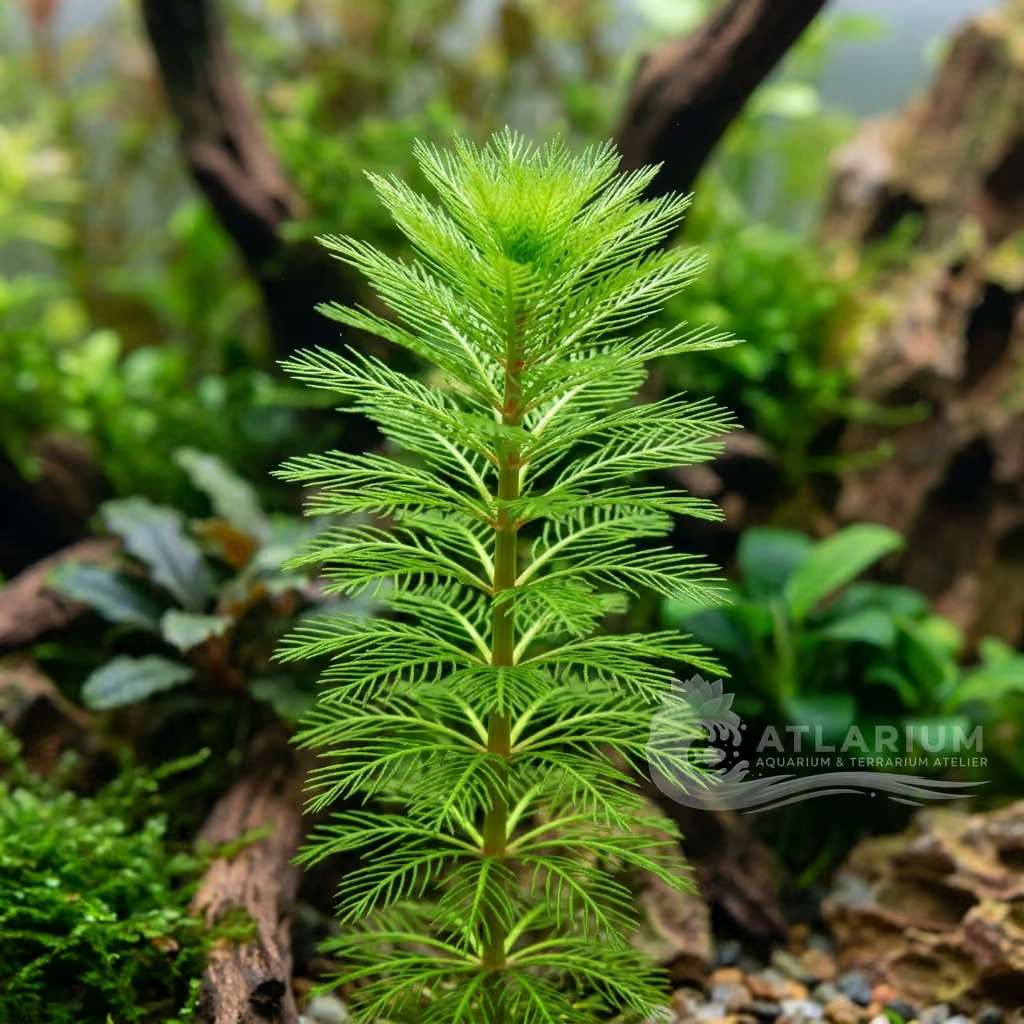
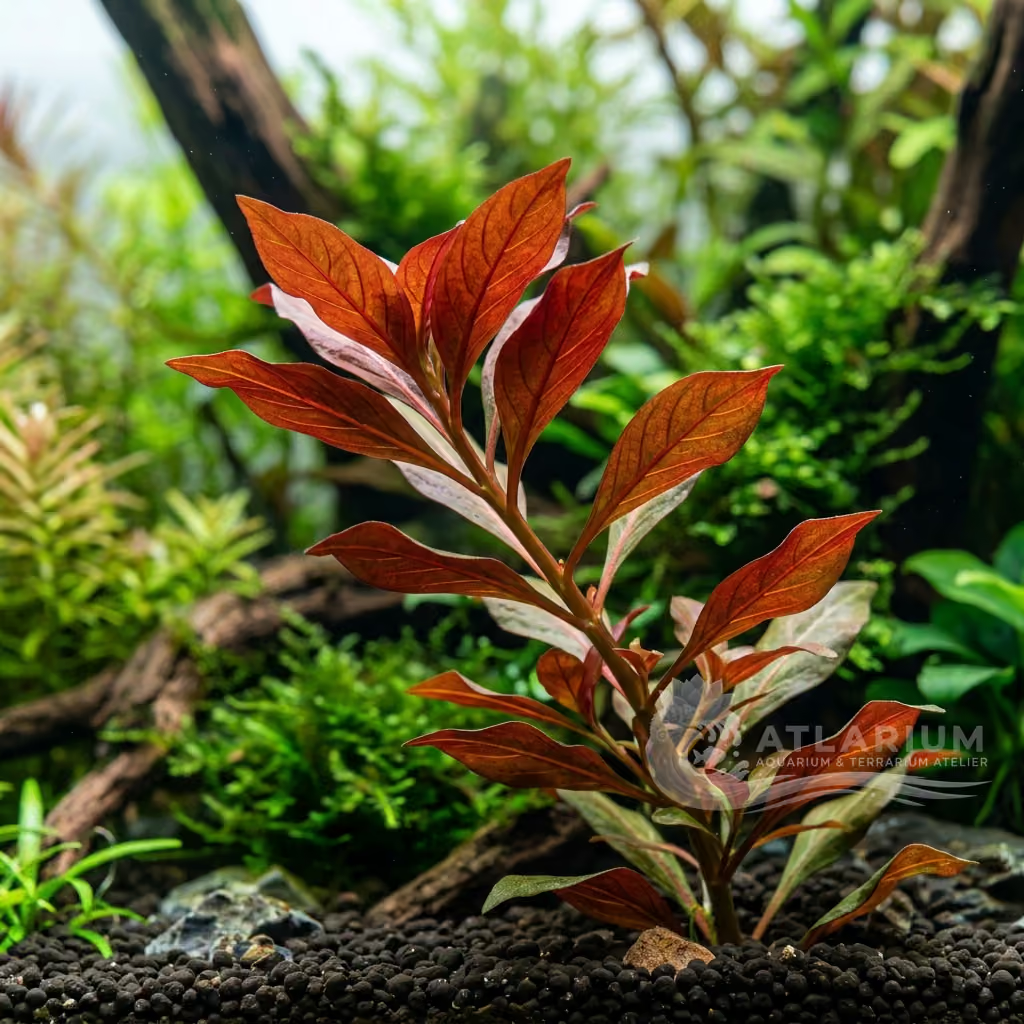
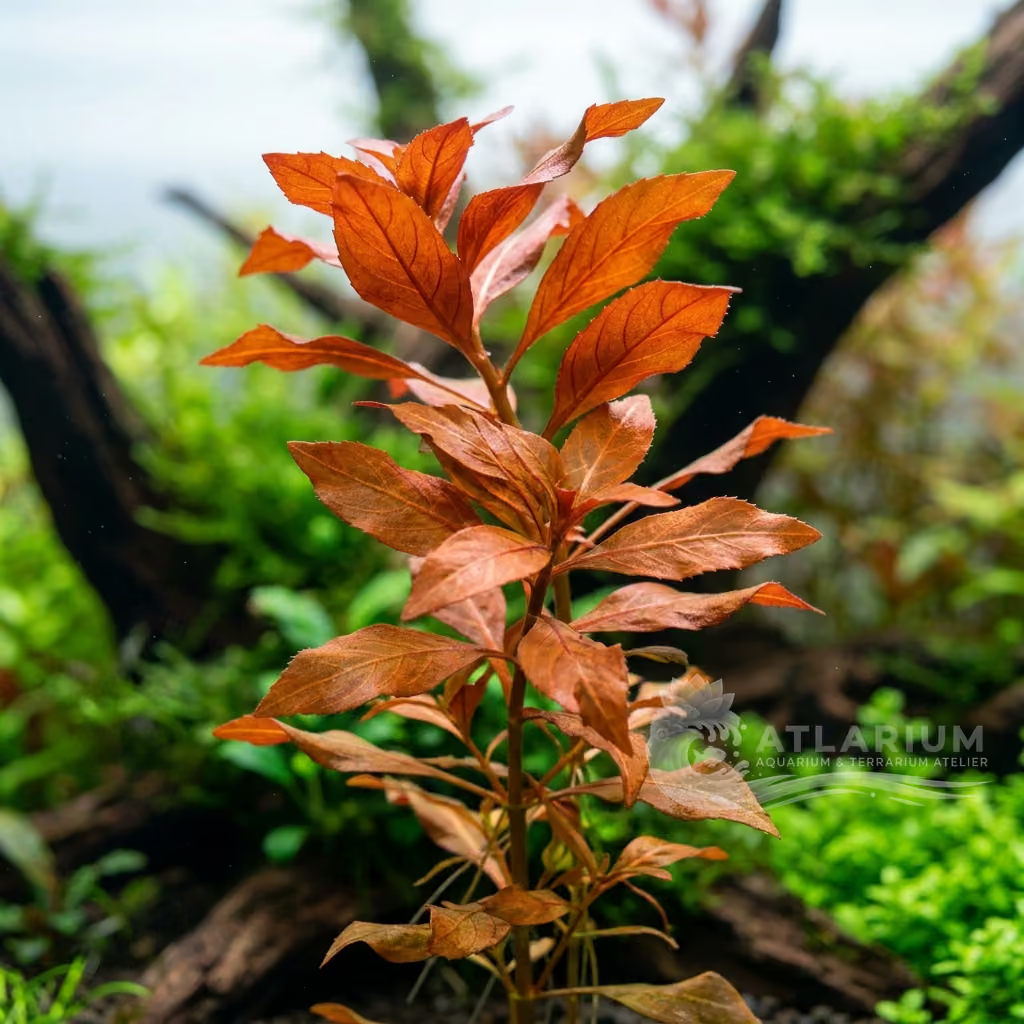
Lobelia cardinalis 'Kleine Form'
Lobelia cardinalis
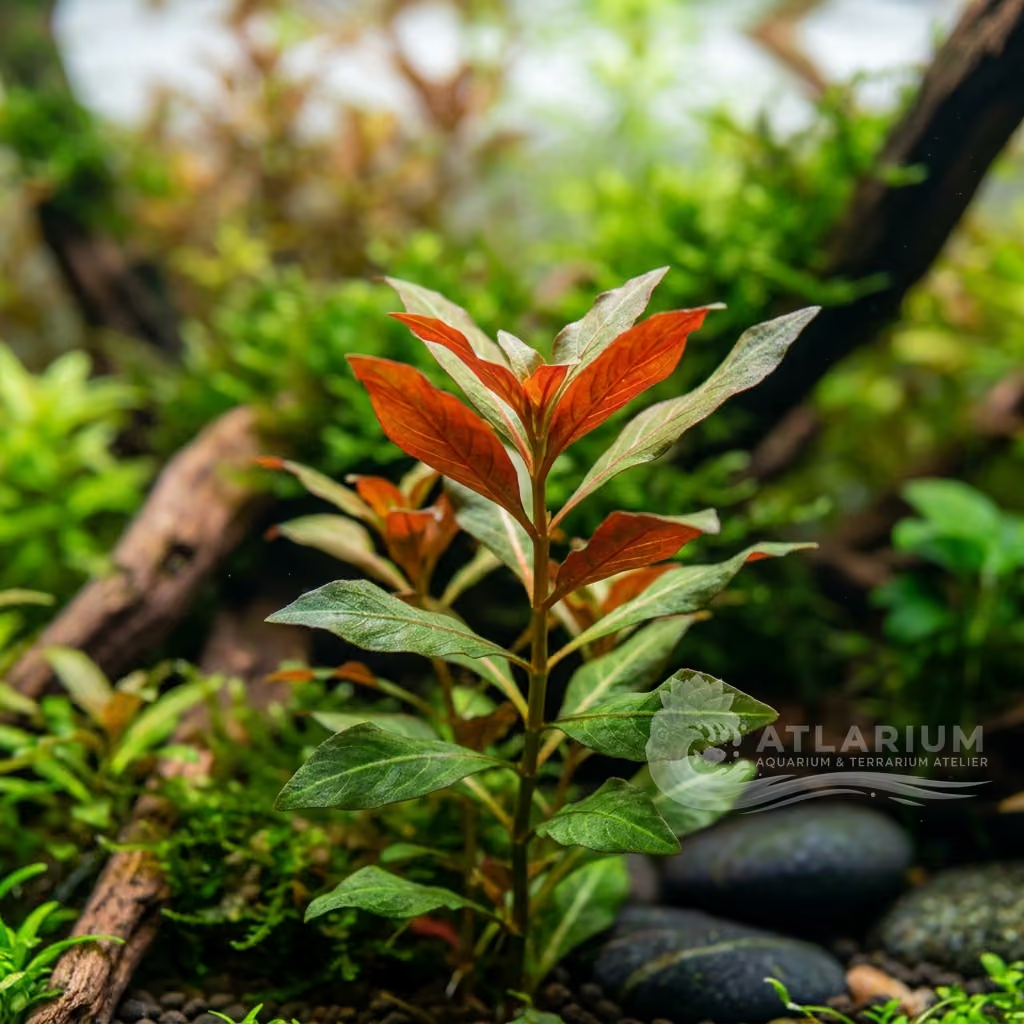
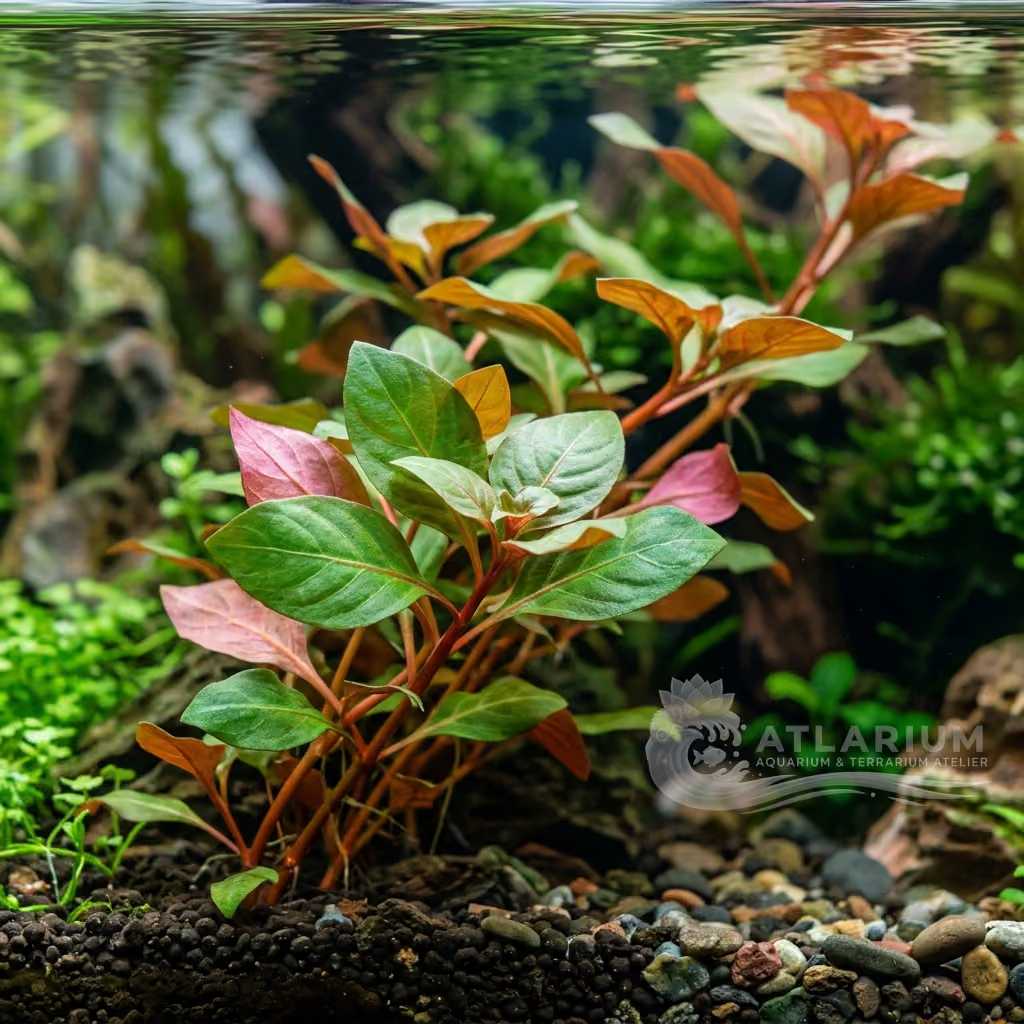
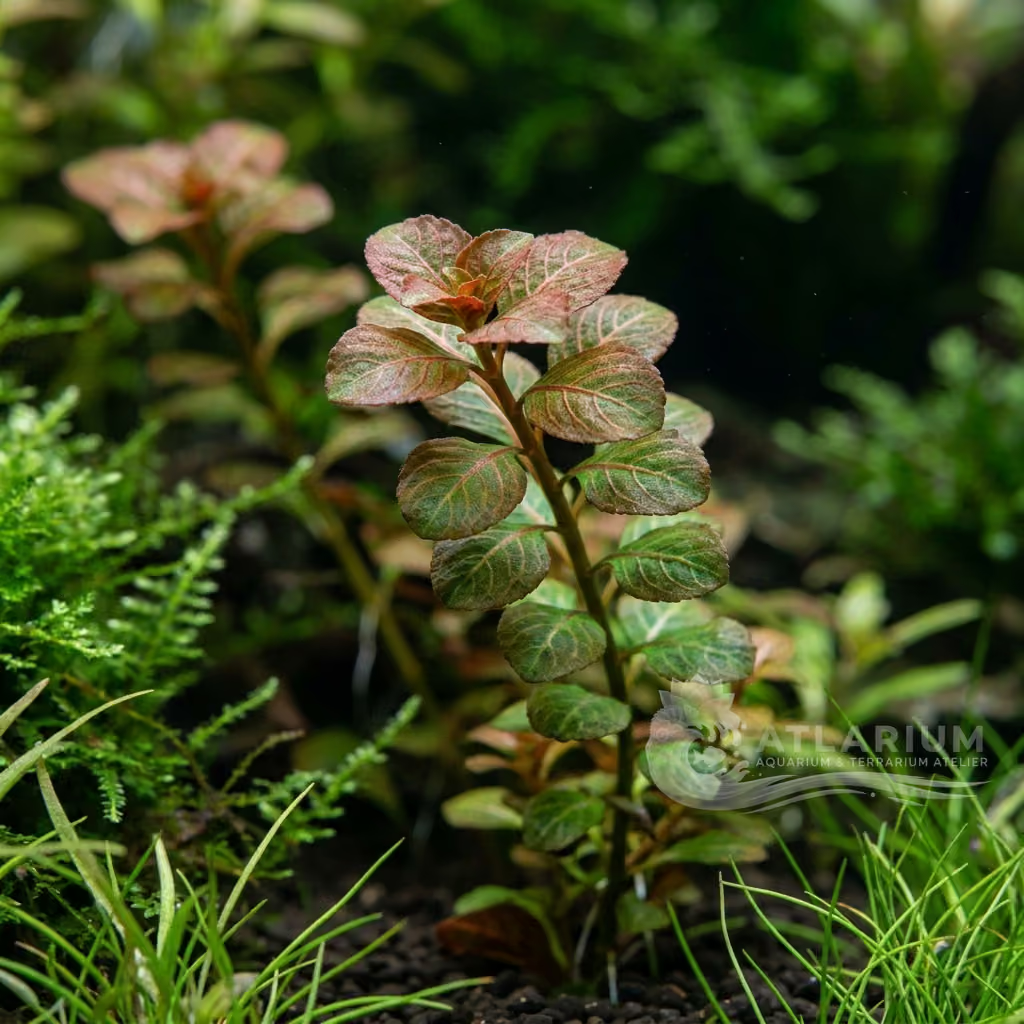
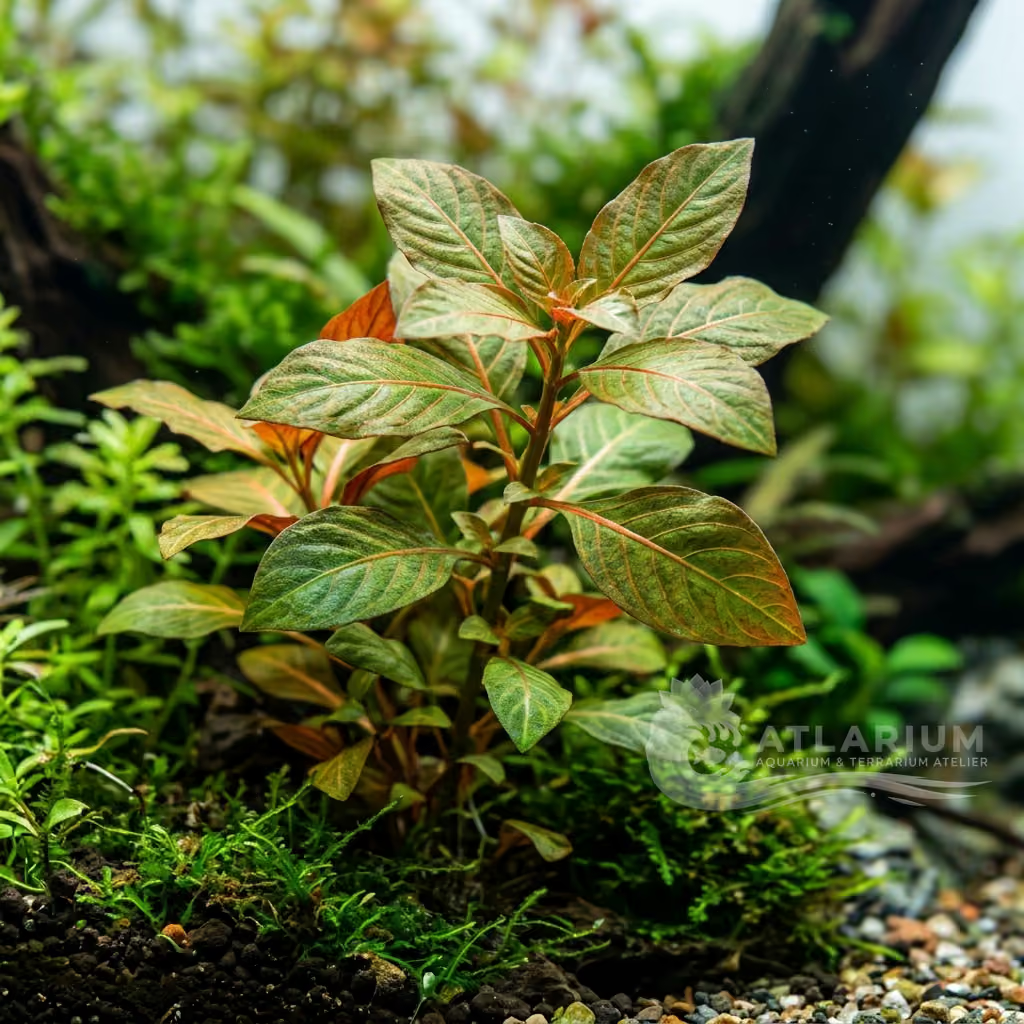
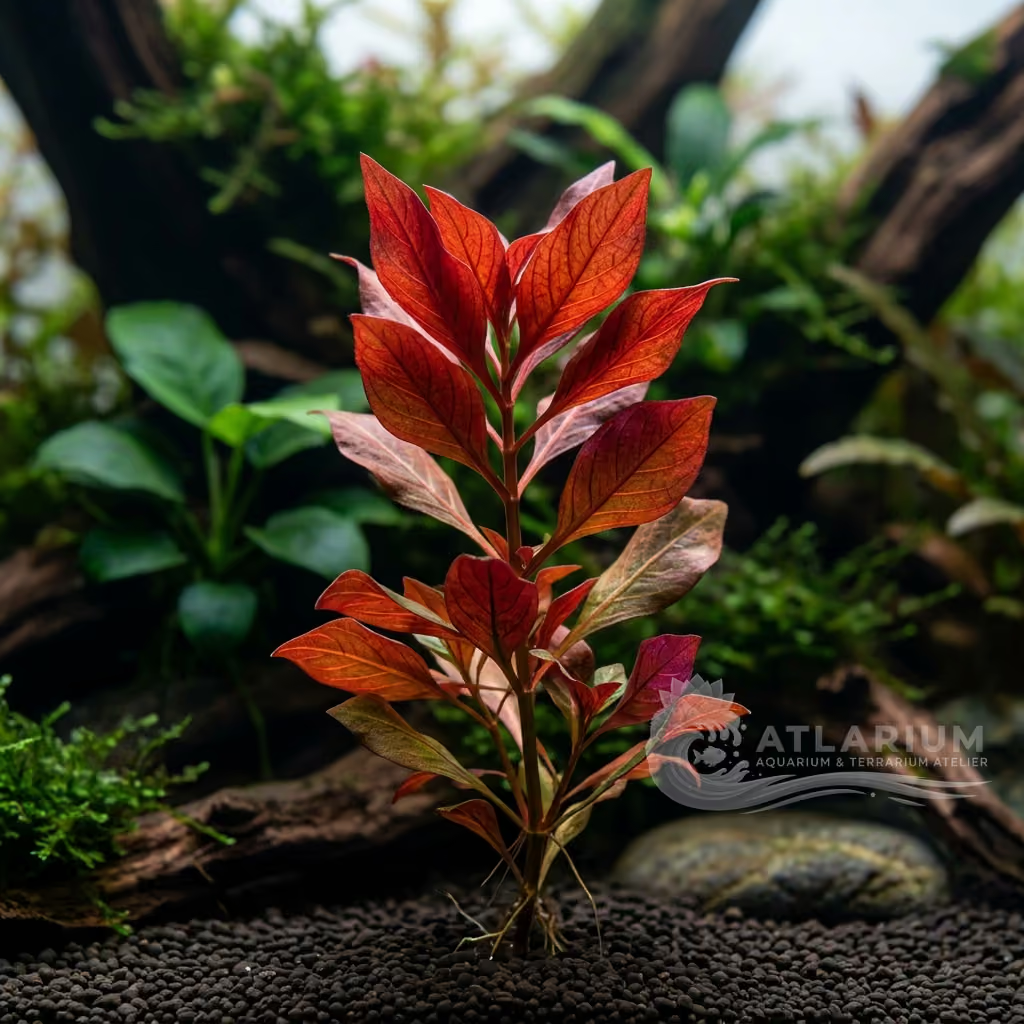
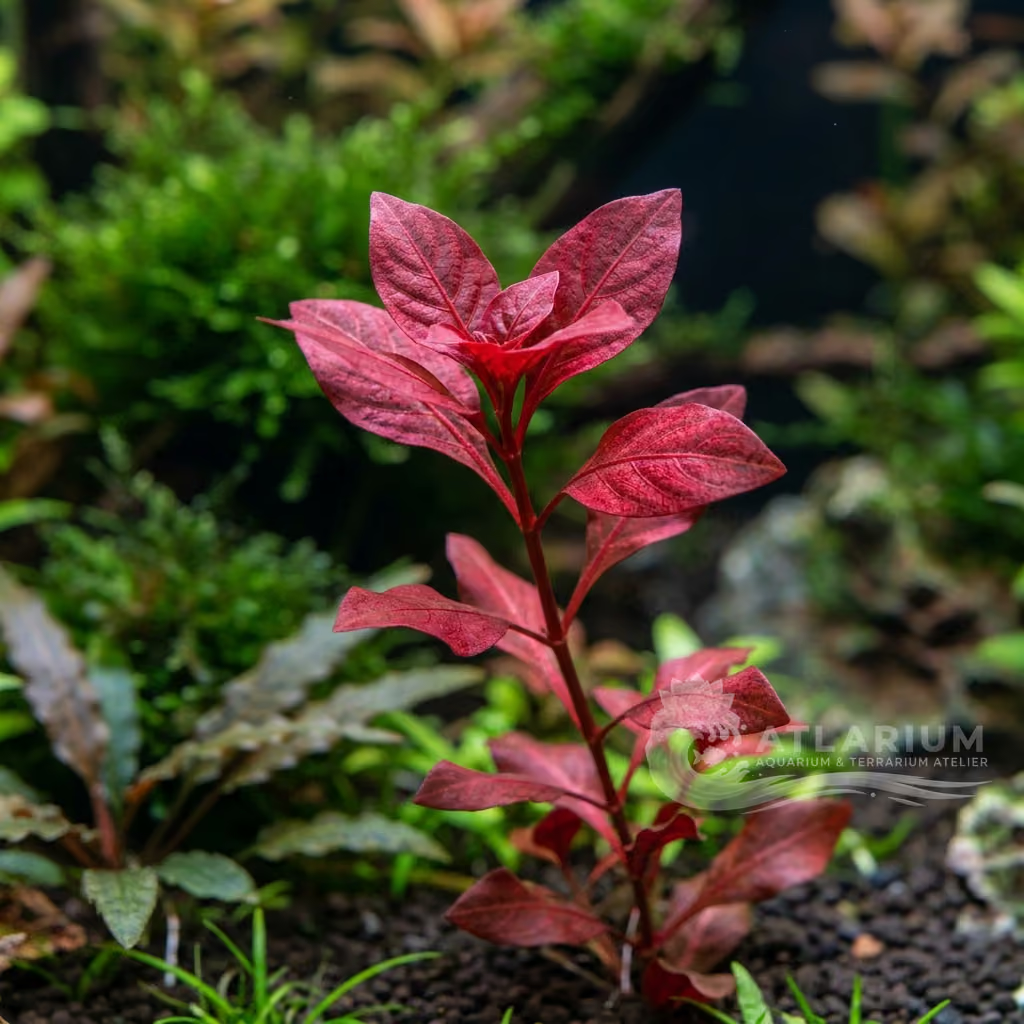
Lobelia cardinalis 'Kleine Form' is a dwarf selection of the classic Lobelia, featuring short stems and very dense foliage, ideal for nano tanks and foreground streets.
Water Temperature
4 - 30 °C
pH Value
6 - 7.5
Water type
Freshwater
Light
Medium to High
CO2
High
Expected height
12 cm
KH
2 - 14 dKH

Species description
Geographical Origin and Habitat: Lobelia cardinalis 'Kleine Form' is a horticultural cultivar selected from the nominate species Lobelia cardinalis, which is native to North America. While the wild species colonizes riverbanks and marshes from Canada to Mexico, this dwarf cultivar was isolated and propagated for its unique morphological features. It shares the parent plant's ecological preference for moist, nutrient-rich environments and high light levels.
Taxonomy & Genetics: It belongs to the Campanulaceae family. It is a stabilized mutation affecting the plant's hormonal expression, particularly apical dominance and gibberellin synthesis, resulting in reduced internode length (dwarfism). This genetic trait remains stable when the plant is propagated vegetatively, keeping its compact habit even after generations of submerged growth.
Physical Structure: Compared to the standard form, 'Kleine Form' features significantly shorter stems, rarely exceeding 10-15 cm in height, maintaining a compact, bushy appearance. The leaves are very densely packed, almost forming overlapping rosette-like patterns. They are ovate-lanceolate to rounded with extremely short petioles. The root system, though compact, is dense and active.
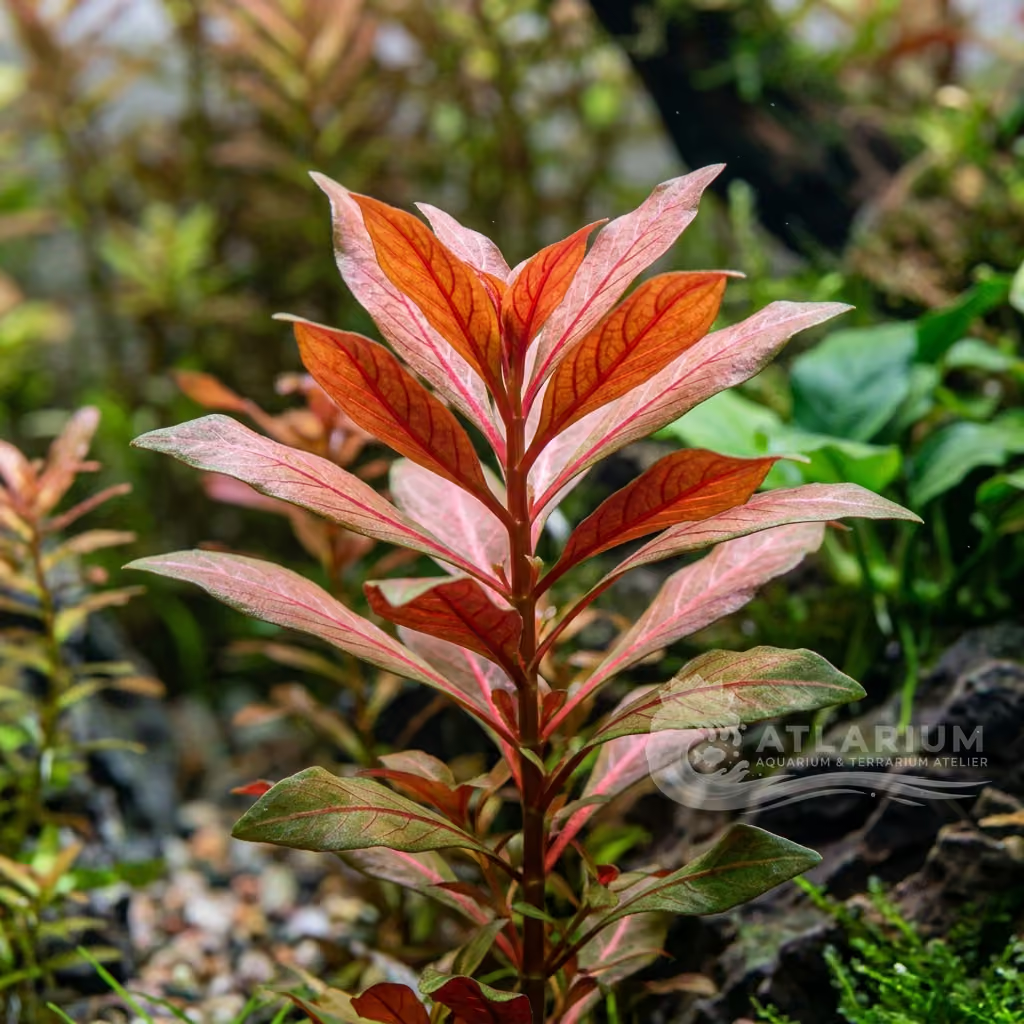
Color & Texture: Submerged leaves showcase a fresh, bright light green coloration that reflects aquarium light beautifully. Under intense lighting and low nitrate levels, the leaf underside can develop light pink or purple shades. The texture is leathery and fleshy, much thicker than other dwarf stem plants, providing a solid structure that resists damage from herbivorous fish.

Care, breeding and tankmates
Lighting & CO2: Requires intense lighting (35-45 lumens/liter) to maintain its extremely compact habit and prevent internodes from stretching, which would ruin the dwarf effect. Stable CO2 injection (15-20 mg/L) is advised to support healthy leaf development and prevent biogenic decalcification.
Nutrition & Substrate: A fertile substrate enriched with micronutrients is critical. As the plant feeds heavily through its roots, periodically inserting clay-based root tabs containing iron near the base will stimulate vigorous growth and prevent lower leaf rot.
Water Chemistry: Highly tolerant: grows well in temperatures ranging from 4°C to 30°C, preferring 18-24°C in aquariums. The optimal pH is between 6.0 and 7.5, with KH hardness between 2 and 14 dKH. It tolerates moderately hard, mineral-rich water well.
Space Management & Placement: The 'Kleine Form' is the choice of preference for the foreground of medium to large aquariums or as a midground plant in nano tanks. It is excellent for creating classic Dutch-style streets, planting individual stems 1-2 cm apart in an ascending slope.
Pruning: Pruned by trimming the tops with sharp scissors. The trimmed stem responds by quickly developing two or more lateral shoots from the node below, increasing density. Asportated tops can be pushed into the substrate to grow as new plants.
Risks & Diseases: Though hardy, it suffers under poor or exhausted substrate conditions, showing small, yellowed leaves and lower stem loss. Its slow growth exposes it to black brush algae or hair algae on older leaves if organic waste accumulates or lighting is unbalanced.

Geographic origin and distribution
Lobelia cardinalis 'Kleine Form' is a horticultural cultivar selected from the nominate species Lobelia cardinalis, which is native to North America. While the wild species colonizes riverbanks and marshes from Canada to Mexico, this dwarf cultivar was isolated and propagated for its unique morphological features. It shares the parent plant's ecological preference for moist, nutrient-rich environments and high light levels.
Origin
Selective breeding and cultivarsNorth America

Plant profile
- Placement
- Foreground
- Its diminutive size makes it perfect for the foreground of most aquariums. It is highly prized for creating intricate, low-lying 'streets' or terraces that draw the eye backward. It should be planted where it won't be overshadowed by larger plants.
- Botanical form
- Stem
- It is a miniaturized version of the classic Lobelia, featuring much smaller, slightly rounded, light green leaves. The internodes are very short, resulting in a highly compact, bushy appearance. Its small stature allows for meticulous detailing.
- Growth
- Slow
- This variant grows even slower than the standard L. cardinalis, making it extremely low-maintenance. Supplemental CO2 will encourage denser leaf growth but won't drastically increase its speed. It is perfect for aquascapers who want a layout to persist unchanged for long periods.
- Substrate
- High
- The dwarf variant Lobelia cardinalis 'Kleine Form' shares the high substrate demands of its larger counterpart, requiring an intensely fertile bottom layer for optimal health. It develops a dense, fibrous root network that benefits tremendously from fine-grained active soils, which facilitate easy root penetration and nutrient uptake. A substrate depth of about 2 to 3 inches is ideal to securely anchor its compact stems and promote a lush, bushy growth habit. Regular replenishment of the substrate's nutrients via root tabs is recommended to maintain its vibrant green coloration and dense structure.
- Column fertilization
- Recommended
- Light, consistent column fertilization is all that is needed. Overdosing the water column can easily lead to algae settling on its slow-growing foliage. Relying more on substrate nutrition is often the safer approach for this small plant.
- Root fertilization
- Required
- A nutrient-rich substrate is vital for achieving the best, most compact growth. The plant develops a strong root system despite its small size. Providing root tabs ensures it receives ample nutrition without polluting the water column.
- Trimming
- Occasional
- Trimming is infrequent; simply cut the tops to maintain the desired height or shape of the 'street'. The remaining stem will sprout new, tiny side shoots. Replant the tops to slowly expand the colony.
- Propagation
- Cuttings
- Propagation is easily done by cutting and replanting the tops or dividing the numerous lateral shoots it produces. Due to its slow growth, multiplying a large quantity takes considerable time. Patience is required to build a dense carpet or street.
- Sensitivity
- Moderate
- It is very hardy but highly susceptible to spot algae on older leaves if light is too intense or the tank is unbalanced. Clean water and stable parameters are key to keeping the leaves pristine. Ensure adequate water flow reaches the foreground.
- Layout role
- group, Foreground, Midground, Nano
- It is one of the finest foreground plants for Dutch style aquariums, often used to create a strong, structured leading line. Its bright green, small leaves offer a unique texture that contrasts beautifully with both grass-like carpets and taller background stems.

Related species
Recommendations grouped by close relatives, companion choices, and similar care.