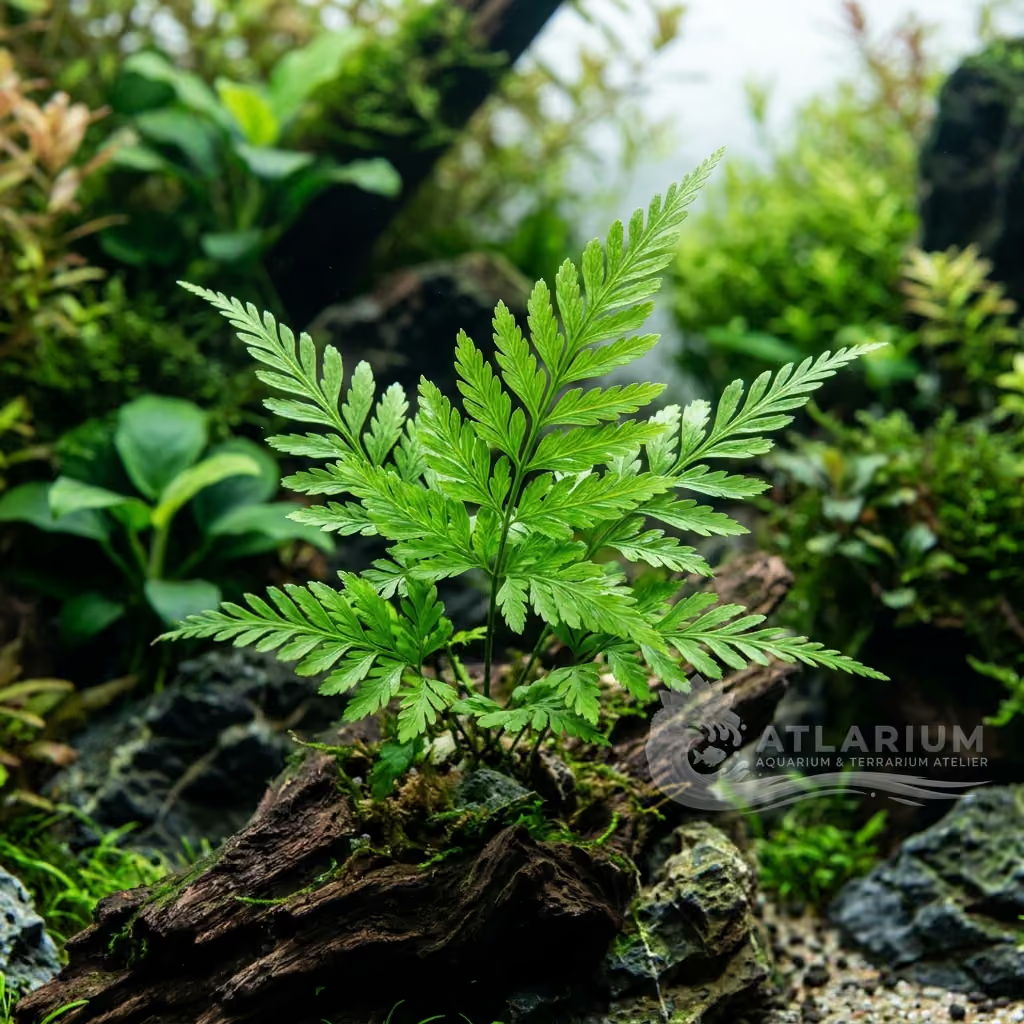
Bolbitis heteroclita "difformis"
Bolbitis heteroclita
Known as mini Bolbitis, this dwarf Asian fern exhibits an extremely slow growth rate, perfect for delicate epiphytic rock and wood decorations.
Water Temperature
18 - 28 °C
pH Value
5 - 7.5
Water type
Freshwater
Light
Medium - High
CO2
Low
Expected height
7 cm
GH
4 - 15 dGH
KH
0 - 14 dKH

Species description
Geographical Origin and Habitat: This tiny fern, also known as "Davallia sp." or "Mini Bolbitis", is native to tropical Asia, particularly the Philippines and surrounding islands in Southeast Asia. In its wild habitat, it grows as a riparian or terrestrial plant on damp rocks, wet logs, and shaded banks along rainforest streams and waterfalls. It is frequently subjected to continuous water spray and seasonal flooding. Its ability to transition between very humid terrestrial conditions and fully submerged environments makes it highly versatile for aquariums and paludariums.
Taxonomy & Genetics: Belonging to the family Dryopteridaceae, it is a dwarf cultivar of the species Bolbitis heteroclita. Genetically, the "difformis" cultivar is characterized by its exceptionally miniature size and fronds that retain a juvenile appearance throughout their life. Commercial propagation is done vegetatively through rhizome division to maintain its stable dwarf characteristics. Despite being a fern, it functions similarly to a slow-growing moss in an aquascape.
Physical Structure: The plant features a thin, tough, creeping rhizome from which tiny pinnate fronds emerge. The rhizome produces fine dark rootlets that anchor tightly to any porous surface like driftwood or lava rocks. The leaves are very small, typically ranging from 1 to 7 cm in length, and are deeply lobed or divided, giving the fern a delicate, feathery, and compact texture. Over time, it forms a dense, low-growing carpet on the hardscape.
Color & Texture: The foliage is a deep forest green, semi-translucent, and glossy, typical of aquatic ferns. The leaf texture is delicate yet surprisingly rigid and tough. The thin leaf cuticle offers some resistance to temporary dryness. Under standard lighting, the dark green coloration creates deep contrast zones in the aquarium layout, enhancing the visual depth and natural aging effect of the hardscape.

Care, breeding and tankmates
Lighting & CO2: Extremely tolerant of lighting conditions, thriving in heavily shaded areas as well as moderate light. High light should be avoided as it encourages algae growth on the slow-growing leaves. CO2 injection is not necessary but a low dosage helps promote healthier and slightly larger fronds.
Nutrition & Substrate: Must never be buried in the substrate! As an epiphyte, its rhizome needs to remain exposed to the
Water Chemistry: Prefers soft to moderately hard water with a KH range of 0 to 14 dKH and a slightly acidic to neutral pH (5.0 - 7.5). It requires clean, well-filtered water since organic debris accumulation can choke the tiny leaves. The ideal temperature range is between 18°C and 28°C.
Space Management & Placement: Due to its miniature size, it is best placed in the foreground or midground, attached to rocks, driftwood, or crevices in the hardscape. It is perfect for nano tanks, Wabi-Kusa, and humid terrarium setups where it can grow in its emerged form.
Pruning: Maintenance is minimal due to its very slow growth. Pruning consists of removing older, damaged, or yellowing leaves by cutting them close to the rhizome using sharp, fine-tipped scissors. This encourages new, healthy growth from the growing tip.
Risks & Diseases: The primary risk is rhizome rot caused by burying the plant in the soil. Algae infestations (particularly Black Beard Algae or green hair algae) are also common due to the plant's slow growth. Maintaining good water flow and low organic waste levels is essential to prevent debris from settling on it.

Geographic origin and distribution
This tiny fern, also known as "Davallia sp." or "Mini Bolbitis", is native to tropical Asia, particularly the Philippines and surrounding islands in Southeast Asia. In its wild habitat, it grows as a riparian or terrestrial plant on damp rocks, wet logs, and shaded banks along rainforest streams and waterfalls. It is frequently subjected to continuous water spray and seasonal flooding. Its ability to transition between very humid terrestrial conditions and fully submerged environments makes it highly versatile for aquariums and paludariums.
Origin
South and Southeast Asia

Plant profile
- Placement
- Foreground
- It is an obligate epiphyte that must be affixed to wood, stones, or decorations in the foreground or midground. The rhizome should never be covered by substrate or heavy detritus. It benefits from being placed in an area with a gentle, steady current to keep its intricate foliage clear of debris.
- Botanical form
- Rhizome
- Known as the 'Baby Leaf Fern', it features incredibly tiny, highly divided leaves that resemble delicate parsley. The creeping rhizome is very thin, allowing the plant to hug closely to whatever surface it is attached to. It maintains a very low, compact creeping profile throughout its life.
- Growth
- Very slow
- When grown fully submerged, its growth rate is extremely slow, often producing only a few tiny fronds per month. It performs much better and grows faster when cultivated emersed in a humid setup like a terrarium. Submerged growth requires immense patience, even when CO2 is provided.
- Substrate
- None
- Bolbitis heteroclita "difformis", commonly known as baby leaf fern, is an epiphytic species that performs best when its rhizome is tied or glued to hardscape elements. It requires no substrate depth or soil composition, as burying its base will quickly smother the plant and cause rot. The roots serve as biological anchors on textured surfaces, while the finely dissected leaves extract dissolved nutrients directly from the surrounding water.
- Column fertilization
- Recommended
- Liquid fertilization should be kept to a strict minimum. Adding trace amounts of iron and potassium occasionally will help maintain its bright green color. High doses of nitrogen and phosphorus are unnecessary and generally lead to algae issues.
- Root fertilization
- None
- As a true epiphyte, it does not draw nutrients from soil and has no use for root tabs. It relies entirely on absorbing dissolved nutrients directly from the water via its leaves and exposed anchoring roots. Maintain good water column quality rather than focusing on substrate fertilization.
- Trimming
- Occasional
- Pruning is rarely necessary and should be limited to the careful removal of old, browning, or algae-covered leaves. Use fine-pointed scissors to cut individual stems close to the rhizome without damaging the main stem. This meticulous trimming helps redirect energy to new, healthy growth.
- Propagation
- Rhizome division
- Propagation is straightforward but requires care due to the plant's tiny size. Cut the rhizome into small sections, ensuring each piece has a growth tip and some healthy leaves. Use a tiny drop of cyanoacrylate glue or a fine thread to attach the new pieces to a hardscape surface.
- Sensitivity
- Moderate
- It is highly sensitive to having its rhizome buried, which will inevitably cause the plant to rot and perish. It is also quite vulnerable to rapid shifts in water parameters and can melt if shocked. Snails and certain grazing fish may sometimes nip at its very tender, soft fronds.
- Layout role
- Nano, Foreground, group, Epiphyte, Midground
- It is a spectacular detail plant for nano aquariums, adding a fine, intricate texture to small stones or driftwood branches. It excels in Wabi-Kusa, paludariums, and terrariums where its emersed form can truly shine. In submerged aquascapes, it provides a sense of ancient scale when placed in shaded crevices.

Related species
Recommendations grouped by close relatives, companion choices, and similar care.