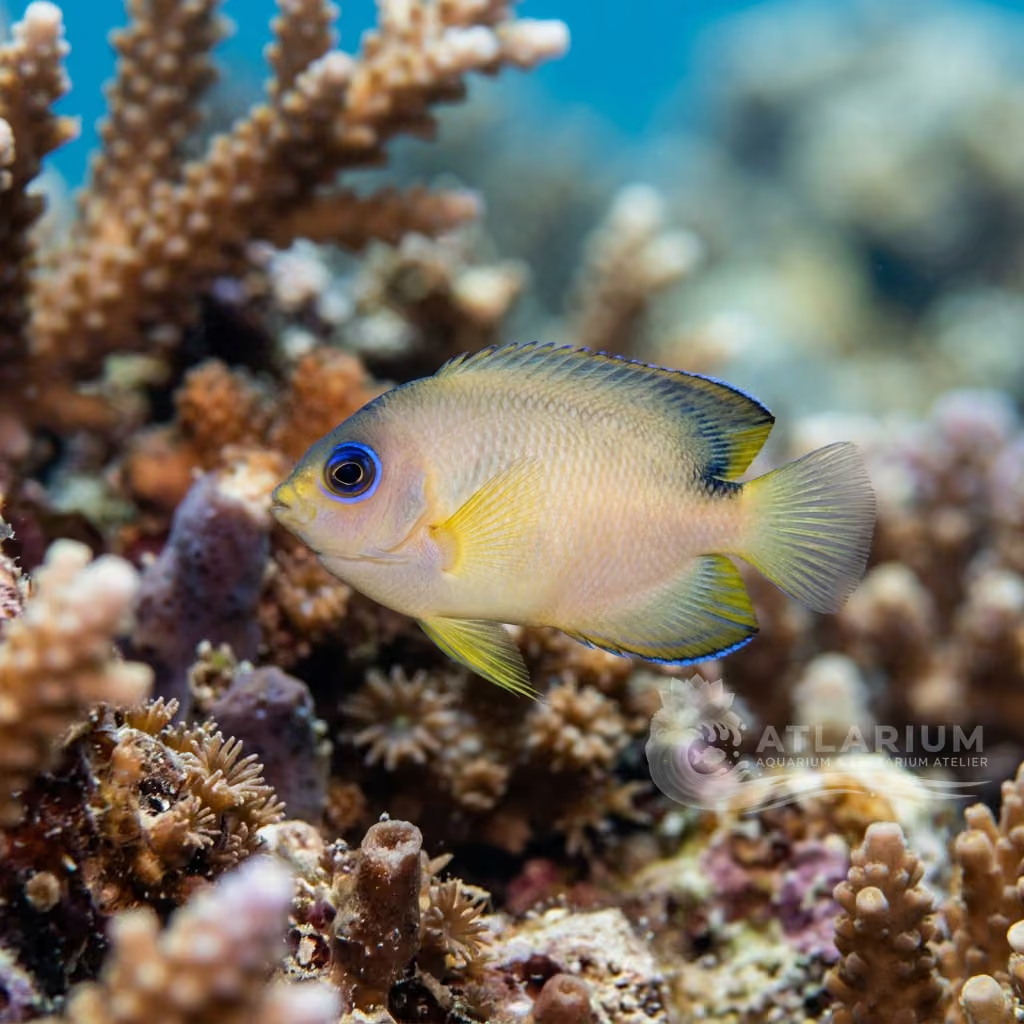
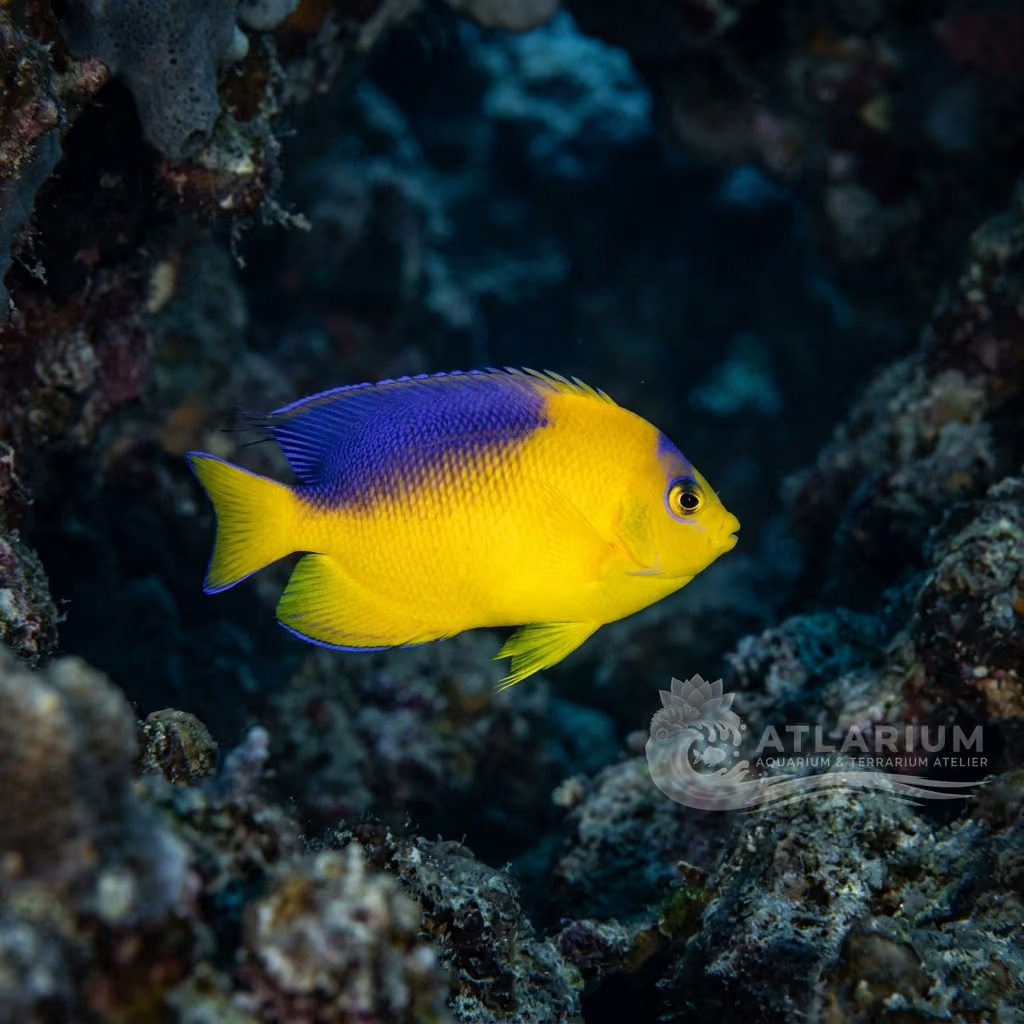
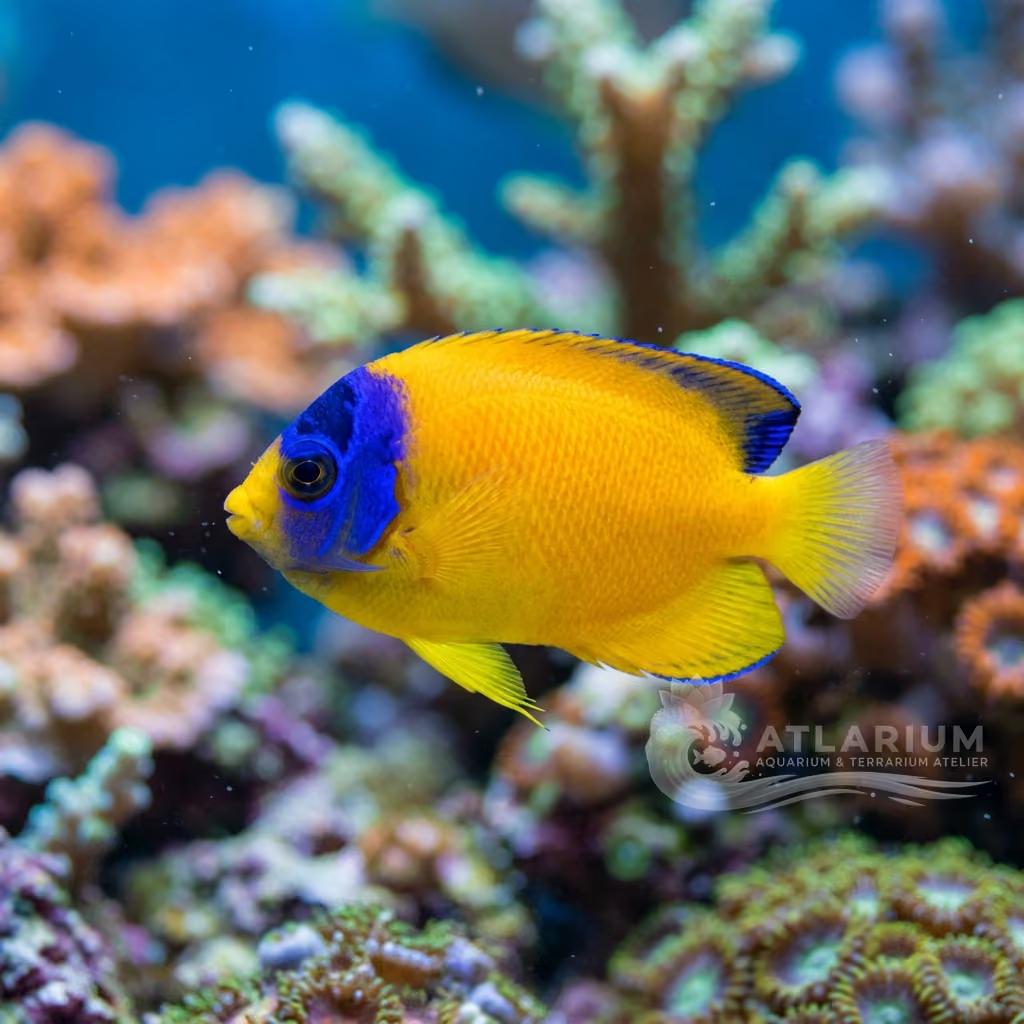
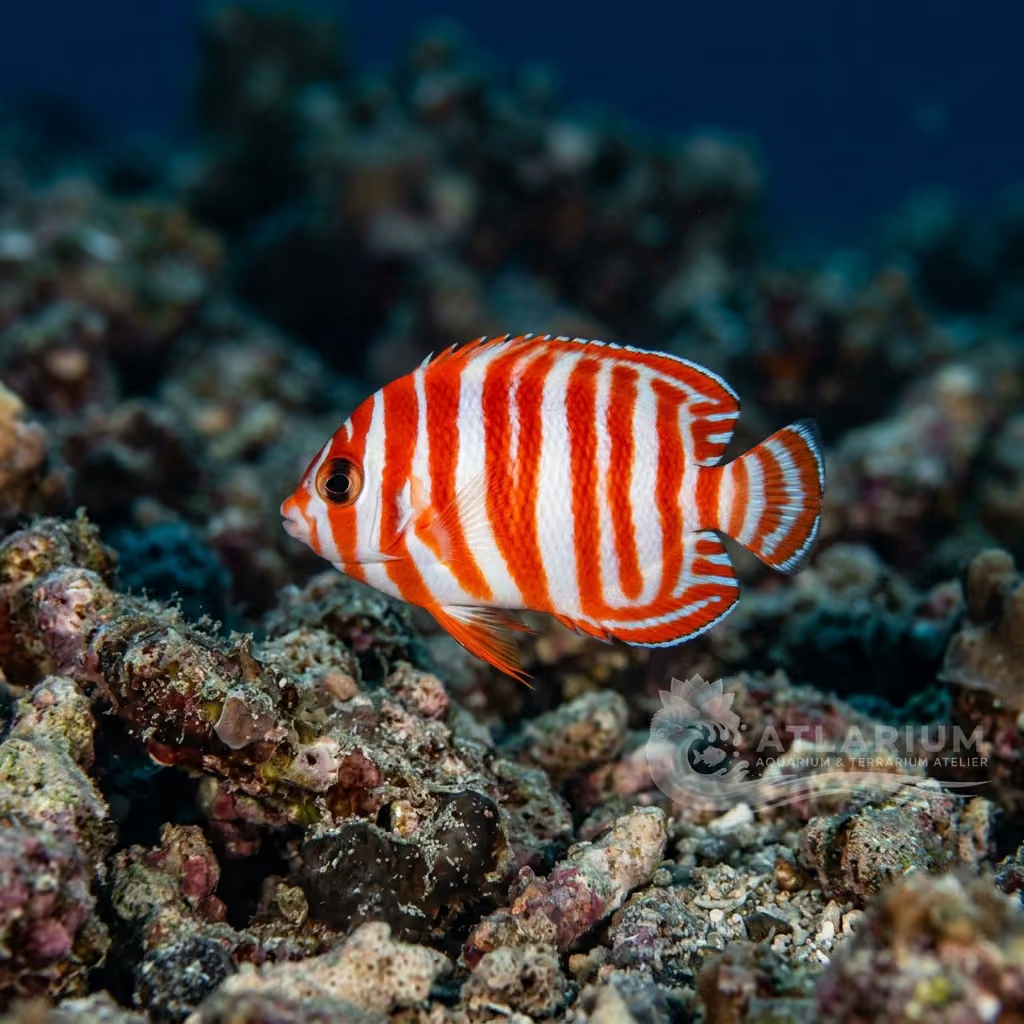
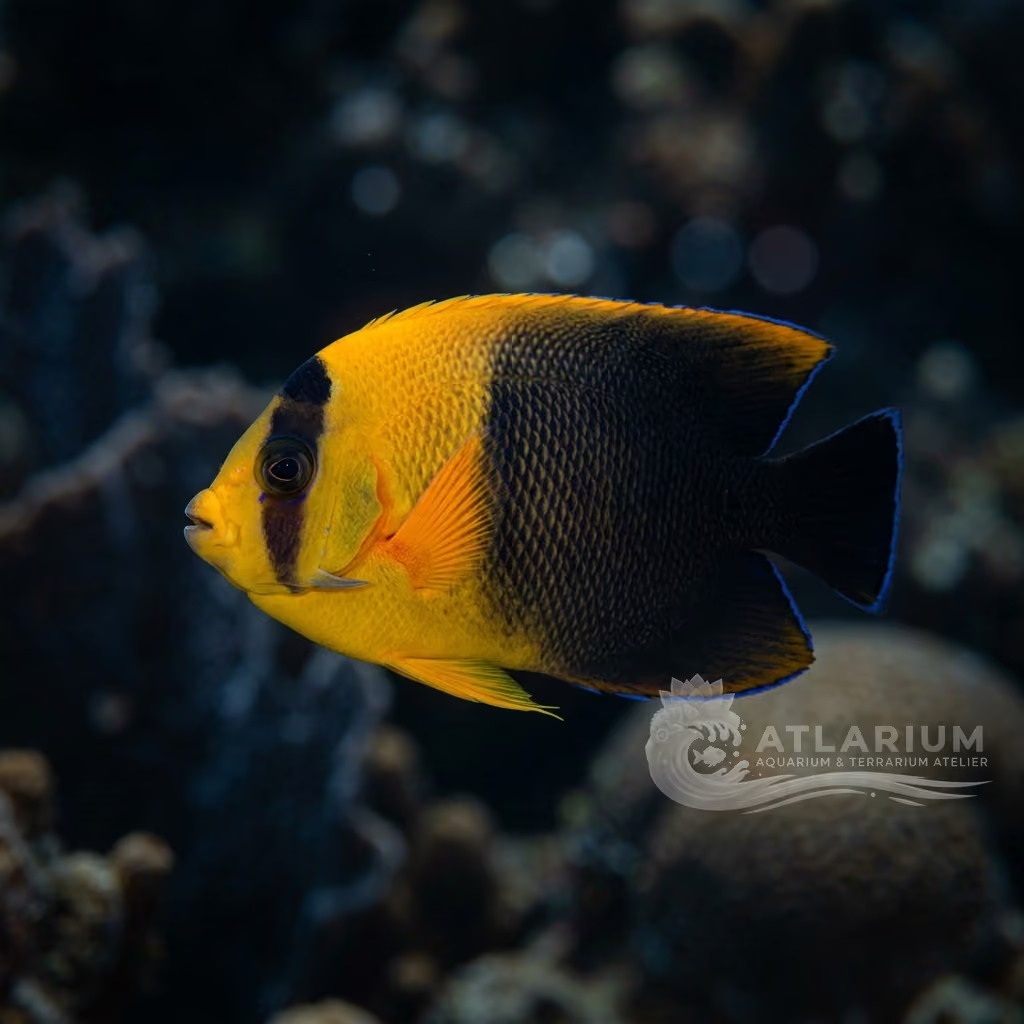
Midnight angelfish
Centropyge nox
The Centropyge nox, or Midnight Angelfish, is a striking dwarf angelfish renowned for its sleek, completely jet-black coloration. Native to the Western Pacific's coral reefs, this omnivorous species grazes actively on algae and small invertebrates. While peaceful with varied tankmates, it can be territorial and requires a spacious aquarium with ample live rock for hiding, grazing, and establishing its domain.
Température de l’eau
24 - 27 °C
Valeur du pH
8.1 - 8.4
Type d'eau
Marin
Niveau dans le bac
Fond et milieu
Taille adulte
10 cm
Volume minimal du bac
>= 150 L
Groupe minimal
>= 1
KH
8 - 12 dKH

Description de l'espèce
Geographical Origin and Habitat: Western Pacific: from Ryukyu Islands in southern Japan to Indonesia, Solomon Islands, and the Great Barrier Reef. Inhabits deep caves and crevices.
Taxonomy and Morphology: Part of the Pomacanthidae family. Features a compressed oval body shape with the classic preopercular cheek spine. Grows to 10 cm (4 inches).
Social Behavior: Notably shy and secretive compared to other dwarf angels. Stays close to cave entrances and rock crevices, rarely venture far into open water.
Coloration and Sexual Dimorphism: Solid, velvety jet-black color across the entire body and fins with no other markings. No visible external sexual differences. The oval body shape and uniform black livery allow this dwarf angelfish to camouflage perfectly within the shadows of coral caves. The teeth structure is suited to tear algae fragments and micro-invertebrates.

Soins, reproduction et cohabitation
Aquarium Setup: Minimum tank volume of 150 liters (40 gallons). Excellent rockwork setup with multiple dark cave structures and hiding places is critical for this species.
Diet and Feeding: Omnivorous. Grazes on microalgae and organic detritus. Feed dried nori, spirulina, and high-quality frozen mysis or brine shrimp daily.
Water Quality: Requires stable parameters: temperature 24-27°C (75-81°F), pH 8.1-8.4, specific gravity 1.020-1.025, and KH 8-12. Efficient skimming is highly recommended.
Compatibility and Cohabitation: Moderately reef safe; less prone to nipping than some yellow angels, but caution is still advised with clams and corals. Best kept as the sole angelfish.
Aquarium Breeding: Unrecorded in domestic systems due to broadcast spawning habits and difficult larval requirements.
Risks and Diseases: Can show extreme shyness upon introduction, hiding for several days. Susceptible to marine ich under stressful tank conditions. A filtration system with active carbon helps keep the water crystal clear, supporting the fish's well-being. It is recommended to avoid introducing this species into tanks that are too new and lack mature bacterial and algal flora.

Origine et répartition géographiques
Western Pacific: from Ryukyu Islands in southern Japan to Indonesia, Solomon Islands, and the Great Barrier Reef. Inhabits deep caves and crevices.
Origine
Océans tropicaux et récifsAsie du Sud et du Sud-EstAsie de l'Est

Profil de poisson
- Tempérament
- Semi-aggressive
- The Midnight Angelfish is generally considered semi-aggressive, showing strong territoriality toward other dwarf angelfish. They are usually peaceful toward unrelated tank mates that do not share their shape or coloration. However, they may become bolder and more aggressive in cramped spaces or if food is scarce. Additionally, they have a tendency to nip at sessile invertebrates, making them caution-required in reef systems.
- Régime alimentaire
- Omnivore
- This species is omnivorous but relies heavily on marine algae, detritus, and sponges in its natural habitat. In captivity, they should be offered a varied diet consisting of high-quality herbivore preparations, spirulina, and frozen foods like mysis and brine shrimp. Specialized angelfish foods containing sponge material are highly beneficial for their long-term health. Offering seaweed sheets on a clip can also help satisfy their natural grazing instincts.
- Espérance de vie
- 5-10 years
- Taille adulte
- 10 cm
- Ratio des sexes
- Harem
- In the wild, these fish are protogynous hermaphrodites that live in small harems consisting of one dominant male and several females. In an aquarium environment, it is highly recommended to house them singly to avoid aggressive territorial disputes. Mated pairs can be kept in larger tanks, but they must be introduced simultaneously. Attempting to keep multiple males or random individuals together will likely result in fatal conflicts.
- Fréquence d'alimentation
- Twice daily
- To mimic their natural grazing habits, the Midnight Angelfish should be fed small portions two to three times daily. A mature aquarium with plenty of natural algae growth allows them to graze continuously throughout the day. If the tank lacks natural microalgae, feeding frequency should be adjusted to prevent nutritional deficiencies. Consistent feeding also helps deter them from picking at corals and other invertebrates in reef tanks.
- Charge biologique
- Low to Medium
- The Midnight Angelfish produces a low-to-medium biological waste load due to its relatively small size. However, because they are sensitive to fluctuating water conditions, a high-quality filtration system is essential. Routine water changes and efficient protein skimming are highly recommended to keep nitrate and phosphate levels low. A well-established aquarium with mature live rock helps process their waste naturally.
- Courant
- Moderate
- Centropyge nox prefers moderate water flow that mimics the reef slopes they inhabit in the wild. While they benefit from good water circulation and high oxygenation, excessively strong currents should be avoided. The aquascape must include calm areas and caves where the fish can rest away from direct flow. Balanced water movement also helps keep the live rock clean and supports the growth of natural food sources.
- Risque de saut
- Yes
- Like many dwarf angelfish, the Midnight Angelfish poses a moderate risk of jumping, especially when startled or during acclimation. They may leap from the water if chased by aggressive tank mates or if the aquarium lights are suddenly turned off. A tight-fitting lid or a fine mesh cover is essential to prevent them from jumping out of the tank. Providing plenty of hiding spots can also significantly reduce their anxiety and tendency to flee upward.
- Reproduction
- Oviparous
- Breeding the Midnight Angelfish in captivity is exceptionally challenging and rarely achieved by hobbyists. They are broadcast spawners that release their gametes into the water column, usually during evening hours. The resulting larvae are microscopic and undergo a long planktonic phase, requiring specialized live feeds like copepods. Consequently, almost all specimens available in the aquarium trade are wild-caught.
- Compatibilité et compagnons
- Not reef safe
- This species is compatible with a wide range of peaceful to semi-aggressive fish, such as wrasses, damselfish, and gobies. It should not be housed with other dwarf angelfish unless the aquarium is very large and they are a bonded pair. Caution is advised when keeping them with corals and clams, as they may nip at polyps and mantles. Avoid keeping them with large, predatory tank mates that might view them as prey.
- Niveau dans le bac
- Middle/Bottom
- Centropyge nox prefers the lower and middle zones of the aquarium where it can forage and find shelter. They are cryptic and shy fish that rarely venture to the upper water column or open areas. The tank should be styled with plenty of live rock forming caves and overhangs to mimic their natural reef habitat. This structure encourages them to swim more freely while remaining close to safe retreats.

Modèles et paramètres scientifiques
FishBase
Fenêtre sur les données scientifiques officielles de l’espèce
FishBase v25.04Données synchronisées le : 15/06/2026
- Niveau trophique
- 2,8 ± 0,29 se
- Résilience
- Élevée (moins de 15 mois)
- Singularité phylogénétique (PD50)
- 0.5
- Relation bayésienne longueur-poids
- a = 0.0302, b = 2.89
- VulnérabilitéVulnérabilité faible (10 / 100)

Espèces associées
Recommandations regroupées par proches parents, compagnons et soins similaires.