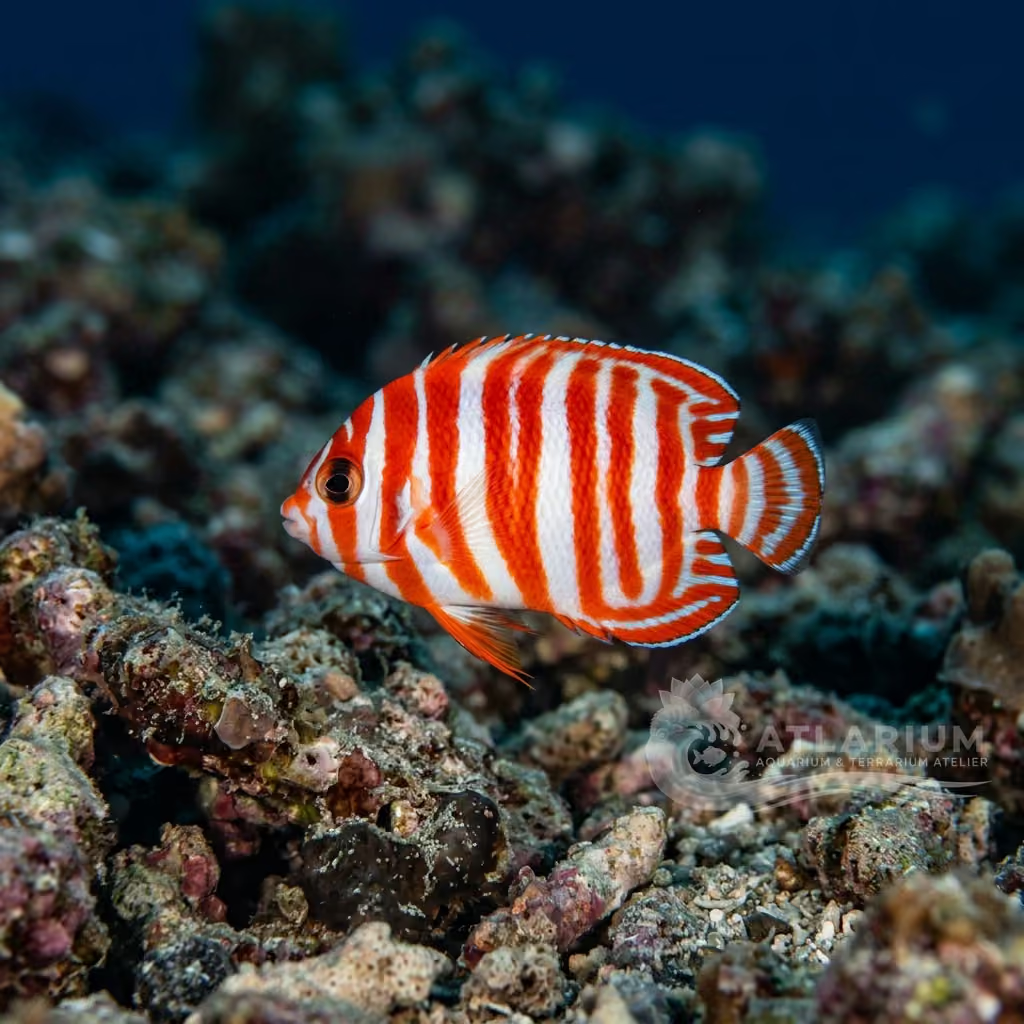
Golden angelfish
Centropyge aurantia
The Golden Angelfish is a highly secretive, deep-water dwarf species. It mandates a quiet, established aquarium featuring dense networks of shaded ledges and crevices to feel secure.
Température de l’eau
23 - 28 °C
Valeur du pH
8 - 8.4
Type d'eau
Marin
Niveau dans le bac
Fond et milieu
Taille adulte
10 cm
Volume minimal du bac
>= 200 L
Groupe minimal
>= 1
KH
8 - 12 dKH

Description de l'espèce
Geographical Origin and Habitat: Centropyge aurantia is native to the western Western Pacific region. Its known distribution range includes the Great Barrier Reef, the Coral Sea, Papua New Guinea, the Solomon Islands, and Samoa. This dwarf angelfish lives in deep and complex tropical marine habitats, typically associated with outer reef slopes and steep drop-offs at depths ranging from 3 to 60 meters. It shows a strong preference for areas rich in stony corals and sponges, where rocky formations feature deep caves, narrow crevices, and dark recesses that provide constant hiding places.
Taxonomy and Morphology: Belonging to the family Pomacanthidae, genus Centropyge. The morphology is characteristic of dwarf angelfishes: an oval, laterally compressed body with a sharp preopercular spine located at the base of the gill cover. Adults reach a maximum length of approximately 10 centimeters, making it one of the most compact members of the genus. The head is rounded with relatively large, forward-facing eyes, ideal for vision in dimly lit environments such as the marine caves in which it resides.
Social Behavior: It is an extremely shy, cryptic, and solitary species. Unlike other dwarf angelfishes, Centropyge aurantia spends most of its life hidden inside caves and narrow passages within the coral reef, rarely venturing into open water. It exhibits a quiet but territorial behavior. In the wild, it lives solitarily or in stable pairs. Males defend small territories rich in food and hiding spots, tolerating only resident females and chasing away any intruding conspecifics.
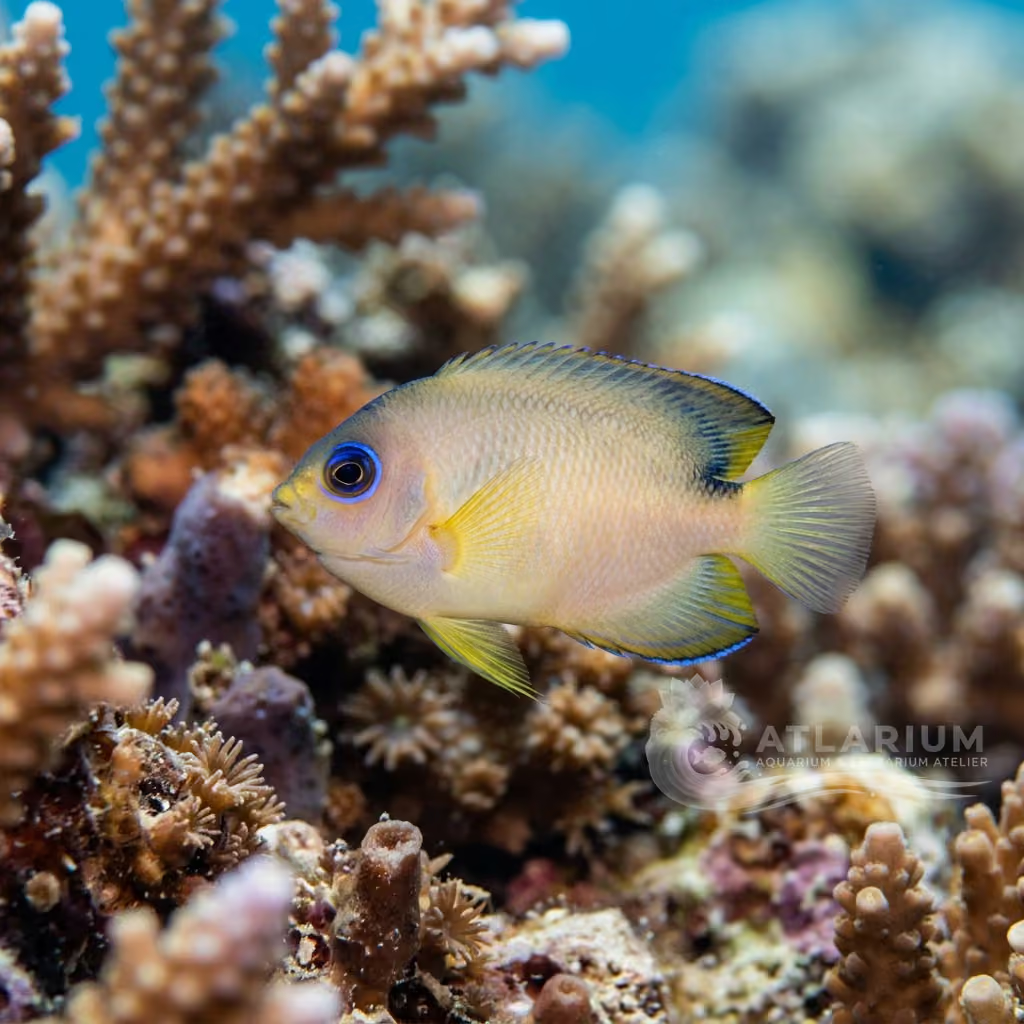
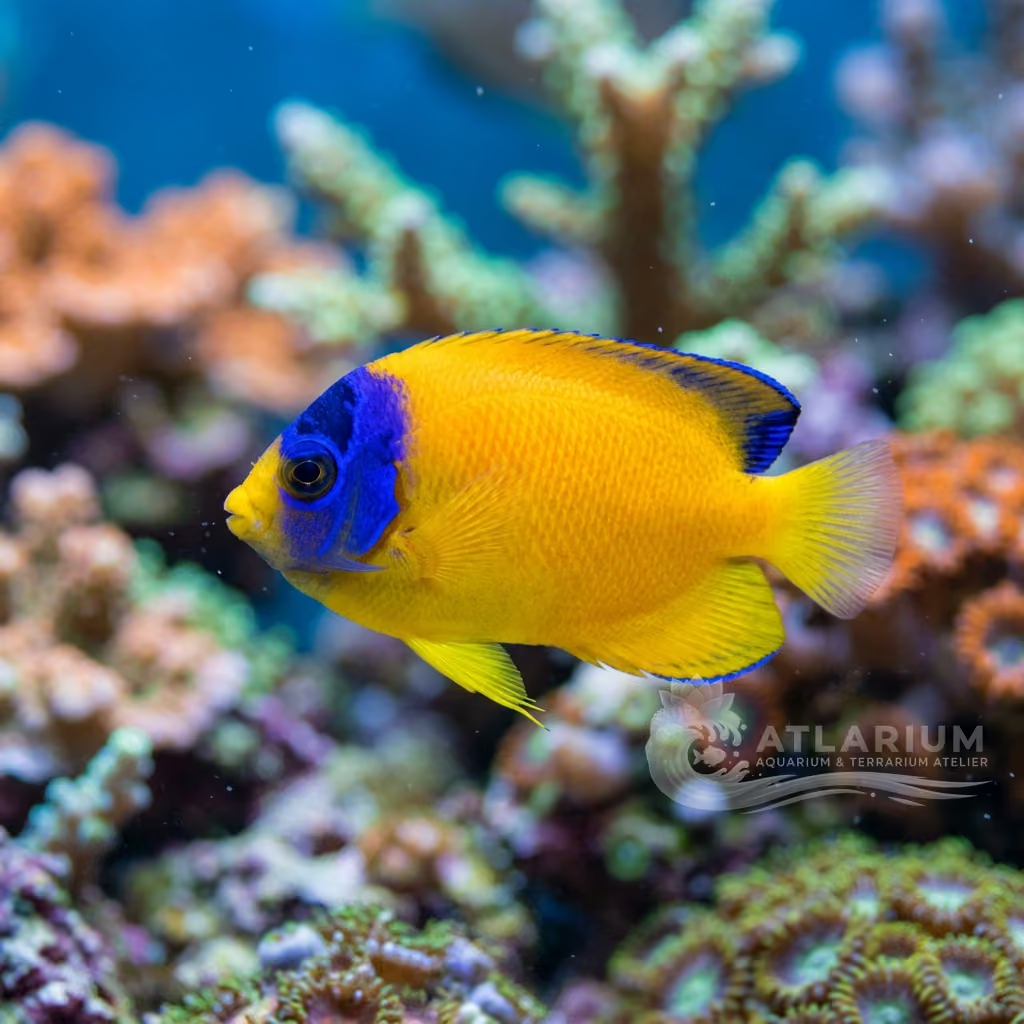
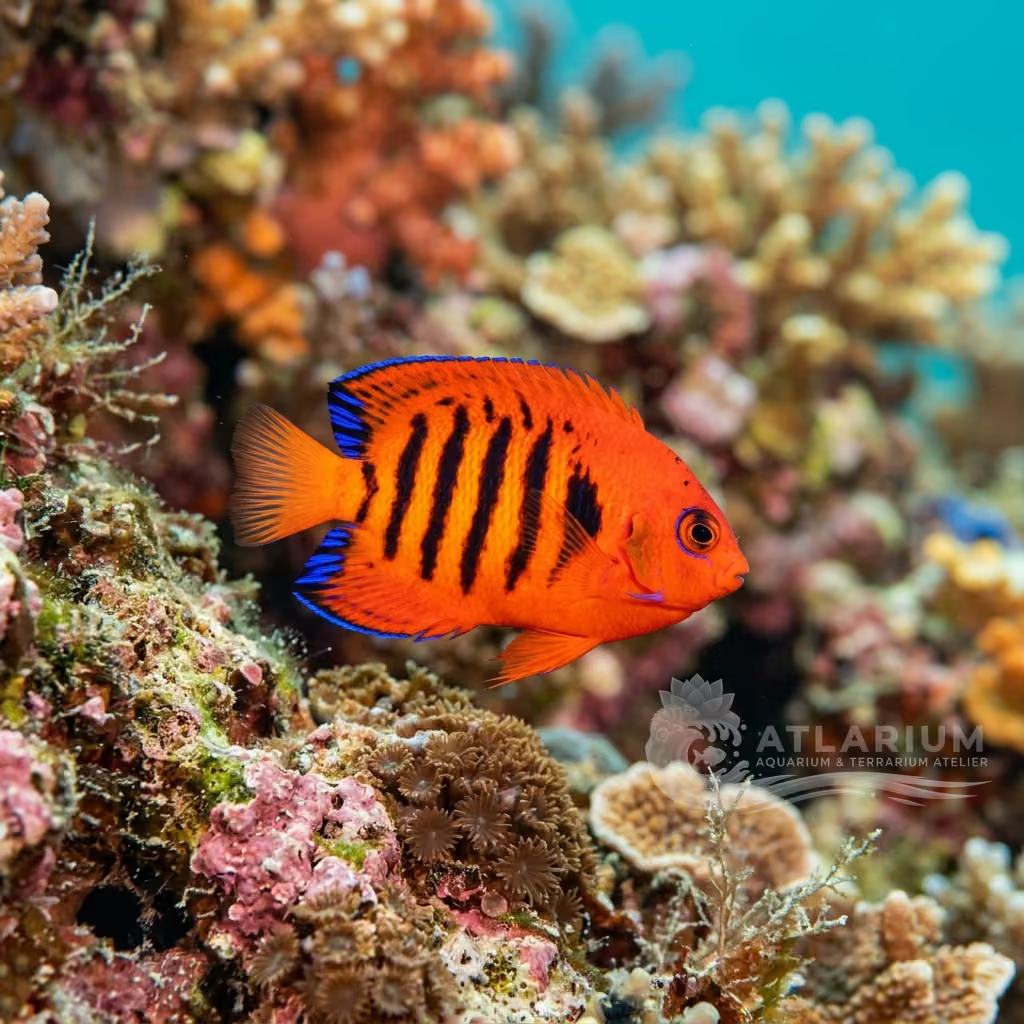
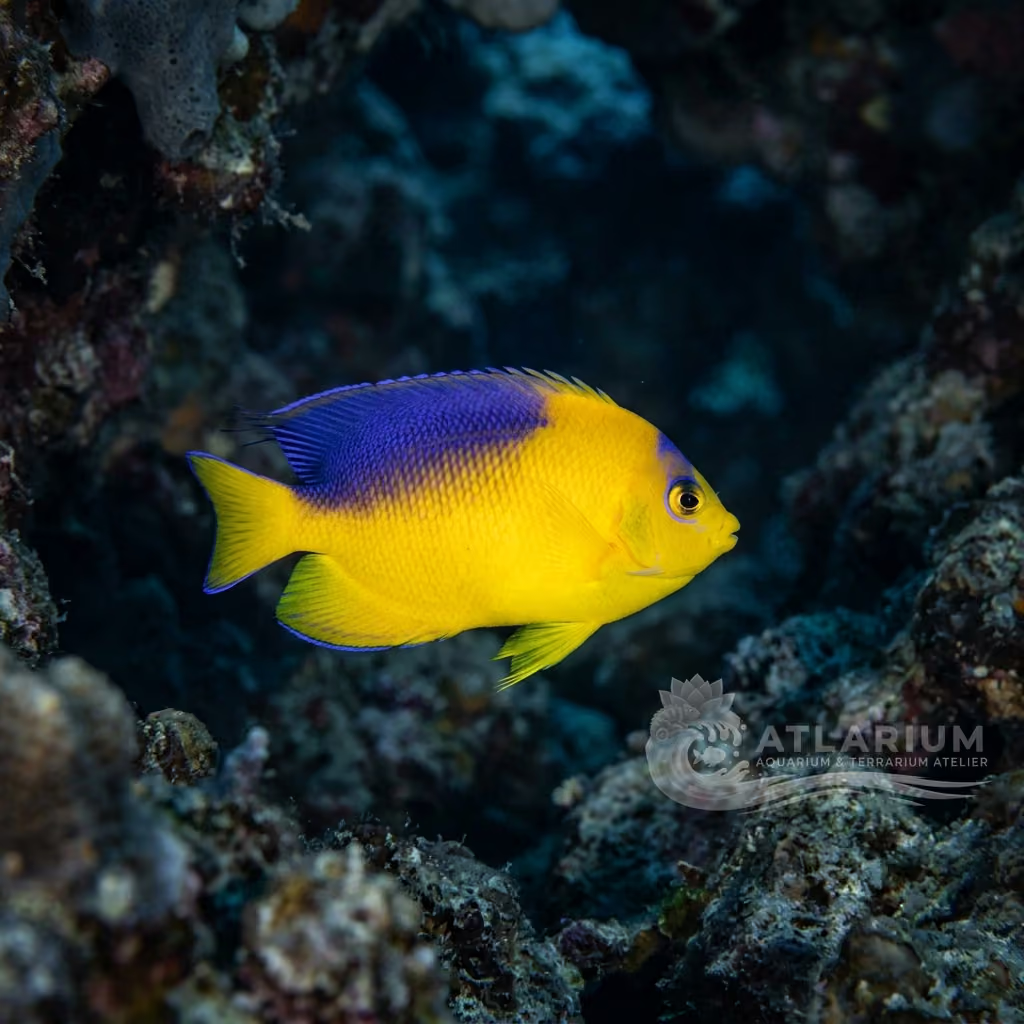
Coloration and Sexual Dimorphism: The coloration consists of a warm golden-orange or rusty red base, crossed by thin, wavy vertical stripes of a lighter yellow-orange color that create an excellent camouflage effect in the shadows of caves. The eye is ringed with a thin, bright blue or purple circle. There is no obvious sexual dimorphism to the naked eye, but adult males tend to be slightly larger than females and may display slightly more pointed dorsal and anal fins.

Soins, reproduction et cohabitation
Aquarium Setup: Requires a mature marine aquarium with a minimum capacity of 200 liters (approx. 50 gallons) for a single specimen. The setup must include a large amount of live rock arranged to create a dense network of caves, shaded ledges, and crevices. The availability of secure hiding spots is essential to make the fish feel safe; otherwise, it will remain permanently hidden and refuse food. A reef aquarium with stable hard and soft corals is preferred.
Diet and Feeding: An omnivore with a strong preference for grazing on algae and detritus. The diet in the aquarium must be as varied as possible, including dried marine seaweed (nori), spirulina, commercial pellet foods formulated for angelfish containing sponge matter, and high-quality frozen foods such as mysis, chopped krill, and brine shrimp. The presence of live rock with microalgae and biofilm is essential to allow the fish to supplement its diet by grazing continuously throughout the day.
Water Quality: Water parameters must be stable and typical of a reef aquarium: temperature between 23°C and 26°C (73-79°F), pH 8.1-8.4, specific gravity 1.021-1.025, and extremely low nitrates and phosphates. An efficient protein skimmer is necessary to maintain high water quality. A moderate but well-distributed water flow and regular partial water changes of 10-15% every two weeks are recommended to replenish trace elements.
Compatibility and Cohabitation: Can be housed in reef aquariums, but with caution: like many Centropyge, it may nip at the polyps of stony corals (SPS and LPS) and clam mantles. It is compatible with peaceful reef fish such as wrasses, gobies, and clownfish. Avoid cohabitation with extremely aggressive or fast-swimming fish that could intimidate it, and do not introduce other dwarf angelfish, especially of the same genus, to avoid severe territorial fights.
Aquarium Breeding: Breeding in home aquaria is extremely difficult, and there are no reports of widespread success. In the wild, they are protogynous hermaphrodites, with the largest, dominant specimens transforming into males. During mating, they release pelagic eggs into the water column at dusk. Larval development requires very small live foods (copepods) and is only manageable in specialized laboratories.
Risks and Diseases: This species is sensitive to common parasitic diseases such as marine ich (Cryptocaryon irritans) and marine velvet (Oodinium). Acclimation stress is the primary risk: being very shy, it may starve if it does not find adequate hiding places. A quarantine period in a quiet, dimly lit tank is highly recommended before introducing it to the display tank to monitor food intake.

Origine et répartition géographiques
Centropyge aurantia is native to the western Western Pacific region. Its known distribution range includes the Great Barrier Reef, the Coral Sea, Papua New Guinea, the Solomon Islands, and Samoa. This dwarf angelfish lives in deep and complex tropical marine habitats, typically associated with outer reef slopes and steep drop-offs at depths ranging from 3 to 60 meters. It shows a strong preference for areas rich in stony corals and sponges, where rocky formations feature deep caves, narrow crevices, and dark recesses that provide constant hiding places.
Origine
Océans tropicaux et récifsAfrique et MadagascarAsie du Sud et du Sud-EstAustralie, Nouvelle-Guinée et Océanie

Profil de poisson
- Tempérament
- Aggressive
- Centropyge aurantia is one of the most peaceful and shy dwarf angelfish species available. They are extremely cryptic and will spend several weeks acclimating to a new aquarium, during which they may rarely be seen. While they are peaceful towards unrelated species, they can become highly territorial toward other dwarf angelfish or fish with similar shapes and colors. It is crucial to avoid housing them with aggressive or overly active fish that might outcompete them for food.
- Régime alimentaire
- Omnivore
- In their natural habitat, Golden Angelfish are omnivorous grazers that feed on algae, detritus, sponges, and small benthic invertebrates. In the aquarium, they should be offered a varied diet consisting of high-quality marine pellets, flakes, mysis shrimp, and brine shrimp. Specialized angelfish preparations containing sponge matter are highly recommended to replicate their natural diet. They will also spend a significant amount of time grazing on microalgae and detritus found on live rock.
- Espérance de vie
- 6-10 years
- Taille adulte
- 10 cm
- Ratio des sexes
- Harem
- In the wild, Centropyge aurantia naturally forms haremic structures consisting of one dominant male and several females. In captivity, they are most commonly kept singly because of their territorial nature, especially in smaller aquariums. If attempting to keep them in pairs or small harems, a very large tank with numerous physical barriers and hiding spaces is required. As protogynous hermaphrodites, the largest and most dominant individual in a group will eventually transition into a male.
- Fréquence d'alimentation
- Twice daily
- Due to their active grazing habits and initial shyness, the Golden Angelfish should be fed small amounts two to three times daily. Multiple small feedings help ensure they receive adequate nutrition, especially during the acclimation phase when they are hesitant to compete with bolder tankmates. Providing a continuous supply of live rock for grazing allows them to feed naturally throughout the day. Regularly offering vitamin-enriched foods will support their immune system and overall coloration.
- Charge biologique
- Low to Medium
- The Golden Angelfish has a low-medium biological load due to its small size, typically reaching around 4 inches in length. However, like all dwarf angelfish, it requires pristine water conditions and is sensitive to elevated nitrate levels. A mature filtration system, regular water changes, and efficient protein skimming are essential to keep the water quality high. Adequate mechanical and biological filtration will easily manage the waste produced by this species.
- Courant
- Strong
- The Golden Angelfish prefers moderate water flow within the aquarium. While they are competent swimmers capable of navigating stronger currents, they naturally inhabit protected areas of the reef, such as deep crevices and caves, where flow is reduced. It is important to design the aquascape to include plenty of low-flow zones and quiet caves where they can rest without fighting the current. High dissolved oxygen levels, facilitated by moderate flow elsewhere in the tank, are essential for their well-being.
- Risque de saut
- Yes
- Like many dwarf angelfish, the Golden Angelfish presents a notable jump risk, especially when startled or stressed. Their shy and skittish temperament makes them prone to darting upwards rapidly if they perceive a threat. A tight-fitting lid or a secure mesh cover is essential to prevent them from jumping out of the aquarium. Even small openings should be covered to ensure their safety.
- Reproduction
- Oviparous
- Breeding the Golden Angelfish in captivity is highly challenging and rarely achieved by home aquarists. They are broadcast spawners that require a tall water column to perform their upward spawning rise, where eggs and sperm are released into the water. Successful breeding projects, such as those by commercial breeders, rely on specialized larval rearing systems and microscopic live foods like copepods. The larval phase is exceptionally long, and the tiny fry are extremely sensitive to water quality and physical handling.
- Compatibilité et compagnons
- Peaceful
- The Golden Angelfish is compatible with a wide variety of peaceful reef fish, such as firefish, small wrasses, gobies, and cardinalfish. However, caution must be exercised when keeping them in reef tanks, as they may nip at large polyp stony (LPS) corals, soft corals, and clam mantles. They should not be housed with aggressive species, large predators, or other dwarf angelfish, unless the tank is exceptionally spacious. Keeping them well-fed can mitigate, but not entirely eliminate, the risk of coral nipping.
- Niveau dans le bac
- Middle/Bottom
- This species is highly cryptic and spends the vast majority of its time in the lower and middle zones of the aquarium. It tends to navigate closely to the rockwork, swimming through caves, crevices, and overhangs where it feels secure. You will rarely see this fish swimming in open water far from cover, as they naturally inhabit shady reef recesses. Providing a complex aquascape with plenty of shelter will encourage them to venture out occasionally.

Modèles et paramètres scientifiques
FishBase
Fenêtre sur les données scientifiques officielles de l’espèce
FishBase v25.04Données synchronisées le : 15/06/2026
- Niveau trophique
- 2,8 ± 0,3 se
- Résilience
- Élevée (moins de 15 mois)
- Singularité phylogénétique (PD50)
- 0.5
- Relation bayésienne longueur-poids
- a = 0.0302, b = 2.89
- VulnérabilitéVulnérabilité faible (10 / 100)

Espèces associées
Recommandations regroupées par proches parents, compagnons et soins similaires.