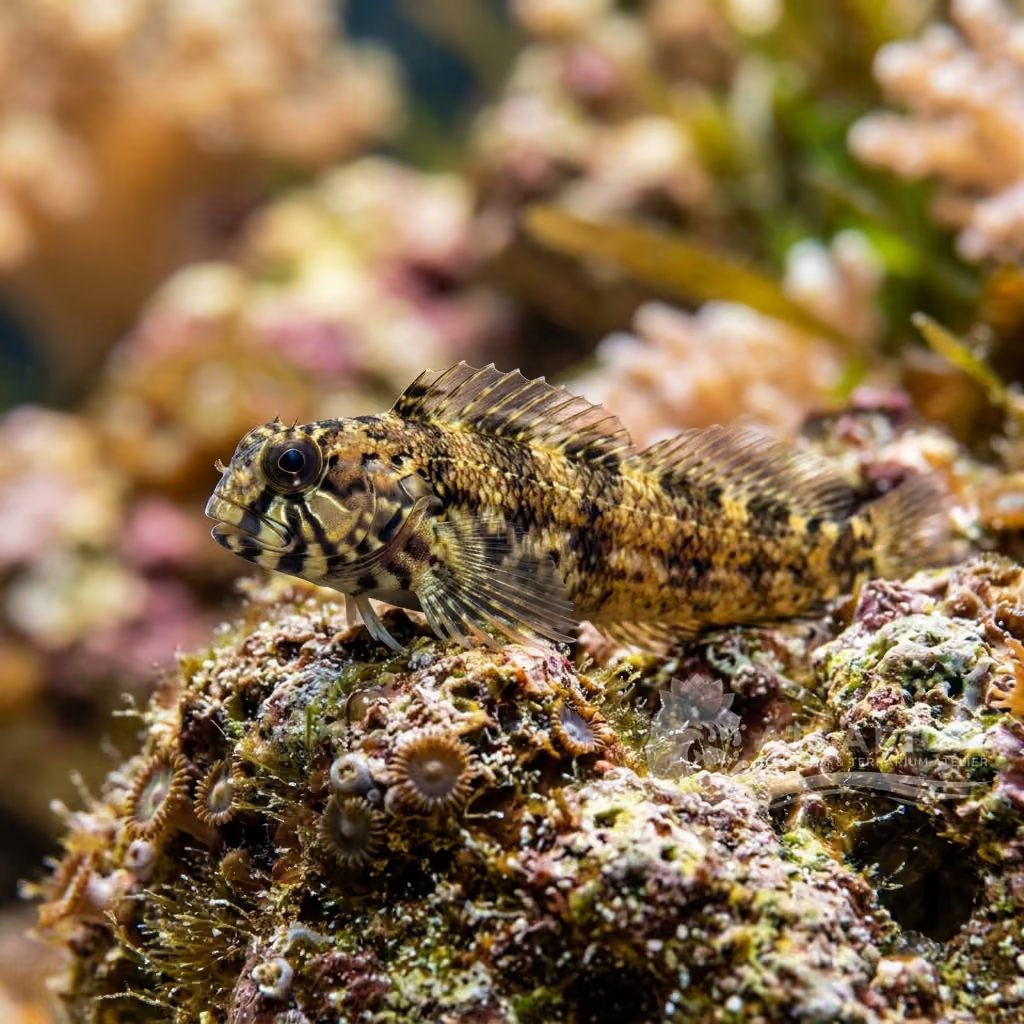
Nahacky's Angelfish
Centropyge nahackyi
An exclusive marine pygmy angelfish suitable for well-established tropical aquariums, boasting intense, vibrant coloration and requiring stable reef-like conditions.
Température de l’eau
22 - 26 °C
Valeur du pH
8.1 - 8.4
Type d'eau
Marin
Niveau dans le bac
Fond et milieu
Taille adulte
9 cm
Volume minimal du bac
>= 150 L
Groupe minimal
>= 1

Description de l'espèce
Geographical Origin and Habitat: This species is native to the Central Pacific Ocean, with populations found primarily at Johnston Atoll and occasionally around the Hawaiian Islands. It inhabits deep outer reef slopes and rubble zones, usually at depths ranging from 25 to 75 meters, where water is cool.
Taxonomy and Morphology: Classified within the Pomacanthidae family, genus Centropyge. It features a laterally compressed, oval body with a sharp spine on the preopercle edge, which is characteristic of all marine angelfish. It reaches a maximum adult size of approximately 9 centimeters.
Social Behavior: An active, energetic, and territorial species. It typically lives in small groups or harems consisting of one dominant male and several females. It spends its time swimming near rock formations, constantly grazing and exploring crevices for food.
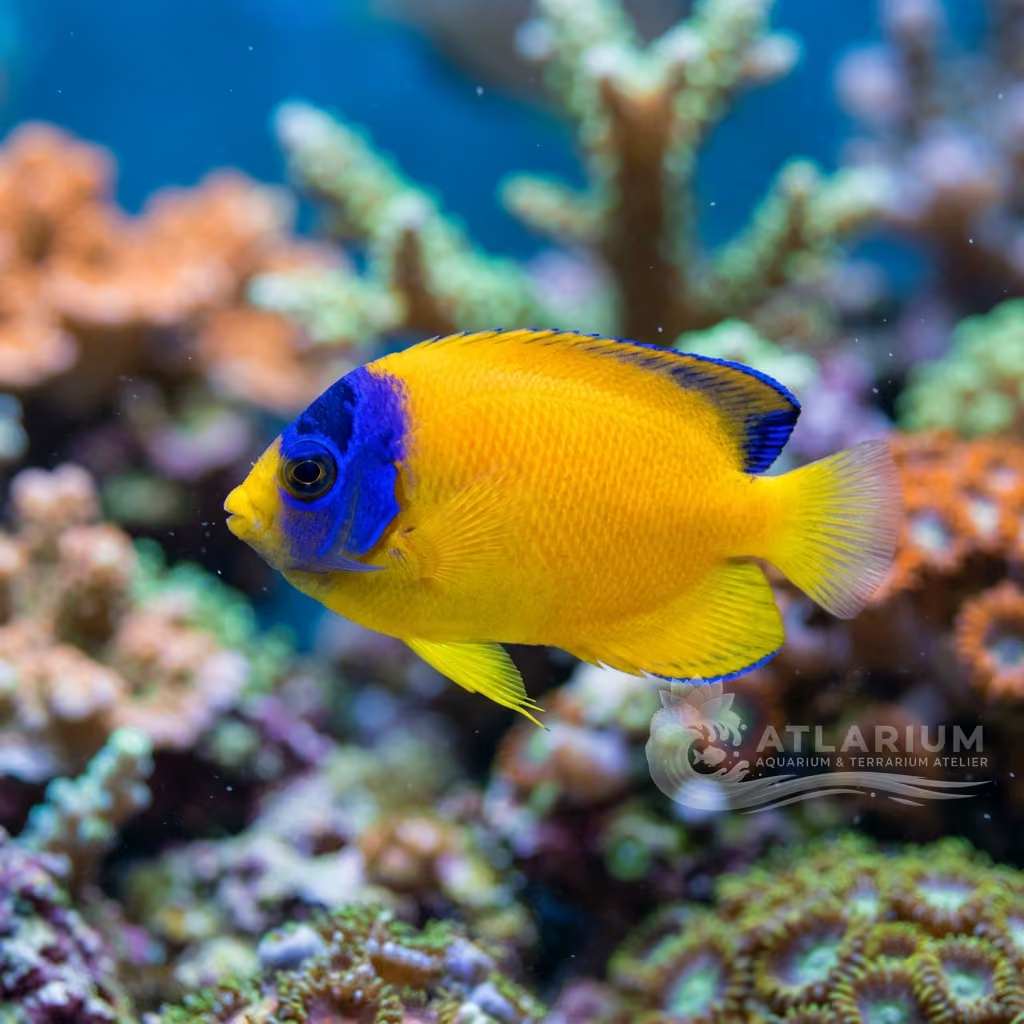
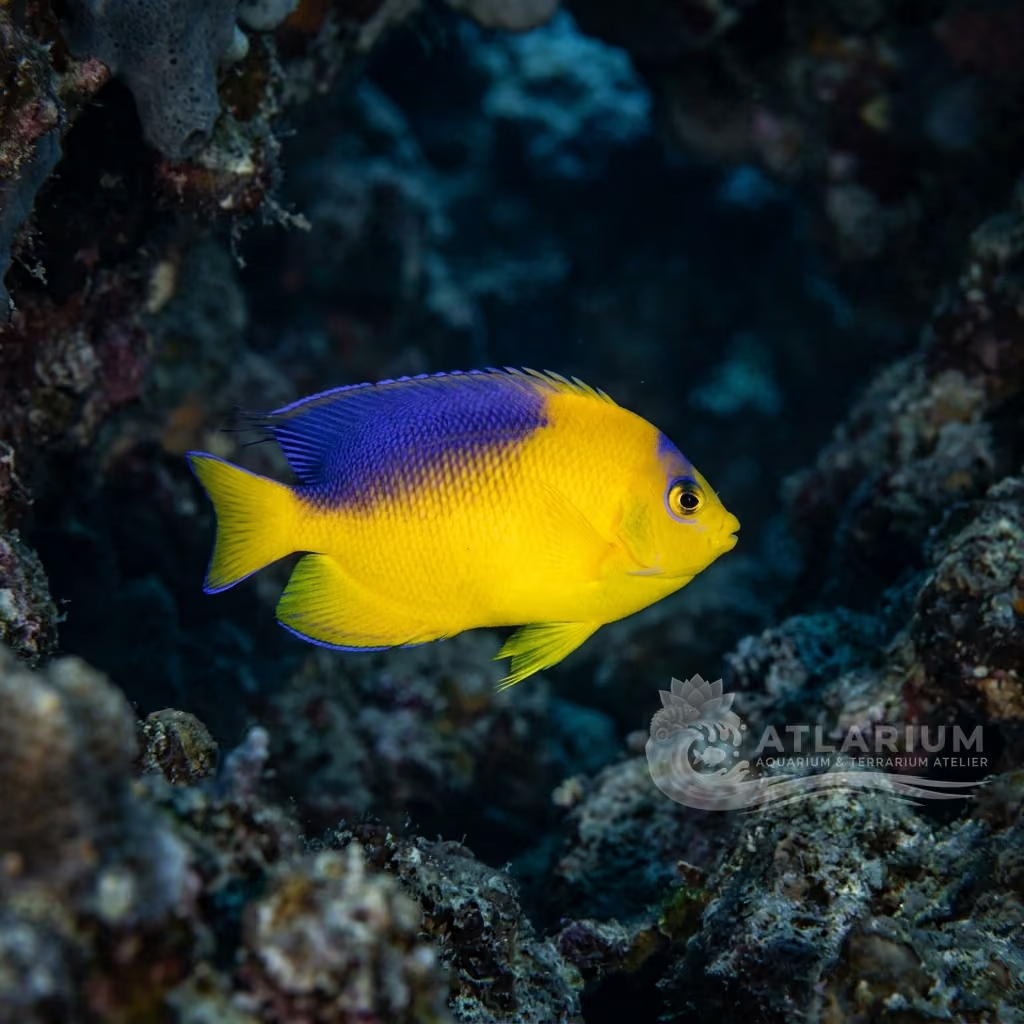
Coloration and Sexual Dimorphism: Displays a dark blue to blackish body coloration, with the head and upper back highlighted by bright yellow to orange tones. The caudal fin is yellowish-blue with electric blue margins. Males are generally larger than females and exhibit brighter coloration, especially when displaying.

Soins, reproduction et cohabitation
Aquarium Setup: Requires a mature marine aquarium of at least 150 liters for a single individual. The setup must include extensive live rock formations to create numerous caves and tunnels for hiding and territorial boundary markers, while still providing open space for swimming.
Diet and Feeding: Omnivorous. In the wild, it grazes on benthic algae, detritus, and small invertebrates. In captivity, feed a varied diet of spirulina flakes, dried nori sheets, frozen mysis and brine shrimp, and commercial frozen preparations containing sponge material for angelfish.
Water Quality: Demands high-quality, well-aerated water with stable parameters. Maintain temperature between 22 and 26 °C, pH between 8.1 and 8.4, and specific gravity between 1.020 and 1.025. Strong protein skimming and routine partial water changes are highly recommended.
Compatibility and Cohabitation: Reef safe with caution. It may nip at large polyp stony (LPS) corals, soft corals, or clam mantles, particularly if underfed. It coexists well with peaceful, medium-sized reef fish, but avoid keeping it with highly aggressive or territorial species.
Aquarium Breeding: Oviparous. Pelagic spawners that release their eggs into the water column. Captive breeding is extremely difficult and rarely achieved in home aquariums due to the pelagic nature of the larvae and their requirements for microscopic live feeds.
Risks and Diseases: Susceptible to common marine external parasites like Ich (Cryptocaryon) and Velvet (Oodinium) under stressful conditions or poor water quality. A primary risk is jumping out of the tank when startled, which necessitates a secure aquarium cover or fine mesh lid.

Origine et répartition géographiques
This species is native to the Central Pacific Ocean, with populations found primarily at Johnston Atoll and occasionally around the Hawaiian Islands. It inhabits deep outer reef slopes and rubble zones, usually at depths ranging from 25 to 75 meters, where water is cool.
Origine
Océans tropicaux et récifs

Profil de poisson
- Tempérament
- Semi-aggressive
- Centropyge nahackyi exhibits a semi-aggressive temperament, typical of most dwarf angelfish species. They can be highly territorial, especially towards other dwarf angels or fishes with similar body shapes and color patterns. While they generally ignore peaceful, unrelated species, they will actively defend their preferred caves and foraging areas from intruders. Providing a large aquarium with plenty of visual barriers is essential to disperse territorial aggression and ensure a peaceful cohabitation.
- Régime alimentaire
- Omnivore
- This species is an omnivore with a strong herbivorous inclination, feeding continuously on microalgae, detritus, and small invertebrates in the wild. In captivity, they should be offered a diverse diet that includes high-quality marine algae, spirulina, and specialized angelfish preparations containing sponge matter. This should be supplemented with meaty foods such as mysis shrimp, enriched brine shrimp, and finely chopped seafood. Having a mature aquarium with established live rock is beneficial, as it allows them to graze on natural micro-fauna and algae between meals.
- Espérance de vie
- 8-12 years
- Taille adulte
- 9 cm
- Ratio des sexes
- Harem
- As protogynous hermaphrodites, all Centropyge nahackyi begin their adult life as females. In a social harem structure, the largest and most dominant individual will change sex to become the male. For home aquariums, they are best kept singly unless the tank is exceptionally large, in which case a male-female pair or a small harem can be established. When attempting to form a pair, it is recommended to introduce a significantly larger individual alongside a smaller one, allowing the larger fish to become the dominant male.
- Fréquence d'alimentation
- Twice daily
- Because of their active nature and small stomachs, Centropyge nahackyi should be fed at least two to three times daily. Providing smaller, frequent meals helps mimic their natural foraging behavior and prevents them from becoming destructive in the aquarium. If they are underfed, they are significantly more likely to nip at corals and other sessile invertebrates. Offering food in small portions that are consumed within a few minutes will ensure they remain healthy while keeping water quality high.
- Charge biologique
- Low to Medium
- Centropyge nahackyi has a low-to-medium biological waste footprint in the home aquarium. While they are small dwarf angelfish reaching only about 3.5 inches, their active grazing habits and need for frequent feedings require efficient biological filtration. A well-established tank with plenty of live rock and an efficient protein skimmer will help manage their waste output. Keeping water parameters stable with low nitrates and phosphates is crucial for this deep-water species.
- Courant
- Strong
- Coming from deep seaward reef slopes, Centropyge nahackyi appreciates moderate to strong water flow in the aquarium. Vigorous water movement helps replicate their native environment, keeps the water well-oxygenated, and prevents the buildup of organic waste. However, it is vital to provide low-flow refuge zones, such as deep caves and crevices within the rockwork, where the fish can rest. A balanced flow setup using multiple wavemakers will create a dynamic environment that supports their swimming and resting needs.
- Risque de saut
- Yes
- While Centropyge nahackyi is not categorized as a high-risk jumper compared to wrasses or gobies, they are easily startled and can leap from the tank if spooked. When first introduced or during periods of stress, they may perform sudden, erratic dashes that can carry them out of an open-topped aquarium. Due to their extreme rarity and high value, a tight-fitting lid or mesh cover is highly recommended. Ensuring they have plenty of crevices to retreat into will also help prevent the stress-induced jumping behavior.
- Reproduction
- Not bred in captivity
- Breeding Centropyge nahackyi in captivity is exceptionally difficult and rarely achieved by hobbyists due to their deep-water origin and specific spawning requirements. Like other dwarf angelfish, they are pelagic spawners that release their gametes high in the water column at dusk, requiring a deep aquarium to facilitate this behavior. The resulting larvae are extremely small and demand specialized live foods, such as specific strains of copepods, during their initial stages. Successful captive breeding requires a established, compatible pair, precise environmental cues, and expert-level plankton culture skills.
- Compatibilité et compagnons
- Reef safe
- Centropyge nahackyi can be housed with a variety of tank mates, provided they are not other dwarf angelfish or species of similar shape and size. Good companions include active, peaceful-to-semi-aggressive reef fishes such as wrasses, damsels, tangs, and clownfish. Caution must be exercised if keeping them in a reef aquarium; they are known to nip at LPS corals, zoanthids, and clam mantles, particularly if they are not well-fed. They should not be kept with very docile or slow-moving species that might be intimidated by their active and occasionally aggressive behavior.
- Niveau dans le bac
- Middle/Bottom
- In the wild, Nahacky's Angelfish is a deep-water dweller that lives among steep seaward reef slopes and rubble zones. In a home aquarium, they primarily inhabit the lower and middle zones of the tank, where they constantly cruise around and through rockwork. They rely heavily on the presence of caves, crevices, and overhangs to feel secure and will rarely venture into open, upper-level water. Providing a complex rock structure is essential to mimic their natural preference for sheltering near the substrate.

Modèles et paramètres scientifiques
FishBase
Fenêtre sur les données scientifiques officielles de l’espèce
FishBase v25.04Données synchronisées le : 15/06/2026
- Niveau trophique
- 2,8 ± 0,3 se
- Résilience
- Élevée (moins de 15 mois)
- Singularité phylogénétique (PD50)
- 0.5
- Relation bayésienne longueur-poids
- a = 0.01122, b = 3.04
- VulnérabilitéVulnérabilité faible (10 / 100)

Espèces associées
Recommandations regroupées par proches parents, compagnons et soins similaires.