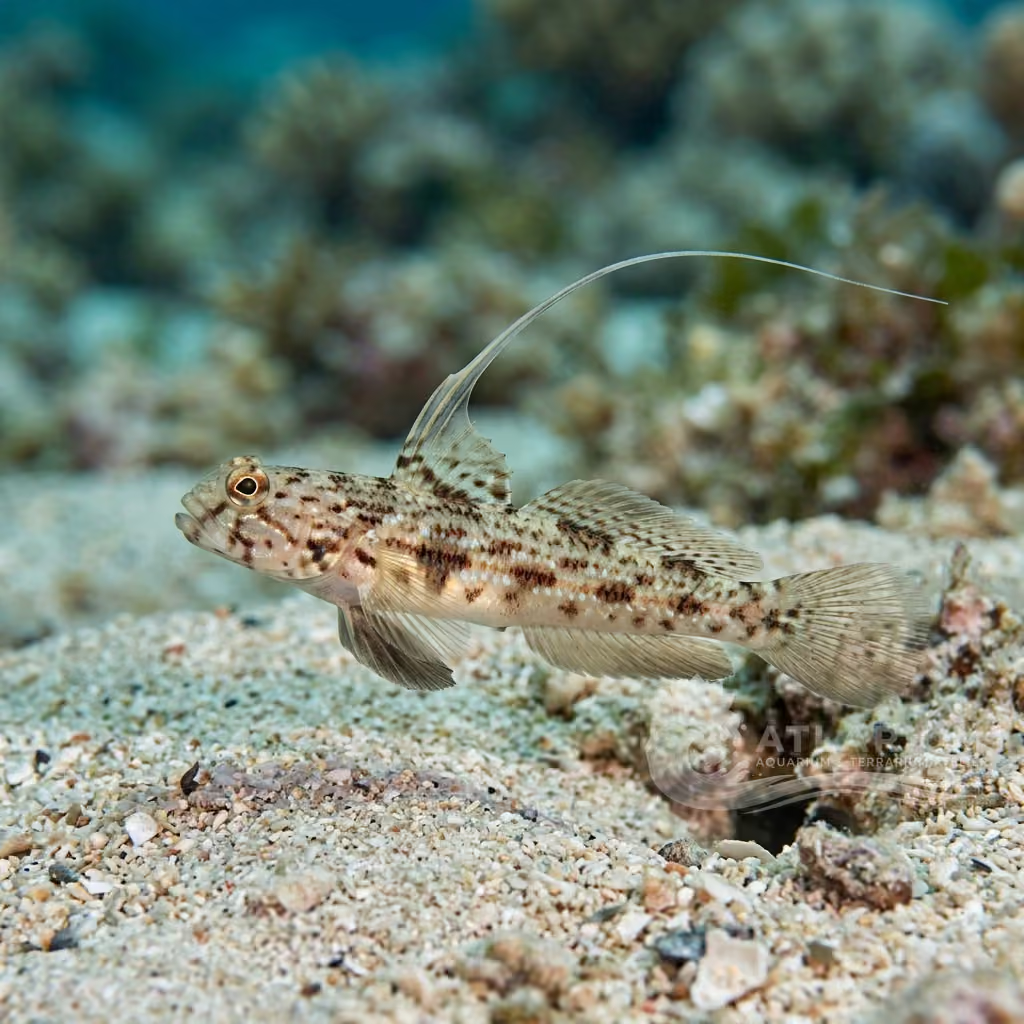
Spotted-tail dottyback
Pseudochromis caudalis
A brightly colored and highly territorial marine dottyback native to the Western Indian Ocean, making it best suited for reef aquariums populated with robust tankmates.
Température de l’eau
22 - 26 °C
Valeur du pH
8.1 - 8.4
Type d'eau
Marin
Niveau dans le bac
Fond et milieu
Taille adulte
10 cm
Volume minimal du bac
>= 100 L
Groupe minimal
>= 1

Description de l'espèce
Geographical Origin and Habitat: Pseudochromis caudalis is native to the Western Indian Ocean, specifically occurring around the coasts of Oman, the Persian Gulf, and the southern waters of Pakistan. It inhabits shallow rocky reefs and outer coral reef slopes, preferring deep crevices, ledges, and small caves at depths ranging from 2 to 40 meters. In these natural habitats, the species lives in close association with the substrate, which provides ample shelter from predators and a diverse supply of micro-invertebrates.
Taxonomy and Morphology: This species belongs to the family Pseudochromidae, subfamily Pseudochrominae. It possesses a slender, elongated, and laterally compressed body typical of dottybacks, featuring a continuous dorsal fin and large, expressive eyes. Adults typically reach a maximum length of 8 to 10 centimeters. Its skeletal structure and scales are adapted for rapid, darting movements through tight spaces, allowing it to escape larger predators.
Social Behavior: It is a solitary and fiercely territorial species that defends its preferred cave or crevice with intense aggression. It is highly aggressive toward conspecifics and similar-looking fish, and housing more than one specimen in a standard aquarium will lead to fatal fighting. While it tends to ignore larger, active tankmates, it will actively bully smaller, peaceful, or passive fish that enter its territory.
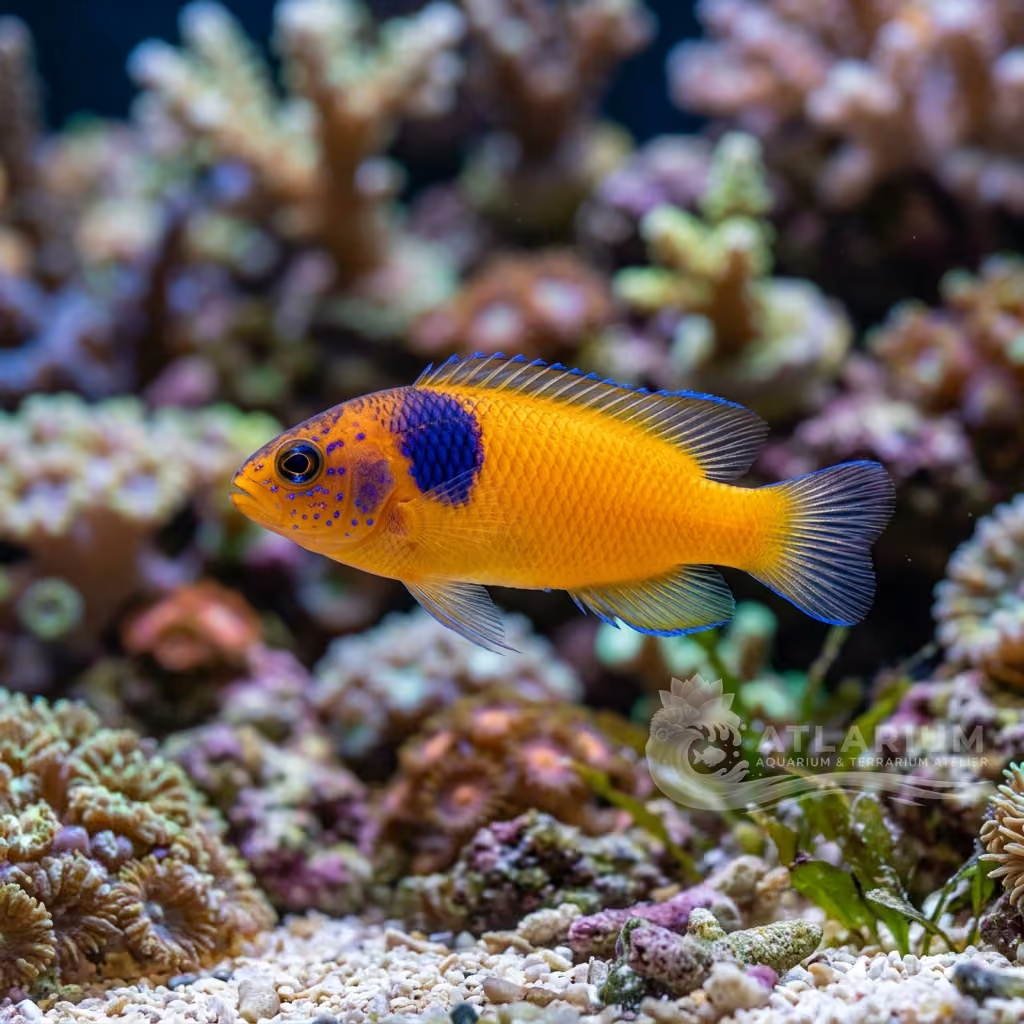
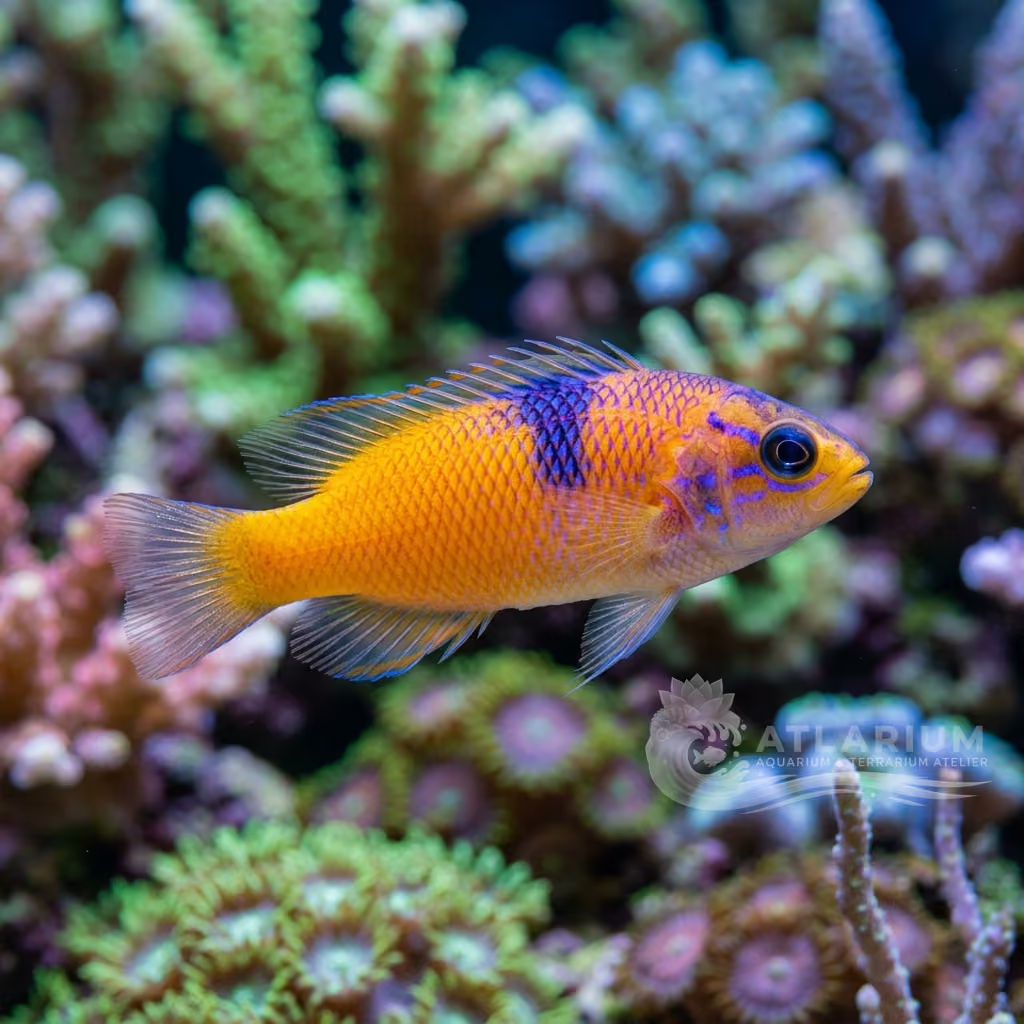
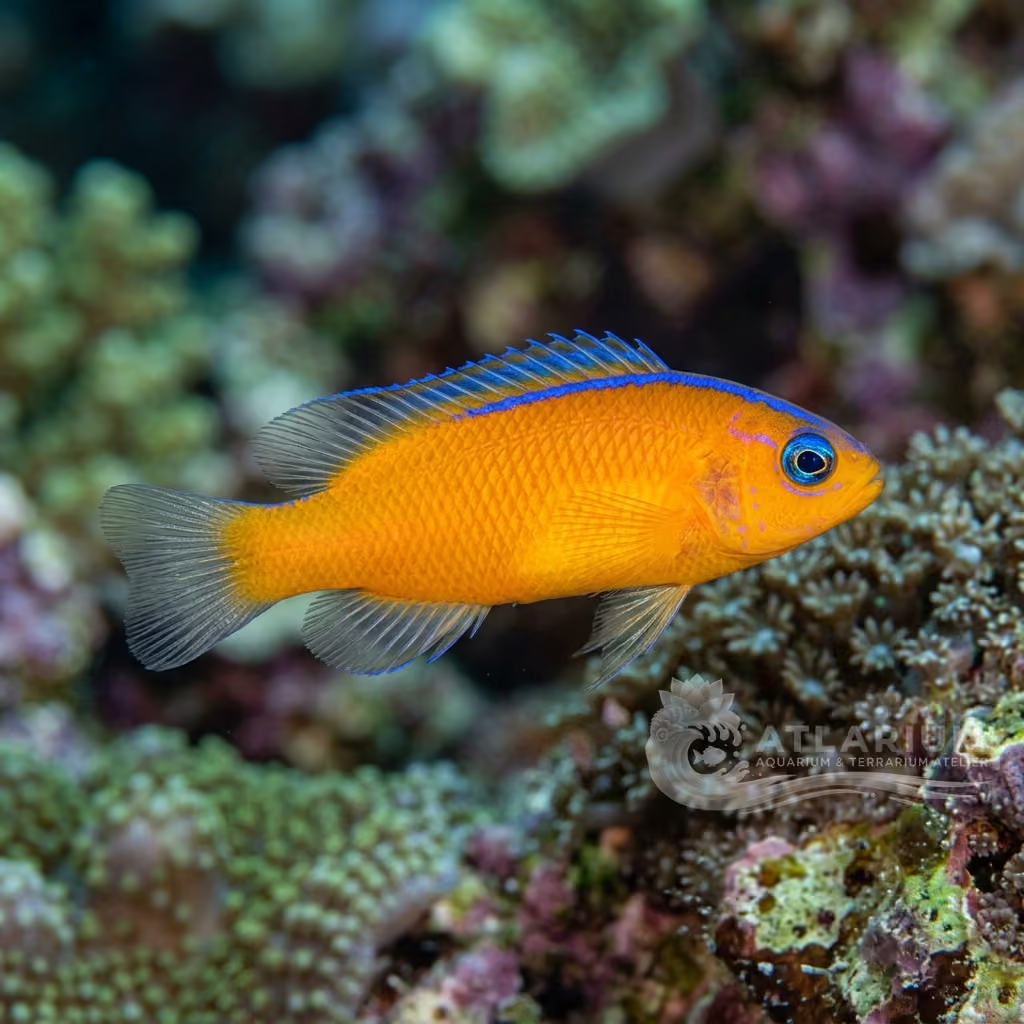
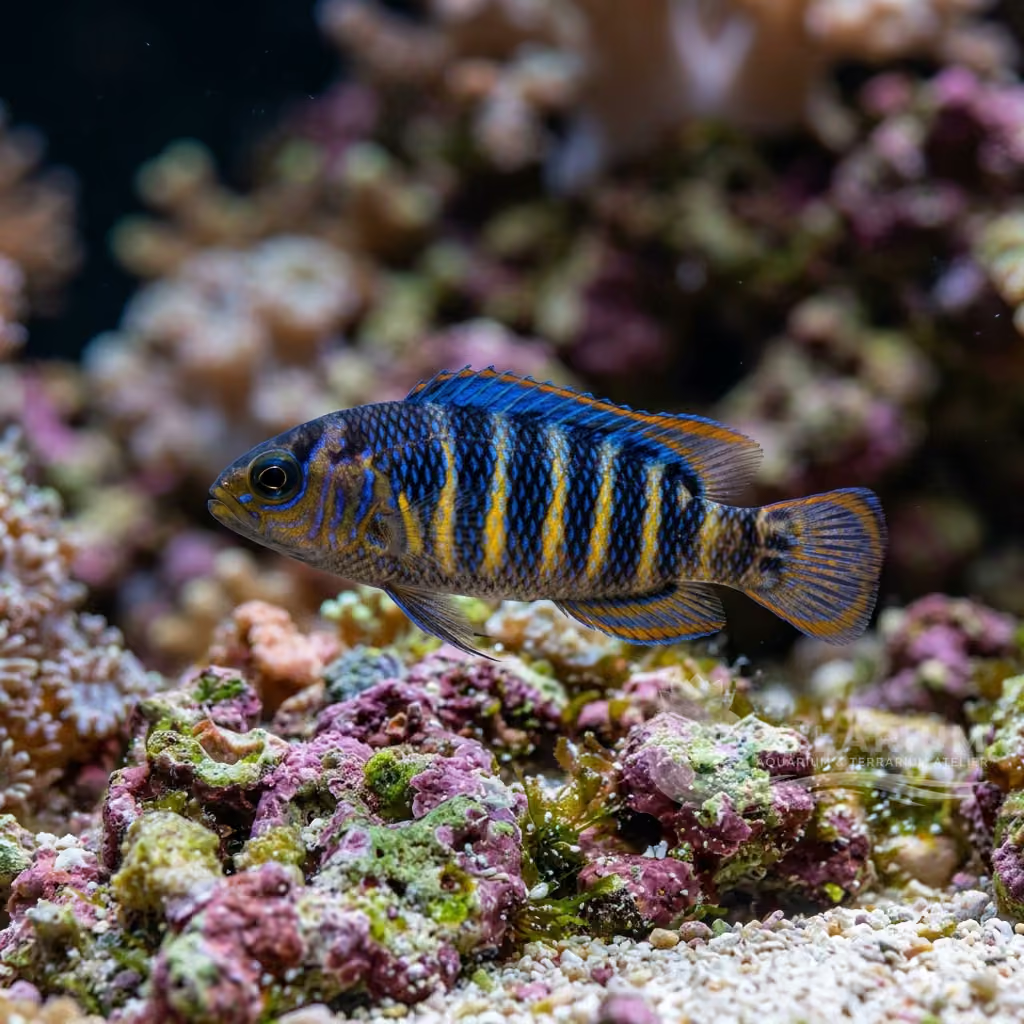
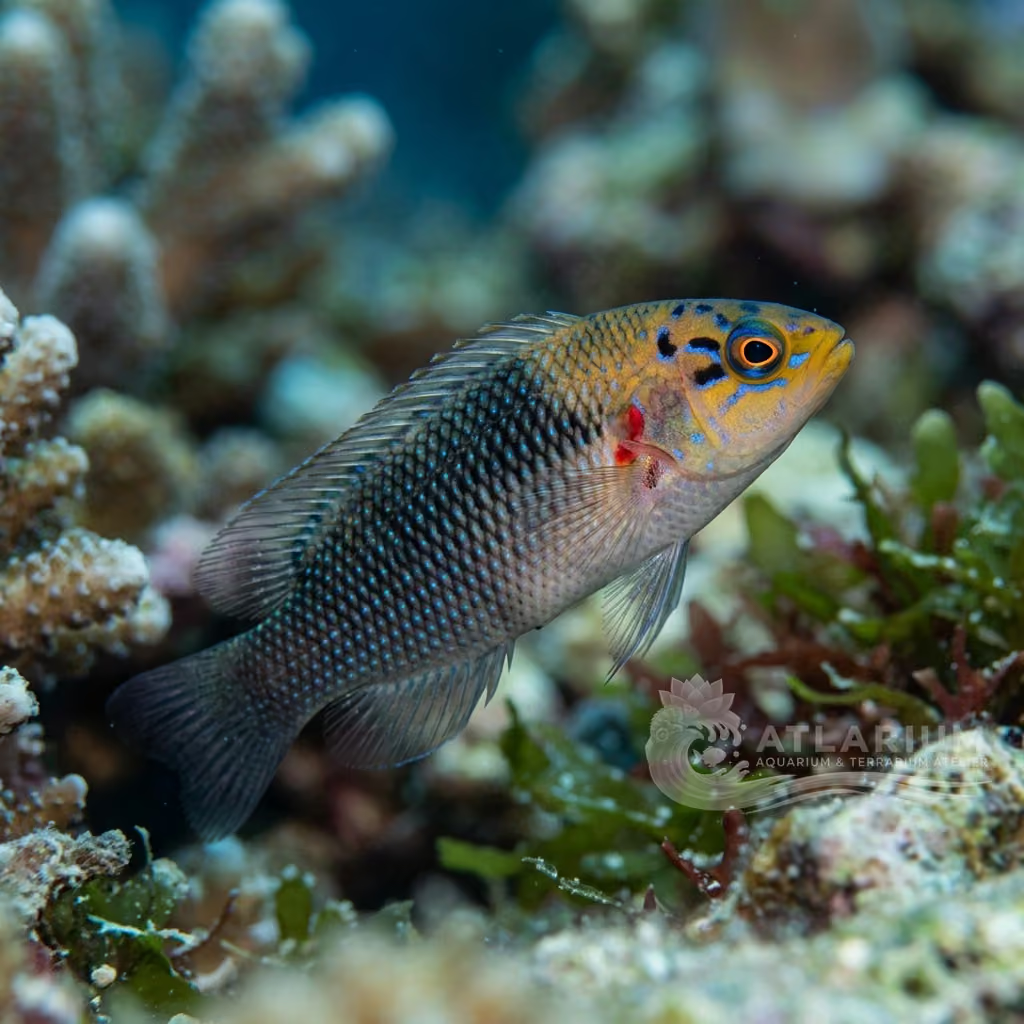
Coloration and Sexual Dimorphism: The base coloration of the body is greyish-brown to olive-grey, shifting to a yellowish hue toward the posterior region and caudal peduncle. Its defining feature is the distinct dark spot or striping on the caudal fin, surrounded by iridescent highlights. There is no obvious sexual dimorphism, although mature males may display slightly more intense coloration and larger overall size during spawning periods.

Soins, reproduction et cohabitation
Aquarium Setup: A minimum aquarium volume of 120 liters is required, decorated with an extensive structure of live rock to form numerous caves, tunnels, and dark hiding spots. Providing multiple potential territories is essential to reduce stress. A tightly fitting screen or canopy is absolutely mandatory, as these fish are notorious jumpers that can escape through even the smallest openings around filtration pipes.
Diet and Feeding: As a carnivorous predator, it requires a protein-rich diet consisting of high-quality frozen foods. Offerings should include mysis shrimp, enriched brine shrimp, krill, and finely chopped seafood such as shrimp or squid. They can be trained to accept high-quality marine pellets or flakes over time. Feeding should occur twice daily in small portions to satisfy their high metabolic rate and minimize aggression.
Water Quality: Maintaining stable marine water parameters is crucial for their long-term health. The temperature should be kept between 24°C and 28°C, pH between 8.1 and 8.4, specific gravity between 1.023 and 1.025, and alkalinity between 8 and 12 dKH. Ammonia and nitrite levels must remain at absolute zero, with nitrates kept below 15 ppm through regular water changes and efficient protein skimming.
Compatibility and Cohabitation: Keeping this fish with small or docile species like firefish, pipefish, and tiny gobies is highly discouraged, as they will likely be hounded and attacked. Suitable tankmates include larger damselfish, dwarf angelfish, tangs, and hawkfish. It is reef-safe with corals, but poses a major threat to small ornamental crustaceans such as sexy shrimp or small peppermint shrimp.
Aquarium Breeding: Breeding in captivity is extremely rare and challenging due to their intense intraspecific aggression. Pairs must be introduced with extreme caution using acclimation boxes. If a pair successfully bonds, the female deposits a spherical egg mass in the male's cave. The male then fertilizes and guards the clutch, fanning it constantly until the eggs hatch in 3 to 5 days.
Risks and Diseases: While generally hardy, they are susceptible to common marine parasites such as Cryptocaryon irritans (marine ich) and Amyloodinium ocellatum, especially during acclimation or when stressed by unsuitable tankmates. A standard quarantine procedure is highly recommended. Physical wounds from territorial skirmishes can develop secondary bacterial infections if water quality is poor.

Origine et répartition géographiques
Pseudochromis caudalis is native to the Western Indian Ocean, specifically occurring around the coasts of Oman, the Persian Gulf, and the southern waters of Pakistan. It inhabits shallow rocky reefs and outer coral reef slopes, preferring deep crevices, ledges, and small caves at depths ranging from 2 to 40 meters. In these natural habitats, the species lives in close association with the substrate, which provides ample shelter from predators and a diverse supply of micro-invertebrates.
Origine
Océans tropicaux et récifsEurope, Méditerranée et Asie occidentaleAsie du Sud et du Sud-Est

Profil de poisson
- Tempérament
- Semi-aggressive
- This dottyback exhibits a bold and feisty temperament, often standing its ground against much larger fish. While entertaining to watch, their assertiveness means they must be carefully matched with appropriate tank mates. They are curious and active, making them a lively addition to the right marine community setup.
- Régime alimentaire
- Carnivore
- As strict carnivores, their diet in the wild consists primarily of small crustaceans and zooplankton. In captivity, they eagerly accept a variety of meaty foods such as mysis shrimp, brine shrimp, and finely chopped seafood. High-quality marine pellets or flakes can be offered, but should be supplemented with frozen or live foods for optimal health.
- Espérance de vie
- 5-7 years
- Taille adulte
- 10 cm
- Ratio des sexes
- Solitary
- They can be kept as a solitary individual or as a mated pair if introduced simultaneously or carefully bonded. Keeping multiple unsexed or same-sex individuals in the same tank usually leads to severe aggression and stress. It is strongly recommended to stick to one per tank unless specifically attempting to breed a known pair.
- Fréquence d'alimentation
- Twice daily
- These active fish require feeding at least two to three times a day to maintain their energy levels and body weight. Offering small portions that can be consumed within a few minutes is ideal to avoid overfeeding. Consistent, varied meals are crucial for sustaining their vibrant coloration and strong immune system.
- Charge biologique
- Low to Medium
- This species contributes a moderate bioload to the aquarium ecosystem due to its active metabolism and regular feeding requirements. They produce a fair amount of waste for their size, so efficient protein skimming and biological filtration are necessary. Regular water changes should be maintained to prevent nitrate accumulation in the tank.
- Courant
- Moderate
- They prefer moderate to strong water flow that mimics the currents found in their natural reef environments. Adequate flow helps keep the water well-oxygenated and encourages their natural swimming and foraging behaviors. Ensuring there are also areas of lower flow will allow them to rest when necessary.
- Risque de saut
- Yes
- Like many dottybacks, they are known to be proficient jumpers, especially when startled or chased by other fish. A tight-fitting lid or fine mesh screen cover over the aquarium is absolutely essential to prevent accidental escapes. Care should be taken during tank maintenance to avoid spooking them into jumping out.
- Reproduction
- Bidirectional hermaphrodite
- Breeding in captivity is possible but requires a dedicated setup and careful pairing, as they can be aggressive toward each other. They are demersal spawners, laying their eggs in small caves or crevices where the male will diligently guard them until hatching. Raising the fry is challenging, requiring specialized microscopic live foods such as rotifers.
- Compatibilité et compagnons
- Territorial
- They are generally semi-aggressive and may show territorial behavior toward similar-shaped or bottom-dwelling fish. It is best to keep them with larger or equally assertive tank mates to avoid bullying. Adding them last to an established community can help minimize their territorial aggression.
- Niveau dans le bac
- Middle/Bottom
- They typically inhabit the lower to middle regions of the aquarium, staying close to the rockwork. You will often see them darting in and out of caves and crevices as they patrol their chosen territory. They rarely venture to the upper levels unless feeding or interacting with other fish.

Modèles et paramètres scientifiques
FishBase
Fenêtre sur les données scientifiques officielles de l’espèce
FishBase v25.04Données synchronisées le : 15/06/2026
- Niveau trophique
- 3,6 ± 0,5 se
- Résilience
- Élevée (moins de 15 mois)
- Singularité phylogénétique (PD50)
- 0.5
- Relation bayésienne longueur-poids
- a = 0.00501, b = 3.1
- VulnérabilitéVulnérabilité faible (10 / 100)

Espèces associées
Recommandations regroupées par proches parents, compagnons et soins similaires.