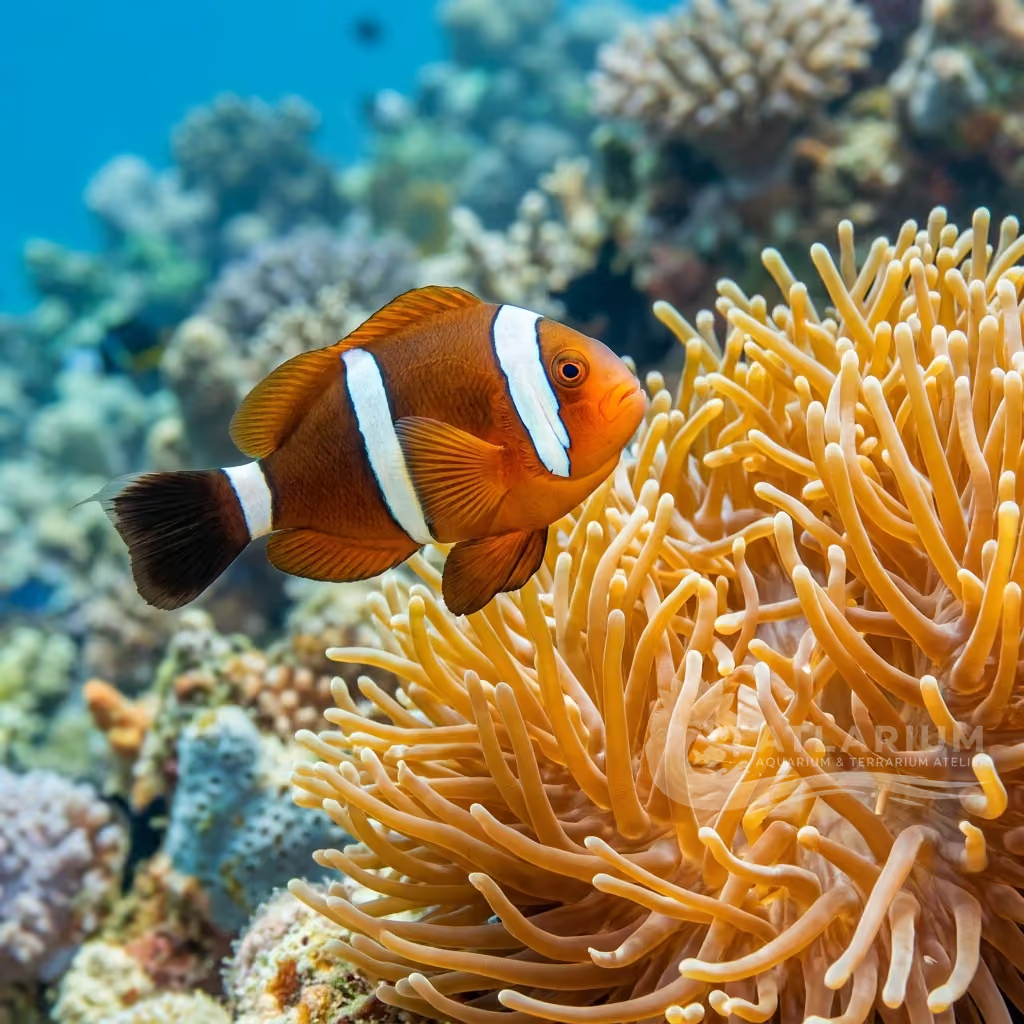
Orchid dottyback
Pseudochromis fridmani
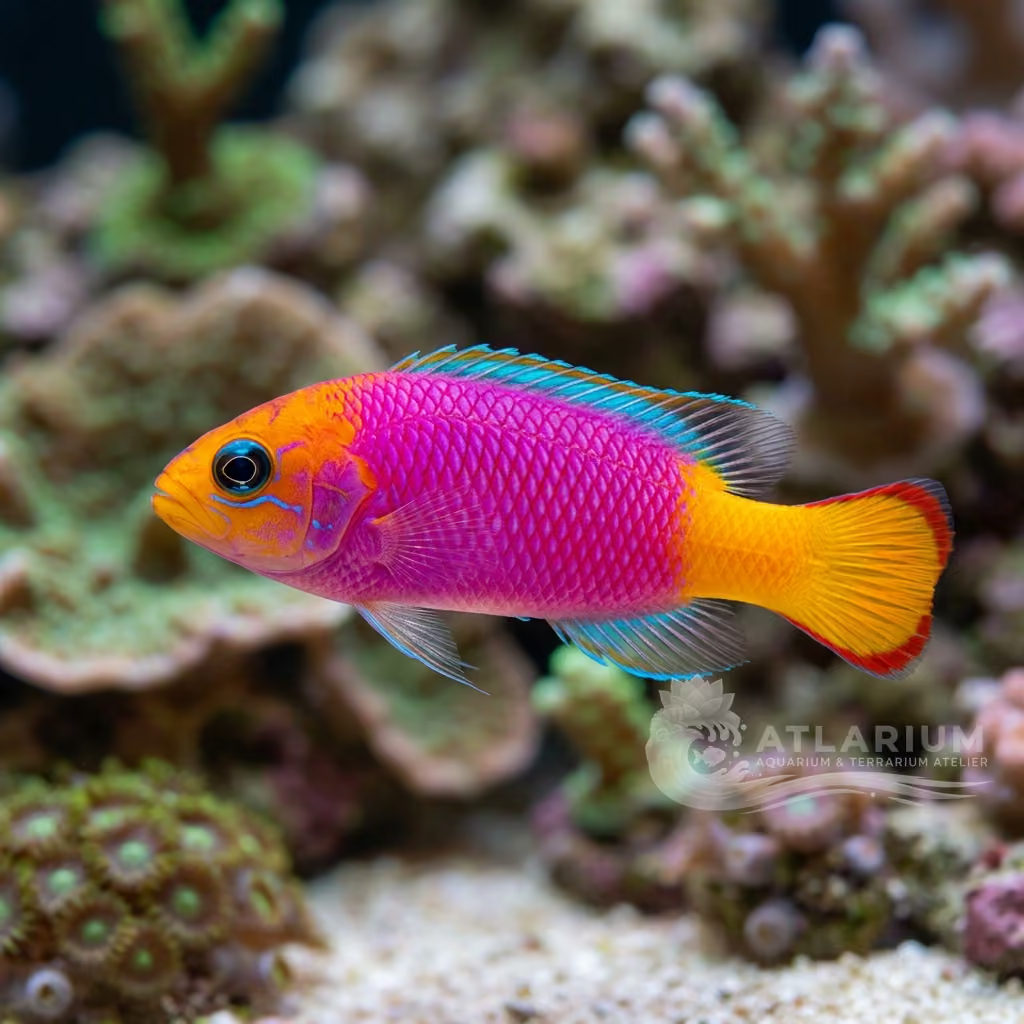
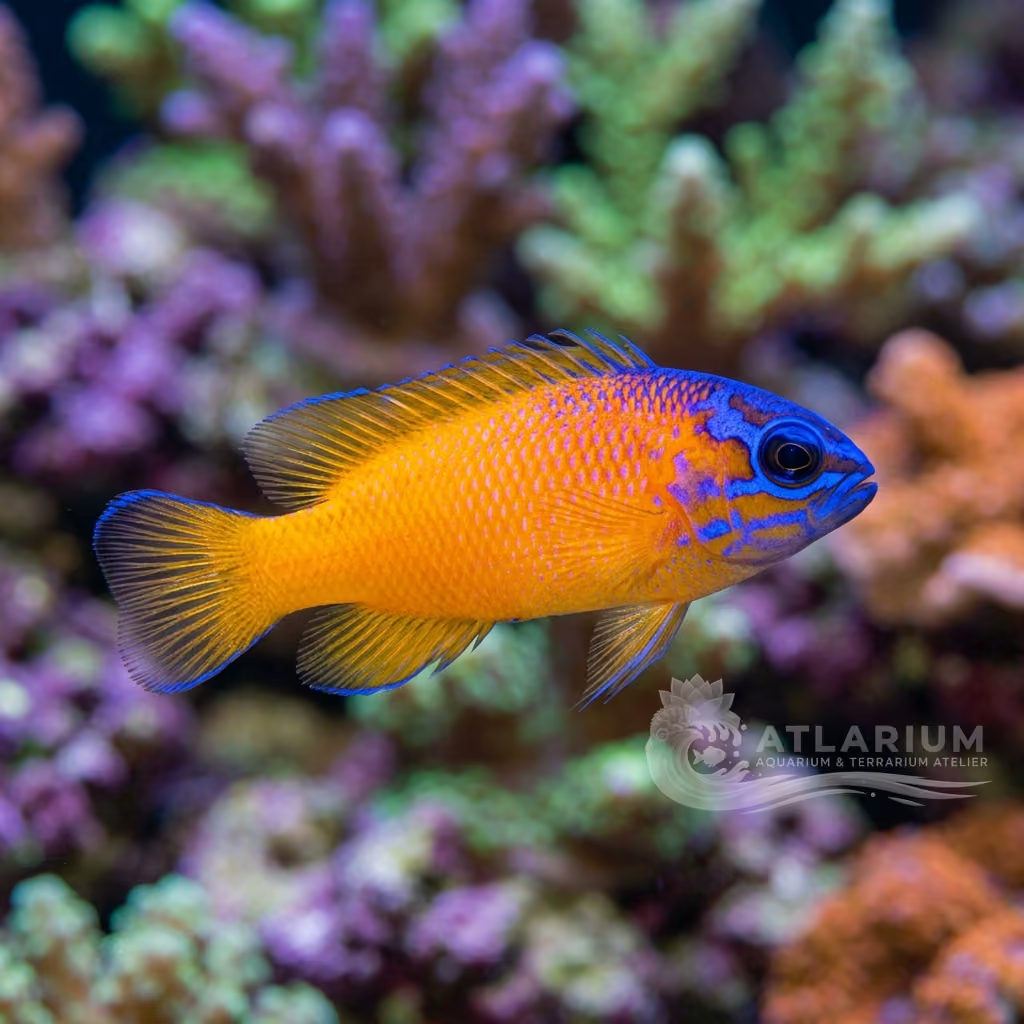
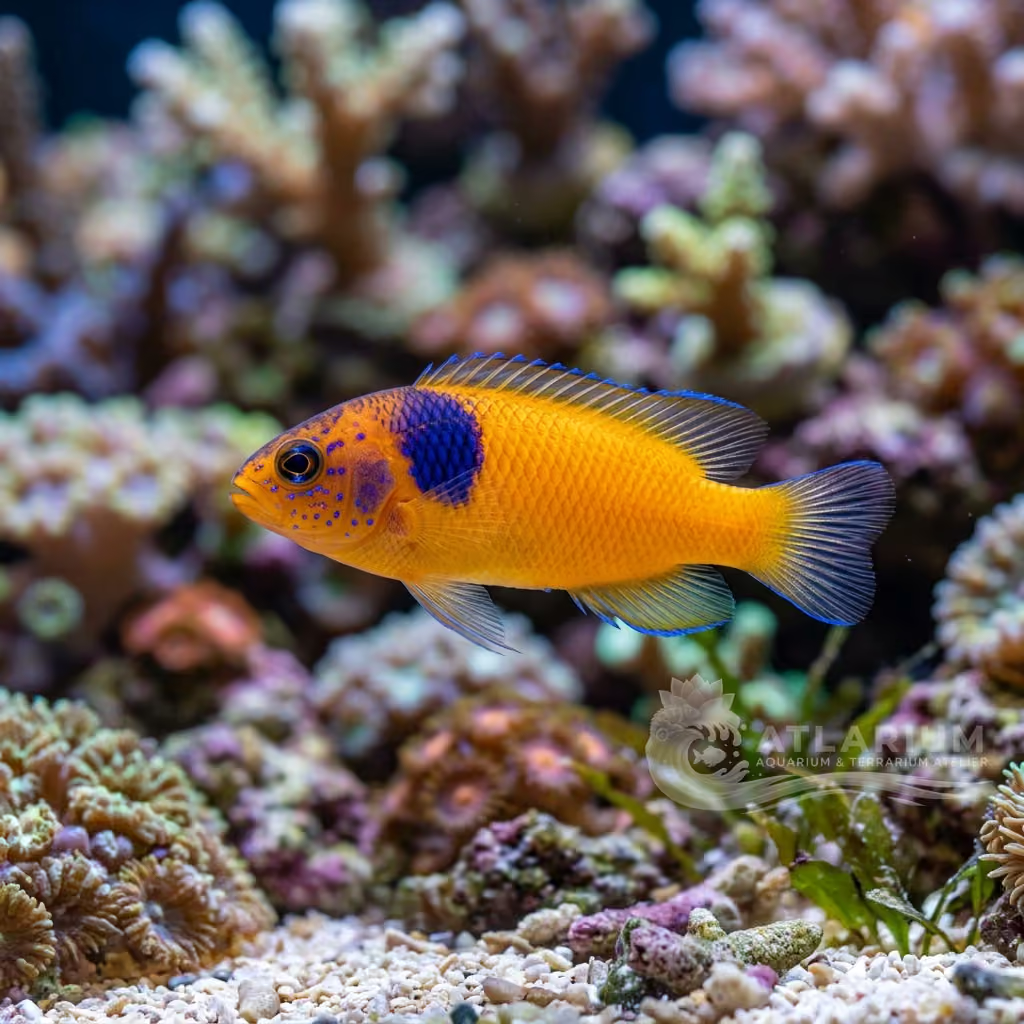
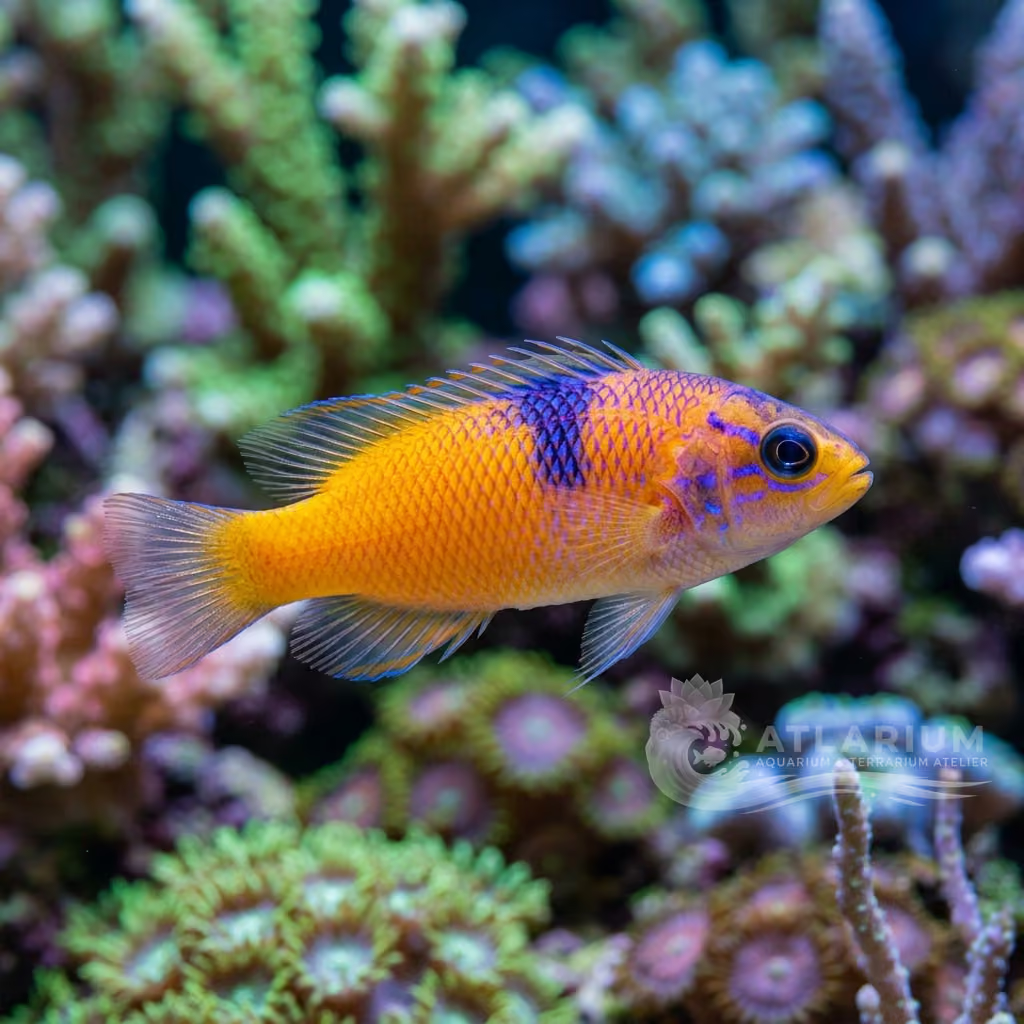
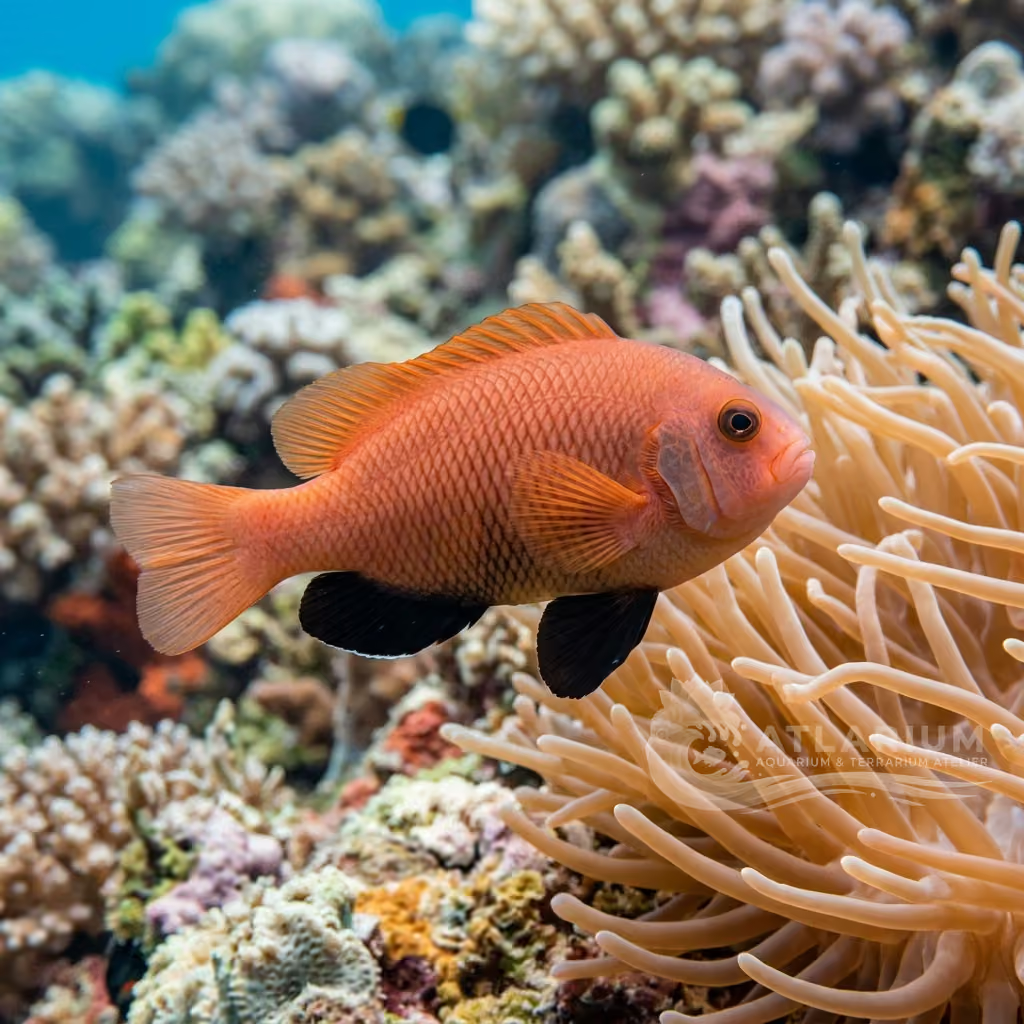
The Orchid dottyback is a stunning, cavity-dwelling marine fish endemic to the Red Sea, prized for its vivid magenta color and unique behavior.
Température de l’eau
24 - 28 °C
Valeur du pH
8.1 - 8.4
Type d'eau
Marin
Niveau dans le bac
Fond et milieu
Taille adulte
7 cm
Volume minimal du bac
>= 120 L
Groupe minimal
>= 1

Description de l'espèce
Geographical Origin and Habitat: The Orchid Dottyback (*Pseudochromis fridmani*) is an exquisitely colored, highly sought-after marine teleost that is natively endemic exclusively to the Red Sea. Their natural biotope is defined by incredibly steep, deep vertical reef walls and towering coral drop-offs. They are heavily reclusive, cavity-dwelling fish, spending the vast majority of their time darting in and out of dark caves, deep crevices, and overhangs, rarely swimming in the open pelagic water column.
Taxonomy and Morphology: Scientifically classified within the Pseudochromidae (Dottyback) family, they are incredibly sleek and streamlined. Fully mature adults generally reach 5.0 to 7.0 centimeters (2.0-2.8 inches) in total length. They possess a long, cylindrical, eel-like body perfectly adapted for navigating tight, complex rockwork. Their dorsal fin is continuous and runs along the vast majority of their back. Their eyes are large, with a distinct, dark diagonal stripe running straight through the eye socket.
Social Behavior: They are highly intelligent, notoriously bold, and highly territorial cavity-dwellers. While considered the most "peaceful" of the notoriously aggressive Dottyback family, they still possess a fierce territorial instinct. They will relentlessly defend their chosen cave from any fish that attempts to enter it. They are hyper-alert and spend their days darting rapidly between rocks, inspecting every crevice for small prey. They are incredibly agile, capable of swimming backward or upside-down under overhangs.
Coloration and Sexual Dimorphism: Sexual dimorphism is subtle: males are typically slightly larger, possess a more rounded caudal (tail) fin, and develop a slightly darker, more intense coloration during courtship. Their coloration is absolutely spectacular. The entire body, from the tip of the nose to the end of the tail, is an incredibly vivid, deeply saturated, neon magenta or deep purple. The only disruption to this blinding purple is the sharp, dark stripe cutting through the eye.

Soins, reproduction et cohabitation
Aquarium Setup: The aquarium architecture MUST accommodate their absolute need for caves. A minimum 110-liter (30-gallon) marine aquarium is required.
CRITICAL REQUIREMENT: The tank MUST be densely aquascaped with massive amounts of porous live rock. The rockwork must be stacked to create a complex labyrinth of tight caves, tunnels, and deep crevices. Without a secure, dark cave to retreat into, the Orchid Dottyback will become intensely stressed, terrified, and prone to jumping. A completely tight-fitting lid is mandatory.
Diet and Feeding: They are ravenous, hyper-active micro-predators (carnivores). In the wild, they brutally hunt down small crustaceans, copepods, and bristleworms hidden in the rockwork. In the marine aquarium, they are voracious eaters with a high metabolism. They MUST be fed a heavily meaty diet twice daily. They eagerly consume Mysis shrimp, enriched adult brine shrimp, finely chopped krill, and premium carnivore pellets. They are highly effective, natural pest-controllers for bristleworm infestations.
Water Quality: Originating from the ultra-salty, warm waters of the Red Sea, they are incredibly robust and disease-resistant. They demand stable tropical heat (25-28°C / 77-82°F). The water must be highly oxygenated with moderate to strong flow. Specific gravity (salinity) MUST be maintained precisely between 1.022 and 1.026. They require hard, highly alkaline water (pH 8.1 - 8.4). Flawless biological filtration is required to process their heavy, carnivorous diet without causing Nitrate spikes.
Compatibility and Cohabitation: Compatibility requires strategic planning. They are 100% reef-safe and completely ignore corals. However, due to their predatory nature, they WILL brutally hunt and kill small, ornamental dwarf shrimp (like Sexy Shrimp) and small feather duster worms. Fish compatibility is generally good, provided the tank has enough rockwork. They are excellent companions for larger Tangs, Angelfish, and robust Damselfish. They MUST NEVER be housed with passive, small Gobies or timid Firefish, which they will bully mercilessly.
Aquarium Breeding: Breeding the Orchid Dottyback in captivity is highly successful and forms a major part of the marine aquaculture industry. Fascinatingly, they are protogynous hermaphrodites; all individuals are born female. In a group, the most dominant female will physically change sex to become a male. The male will lure a female into a tight cave, where she deposits a sticky ball of eggs. The male fiercely guards the egg mass until they hatch. Raising the microscopic larvae requires highly specialized rotifer cultures.
Risks and Diseases: The absolute greatest physical risk is lethal desiccation; they are notorious, powerful jumpers and WILL launch themselves out of any small gap in the aquarium lid when startled. The second major risk is severe intra-tank aggression; if placed in a tank without enough caves, or housed with timid bottom-dwellers, they will become ruthless bullies, causing lethal stress to passive tankmates. Medically, captive-bred specimens are extraordinarily hardy and resistant to most common marine parasites.

Origine et répartition géographiques
The Orchid Dottyback (*Pseudochromis fridmani*) is an exquisitely colored, highly sought-after marine teleost that is natively endemic exclusively to the Red Sea. Their natural biotope is defined by incredibly steep, deep vertical reef walls and towering coral drop-offs. They are heavily reclusive, cavity-dwelling fish, spending the vast majority of their time darting in and out of dark caves, deep crevices, and overhangs, rarely swimming in the open pelagic water column.
Origine
Océans tropicaux et récifs

Profil de poisson
- Tempérament
- Semi-aggressive
- They are much less aggressive than other dottybacks, exhibiting a somewhat shy but inquisitive personality. Once they establish a safe territory, they become quite bold and will frequently dart in and out of the rocks. They will vigorously defend their chosen cave from fish of similar size and shape.
- Régime alimentaire
- Omnivore
- They are carnivorous and naturally feed on small crustaceans and zooplankton. In captivity, they eagerly accept finely chopped meaty foods like mysis shrimp, brine shrimp, and high-quality carnivore micro-pellets. They are also highly prized for their natural appetite for nuisance bristle worms.
- Espérance de vie
- 5-7 years
- Taille adulte
- 7 cm
- Ratio des sexes
- Group
- They can be kept singly or in bonded pairs. In very large aquariums with massive amounts of rockwork, small harems can sometimes be maintained. However, keeping multiple unsexed individuals in a small tank will lead to severe territorial aggression.
- Fréquence d'alimentation
- Twice daily
- They should be fed small amounts one to two times daily. They are active hunters that spend their days constantly searching the rockwork for copepods and other microfauna. A well-established tank will provide a significant portion of their natural diet.
- Charge biologique
- Medium
- The Orchid Dottyback has a very low bioload, making it an excellent choice for smaller reef tanks. They produce minimal waste that is easily processed by standard live rock and protein skimming. Regular water changes are sufficient to maintain pristine water conditions.
- Courant
- Strong
- They prefer moderate water movement, similar to the natural currents found along the Red Sea reef faces. They are comfortable navigating through varied flow patterns in a standard reef aquarium. Good flow helps keep their prey suspended and the water highly oxygenated.
- Risque de saut
- No
- Reproduction
- Oviparous
- They are demersal spawners, laying a small cluster of adhesive eggs in a secluded cave. The male fiercely guards and tends to the eggs until they hatch several days later. They are commercially bred in captivity in large numbers, making captive-bred specimens widely available.
- Compatibilité et compagnons
- Territorial
- Unlike many other dottybacks, they are relatively peaceful and make excellent reef inhabitants. They will not bother corals, but may occasionally pick at small, delicate ornamental shrimp. They coexist well with a wide variety of peaceful to semi-aggressive fish.
- Niveau dans le bac
- Middle/Bottom
- They are secretive fish that spend the vast majority of their time in the lower levels of the tank, weaving through the rockwork. They rely entirely on caves, overhangs, and tight crevices for security. They rarely swim out into open water unless food is present.

Modèles et paramètres scientifiques
FishBase
Fenêtre sur les données scientifiques officielles de l’espèce
FishBase Catalog curation 2026-05-09Données synchronisées le : 15/06/2026
- Niveau trophique
- 3,5 ± 0,5 se
- Singularité phylogénétique (PD50)
- 0.5
- Relation bayésienne longueur-poids
- a = 0.00501, b = 3.1
- VulnérabilitéVulnérabilité faible (10 / 100)

Galerie d'images
Images sous licence liées à l'espèce ou, lorsqu'elles sont indiquées, au taxon représentatif le plus proche.

Espèces associées
Recommandations regroupées par proches parents, compagnons et soins similaires.