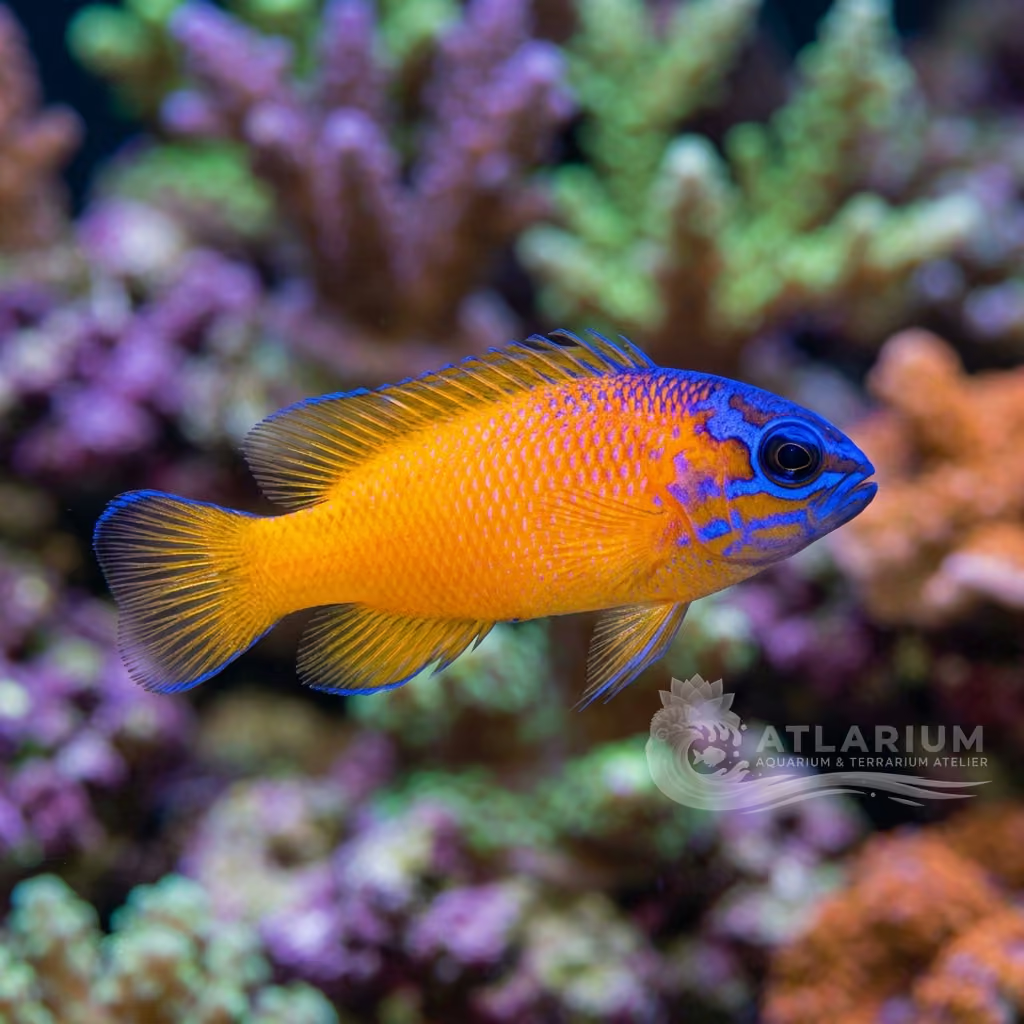
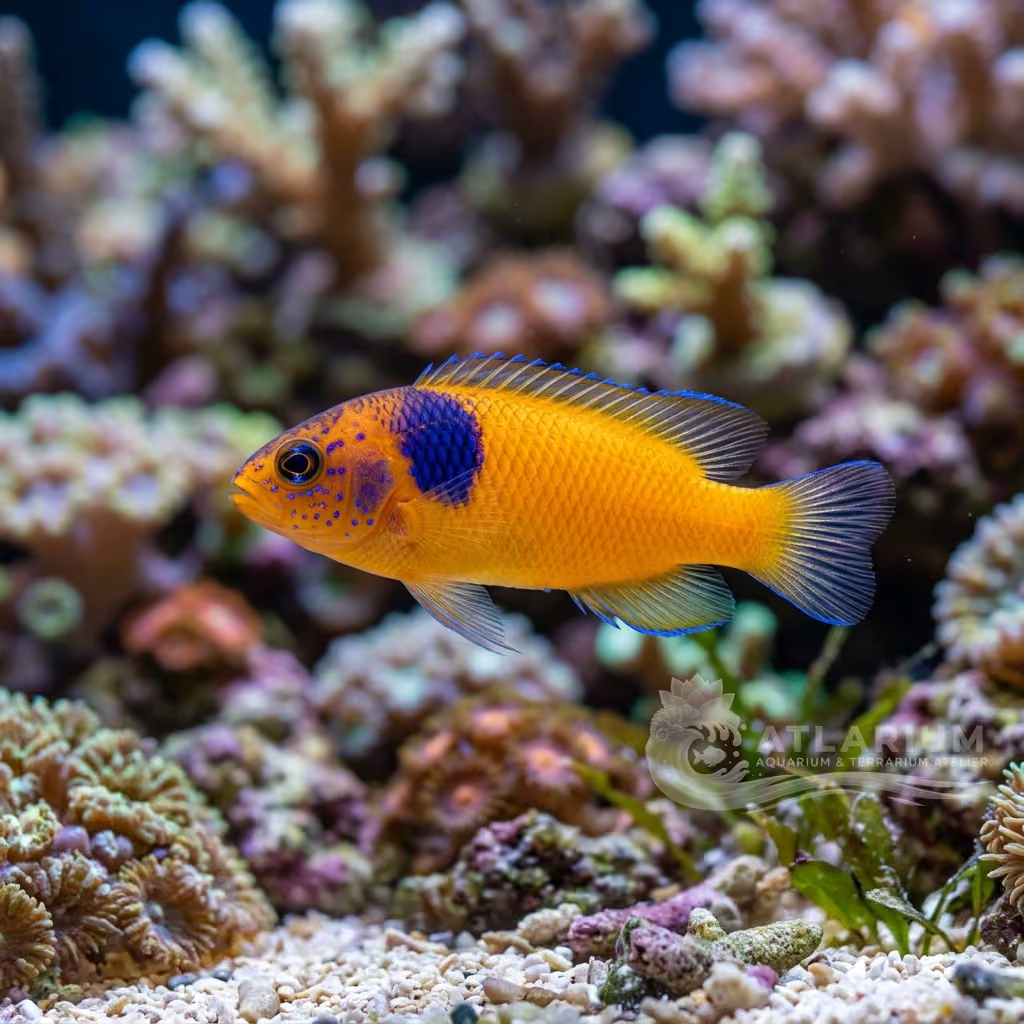
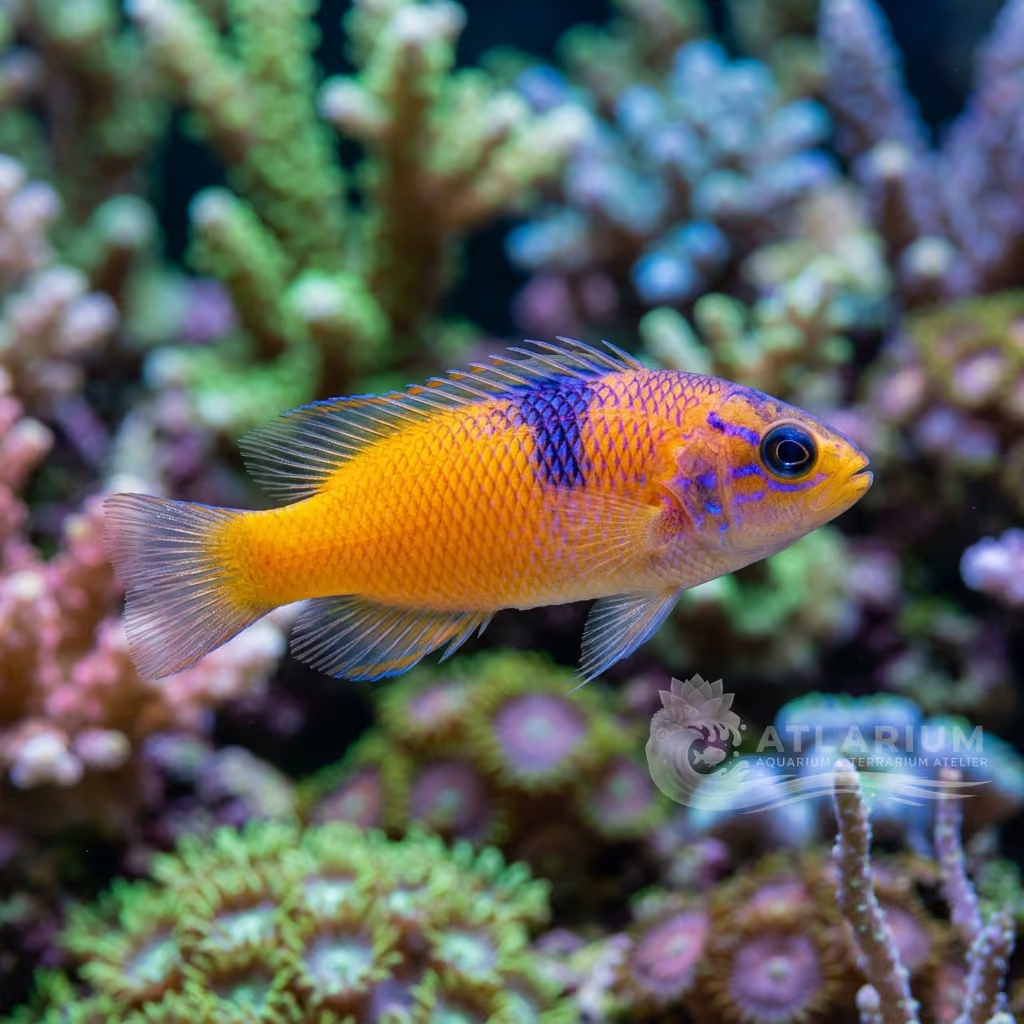
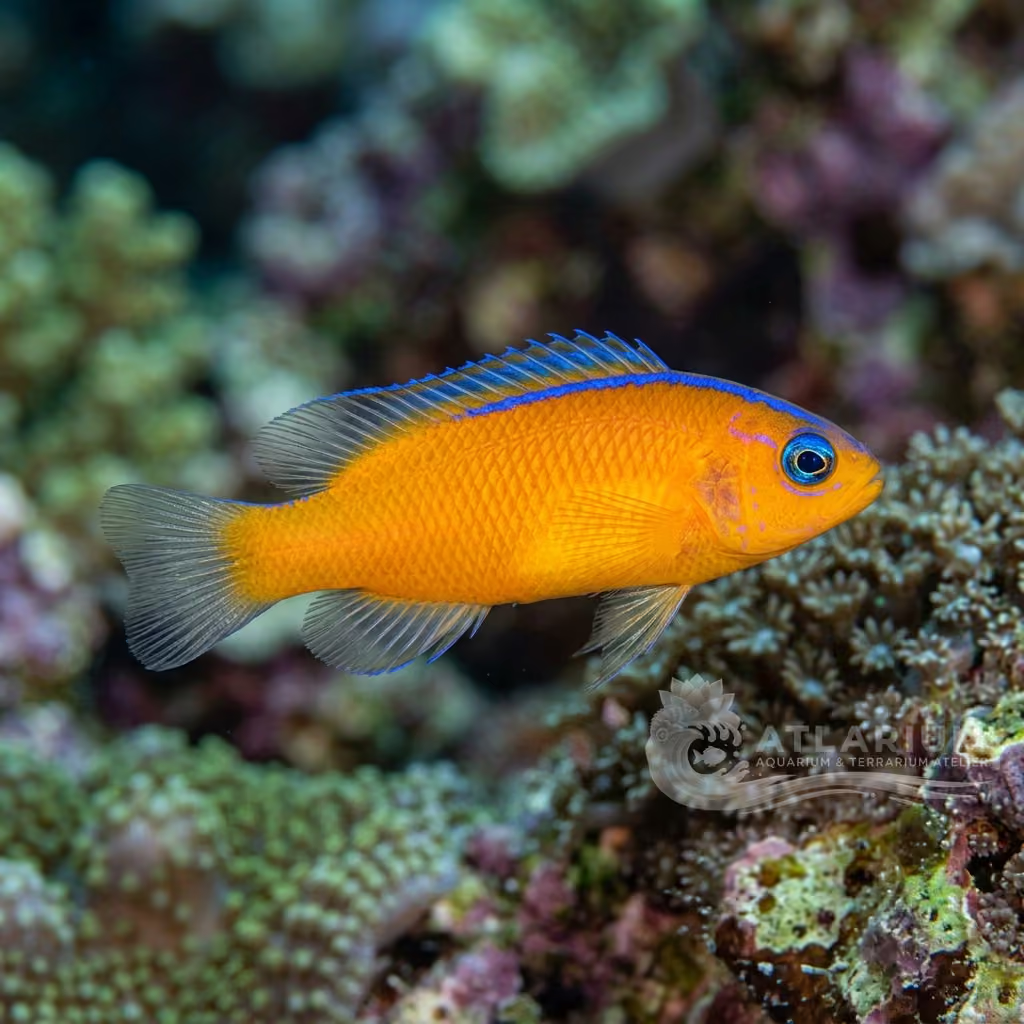
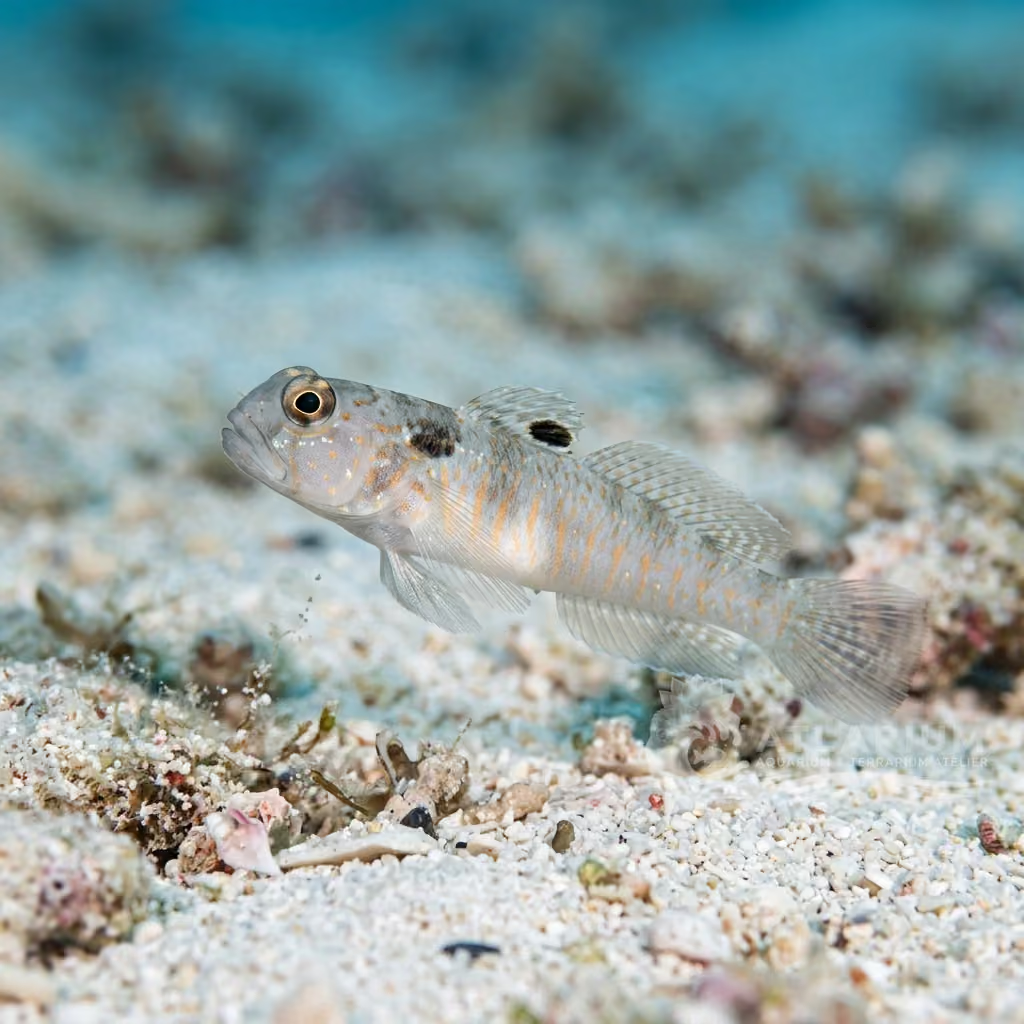
Dilectus dottyback
Pseudochromis dilectus
This territorial and vivid marine dottyback from the Indo-Pacific is an ideal candidate for dynamic reef setups featuring ample hiding places and robust fish tankmates.
Température de l’eau
23 - 27 °C
Valeur du pH
8.1 - 8.4
Type d'eau
Marin
Niveau dans le bac
Fond
Taille adulte
7,5 cm
Volume minimal du bac
>= 100 L
Groupe minimal
>= 1

Description de l'espèce
Geographical Origin and Habitat:
Pseudochromis dilectus is native to the tropical regions of the northern Indian Ocean and Indo-Pacific, with populations concentrated near shallow coral reefs, rocky shorelines, and protected lagoons. This species inhabits rocky crevices and cracks at depths ranging from 2 to 20 meters, where water flow is moderate and access to micro-crustaceans and shelter is abundant.
Taxonomy and Morphology:
Classified within the family Pseudochromidae (commonly known as dottybacks), Pseudochromis dilectus exhibits the characteristic elongated, slightly compressed body shape of its family. It features a continuous dorsal fin and large eyes that indicate its nature as a visual predator. Adults reach a maximum length of 8 to 10 centimeters.
Social Behavior:
This fish is renowned for its territorial temperament and bold nature. It aggressively defends its chosen rocky territory from intruders, especially fish of similar shape and habits, such as other dottybacks or small gobies. It is a solitary species that only tolerates the presence of the opposite sex during the spawning season.
Coloration and Sexual Dimorphism:
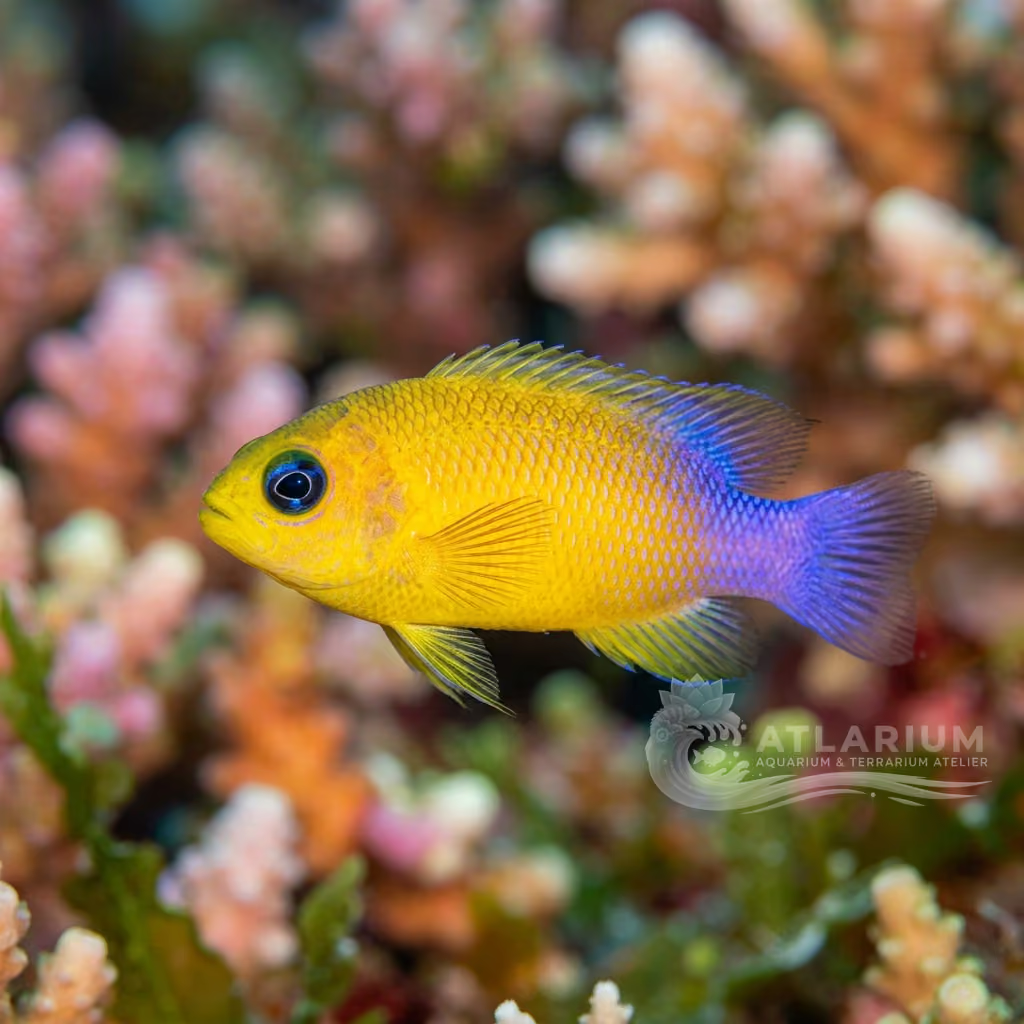
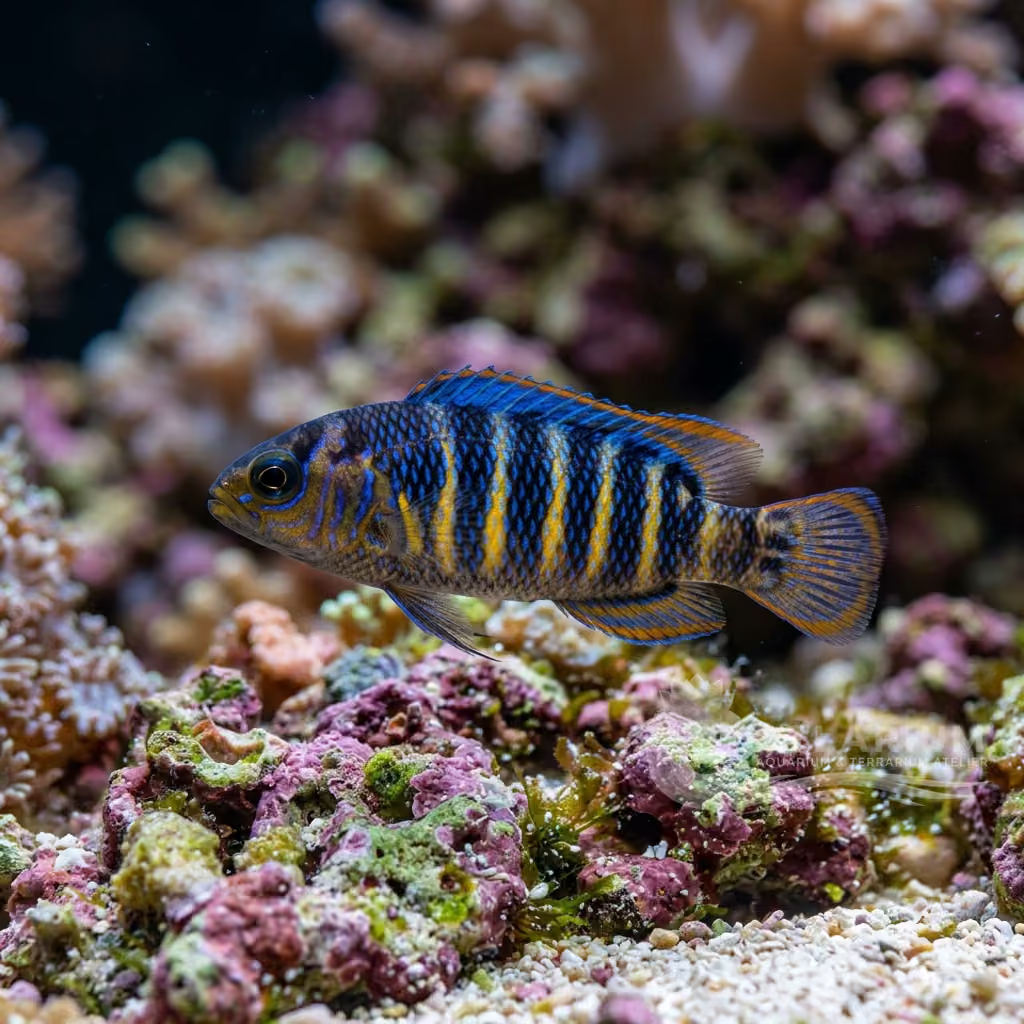
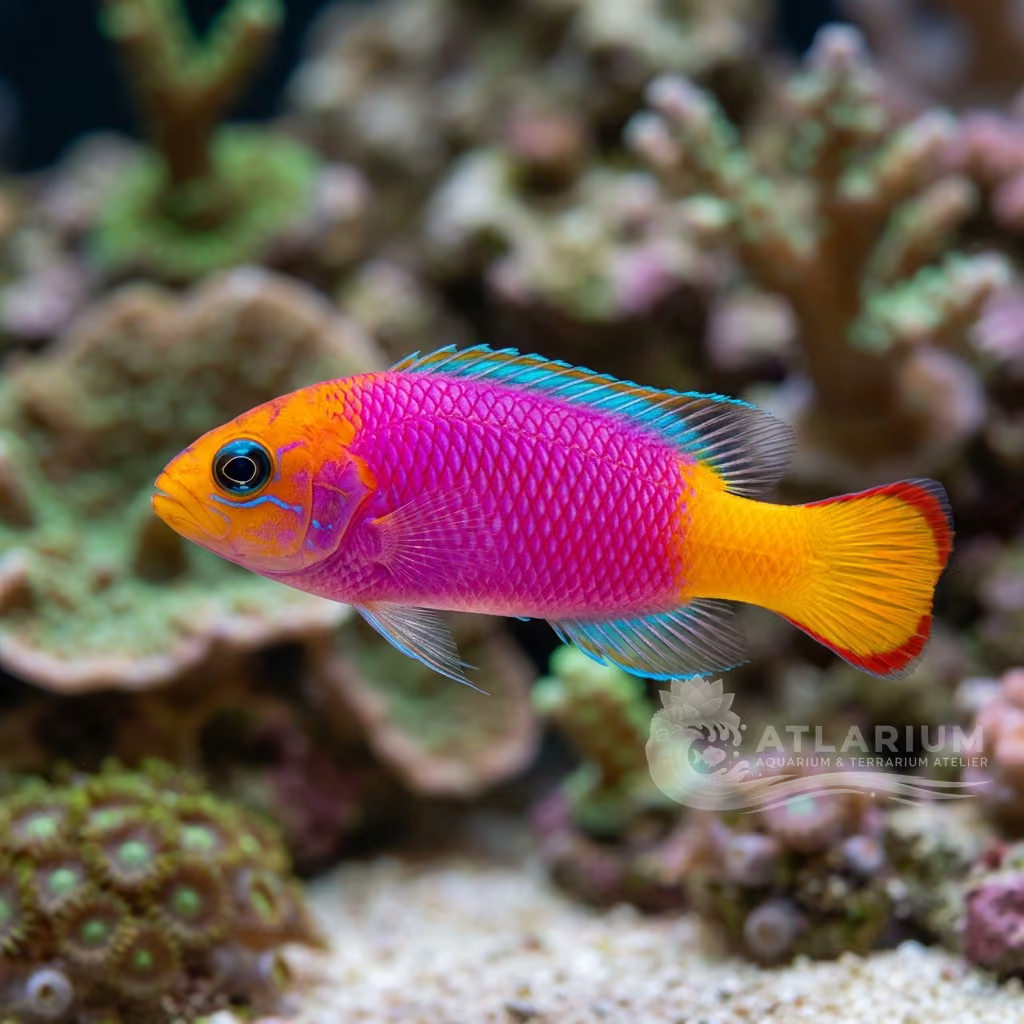
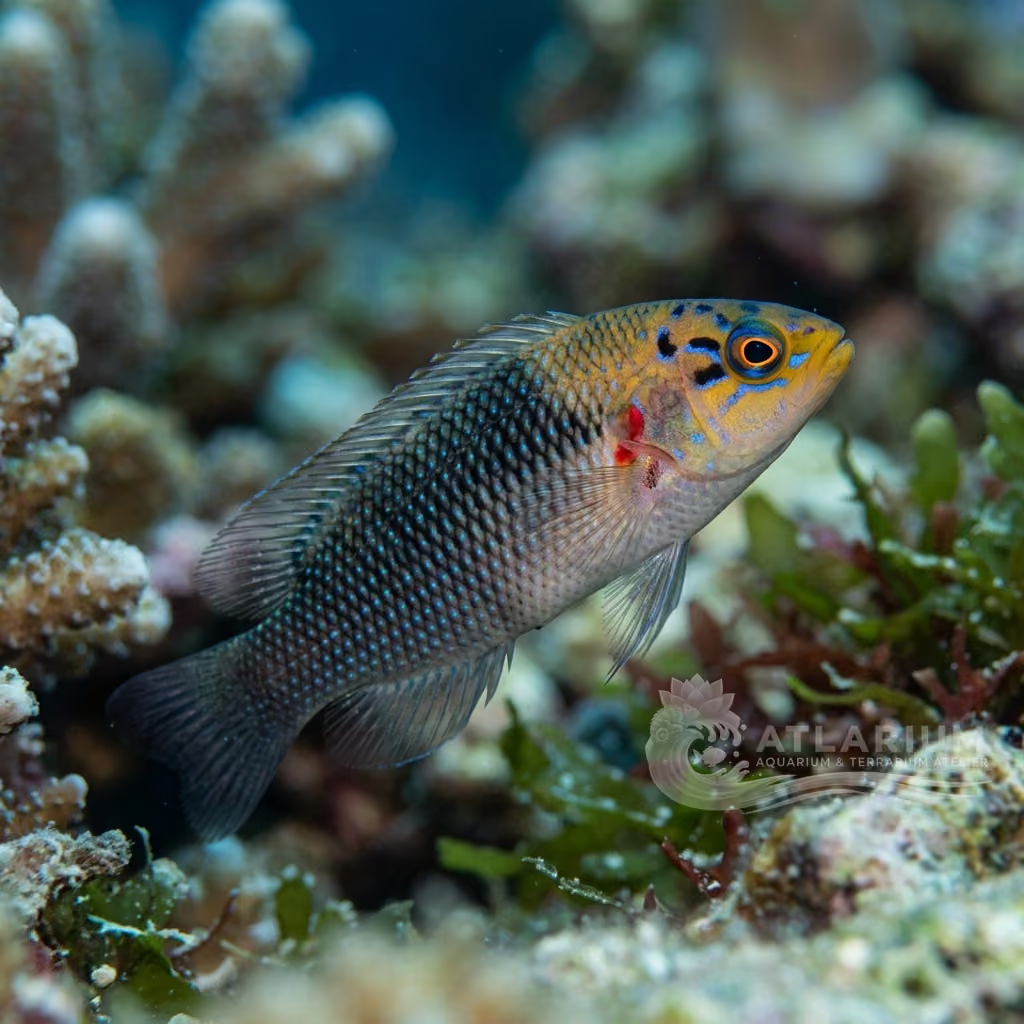
The coloration consists of brown, red, or orange body hues, accented by iridescent blue or purple markings around the head and on the fins. The caudal and dorsal fins often feature a bright red or orange margin. Sexual dimorphism is minimal; males may grow slightly larger and display more vivid colors during courtship rituals.

Soins, reproduction et cohabitation
Aquarium Setup:
Requires a marine aquarium of at least 100 liters (approx. 26 gallons) with a complex live rock aquascape that provides numerous caves, overhangs, and swim-throughs. These hiding spots are vital to make the fish feel secure and reduce territorial aggression. A secure aquarium lid is mandatory, as this species is a notorious jumper when startled.
Diet and Feeding:
It is a carnivore that feeds on small crustaceans and worms in the wild. In captivity, it readily accepts high-quality frozen foods such as mysis shrimp, brine shrimp, chopped krill, and fish eggs. Over time, it will adapt to high-protein dry pellets or flakes. Feed small portions twice daily to maintain health and reduce food competition.
Water Quality:
Demands stable water conditions typical of a tropical marine system. Temperature should be maintained between 24°C and 28°C (75°F to 82°F), with pH between 8.1 and 8.4. Salinity should be kept stable with a specific gravity of 1.021 to 1.025. Nitrite and ammonia must be zero, and nitrates kept below 20 ppm through regular water changes.
Compatibility and Cohabitation:
Due to its territorial aggression, tankmates must be selected carefully. Avoid small ornamental shrimp, which may be consumed, and small, docile gobies. Suitable tankmates include larger, active fish such as surgeonfish, larger damselfish, medium-sized wrasses, and dwarf angelfish that can hold their own against the dottyback.
Aquarium Breeding:
Captive breeding is documented but difficult. They are cave spawners; the pair deposits a spherical egg mass inside a rock crevice. The male guards and fans the eggs until they hatch, which usually occurs in a few days. Raising the larvae requires rotifers and other microscopic live foods in a dedicated larval tank.
Risks and Diseases:
Pseudochromis dilectus is a resilient fish that is relatively resistant to common marine diseases. However, it can contract parasites like Cryptocaryon irritans (marine ich) or Oodinium under high stress or temperature fluctuations. Quarantine procedures for new specimens and enriching foods with vitamins and garlic will bolster their immune system.

Origine et répartition géographiques
Pseudochromis dilectus is native to the tropical regions of the northern Indian Ocean and Indo-Pacific, with populations concentrated near shallow coral reefs, rocky shorelines, and protected lagoons. This species inhabits rocky crevices and cracks at depths ranging from 2 to 20 meters, where water flow is moderate and access to micro-crustaceans and shelter is abundant.
Origine
Océans tropicaux et récifsAsie du Sud et du Sud-Est

Profil de poisson
- Tempérament
- Aggressive
- They have a fiery, territorial temperament and act much larger than their actual size. They are bold and inquisitive, constantly investigating their environment and challenging intruders. While their aggression must be managed with proper tank mates, their lively personality makes them an engaging addition to the tank.
- Régime alimentaire
- Carnivore
- As carnivores, their diet requires a high protein content derived from marine sources. Frozen mysis shrimp, enriched brine shrimp, and finely chopped clam or squid should form the bulk of their meals. They will also readily accept high-quality carnivore pellets, though these should only be a supplement.
- Espérance de vie
- 5-7 years
- Taille adulte
- 7.5 cm
- Ratio des sexes
- Solitary
- They are extremely aggressive towards their own species and should absolutely be kept singly. Keeping multiple individuals will almost certainly result in the death of the weaker fish. Trying to pair them is risky and should only be attempted if purchasing a confirmed, established pair.
- Fréquence d'alimentation
- Twice daily
- They should be fed small portions two to three times a day. Their active swimming and aggressive territorial defense burn a lot of energy, necessitating frequent caloric intake. Watch them feed to ensure they are getting enough food without overfeeding the entire tank.
- Charge biologique
- Low
- This fish generates a moderate bioload comparable to other small, active predators. Regular feedings of meaty foods mean that efficient mechanical and biological filtration is necessary to prevent nutrient spikes. Consistent water parameters achieved through regular water changes will ensure their long-term health.
- Courant
- Moderate
- They enjoy a moderate to strong water flow that simulates the energetic reef crests. Good circulation helps keep the tank clean and provides the turbulent environment they naturally prefer. They will use the live rock to find shelter when they want a break from the strong currents.
- Risque de saut
- Yes
- Like most dottybacks, they have a very high propensity for jumping out of open aquariums. A secure, tight-fitting lid or mesh screen is non-negotiable for this species. Escapes often happen during disputes with tank mates or if the fish is startled by sudden movements outside the tank.
- Reproduction
- Oviparous
- Breeding this species in the home aquarium is challenging but has been accomplished. They are cave spawners, and the male takes on the responsibility of guarding the eggs until they hatch. The primary difficulty lies in rearing the microscopic fry, which require specific rotifers and phytoplankton to survive.
- Compatibilité et compagnons
- Territorial
- They are semi-aggressive and fiercely territorial around their chosen rocky crevices. They should be housed with fish that are large enough or robust enough to ignore their posturing and occasional nips. Small, peaceful fish, especially those that inhabit the lower levels, are likely to be harassed constantly.
- Niveau dans le bac
- Bottom
- They spend the vast majority of their time in the lower half of the aquarium, weaving through the rockwork. They rely on caves and overhangs for security and will fiercely defend these areas. You will rarely see them swimming in the open water near the surface.

Modèles et paramètres scientifiques
FishBase
Fenêtre sur les données scientifiques officielles de l’espèce
FishBase v25.04Données synchronisées le : 15/06/2026
- Niveau trophique
- 3,2 ± 0,5 se
- Résilience
- Élevée (moins de 15 mois)
- Singularité phylogénétique (PD50)
- 0.5
- Relation bayésienne longueur-poids
- a = 0.00501, b = 3.1
- VulnérabilitéVulnérabilité faible (10 / 100)

Espèces associées
Recommandations regroupées par proches parents, compagnons et soins similaires.