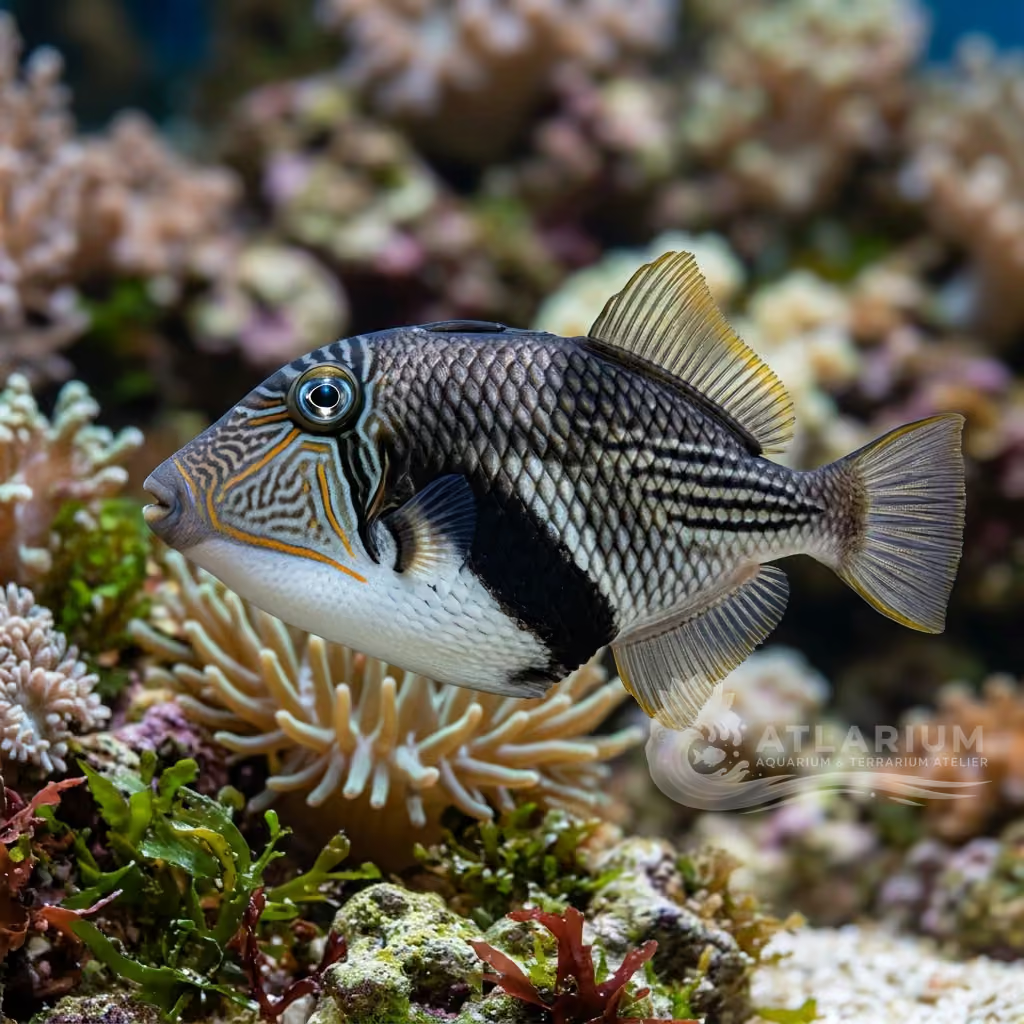
Oblique-lined Dottyback
Cypho purpurascens
The oblique-lined dottyback is a brilliant red-orange predator that patrols reef rubble. Exceptional at pest control, it is notoriously aggressive and demands extensive hiding spaces to reduce stress.
Température de l’eau
22 - 28 °C
Valeur du pH
8.1 - 8.4
Type d'eau
Marin
Niveau dans le bac
Fond et milieu
Taille adulte
7,5 cm
Volume minimal du bac
>= 120 L
Groupe minimal
>= 1
KH
8 - 12 dKH

Description de l'espèce
Geographical Origin and Habitat:
Cypho purpurascens is native to the Western Pacific Ocean, ranging from the Ryukyu Islands in Japan to Rowley Shoals and the Great Barrier Reef in Australia. It inhabits shallow lagoons, inner reefs, and rubble zones at depths of 2 to 20 meters.
Taxonomy and Morphology:
Member of the family Pseudochromidae. It features a slightly stocky, elongated body with a rounded dorsal fin. Reaches a maximum length of 7.5 cm. It possesses sharp eyesight and a strong mouth with small, sharp teeth adapted for capturing prey.
Social Behavior:
Highly territorial and aggressive. It defends its chosen rocky cave and surrounding territory with extreme determination. It will attack similarly shaped or colored fish, and is often aggressive toward newly introduced tankmates.
Coloration and Sexual Dimorphism:
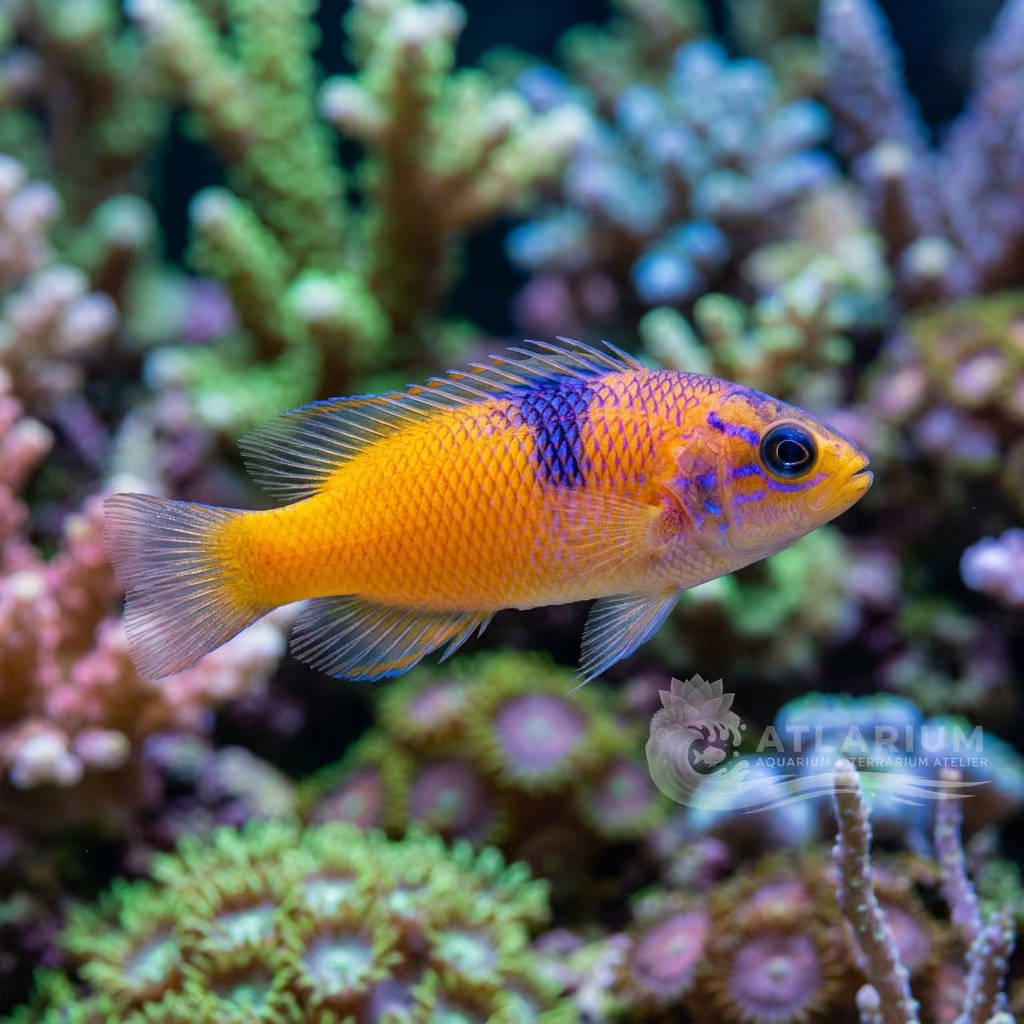
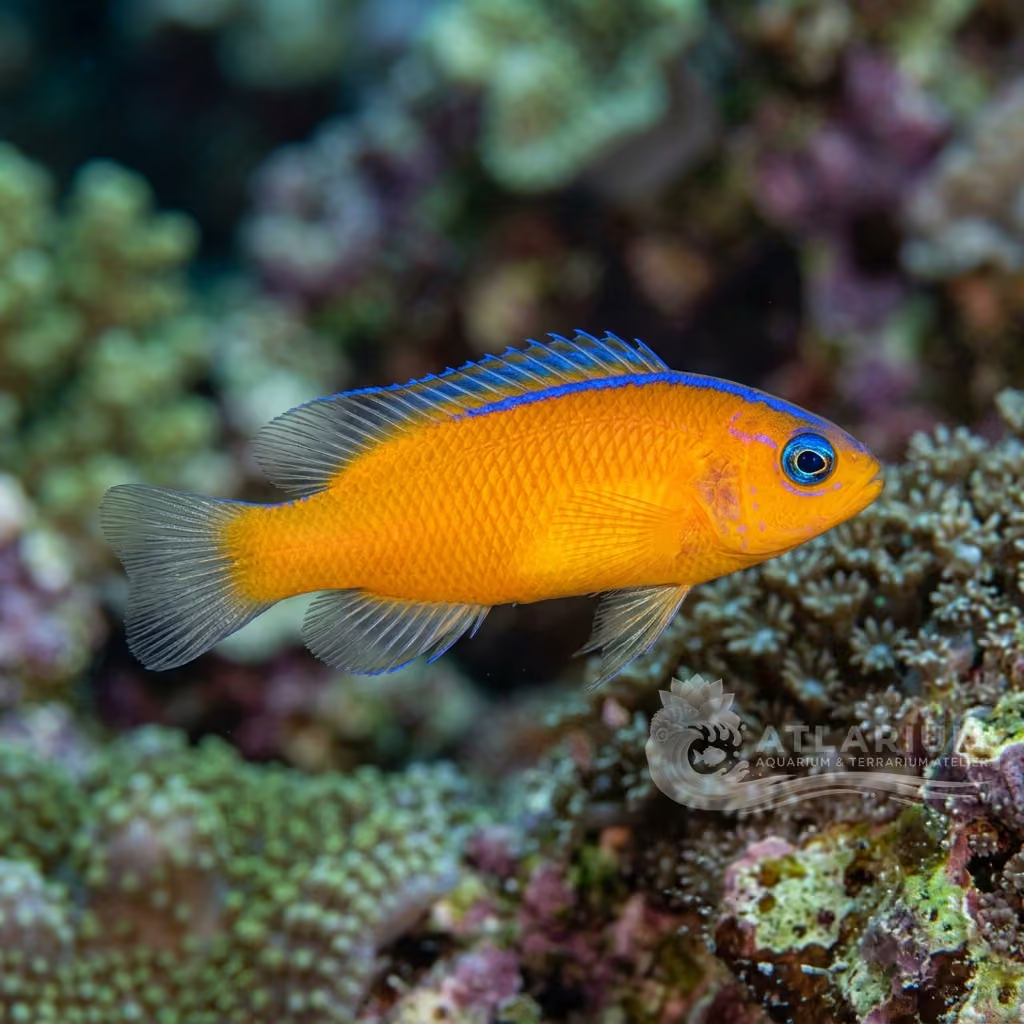
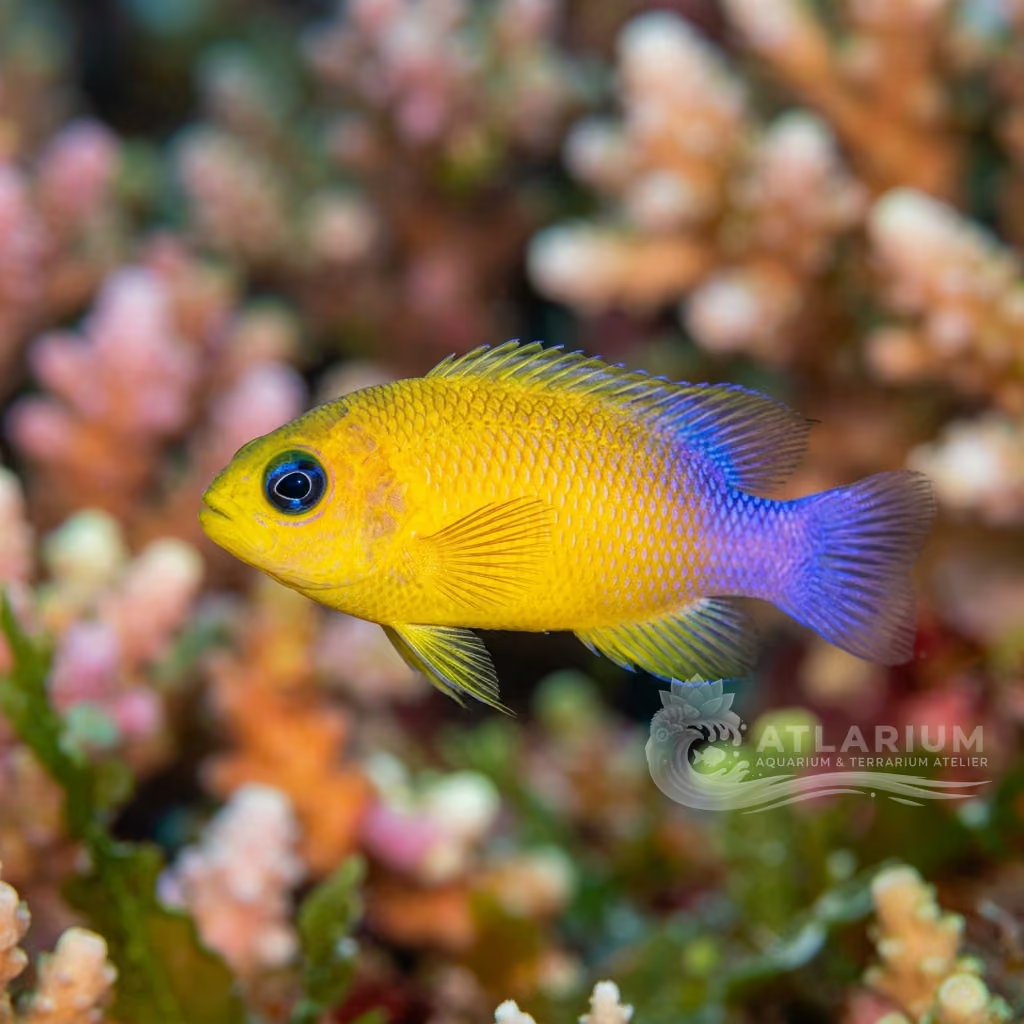
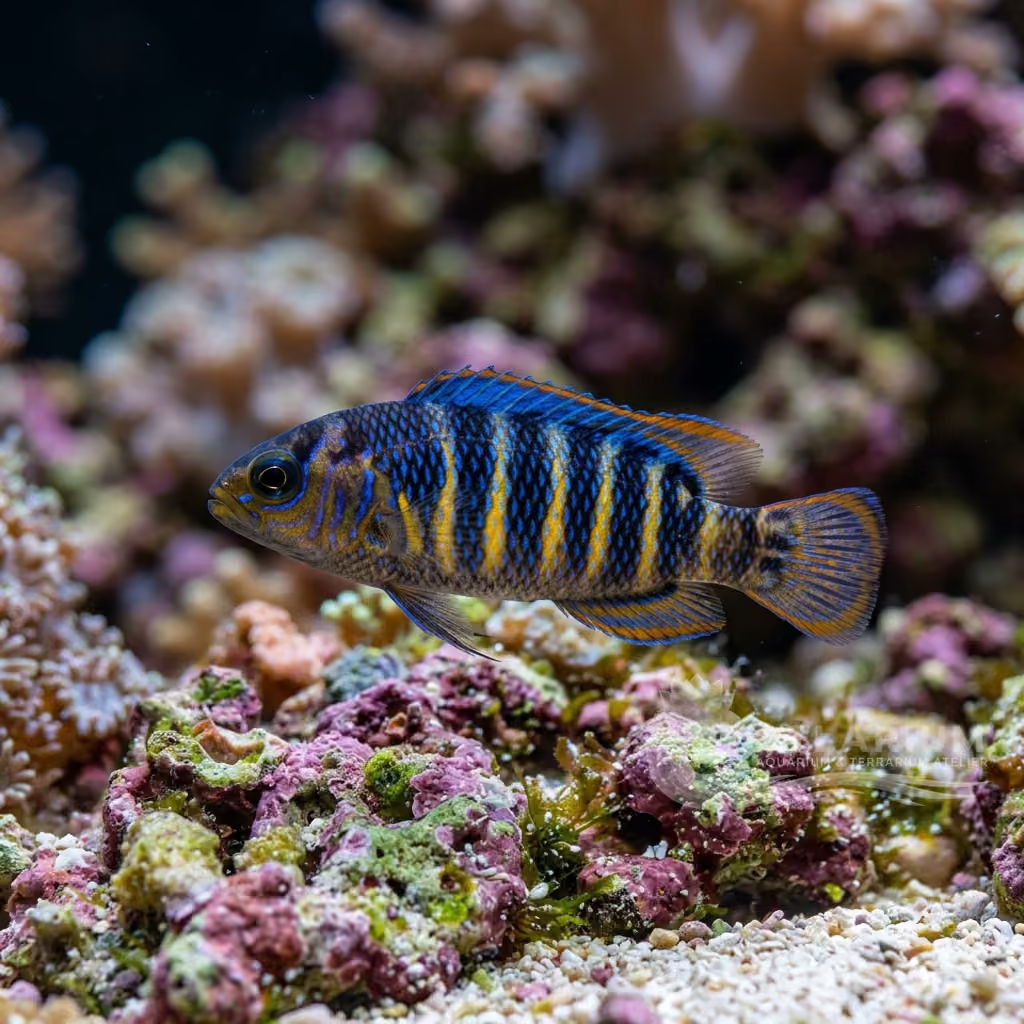
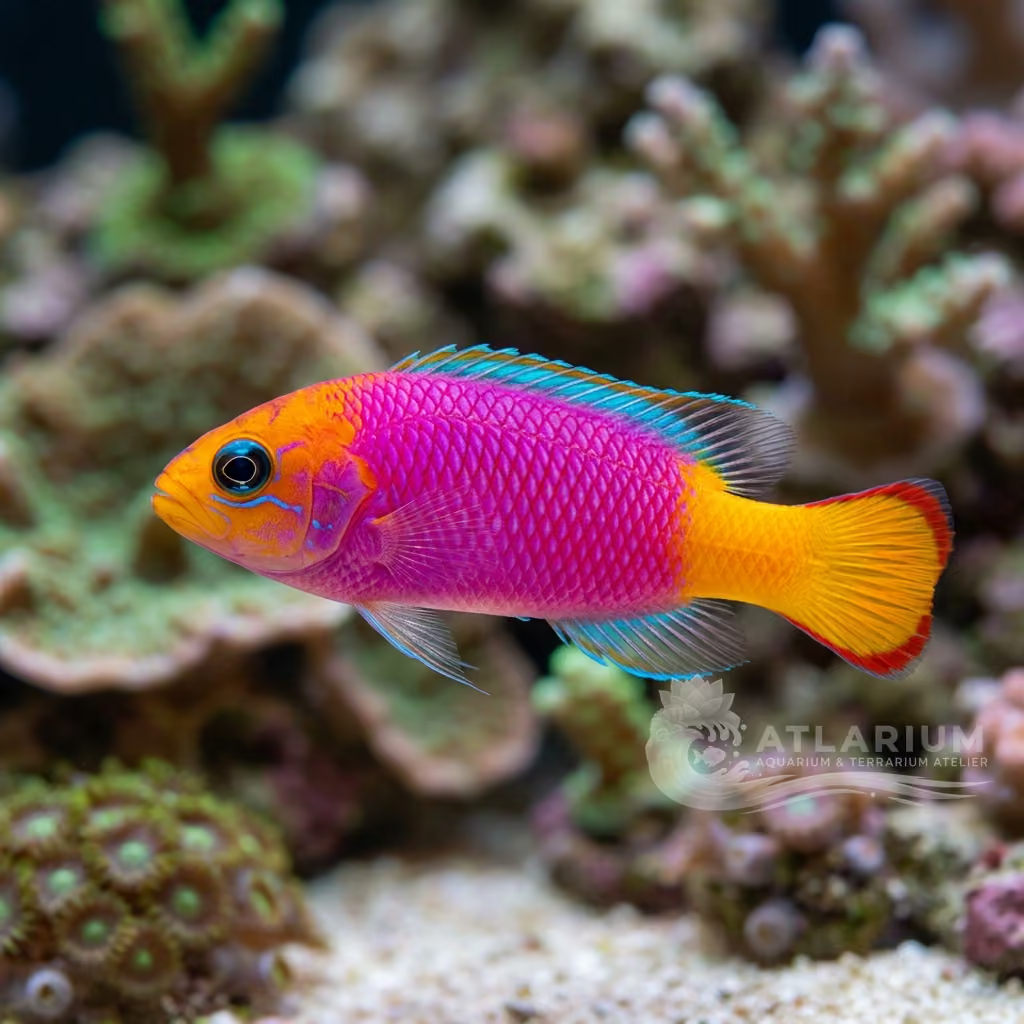
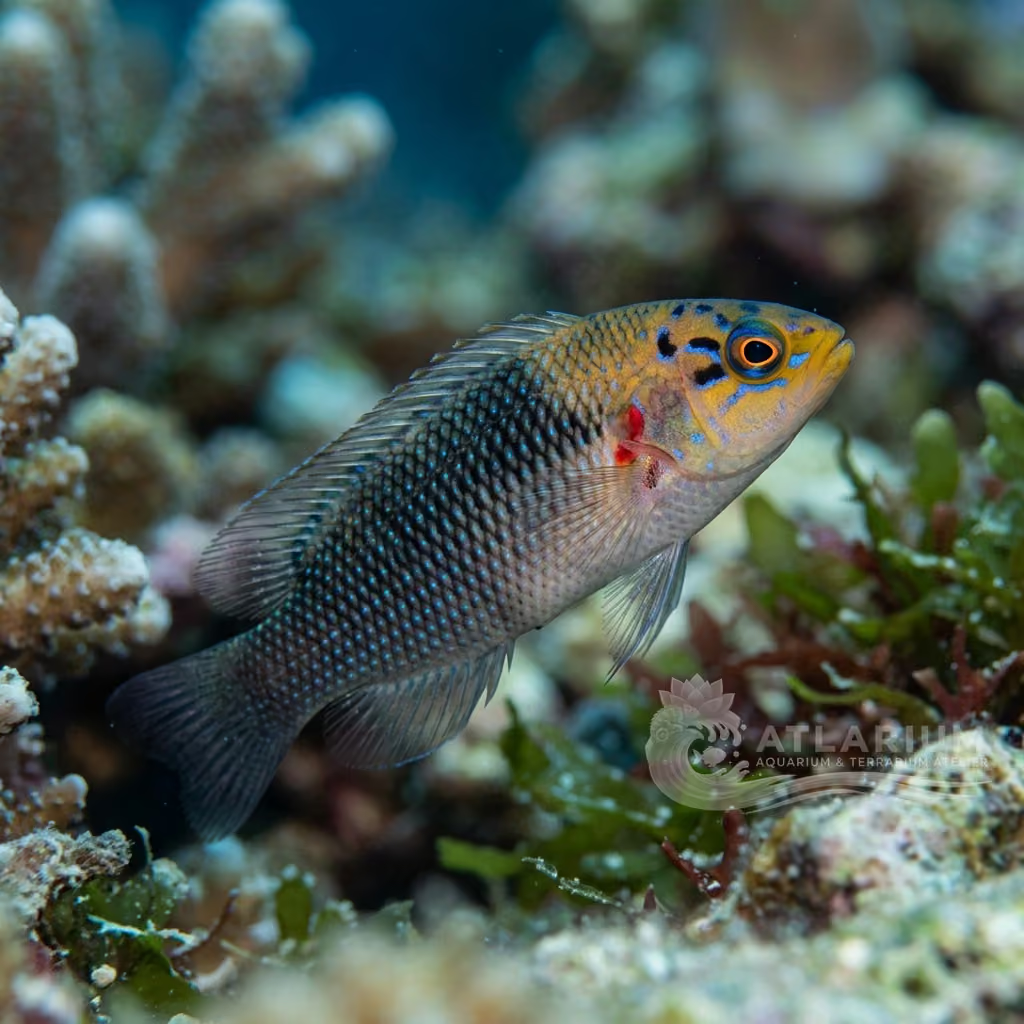
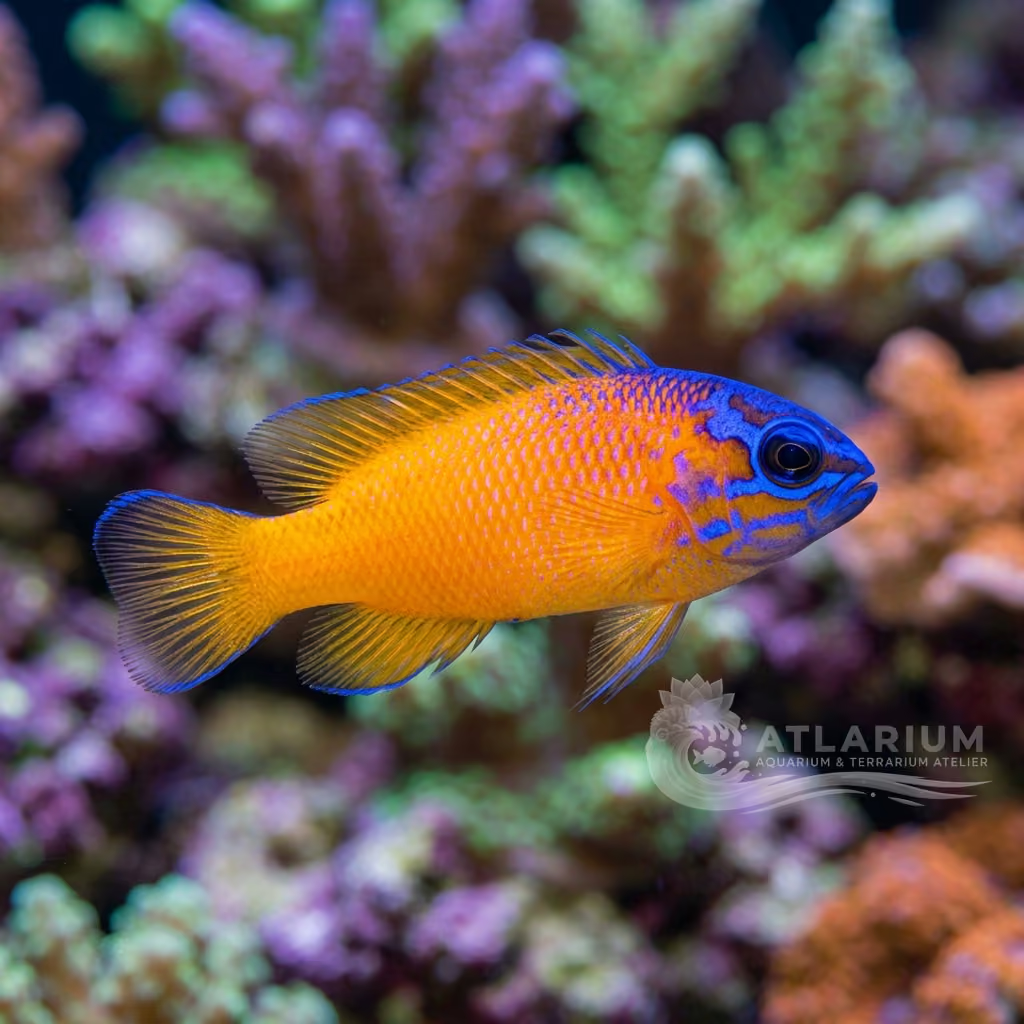
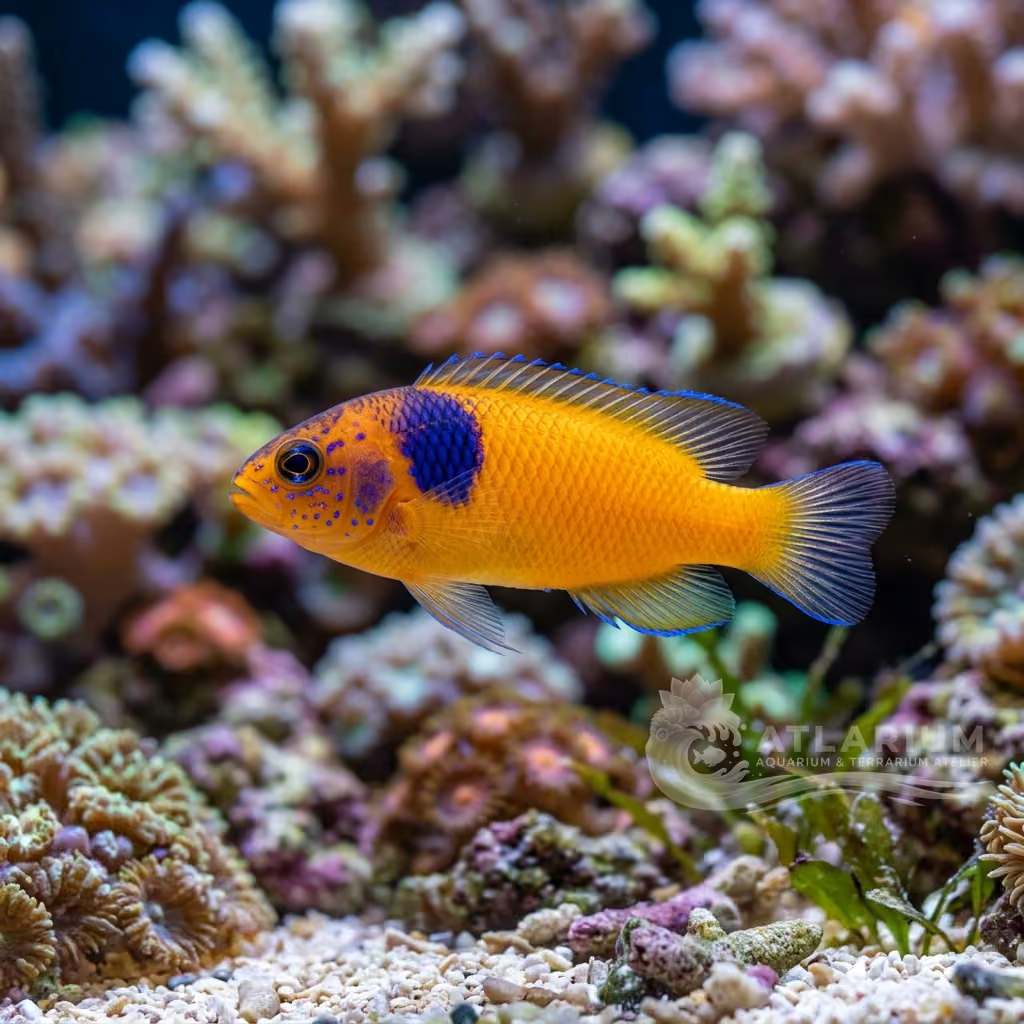
This species exhibits strong sexual dimorphism. Males are bright fire-red or reddish-orange, with fine, dark, oblique lines along the body and blue-edged fins. Females are much duller, with a brownish-gray body and translucent fins.

Soins, reproduction et cohabitation
Aquarium Setup:
Requires a tank of at least 120 liters with extensive live rock arranged to create numerous caves, tunnels, and crevices. This complex rockwork allows the fish to establish a territory, reducing its aggression. A tight lid is mandatory due to its jumping ability.
Diet and Feeding:
Carnivore. It is an active hunter of microfauna in the tank. Feed high-quality frozen foods like brine shrimp, mysis, copepods, and finely chopped krill. Eagerly accepts dry pellets and flakes. Feed twice daily.
Water Quality:
Maintain stable marine conditions: temperature at 22-28°C, pH at 8.1-8.4, and salinity at SG 1.020-1.025. Efficient filtration and protein skimming are required to keep dissolved waste low, promoting the bright coloration of the male.
Compatibility and Cohabitation:
Reef safe with corals but not safe with small ornamental invertebrates. It will eat small shrimp and crabs. Do not house with other dottybacks or small, peaceful fish like gobies. Best kept with robust, active tankmates like tangs and damselfish.
Aquarium Breeding:
Breeding has been achieved. They are egg-layers; after courtship, the female deposits a ball of eggs in a cave. The male fertilizes and aggressively guards them, fanning the clutch until they hatch. Larvae require microscopic live food.
Risks and Diseases:
A very hardy species that acclimates easily. It can contract marine parasites like ich if water parameters fluctuate drastically. The primary risks are jumping from uncovered aquariums and injuries sustained during territorial conflicts.

Origine et répartition géographiques
Cypho purpurascens is native to the Western Pacific Ocean, ranging from the Ryukyu Islands in Japan to Rowley Shoals and the Great Barrier Reef in Australia. It inhabits shallow lagoons, inner reefs, and rubble zones at depths of 2 to 20 meters.
Origine
Océans tropicaux et récifsAsie de l'EstAustralie, Nouvelle-Guinée et Océanie

Profil de poisson
- Tempérament
- Aggressive
- This fish possesses a highly territorial and combative temperament, aggressively defending its chosen cave. It will relentlessly harass any fish that dares to enter its established boundaries, regardless of the intruder's size. Tank mates must be carefully selected to withstand its surprisingly fierce personality.
- Régime alimentaire
- Carnivore
- The diet is strictly carnivorous, consisting primarily of meaty foods like mysis shrimp, brine shrimp, and chopped seafood. A varied diet enriched with vitamins is necessary to maintain its vibrant colors. Feeding a mix of frozen and high-quality pellet foods ensures optimal health.
- Espérance de vie
- 5-6 years
- Taille adulte
- 7.5 cm
- Ratio des sexes
- Solitary
- Males are distinctly more colorful and robust than the females. They are incredibly intolerant of other males and will fight to the death if housed together. It is best to keep them strictly individually or as a confirmed, bonded male-female pair.
- Fréquence d'alimentation
- Twice daily
- Feeding one to two times per day is ideal for maintaining the health of this fish. Care must be taken not to overfeed, as uneaten food will quickly degrade the water quality. Small portions consumed completely within a few minutes are best.
- Charge biologique
- Low
- This fish has a low to moderate bioload, meaning it does not heavily pollute the tank. Adequate mechanical and biological filtration will easily handle its waste production. Routine maintenance and periodic water testing are still highly recommended to ensure stability.
- Courant
- Strong
- A moderate, varied water flow perfectly simulates its natural reef environment. The flow should be strong enough to keep detritus suspended, but not so strong that the fish struggles to swim. Random, alternating currents are particularly appreciated.
- Risque de saut
- Yes
- This species is highly prone to jumping and can easily launch itself out of an uncovered tank. Startling lights or sudden shadows frequently trigger erratic darting behavior towards the surface. A secure, weighted mesh lid is absolutely mandatory to keep them safely contained.
- Reproduction
- Oviparous
- This species is a cave spawner, meaning it lays adhesive egg clusters in dark, secluded crevices. The male takes on the sole responsibility of guarding the nest and aggressively fanning the eggs. While captive spawning occurs, successfully raising the microscopic larvae remains extremely challenging.
- Compatibilité et compagnons
- Peaceful
- It can be highly aggressive towards smaller, docile fish in the aquarium. It is best kept with larger or similarly semi-aggressive tank mates that can hold their own. Small ornamental crustaceans may also be viewed as potential prey and should be avoided.
- Niveau dans le bac
- Middle/Bottom
- It generally inhabits the lower and middle strata of the aquarium environment. You will frequently find it darting among the rockwork and carefully exploring small caves. It rarely ventures close to the bright surface unless aggressively pursuing food.

Modèles et paramètres scientifiques
FishBase
Fenêtre sur les données scientifiques officielles de l’espèce
FishBase v25.04Données synchronisées le : 15/06/2026
- Niveau trophique
- 3,5 ± 0,5 se
- Singularité phylogénétique (PD50)
- 0.75
- Relation bayésienne longueur-poids
- a = 0.00501, b = 3.1
- VulnérabilitéVulnérabilité faible (10 / 100)

Espèces associées
Recommandations regroupées par proches parents, compagnons et soins similaires.