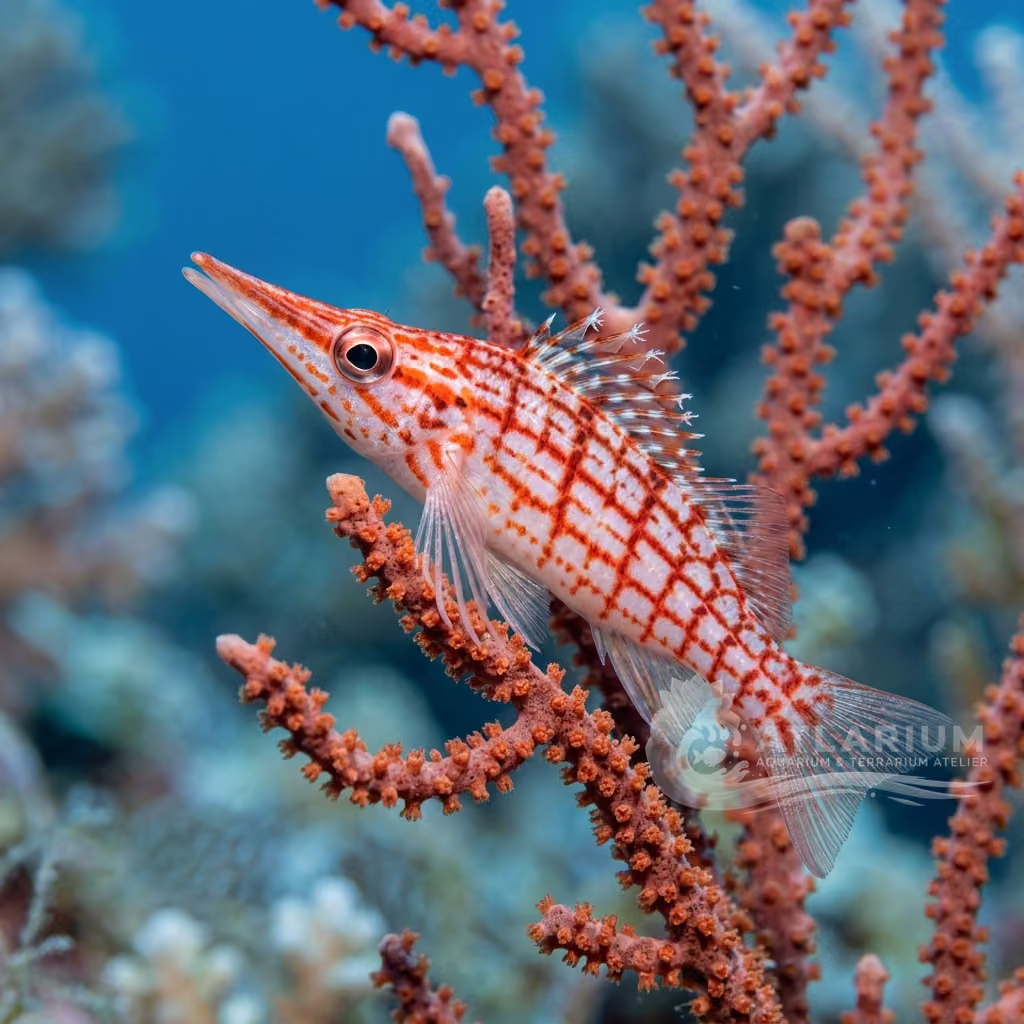
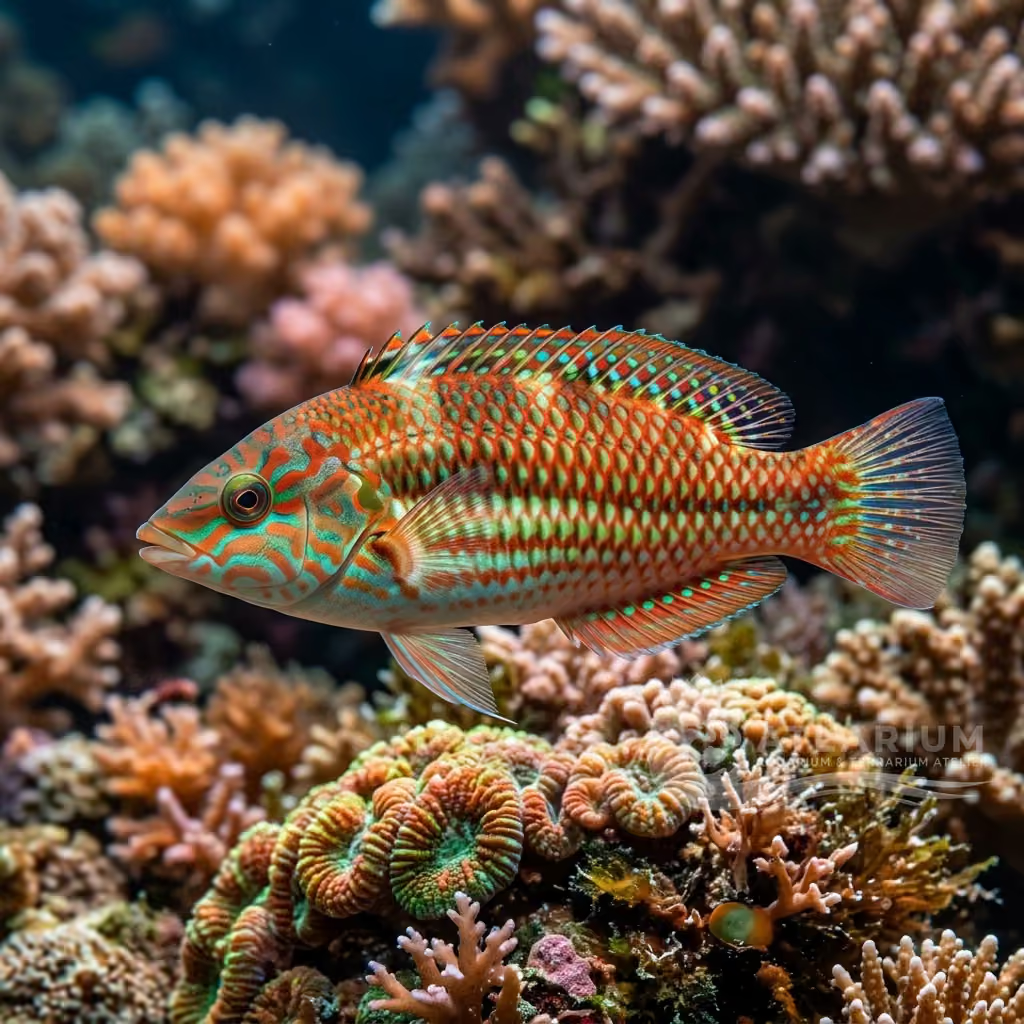
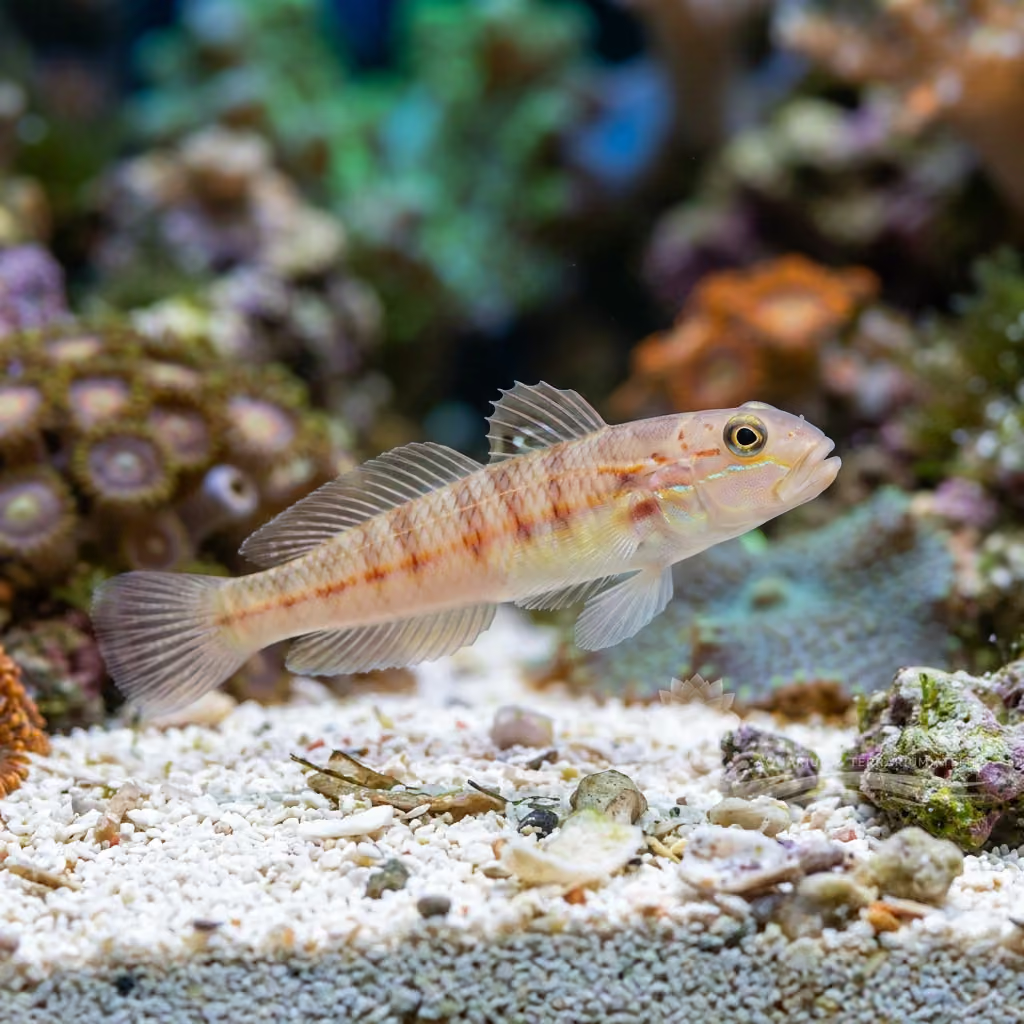
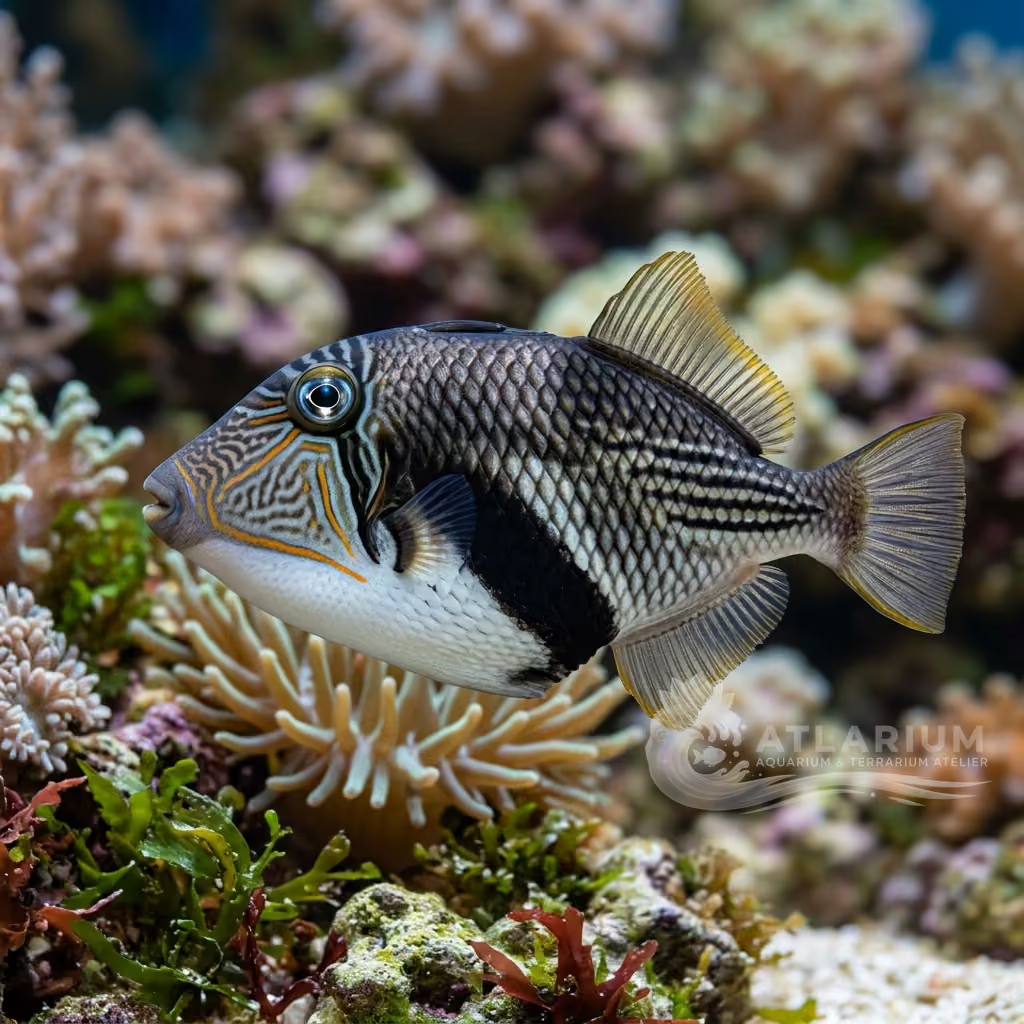
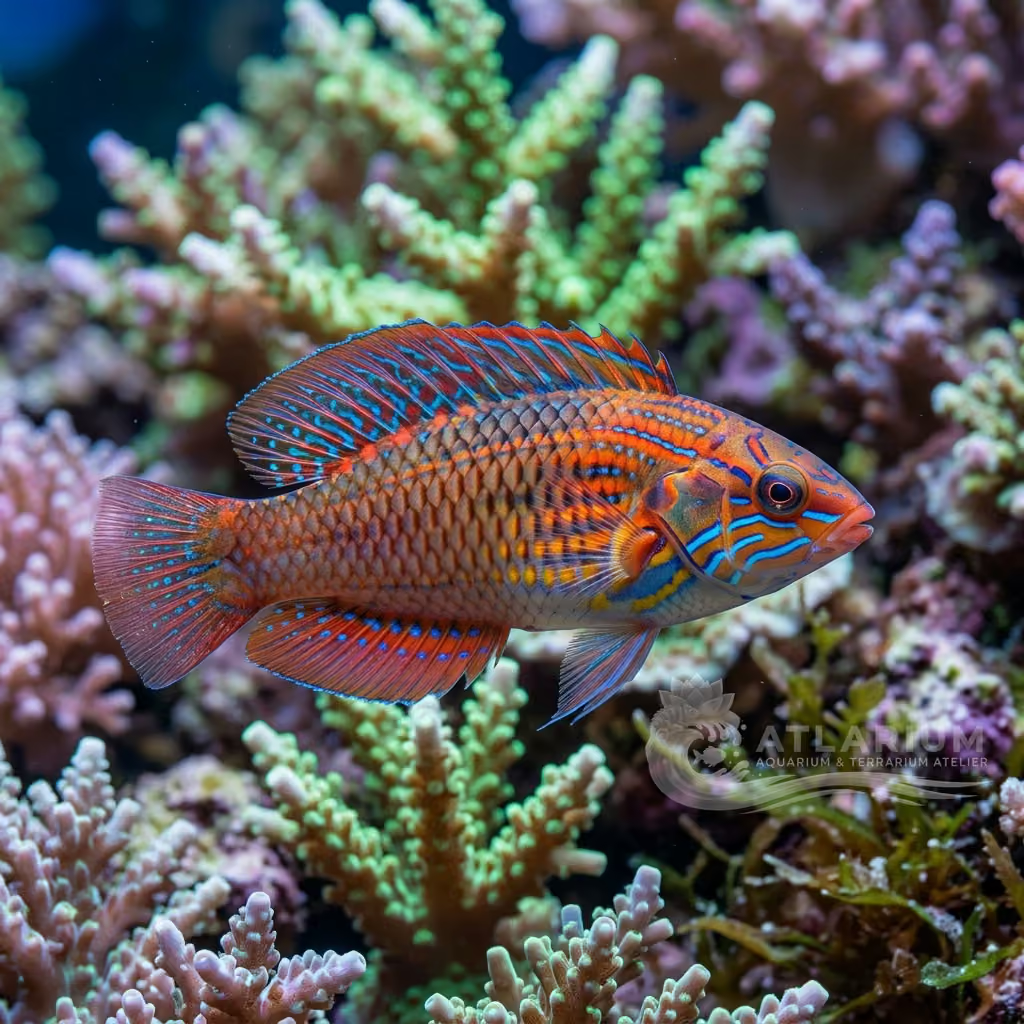
Arc-eye hawkfish
Paracirrhites arcatus
A hardy and characterful marine fish from the hawkfish family, easily recognized by the horseshoe-shaped tricolor arc behind its eyes and its habit of perching on corals.
Température de l’eau
22 - 28 °C
Valeur du pH
8.1 - 8.4
Type d'eau
Marin
Niveau dans le bac
Milieu
Taille adulte
13 cm
Volume minimal du bac
>= 150 L
Groupe minimal
>= 1
KH
8 - 12 dKH

Description de l'espèce
Geographical Origin and Habitat: Paracirrhites arcatus is widely distributed throughout the tropical Indo-Pacific region. Its range extends from the Red Sea and the East African coast to Hawaii, the Line Islands, and French Polynesia, reaching north to southern Japan. It inhabits seaward reefs and current-swept lagoons, typically found resting on branching corals of the genera Acropora, Pocillopora, and Stylophora at depths of 1 to 30 meters.
Taxonomy and Morphology: Belonging to the order Perciformes and the family Cirrhitidae (hawkfishes), this species possesses a stocky, laterally compressed body with a large, rounded head. Its lower pectoral fin rays are thick and free of membranes, allowing the fish to wedge itself securely among coral branches and rocks. Adults reach a maximum length of approximately 13-14 cm.
Social Behavior: A territorial, solitary, and ambush predator. It spends most of its time motionless on elevated vantage points, scanning its surroundings for potential prey or encroaching rivals. It displays strong intraspecific aggression and will fiercely defend its chosen coral head or territory from other hawkfishes and food competitors.
Coloration and Sexual Dimorphism: The body coloration varies from pinkish-red to brownish-orange or olive-grey. The defining feature is a prominent, horseshoe-shaped tricolor arc (orange, white, and light blue) located immediately behind the eye, accompanied by three orange stripes on the lower operculum. There is no visible external sexual dimorphism, though males are typically slightly larger.

Soins, reproduction et cohabitation
Aquarium Setup: Requires a well-established marine aquarium of at least 200 liters (approx. 50 gallons). The aquascape should feature plenty of live rock arranged with flat ledges, overhangs, and caves. Branching coral skeletons or hardy live branching corals are highly recommended to provide the fish with natural perching platforms.
Diet and Feeding: Carnivorous and active predator. In the wild, it feeds on small crabs, shrimps, and small fishes. In the aquarium, it must be fed a high-protein diet containing fresh or frozen foods such as mysis, krill, chopped table shrimp, clam meat, and fish pieces. It will readily accept sinking pellets and flakes designed for marine carnivores.
Water Quality: Prefers clean, well-oxygenated water with moderate to strong flow to simulate its natural reef habitat. Maintain a stable water temperature between 24°C and 27°C (75-81°F), pH levels between 8.1 and 8.4, and specific gravity between 1.022 and 1.025. Keep nitrates and phosphates low through regular maintenance.
Compatibility and Cohabitation: Hardy but territorial. It is not compatible with small, peaceful fish (such as neon gobies, firefish, or pipefish) or ornamental invertebrates (such as Lysmata shrimps and small hermit crabs) as they will be eaten. It coexists well with larger, active fish (tangs, angels, damselfish) and is entirely reef-safe with corals.
Aquarium Breeding: Breeding in home aquariums is extremely rare and difficult. In nature, they form monogamous pairs or small harems. Spawning occurs at dusk, with the pair rising quickly into the water column to release pelagic eggs, which drift with the currents. Rearing the larvae requires specialized plankton and is not viable in standard home setups.
Risks and Diseases: This is an exceptionally robust fish with high resistance to common marine diseases. However, its sudden, rapid hunting strikes make it a frequent jumper, meaning a secure lid is essential. To minimize territory disputes, it should be introduced to the aquarium as one of the last inhabitants.

Origine et répartition géographiques
Paracirrhites arcatus is widely distributed throughout the tropical Indo-Pacific region. Its range extends from the Red Sea and the East African coast to Hawaii, the Line Islands, and French Polynesia, reaching north to southern Japan. It inhabits seaward reefs and current-swept lagoons, typically found resting on branching corals of the genera Acropora, Pocillopora, and Stylophora at depths of 1 to 30 meters.
Origine
Océans tropicaux et récifsAfrique et MadagascarAsie de l'Est

Profil de poisson
- Tempérament
- Semi-aggressive
- While it spends much of its time peacefully observing the tank, it is highly territorial of its specific perching spots. It will quickly chase away other bottom-dwelling fish that approach too closely. Despite its small size, it brings a bold and deeply engaging personality to the aquarium.
- Régime alimentaire
- Carnivore
- In the wild, it feeds extensively on small benthic crustaceans and invertebrates. The aquarium diet should rely heavily on frozen mysis, krill, and enriched brine shrimp. It may eventually accept high-quality marine carnivore pellets with time and patience.
- Espérance de vie
- 5-10 years
- Taille adulte
- 13 cm
- Ratio des sexes
- Solitary
- They are protogynous hermaphrodites, meaning all individuals are born female and the most dominant will eventually transition into a male. In a spacious aquarium, they can be kept in a harem consisting of one male and several females. Adding two males to the same tank will inevitably result in lethal territorial disputes.
- Fréquence d'alimentation
- Twice daily
- Feeding one to two times per day is ideal for maintaining the health of this fish. Care must be taken not to overfeed, as uneaten food will quickly degrade the water quality. Small portions consumed completely within a few minutes are best.
- Charge biologique
- Medium to High
- This species contributes a moderate amount of bioload to the aquarium ecosystem. A robust protein skimmer and efficient biological filtration are strongly advised. Maintaining a strict schedule for partial water changes will prevent the accumulation of harmful nitrates.
- Courant
- Strong
- This species thrives in moderate to high water flow, which reflects its energetic nature. Strong currents help oxygenate the water and deliver food particles directly to them. Wavemakers and gyre pumps are highly recommended to replicate natural surge zones.
- Risque de saut
- Yes
- Lacking a true swim bladder, this fish often darts upwards rapidly when alarmed or chasing prey. This explosive upward movement frequently results in the fish launching directly out of the water. A completely secure canopy or screen top is strictly required to prevent their loss.
- Reproduction
- Oviparous
- Following a complex courtship display, they release their eggs and sperm directly into the open water column. These pelagic eggs drift freely with the currents until they eventually hatch into tiny larvae. Captive breeding is practically impossible due to the specialized requirements of their planktonic larval stage.
- Compatibilité et compagnons
- Reef safe
- This species is notoriously aggressive towards smaller fish and will eat ornamental shrimp. Careful selection of tank mates is required, favoring robust species that inhabit different areas of the tank. Snails and hermit crabs are generally ignored, but small delicate invertebrates are at high risk.
- Niveau dans le bac
- Middle
- Lacking a swim bladder, this fish prefers to rest directly on the substrate, rocks, or coral branches. It spends the vast majority of its time stationary, actively observing its surroundings. It only leaves its perch to execute lightning-fast strikes on passing food or prey.

Modèles et paramètres scientifiques
FishBase
Fenêtre sur les données scientifiques officielles de l’espèce
FishBase v25.04Données synchronisées le : 15/06/2026
- Niveau trophique
- 3,6 ± 0,4 se
- Singularité phylogénétique (PD50)
- 0.5156
- Relation bayésienne longueur-poids
- a = 0.00977, b = 3.09
- VulnérabilitéVulnérabilité faible (10 / 100)

Espèces associées
Recommandations regroupées par proches parents, compagnons et soins similaires.