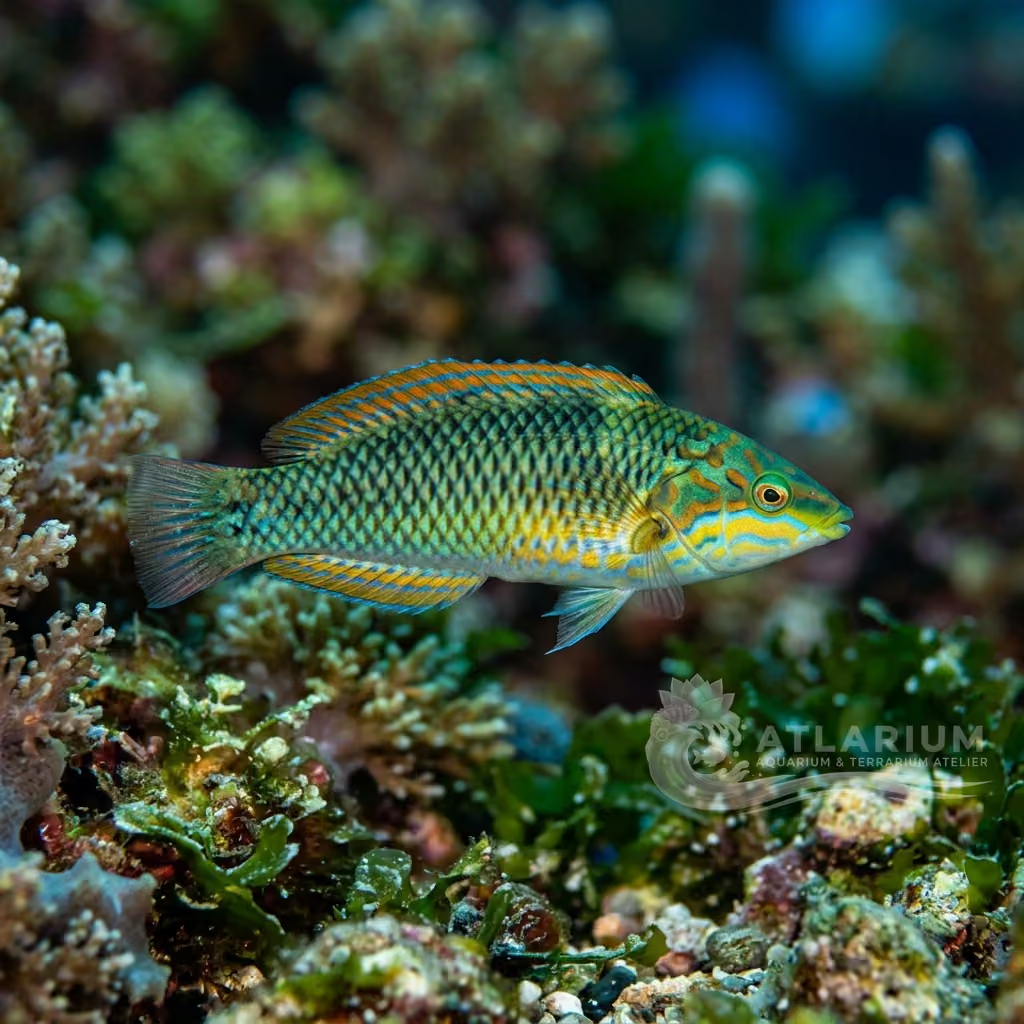
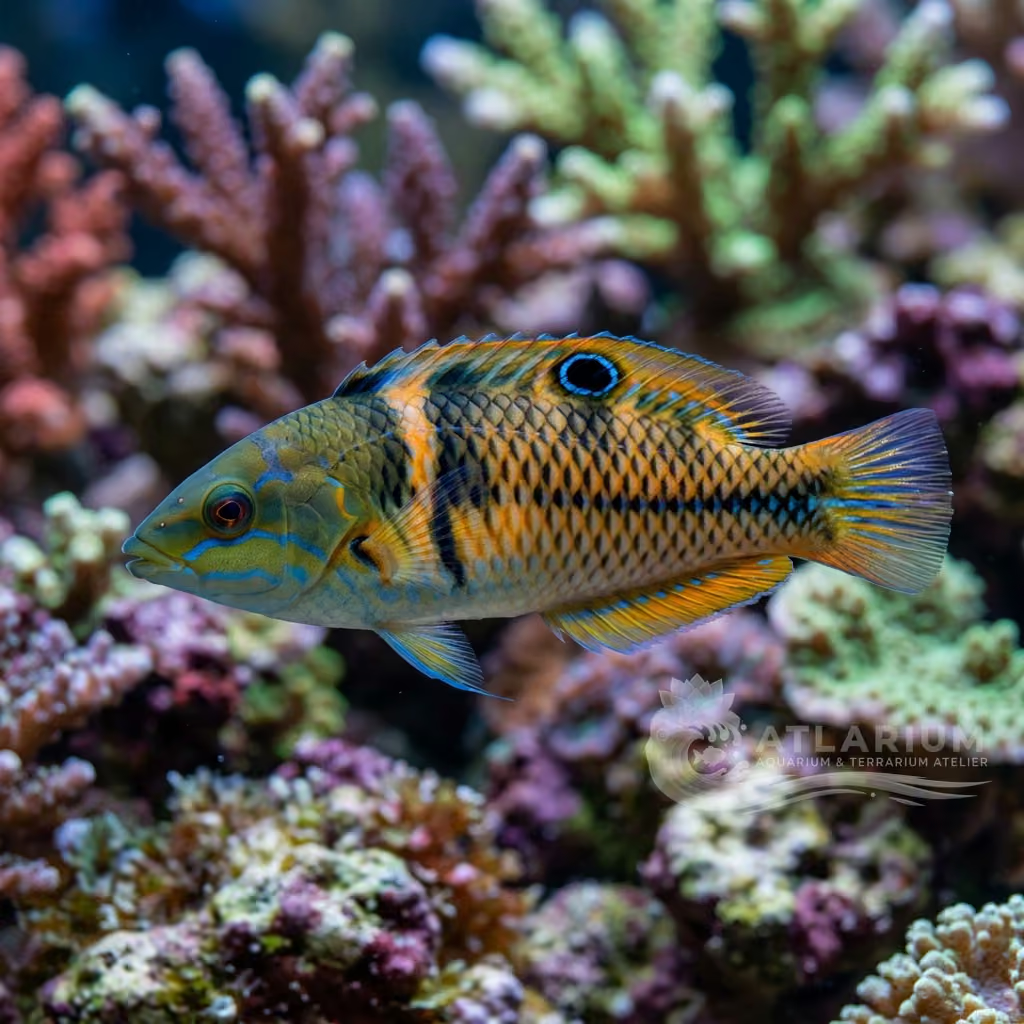
Pink-belly Wrasse
Halichoeres margaritaceus
The Pink-belly Wrasse is a hardy, active hunter of reef pests with striking markings. Solitary and territorial, it requires a 150L tank, a deep fine sand bed to dive into at night, and a meaty diet.
Température de l’eau
23 - 28 °C
Valeur du pH
8.1 - 8.4
Type d'eau
Marin
Niveau dans le bac
Tous les niveaux
Taille adulte
12 cm
Volume minimal du bac
>= 200 L
Groupe minimal
>= 1
KH
8 - 12 dKH

Description de l'espèce
Geographical Origin and Habitat: Halichoeres margaritaceus, commonly known as the Pink-belly Wrasse or Weedy Surge Wrasse, is widely distributed in the tropical Indo-Pacific. It is found from the southern islands of Japan down to the Great Barrier Reef of Australia, and eastward to the Line Islands. It typically inhabits shallow rocky reefs, surge zones, and weedy tide pools at depths of 1 to 15 meters.
Taxonomy and Morphology: Belonging to the family Labridae and genus Halichoeres, this species is built for agility. It features a moderately compressed, elongated body with a pointed snout and sharp pharyngeal teeth designed for crushing small shells. Lacking scales of heavy armor, it relies on speed and sand-burrowing for defense.
Social Behavior: This wrasse is a diurnal and solitary hunter, actively patrolling the substrate during the day and burying itself in the sand at night. It displays a curious and alert temperament. While peaceful toward other fish species, it can show aggression towards other male wrasses of similar shape and size within its territory.
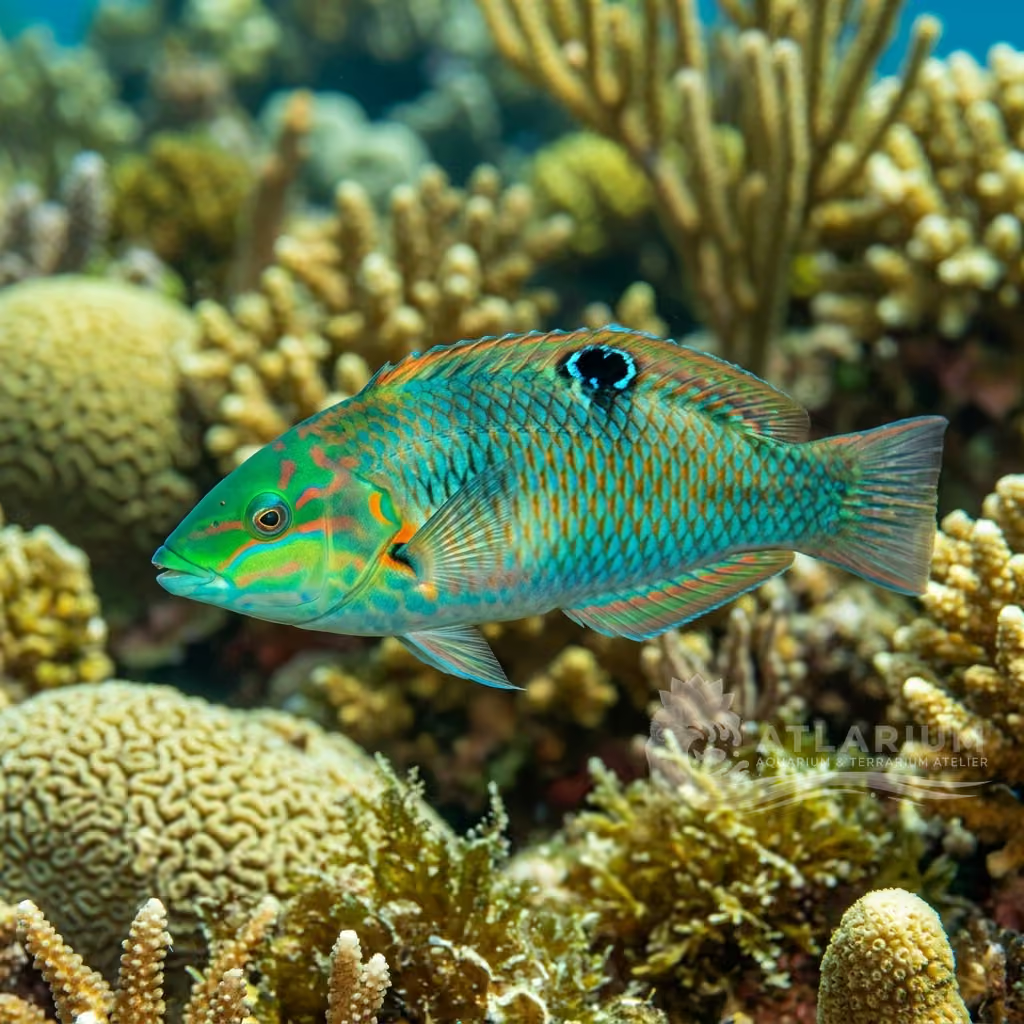
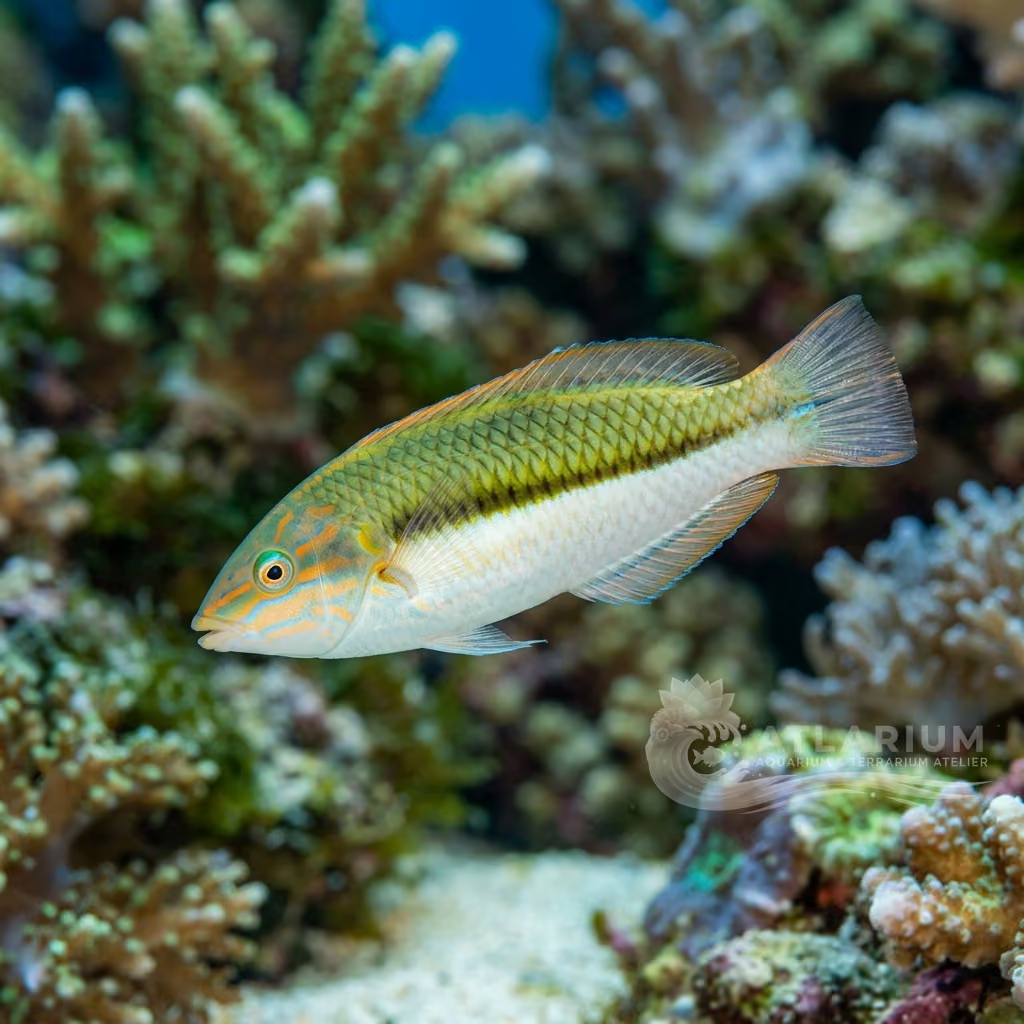
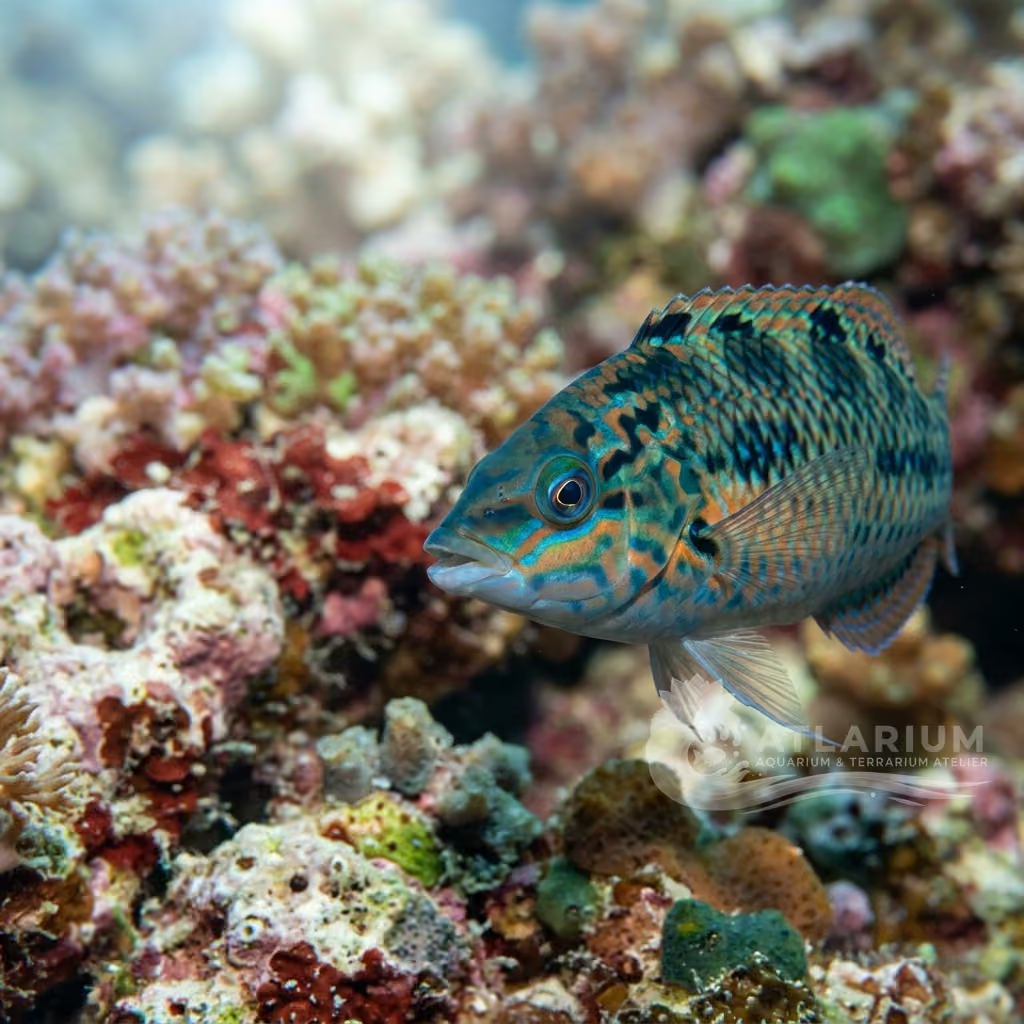
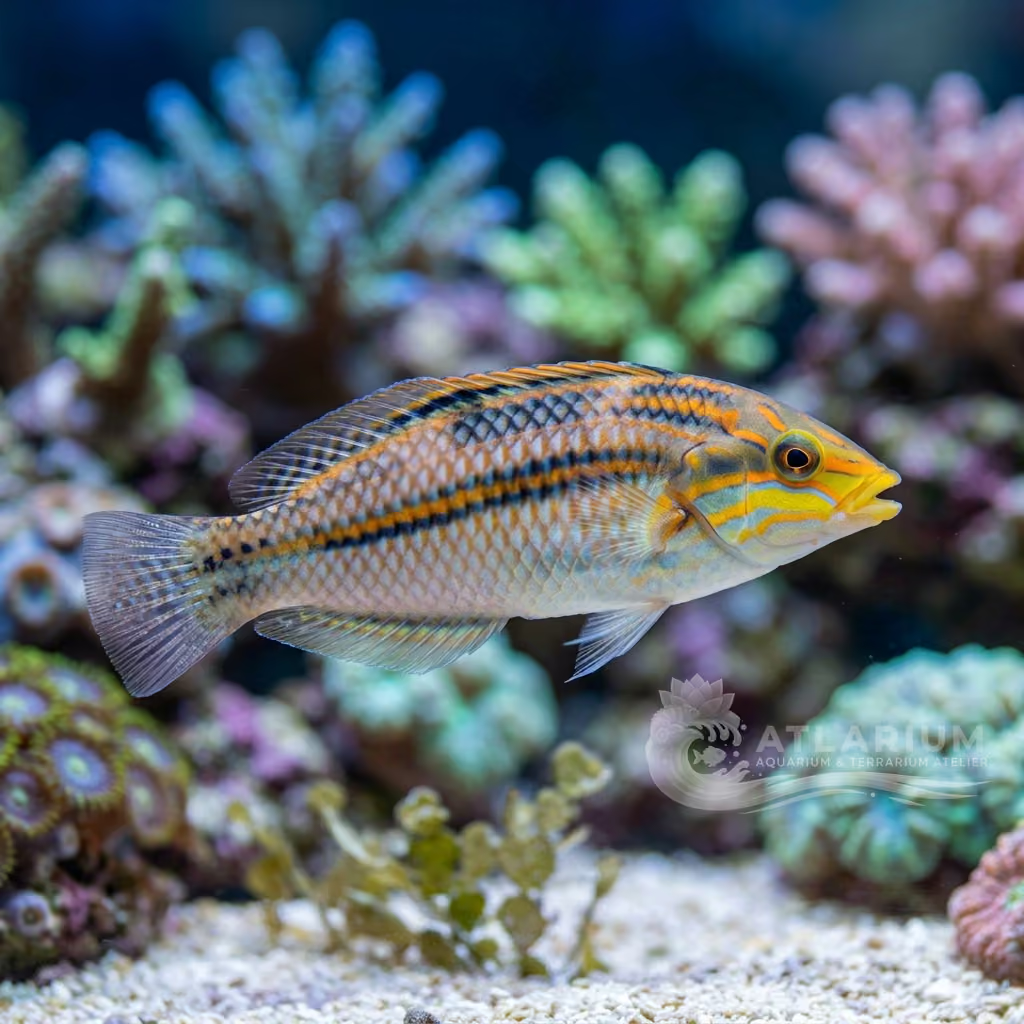
Coloration and Sexual Dimorphism: Sexual dimorphism is highly pronounced. Mature males have a complex green and orange-pink body with a prominent pink-red patch on their lower abdomen and pink stripes radiating from the eye. Females and juveniles are more cryptically colored with dark vertical bars, checkers, and a distinct black ocellus on the dorsal fin.

Soins, reproduction et cohabitation
Aquarium Setup: An aquarium of at least 40-50 gallons (150-200 liters) is required. The most critical requirement is a deep bed of fine, non-silicate sand (at least 2-3 inches / 5-8 cm deep). Coarse gravel or crushed coral is unsuitable, as the wrasse will injure itself when diving into the substrate to sleep or escape threats.
Diet and Feeding: Strictly carnivorous, this wrasse actively hunts for benthic invertebrates. In captivity, feed a variety of frozen foods, including mysis shrimp, brine shrimp, chopped krill, and clam meat. They are highly beneficial for biological control, eating common reef aquarium pests such as flatworms, bristleworms, and pyramidellid snails.
Water Quality: Requires standard marine conditions with high oxygenation. Maintain water temperature at 75-82 °F (24-28 °C), pH between 8.1 and 8.4, and specific gravity from 1.020 to 1.025. Perform regular water changes to keep nitrate levels below 20 ppm. Provide moderate to strong water flow to mimic their surge-zone habitats.
Compatibility and Cohabitation: Excellent for reef and fish-only systems. They do not harm corals. However, they may consume very small ornamental shrimps, feather dusters, and tiny crabs. They coexist peacefully with medium-sized community fish like tangs, angelfish, chromis, and larger clownfish.
Aquarium Breeding: Breeding in home aquariums is not documented. In the wild, they are protogynous hermaphrodites, beginning life as females and changing to males when dominant. Spawning occurs in the water column where pelagic eggs are released, which cannot survive standard filtration systems.
Risks and Diseases: Startle-induced jumping is a major cause of death, so a secure mesh cover is essential. Skin abrasions from coarse substrate can lead to secondary bacterial infections. They can contract marine ich (Cryptocaryon) if stressed by poor water parameters, so a proper quarantine period is recommended.

Origine et répartition géographiques
Halichoeres margaritaceus, commonly known as the Pink-belly Wrasse or Weedy Surge Wrasse, is widely distributed in the tropical Indo-Pacific. It is found from the southern islands of Japan down to the Great Barrier Reef of Australia, and eastward to the Line Islands. It typically inhabits shallow rocky reefs, surge zones, and weedy tide pools at depths of 1 to 15 meters.
Origine
Océans tropicaux et récifsAfrique et MadagascarAsie de l'EstAustralie, Nouvelle-Guinée et Océanie

Profil de poisson
- Tempérament
- Territorial
- The Halichoeres margaritaceus generally exhibits a peaceful but bold temperament, constantly patrolling the tank. While they ignore most corals, they are opportunistic predators of small ornamental shrimp, tubeworms, and small snails. They can occasionally become territorial toward other substrate-sleeping wrasses.
- Régime alimentaire
- Carnivore
- These wrasses are rigorous carnivores that spend their days scouring the rockwork for benthic invertebrates. In the home aquarium, their diet must include high-quality meaty items like mysis, brine shrimp, and chopped clam meat. They also serve a highly practical purpose by consuming various coral pests.
- Espérance de vie
- 5-8 years
- Taille adulte
- 12 cm
- Ratio des sexes
- Harem
- It is generally best to keep them as solitary individuals, unless the aquarium is exceptionally large. Keeping multiple males together will almost certainly lead to vicious territorial disputes. A single male can sometimes be kept with several females if introduced simultaneously.
- Fréquence d'alimentation
- 2-3 times daily
- Due to their constant movement and foraging behavior, they require feeding two to three times daily. Even with frequent feedings, they will relentlessly hunt for microfauna among the live rock. Providing ample food prevents them from becoming overly aggressive during feeding time.
- Charge biologique
- Medium
- The Halichoeres margaritaceus produces a moderate bioload in a marine aquarium. Since they are active foragers with hearty appetites, their waste production is proportional to their substantial feeding requirements. A well-established protein skimmer and adequate biological filtration are recommended.
- Courant
- Strong
- They prefer a moderate to strong water flow that mimics the surge zones and reefs they naturally inhabit. Good water circulation helps maintain high oxygen levels, which these energetic swimmers demand. Consistent flow also aids in flushing out detritus from the sandbed where they sleep.
- Risque de saut
- Yes
- Halichoeres margaritaceus is an enthusiastic jumper and can easily escape an uncovered aquarium. A tightly woven mesh screen or canopy is essential to prevent these fish from ending up on the floor. Extra care should be taken when performing tank maintenance or adjusting lighting.
- Reproduction
- Protogynous hermaphrodite
- This species is a protogynous hermaphrodite, undergoing a female-to-male sex change as they mature and establish dominance. Breeding them in captivity has proven exceptionally difficult because they release pelagic eggs into the water column. Dominant males often display striking terminal phase coloration.
- Compatibilité et compagnons
- Verify
- While generally peaceful toward similarly sized fish, Halichoeres margaritaceus can be a menace to small decorative invertebrates. They will readily hunt flatworms, bristleworms, pyramid snails, and sometimes small ornamental shrimp. They are otherwise considered excellent, vibrant additions to community reef tanks.
- Niveau dans le bac
- All levels
- They are highly active in the lower and middle regions of the aquarium, constantly inspecting the aquascape for food. A critical requirement for this species is a deep, soft sand bed (at least 2-3 inches). They dive entirely under the sand to sleep at night or when severely stressed.

Modèles et paramètres scientifiques
FishBase
Fenêtre sur les données scientifiques officielles de l’espèce
FishBase v25.04Données synchronisées le : 15/06/2026
- Niveau trophique
- 3,7 ± 0,5 se
- Résilience
- Élevée (moins de 15 mois)
- Singularité phylogénétique (PD50)
- 0.5
- Relation bayésienne longueur-poids
- a = 0.01, b = 3.09
- VulnérabilitéVulnérabilité faible (10 / 100)

Espèces associées
Recommandations regroupées par proches parents, compagnons et soins similaires.