Slippery dick wrasse
Halichoeres bivittatus
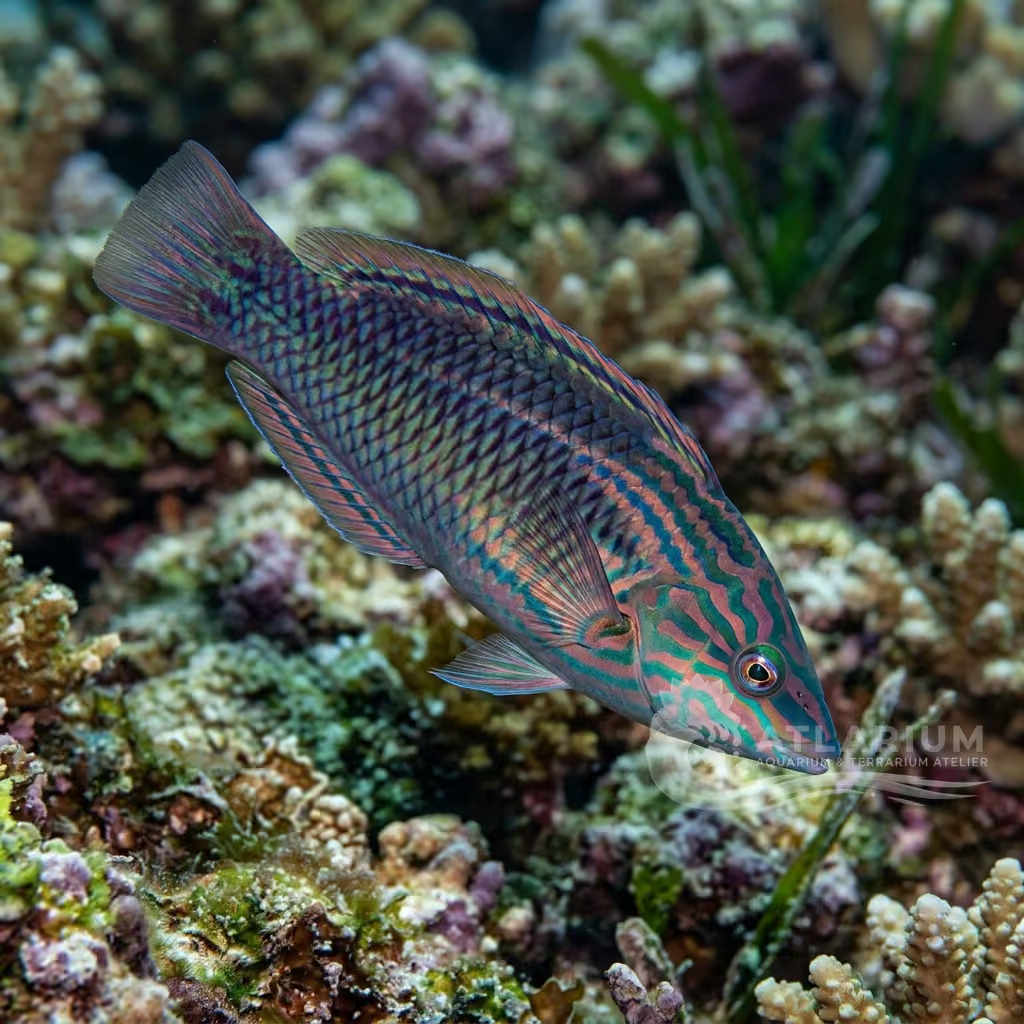
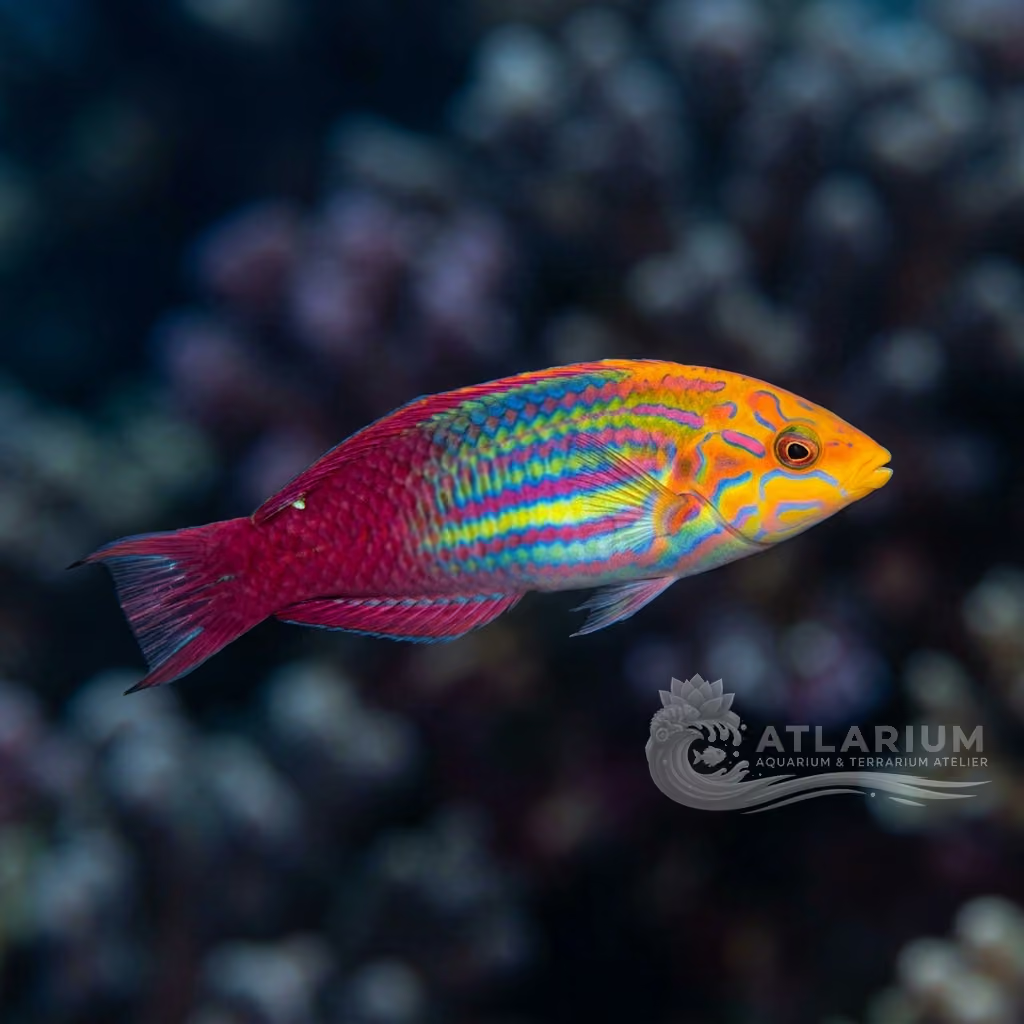
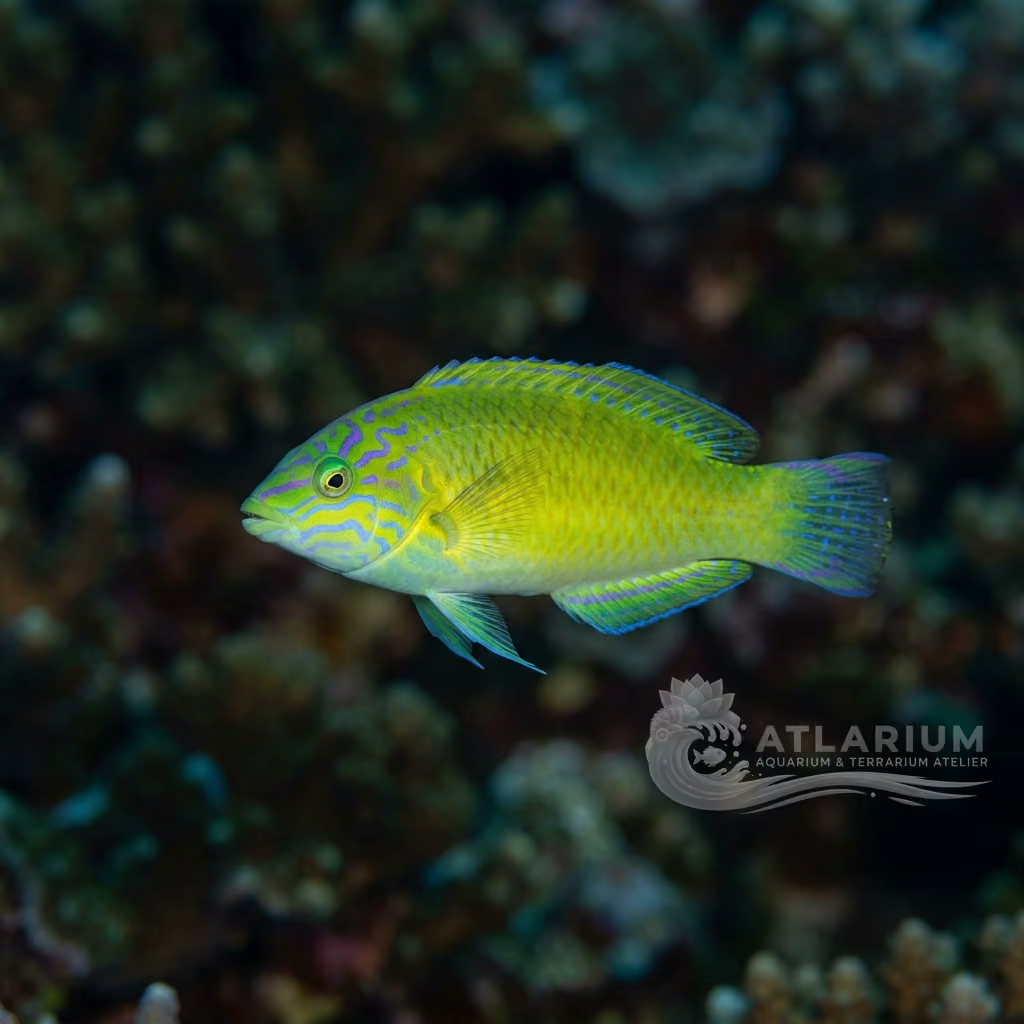
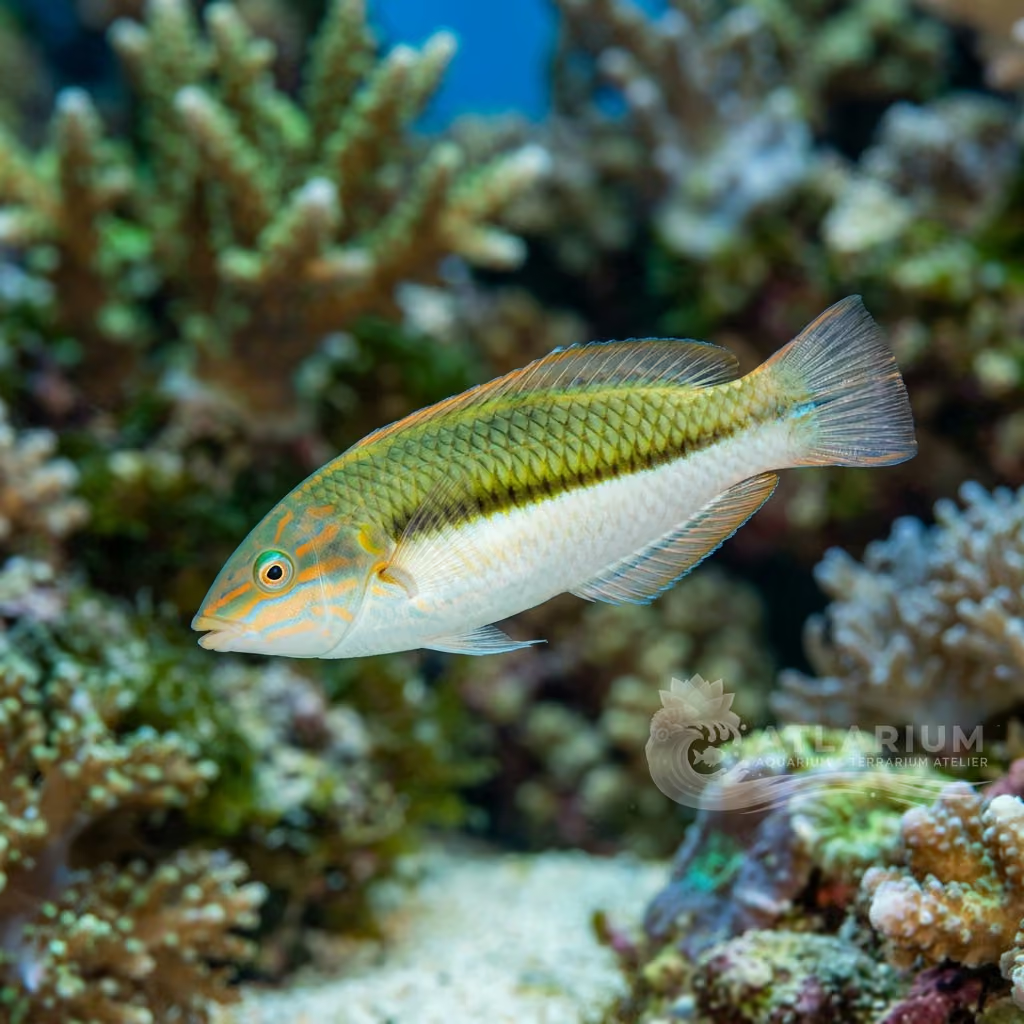
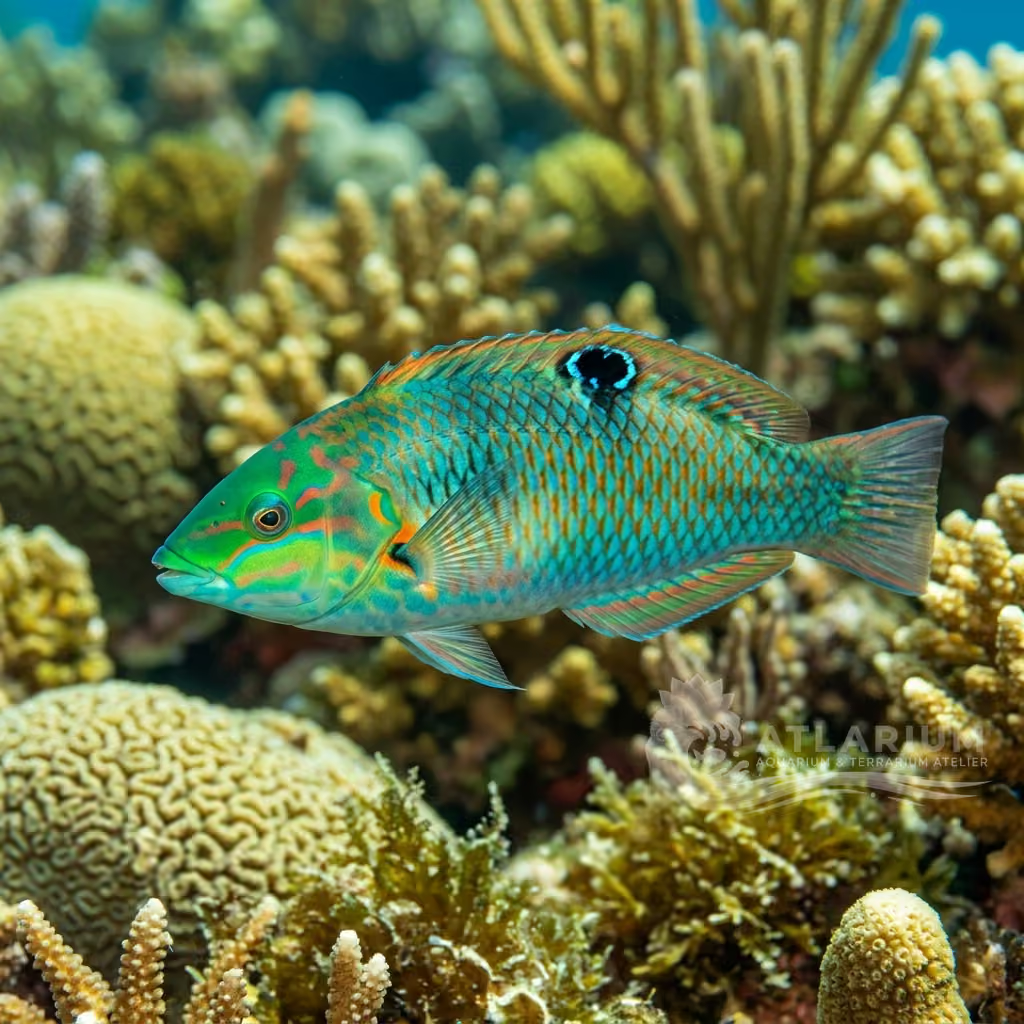
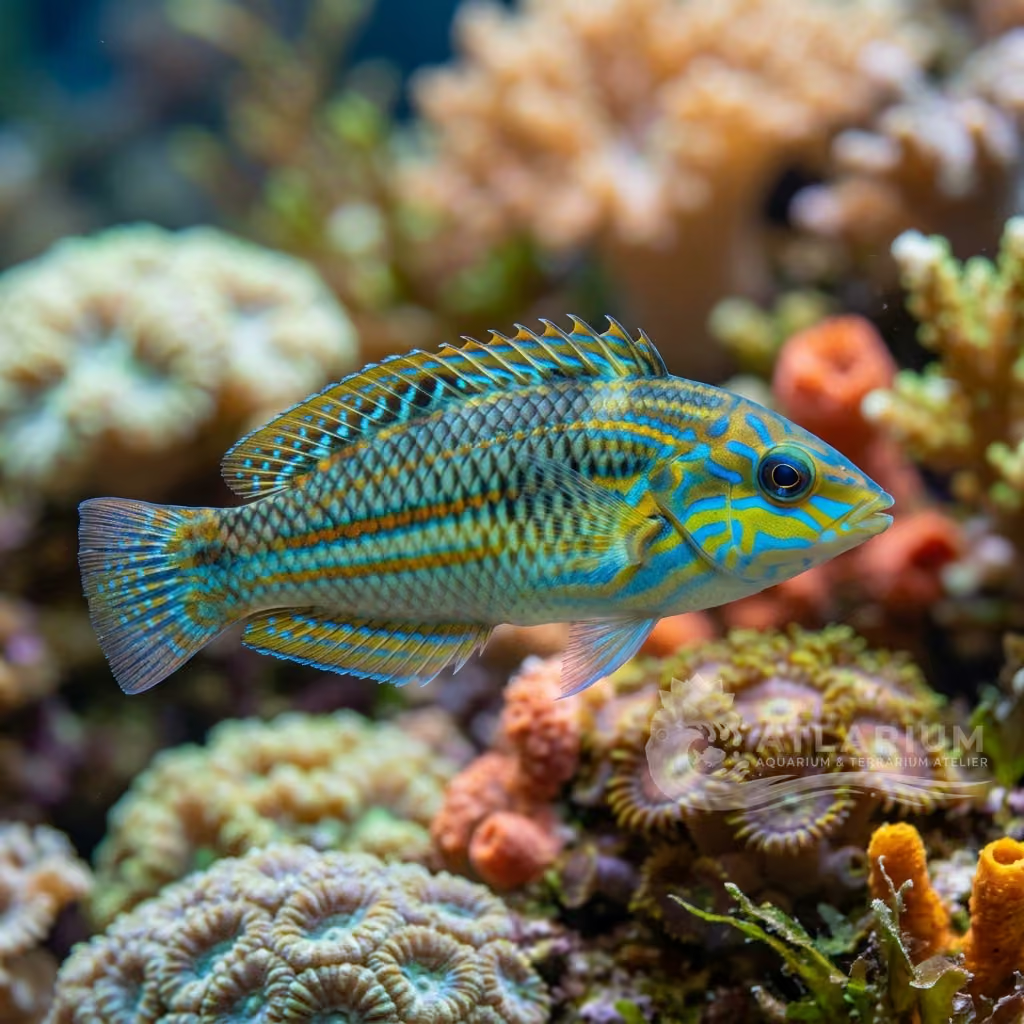
Halichoeres bivittatus is a Western Atlantic wrasse famous for its high curiosity and hardiness. It requires a deep sand substrate to bury itself for sleep.
Température de l’eau
22 - 27 °C
Valeur du pH
8.1 - 8.4
Type d'eau
Marin
Niveau dans le bac
Fond
Taille adulte
20 cm
Volume minimal du bac
>= 250 L
Groupe minimal
>= 1
KH
8 - 12 dKH

Description de l'espèce
Geographical Origin and Habitat:
This species is native to the tropical and subtropical waters of the Western Atlantic Ocean. Its wide range extends from the coast of North Carolina (USA) and Bermuda down to southern Brazil, including the Gulf of Mexico and the entire Caribbean Sea. It inhabits shallow coral reefs, seagrass beds, and sandy flats mixed with coral rubble at depths ranging from 1 to 15 meters. It is frequently observed around harbors and docks.
Taxonomy and Morphology:
Belonging to the family Labridae, Halichoeres bivittatus features an elongated, cylindrical body with a pointed snout and a small terminal mouth containing projecting canine-like teeth. Its skin is covered with a thick, slippery layer of protective mucus (hence the common name). Adults can reach a maximum total length of approximately 20-25 centimeters, though they stay smaller in tanks.
Social Behavior:
It is an extremely active, curious, and bold diurnal swimmer. It spends the day actively searching the substrate and flipping small rocks to find food. At dusk or when threatened, it dives headfirst into the sand bed to sleep fully buried for the night. It displays strong territorial behavior toward conspecifics.
Coloration and Sexual Dimorphism:
The coloration changes dramatically as the fish matures. Juveniles and females (initial phase) have a pale or white body with two prominent dark longitudinal stripes running along the sides. Terminal phase males are highly colorful, displaying green, pink, and yellow hues with a black spot on the dorsal fin and tail base. It is a protogynous hermaphrodite.

Soins, reproduction et cohabitation
Aquarium Setup:
Requires a marine aquarium of at least 350-400 liters. The most critical requirement is a deep bottom layer of fine, soft sand (at least 8-10 cm, non-silica sand) to allow for its natural burying behavior. The live rock decoration must be placed directly on the bottom glass to prevent collapses caused by its continuous digging.
Diet and Feeding:
A voracious carnivore. In nature, it feeds on crabs, hermit crabs, mollusks, sea urchins, and polychaete worms. In captivity, it readily accepts almost any frozen food, such as mysis shrimp, brine shrimp, krill, and chopped clam meat. It will also consume dry pellets with enthusiasm. It is excellent for controlling flatworms and snails.
Water Quality:
Requires stable marine parameters: temperature between 22°C and 26°C, pH between 8.1 and 8.4, specific gravity (SG) of 1.020 to 1.025, and carbonate hardness (KH) of 8 to 12 dKH. A powerful protein skimmer and efficient filtration are necessary to handle the organic waste from its heavy feeding. Regular water changes are required.
Compatibility and Cohabitation:
Not safe for small invertebrates; it will readily prey on ornamental shrimp, small crabs, snails, and sea urchins. However, it is completely reef safe regarding corals. It houses well with active, robust tankmates like tangs, large angelfish, damsels, and other larger wrasses. Do not house more than one specimen per tank.
Aquarium Breeding:
Captive breeding in home aquariums has not been achieved. They are sequential protogynous hermaphrodites and broadcast spawners. Gametes are released into the open water column where eggs drift. Rearing the resulting planktonic larvae is extremely difficult in closed systems due to their micro-food requirements.
Risks and Diseases:
The primary risk is skin damage or physical trauma if a proper sand bed is not provided. Attempting to burrow into coarse gravel can cause severe abrasions, leading to secondary infections. It is a strong jumper, so a tight lid or mesh screen is mandatory to prevent it from jumping out of the tank.

Origine et répartition géographiques
This species is native to the tropical and subtropical waters of the Western Atlantic Ocean. Its wide range extends from the coast of North Carolina (USA) and Bermuda down to southern Brazil, including the Gulf of Mexico and the entire Caribbean Sea. It inhabits shallow coral reefs, seagrass beds, and sandy flats mixed with coral rubble at depths ranging from 1 to 15 meters. It is frequently observed around harbors and docks.
Origine
Océans tropicaux et récifsAmérique du Sud hors AmazonieAmérique centrale et CaraïbesAmérique du Nord

Profil de poisson
- Tempérament
- Territorial
- These wrasses are inquisitive, active, and generally peaceful community fish, although they can sometimes exhibit a semi-aggressive streak. They are constantly on the move, investigating crevices in the live rock for tiny morsels of food. While they do not usually bother corals directly, their constant picking behavior might accidentally irritate some sensitive polyps. Overall, they make a lively and entertaining addition to a moderately aggressive marine community tank.
- Régime alimentaire
- Carnivore
- This species is strictly carnivorous in its dietary habits. Their diet should consist of a variety of meaty foods including frozen mysis shrimp, vitamin-enriched brine shrimp, and high-quality marine flakes or pellets. In the wild, they naturally prey on small benthic invertebrates found among the rocks. Offering multiple small meals a day helps mimic their natural foraging behavior.
- Espérance de vie
- 6-8 years
- Taille adulte
- 20 cm
- Ratio des sexes
- Solitary
- Many species within this genus are protogynous hermaphrodites, meaning dominant females can transition into males if needed. It is usually best to keep them singly or as a single male with multiple females if the tank is exceptionally large. Keeping two males in the same tank will almost certainly result in constant territorial disputes and fighting. Observing their intricate social structure and potential color changes during transition is fascinating.
- Fréquence d'alimentation
- Twice daily
- Due to their highly active nature and high metabolisms, they require frequent feedings throughout the day. It is highly recommended to feed them at least two to three times daily. Providing smaller, more frequent meals is much better than offering one large meal. This feeding schedule ensures they maintain a healthy body weight and vibrant coloration.
- Charge biologique
- High
- The bioload produced by this fish is considered moderate. They are very active swimmers and consume a significant amount of food, producing a fair amount of waste in return. Regular water changes and strong biological filtration are necessary to maintain pristine water quality. Protein skimmers are highly recommended for marine setups housing these energetic wrasses.
- Courant
- Strong
- These fish thrive in aquariums with moderate to strong water flow throughout the tank. Good circulation closely mimics their natural reef environments and keeps them active and healthy. Powerheads should be strategically placed to create varied flow patterns mimicking ocean currents. However, ensure there are still some lower flow resting areas within the rockwork for them to retreat to.
- Risque de saut
- Yes
- Wrasses in this genus are notorious jumpers, especially when startled, chased, or newly introduced to an aquarium. A tight-fitting lid or a fine mesh screen is absolutely mandatory to keep them safe. Many aquarists have unfortunately lost these beautiful fish due to open-top tanks or small gaps in the canopy. The jump risk remains exceptionally high throughout their entire lifespan in captivity.
- Reproduction
- Oviparous
- Breeding these wrasses in a home aquarium is extremely rare and very difficult to achieve. They are pelagic spawners, naturally releasing their eggs and sperm directly into the water column. The resulting larvae require specialized microscopic foods and undergo a long, vulnerable planktonic stage. Therefore, almost all specimens available in the aquarium trade are wild-caught rather than captive-bred.
- Compatibilité et compagnons
- Territorial
- The Halichoeres bivittatus wrasses are generally peaceful but can be aggressive towards smaller invertebrates like ornamental shrimp and feather dusters. They are considered reef safe with caution, as they will hunt for small prey. They usually coexist well with other similarly sized, semi-aggressive fish but might bully much smaller, more docile species. It is crucial not to keep them with large, aggressive predators that might see them as a snack.
- Niveau dans le bac
- Bottom
- They are highly active fish that will enthusiastically utilize all levels of the aquarium. However, they spend a significant amount of time hovering near the rockwork and sandy substrate actively looking for food. They require a deep sand bed of at least two to three inches to bury themselves in at night or when frightened. During the daytime, they will constantly patrol the middle and bottom sections of the tank.

Modèles et paramètres scientifiques
FishBase
Fenêtre sur les données scientifiques officielles de l’espèce
FishBase v25.04Données synchronisées le : 15/06/2026
- Niveau trophique
- 3,8 ± 0,1 se
- Résilience
- Moyenne (1,4 - 4,4 ans)
- Singularité phylogénétique (PD50)
- 0.5
- Relation bayésienne longueur-poids
- a = 0.00933, b = 3.07
- VulnérabilitéVulnérabilité faible (25 / 100)

Espèces associées
Recommandations regroupées par proches parents, compagnons et soins similaires.