Radiant Wrasse
Halichoeres iridis
The Radiant Wrasse is a striking Western Indian Ocean species. A superb hunter of crustacean pests, it requires a secure lid, a fine sand bed for sleeping, and a balanced diet of meaty foods.
Température de l’eau
22 - 26 °C
Valeur du pH
8.1 - 8.4
Type d'eau
Marin
Niveau dans le bac
Tous les niveaux
Taille adulte
12 cm
Volume minimal du bac
>= 200 L
Groupe minimal
>= 1
KH
8 - 12 dKH

Description de l'espèce
Geographical Origin and Habitat: Native to the Western Indian Ocean, along the East African coast from South Africa and Madagascar to the Seychelles, Mascarene, and Chagos islands. Inhabits seaward reefs and steep drop-offs rich in soft corals at depths of 6 to 43 meters.
Taxonomy and Morphology: Member of the family Labridae, genus Halichoeres. Features an elongated body and slightly compressed head. Adults reach a maximum size of 12 cm. Possesses a small mouth with prominent canine teeth.
Social Behavior: Diurnal, active, and extremely inquisitive. Spends daylight hours exploring rocks and sand for pests. Solitary or lives in small harems led by a dominant male. Burrows to sleep.
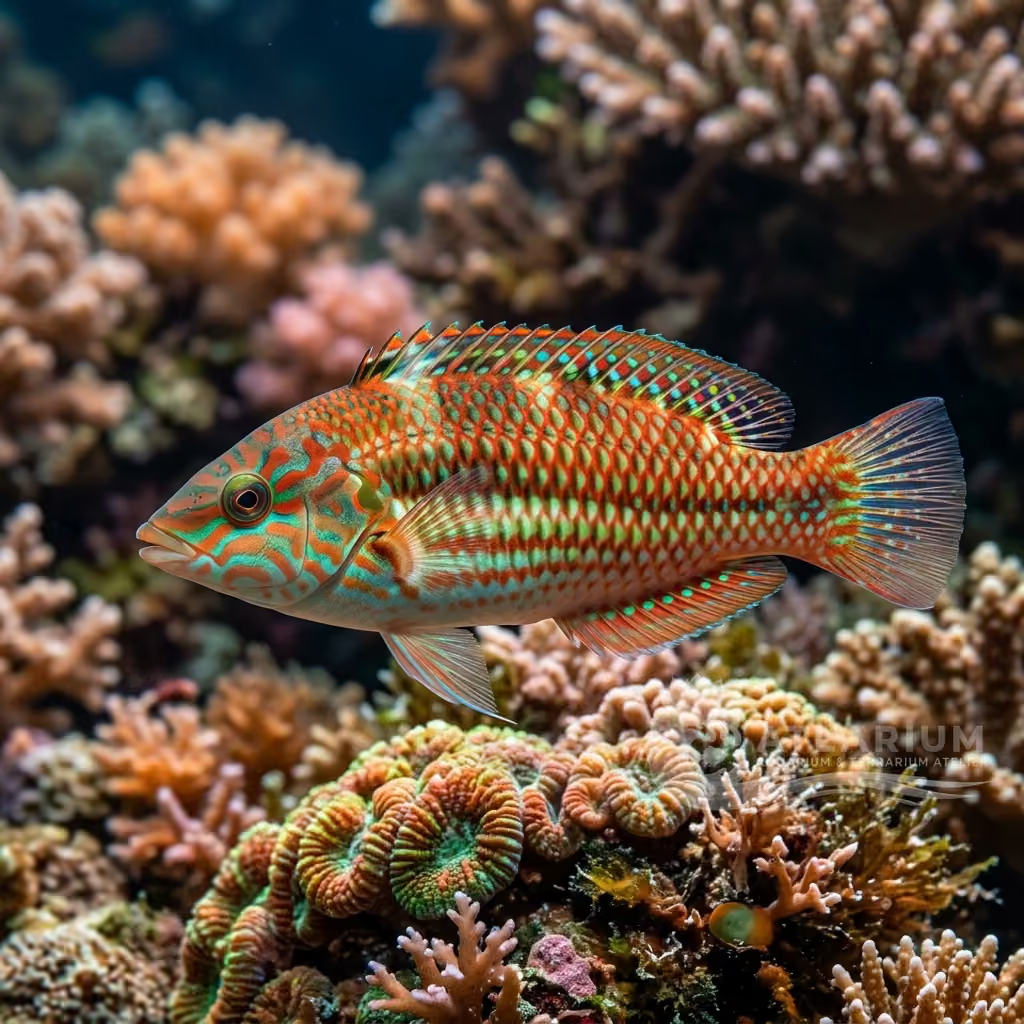
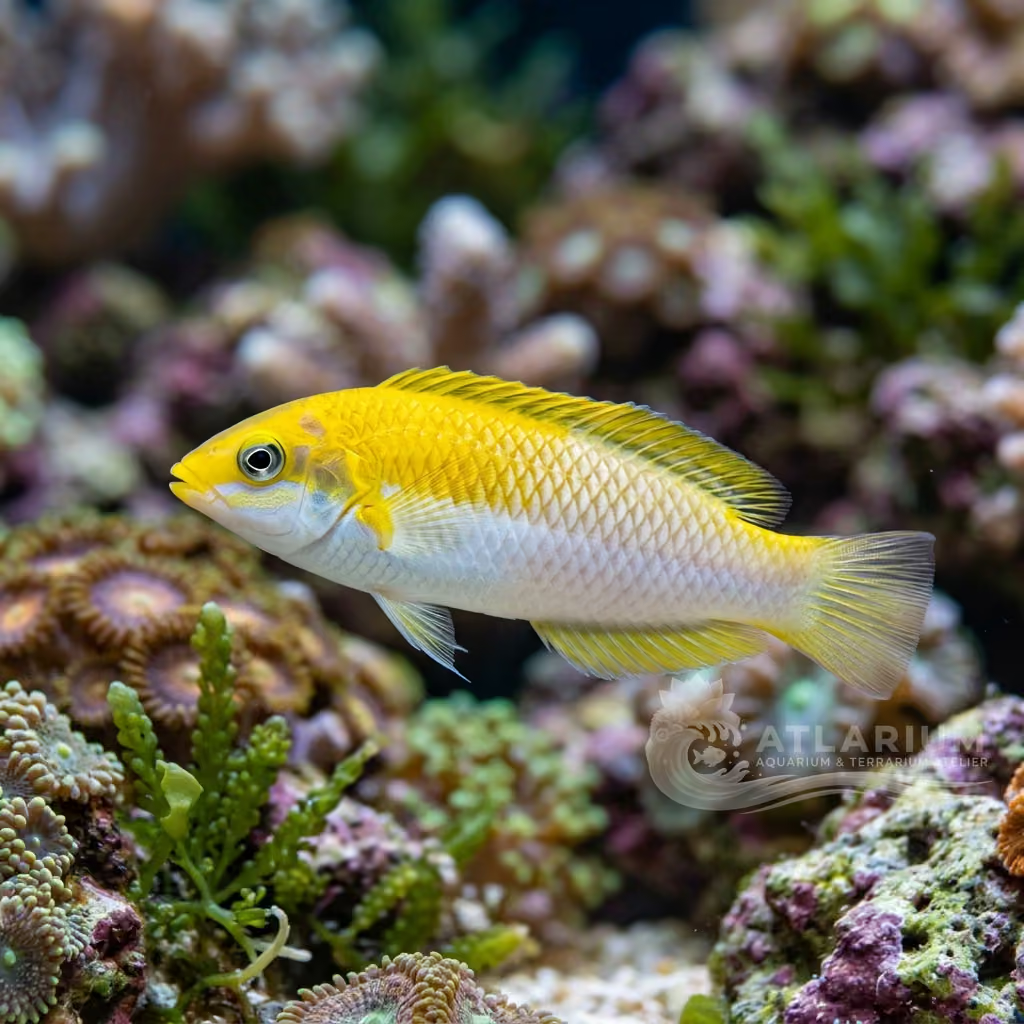
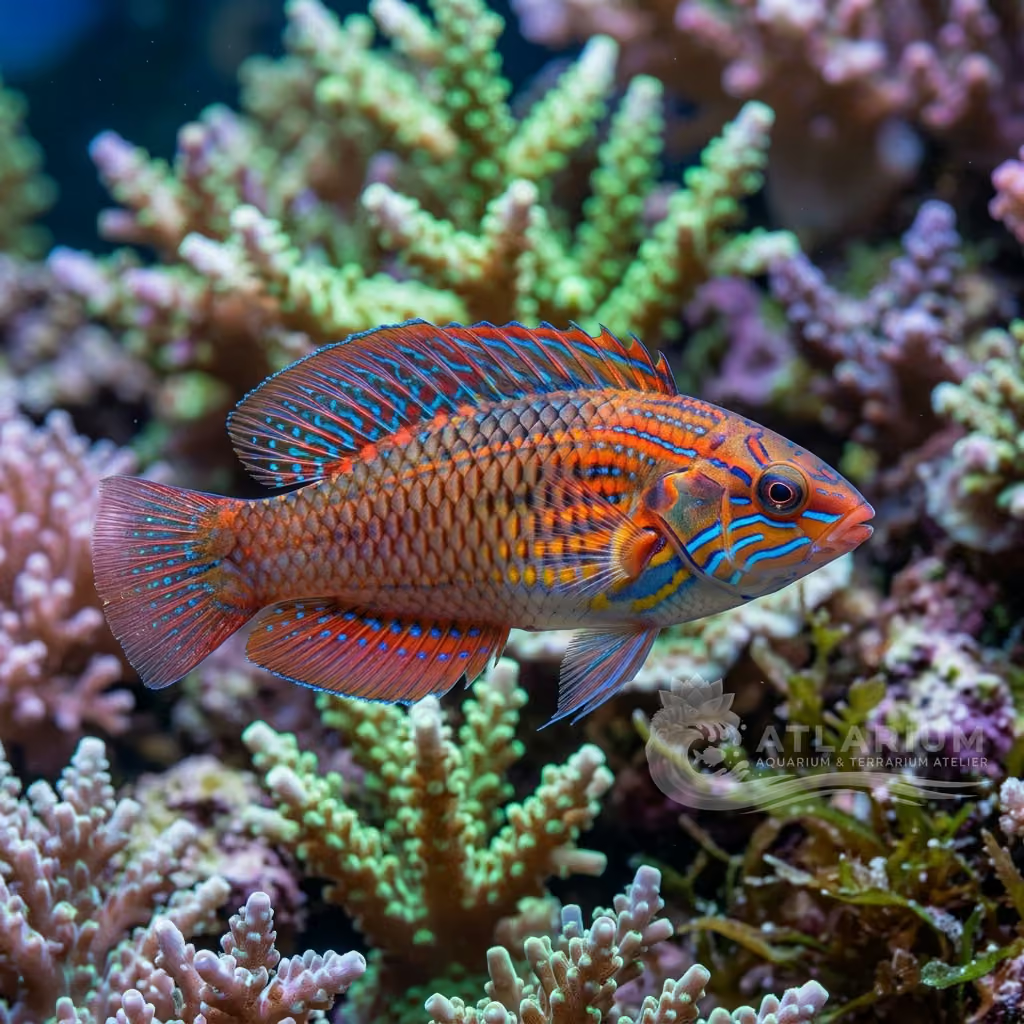
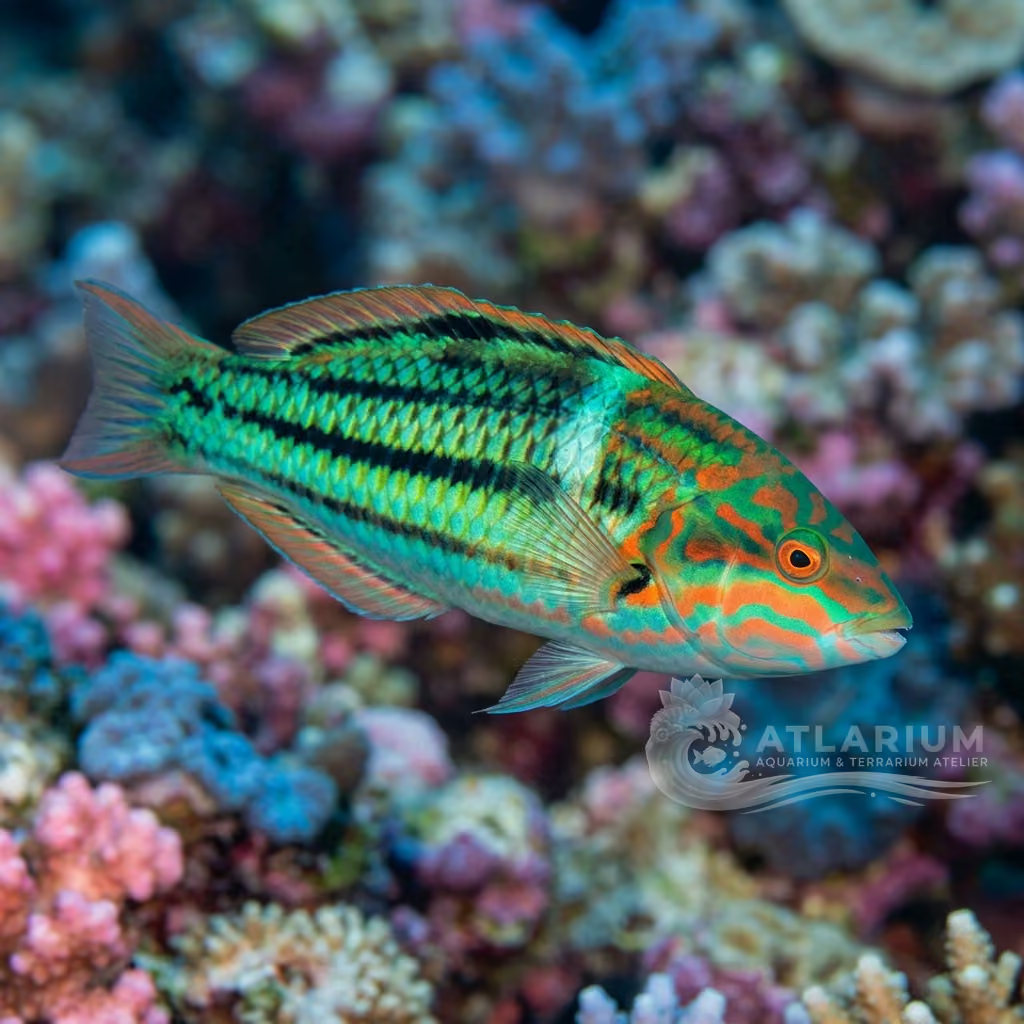
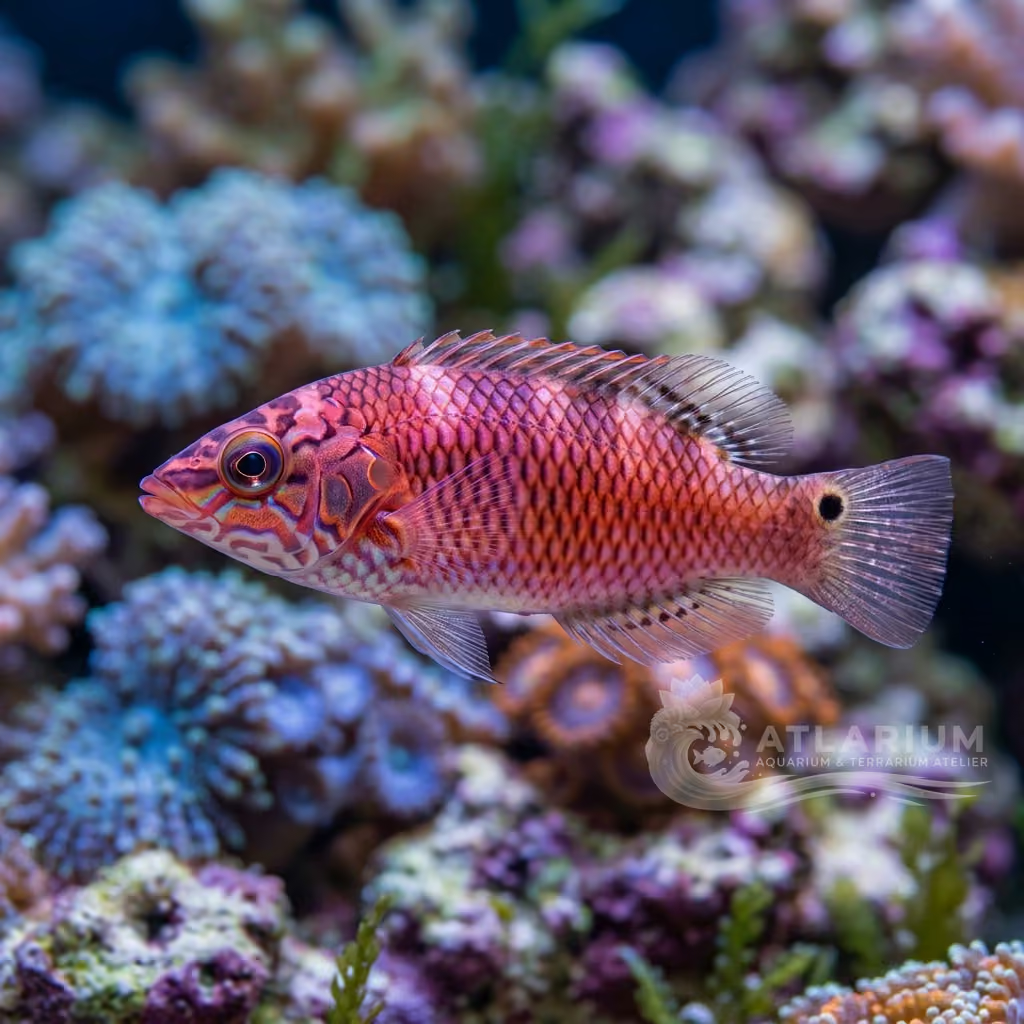
Coloration and Sexual Dimorphism: Beautiful color contrast: deep brick-red or dark orange body and a bright canary-yellow or orange head, separated by a dark stripe. Dominant males display more saturated green and pink facial markings than females and juveniles.

Soins, reproduction et cohabitation
Aquarium Setup: Requires an aquarium of at least 200 liters with a deep, fine sand bed (at least 5 cm) for sleeping and retreat. Live rock is essential for foraging. The tank must be tightly covered to prevent jumping.
Diet and Feeding: Carnivorous. Feeds on small crustaceans and pests. Highly useful for controlling flatworms and parasitic snails. Feed 2-3 times daily with mysis, brine shrimp, chopped krill, and high-quality pellet food.
Water Quality: Stable parameters: temperature 22-26°C, pH 8.1-8.4, specific gravity (SG) 1.020-1.025, GH 15-25, KH 8-12. Appreciates moderate to strong water movement and excellent filtration.
Compatibility and Cohabitation: Reef safe with caution. Ideal for coral community aquariums. Harmless to corals. May prey on tiny ornamental shrimp and small snails. Do not house with highly aggressive wrasses.
Aquarium Breeding: Protogynous hermaphrodite. Captive breeding is undocumented due to the extreme difficulty of raising pelagic larvae in open water.
Risks and Diseases: High jumping risk when startled. Snout injuries and stress can occur if the sand bed is too coarse or sharp. Susceptible to external parasites under stress.

Origine et répartition géographiques
Native to the Western Indian Ocean, along the East African coast from South Africa and Madagascar to the Seychelles, Mascarene, and Chagos islands. Inhabits seaward reefs and steep drop-offs rich in soft corals at depths of 6 to 43 meters.
Origine
Océans tropicaux et récifsAfrique et MadagascarAsie du Sud et du Sud-Est

Profil de poisson
- Tempérament
- Territorial
- The Radiant Wrasse has a peaceful and inquisitive temperament. It spends its time hunting without bothering most tank mates. However, it may bully smaller, more timid fish if introduced improperly.
- Régime alimentaire
- Carnivore
- In the wild, it is a benthic predator feeding on small invertebrates. Its captive diet should include mysis shrimp, brine shrimp, and high-quality marine pellets. It effectively controls pests like flatworms and pyramidellid snails.
- Espérance de vie
- 4-8 years
- Taille adulte
- 12 cm
- Ratio des sexes
- Harem
- They are protogynous hermaphrodites, meaning females can transition to males. It is best to keep them singly or as one male with multiple females. Multiple males in the same tank will fight to the death.
- Fréquence d'alimentation
- 2-3 times daily
- Due to its high metabolism, it needs multiple small meals daily. Feeding two to three times a day is highly recommended. Consistent feeding keeps the fish vigorous and healthy.
- Charge biologique
- Medium
- This wrasse produces a moderate bioload due to its active nature. It requires frequent feedings which contribute to waste buildup. Adequate protein skimming and regular water changes are necessary.
- Courant
- Strong
- It thrives in moderate to strong water flow environments. Strong currents simulate its natural reef habitat and keep it active. Good flow also aids in keeping detritus suspended for filtration.
- Risque de saut
- Yes
- This species is an extremely notorious jumper when startled. Its streamlined body allows it to easily leap from open tanks. A tight-fitting lid or mesh screen is absolutely mandatory.
- Reproduction
- Oviparous
- Breeding this species in home aquariums is exceedingly difficult. They are pelagic spawners that release eggs into the water column. The planktonic larvae require highly specialized microscopic foods to survive.
- Compatibilité et compagnons
- With caution
- It is generally peaceful and considered reef-safe for community marine tanks. While safe with corals, it may eat small ornamental crustaceans. Avoid keeping it with other male wrasses to prevent territorial aggression.
- Niveau dans le bac
- All levels
- It actively swims in the middle and bottom levels during the day. It constantly searches the rockwork for small prey. At night, it requires a deep sand bed to bury itself and sleep.

Modèles et paramètres scientifiques
FishBase
Fenêtre sur les données scientifiques officielles de l’espèce
FishBase v25.04Données synchronisées le : 15/06/2026
- Niveau trophique
- 3,4 ± 0,5 se
- Résilience
- Élevée (moins de 15 mois)
- Singularité phylogénétique (PD50)
- 0.5
- Relation bayésienne longueur-poids
- a = 0.01, b = 3.09
- VulnérabilitéVulnérabilité faible (10 / 100)

Espèces associées
Recommandations regroupées par proches parents, compagnons et soins similaires.