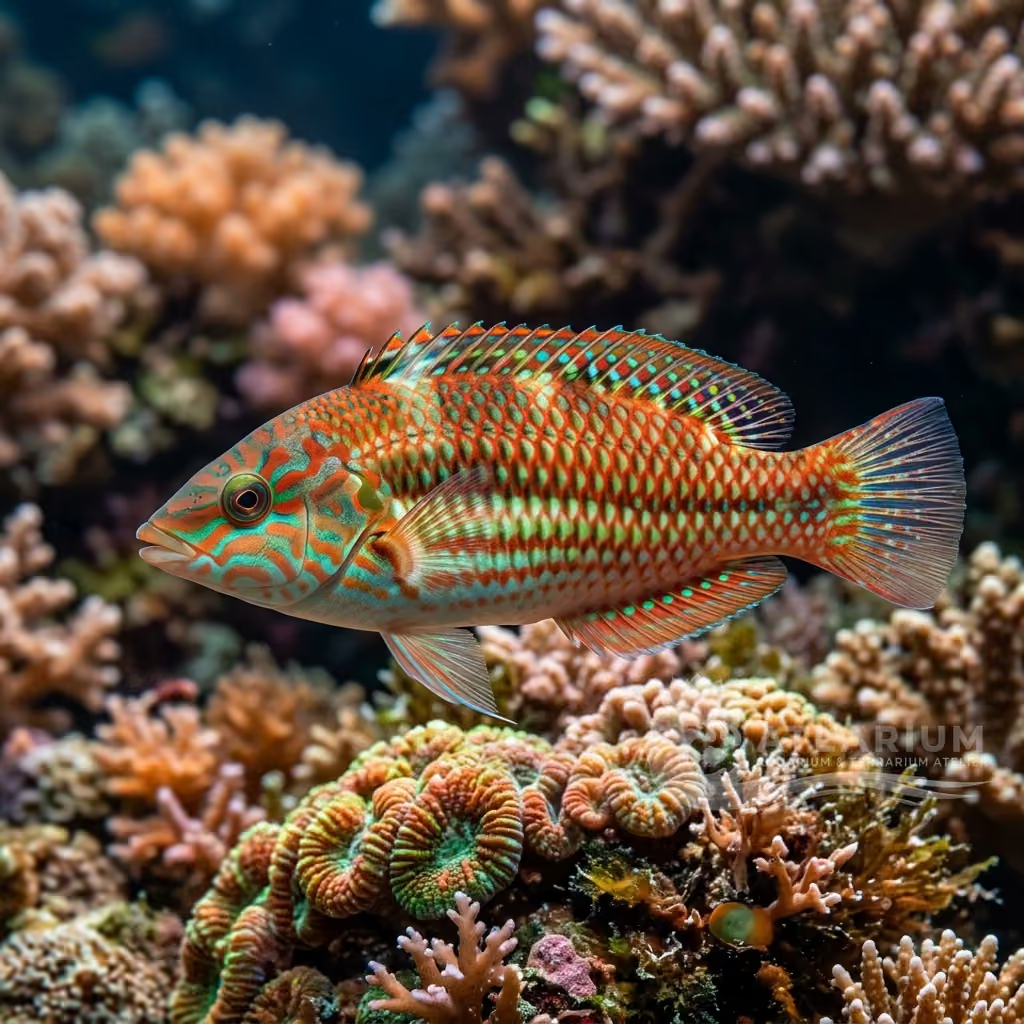
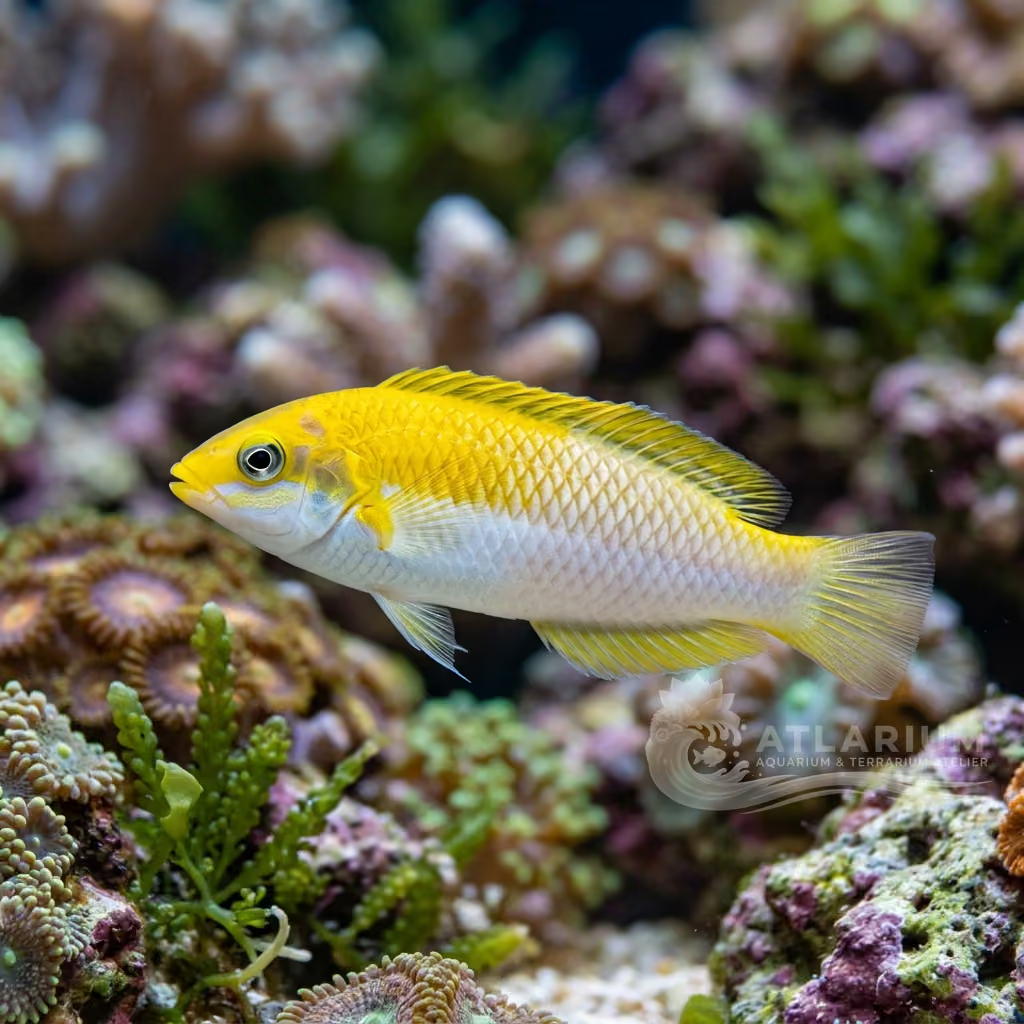
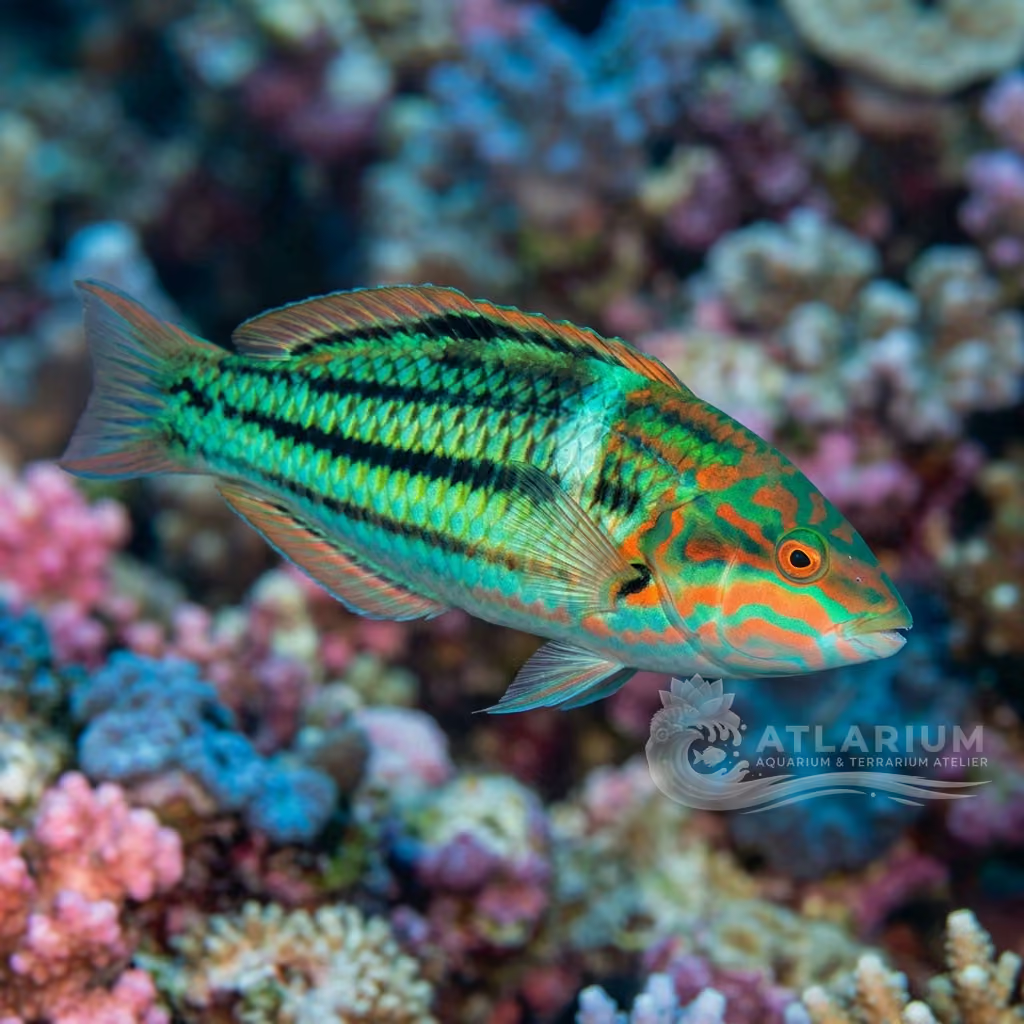
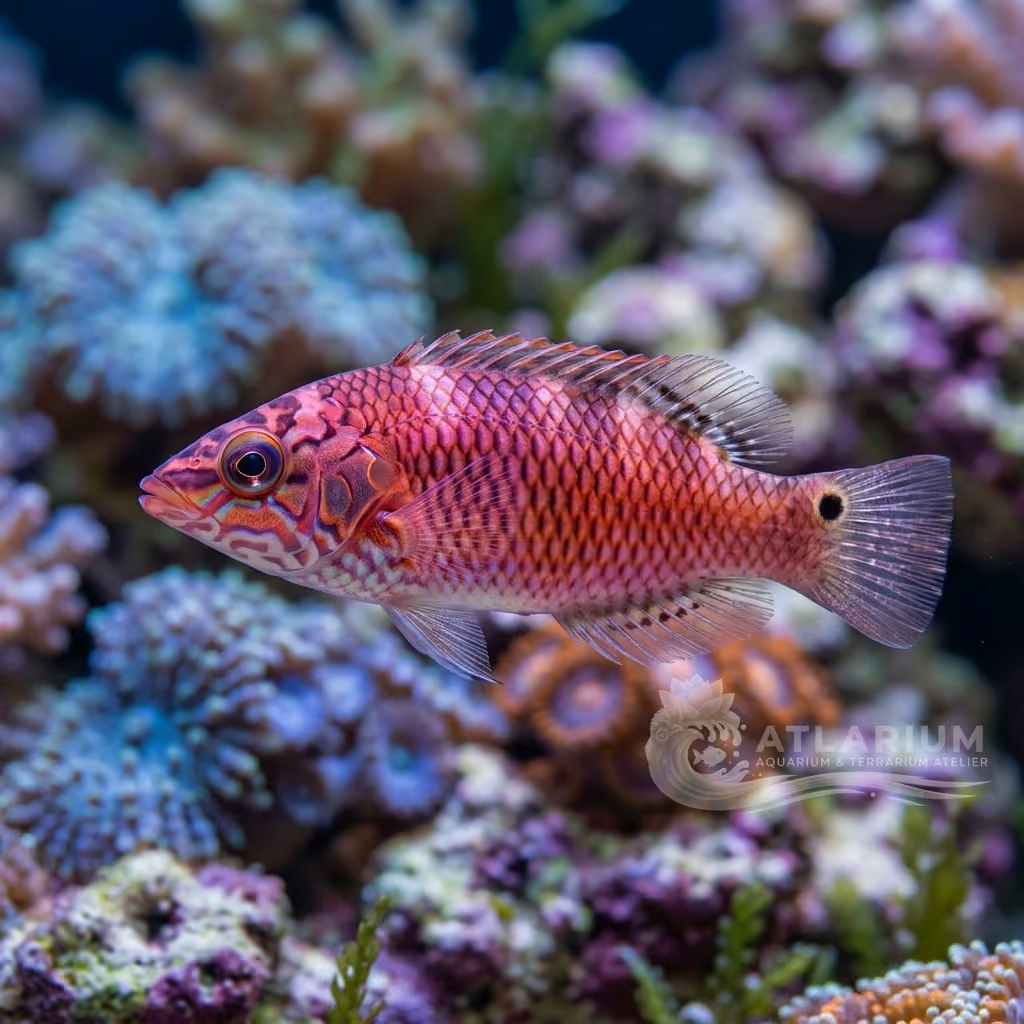
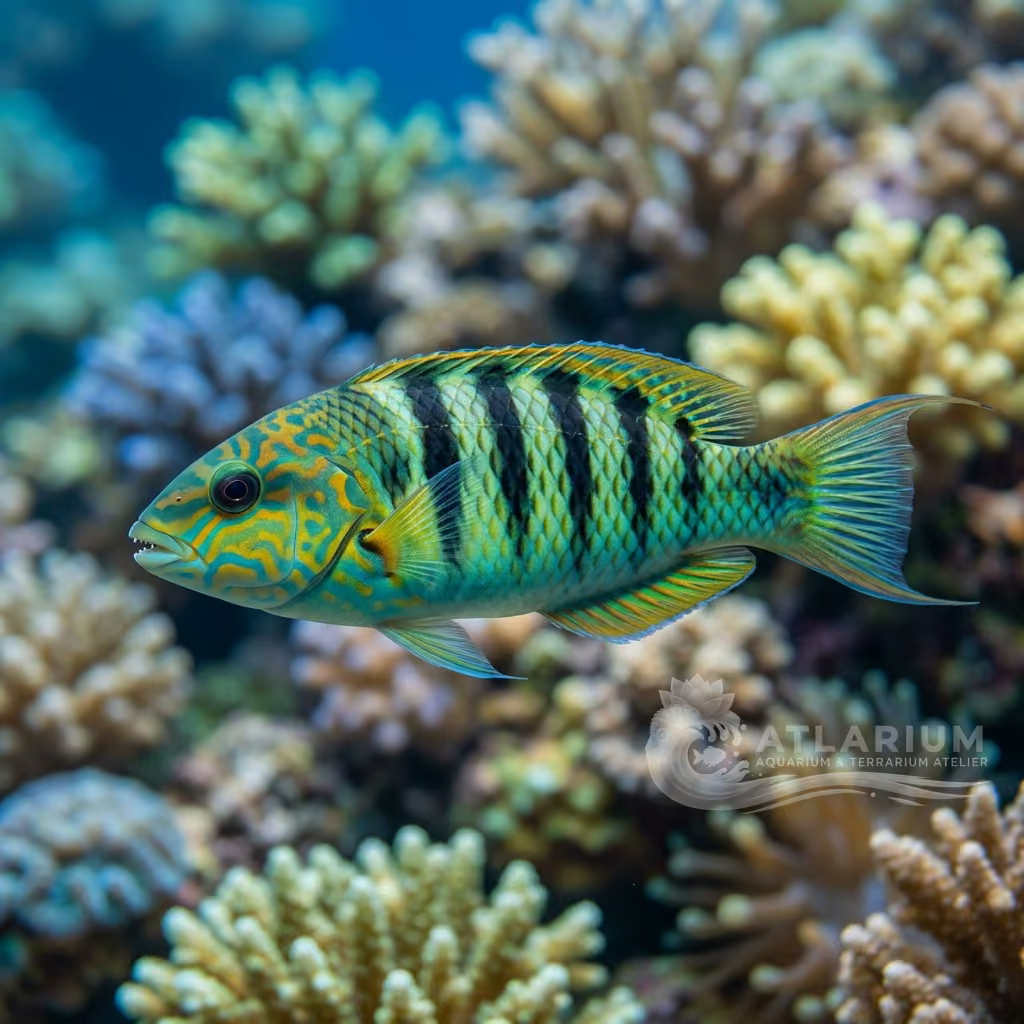
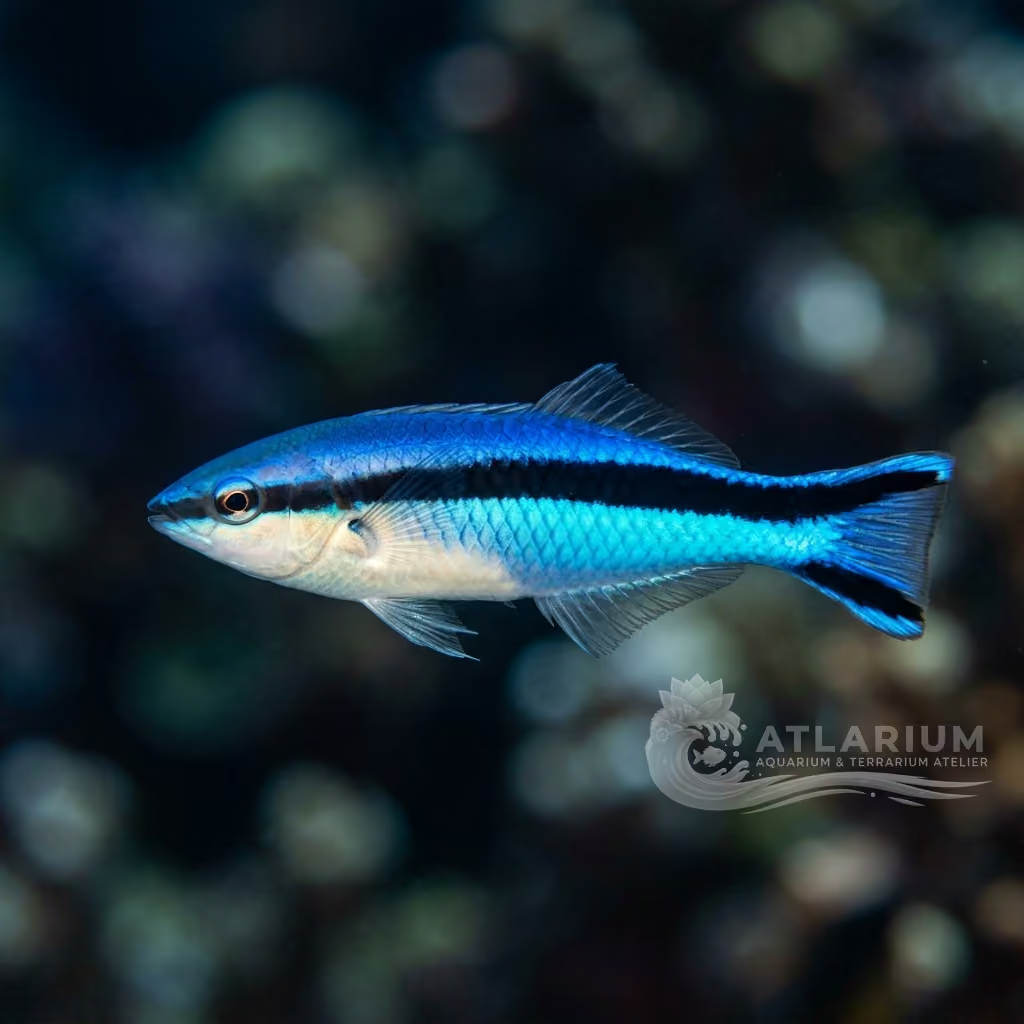
Axilspot wrasse
Halichoeres podostigma
The Axilspot Wrasse is a mature reef dweller from the Indo-West Pacific. It mandates ample swimming space, a deep non-sharp sand bed for its sleeping habits, and a well-fitted cover to prevent escapes.
Température de l’eau
22 - 27 °C
Valeur du pH
8.1 - 8.4
Type d'eau
Marin
Niveau dans le bac
Fond et milieu
Taille adulte
18 cm
Volume minimal du bac
>= 300 L
Groupe minimal
>= 1
KH
8 - 12 dKH

Description de l'espèce
Geographical Origin and Habitat: Native to the Indo-West Pacific, specifically the waters of Indonesia, the Philippines, Malaysia, and Papua New Guinea. It inhabits coastal coral reefs, protected lagoons, and sandy channel margins near reef flats, at depths between 2 and 25 meters.
Taxonomy and Morphology: Halichoeres podostigma belongs to the Labridae family, genus Halichoeres. It features an elongated, laterally compressed body with a pointed snout and small teeth specialized for crushing small invertebrates. Adults can reach a maximum length of about 15-18 cm (6-7 inches).
Social Behavior: A highly active, diurnal fish that swims constantly along the reef structures looking for prey. Like most Halichoeres wrasses, it burrows completely into the sand bed to sleep at night or to escape predators when threatened. It is peaceful toward tankmates of similar size but can show territorial behavior toward other wrasses.
Coloration and Sexual Dimorphism: Displays a striking color pattern: a greenish or brownish-orange body covered with dense orange or pink spots along the scale rows, and a prominent black spot (axilspot) at the base of the pectoral fin. Adult terminal males exhibit brighter colors and blue-green facial markings.

Soins, reproduction et cohabitation
Aquarium Setup: Requires a mature marine aquarium of at least 300 liters (approx. 80 gallons) to provide adequate swimming space. A deep sand bed of fine, non-sharp sand (at least 5-8 cm deep) is absolutely mandatory, as the wrasse will fail to thrive without sand to sleep in. A tight-fitting lid or mesh cover is required.
Diet and Feeding: Carnivorous with a high metabolism. Feeds on small crustaceans, worms, and other benthic invertebrates. In captivity, it readily accepts frozen foods (mysis, brine shrimp, chopped krill, clam meat) and high-quality dry pellets. Feed 2-3 times daily to sustain its high activity level.
Water Quality: Maintain stable reef parameters: specific gravity 1.023-1.025, water temperature 24-28°C (75-82°F), pH 8.1-8.4, and carbonate hardness (dKH) 8-12. Ensure proper protein skimming and regular water changes to prevent the accumulation of organic compounds.
Compatibility and Cohabitation: Compatible with corals and medium-sized reef fish. However, it is not completely safe with small ornamental invertebrates; it may prey on small ornamental shrimps, tubeworms, and small snails. Do not house with highly aggressive tankmates.
Aquarium Breeding: Breeding in captivity is extremely difficult and undocumented in home aquariums. This species is a protogynous hermaphrodite, where large females can change sex to become males. Spawning in the wild involves pelagic egg release.
Risks and Diseases: The greatest risk is the absence of a proper sand bed. Keeping this wrasse in a bare-bottom tank or with coarse gravel will cause severe stress, physical injuries to its snout, and eventually death. Susceptible to marine ich (Cryptocaryon) if stressed.

Origine et répartition géographiques
Native to the Indo-West Pacific, specifically the waters of Indonesia, the Philippines, Malaysia, and Papua New Guinea. It inhabits coastal coral reefs, protected lagoons, and sandy channel margins near reef flats, at depths between 2 and 25 meters.
Origine
Océans tropicaux et récifsAfrique et MadagascarAsie du Sud et du Sud-EstAustralie, Nouvelle-Guinée et Océanie

Profil de poisson
- Tempérament
- Semi-aggressive
- This wrasse exhibits a peaceful and inquisitive demeanor towards most other fish. It is constantly on the move, investigating the aquascape for food. It may show aggression toward conspecifics or similarly shaped benthic predators.
- Régime alimentaire
- Carnivore
- This species thrives on a varied diet of chopped meaty foods like mysis and krill. It spends its day hunting small benthic invertebrates across the rockwork. It also acts as a great natural pest controller in the aquarium.
- Espérance de vie
- 5-8 years
- Taille adulte
- 18 cm
- Ratio des sexes
- Solitary
- As protogynous hermaphrodites, females can transition into males when necessary. It is highly recommended to keep only one male per aquarium to avoid severe aggression. Single individuals or small harems in very large tanks work best.
- Fréquence d'alimentation
- Twice daily
- Frequent feedings of two to three times daily are essential for this active swimmer. Without regular meals, it may quickly lose body mass and vigor. A well-fed wrasse is less likely to aggressively hunt beneficial invertebrates.
- Charge biologique
- Medium to High
- The Axilspot Wrasse has a moderate bioload comparable to other active fishes. Its need for a protein-rich diet means significant waste processing is required. Good skimming and biological filtration are necessary to handle its metabolic output.
- Courant
- Moderate
- It prefers moderate to strong water flow to mimic the natural reef surges. High flow helps maintain oxygen levels and suspends detritus for removal. It is a strong swimmer that enjoys navigating against the current.
- Risque de saut
- Yes
- Like its relatives, it is a well-known jumper when spooked or newly introduced. An uncovered tank is an invitation for this fish to leap to its death. Always secure the aquarium with a tight mesh screen.
- Reproduction
- Oviparous
- Breeding the Axilspot Wrasse in captivity is highly unlikely due to its pelagic spawning nature. The complex larval stages require specialized foods not easily cultured. Almost all specimens in the trade are collected from the wild.
- Compatibilité et compagnons
- Community
- It is generally peaceful with most tank mates but poses a threat to small crustaceans. It will not bother corals, making it a viable option for reef aquariums. Caution is needed when mixing with other wrasses to prevent fighting.
- Niveau dans le bac
- Middle/Bottom
- It predominantly roams the bottom and middle areas of the aquarium. It weaves through rock crevices hunting for food during daylight hours. A deep sand bed is absolutely required for it to bury and sleep at night.

Modèles et paramètres scientifiques
FishBase
Fenêtre sur les données scientifiques officielles de l’espèce
FishBase v25.04Données synchronisées le : 15/06/2026
- Niveau trophique
- 3,5 ± 0,5 se
- Résilience
- Élevée (moins de 15 mois)
- Singularité phylogénétique (PD50)
- 0.5
- Relation bayésienne longueur-poids
- a = 0.01, b = 3.09
- VulnérabilitéVulnérabilité faible (13 / 100)

Espèces associées
Recommandations regroupées par proches parents, compagnons et soins similaires.