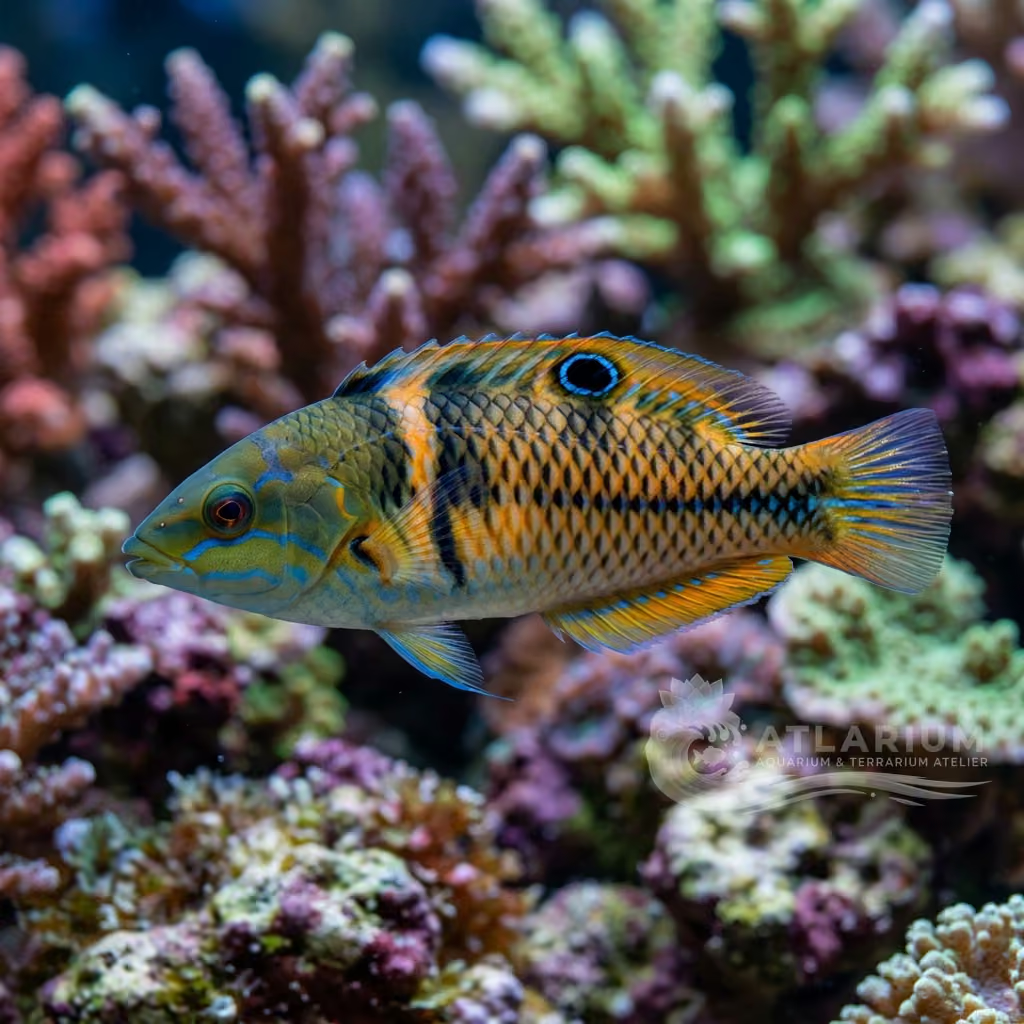
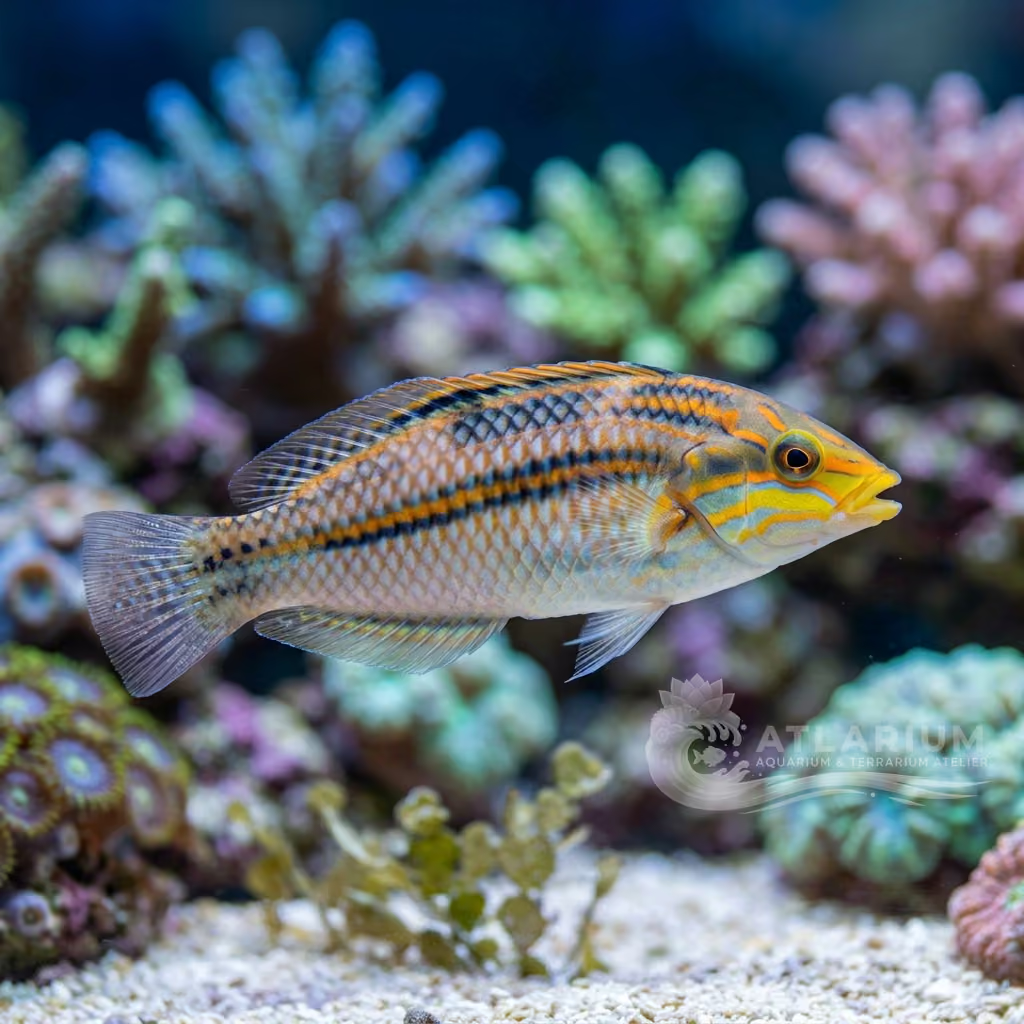
Yellow-banded Possum Wrasse
Wetmorella nigropinnata
The Yellow-banded Possum Wrasse is a delightfully secretive dwarf species. It methodically navigates the deepest coral caves, exhibiting extraordinary maneuverability and a perfectly peaceful disposition.
Température de l’eau
24 - 27 °C
Valeur du pH
8.1 - 8.4
Type d'eau
Marin
Niveau dans le bac
Fond et milieu
Taille adulte
6,5 cm
Volume minimal du bac
>= 80 L
Groupe minimal
>= 1
KH
8 - 12 dKH

Description de l'espèce
Geographical Origin and Habitat: Broadly distributed in the tropical Indo-Pacific, from East Africa and the Red Sea to Hawaii, the Tuamotus, and the Ryukyu Islands. Inhabits caves and deep crevices in coral reefs at depths of 8 to 36 meters. They prefer sheltered lagoons and inner reefs where wave action is minimal and hiding spots are abundant.
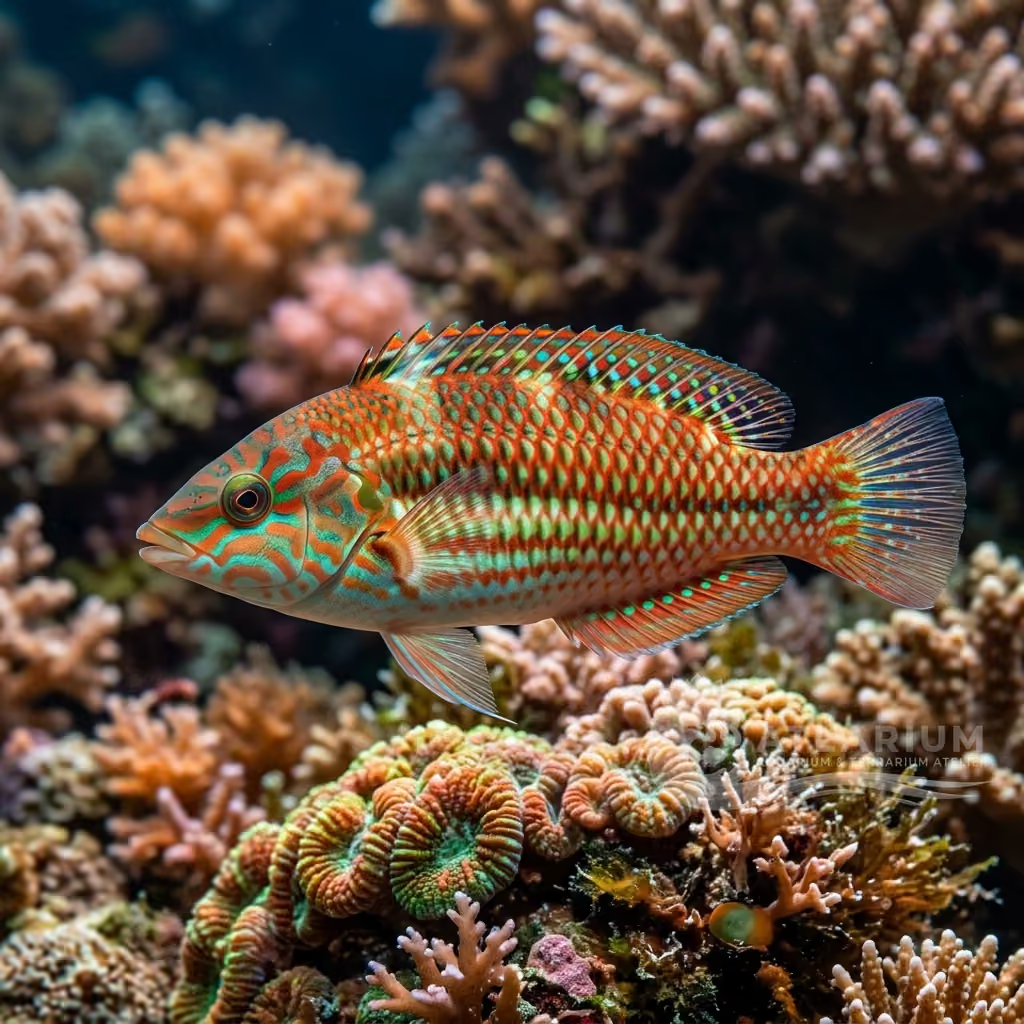
Taxonomy and Morphology: Member of the genus Wetmorella. Features a compressed, deep body with a pointed snout (giving it the name sharpnose wrasse). Grows to a maximum length of 6.5 cm (2.5 inches). Their unique shape is designed to resemble floating debris or leaves, providing a clever natural camouflage.
Social Behavior: Very shy and peaceful. Spends most of the day hovering slowly inside rock caves and under overhangs. Completely non-aggressive towards tankmates. They are solitary creatures that spend their days meticulously scanning rocks for small copepods and amphipods.
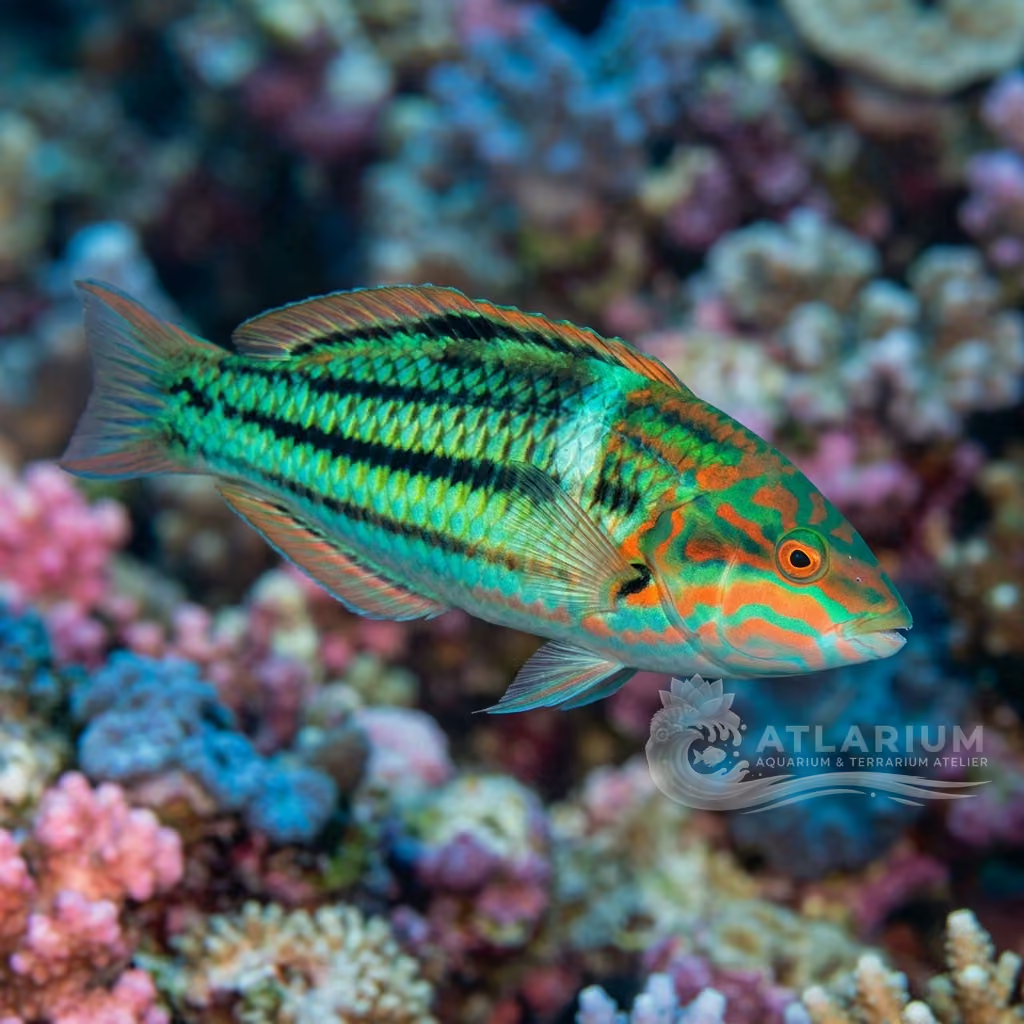
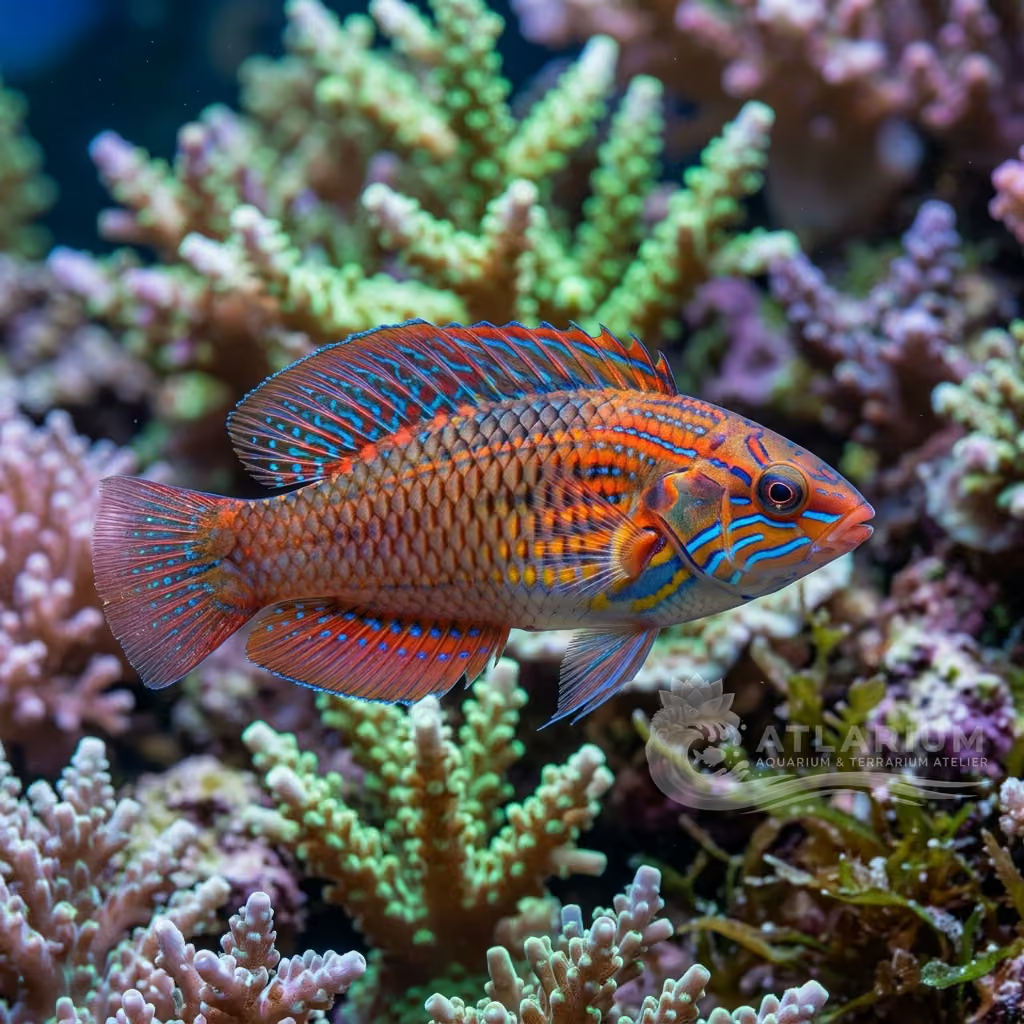
Coloration and Sexual Dimorphism: Body is rust-red to brownish, distinguished by two vertical yellow bands near the head and tail, and prominent black eyespots (ocelli) ringed in yellow on the dorsal and anal fins. No visible sexual dimorphism. The vibrant spots on their fins fade slightly at night or when the fish is resting in its mucus cocoon.

Soins, reproduction et cohabitation
Aquarium Setup: Requires a tank of at least 80 liters with extensive live rock structures forming shady caves and narrow crevices. Prefers calm, low-to-medium water flow. The tank must have mature live rock with an established population of microfauna to prevent starvation.
Diet and Feeding: Carnivore/Micro-predator. Feeds on naturally occurring micro-crustaceans and copepods on live rock. Acclimate to fine frozen foods like cyclops, mysis, and baby brine shrimp. Offer food near their favorite hiding places to encourage feeding during the initial acclimation period.
Water Quality: Stable parameters are key: temperature 24-26°C (75-79°F), pH 8.1-8.4, specific gravity 1.022-1.025, GH 15-25, and KH 8-12. Strong water currents should be avoided, as they prefer calm waters that allow for slow, deliberate swimming.
Compatibility and Cohabitation: 100% reef-safe. Perfect for quiet community tanks with small, peaceful fish like gobies and firefish. Do not house with aggressive species or fast-swimming competitors. Peaceful gobies and firefish make ideal tankmates that will not compete aggressively for food resources.
Aquarium Breeding: Unrecorded in aquaria. In nature, they are pelagic spawners, which is difficult to replicate in captive systems. Successful breeding in home aquariums is virtually unknown due to the complex larval stage requirement.
Risks and Diseases: Starvation is a major risk if kept in sterile tanks without live rock or alongside aggressive eaters. Prone to marine ich under stressful conditions. Provide a quiet, stress-free environment to prevent common skin infections and promote rapid adaptation.

Origine et répartition géographiques
Broadly distributed in the tropical Indo-Pacific, from East Africa and the Red Sea to Hawaii, the Tuamotus, and the Ryukyu Islands. Inhabits caves and deep crevices in coral reefs at depths of 8 to 36 meters. They prefer sheltered lagoons and inner reefs where wave action is minimal and hiding spots are abundant.
Origine
Océans tropicaux et récifsAfrique et MadagascarAsie de l'Est

Profil de poisson
- Tempérament
- Peaceful
- They are exceedingly shy, timid, and reclusive by nature. It is common for a newly introduced possum wrasse to hide for several days before venturing out. Once comfortable, they exhibit a calm, calculating demeanor as they hunt along the rockwork. They rely on stealth rather than speed, floating at odd angles to remain inconspicuous to predators and prey alike.
- Régime alimentaire
- Carnivore
- Possum wrasses are micro-predators that spend their days hunting for tiny crustaceans among the live rock. A mature tank with a thriving population of copepods and amphipods is highly recommended for their long-term success. They will readily accept small meaty foods like frozen cyclops, baby brine shrimp, and crushed flakes. Target feeding may be necessary if they are too shy to compete during broadcast feeding.
- Espérance de vie
- 3-5 years
- Taille adulte
- 6.5 cm
- Ratio des sexes
- Solitary
- They can be kept singly without any issues, which is how they are most commonly maintained. If the tank is large enough with plenty of rockwork, a small harem of one male and multiple females can be attempted. Keeping multiple males together will result in territorial skirmishes. They are protogynous hermaphrodites, meaning females can transition into males if a dominant male is absent.
- Fréquence d'alimentation
- 2-3 times daily
- Because of their small stomachs and constant foraging behavior, they require multiple small feedings throughout the day. Offering food two to three times daily ensures they receive adequate nutrition. If the aquarium has a very mature microfauna population, feeding frequency can be slightly reduced as they will hunt continuously. Starvation is a common issue if they are not fed frequently enough.
- Charge biologique
- Low to Medium
- This extremely small and cryptic wrasse has an exceptionally low bioload. It contributes barely any waste to the system, making it an ideal candidate for nano reefs and smaller setups. Due to its secretive nature and tiny portions of food, biological filtration is rarely taxed. They are highly sensitive to poor water quality, so maintaining pristine conditions is more important than managing their waste.
- Courant
- Moderate
- They strongly prefer areas of low to moderate flow where they can easily maneuver without being blown around. Possum wrasses often hover in caves or swim methodically through crevices, which is difficult in high-flow SPS-dominated tanks. Providing sheltered zones with gentle currents is essential for their comfort. Strong direct flow should be avoided.
- Risque de saut
- Yes
- While not as notorious as fairy or flasher wrasses, they still possess the ability to jump if startled or chased. Their small size means they can escape through very tiny gaps in netting or lids. A tightly fitted mesh screen top is a wise precaution to protect your investment. Keep the tank calm to minimize the startle response that triggers jumping.
- Reproduction
- Oviparous
- They are pelagic spawners, releasing eggs and sperm into the water column during brief courtship dances. Breeding them in captivity is exceptionally rare and raising the microscopic larvae is beyond the reach of most hobbyists. Males may display intensified colors and fin flashing during spawning attempts. Captive breeding protocols have yet to be commercialized for this genus.
- Compatibilité et compagnons
- Reef safe
- They are incredibly peaceful and easily intimidated, making them excellent community fish for passive tanks. They will not bother corals, invertebrates, or even the smallest of tank mates. However, they must not be housed with aggressive, fast-moving, or boisterous fish that will outcompete them for food or bully them into hiding permanently. Perfect companions include small gobies, pipefish, and dartfish.
- Niveau dans le bac
- Middle/Bottom
- Possum wrasses are highly cryptic and spend the vast majority of their time in the lower and middle sections of the rockwork. They rarely swim out in the open water column, preferring to weave through caves, overhangs, and coral branches. Their unique hovering swimming style allows them to inspect crevices meticulously. Ample live rock with intricate hiding spaces is absolutely mandatory.

Modèles et paramètres scientifiques
FishBase
Fenêtre sur les données scientifiques officielles de l’espèce
FishBase v25.04Données synchronisées le : 15/06/2026
- Niveau trophique
- 3,5 ± 0,37 se
- Résilience
- Élevée (moins de 15 mois)
- Singularité phylogénétique (PD50)
- 0.625
- Relation bayésienne longueur-poids
- a = 0.02188, b = 2.97
- VulnérabilitéVulnérabilité faible (10 / 100)

Espèces associées
Recommandations regroupées par proches parents, compagnons et soins similaires.