Katherine's fairy wrasse
Cirrhilabrus katherinae
A vibrantly colored marine fish of the Labridae family, native to the Western Pacific. An active swimmer that requires a covered aquarium to prevent jumping.
Température de l’eau
22 - 26 °C
Valeur du pH
8.1 - 8.4
Type d'eau
Marin
Niveau dans le bac
Milieu
Taille adulte
8 cm
Volume minimal du bac
>= 120 L
Groupe minimal
>= 1

Description de l'espèce
Geographical Origin and Habitat: This species is native to the Western Pacific Ocean, specifically around the Mariana Islands, Ryukyu Islands, Izu Islands, and Taiwan. It inhabits the outer slopes of coral reefs, rubble zones, and areas rich in soft corals at depths ranging from 10 to 40 meters, where moderate water currents are present.
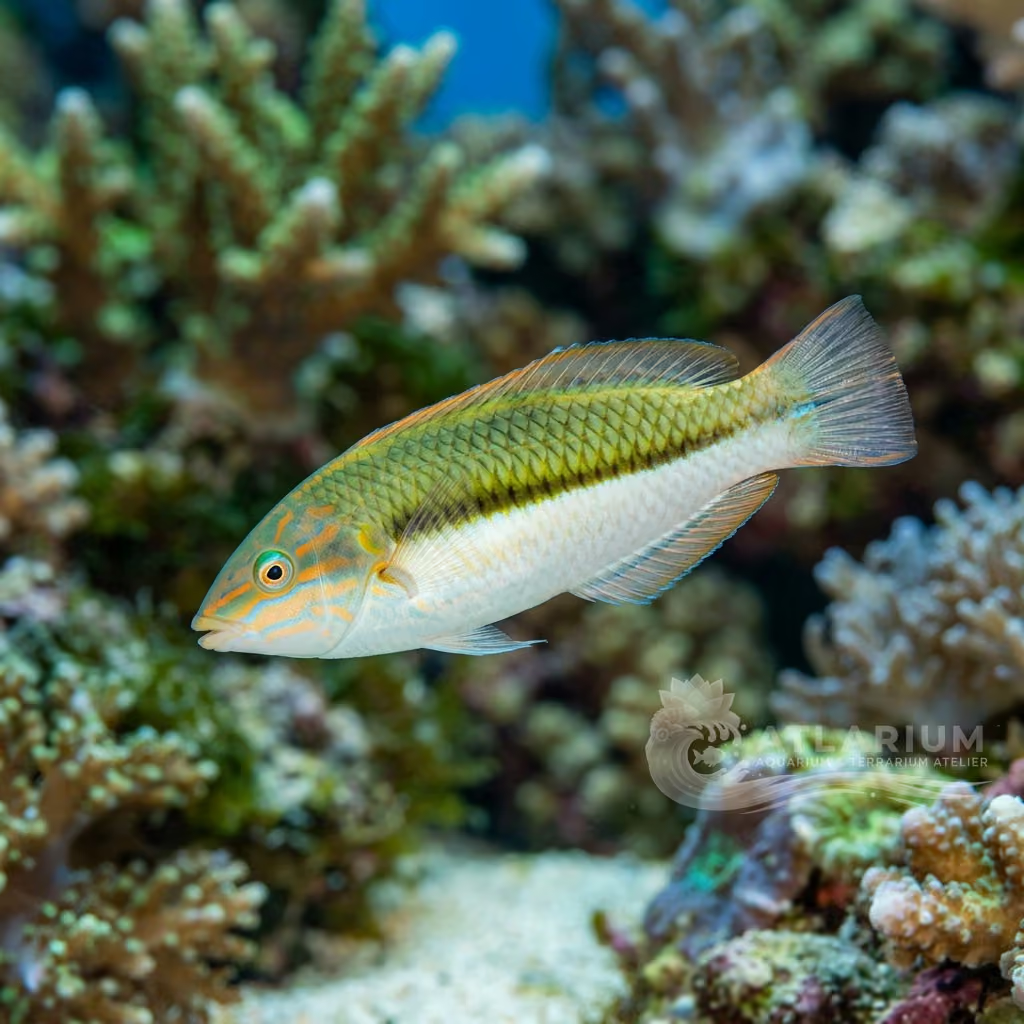
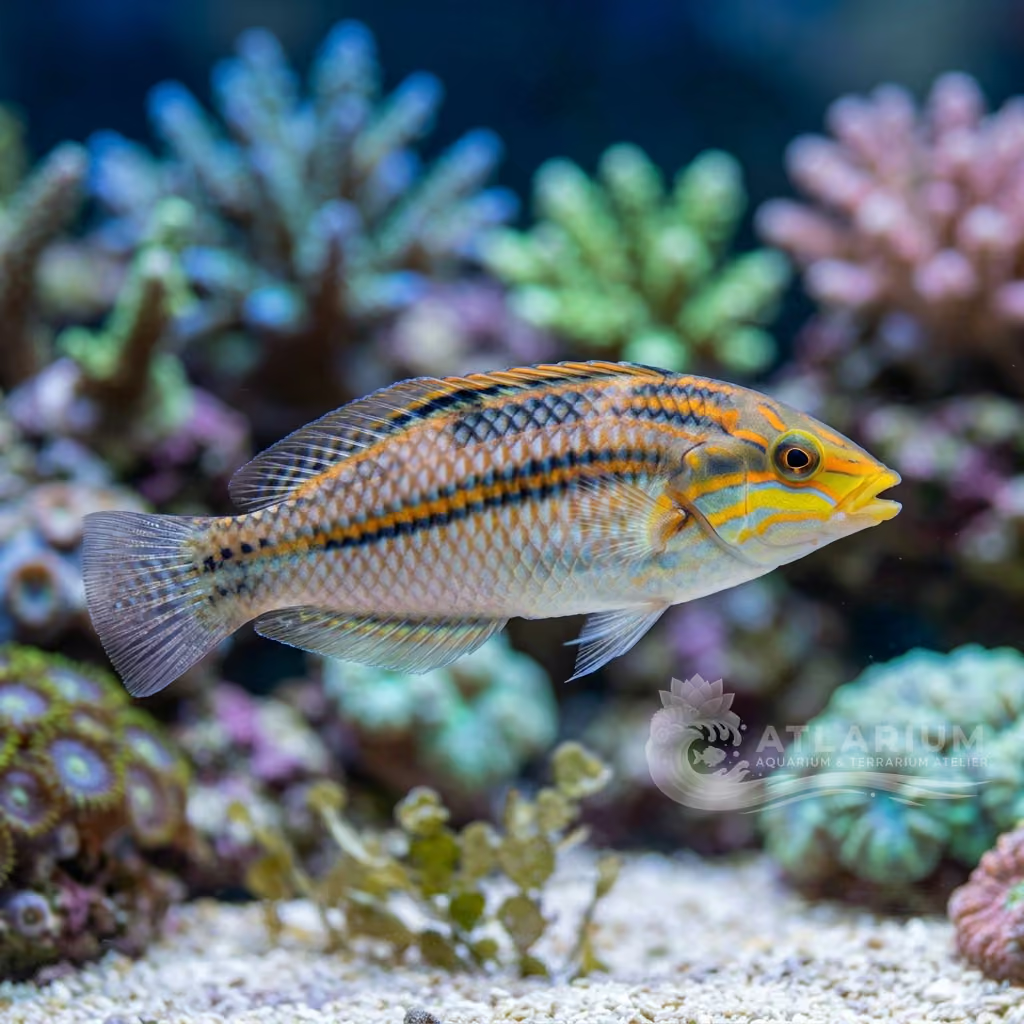
Taxonomy and Morphology: Cirrhilabrus katherinae belongs to the family Labridae and the genus Cirrhilabrus. It features a slender, streamlined body with a small terminal mouth and prominent eyes. Adult males reach a length of 8 to 10 cm (about 3-4 inches), while females remain slightly smaller. Like other fairy wrasses, it has a rounded caudal fin.
Social Behavior: A peaceful, active diurnal fish that spends most of its time swimming in the water column. In the wild, they live in harems consisting of one dominant male and several females. In the aquarium, it is compatible with other peaceful species, but males will display intense territorial aggression towards other males of the same species.
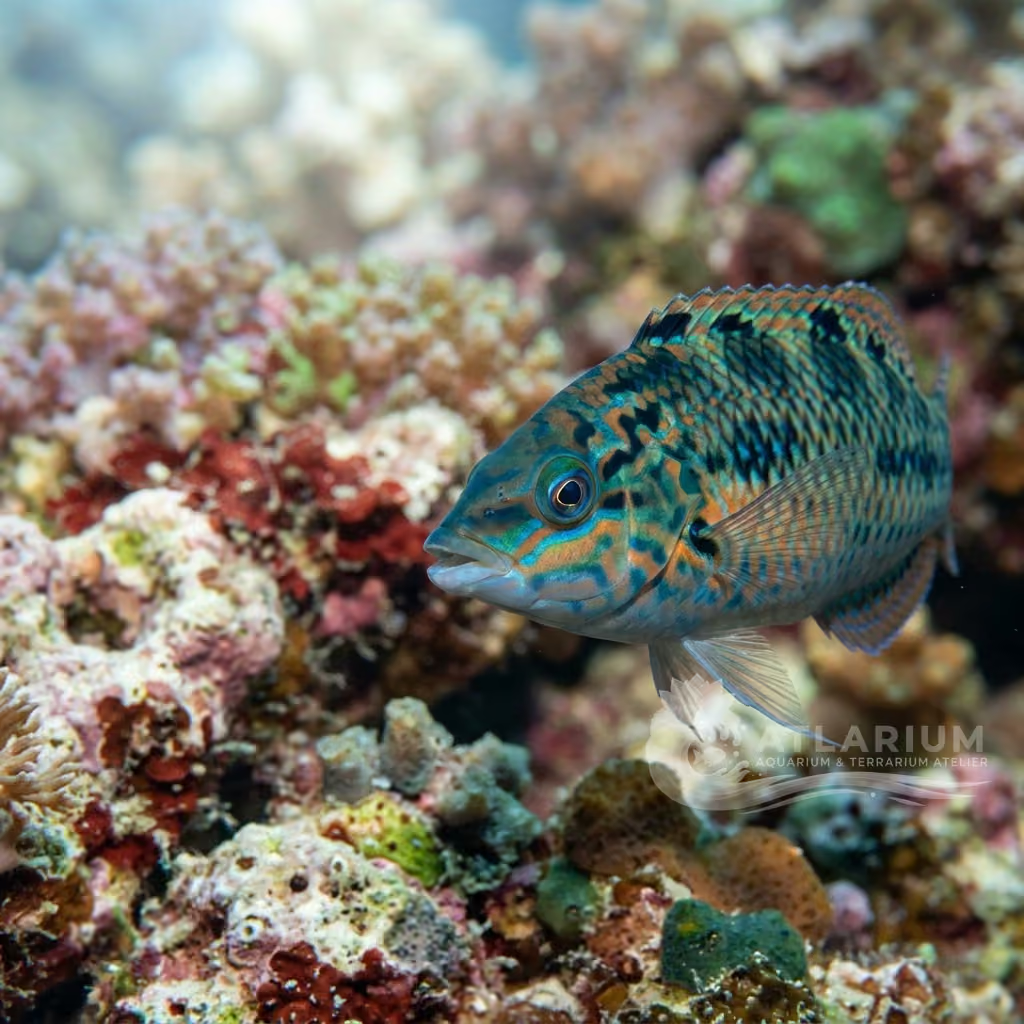
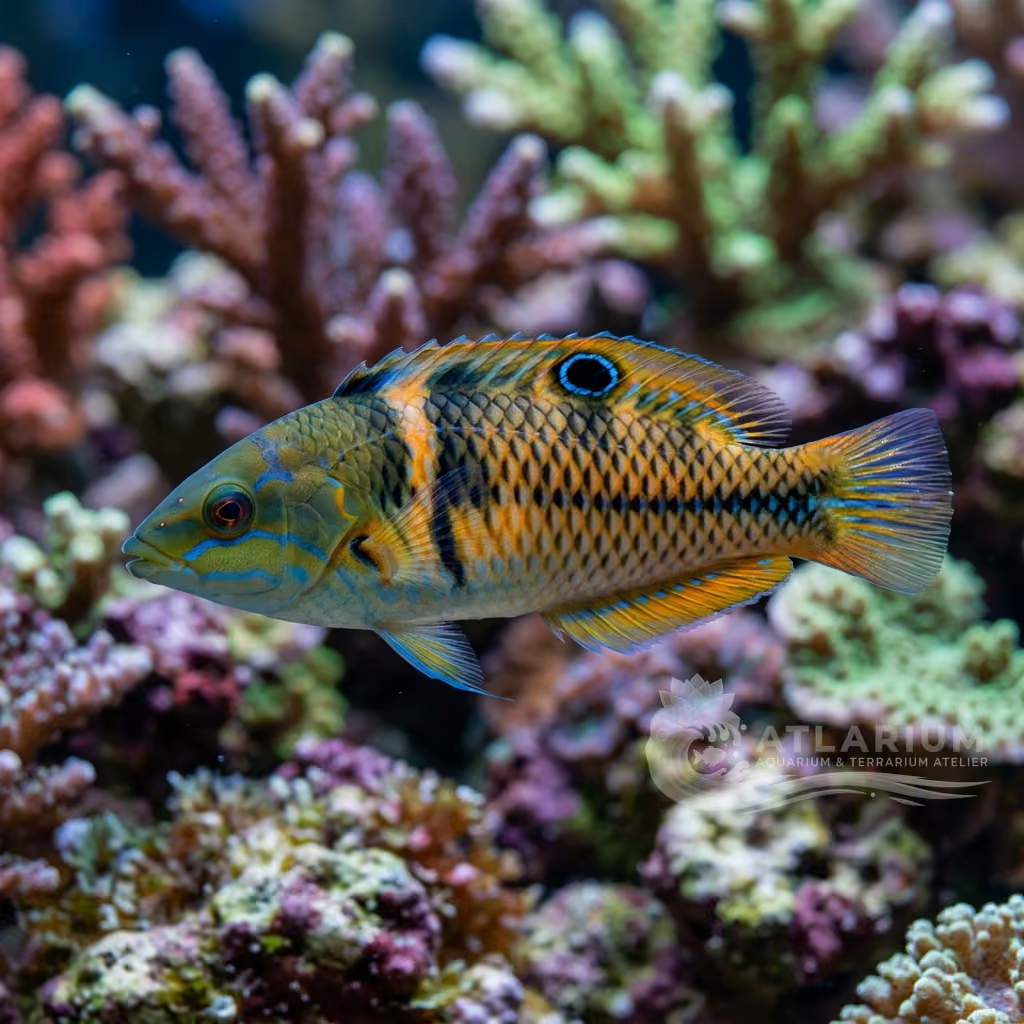
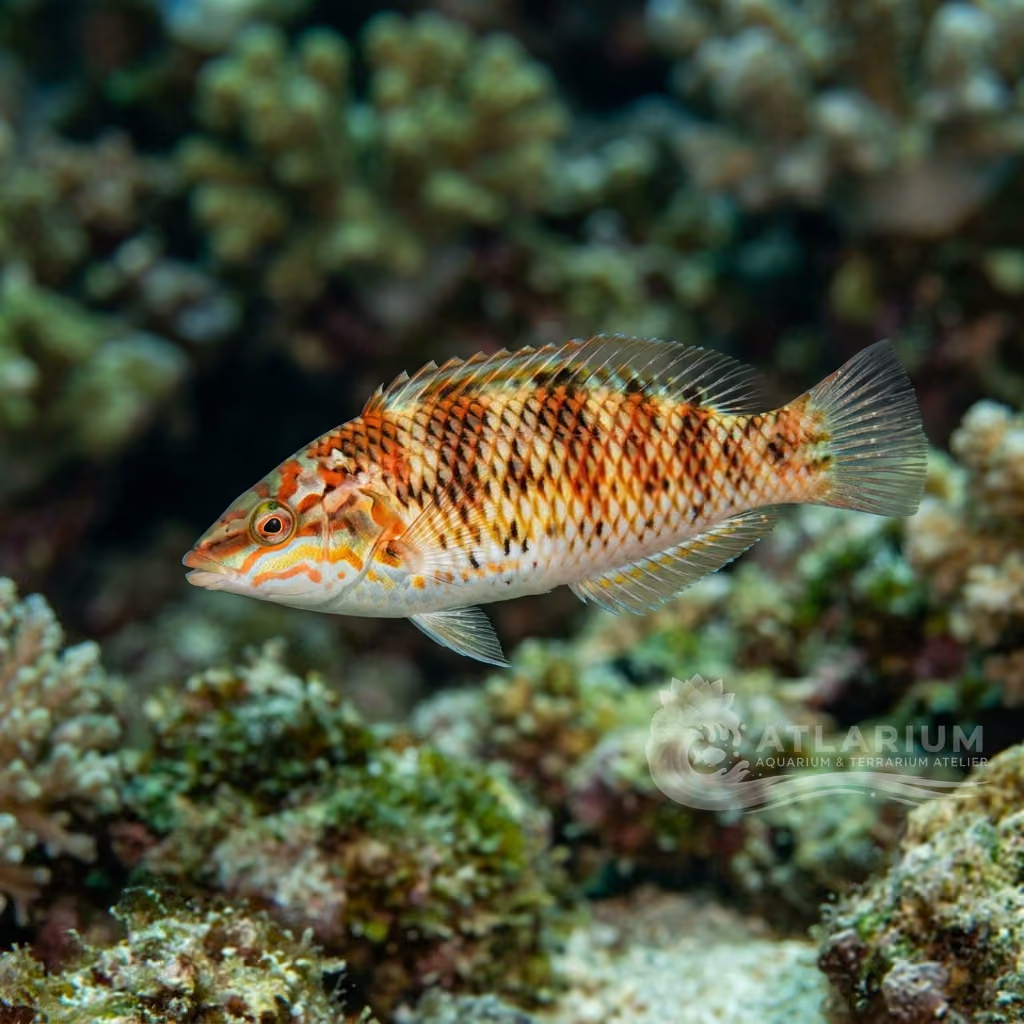
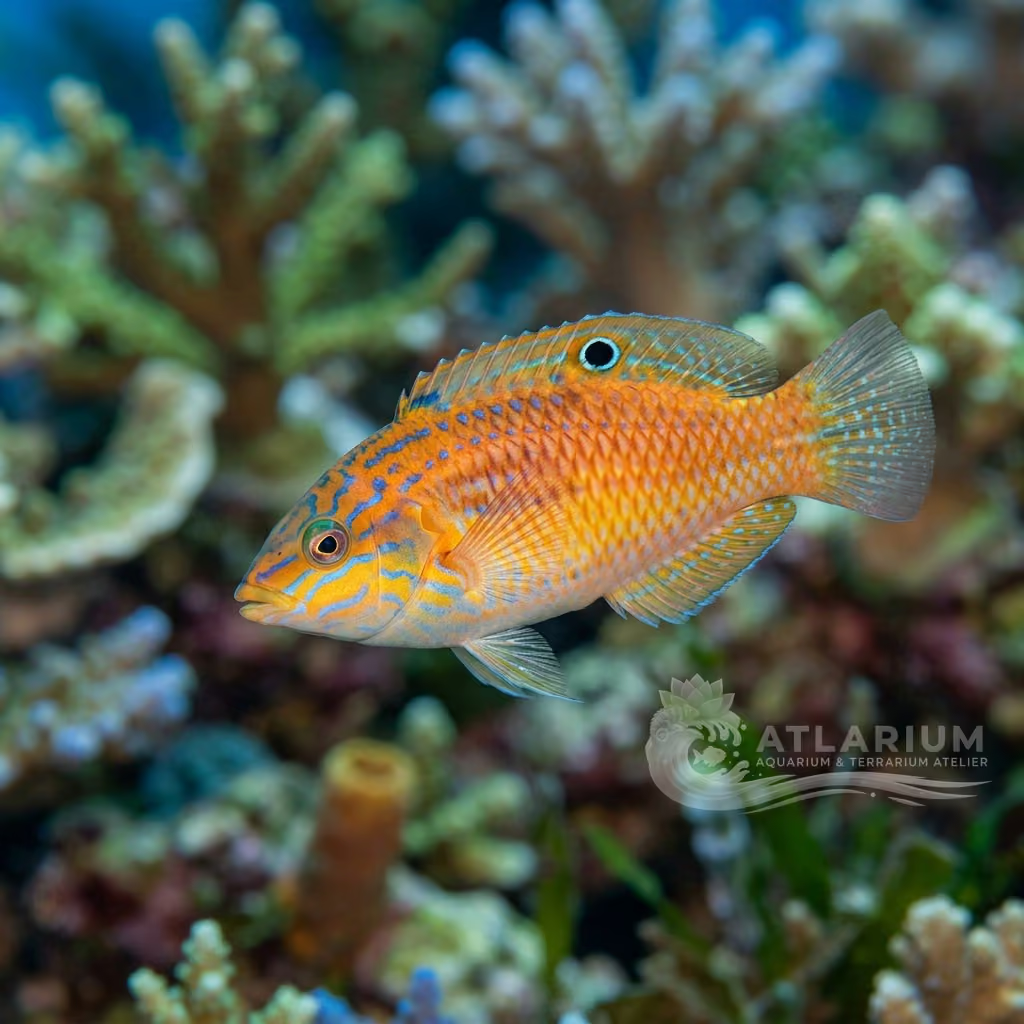
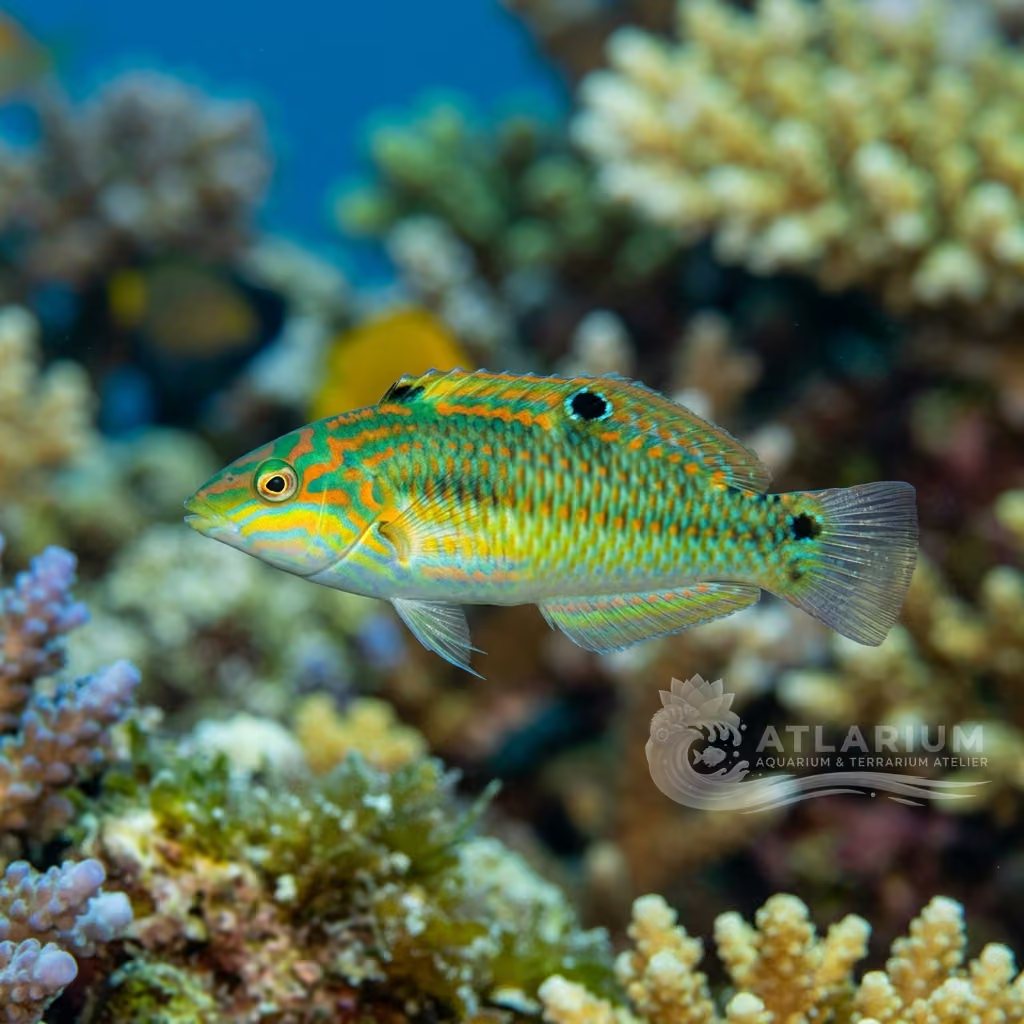
Coloration and Sexual Dimorphism: Wrasse males exhibit a spectacular color palette with shades of red, orange, and yellow on the body, a yellowish head, and a caudal fin showing electric blue or purple highlights. Females are less colorful, mostly pinkish-red with a small dark spot on the caudal peduncle.

Soins, reproduction et cohabitation
Aquarium Setup: Needs an aquarium of at least 200 liters (approx. 55 gallons) with plenty of open space for swimming and a live rock structure providing caves and crevices. A tightly fitting lid or mesh screen is strictly mandatory, as this species is an exceptional jumper and can leap out of the tank when startled.
Diet and Feeding: Feeds primarily on zooplankton in the wild. In captivity, it readily accepts frozen foods (mysis, brine shrimp, fish eggs) and high-quality dry pellets or flakes. Feed small portions multiple times a day to support its high metabolism and energetic swimming habits.
Water Quality: Requires stable marine water parameters: specific gravity between 1.023 and 1.025, temperature between 23°C and 26°C (73°F - 79°F), pH between 8.1 and 8.4, and carbonate hardness (dKH) between 8 and 12. A protein skimmer and regular water changes are key to keeping nitrate levels low.
Compatibility and Cohabitation: Reef-safe species that will not harm corals or sessile invertebrates. It is compatible with other peaceful reef fish like gobies, clownfish, and other non-aggressive wrasses. Do not house multiple males together or with overly aggressive tankmates that could cause chronic stress.
Aquarium Breeding: Breeding in home aquaria is extremely rare and difficult. Spawning involves a complex courtship display by the male, followed by the release of pelagic eggs into the water column. Rearing the larvae requires specialized setups and microscopic live food (such as rotifers).
Risks and Diseases: Apart from the high risk of jumping, this species is susceptible to common marine parasites like Cryptocaryon irritans (ich) and Oodinium under stressful conditions. Quarantine is highly recommended before introducing them to the main display tank.

Origine et répartition géographiques
This species is native to the Western Pacific Ocean, specifically around the Mariana Islands, Ryukyu Islands, Izu Islands, and Taiwan. It inhabits the outer slopes of coral reefs, rubble zones, and areas rich in soft corals at depths ranging from 10 to 40 meters, where moderate water currents are present.
Origine
Océans tropicaux et récifsAsie de l'Est

Profil de poisson
- Tempérament
- Peaceful
- The Cirrhilabrus katherinae is widely known for its peaceful and somewhat timid demeanor. They make excellent additions to peaceful community tanks but can be easily intimidated by large, aggressive species. When kept in a suitable environment, they are incredibly active and outgoing, providing constant movement and vibrant flashes of color.
- Régime alimentaire
- Carnivore
- In the wild, the Cirrhilabrus katherinae is predominantly a zooplanktivore that feeds continuously in the water column. In captivity, it adapts readily to a varied diet consisting of high-quality marine flakes, pellets, and frozen foods. Providing enriched mysis shrimp, brine shrimp, and Calanus will help maintain its vibrant coloration and overall health.
- Espérance de vie
- 5-7 years
- Taille adulte
- 8 cm
- Ratio des sexes
- Harem
- A proper harem structure is the most natural way to keep the Cirrhilabrus katherinae. It is generally recommended to keep one male with several females to disperse any potential aggression. Keeping multiple males of the same species usually results in intense fighting unless the aquarium is exceptionally large with ample hiding spaces.
- Fréquence d'alimentation
- Twice daily
- Due to its active nature and small stomach, the Cirrhilabrus katherinae should be fed small amounts multiple times a day. Two to three feedings per day are generally recommended to keep them in optimal condition. Infrequent feeding may lead to weight loss and a weakened immune system over time.
- Charge biologique
- Low to Medium
- The Cirrhilabrus katherinae generally has a moderate bioload. These are highly active fish that require frequent feedings to sustain their high metabolic rate. Consequently, this leads to a proportional amount of waste being produced in the aquarium. Proper filtration and regular water changes are essential to maintain the pristine water quality they need.
- Courant
- Moderate
- The Cirrhilabrus katherinae prefers moderate to strong water movement in the aquarium. This flow simulates their natural reef environment and encourages their natural swimming and foraging behaviors. Ensuring adequate flow also helps keep their preferred zooplankton foods suspended in the water column longer.
- Risque de saut
- Yes
- There is an extremely high risk of jumping associated with the Cirrhilabrus katherinae. They are easily startled by sudden movements, changes in lighting, or aggressive tank mates, which often results in them darting towards the surface. A tight-fitting lid or fine mesh screen is absolutely mandatory to prevent them from leaping out of the aquarium.
- Reproduction
- Oviparous
- Like most wrasses, the Cirrhilabrus katherinae is a protogynous hermaphrodite, meaning all individuals are born female. As they mature, the dominant female in a group will undergo a transformation into a male. Breeding in captivity is rare due to the complex pelagic larval stage, which requires specialized food and rearing conditions.
- Compatibilité et compagnons
- Reef safe
- The Cirrhilabrus katherinae is typically considered reef safe and a peaceful community fish. It will not bother corals, clams, or most ornamental invertebrates found in a reef tank. However, caution should be exercised when mixing them with other fairy wrasses or flasher wrasses, as males can become territorial towards similar species.
- Niveau dans le bac
- Middle
- The Cirrhilabrus katherinae is primarily a mid-water swimmer that spends the majority of its time actively navigating the open water column. It will frequently dart in and out of the rockwork while searching for food or seeking refuge. At night, they secrete a mucus cocoon and sleep wedged within the crevices of the live rock.

Modèles et paramètres scientifiques
FishBase
Fenêtre sur les données scientifiques officielles de l’espèce
FishBase v25.04Données synchronisées le : 15/06/2026
- Niveau trophique
- 3,3 ± 0,4 se
- Résilience
- Élevée (moins de 15 mois)
- Singularité phylogénétique (PD50)
- 0.5
- Relation bayésienne longueur-poids
- a = 0.01072, b = 3.03
- VulnérabilitéVulnérabilité faible (10 / 100)

Espèces associées
Recommandations regroupées par proches parents, compagnons et soins similaires.