Pelicier's Wrasse
Halichoeres pelicieri
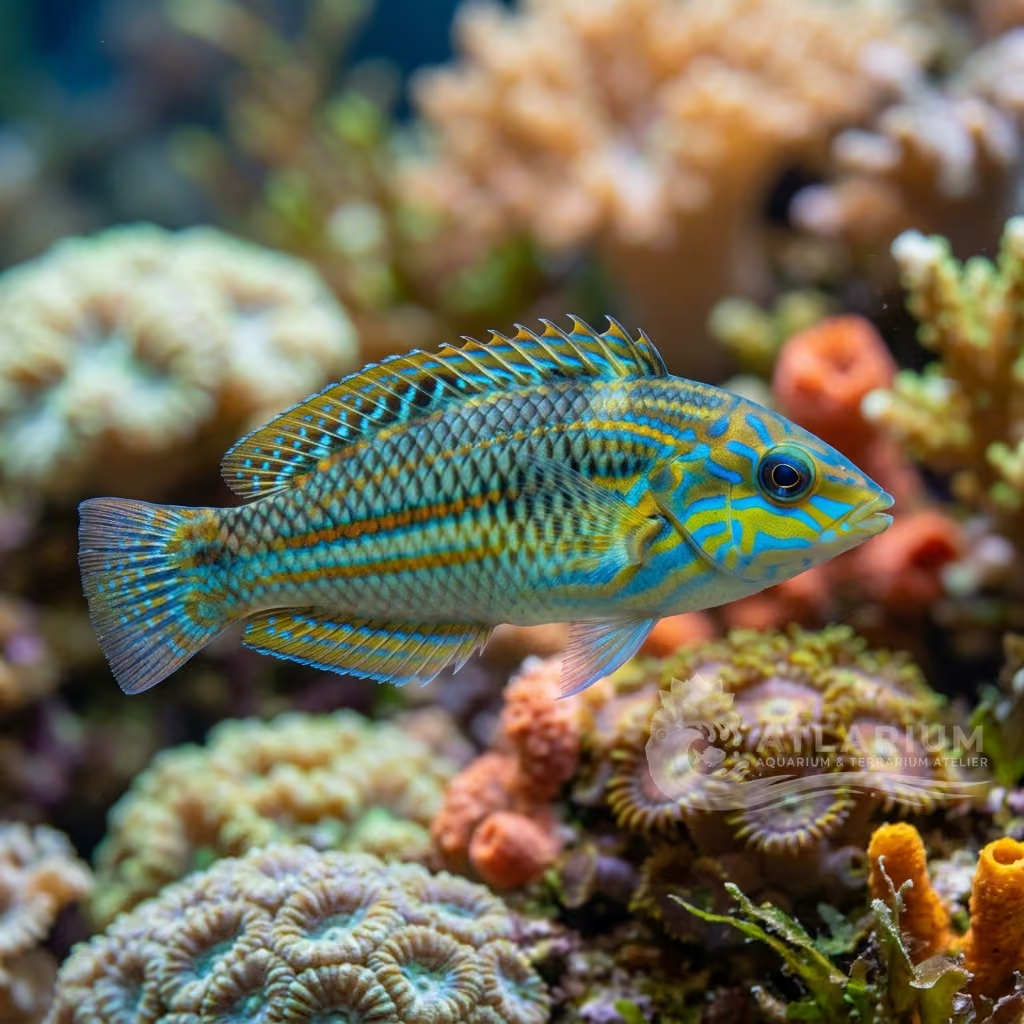
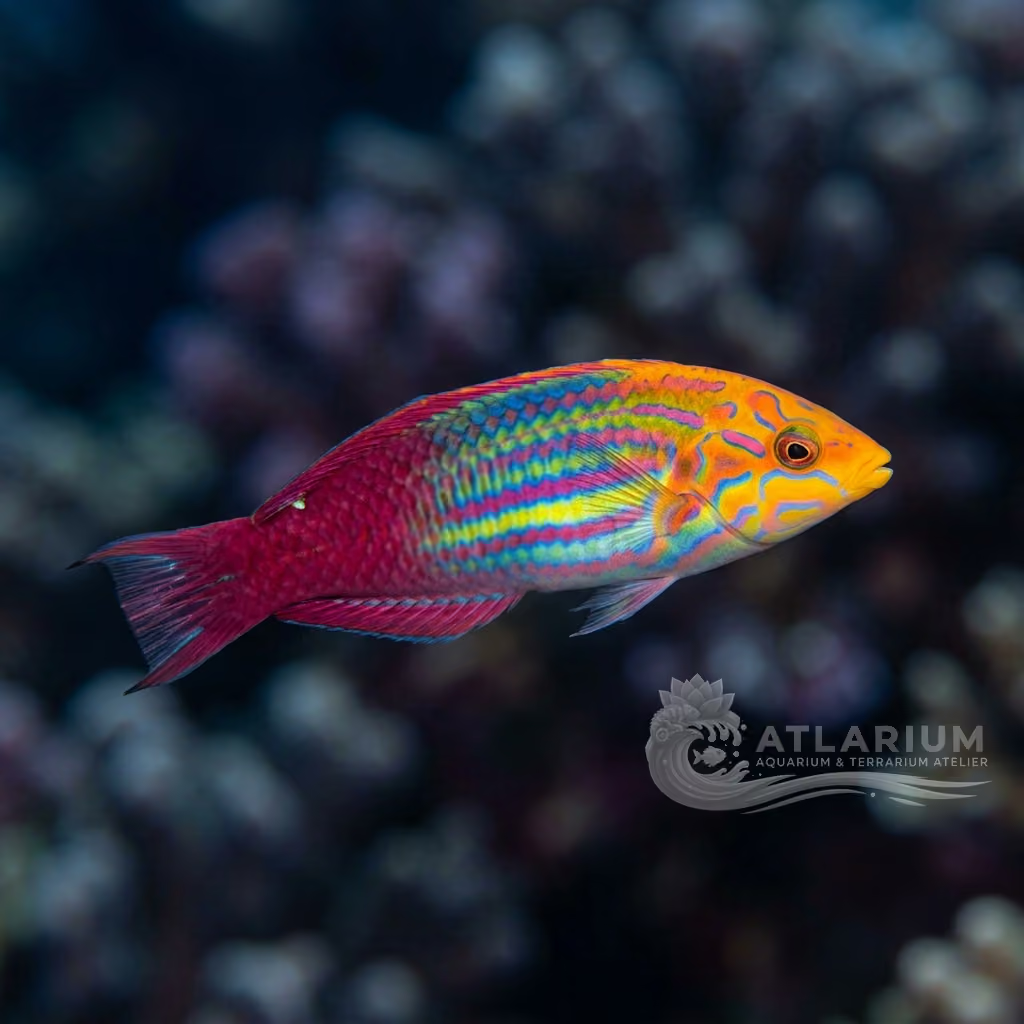
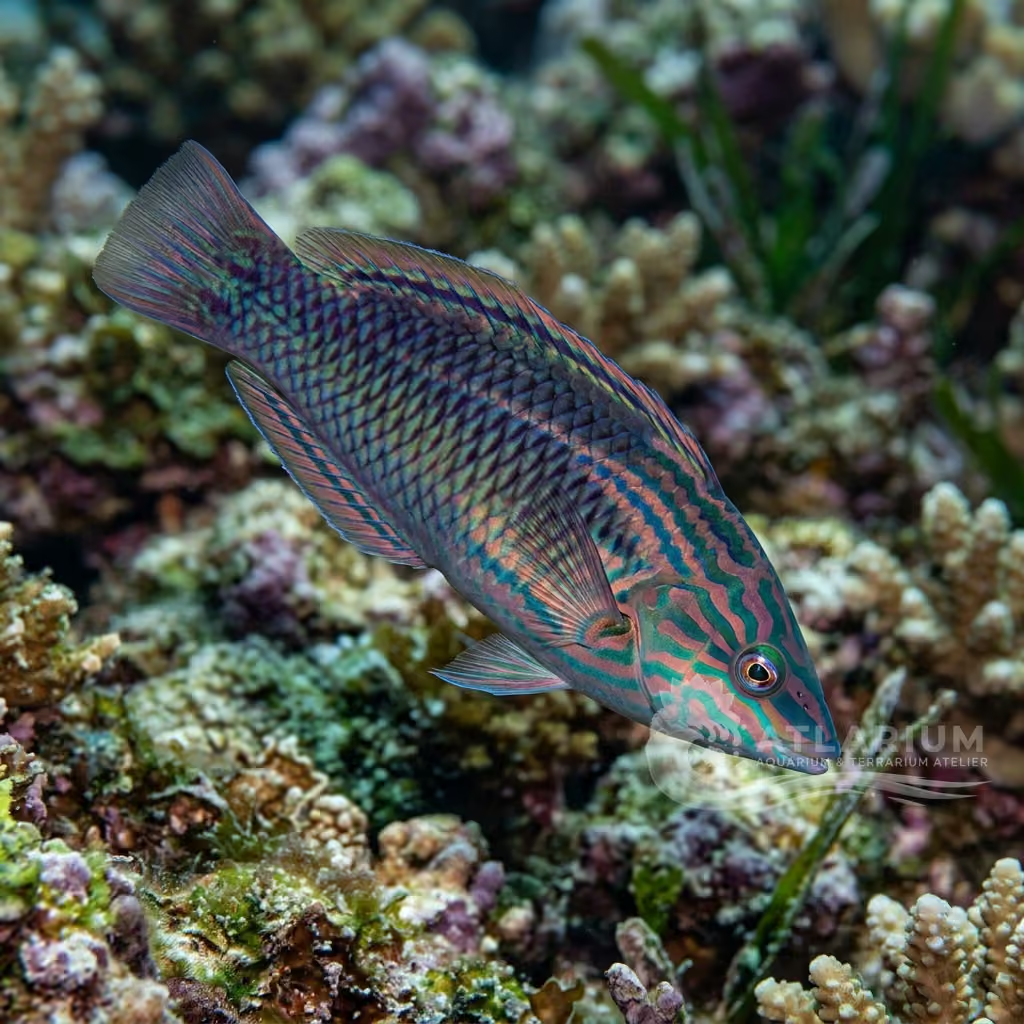
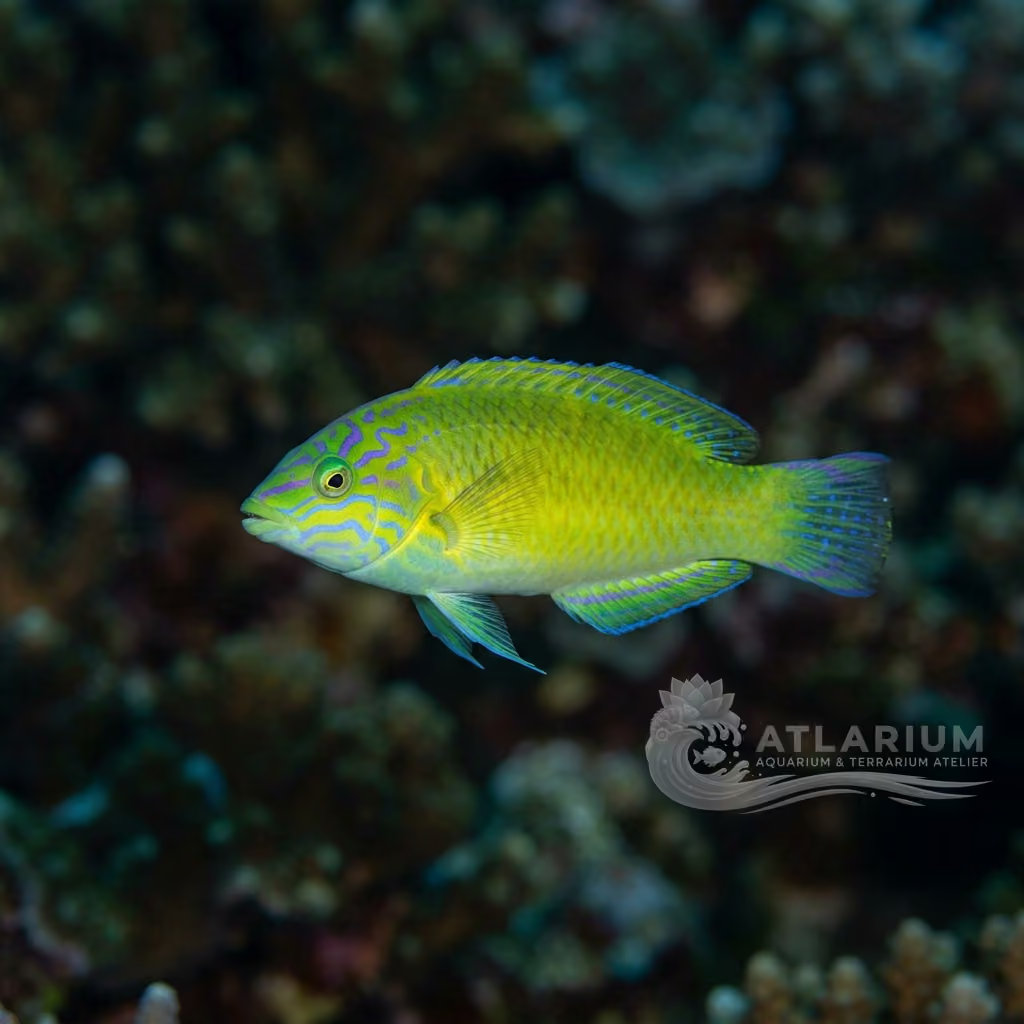
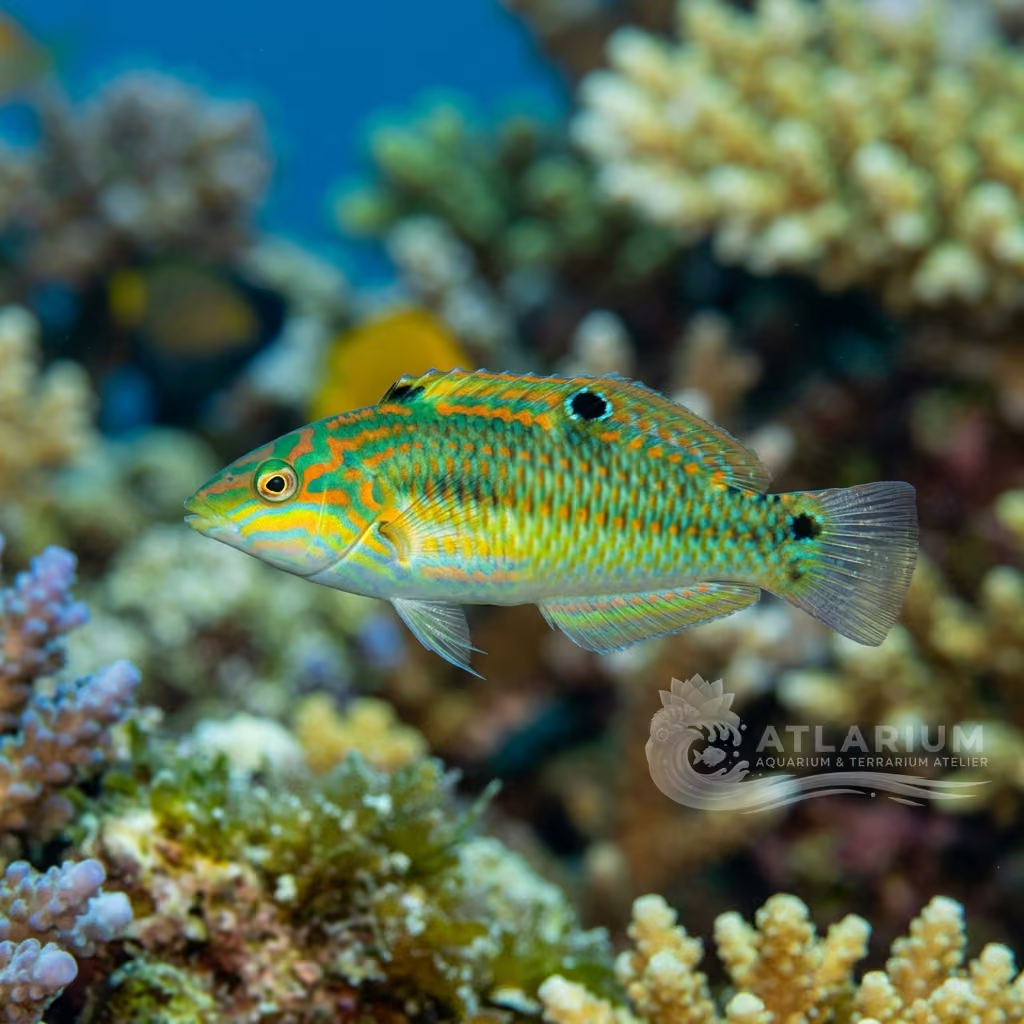
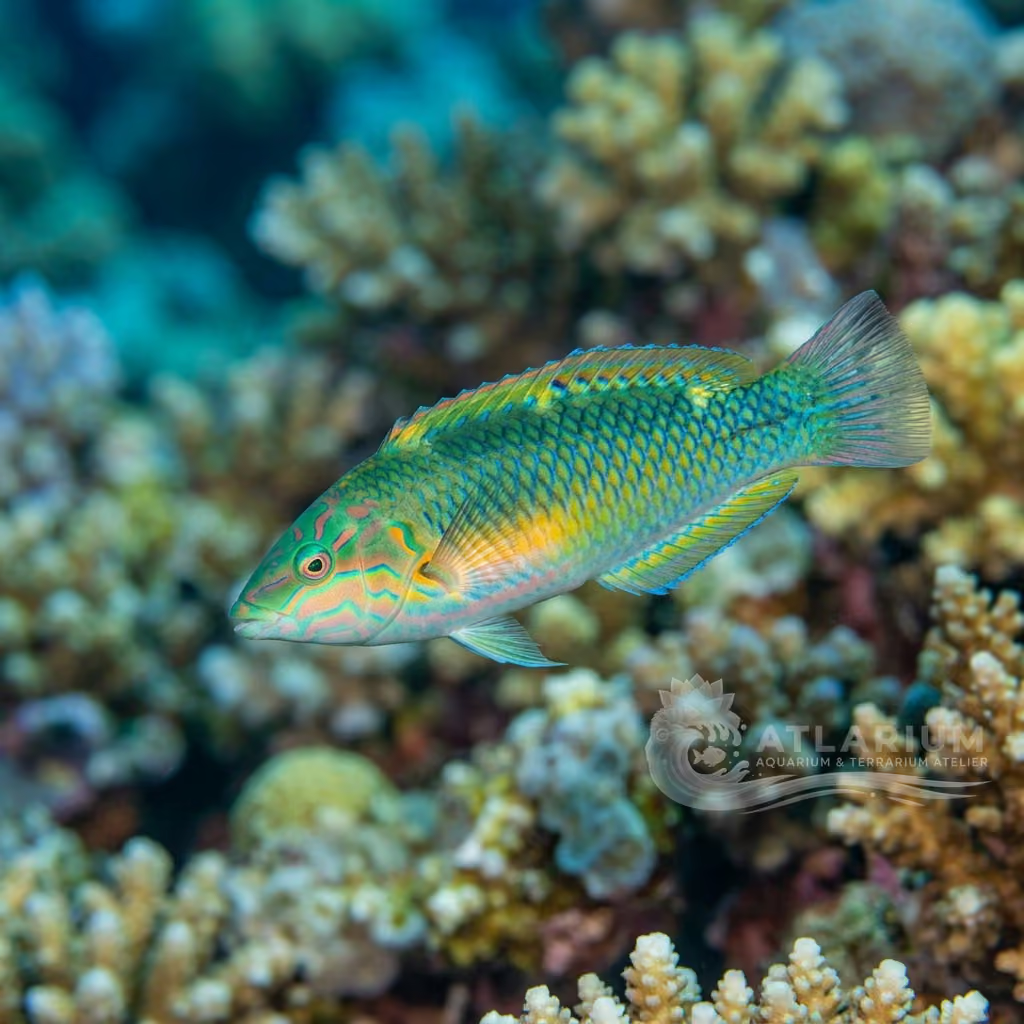
Pelicier's Wrasse (Halichoeres pelicieri) is a rare, beautiful marine species requiring an established aquarium of 50 to 130 gallons. A deep sand bed is absolutely essential, as this fish burrows into the sand to sleep and hide. It needs a varied carnivorous diet. Always use a tight-fitting lid, as they are known jumpers.
Température de l’eau
22 - 26 °C
Valeur du pH
8.1 - 8.4
Type d'eau
Marin
Niveau dans le bac
Fond et milieu
Taille adulte
10 cm
Volume minimal du bac
>= 120 L
Groupe minimal
>= 1

Description de l'espèce
Geographical Origin and Habitat: Southwestern Indian Ocean: endemic to the waters surrounding Mauritius. Found in coral reefs, shallow lagoons, and sandy margins at depths from 1 to 30 meters. This wrasse is native to the deeper coral and rocky reefs of the Southwestern Indian Ocean.
Taxonomy and Morphology: Genus Halichoeres, family Labridae. Elongated body with a pointed snout and specialized teeth for feeding on benthic invertebrates. Grows to 10.0 cm. It exhibits a slender, cylindrical body shape with a pointed head, built for fast swimming near the reef floor.
Social Behavior: Active diurnal swimmer that spends the day hunting near the substrate. Burrows into the sand bed at night or when threatened. It is a curious and active hunter, constantly searching the sand and rocks for small benthic invertebrates.
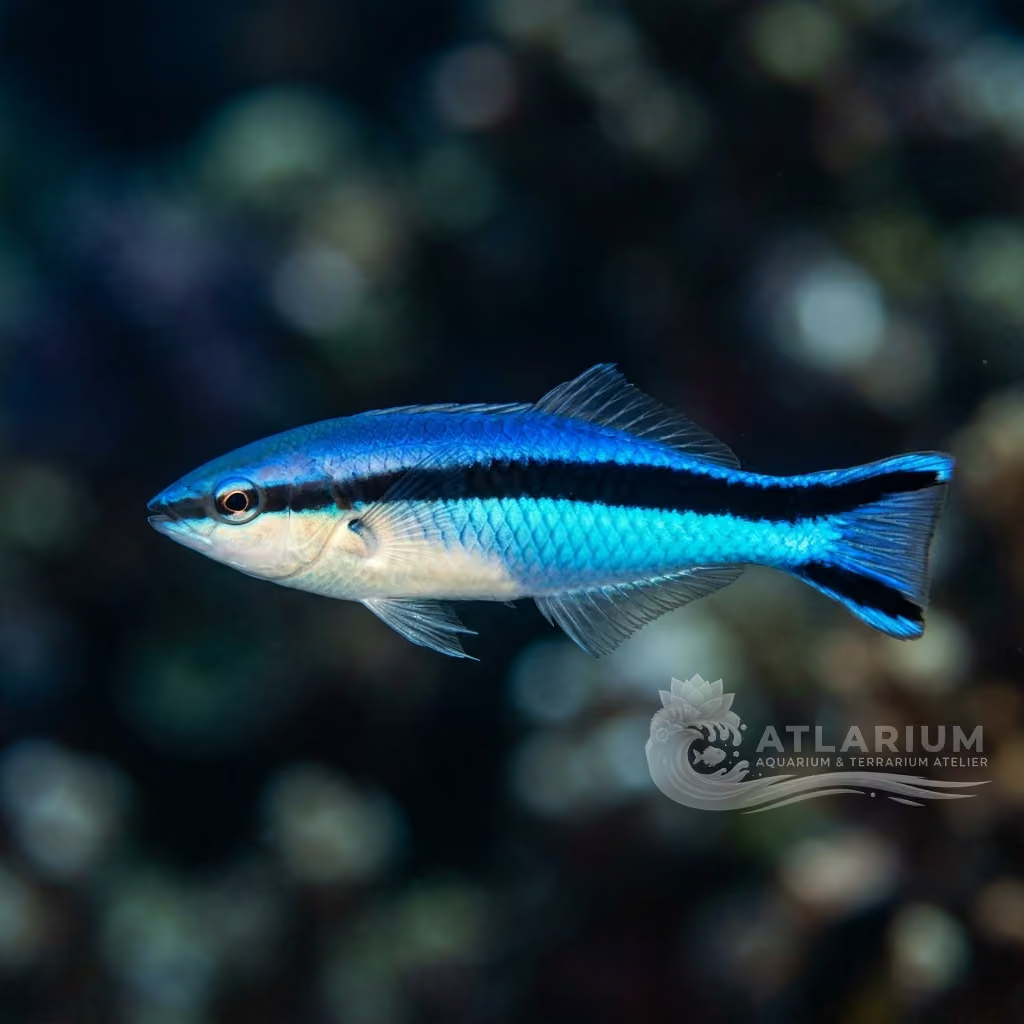
Coloration and Sexual Dimorphism: Scientifically named in honor of the aquarist and collector Maurice Pelicier. Adult males possess striking, colorful patterns, whereas juveniles and females exhibit camouflaging stripes or spots. Features a distinct brown longitudinal stripe bordered by yellow and white, with a dark spot at the base of the tail.

Soins, reproduction et cohabitation
Aquarium Setup: Requires a spacious aquarium of at least 120.0 liters with a fine sand bed of at least 5-8 cm depth for sleeping. A secure lid is highly recommended. Provide a tank of at least 200 liters with a fine sand bed of at least 5 cm depth to allow natural burying behavior.
Diet and Feeding: Active carnivore. Diet should include mysis shrimp, brine shrimp, chopped krill, and high-quality dry pellets. Feed a variety of frozen foods such as mysis, brine shrimp, and krill, alongside high-quality pellet foods.
Water Quality: Keep marine parameters stable: temperature 22.0-26.0 °C, pH 8.1-8.4, specific gravity 1.020-1.025. Keep water parameters stable with good filtration and moderate to high flow rates to mimic its natural environment.
Compatibility and Cohabitation: Safe with corals, but may eat small ornamental shrimps, tubeworms, and flatworms. Great for pest control. Great for controlling pest flatworms and nudibranchs, but use caution with small ornamental shrimp and crabs.
Aquarium Breeding: Protogynous hermaphrodite. Broadcast spawner; successful captive breeding in home aquariums is undocumented. Breeding in home aquariums is undocumented due to the pelagic nature of their eggs and larval requirements.
Risks and Diseases: Skin infections can occur if the sand substrate is too coarse or sharp. High jumping risk. A tight-fitting lid is essential to prevent this active wrasse from jumping out of the aquarium.

Origine et répartition géographiques
Southwestern Indian Ocean: endemic to the waters surrounding Mauritius. Found in coral reefs, shallow lagoons, and sandy margins at depths from 1 to 30 meters. This wrasse is native to the deeper coral and rocky reefs of the Southwestern Indian Ocean.
Origine
Océans tropicaux et récifsAfrique et MadagascarAsie du Sud et du Sud-Est

Profil de poisson
- Tempérament
- Peaceful
- They are constantly on the move during daylight hours. While usually peaceful, they are opportunistic predators. Their bold nature makes them a fascinating addition.
- Régime alimentaire
- Carnivore
- They are carnivores feeding on benthic invertebrates. In the aquarium, offer meaty foods like mysis shrimp. Providing a varied diet maintains their vibrant colors.
- Espérance de vie
- 5-7 years
- Taille adulte
- 10 cm
- Ratio des sexes
- Solitary
- It is best to keep them singly. Adding multiple males results in severe aggression. A group of females might establish a pecking order.
- Fréquence d'alimentation
- Twice daily
- They are highly active with a fast metabolism. Feeding them two to three times a day is ideal. Small frequent meals help reduce aggression.
- Charge biologique
- Low
- This species contributes a moderate bioload. They produce moderate waste due to their diet. A good skimmer and regular water changes are required.
- Courant
- Strong
- They originate from reef environments with strong water movement. Good water flow helps oxygenate the water. Varying flow patterns mimics their natural habitat well.
- Risque de saut
- Yes
- Wrasses are notorious for jumping out of aquariums. A tight-fitting lid or screen mesh is mandatory. Ensure all gaps are properly covered to prevent escape.
- Reproduction
- Oviparous
- These fish are broadcast spawners in the water column. Breeding in captivity is extremely rare. Specialized setups with deep tanks and planktonic food are required.
- Compatibilité et compagnons
- Peaceful
- They are generally peaceful towards other fish. However, they may become territorial with other wrasses. Use caution as they might eat small ornamental crustaceans.
- Niveau dans le bac
- Middle/Bottom
- They actively swim in the mid-water regions. They require a deep fine sand bed to sleep. Coarse substrate can damage their bodies and should be avoided.

Modèles et paramètres scientifiques
FishBase
Fenêtre sur les données scientifiques officielles de l’espèce
FishBase v25.04Données synchronisées le : 15/06/2026
- Niveau trophique
- 3,2 ± 0,5 se
- Résilience
- Élevée (moins de 15 mois)
- Singularité phylogénétique (PD50)
- 0.5
- Relation bayésienne longueur-poids
- a = 0.01, b = 3.09
- VulnérabilitéVulnérabilité faible (10 / 100)

Espèces associées
Recommandations regroupées par proches parents, compagnons et soins similaires.