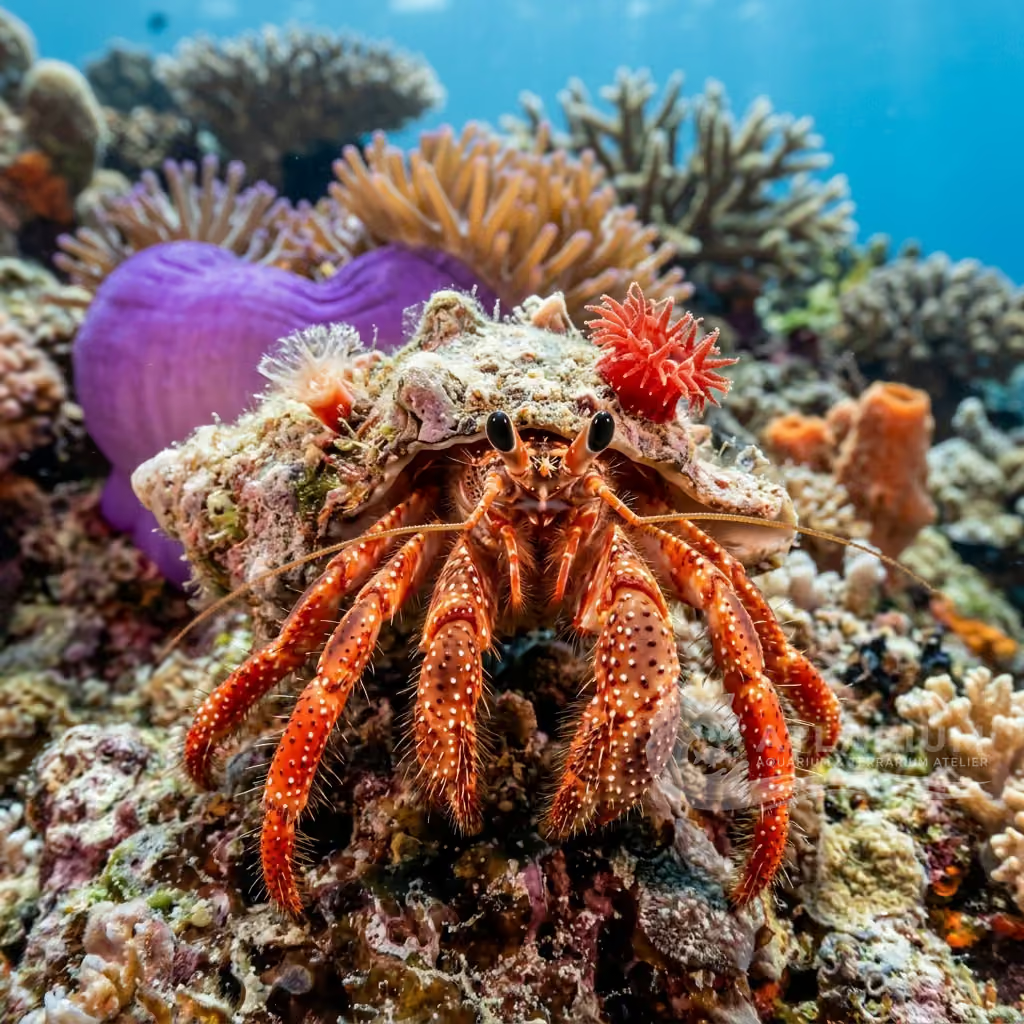
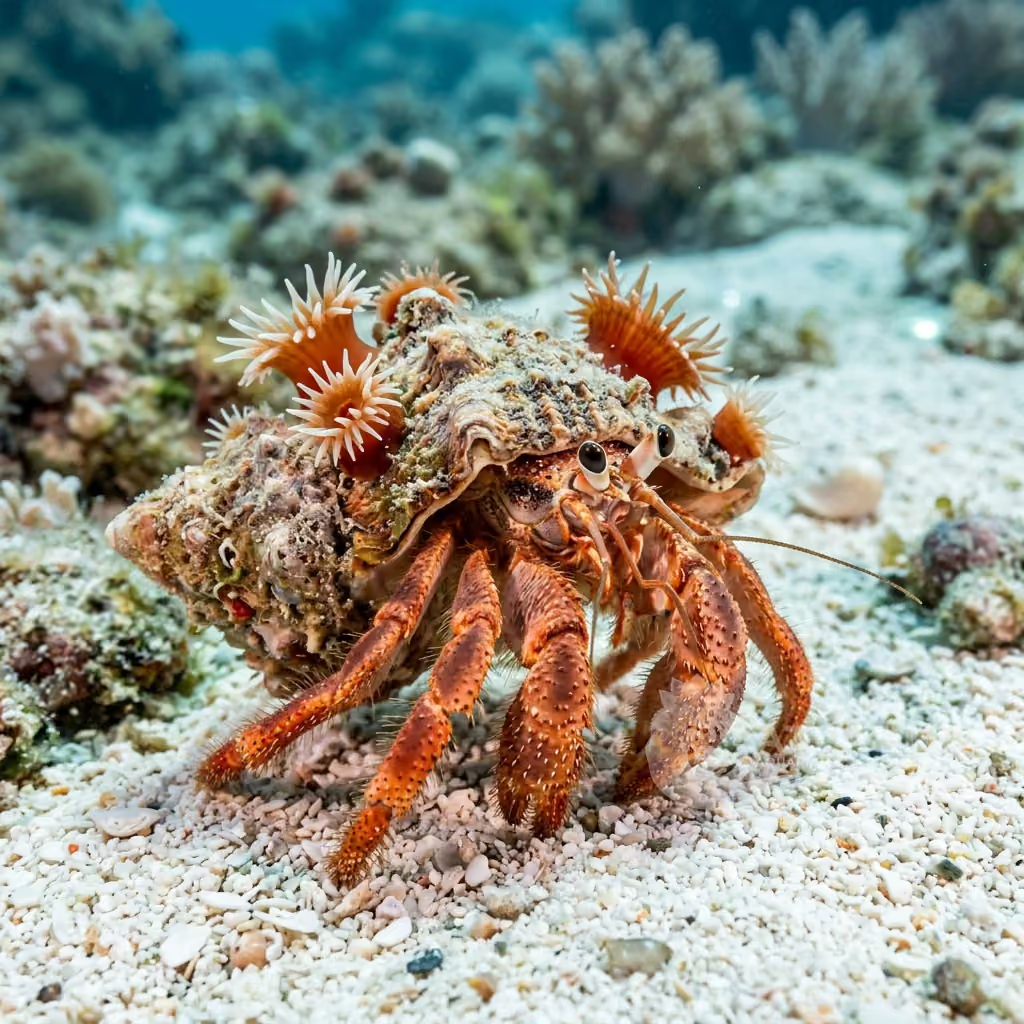
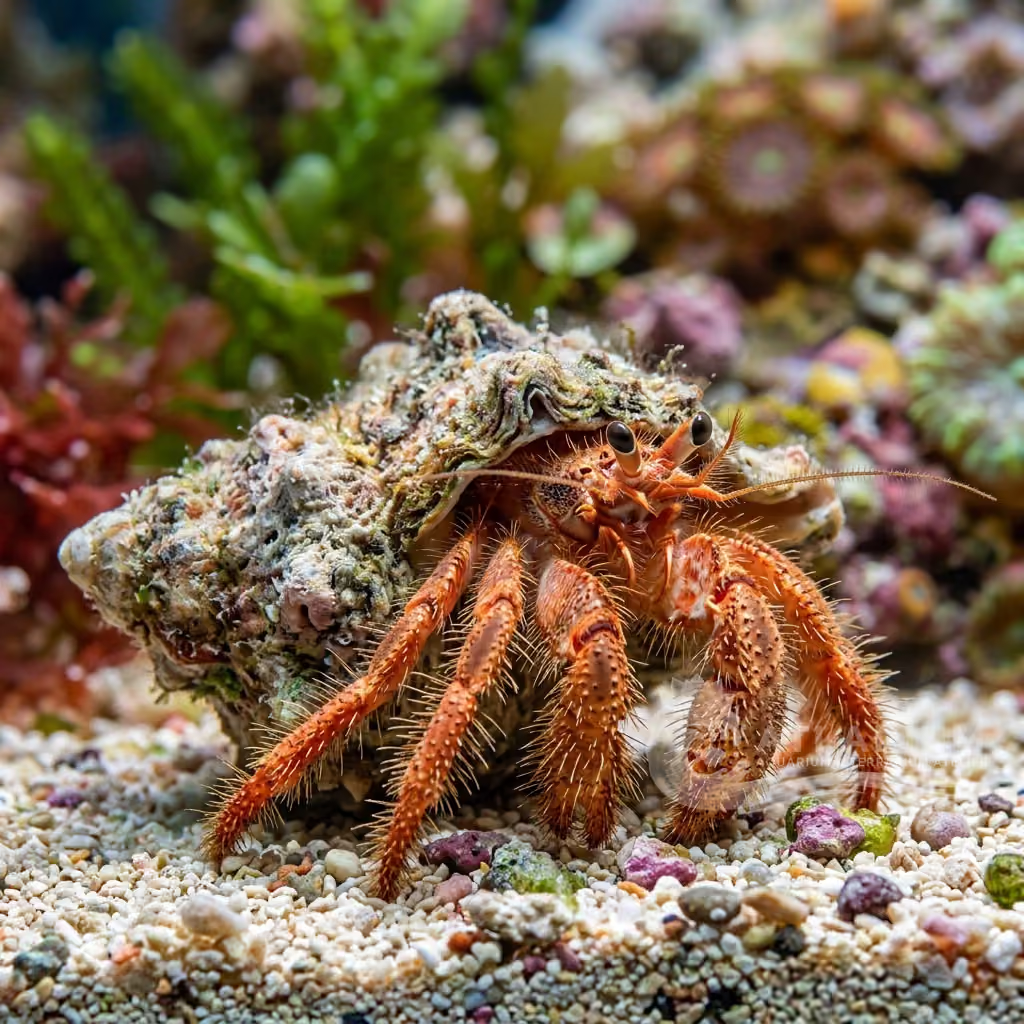
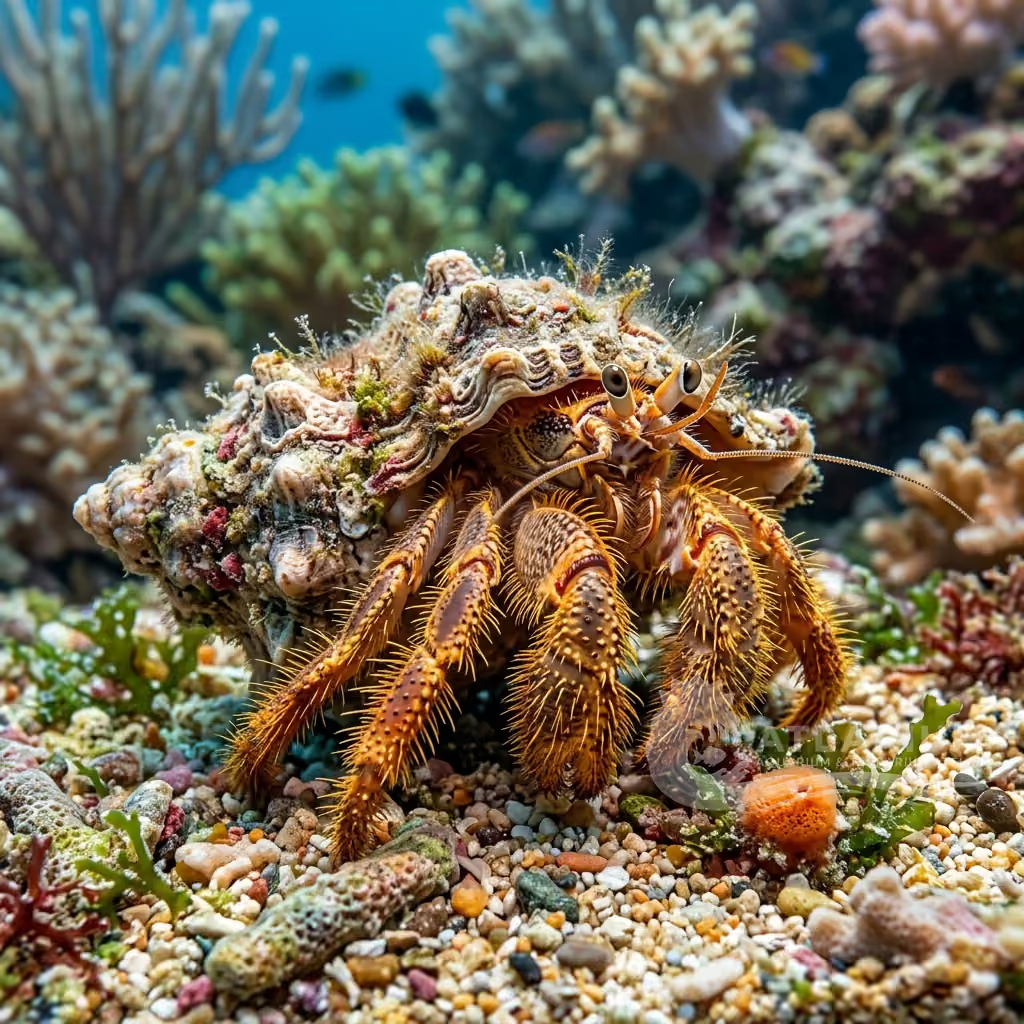
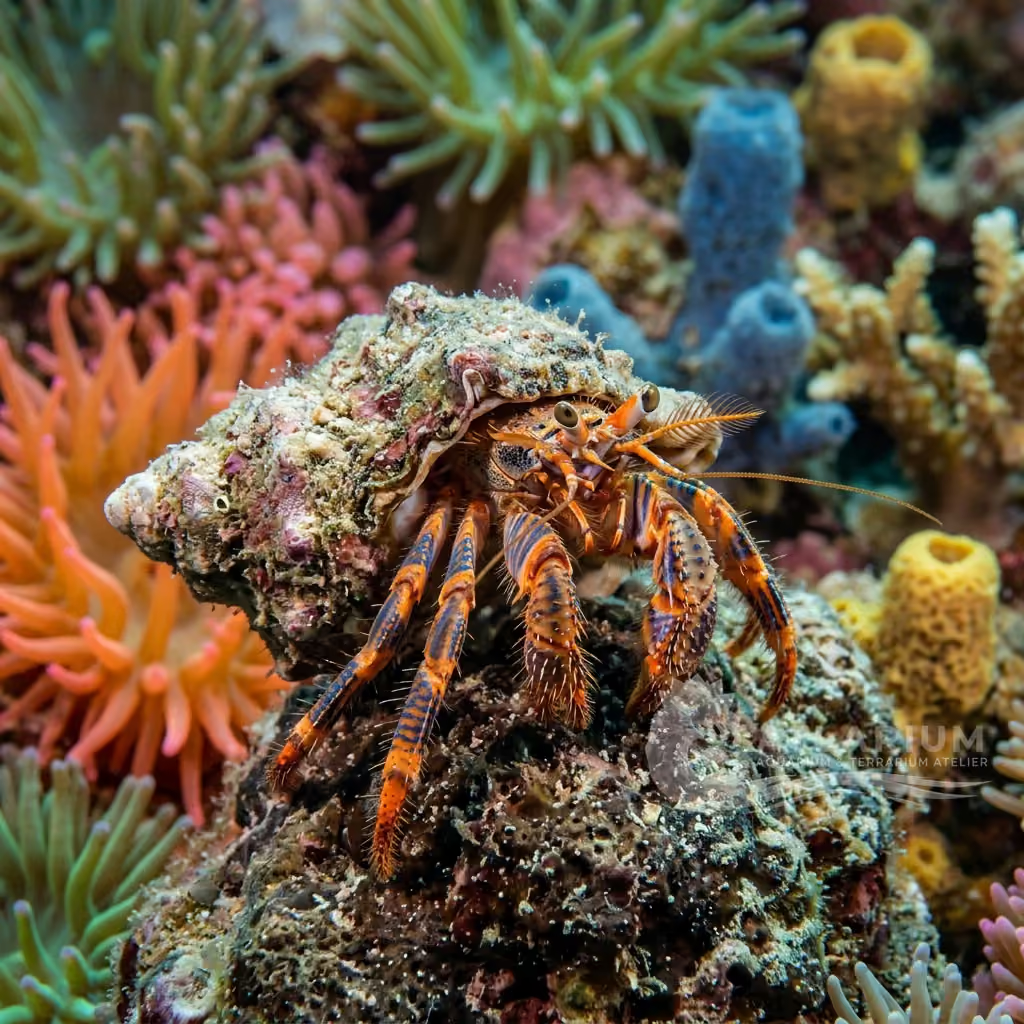
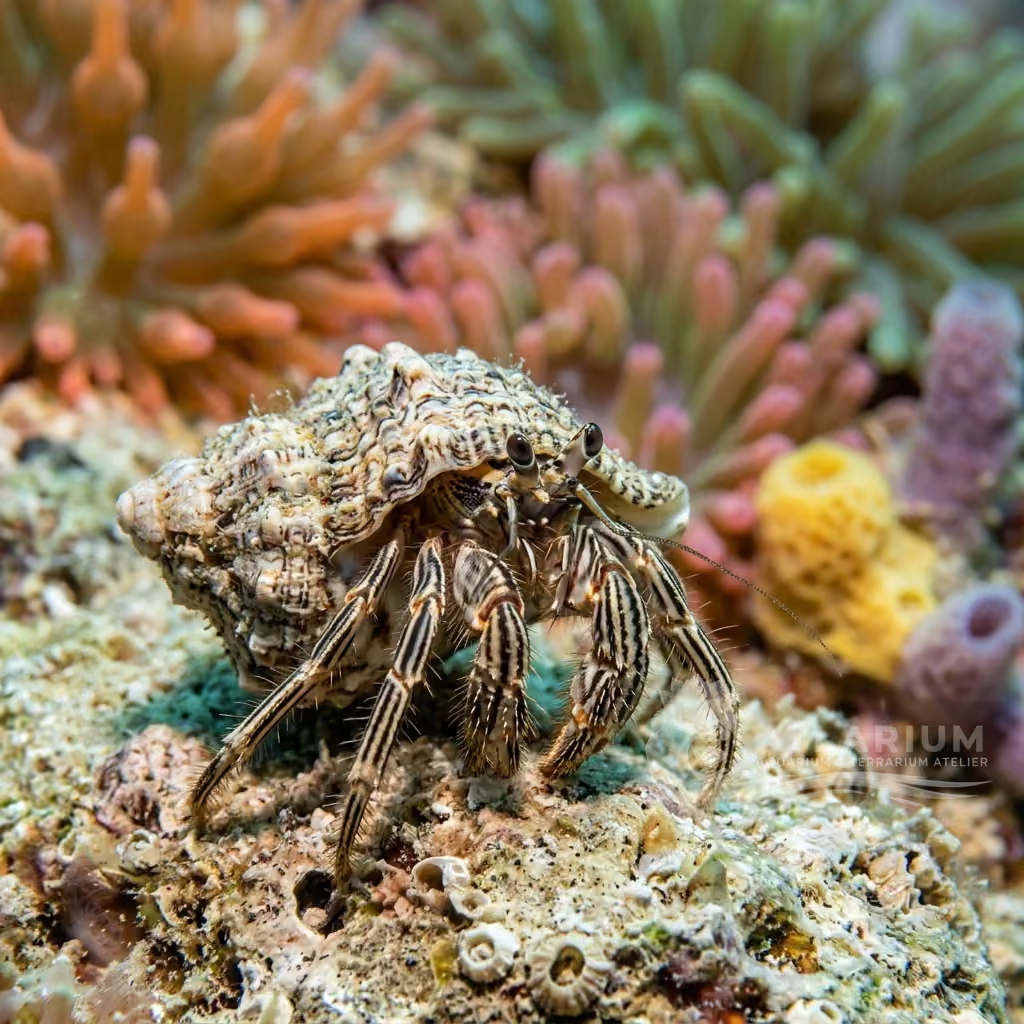
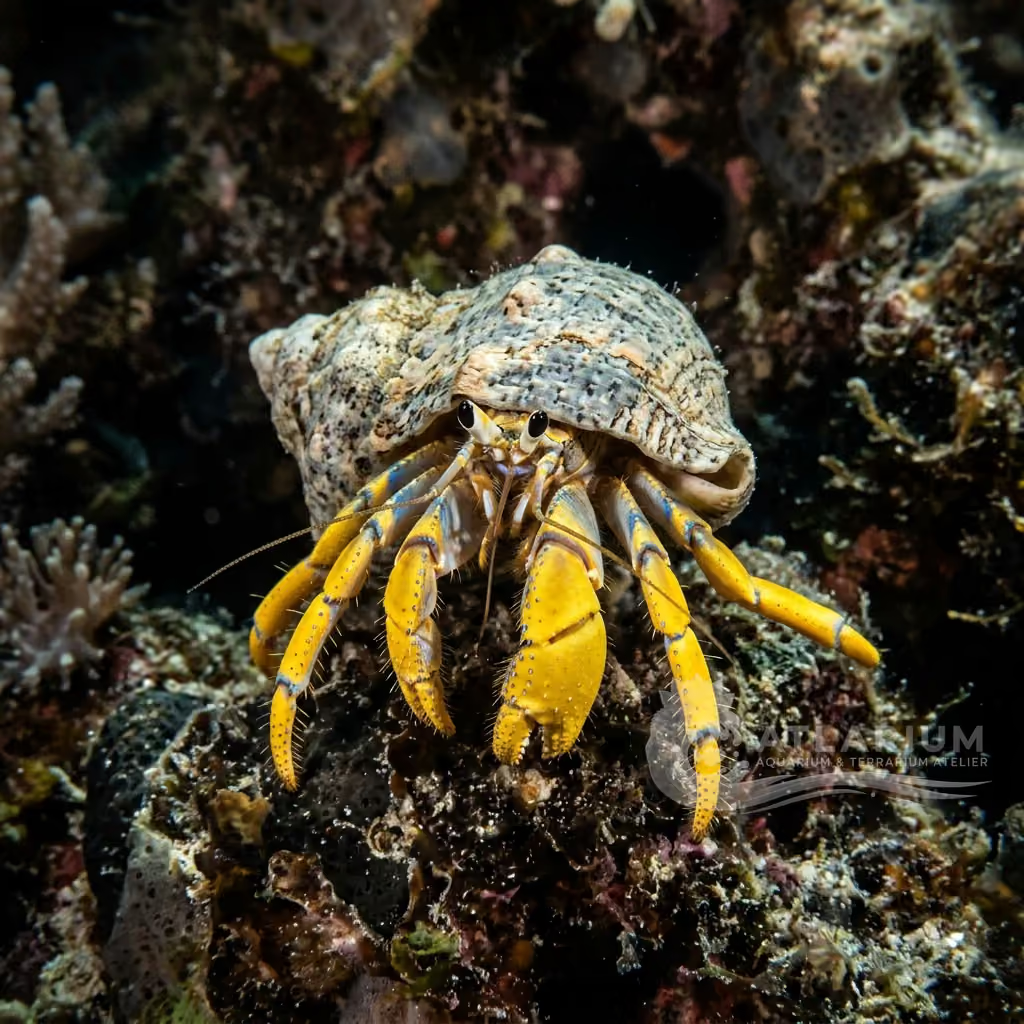
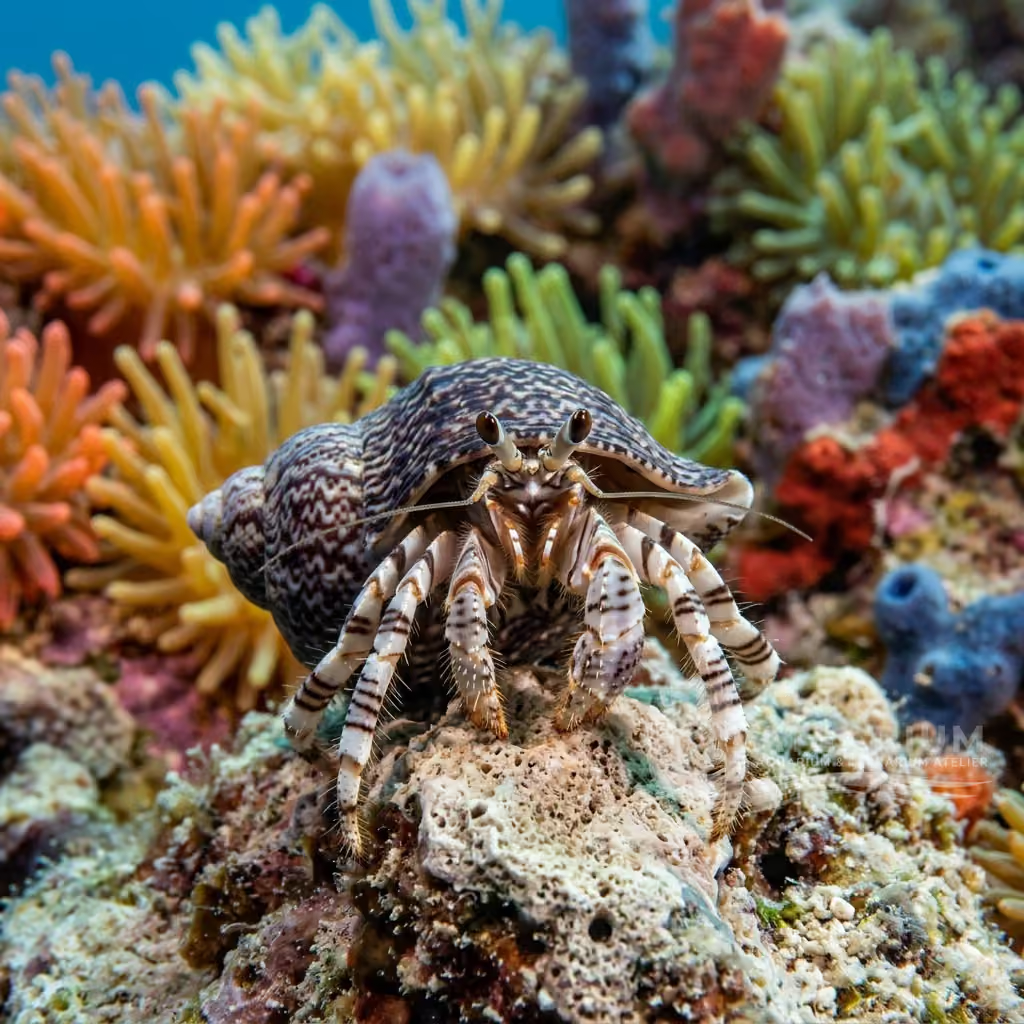
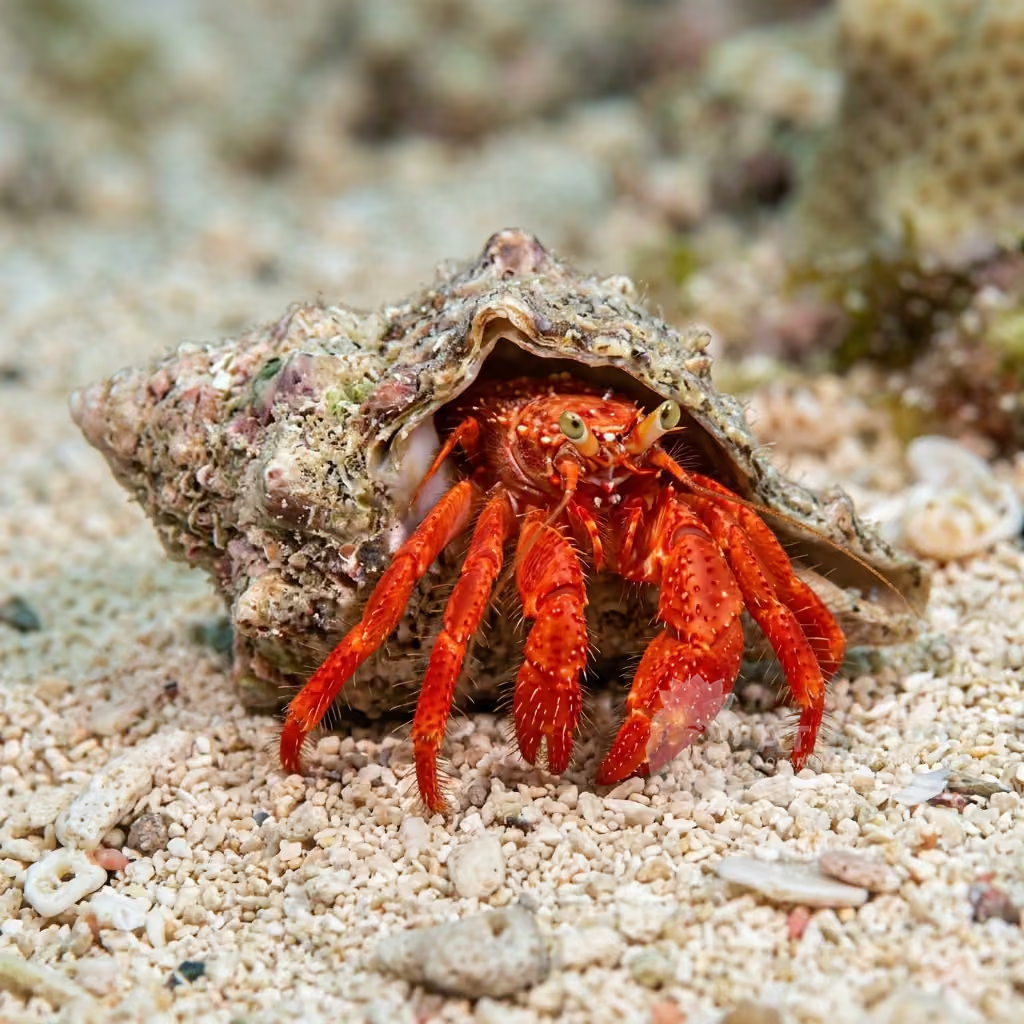
Anemone hermit crab
Dardanus pedunculatus
This unique hermit crab forms a mutualistic bond with sea anemones, attaching them to its shell for defense. A solitary, nocturnal scavenger, it requires a spacious tank and secure rockwork.
Température de l’eau
22 - 28 °C
Valeur du pH
8.1 - 8.4
Type d'eau
Marin
Type d'invertébré
Hermit crab
Taille adulte
8 cm
Groupe minimal
>= 1
Rôle écologique
Symbiont
Sensibilité au cuivre
High

Description de l'espèce
Geographical Origin and Habitat: Dardanus pedunculatus is widely distributed throughout the warm waters of the tropical Indo-Pacific, from East Africa to Hawaii and southern Japan. It inhabits coral reefs, sandy lagoons, and rocky debris zones at depths ranging from 1 to 40 meters.
Taxonomy: It belongs to the class Malacostraca, order Decapoda, family Diogenidae. It is famous for its unique mutualistic behavior of placing sea anemones (usually from the genus Calliactis) onto its gastropod shell to defend against predators like octopuses.
Social Behavior: It is a solitary, mostly nocturnal invertebrate. When transitioning to a larger shell, it carefully detaches the anemones from its old shell using its claws and transfers them to the new one, showing a highly developed symbiotic adaptation.
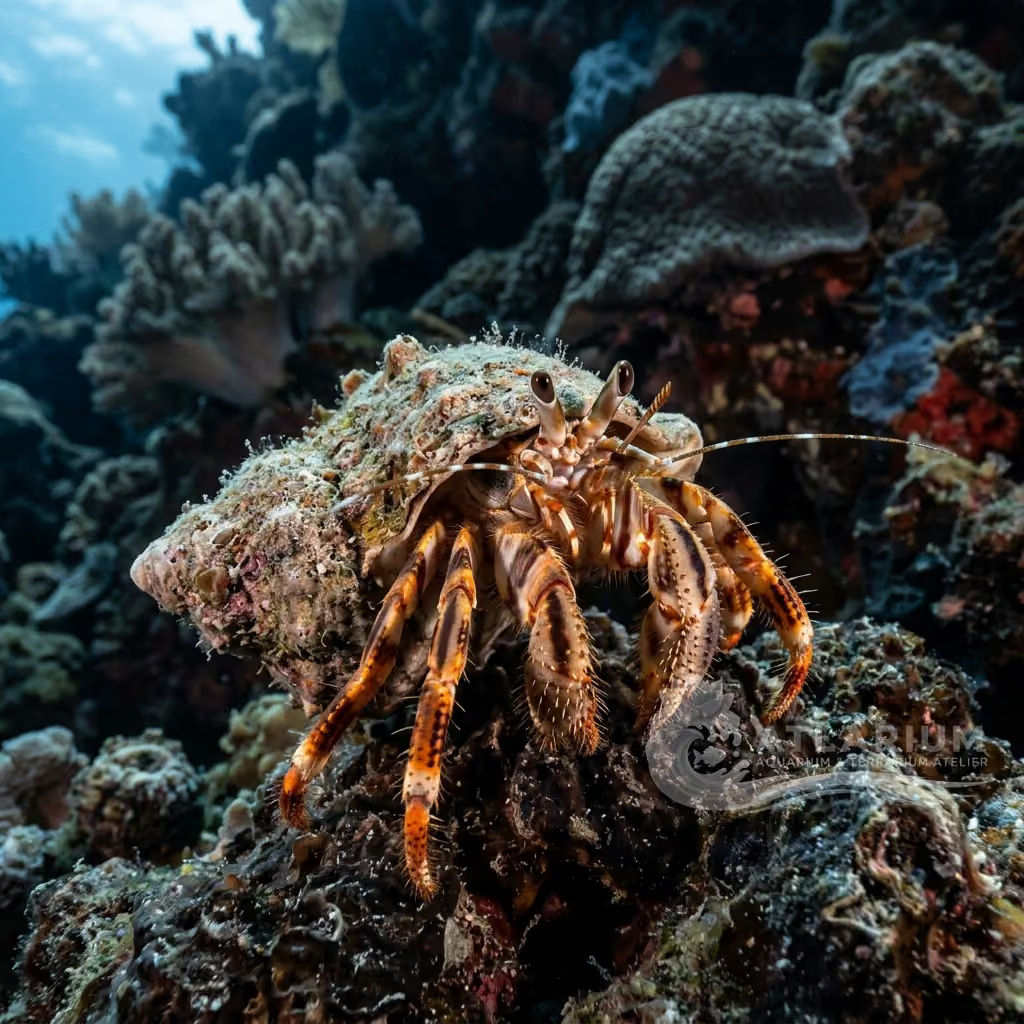
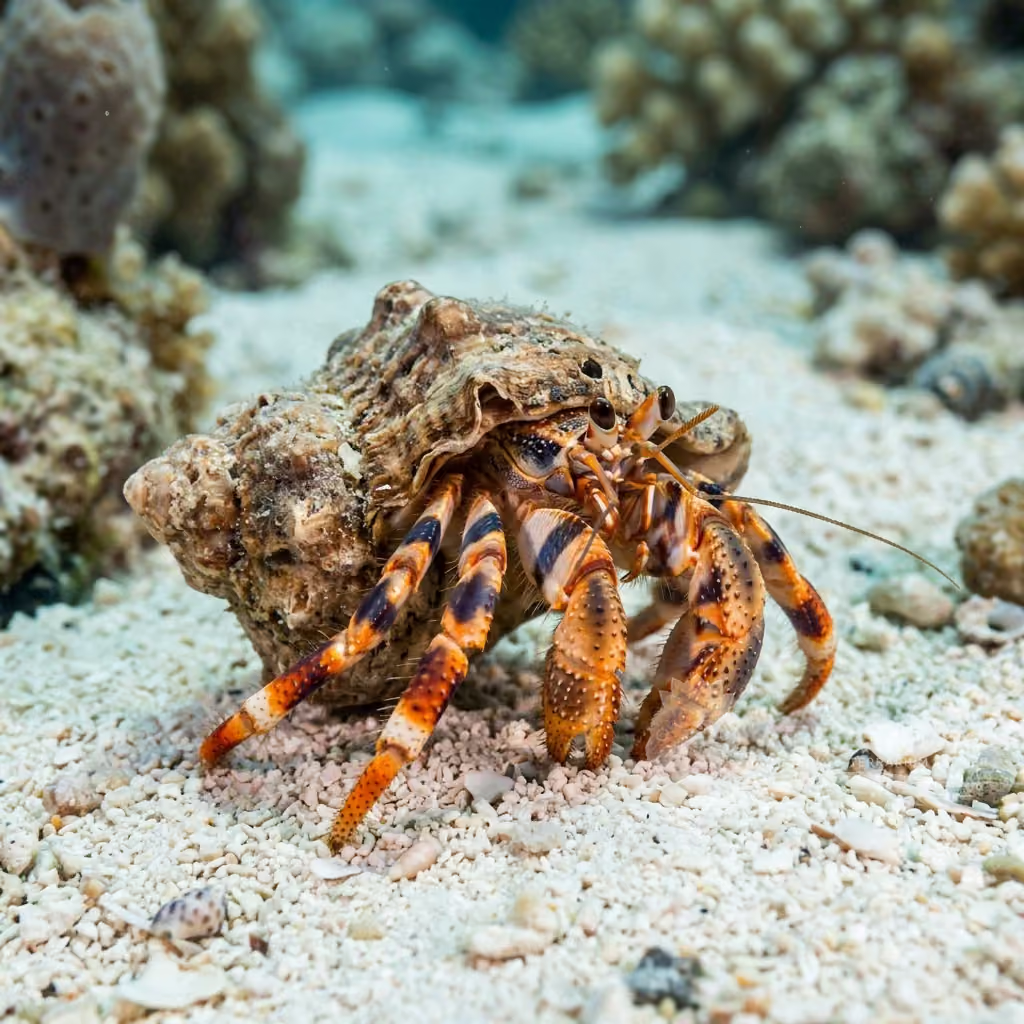
Coloration and Sexual Dimorphism: The base color ranges from beige to reddish-orange, often covered in lighter bands or mottling. The eyes are set on long, distinct striped stalks. There is no clear external sexual dimorphism, though males may grow slightly larger than females.

Soins, reproduction et cohabitation
Tank Setup: Requires a mature marine aquarium of at least 150-200 liters with a deep sand bed and secure rockwork, as this heavy crab loves to dig and can easily topple loose rocks. It is essential to provide a wide variety of empty snail shells of progressive sizes for growth.
Diet and Feeding: An active omnivorous scavenger. In the aquarium, it consumes uneaten fish food, algae, small invertebrates, and sinking pellets. Supplementing their diet with small pieces of shrimp or fish is highly recommended to ensure they receive adequate nutrition.
Water Quality: Demands standard marine water parameters: temperature of 24-27°C, pH of 8.1-8.4, specific gravity of 1.022 to 1.025, and zero ammonia and nitrites. It is extremely sensitive to copper in the water and to sudden drops in salinity levels.
Compatibility and Tankmates: Can be aggressive toward snails and other hermit crabs if empty shells are scarce. Not fully safe with small, slow bottom-dwelling fish or tiny ornamental shrimp. It does not eat corals, but its heavy movement may knock loose frags down.
Aquarium Breeding: Breeding in home aquariums is highly unlikely with no documented success. In nature, they release planktonic larvae into the water column, which undergo multiple larval stages before settling on the substrate and searching for shells.
Risks and Diseases: The primary risk is a failed molt due to iodine or calcium deficiencies in the water or a lack of appropriately sized replacement shells. The presence of copper treatments or trace copper in the aquarium is instantly lethal.

Origine et répartition géographiques
Dardanus pedunculatus is widely distributed throughout the warm waters of the tropical Indo-Pacific, from East Africa to Hawaii and southern Japan. It inhabits coral reefs, sandy lagoons, and rocky debris zones at depths ranging from 1 to 40 meters.
Origine
Océans tropicaux et récifsAfrique et MadagascarAsie de l'Est

Profil d'invertébré
- Régime alimentaire
- Omnivore
- As a diligent scavenger, Dardanus pedunculatus spends its days foraging across rockwork and sandbeds. Its diet is largely composed of detritus, uneaten meaty foods, and nuisance algae. Providing sinking pellets can ensure they receive enough nutrition when natural food is scarce.
- Rôle écologique
- Symbiont
- Hermit crabs like Dardanus pedunculatus play a vital role as part of the benthic cleanup crew. They tirelessly consume decaying matter, helping to prevent the buildup of toxic ammonia and nitrites. By constantly shifting the substrate, they also promote beneficial oxygen exchange.
- Taille adulte
- 8 cm
- Risque de saut
- Yes
- Dardanus pedunculatus relies entirely on its shell and the substrate for protection and does not jump. However, they are excellent climbers and can scale silicone seams, equipment cords, or rock structures. A secure lid helps ensure they do not accidentally venture out of the tank.
- Sensibilité aux chocs
- Low
- Dardanus pedunculatus requires stable water conditions to thrive over the long term. Rapid changes in specific gravity or temperature can induce significant stress. Drip acclimation is recommended over at least an hour before addition to the main display.
- Calcium et minéraux
- High
- Proper calcium and alkalinity levels are critical for Dardanus pedunculatus to sustain a healthy exoskeleton. Furthermore, they depend entirely on finding abandoned calcareous shells for housing. Providing an assortment of slightly larger empty shells is mandatory for their continued growth.
- Mue
- Periodic
- When it is time to molt, Dardanus pedunculatus will often bury itself in the sand to protect its highly vulnerable state. It will shed its old exoskeleton and remain hidden until the new one is adequately hardened. Do not disturb a molting crab, as it can easily suffer fatal damage.
- Reproduction
- Oviparous
- Captive reproduction of Dardanus pedunculatus is extremely rare due to its complex planktonic larval stages. Females will brood eggs underneath their bodies until they are ready to be released into the water column. The larvae require highly specialized foods and stable marine conditions to survive.
- Compatibilité et compagnons
- Reef safe with caution
- Dardanus pedunculatus is a peaceful scavenger but may fight with other hermit crabs over desirable shells. It should not be trusted around sluggish snails, as it may kill them to steal their housing. Keep with appropriately sized fish that will not harass or eat small crustaceans.

Espèces associées
Recommandations regroupées par proches parents, compagnons et soins similaires.