Snellius's hermit crab
Clibanarius snelliusi
A small, peaceful marine hermit crab native to the Indo-Pacific. Ideal for nano reefs, it actively grazes on detritus and algae. Completely reef-safe, but highly sensitive to copper.
Température de l’eau
22 - 28 °C
Valeur du pH
8.1 - 8.4
Type d'eau
Marin
Type d'invertébré
Hermit crab
Taille adulte
2,5 cm
Groupe minimal
>= 1
KH
8 - 12 dKH
Rôle écologique
Scavenger
Sensibilité au cuivre
High

Description de l'espèce
Geographical Origin and Habitat: Native to the tropical waters of the Central Indo-Pacific, particularly around Indonesia, Malaysia, the Philippines, and Melanesian reef systems. It primarily inhabits intertidal zones, shallow coral reefs, and sandy lagoons rich in detritus and rubble, at depths of 0 to 10 meters.
Taxonomy: Clibanarius snelliusi is a small decapod crustacean belonging to the family Diogenidae, genus Clibanarius. Named after the Dutch research vessel "Willebrord Snellius," it features small, equal-sized claws (chelae) adapted for gathering fine organic detritus.
Social Behavior: A peaceful and social species. In nature, they form large aggregations grazing on rocky flats during low tide. In the aquarium, they are tireless workers, constantly searching for food. They show no aggression towards fish or corals, but can squabble with other hermit crabs if empty shells are scarce.
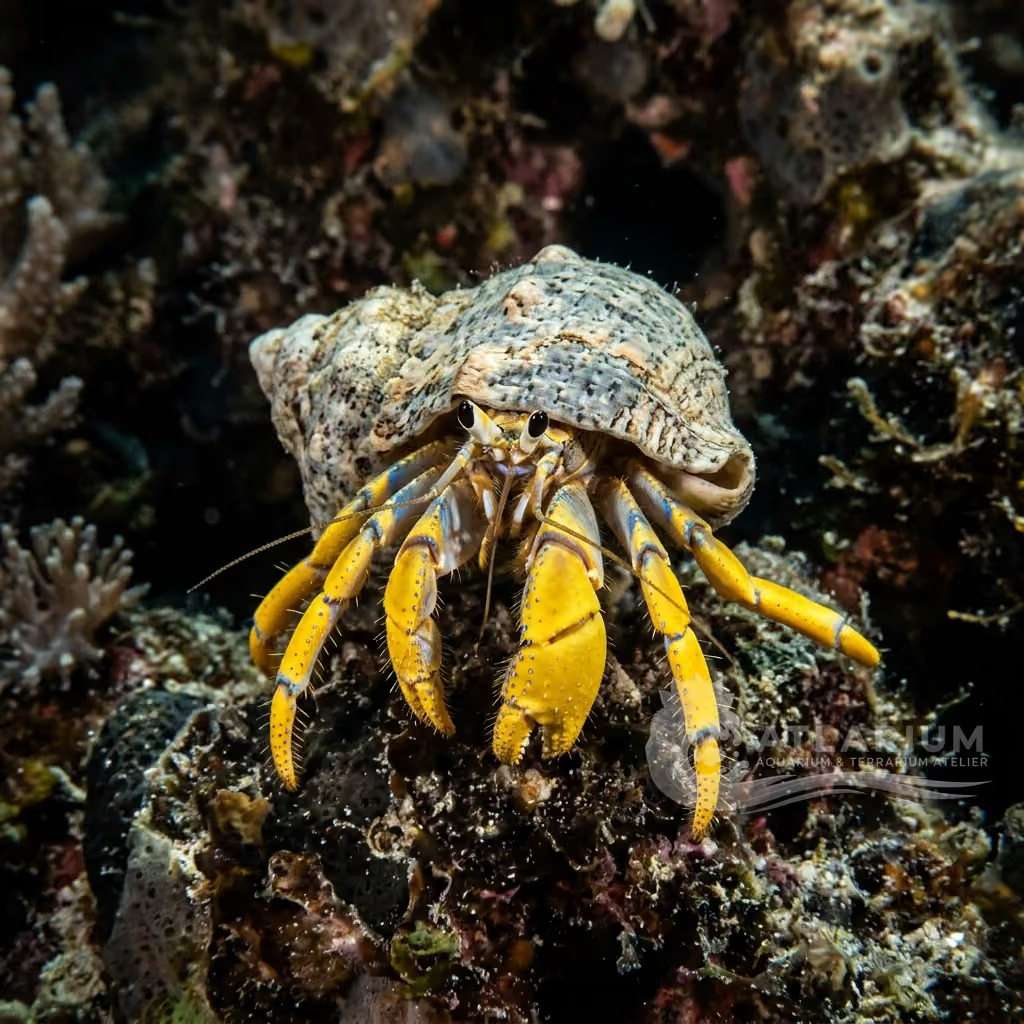
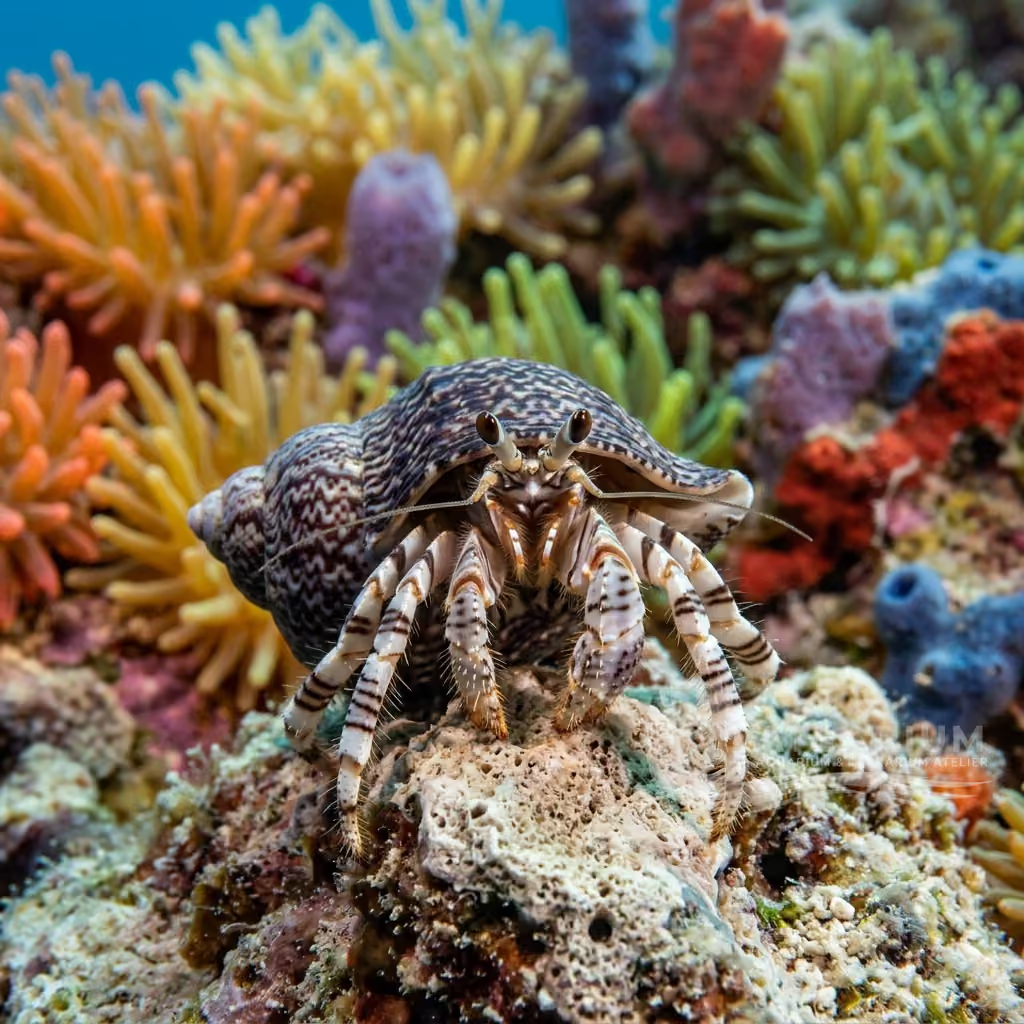
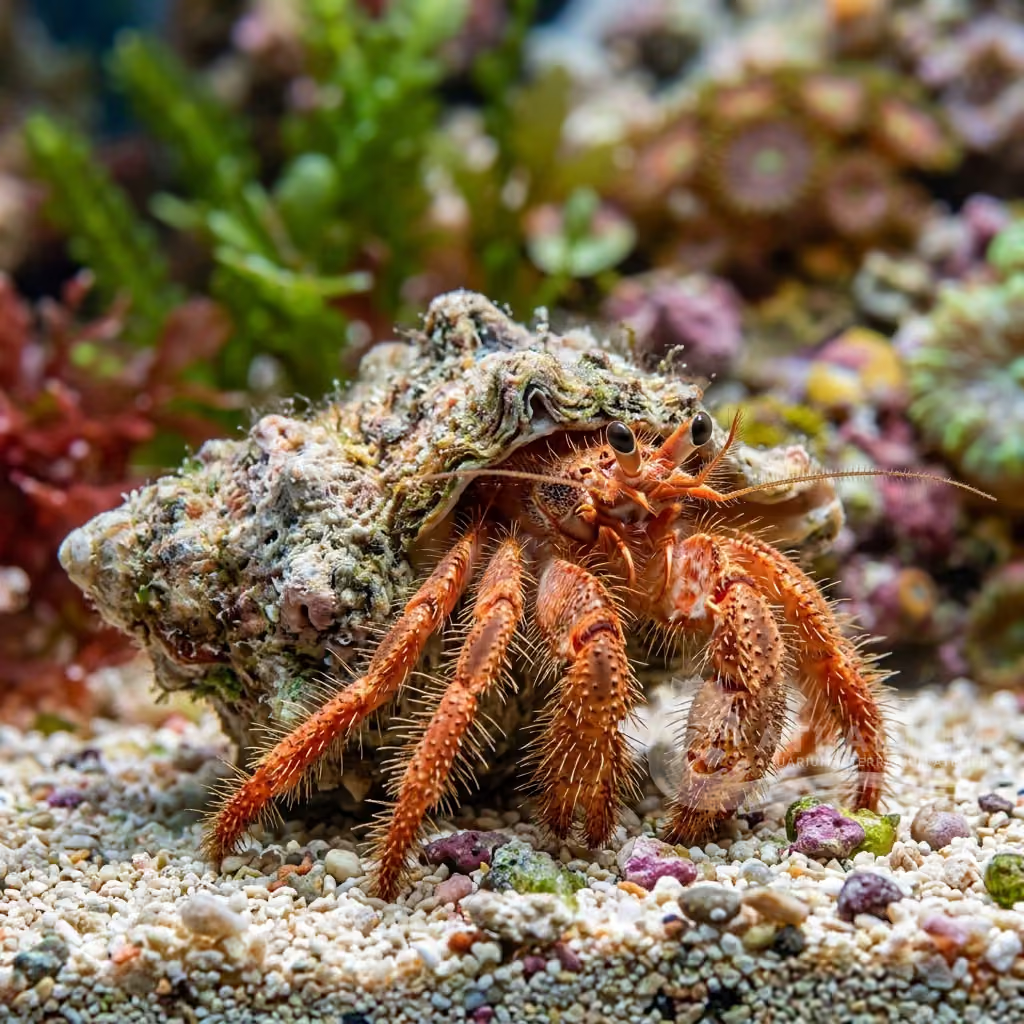
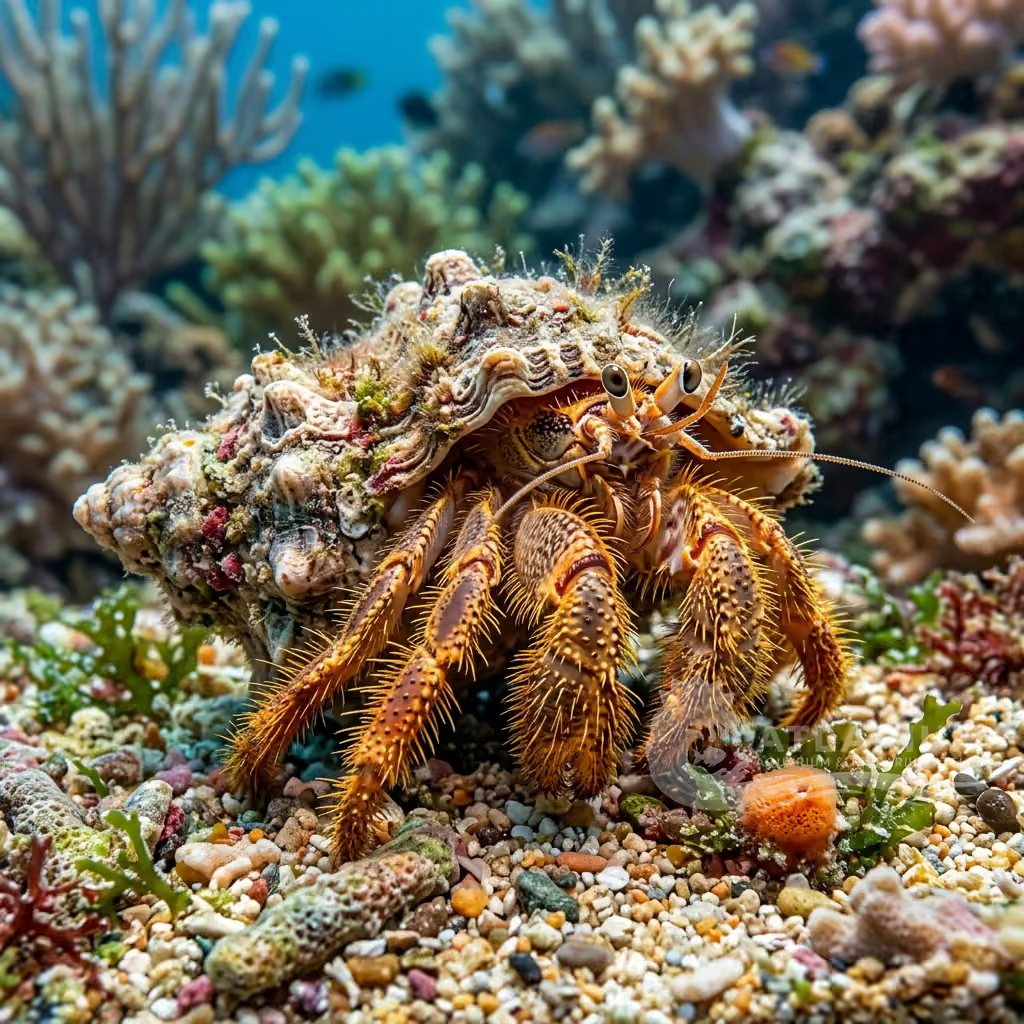
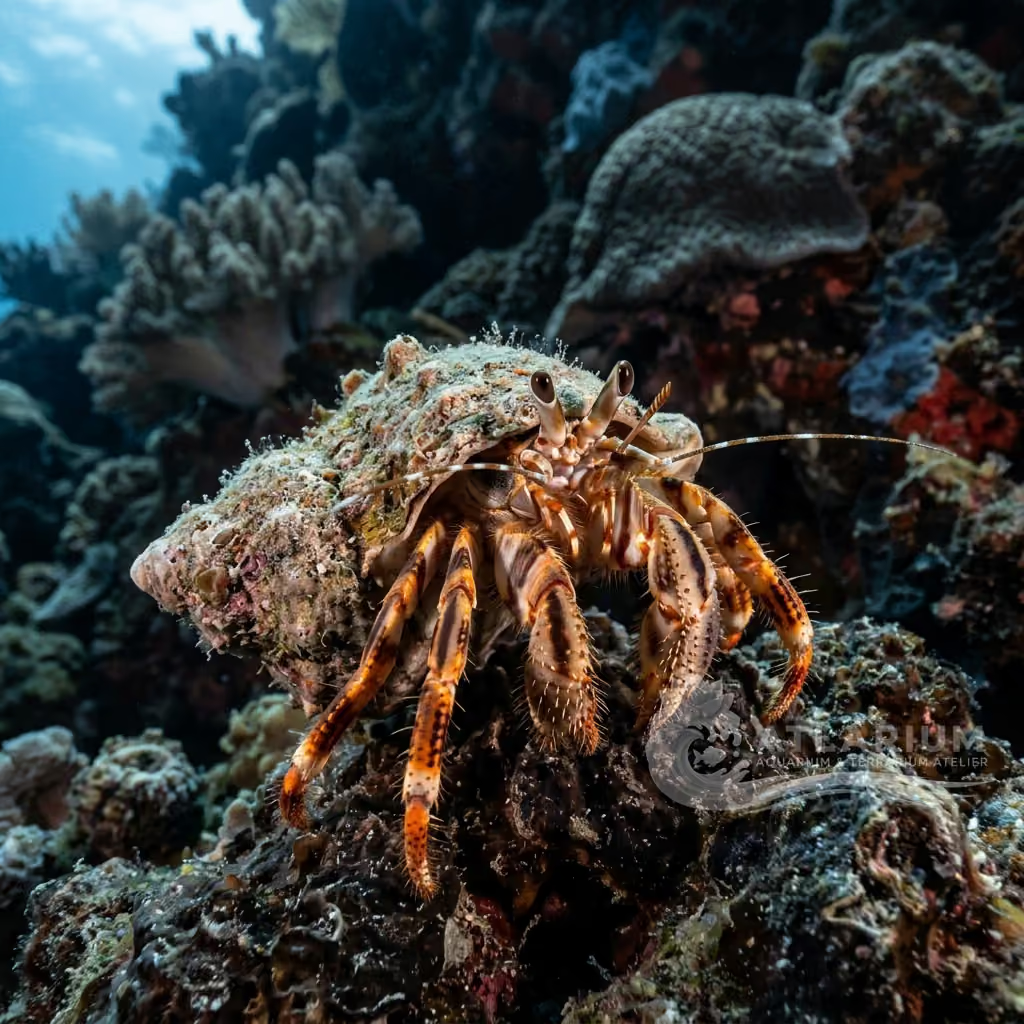
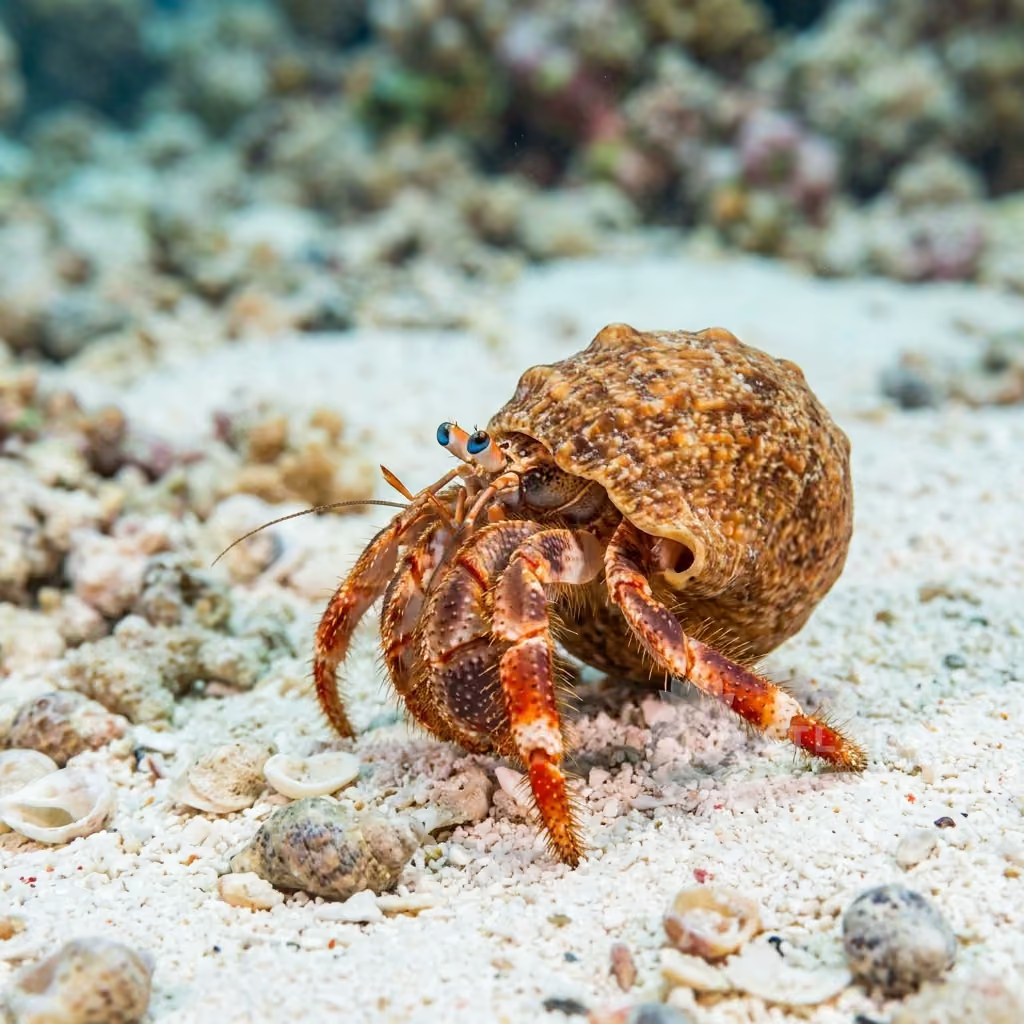
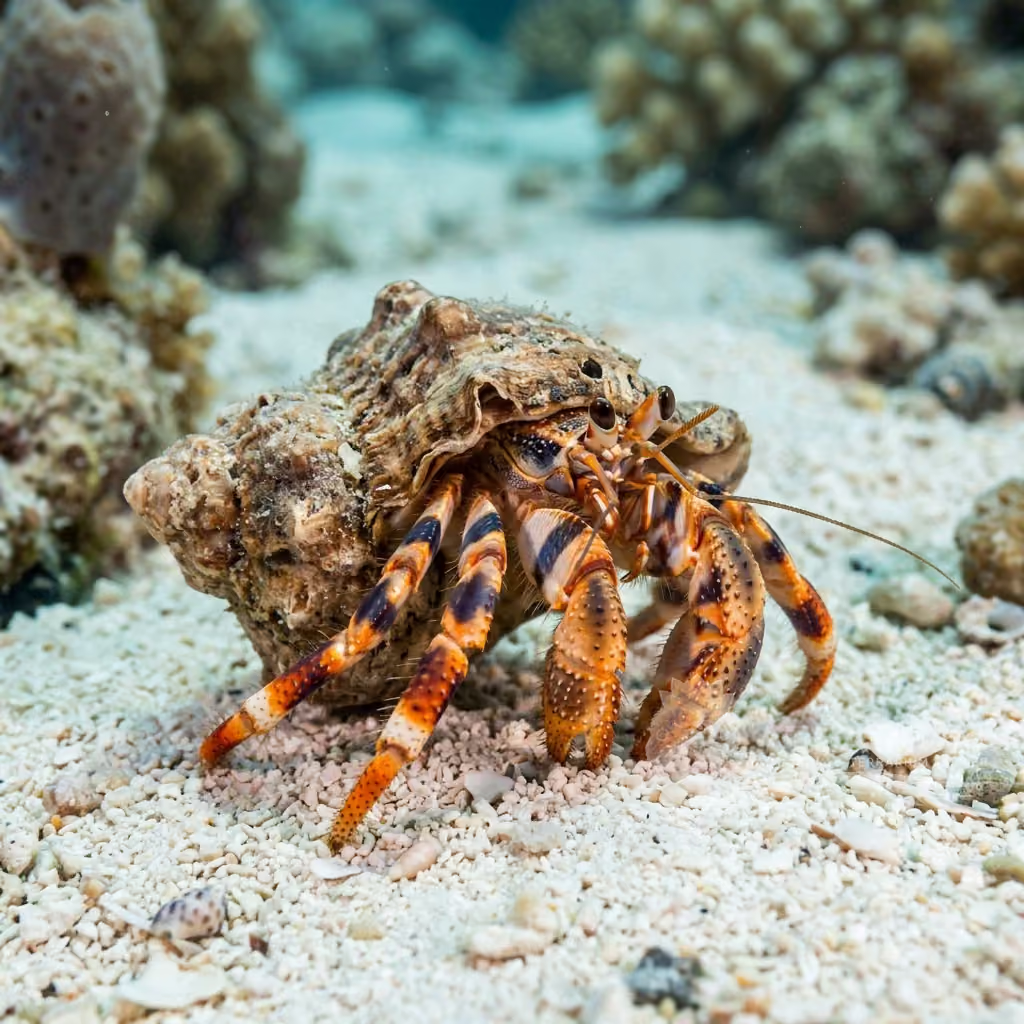
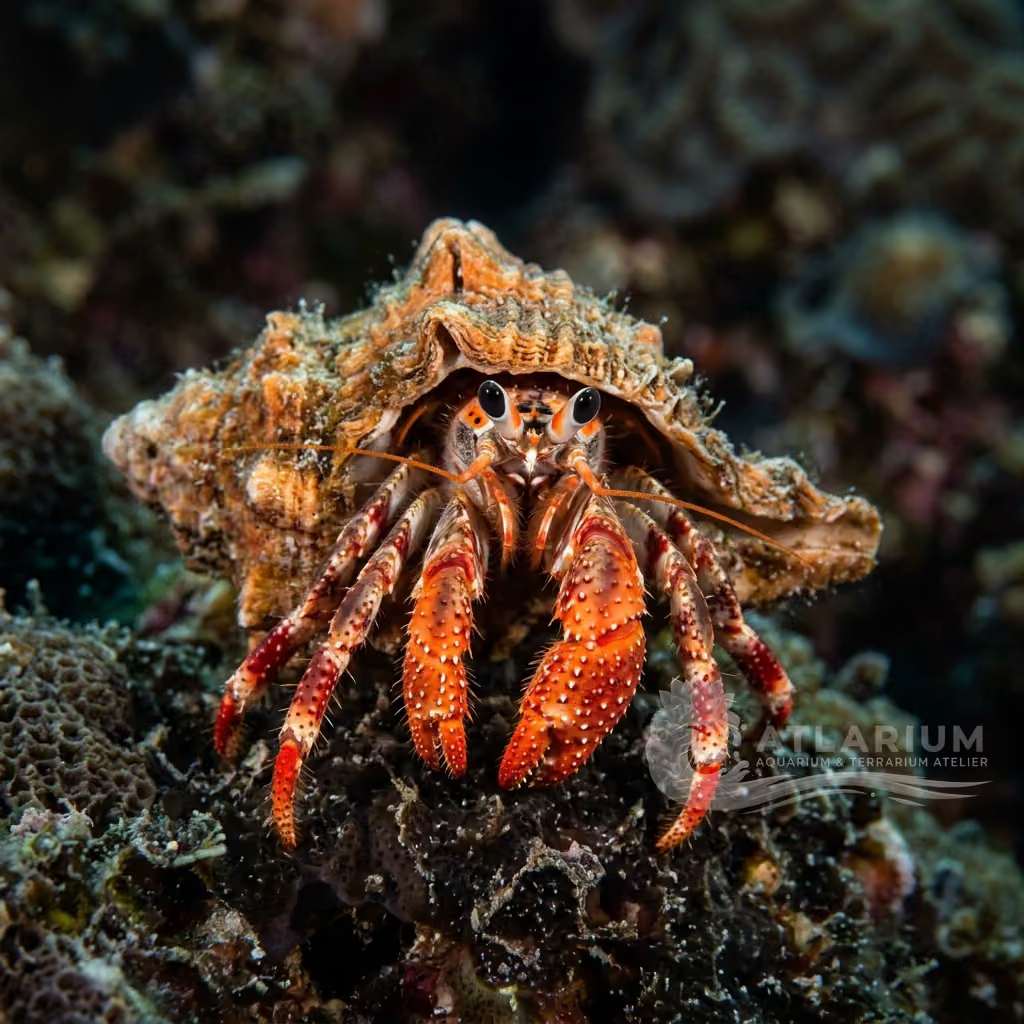
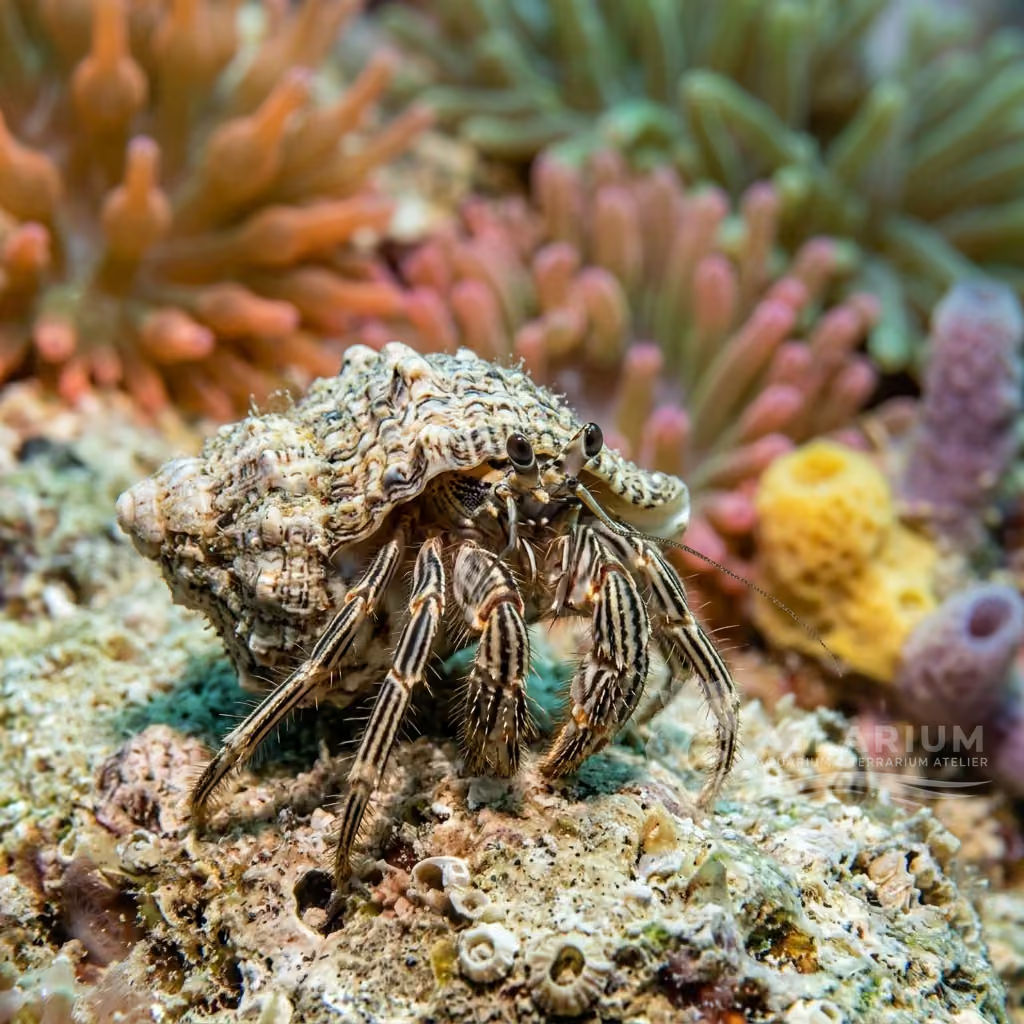
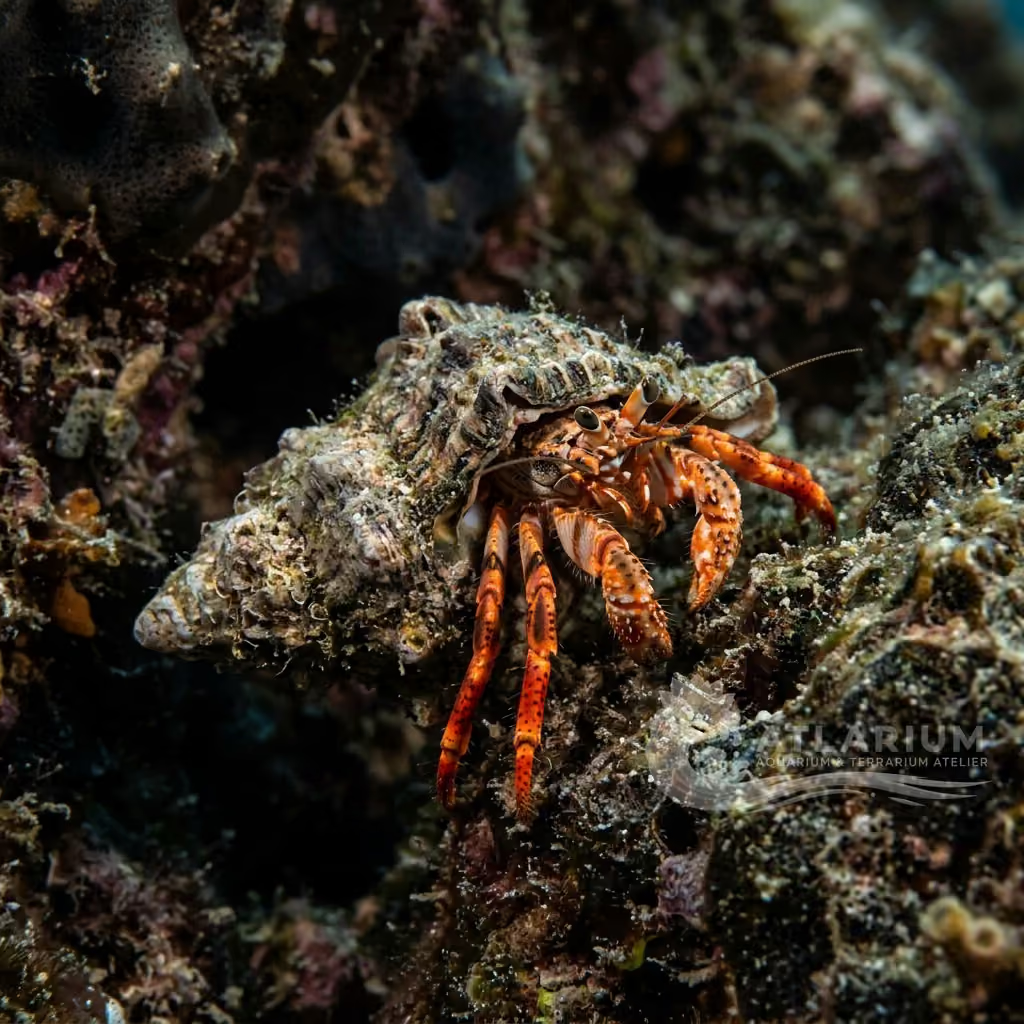
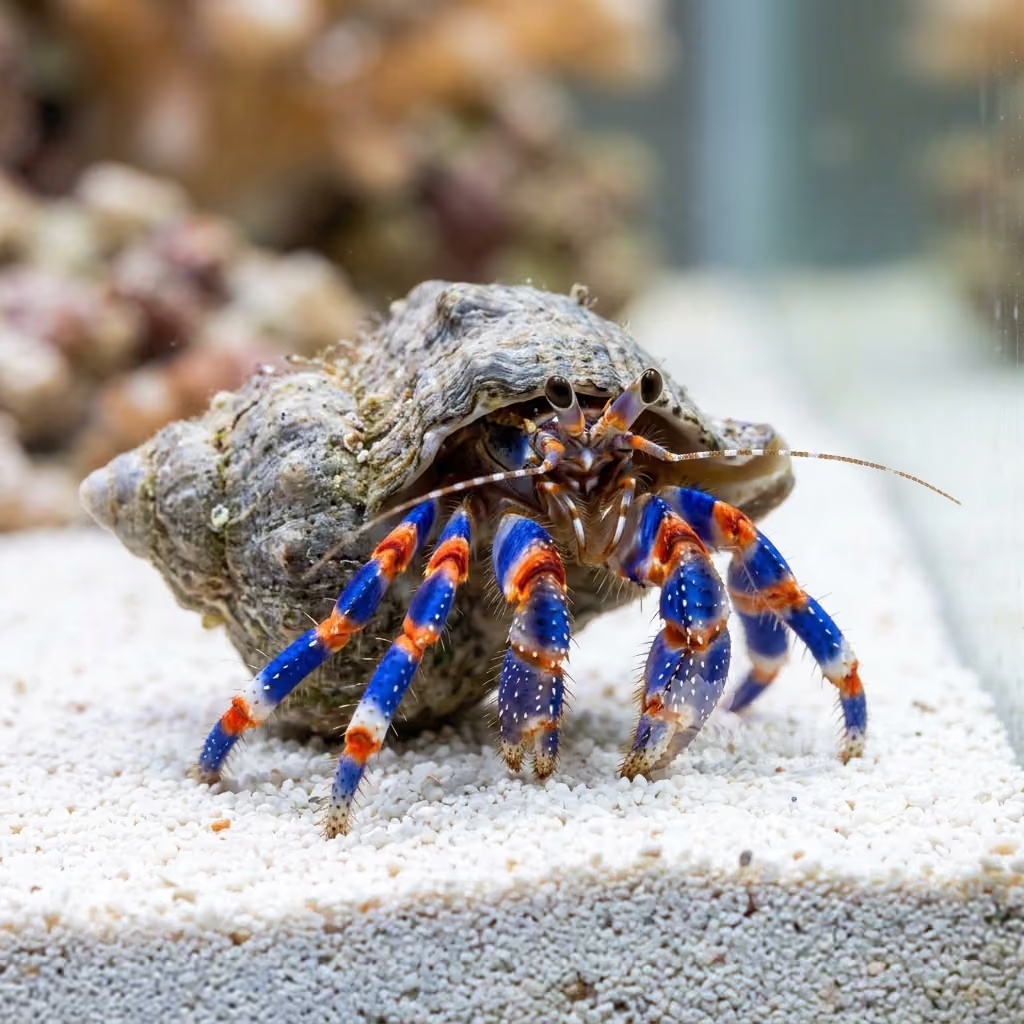
Coloration and Sexual Dimorphism: Features reddish-brown or grayish legs and claws, often marked with light cream or yellowish longitudinal stripes along the leg segments. The soft abdomen is protected by discarded gastropod shells. There is no visible external sexual dimorphism.

Soins, reproduction et cohabitation
Tank Setup: Well-suited for small aquariums (nano reefs) starting from 30-50 liters (10-15 gallons). Provide plenty of live rock for climbing and a sandy substrate. It is crucial to scatter several empty gastropod shells of different sizes in the tank to allow the hermit crab to molt and move into larger shells.
Diet and Feeding: An excellent detritivore and opportunist. It eats filamentous algae, diatoms, fish food leftovers, and organic detritus. In very clean tanks, supplement their diet occasionally with dry crustacean pellets or pieces of dried seaweed (nori) to prevent starvation.
Water Quality: Requires standard marine parameters: specific gravity 1.023-1.025, water temperature 24-28°C (75-82°F), pH 8.1-8.4, and dKH 8-12. Keep copper levels at zero. Proper calcium and magnesium levels are necessary to support the molting process.
Compatibility and Tankmates: Completely reef-safe. Compatible with peaceful community fish, corals, and other non-predatory invertebrates. Avoid keeping them with known crustacean predators like triggerfish, large wrasses, and puffers that can easily crush their protective shells.
Aquarium Breeding: Breeding in captivity is extremely difficult. Although they spawn and release larvae (zoea) into the water, the planktonic stages are filter-fed by corals or removed by filtration systems, making successful rearing to adulthood in home aquaria highly unlikely.
Risks and Diseases: The molting period is the primary risk phase, when the hermit crab is soft and vulnerable. If empty shells are not provided, it may attack living snails (like Astrea or Nassarius) to steal their shells, creating conflict in the clean-up crew.

Origine et répartition géographiques
Native to the tropical waters of the Central Indo-Pacific, particularly around Indonesia, Malaysia, the Philippines, and Melanesian reef systems. It primarily inhabits intertidal zones, shallow coral reefs, and sandy lagoons rich in detritus and rubble, at depths of 0 to 10 meters.
Origine
Océans tropicaux et récifsAsie du Sud et du Sud-Est

Profil d'invertébré
- Régime alimentaire
- Omnivore
- *Clibanarius snelliusi* is an omnivorous scavenger that constantly forages for food. It primarily feeds on detritus, uneaten fish food, and various types of nuisance algae. Supplemental feedings of sinking pellets or meaty foods may be necessary in very clean tanks.
- Rôle écologique
- Scavenger
- This species serves as an essential part of the aquarium's clean-up crew. By consuming decaying matter and controlling algae growth, it helps maintain optimal water quality. Its continuous sifting of the sand bed also promotes healthy substrate aeration.
- Taille adulte
- 2.5 cm
- Risque de saut
- Yes
- As bottom-dwelling crustaceans, *Clibanarius snelliusi* does not jump and poses no risk of leaping out of the water. They can, however, climb rockwork or equipment to reach the surface. A standard aquarium setup without a tight lid is usually safe from escapees.
- Sensibilité aux chocs
- Medium
- *Clibanarius snelliusi* is susceptible to sudden fluctuations in water parameters, particularly salinity and temperature. Careful drip acclimation is highly recommended when introducing them to a new environment. Stable parameters are crucial for their long-term health and survival.
- Calcium et minéraux
- Medium
- Sufficient calcium and alkalinity levels are required for *Clibanarius snelliusi* to build and harden its exoskeleton during molting. While they don't grow their own shells, a healthy exoskeleton is vital. Regular partial water changes usually replenish these elements adequately.
- Mue
- Shell growth
- During the molting process, *Clibanarius snelliusi* will shed its old exoskeleton and remain in hiding while the new one hardens. It is crucial to provide slightly larger empty shells for them to move into as they grow. Never disturb a molting hermit crab, as they are extremely vulnerable.
- Reproduction
- Oviparous
- Breeding *Clibanarius snelliusi* in a home aquarium is extraordinarily difficult due to their complex planktonic larval stages. Females carry the fertilized eggs on their pleopods until they hatch into the water column. The larvae require specialized microscopic foods and precise conditions to survive.
- Compatibilité et compagnons
- Peaceful
- Generally peaceful, *Clibanarius snelliusi* is considered highly reef-safe and won't intentionally harm healthy corals. However, they may occasionally trample over delicate zoanthids or snatch food from slow-moving tank mates. If a larger empty shell is not provided, they might attack snails to steal theirs.

Espèces associées
Recommandations regroupées par proches parents, compagnons et soins similaires.