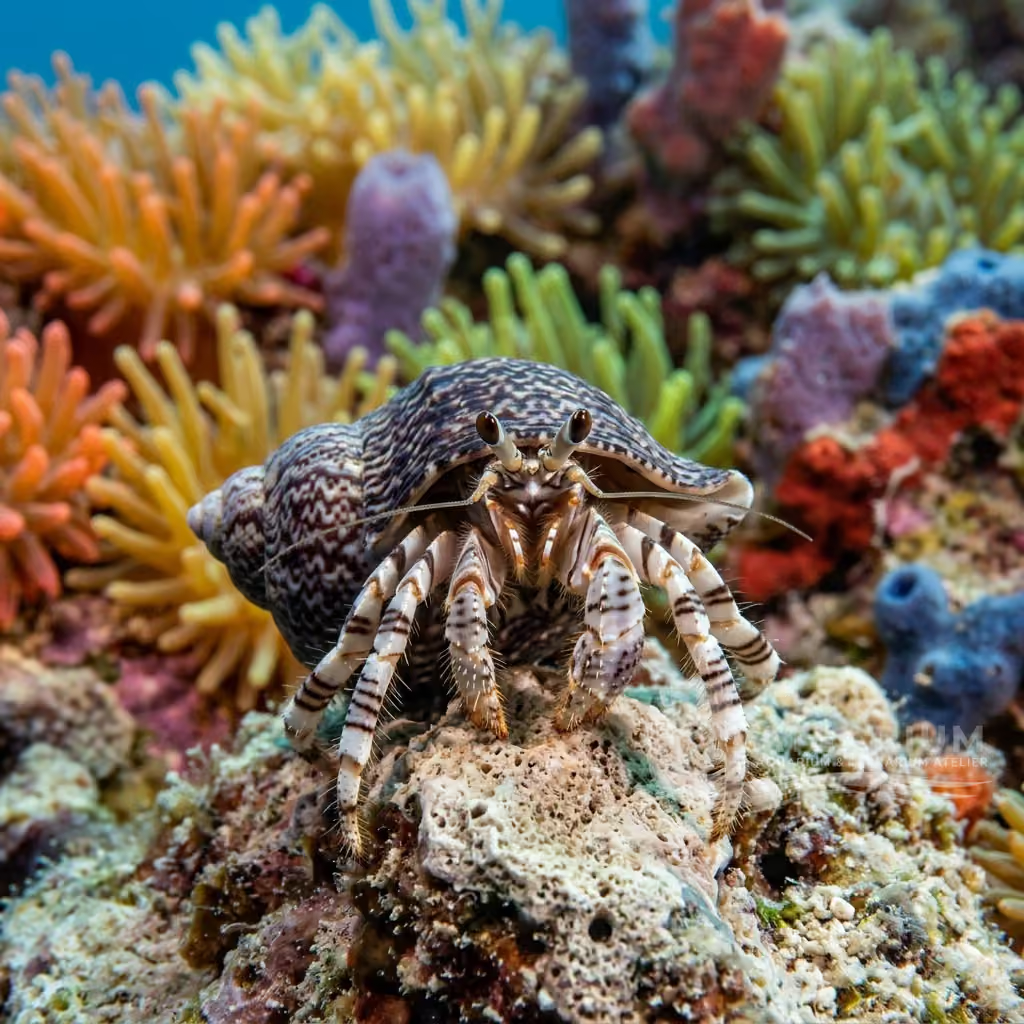
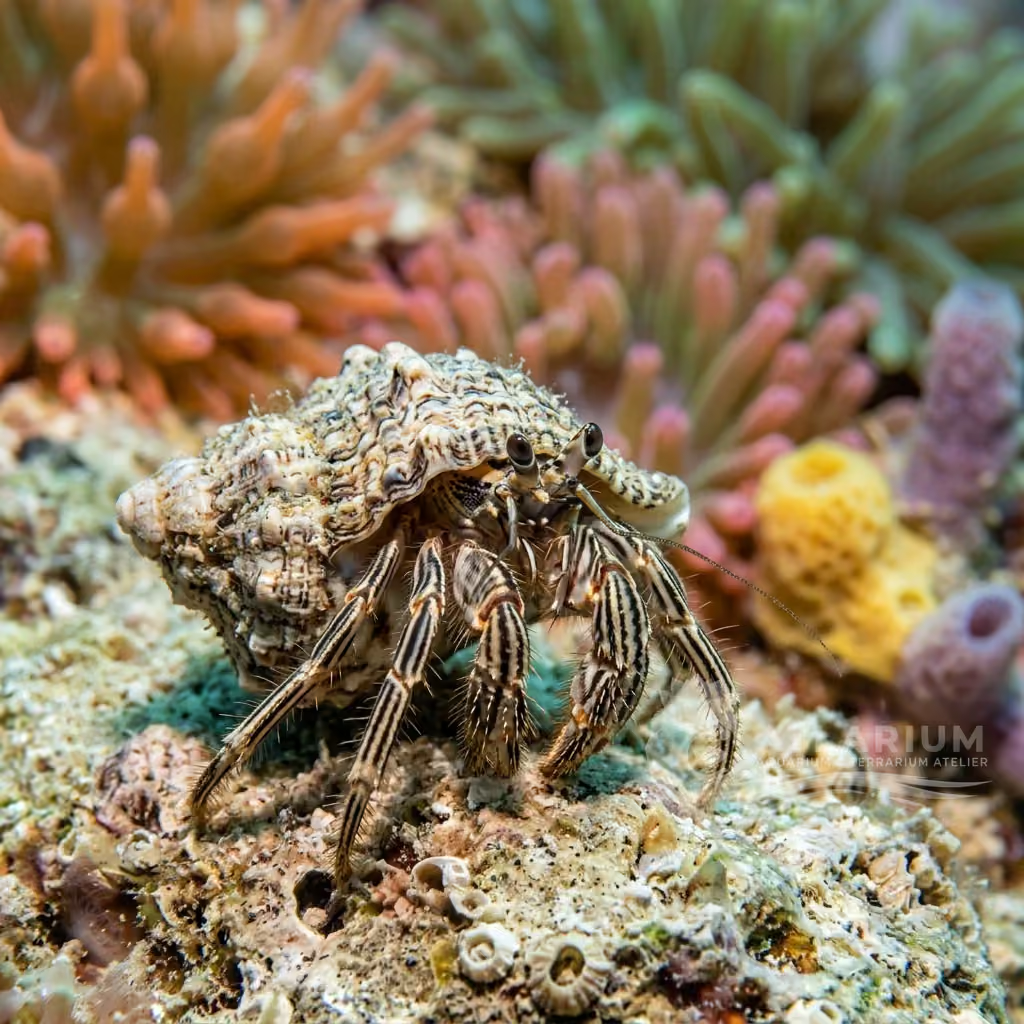
Equal Hermit Crab
Clibanarius aequabilis
A marine invertebrate species of the family Diogenidae. It is highly valued by aquarists for its interesting behavior, peaceful nature, and beautiful coloration.
Température de l’eau
18 - 24 °C
Valeur du pH
8.1 - 8.4
Type d'eau
Marin
Type d'invertébré
Hermit crab
Taille adulte
2,5 cm
Groupe minimal
>= 1
KH
8 - 12 dKH
Rôle écologique
Scavenger
Sensibilité au cuivre
High

Description de l'espèce
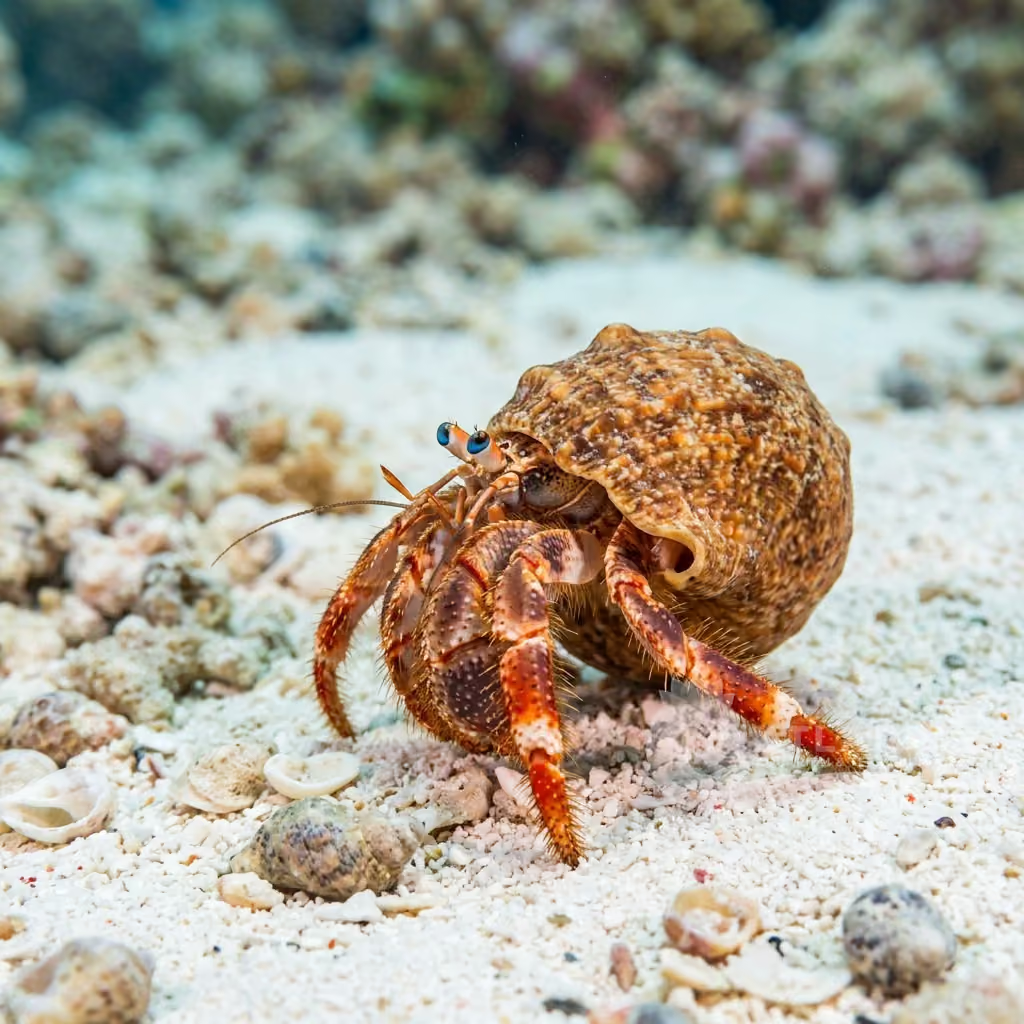
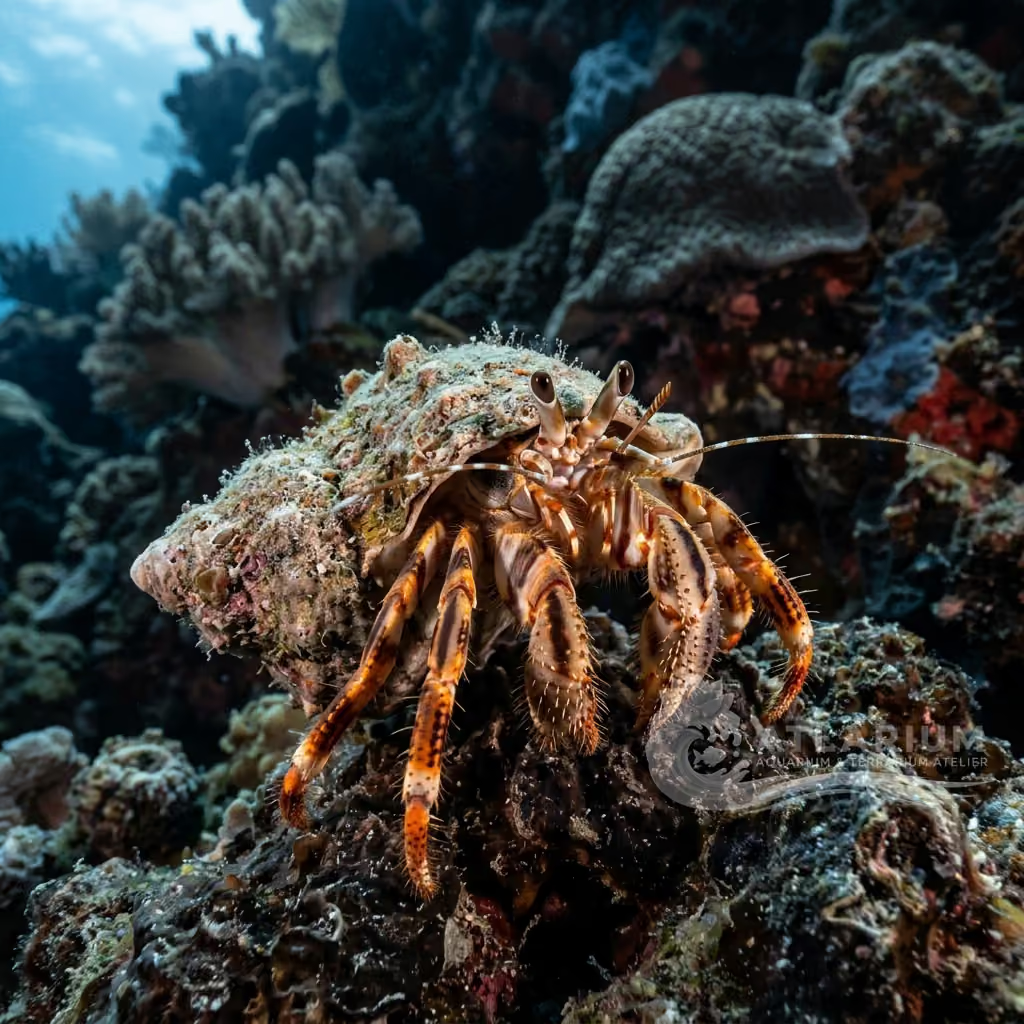
Geographical Origin and Habitat: Eastern Atlantic Ocean, common in the intertidal zones of Azores, Madeira, and Canary Islands. Typically lives in areas rich in coral rocks and sheltered sandy crevices. These hermit crabs are commonly observed in tide pools and shallow rocky shores where they are subjected to constant wave action and shifting water levels.
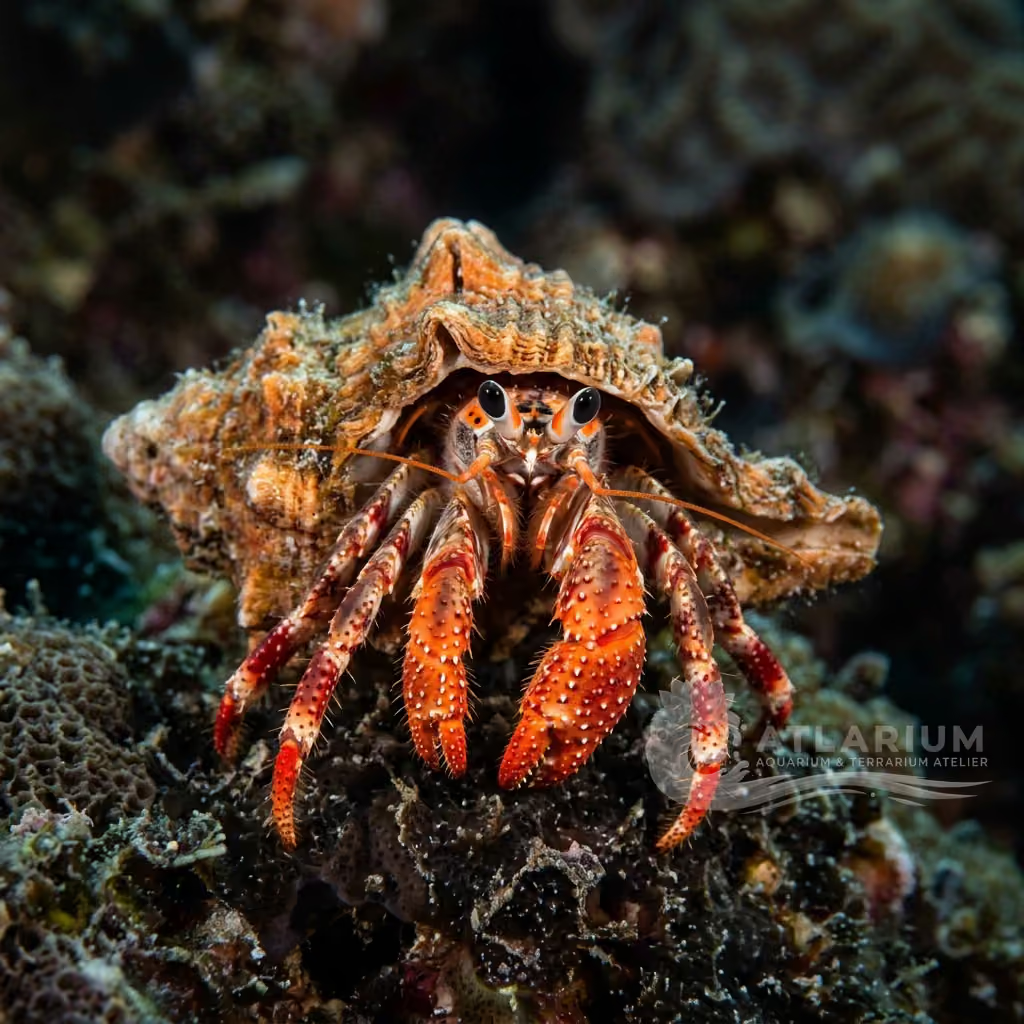
Taxonomy: Belongs to the family Diogenidae. Features a robust protective exoskeleton with claws developed for defense and burrowing. Size up to 2.5 cm. Belonging to the family Diogenidae, they are characterized by left-handed claws, which are used to seal the shell aperture tightly when retreating from predators.
Social Behavior: Predominantly solitary or gregarious depending on shelter availability. Plays a crucial ecological role as a herbivore. They are active scavengers, forming loose groups on rocky substrates where they work continuously to clear microalgae and decaying organic material.
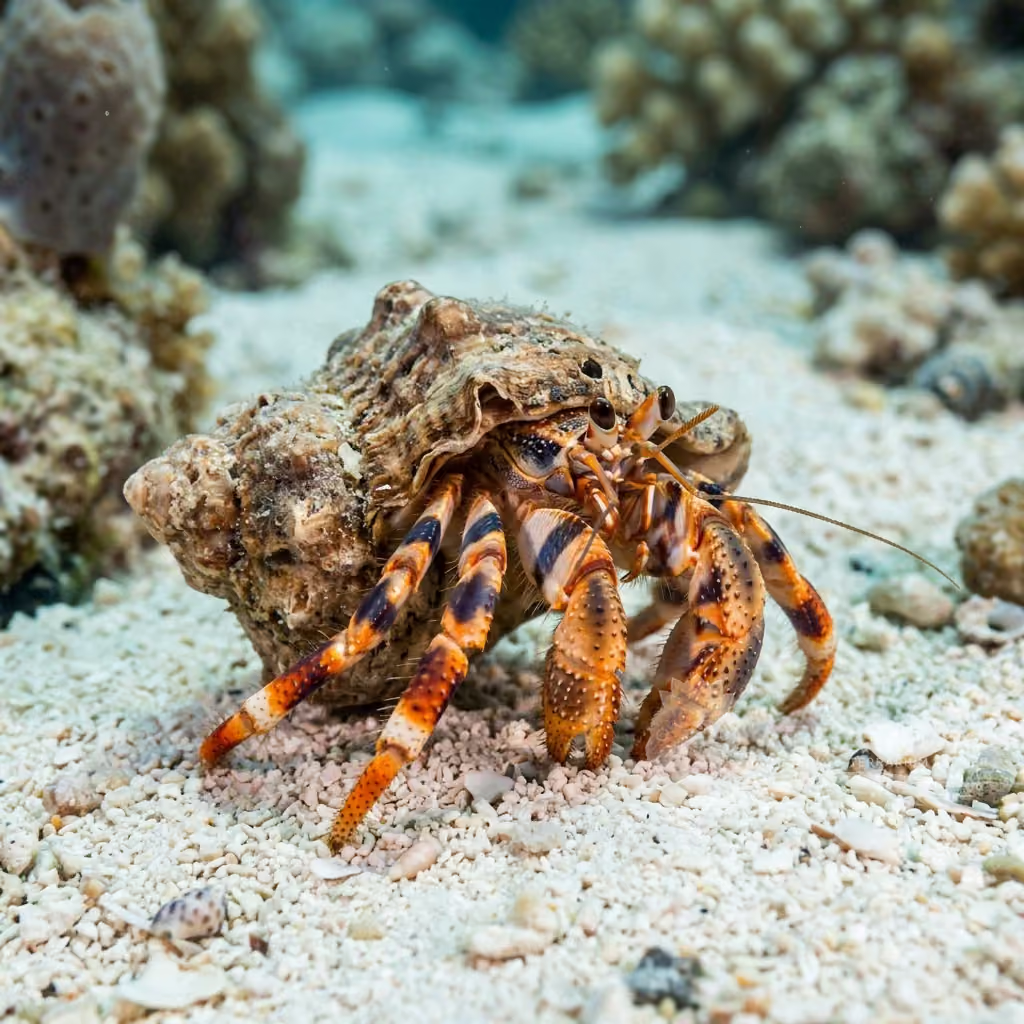
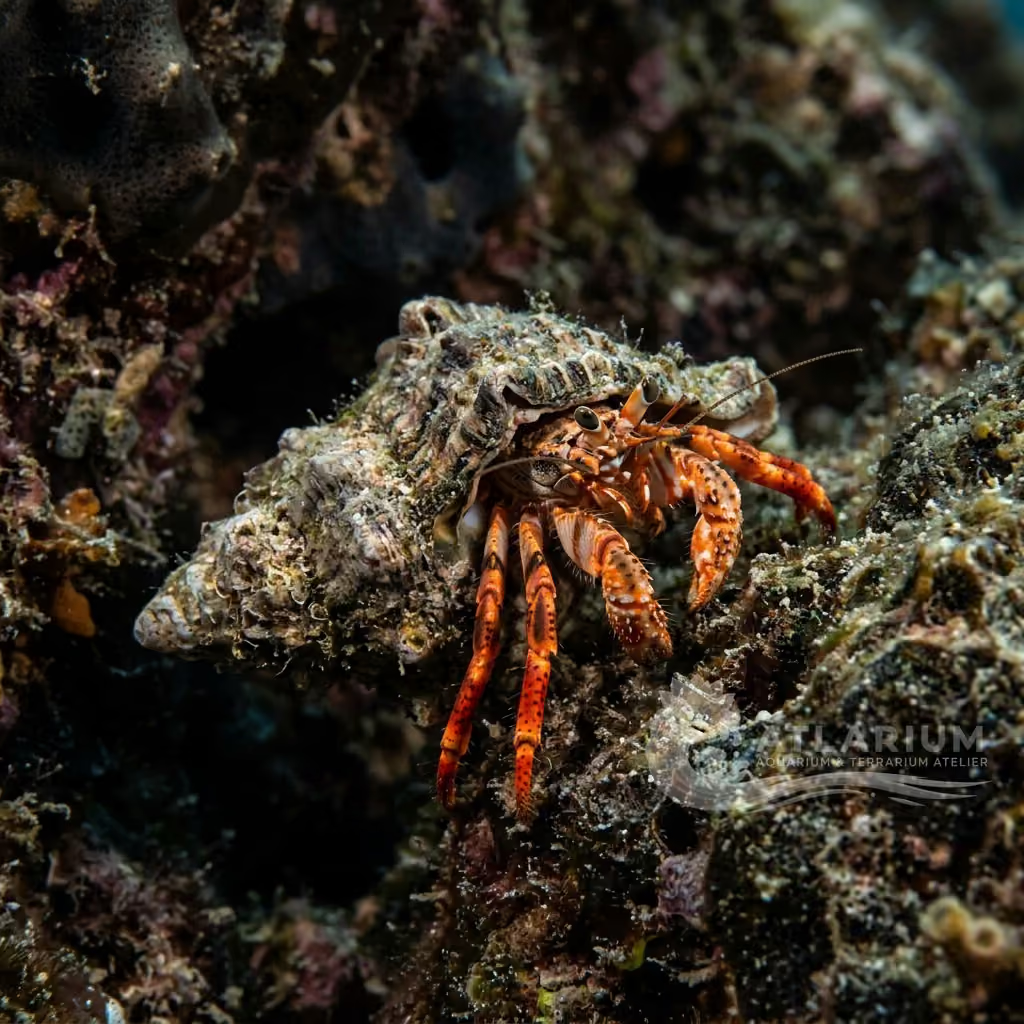
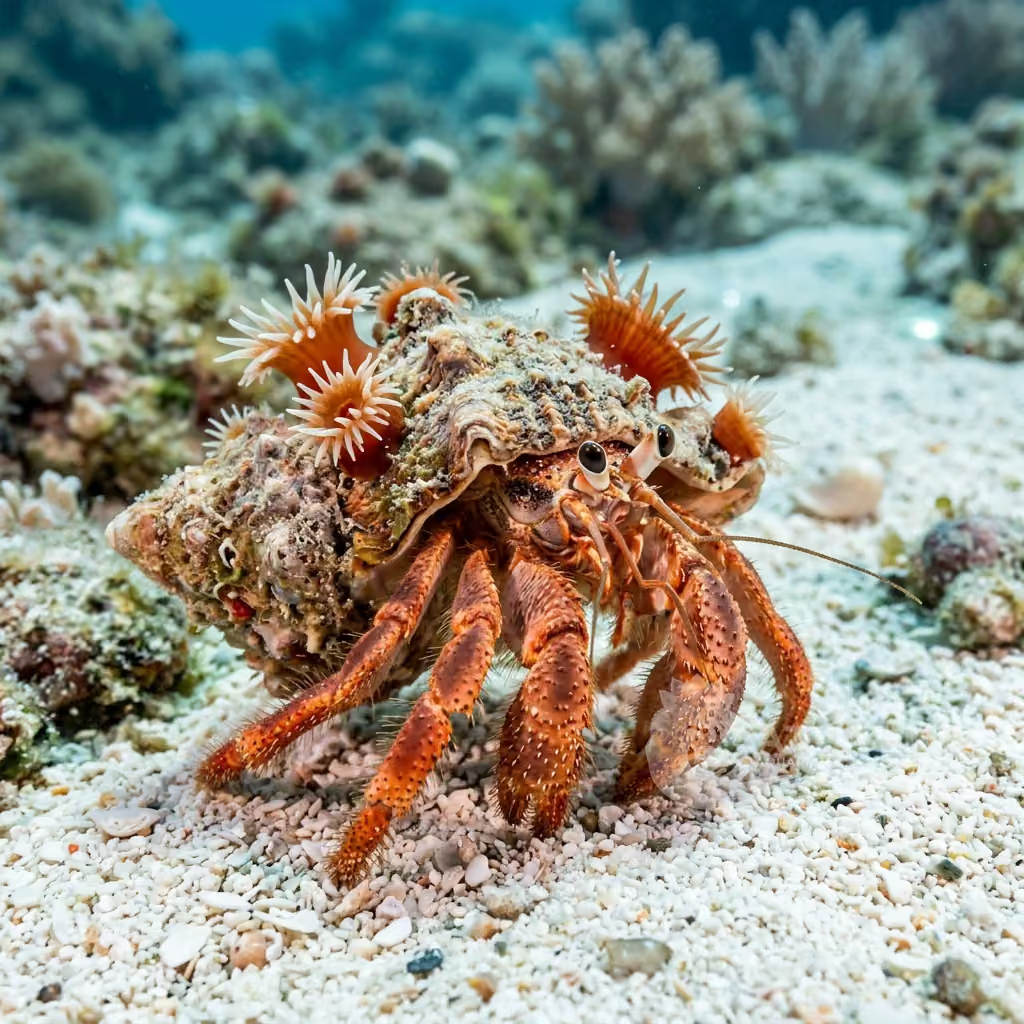
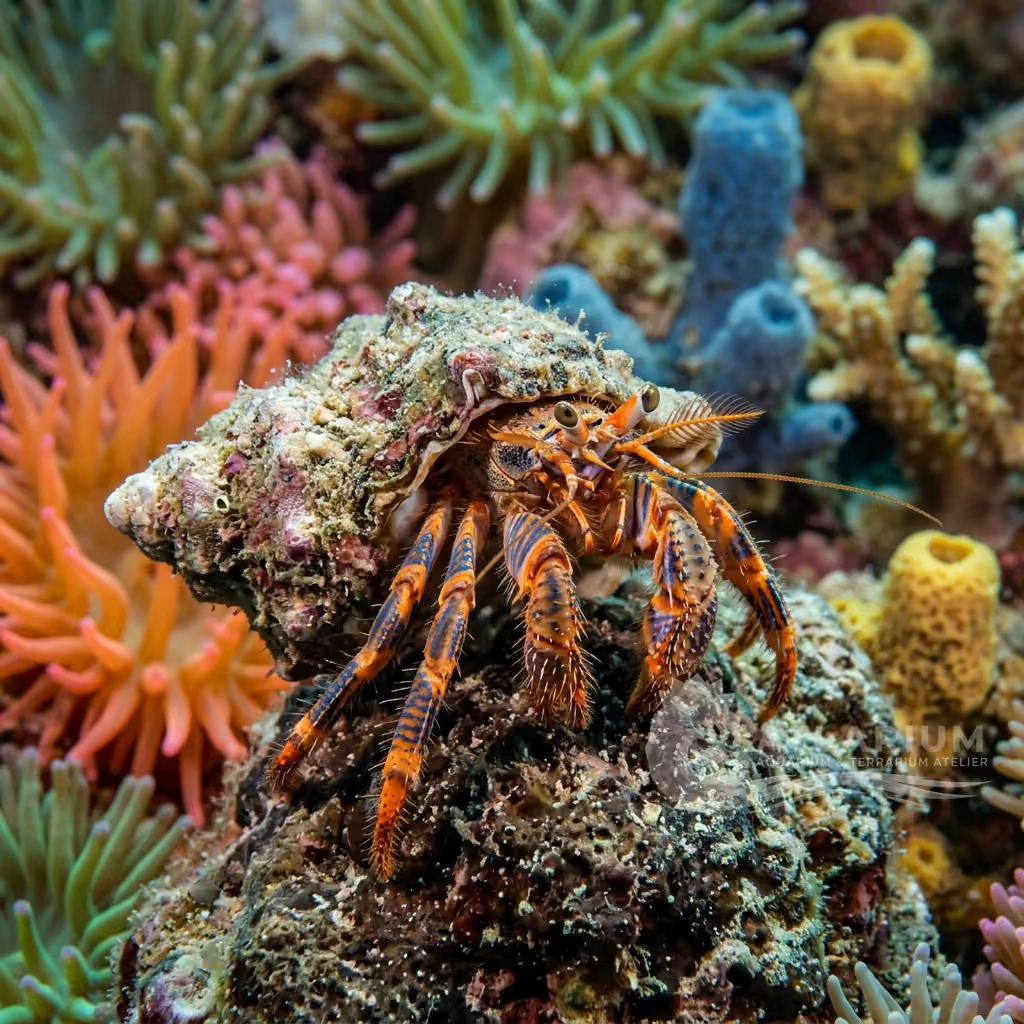
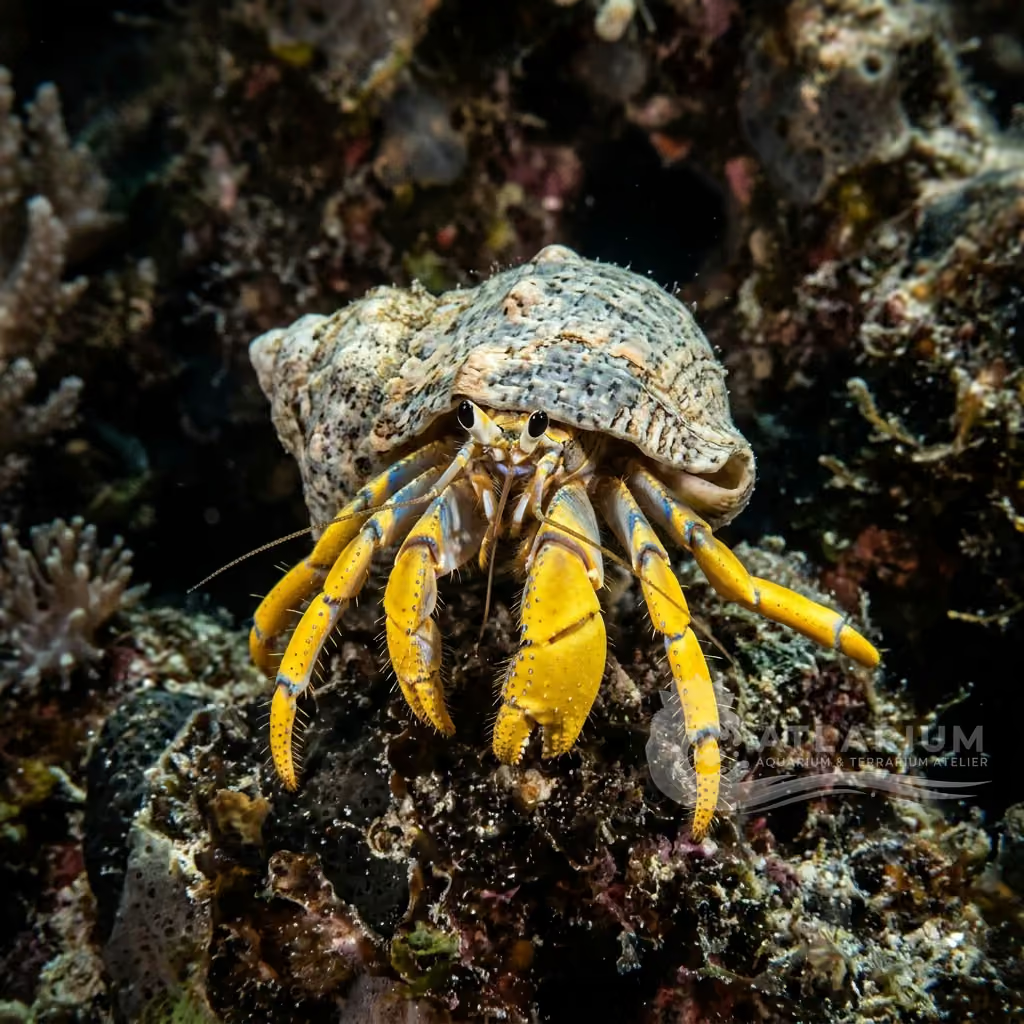
Coloration and Sexual Dimorphism: Coloration varies from brown to bright red. Sexual dimorphism is not highly pronounced externally, except for abdomen shape or claw size. Their limbs display dark reddish-brown tones, often with pale joints, which provides excellent camouflage among the volcanic rocks of their native islands.

Soins, reproduction et cohabitation
Tank Setup: Requires a reef aquarium with plenty of live rock. For hermit crabs, it is essential to provide empty gastropod shells of various sizes to support growth. Provide a diverse selection of empty snail shells of slightly increasing sizes scattered across the tank substrate to prevent fighting over shelter.
Diet and Feeding: Herbivorous/Detritivorous. Consumes benthic microalgae, filamentous algae, and organic detritus. Supplement their diet with dried seaweed, algae wafers, and small pieces of frozen shrimp to ensure they receive adequate mineral nutrients for health.
Water Quality: Standard marine values: temperature 18.0-24.0°C, pH 8.1-8.4, constant salinity, and absolute absence of copper in the aquarium. Maintain high water quality with stable salinity and zero copper, as dissolved heavy metals will disrupt their critical molting process and cause mortality.
Compatibility and Tankmates: 100% reef-safe. Compatible with almost all peaceful tankmates. Avoid predatory fish that feed on crustaceans (e.g., puffers or lionfish). Ideal for peaceful reef community tanks, though they should not be kept with large predatory wrasses or puffers that can easily crush their protective shells.
Aquarium Breeding: Sexual reproduction. Female carries eggs inside the shell. Planktonic larval development is difficult in home tanks. Captive breeding is extremely difficult due to the planktonic larval phase, which requires specialized culture tanks and microscopic live food sources.
Risks and Diseases: Frequent molts when young. Requires empty gastropod shells of various sizes for shell upgrade. High sensitivity to heavy metals (copper) and sudden osmotic shocks. During the molting period, the crab will hide for several days; do not disturb or attempt to move the animal as its new exoskeleton is highly vulnerable.

Origine et répartition géographiques
Eastern Atlantic Ocean, common in the intertidal zones of Azores, Madeira, and Canary Islands. Typically lives in areas rich in coral rocks and sheltered sandy crevices. These hermit crabs are commonly observed in tide pools and shallow rocky shores where they are subjected to constant wave action and shifting water levels.
Origine
Océans tropicaux et récifs

Profil d'invertébré
- Régime alimentaire
- Herbivore
- These crabs are invaluable omnivorous scavengers that spend their time grazing on various types of nuisance algae, including hair algae and cyanobacteria. They will also greedily consume detritus, uneaten fish food, and decaying organic matter. If natural food sources run low in the aquarium, their diet should be supplemented with dried seaweed and sinking pellets.
- Rôle écologique
- Scavenger
- They are quintessential members of the reef clean-up crew, performing essential janitorial duties across the rockwork and substrate. By continuously grazing on algae and processing detritus, they prevent organic buildup and assist in maintaining overall water quality. Their foraging activities also subtly sift the top layers of sand, preventing stagnation.
- Taille adulte
- 2.5 cm
- Risque de saut
- Yes
- These heavy, shell-dwelling bottom feeders are completely incapable of jumping or swimming out of the water. Their anatomy and weight confine them strictly to the substrate and rockwork. While they can climb up powerhead cords or silicone seams to the water surface, they pose absolutely zero risk of leaping from the tank.
- Sensibilité aux chocs
- High
- Hermit crabs are comparatively hardy, but they still require careful acclimation to new water chemistry and temperature. Drastic shifts in salinity are particularly dangerous and can interfere with their osmoregulation. A slow drip acclimation is the recommended standard practice to ensure long-term survival.
- Calcium et minéraux
- Medium
- Proper calcium, magnesium, and trace element levels are mandatory to facilitate a healthy molting process and allow their new exoskeleton to harden. Regular water changes with a high-quality reef salt mix usually provide sufficient elements for their needs. Without adequate calcium, their new shell remains soft, making them highly susceptible to predation.
- Mue
- Shell growth
- When it is time to molt, the crab may temporarily leave its shell and hide within the live rock until its new exoskeleton is sufficiently hard. The shed exoskeleton strongly resembles a dead crab and is often mistaken as such by inexperienced aquarists. Ensure spare empty shells of various sizes are always available so they can upgrade safely post-molt.
- Reproduction
- Oviparous
- Reproduction in the home aquarium is an extremely rare occurrence and generally unsuccessful. They release microscopic, free-swimming larvae into the water column, which are usually swiftly consumed by corals and fish. Successfully raising these larvae requires dedicated pelagic feeding regimens and isolated rearing systems.
- Compatibilité et compagnons
- Reef safe with caution
- They are exceptionally peaceful toward fish and corals, making them an ideal and safe addition to any reef aquarium clean-up crew. However, they may occasionally squabble with other hermit crabs over desirable empty shells if resources are scarce. They generally ignore snails, provided there are enough empty shells to prevent them from killing snails for their homes.

Espèces associées
Recommandations regroupées par proches parents, compagnons et soins similaires.