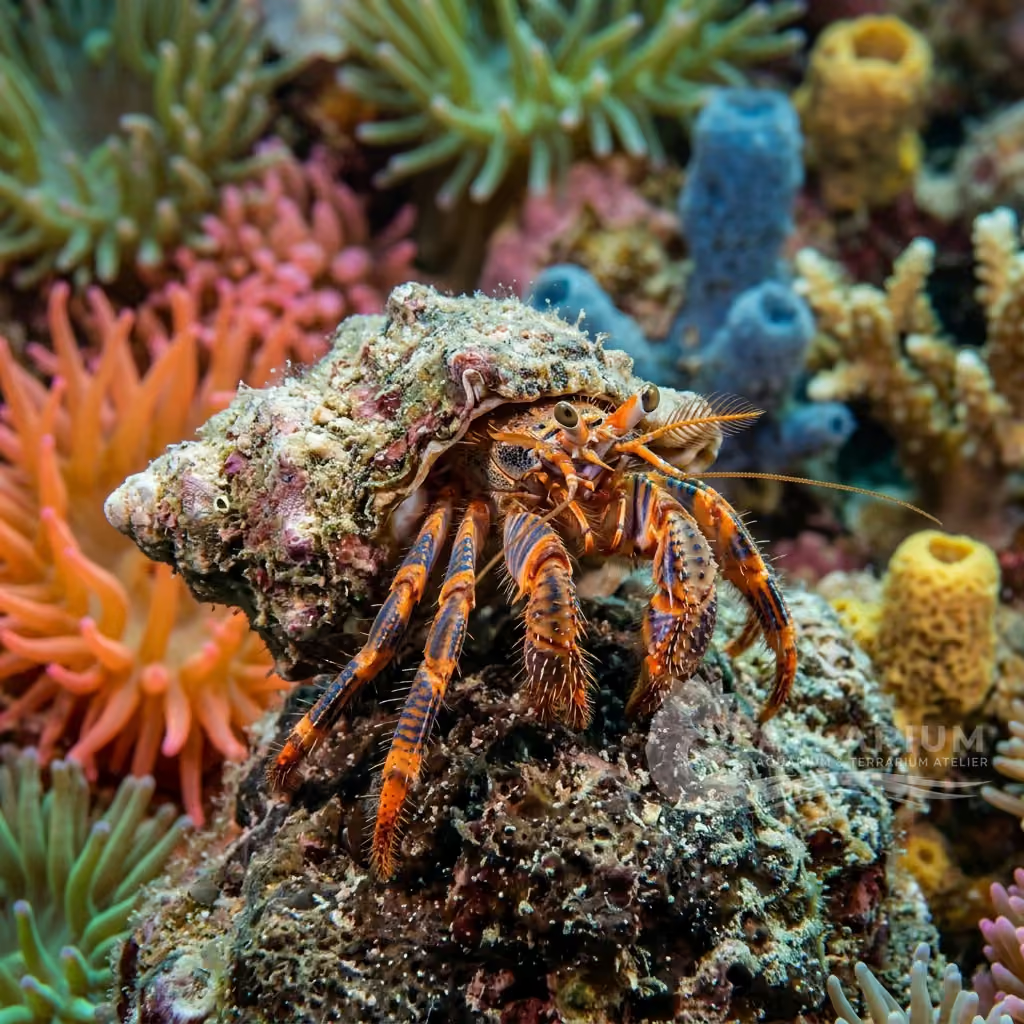
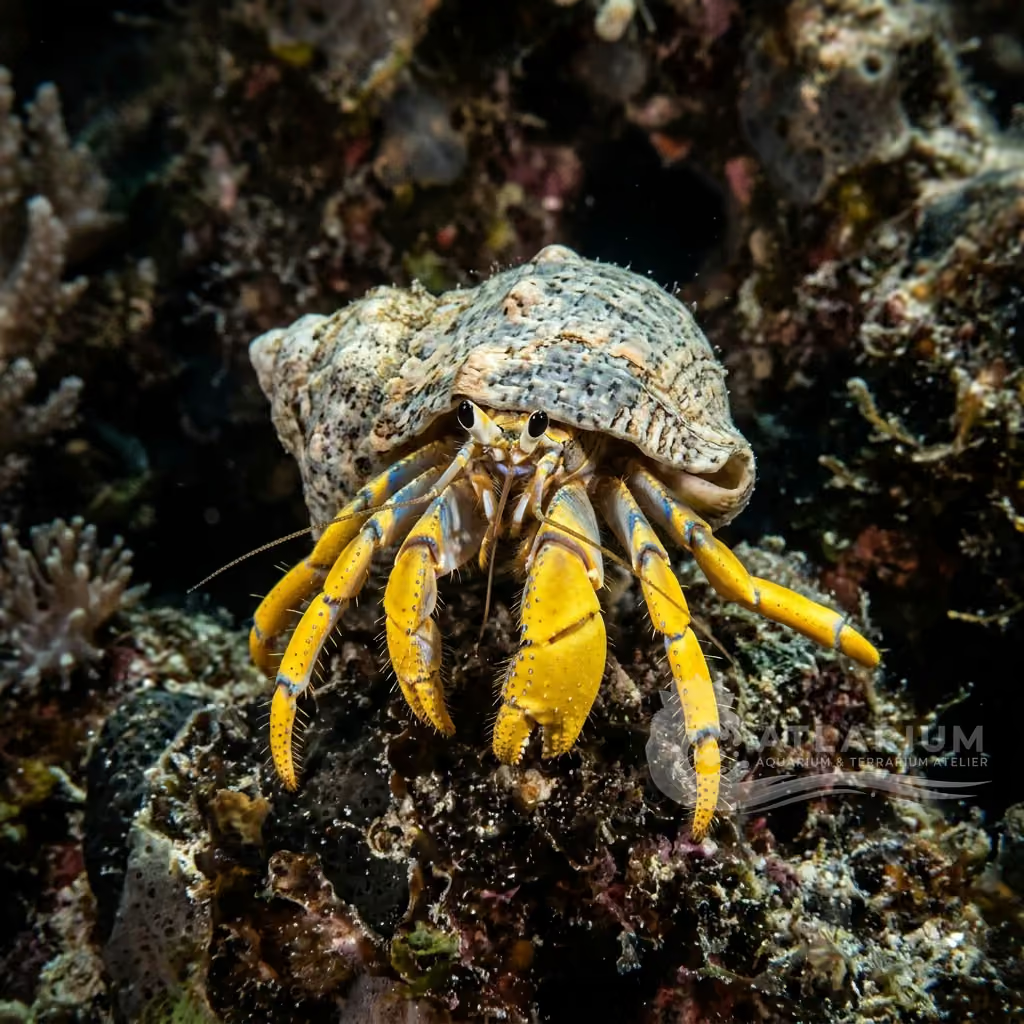
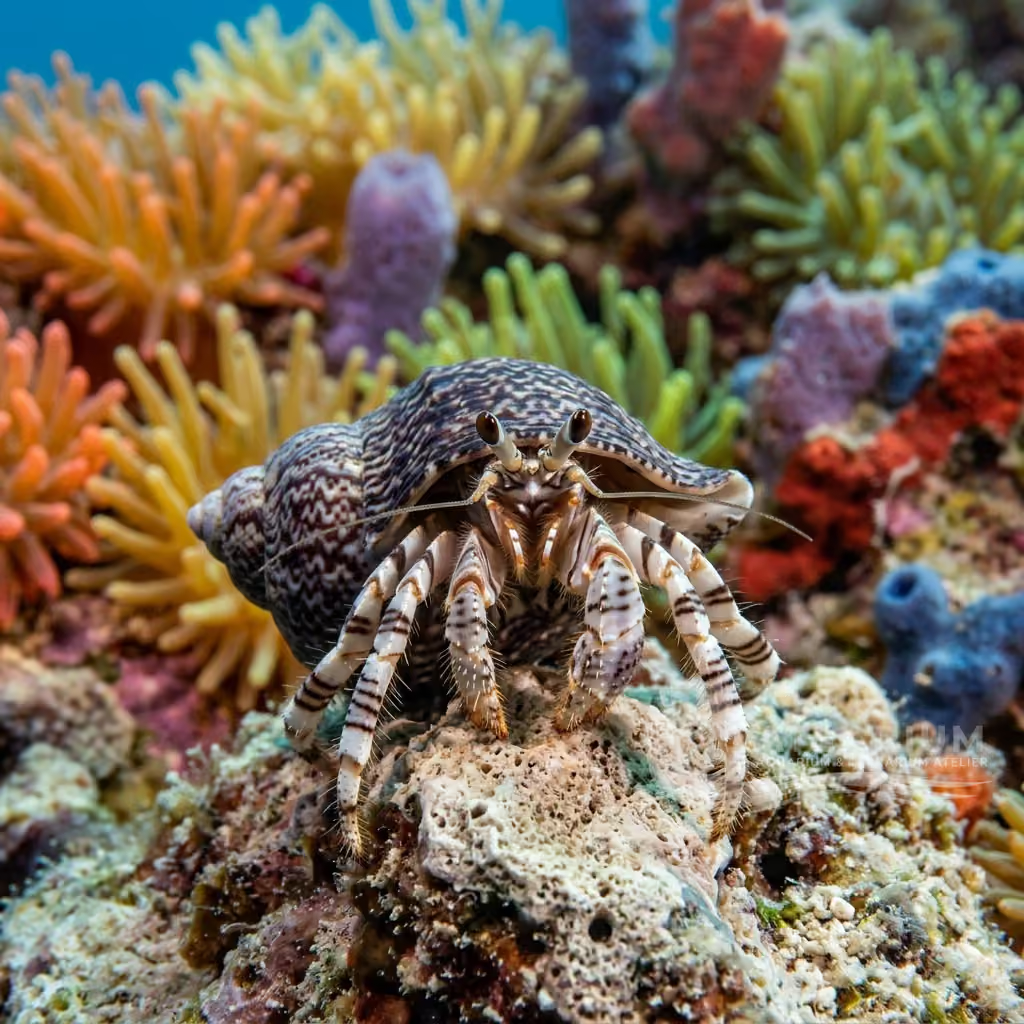
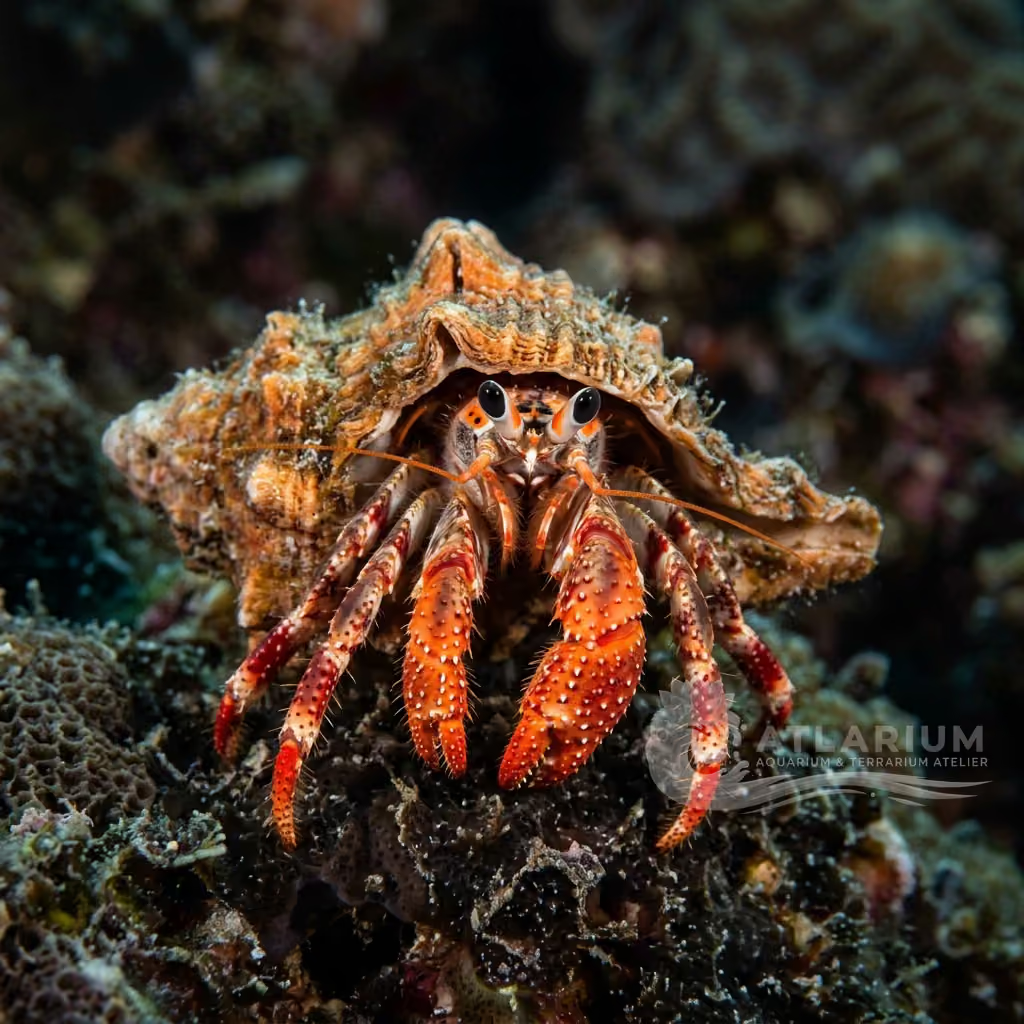
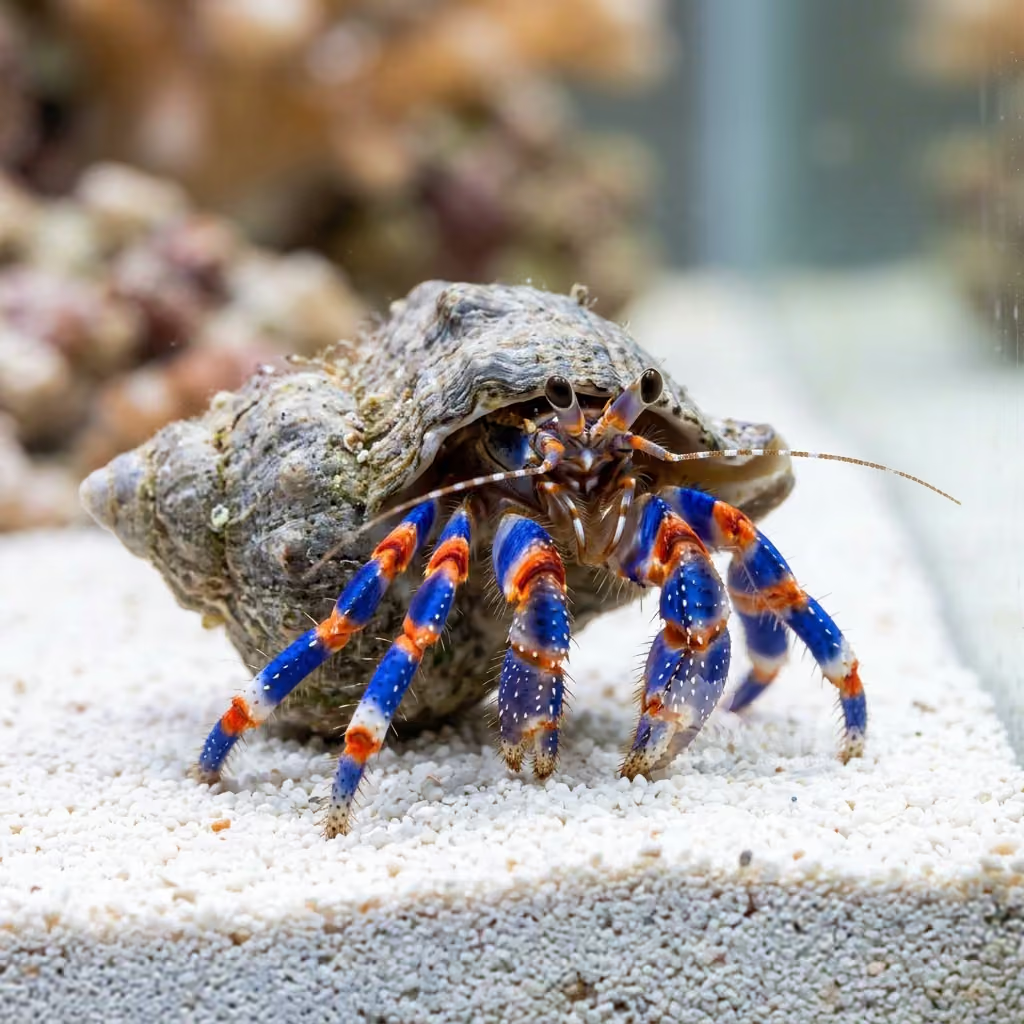
Ranson's hermit crab
Clibanarius ransoni
A small, reef-safe marine detritivore from the Western Indo-Pacific, highly praised by aquarists for expertly controlling nuisance algae and detritus.
Température de l’eau
22 - 27 °C
Valeur du pH
8.1 - 8.4
Type d'eau
Marin
Type d'invertébré
Hermit crab
Taille adulte
2,5 cm
Groupe minimal
>= 1
KH
8 - 12 dKH
Rôle écologique
Scavenger
Sensibilité au cuivre
High

Description de l'espèce
Geographical Origin and Habitat:
Clibanarius ransoni is distributed throughout the tropical waters of the Western Indo-Pacific, with significant populations along the coasts of Southeast Asia, Micronesia, and adjacent oceanic islands. It primarily inhabits shallow intertidal zones, coral reefs, lagoons, and sandy flats rich in rubble, where it finds cover during tidal cycles.
Taxonomy:
This student is an invertebrate belonging to the family Diogenidae, known as the left-handed or equal-handed hermit crabs. The genus Clibanarius is distinguished by its robust limbs and evolutionary adaptation to harsh intertidal zones. Clibanarius ransoni is identified by its leg stripe patterns and claw morphology, which is adapted for scraping algae.
Social Behavior:
It is a peaceful, industrious, and highly social species when kept with conspecifics. In nature, they form large groups that scan the substrate for organic matter. In an aquarium, they spend their time foraging across rocks and sand. Non-lethal disputes over empty shells may occur if suitable housing options are scarce.
Coloration and Sexual Dimorphism:
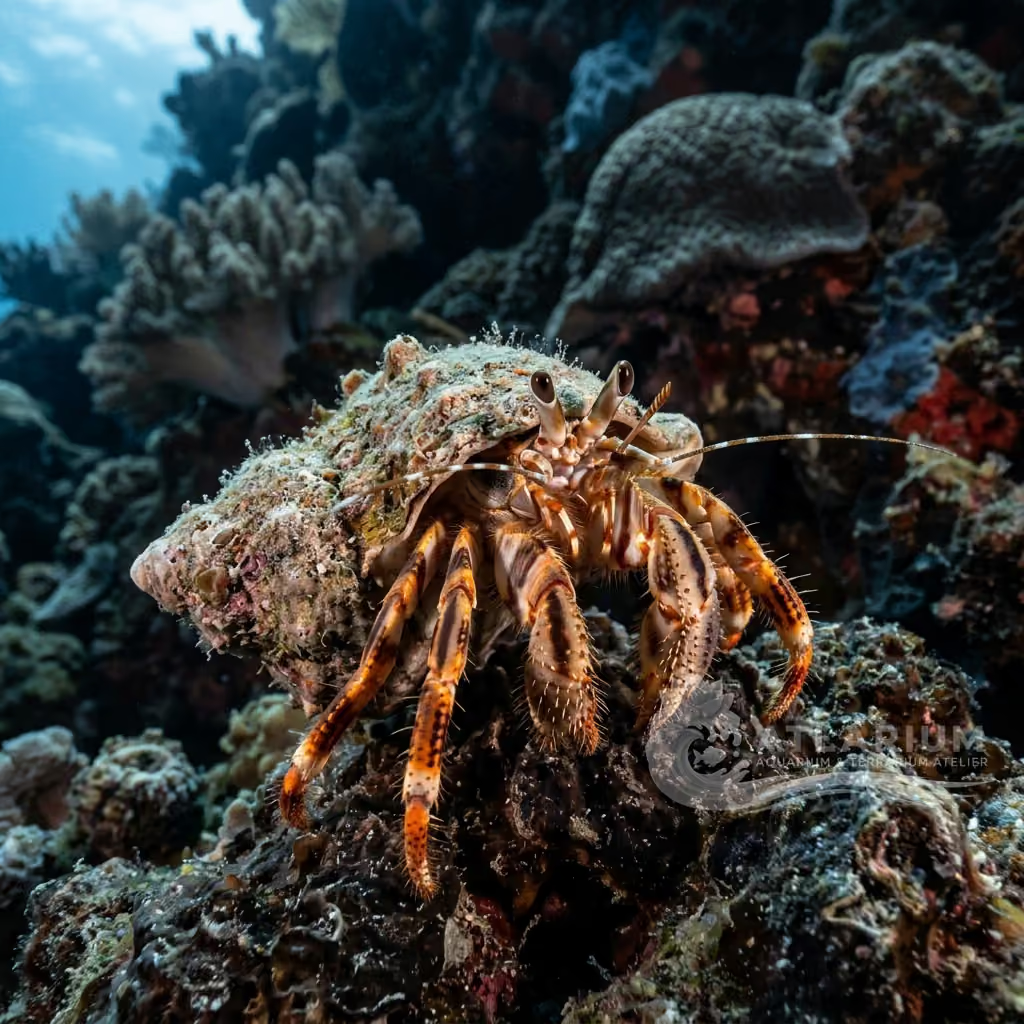
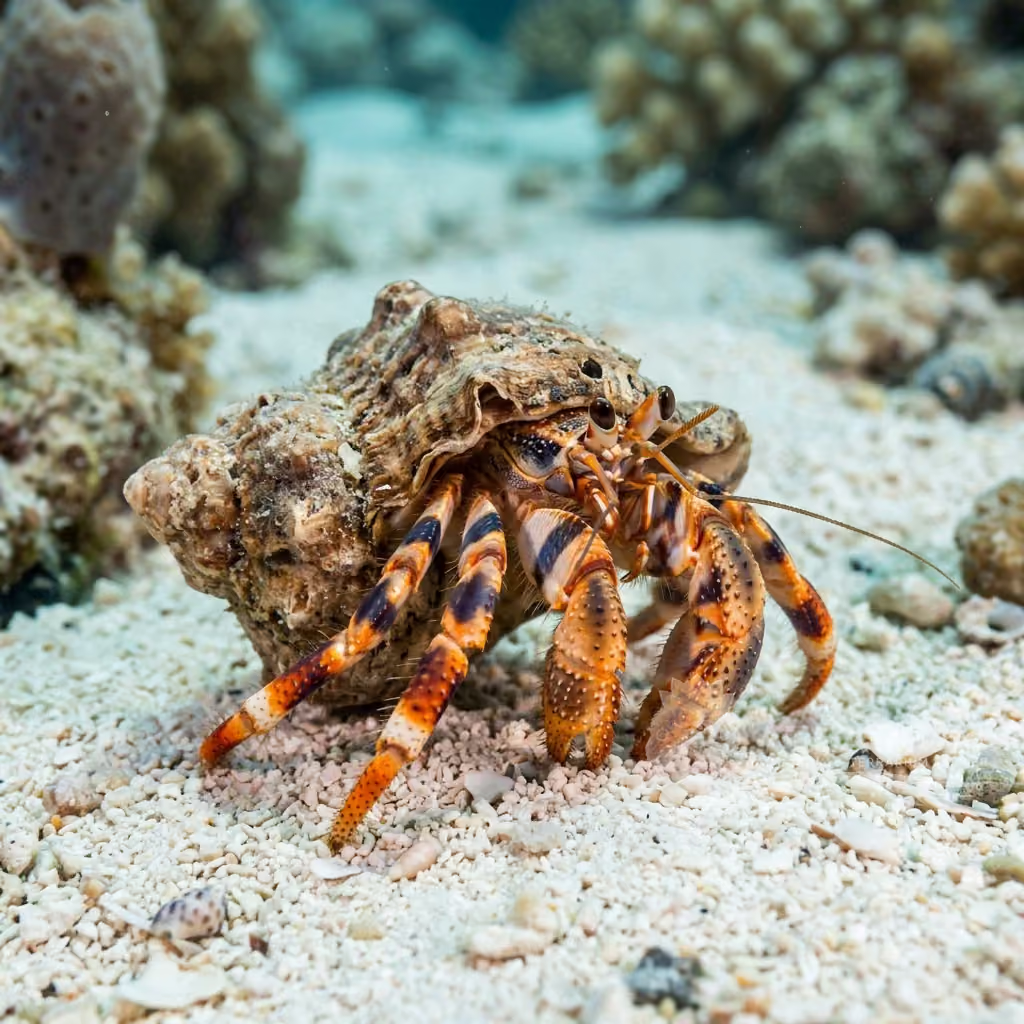
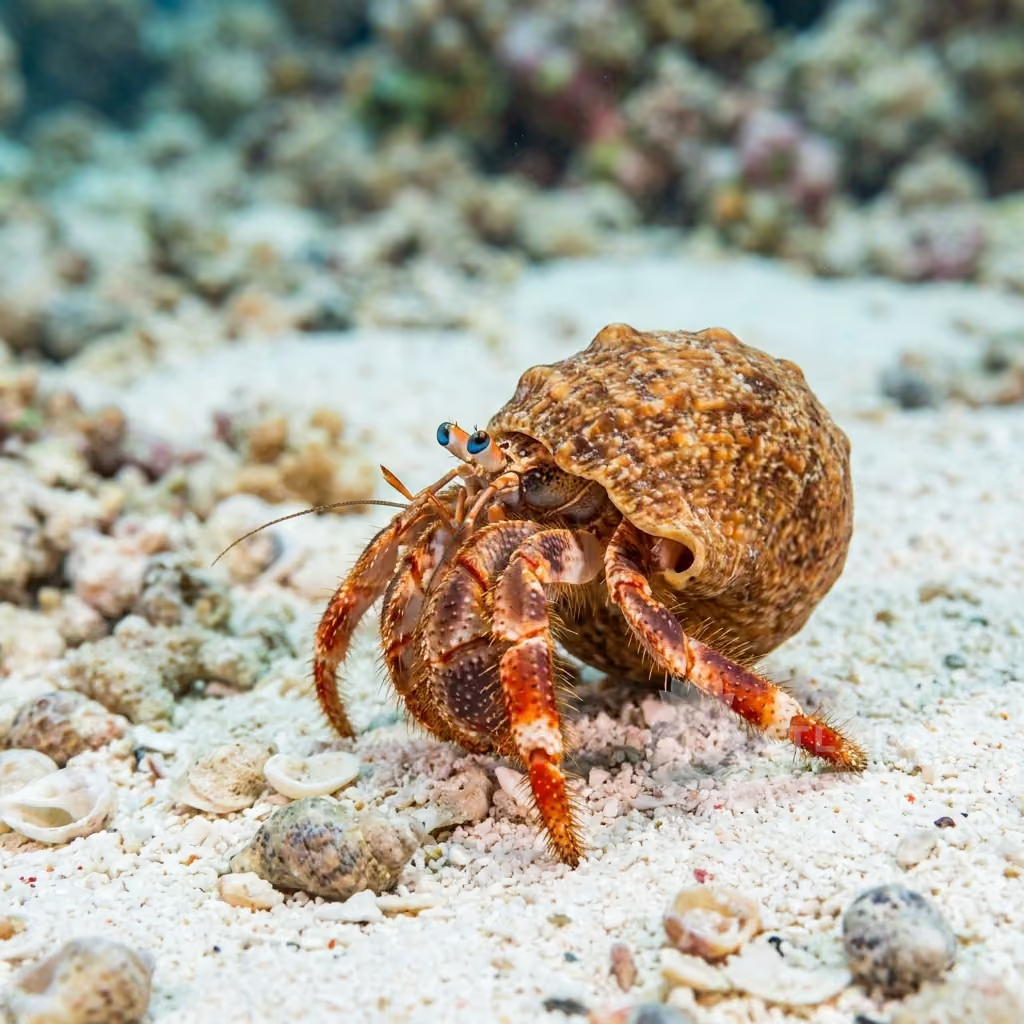
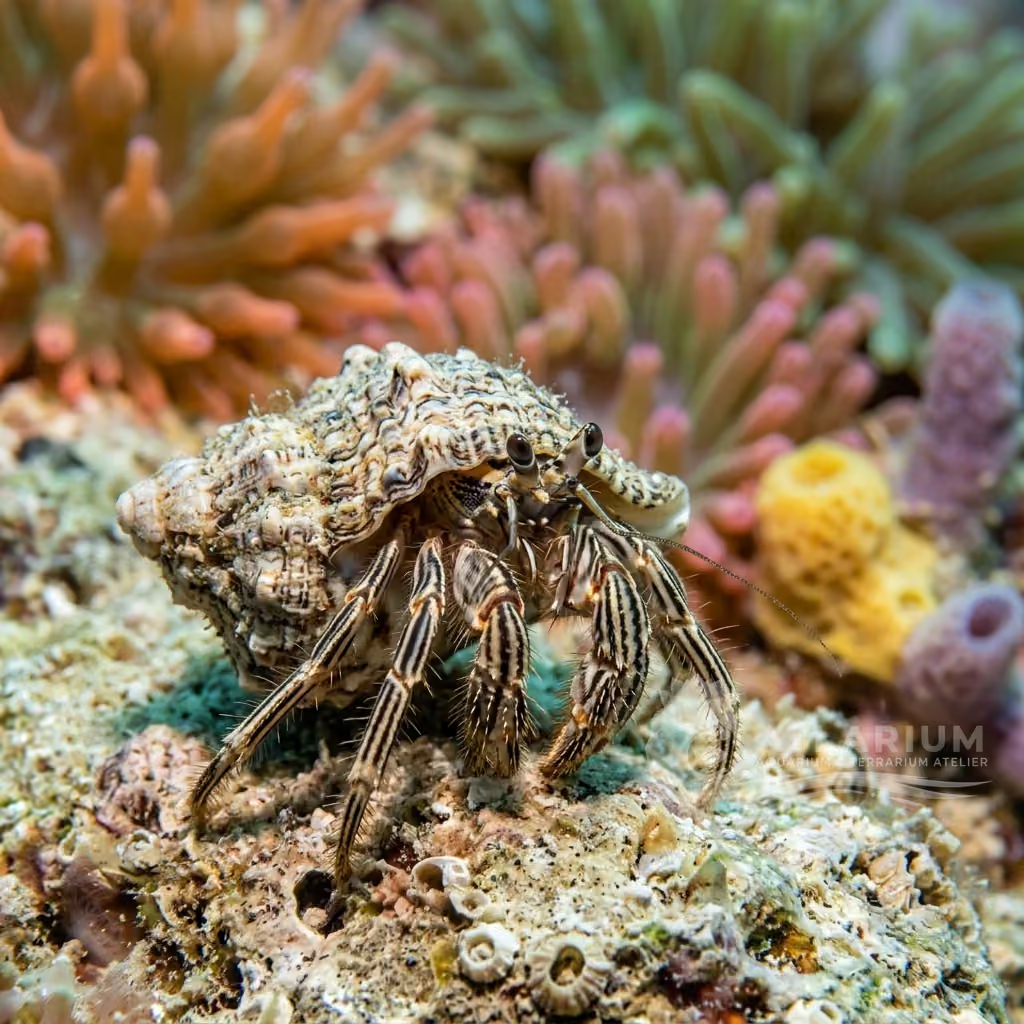
The coloration consists of brown, orange, or yellowish tones with distinct longitudinal stripes along the walking legs, which help them blend into algal cover. The claws feature pale tips. There is no visible external sexual dimorphism; determining sex requires microscopic examination of the genital openings at the base of the legs.

Soins, reproduction et cohabitation
Tank Setup:
Requires an aquarium with live rock and a substrate of sand or fine coral gravel. It is crucial to scatter empty gastropod shells of various sizes (such as Cerithium or Babylonia shells) in the tank to allow the hermit crab to change shells as it grows and to protect live snails from predation.
Diet and Feeding:
This crab is an outstanding detritivore and herbivore. It feeds on green hair algae, diatoms, cyanobacteria, and leftover fish food. In very clean tanks, supplement their diet with sinking spirulina pellets, commercial invertebrate food, and small pieces of frozen foods like brine shrimp or mysis.
Water Quality:
Demands stable marine parameters: temperature between 23°C and 27°C (73°F to 81°F), pH between 8.1 and 8.4, and specific gravity between 1.023 and 1.025. As an invertebrate, it is highly sensitive to copper-based treatments and heavy medications. Sudden salinity changes can be fatal, requiring slow acclimation.
Compatibility and Tankmates:
It is reef-safe and compatible with corals and peaceful reef fish. Avoid housing with specialized invertebrate predators, such as puffers, triggerfish, groupers, octopuses, and large predatory crabs that can easily crush the shell or pull the hermit crab out to consume it.
Aquarium Breeding:
Breeding in captive conditions is extremely difficult, and there are no reports of regular success in home aquariums. Fertilized eggs are held under the female's abdomen until hatching. The released larvae enter a complex planktonic phase that requires microscopic live foods and specialized larval rearing tanks.
Risks and Diseases:
The primary risk occurs during molting, a phase when the crab is soft and defenseless. Iodine deficiencies in the water can lead to incomplete and blanket-style molts. The hermit crab will hide for a few days during this time; do not disturb or move the animal, and ensure that water parameters remain stable.

Origine et répartition géographiques
Clibanarius ransoni is distributed throughout the tropical waters of the Western Indo-Pacific, with significant populations along the coasts of Southeast Asia, Micronesia, and adjacent oceanic islands. It primarily inhabits shallow intertidal zones, coral reefs, lagoons, and sandy flats rich in rubble, where it finds cover during tidal cycles.
Origine
Cosmopolite ou introduitAsie du Sud et du Sud-EstOcéans tropicaux et récifs

Profil d'invertébré
- Régime alimentaire
- Herbivore
- The diet of Clibanarius ransoni typically consists of organic detritus, microalgae, or specific planktonic particles. In a home aquarium, they constantly forage along the substrate or rockwork looking for nourishment. Supplemental feeding with specialized invertebrate pellets or liquid foods may be necessary. Ensuring a varied and nutritious diet will promote vibrant colors and long-term health. Overfeeding should be avoided to maintain optimal water quality.
- Rôle écologique
- Scavenger
- In the wild, Clibanarius ransoni plays a crucial role in maintaining the balance of its native ecosystem. They often act as natural cleaners, breaking down waste materials and unconsumed food. Their constant movement helps aerate the sand bed and prevent the buildup of toxic gases. By managing algae growth, they create space for slow-growing corals and sponges to thrive. A balanced aquarium ecosystem relies heavily on their diligent cleaning efforts.
- Taille adulte
- 2.5 cm
- Risque de saut
- Yes
- There is generally a very low jump risk associated with this aquatic invertebrate. They typically remain fully submerged and attached to the substrate, glass, or rockwork. However, some species may occasionally climb above the waterline if the tank is tightly sealed or if conditions degrade. It is still recommended to use a lid or screen to prevent other inhabitants from escaping. Maintaining high water quality will discourage any attempts to leave the aquatic environment.
- Sensibilité aux chocs
- High
- This invertebrate is highly sensitive to rapid fluctuations in water parameters. Sudden changes in temperature, salinity, or pH can cause severe osmotic shock and death. A slow and careful acclimation process, preferably drip acclimation, is absolutely necessary. Maintain stable aquarium conditions through regular monitoring and automated top-offs. Avoid performing excessively large water changes at once.
- Calcium et minéraux
- Medium
- Proper calcium levels are absolutely vital for the structural integrity and growth of this species. They continuously extract calcium carbonate from the water to build their shells, skeletons, or protective tubes. Maintaining calcium levels between 400 and 450 ppm ensures they remain healthy. It is also important to balance alkalinity and magnesium alongside calcium supplementation. Regular testing is required in heavily stocked reef aquariums.
- Mue
- Yes
- If applicable to its morphology, this invertebrate undergoes periodic molting to facilitate growth. During the molting process, the organism becomes extremely vulnerable to predation and stress. It is crucial to provide ample hiding spaces, such as caves or crevices, where they can retreat safely. Do not remove the discarded exoskeleton, as they often consume it to quickly replenish essential minerals. Disturbing them during this delicate phase can lead to fatal complications.
- Reproduction
- Oviparous
- Reproduction in the home aquarium is often challenging and rare for many invertebrate species. Most require highly specific environmental triggers, such as temperature shifts or lunar cycles. The resulting larvae usually have a prolonged planktonic stage, making them difficult to rear. Specialized food sources like phytoplankton are needed to sustain the offspring. Consequently, most specimens available in the hobby are wild-caught or professionally aquacultured.
- Compatibilité et compagnons
- Reef safe
- Compatibility varies largely based on the specific species and tank mates. They are generally peaceful but can fall prey to aggressive or predatory fish. Ensure they are housed with calm tank mates that will not nip or harass them. Research individual species requirements to avoid territorial disputes. Always monitor new additions carefully to ensure harmonious interactions.

Espèces associées
Recommandations regroupées par proches parents, compagnons et soins similaires.