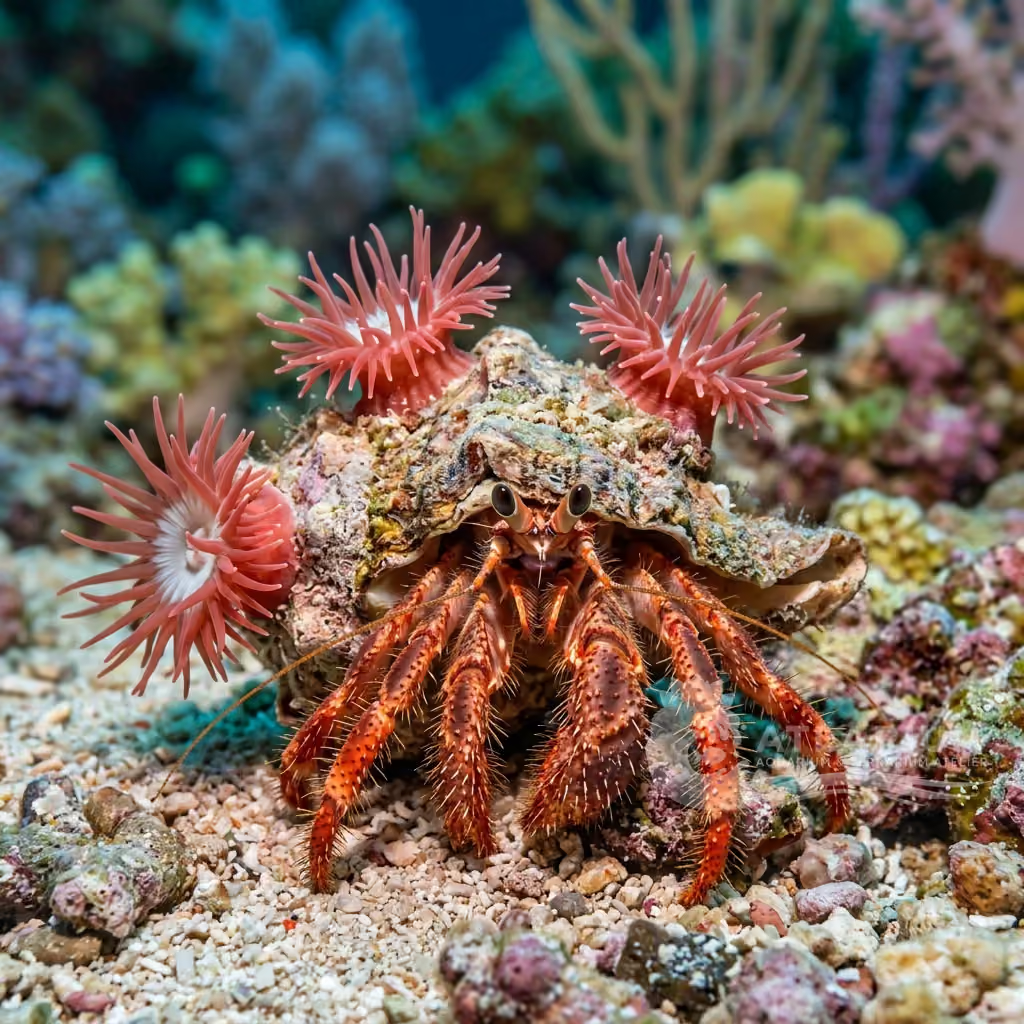
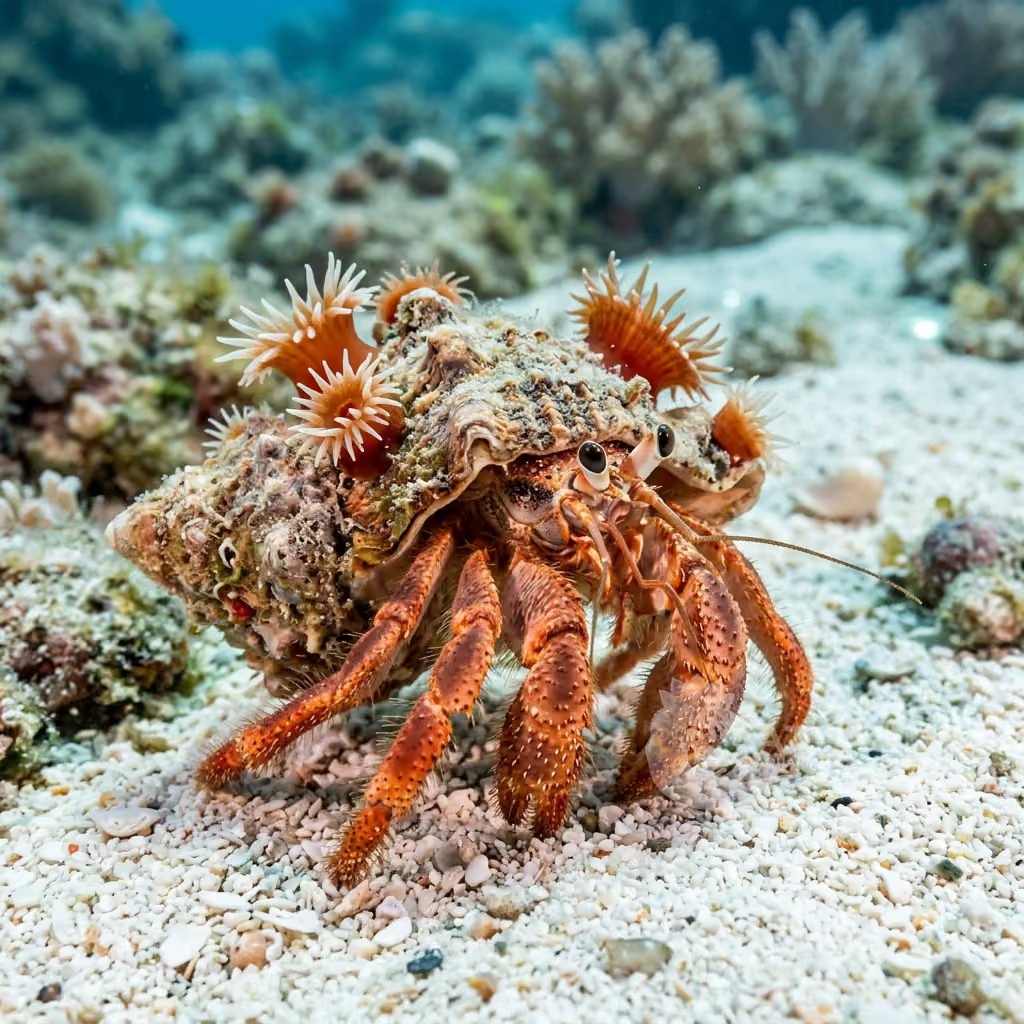
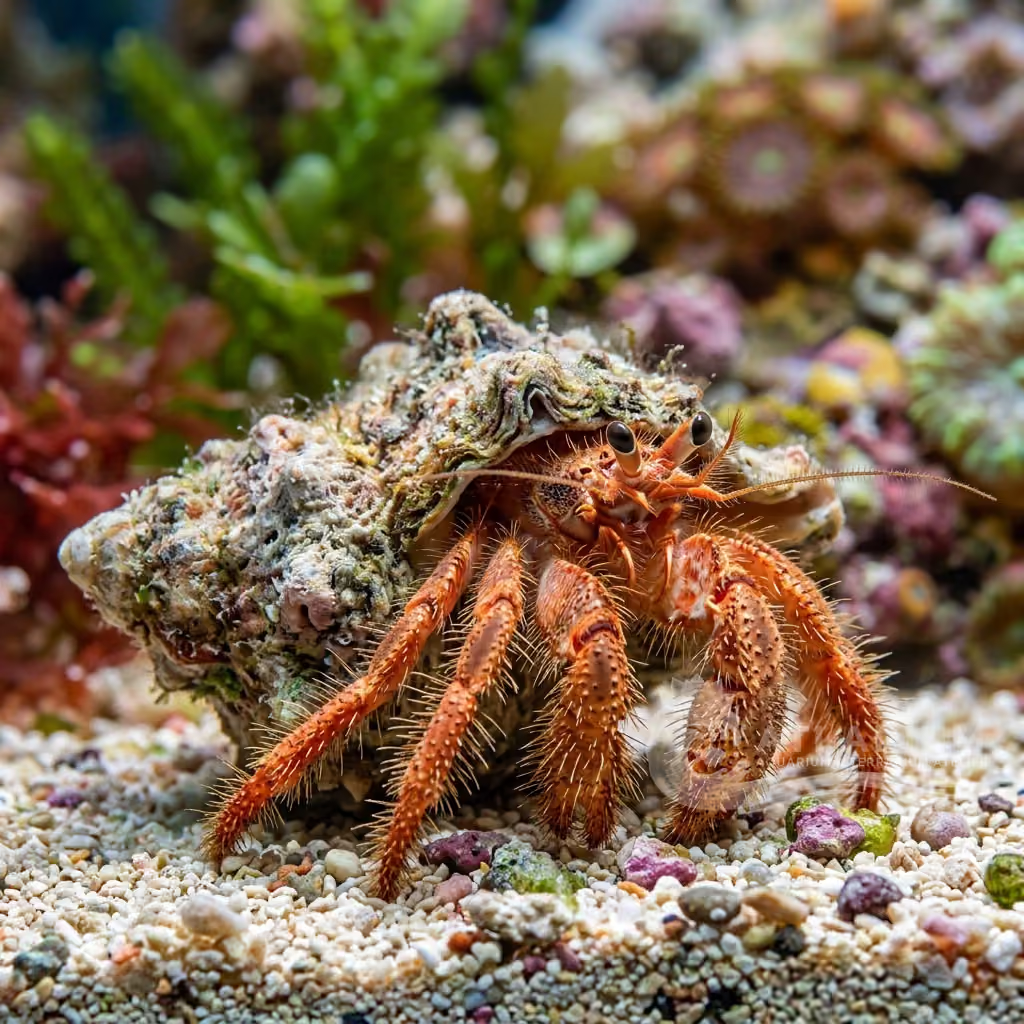
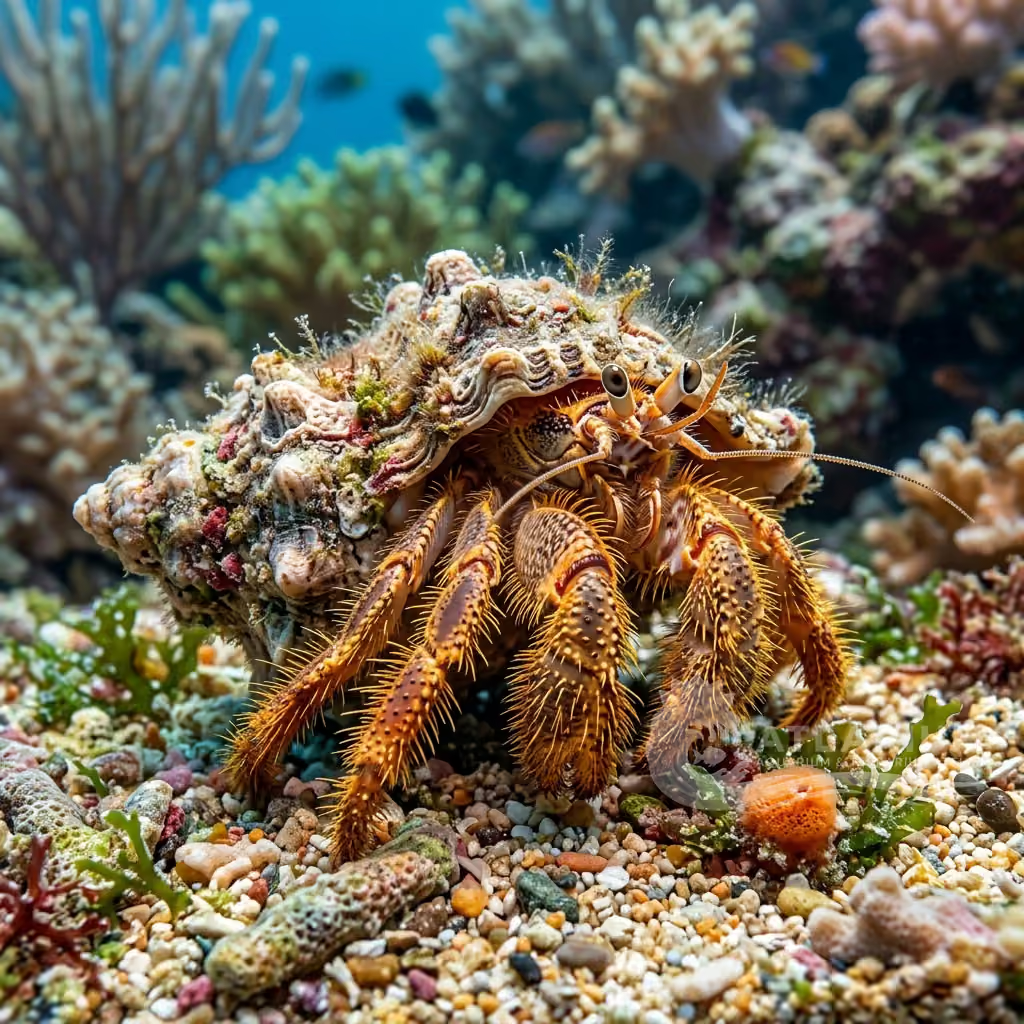
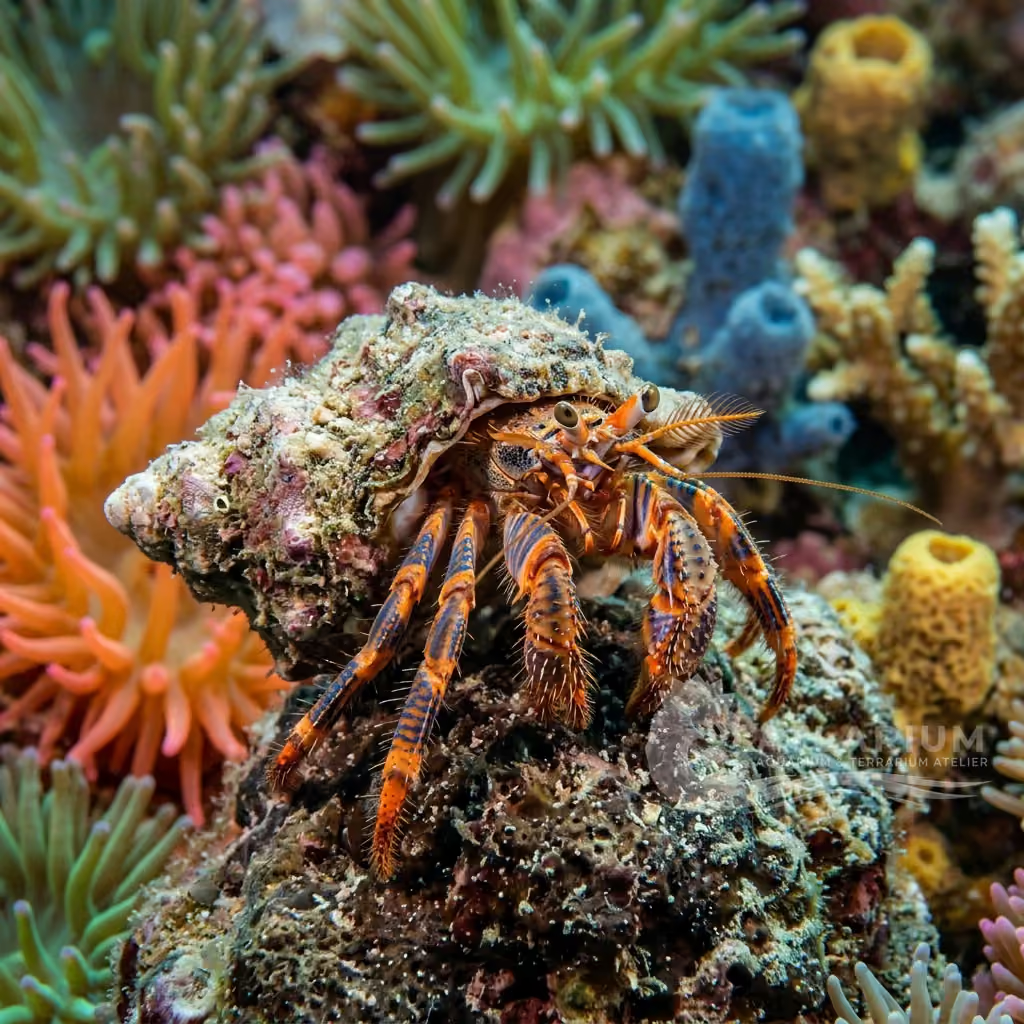
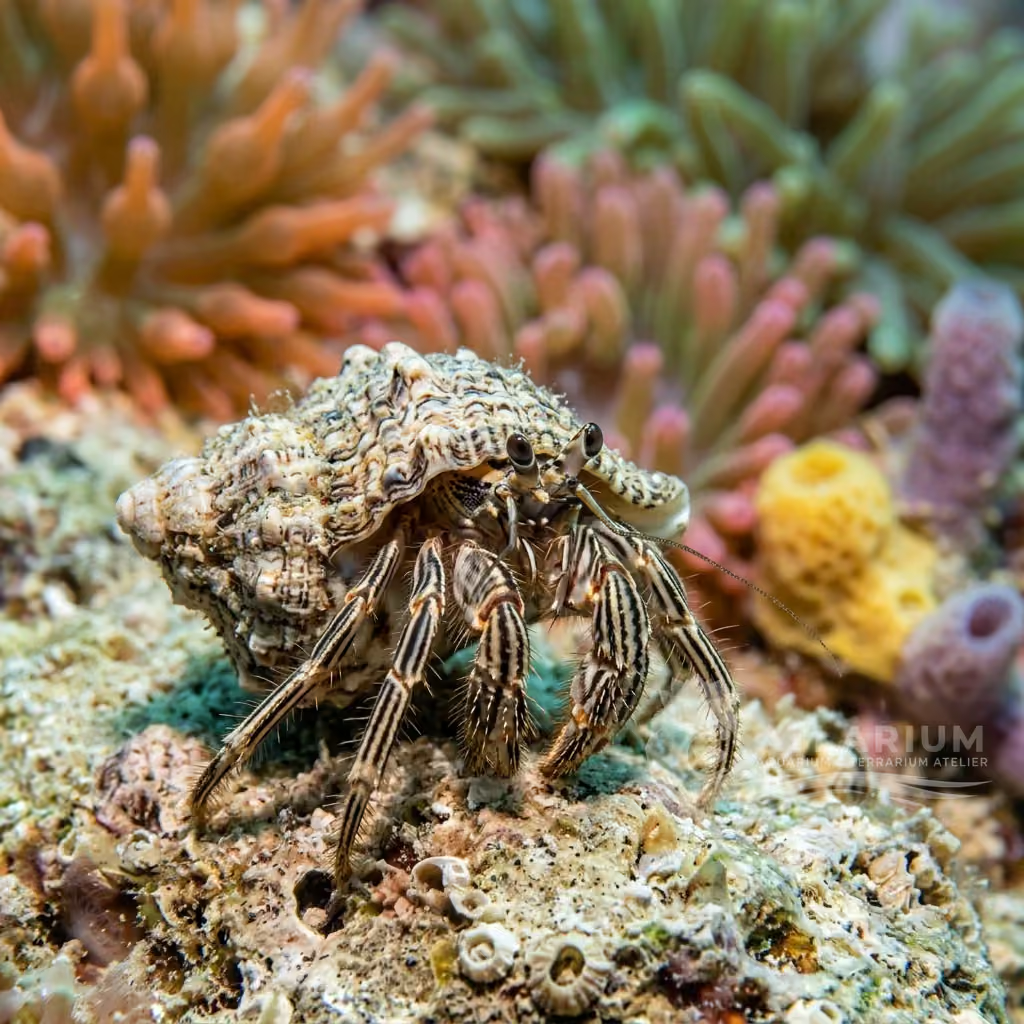
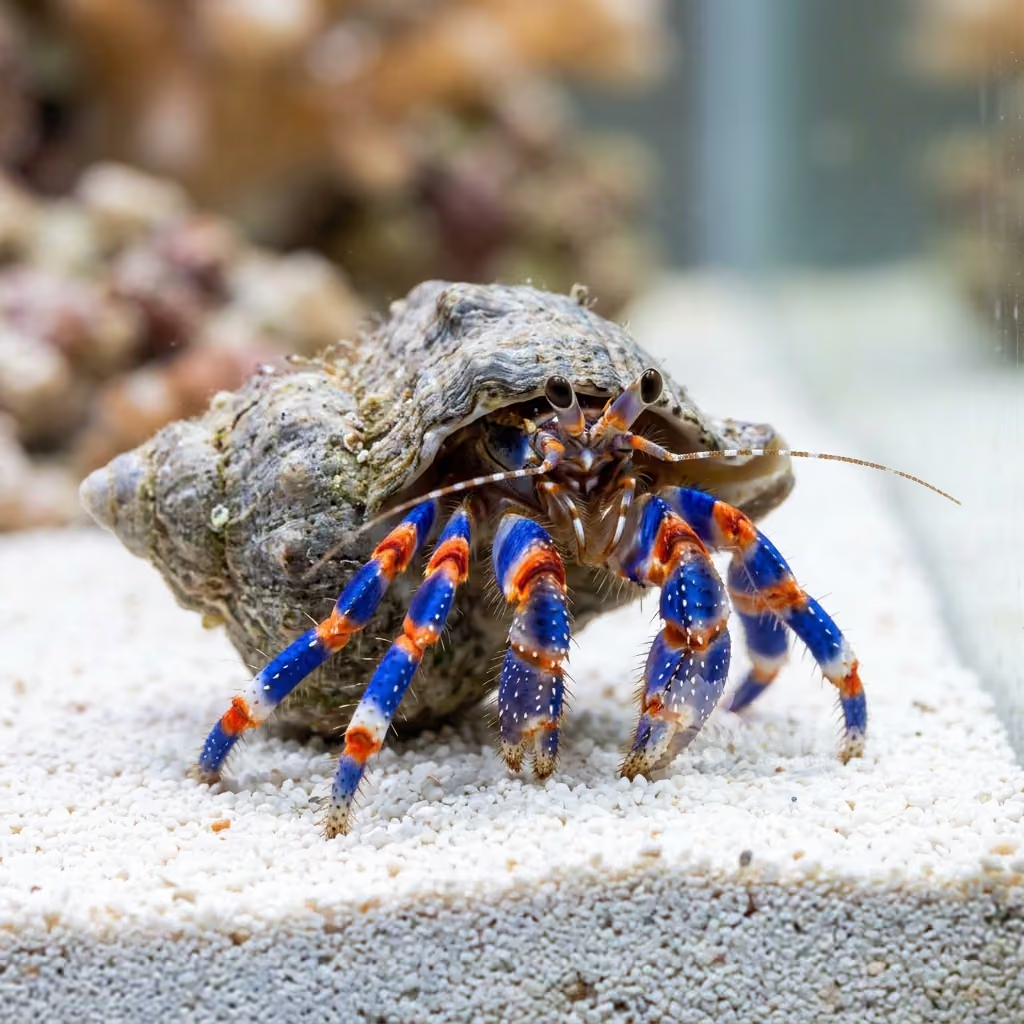
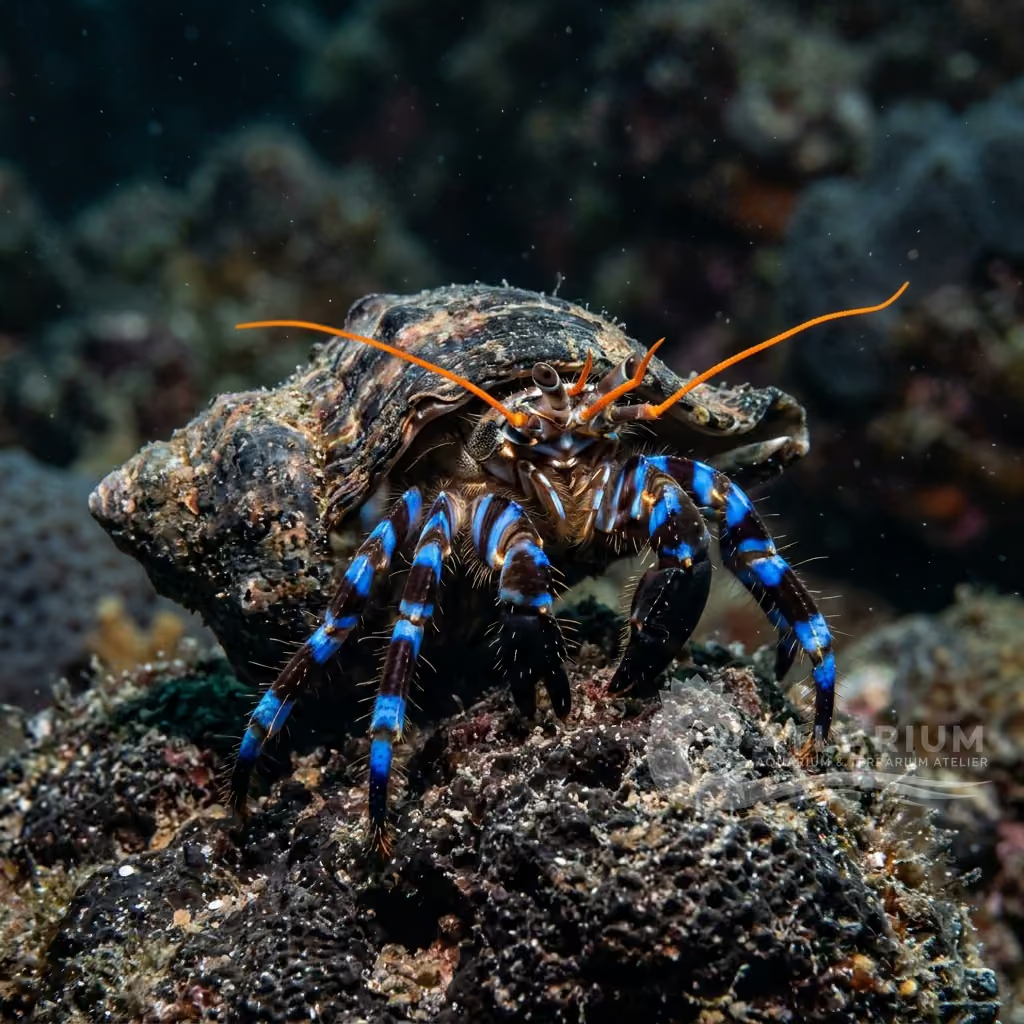
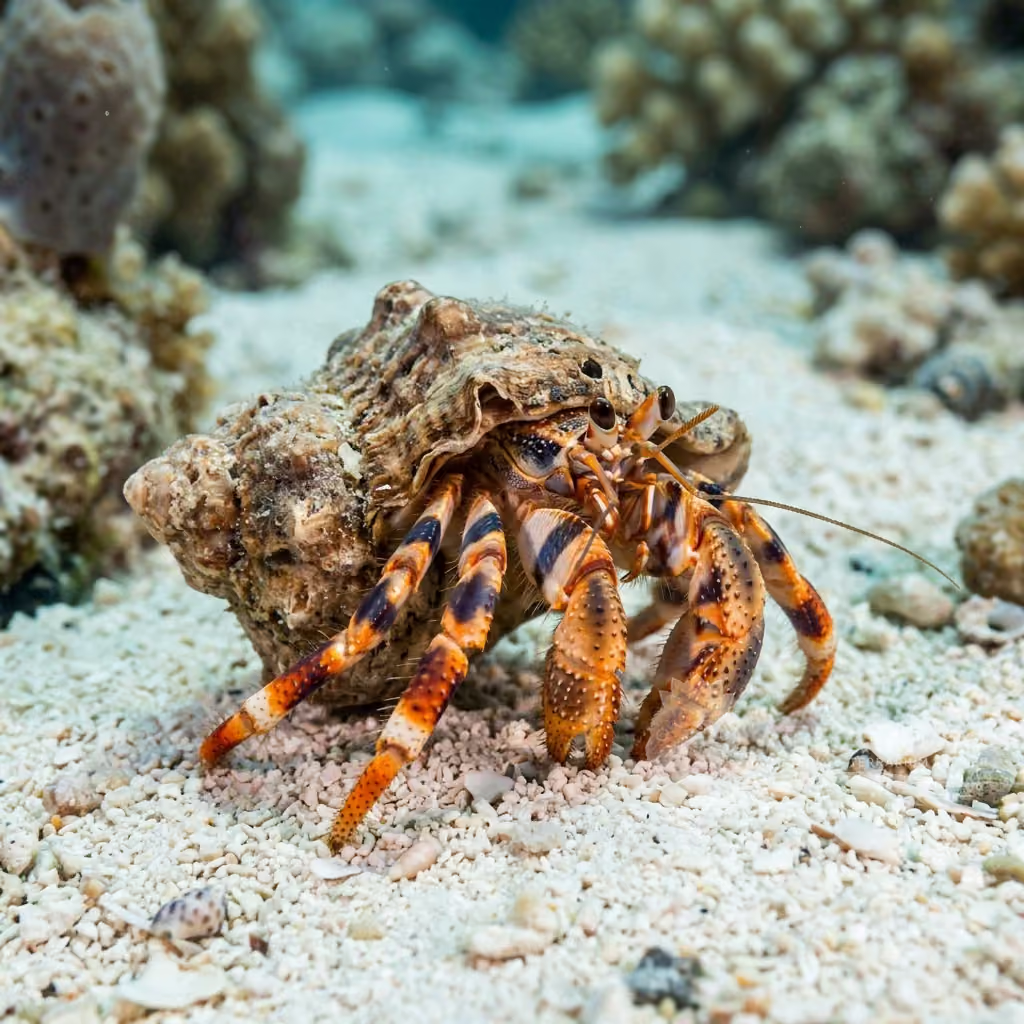
White-spotted hermit crab
Dardanus megistos
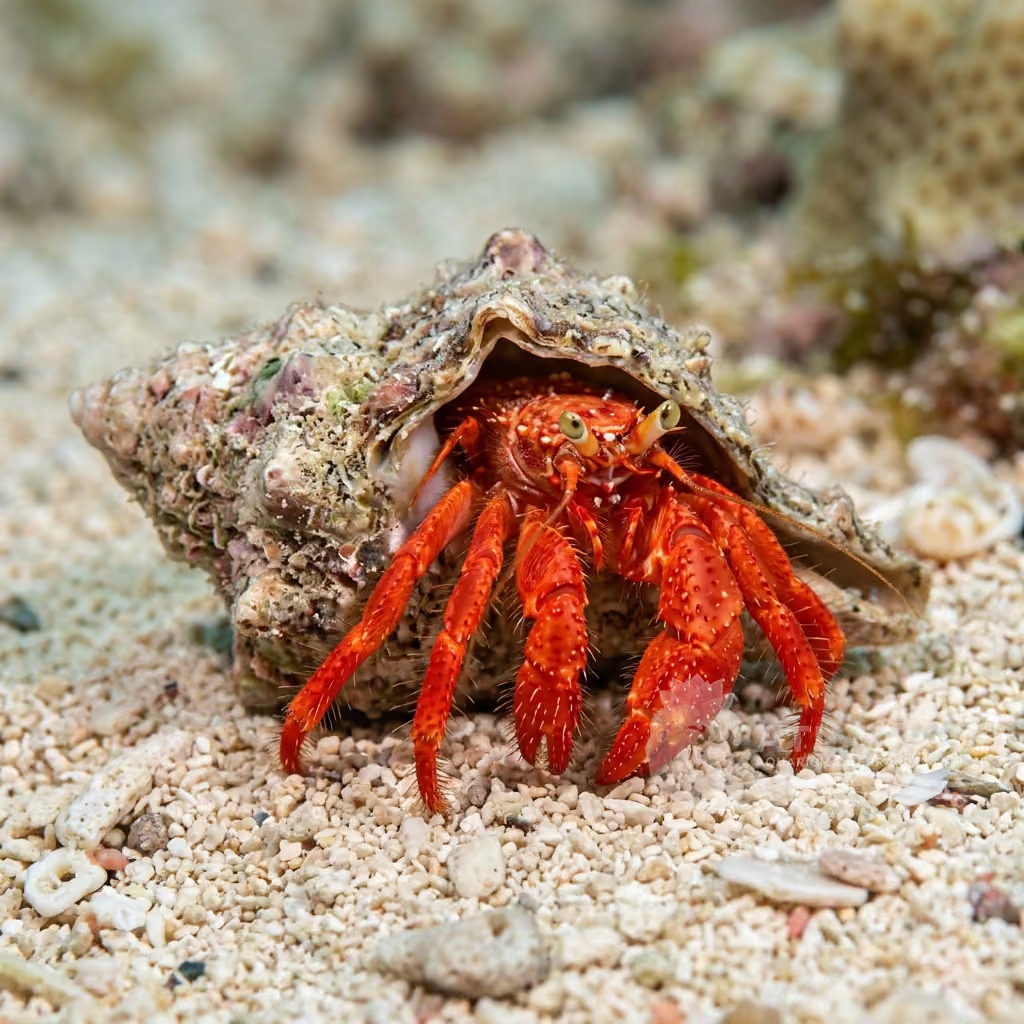
The White-spotted Hermit Crab is a large, vibrant, and highly active scavenger. Due to its size and aggression, it requires a spacious setup with secure rockwork and is not reef-safe.
Température de l’eau
22 - 28 °C
Valeur du pH
8.1 - 8.4
Type d'eau
Marin
Type d'invertébré
Hermit crab
Taille adulte
15 cm
Groupe minimal
>= 1
Rôle écologique
Scavenger
Sensibilité au cuivre
High

Description de l'espèce
Geographical Origin and Habitat: The White-spotted Hermit Crab is widely distributed in the tropical Indo-Pacific, from the East African coast and the Red Sea to Hawaii, French Polynesia, and the Great Barrier Reef. It inhabits coral reefs, sandy lagoon floors, and shallow rocky areas at depths of 1 to 30 meters, searching for large gastropod shells.
Taxonomy: Belonging to the class Malacostraca, order Decapoda, family Diogenidae, and genus Dardanus. Scientifically named Dardanus megistos. It is one of the largest hermit crabs in the marine hobby, capable of growing up to 15-20 cm in size including its protective shell.
Social Behavior: Highly active, aggressive, and destructive. It is a solitary scavenger and an opportunistic predator. Due to its size and strength, it can easily knock over unsecured rockwork and will actively hunt snails, small sleeping fish, and other crabs for food or shell acquisition.
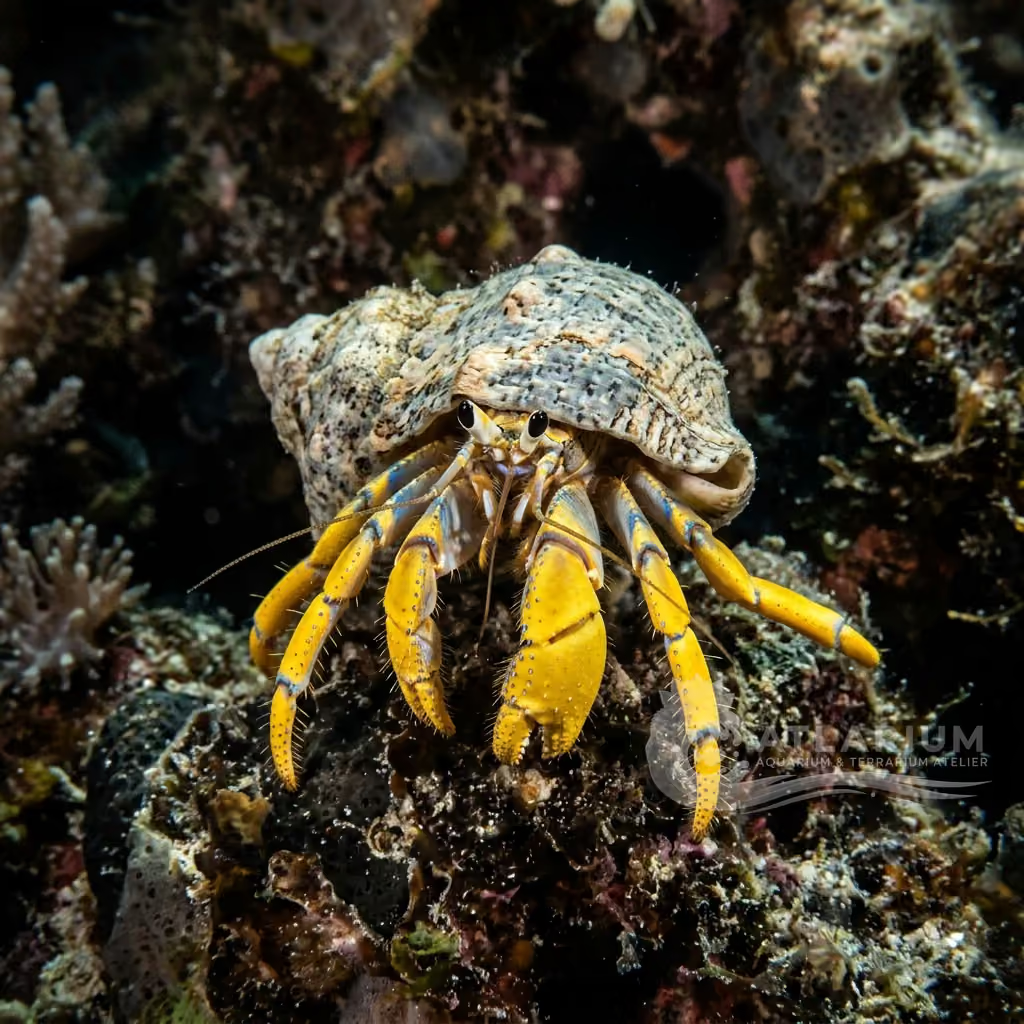
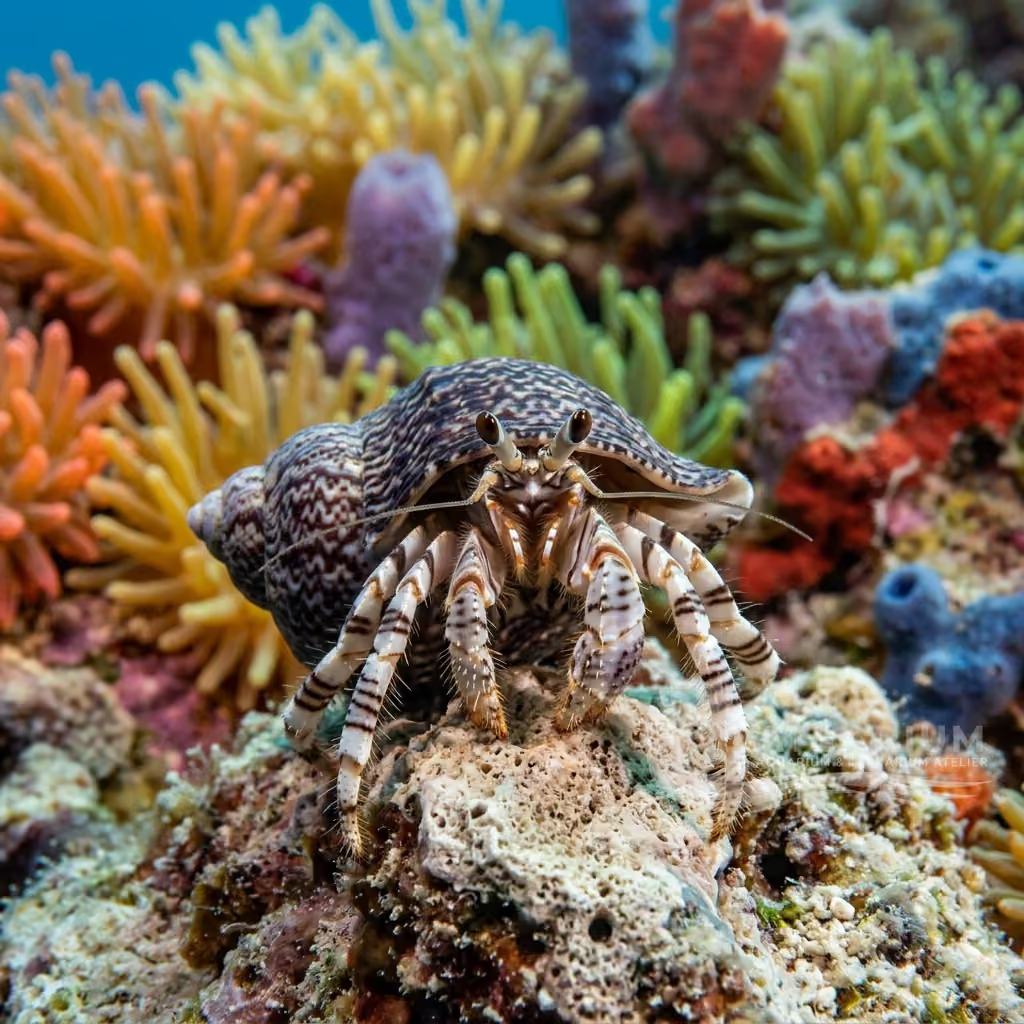
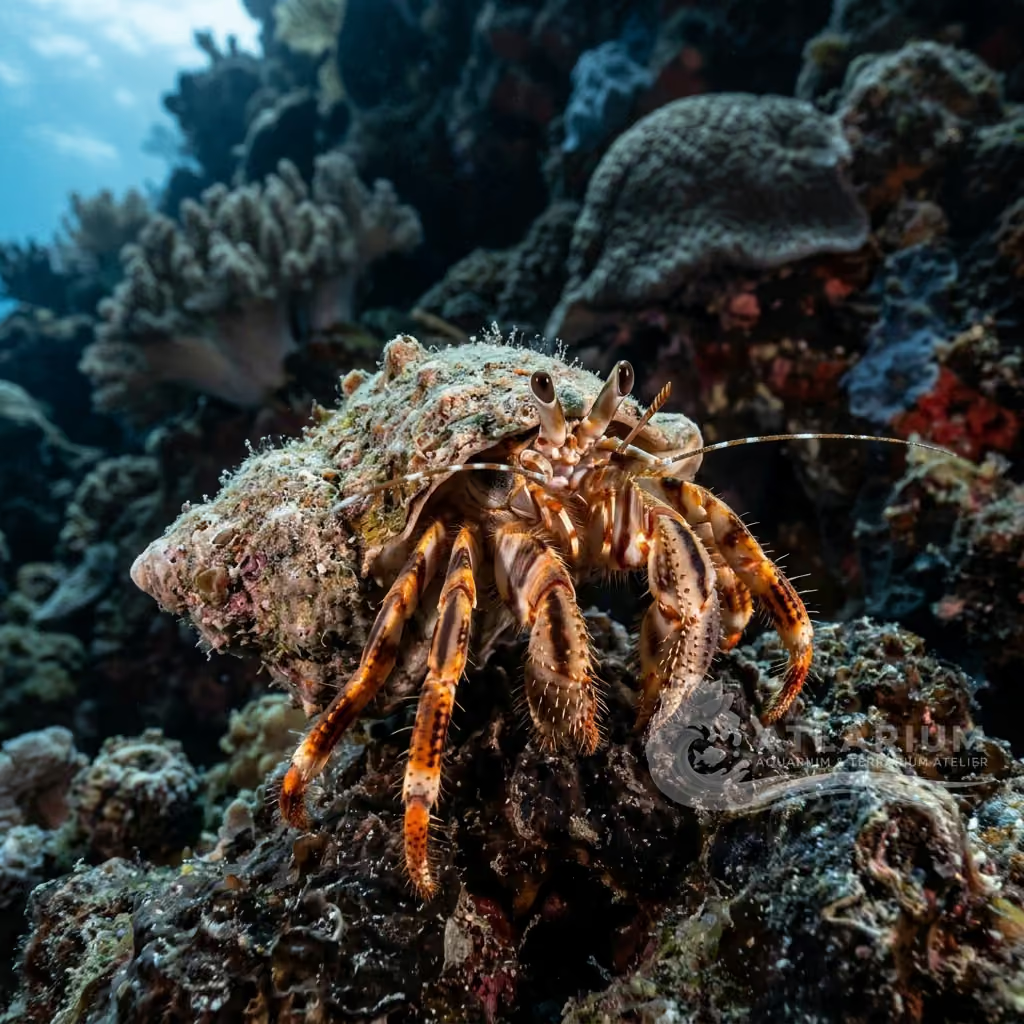
Coloration and Sexual Dimorphism: The body, legs, and claws are bright crimson red, densely covered with circular white spots ringed in black. The legs are covered in stiff, reddish hairs. The soft abdomen is protected inside a scavenged snail shell. There is no obvious visual sexual dimorphism.

Soins, reproduction et cohabitation
Tank Setup: Requires a large aquarium of at least 200-250 liters (approx. 55-65 gallons). Rockwork must be heavy and securely anchored or glued together to prevent the crab from knocking it over. Provide a constant supply of empty gastropod shells of increasing sizes.
Diet and Feeding: Omnivorous and highly opportunistic scavenger. It will greedily consume large portions of frozen foods, including chopped shrimp, clams, squid, fish fillets, and sinking pellets. It also feeds on detritus and macroalgae, helping clean the substrate.
Water Quality: Keep standard marine parameters: temperature 23-27°C (73-81°F), pH 8.1-8.4, specific gravity 1.022-1.025, and low to moderate nitrate levels. Ensure adequate levels of calcium and magnesium are maintained for exoskeleton development. Copper is lethal.
Compatibility and Tankmates: Not reef-safe. It will damage corals by climbing on them and will kill snails and smaller crabs. House only with large, active fish like tangs, large angelfish, triggerfish, or groupers. Do not house with small, bottom-dwelling fish.
Aquarium Breeding: Breeding in home aquariums is nearly impossible. Fertilized eggs are carried by the female inside her shell. The larvae are released into the water column and undergo a complex series of planktonic stages that are easily killed by filtration.
Risks and Diseases: Starvation and lack of upgrade shells are the biggest risks. If a shell of appropriate size is unavailable, the crab will undergo stress or attempt to kill snails for their shell. It is sensitive to rapid salinity changes and iodine deficiency.

Origine et répartition géographiques
The White-spotted Hermit Crab is widely distributed in the tropical Indo-Pacific, from the East African coast and the Red Sea to Hawaii, French Polynesia, and the Great Barrier Reef. It inhabits coral reefs, sandy lagoon floors, and shallow rocky areas at depths of 1 to 30 meters, searching for large gastropod shells.
Origine
Océans tropicaux et récifsAfrique et MadagascarAsie de l'Est

Profil d'invertébré
- Régime alimentaire
- Carnivore
- As a diligent scavenger, Dardanus megistos spends its days foraging across rockwork and sandbeds. Its diet is largely composed of detritus, uneaten meaty foods, and nuisance algae. Providing sinking pellets can ensure they receive enough nutrition when natural food is scarce.
- Rôle écologique
- Scavenger
- Hermit crabs like Dardanus megistos play a vital role as part of the benthic cleanup crew. They tirelessly consume decaying matter, helping to prevent the buildup of toxic ammonia and nitrites. By constantly shifting the substrate, they also promote beneficial oxygen exchange.
- Taille adulte
- 15 cm
- Risque de saut
- Yes
- Dardanus megistos relies entirely on its shell and the substrate for protection and does not jump. However, they are excellent climbers and can scale silicone seams, equipment cords, or rock structures. A secure lid helps ensure they do not accidentally venture out of the tank.
- Sensibilité aux chocs
- Low
- Dardanus megistos requires stable water conditions to thrive over the long term. Rapid changes in specific gravity or temperature can induce significant stress. Drip acclimation is recommended over at least an hour before addition to the main display.
- Calcium et minéraux
- High
- Proper calcium and alkalinity levels are critical for Dardanus megistos to sustain a healthy exoskeleton. Furthermore, they depend entirely on finding abandoned calcareous shells for housing. Providing an assortment of slightly larger empty shells is mandatory for their continued growth.
- Mue
- Periodic
- When it is time to molt, Dardanus megistos will often bury itself in the sand to protect its highly vulnerable state. It will shed its old exoskeleton and remain hidden until the new one is adequately hardened. Do not disturb a molting crab, as it can easily suffer fatal damage.
- Reproduction
- Oviparous
- Captive reproduction of Dardanus megistos is extremely rare due to its complex planktonic larval stages. Females will brood eggs underneath their bodies until they are ready to be released into the water column. The larvae require highly specialized foods and stable marine conditions to survive.
- Compatibilité et compagnons
- Community
- Dardanus megistos is a peaceful scavenger but may fight with other hermit crabs over desirable shells. It should not be trusted around sluggish snails, as it may kill them to steal their housing. Keep with appropriately sized fish that will not harass or eat small crustaceans.

Espèces associées
Recommandations regroupées par proches parents, compagnons et soins similaires.