Melanurus Wrasse
Halichoeres melanurus
The Melanurus Wrasse is a colorful, energetic fish vital for pest control in reef tanks. It demands a spacious aquarium with a thick, fine sand bed for nocturnal hiding and a tight lid to stop jumps.
Température de l’eau
24 - 27 °C
Valeur du pH
8.1 - 8.4
Type d'eau
Marin
Niveau dans le bac
Fond et milieu
Taille adulte
12 cm
Volume minimal du bac
>= 200 L
Groupe minimal
>= 1
KH
8 - 12 dKH

Description de l'espèce
Geographical Origin and Habitat: Widespread in the Western Pacific, from Indonesia and the Philippines to the Solomon Islands and the Great Barrier Reef. Inhabits shallow coastal reefs and lagoons down to 15 meters.
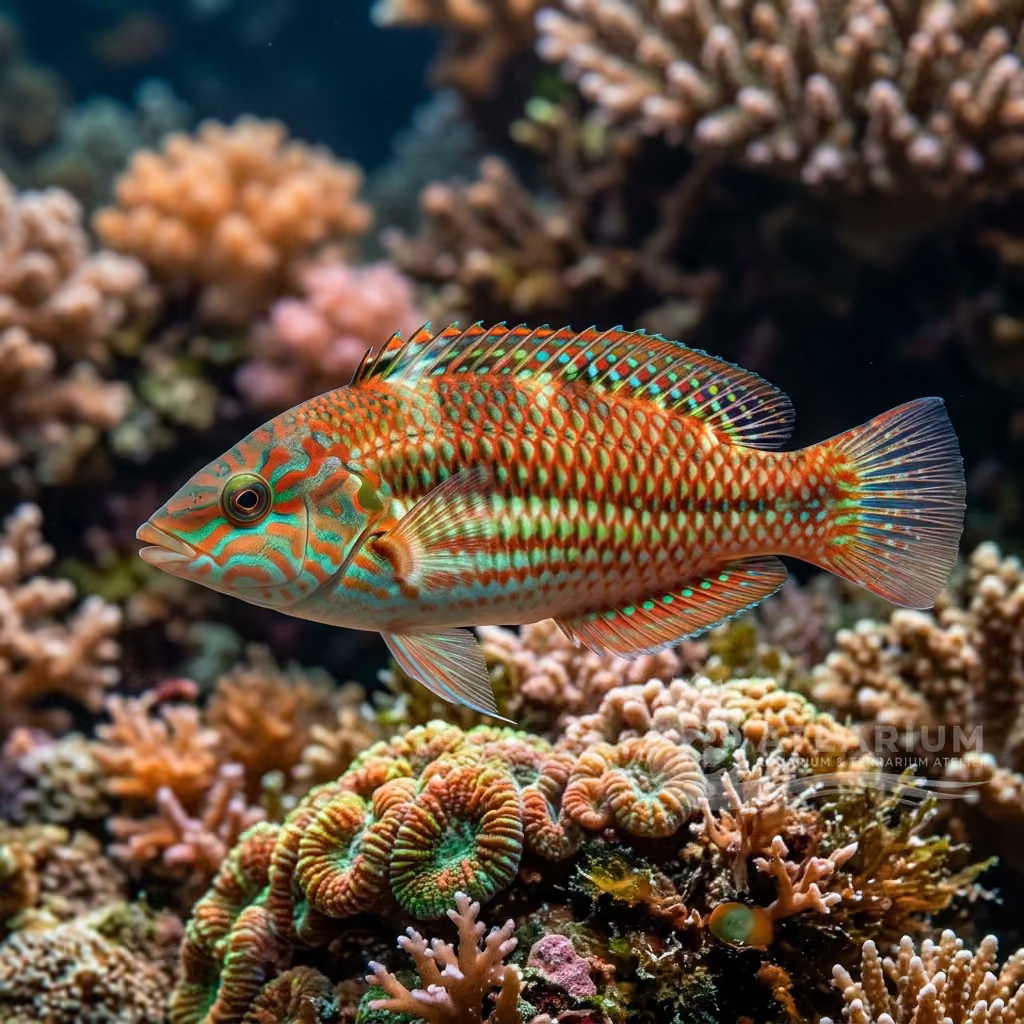
Taxonomy and Morphology: Member of the genus Halichoeres. Features a fusiform body typical of wrasses, reaching up to 12 cm (4.7 inches). Equipped with a small terminal mouth with specialized teeth to catch benthic prey.
Social Behavior: Peaceful and industrious. Spends daytime foraging on live rocks and buries itself completely in the sand at night or when threatened to sleep.
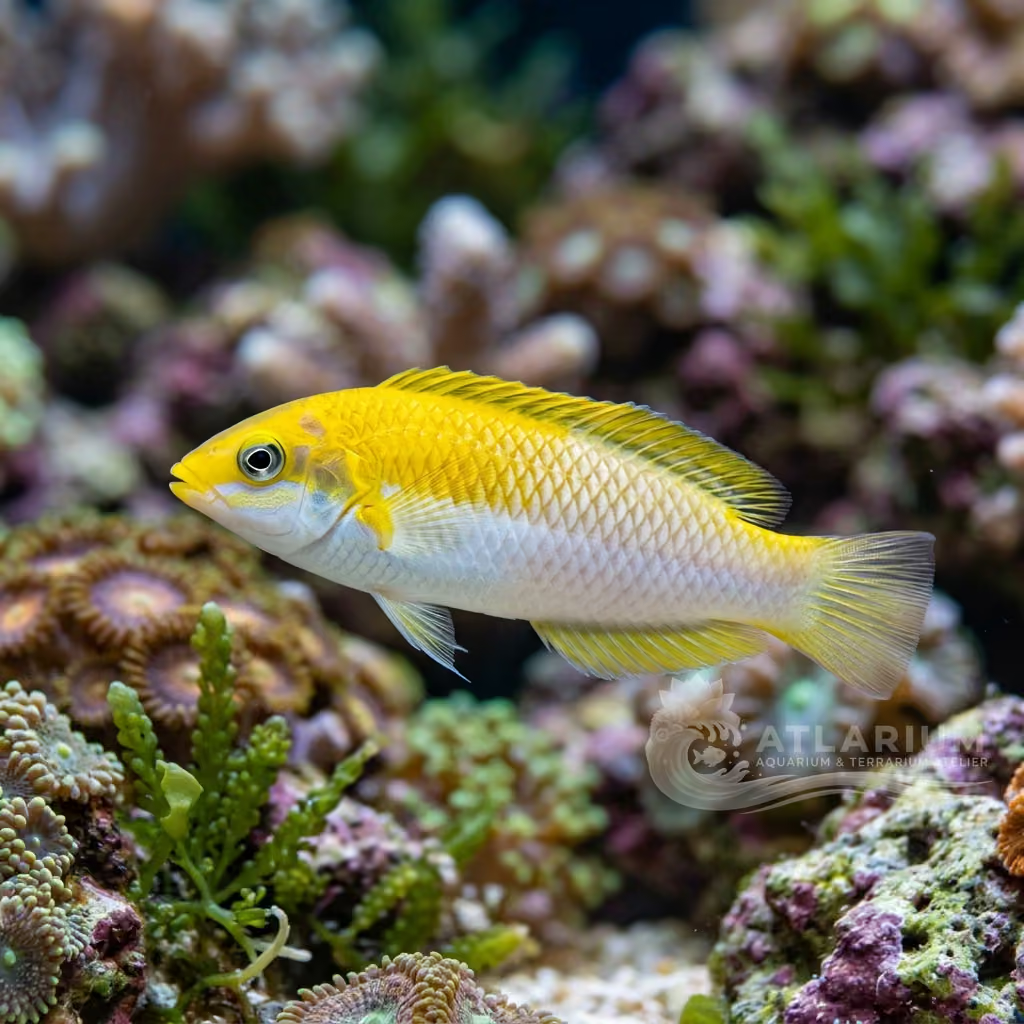
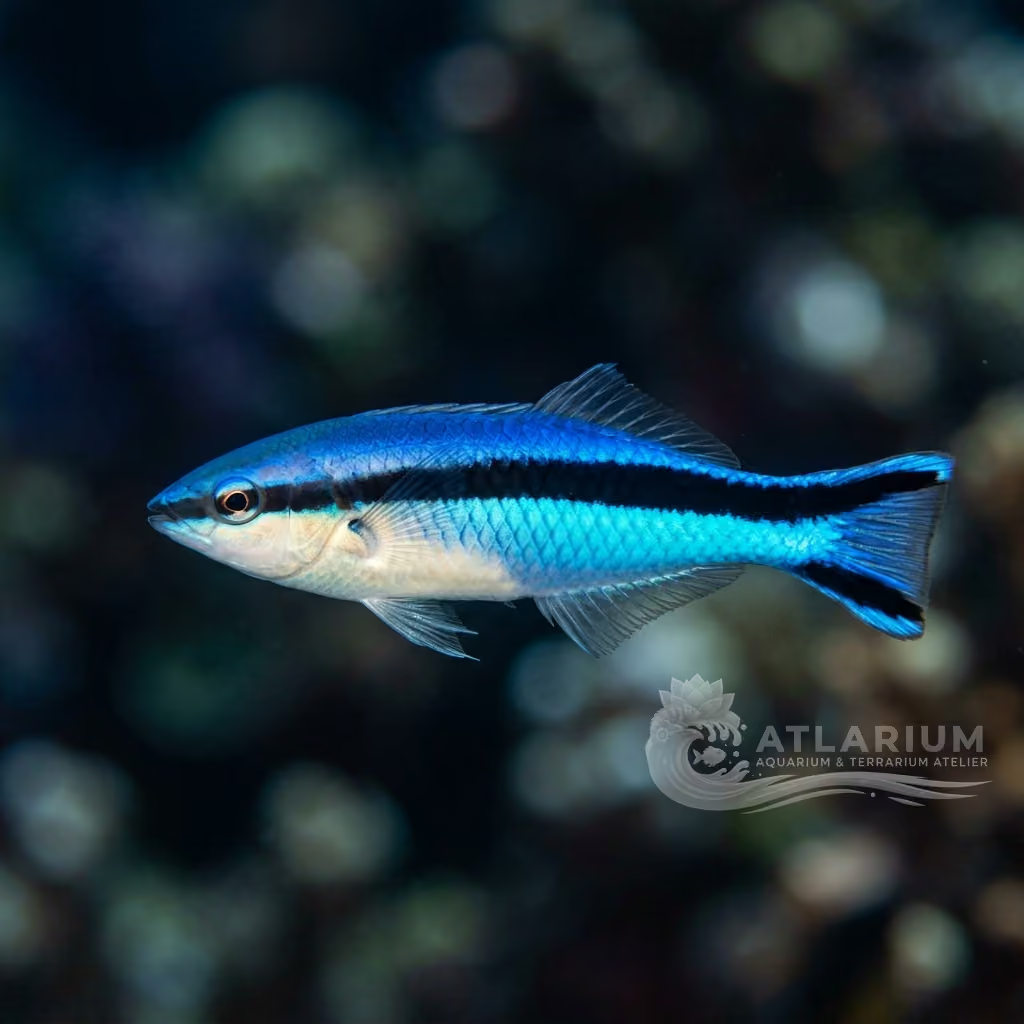
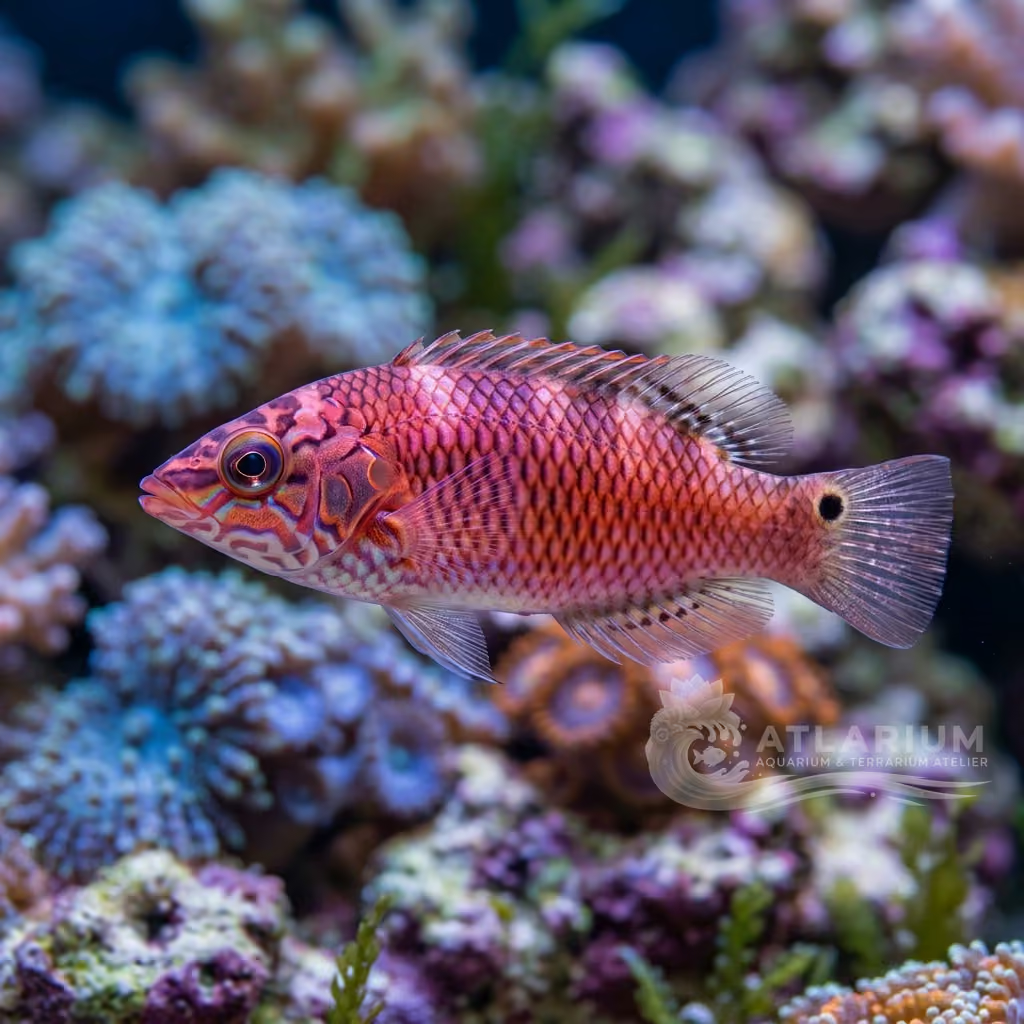
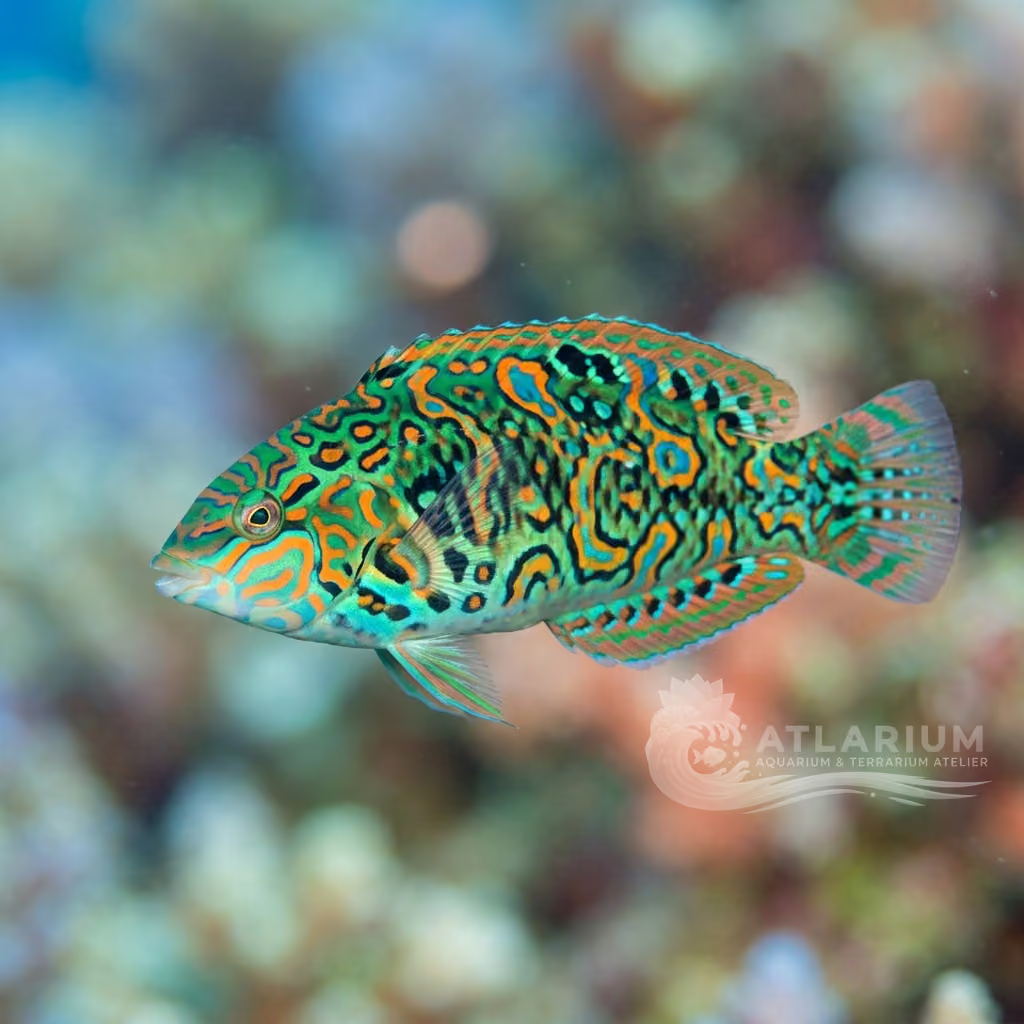
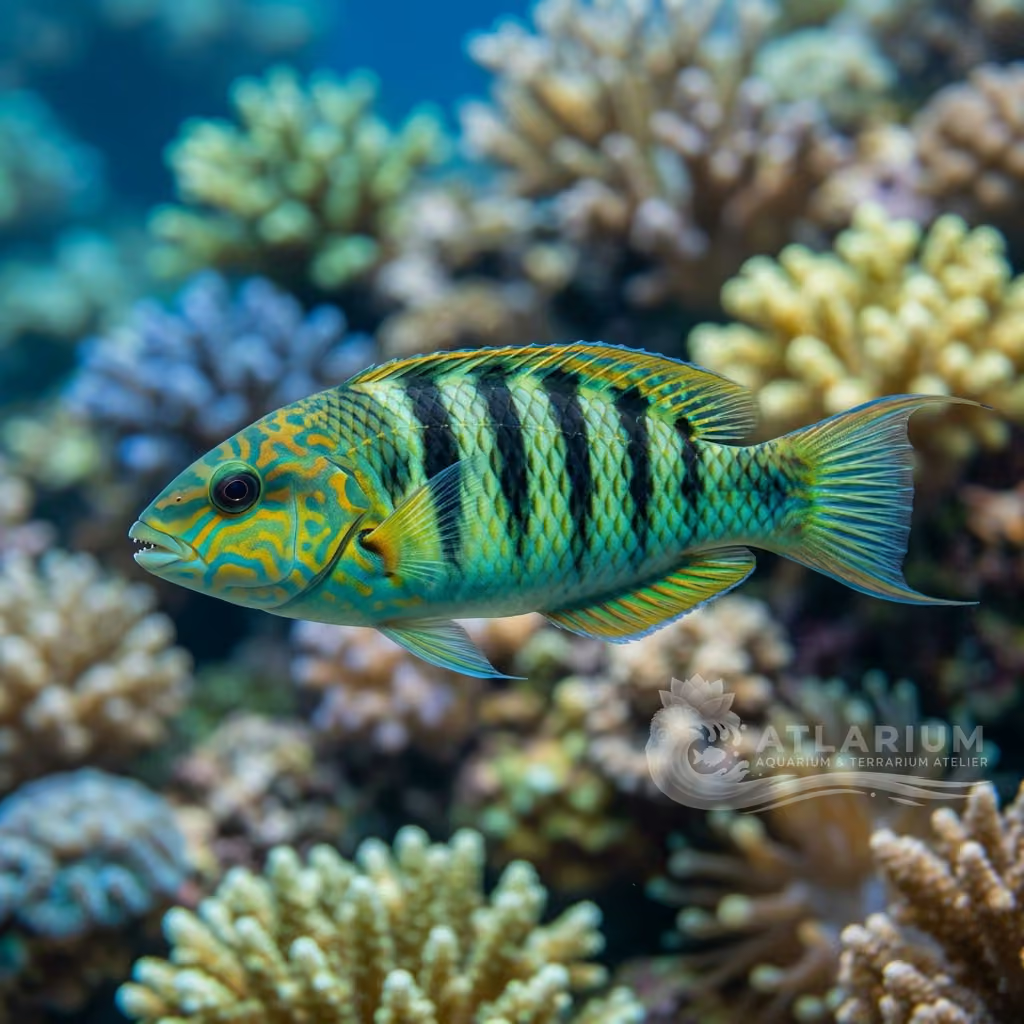
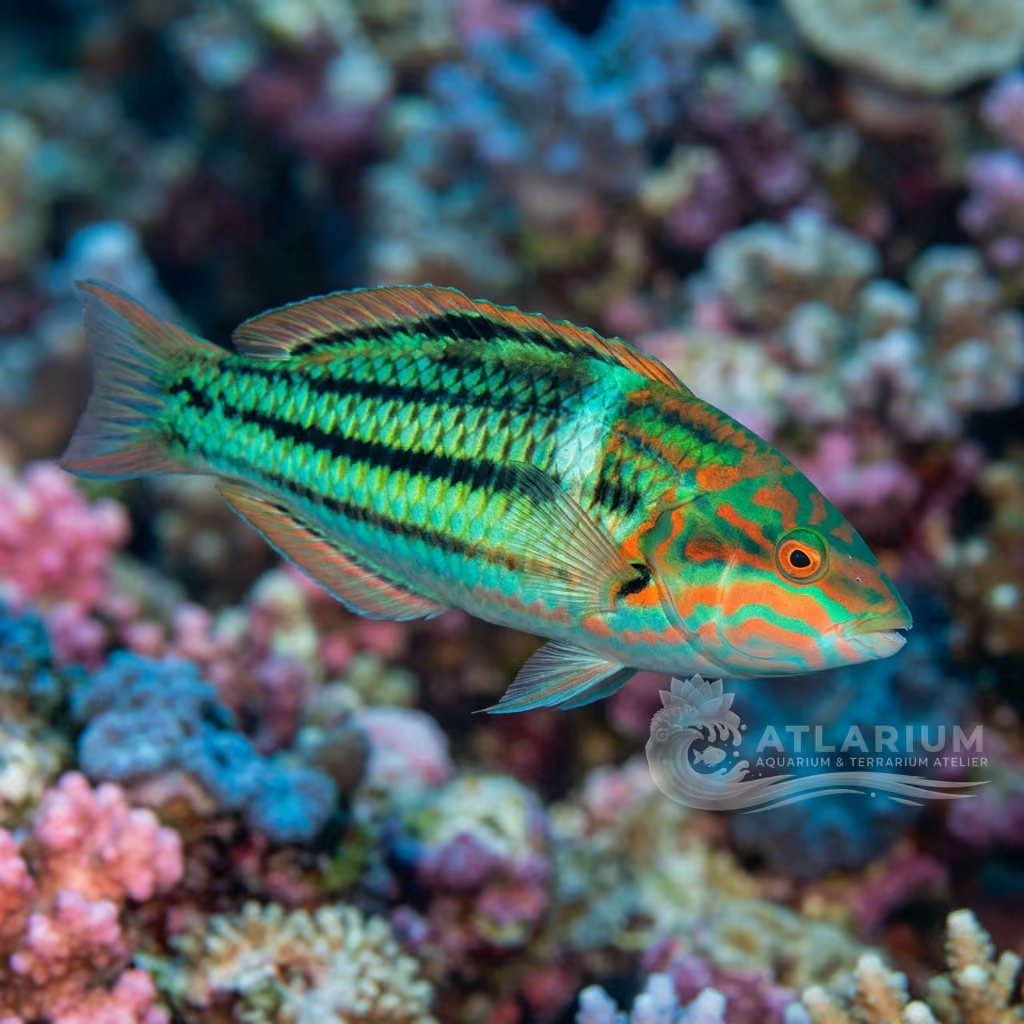
Coloration and Sexual Dimorphism: Exhibits beautiful pink-orange and blue-green horizontal stripes. Adult males show more intense coloration with a prominent dark spot outlined in yellow on the tail base and dorsal fin, which is smaller or absent in females.

Soins, reproduction et cohabitation
Aquarium Setup: Requires a spacious tank of at least 200 liters with a deep sand bed (at least 5-8 cm / 2-3 inches) of fine sand for sleeping and hiding. A tight lid is mandatory to prevent jumps.
Diet and Feeding: Carnivore. Feeds on flatworms, pyramidellid snails, nudibranchs, and small crustaceans. Readily accepts mysis, brine shrimp, and high-quality protein pellets.
Water Quality: Demands stable parameters: temperature 24-27°C (75-81°F), pH 8.1-8.4, specific gravity 1.022-1.025, GH 15-25, and KH 8-12.
Compatibility and Cohabitation: Great community and reef-safe fish. Does not bother corals, but may prey on very small ornamental shrimps or feather dusters.
Aquarium Breeding: Extremely difficult. Pelagic spawners. Larvae require specialized plankton cultures, which are difficult to maintain in home aquaria.
Risks and Diseases: Prone to mouth and skin injuries if forced to bury in coarse gravel or crushed coral rather than fine sand. Susceptible to marine ich.

Origine et répartition géographiques
Widespread in the Western Pacific, from Indonesia and the Philippines to the Solomon Islands and the Great Barrier Reef. Inhabits shallow coastal reefs and lagoons down to 15 meters.
Origine
Océans tropicaux et récifsAsie du Sud et du Sud-EstAustralie, Nouvelle-Guinée et Océanie

Profil de poisson
- Tempérament
- Territorial
- It is an active, curious, and generally peaceful community fish. It ignores corals and focuses entirely on hunting small benthic creatures. It can be somewhat territorial against other similar-looking wrasses.
- Régime alimentaire
- Carnivore
- This carnivore requires a varied diet of meaty marine foods. Offer chopped seafood and enriched brine shrimp daily. It is prized for eating parasitic flatworms, bristleworms, and nuisance snails.
- Espérance de vie
- 5-7 years
- Taille adulte
- 12 cm
- Ratio des sexes
- Solitary
- They exhibit protogynous hermaphroditism, changing from female to male as they mature. Keeping a single specimen or one male with a harem of females is ideal. Two males will almost certainly exhibit lethal aggression towards each other.
- Fréquence d'alimentation
- 2-3 times daily
- Feed this active fish at least twice a day to maintain its body weight. Small, frequent meals mirror its natural continuous foraging behavior. An underfed wrasse may become lethargic and lose its vibrant colors.
- Charge biologique
- Medium
- The Melanurus Wrasse adds a moderate bioload to the aquarium. Its constant swimming and dietary needs result in steady waste production. Robust filtration and routine maintenance are essential to handle this load.
- Courant
- Strong
- It appreciates moderate to high water flow across the reef structure. Dynamic currents help replicate its natural oceanic environment. The flow also keeps the live rock clean, promoting a healthy hunting ground.
- Risque de saut
- Yes
- Like all Halichoeres wrasses, it is highly prone to jumping out of the tank. Startling movements or aggressive tank mates can trigger a sudden leap. A secure, custom-fitted lid is an absolute necessity.
- Reproduction
- Oviparous
- Captive breeding is incredibly rare and difficult to accomplish. They spawn in the water column, releasing buoyant eggs that drift with the current. Raising the tiny larvae demands expert care and cultured microscopic zooplankton.
- Compatibilité et compagnons
- Reef safe with caution
- It is peaceful towards most fish but poses a risk to small ornamental invertebrates. Corals are generally safe, making it suitable for many reef tanks. It should not be housed with aggressive predators or similar wrasse species.
- Niveau dans le bac
- Middle/Bottom
- It predominantly occupies the lower to middle sections of the water column. It constantly patrols the live rock and sand interface looking for prey. A sand bed of at least two inches is required for it to bury itself at night.

Modèles et paramètres scientifiques
FishBase
Fenêtre sur les données scientifiques officielles de l’espèce
FishBase v25.04Données synchronisées le : 15/06/2026
- Niveau trophique
- 2,9 ± 0,2 se
- Résilience
- Élevée (moins de 15 mois)
- Singularité phylogénétique (PD50)
- 0.5
- Relation bayésienne longueur-poids
- a = 0.01318, b = 3.18
- VulnérabilitéVulnérabilité faible (10 / 100)

Espèces associées
Recommandations regroupées par proches parents, compagnons et soins similaires.