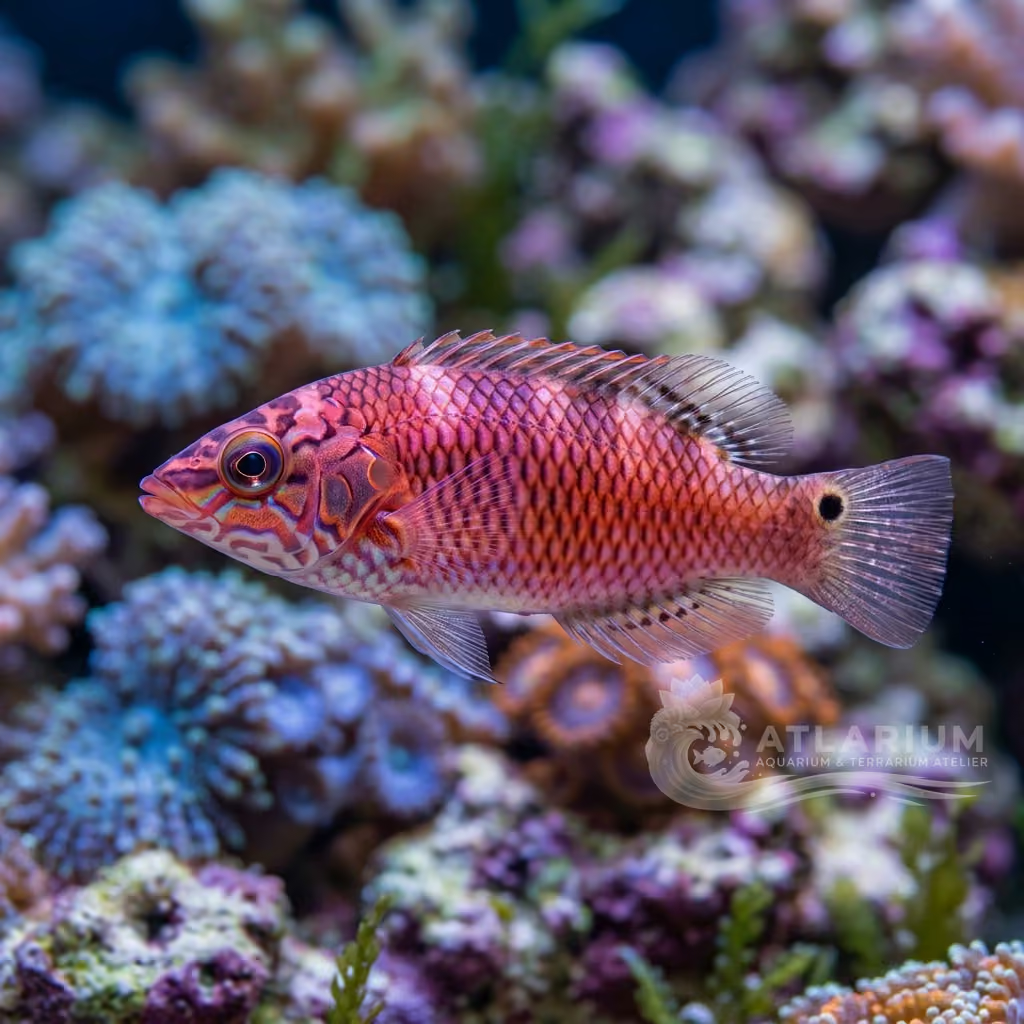
Raisner's Wrasse
Sagittalarva inornatus
This highly rare endemic wrasse from the Galapagos Islands is perfectly suited for cooler, biotope or warm-temperate aquariums, demanding a fine sand bed for resting.
Température de l’eau
19 - 24 °C
Valeur du pH
8.1 - 8.4
Type d'eau
Marin
Niveau dans le bac
Fond et milieu
Taille adulte
12 cm
Volume minimal du bac
>= 150 L
Groupe minimal
>= 1

Description de l'espèce
Geographical Origin and Habitat: An endemic species with a highly restricted range, found exclusively in the Galapagos Islands archipelago in the Eastern Pacific Ocean. It inhabits rocky reefs, kelp-like environments, and adjacent sandy slopes at depths between 5 and 35 meters, where water is heavily influenced by the cool, nutrient-rich Humboldt Current.
Taxonomy and Morphology: Classified under the Labridae family in the genus Halichoeres. Named after Raisner, this wrasse grows to a maximum length of 10 to 12 centimeters as an adult. It possesses the characteristic elongated, torpedo-shaped body of its genus, with terminal jaws equipped with small teeth designed to crush micro-crustaceans.
Social Behavior: A highly active diurnal swimmer that spends the daylight hours constantly exploring the rockwork and sand bed for food. At nightfall or when threatened by predators, it exhibits the critical biological behavior of diving headfirst into the sand substrate to sleep completely buried until dawn.
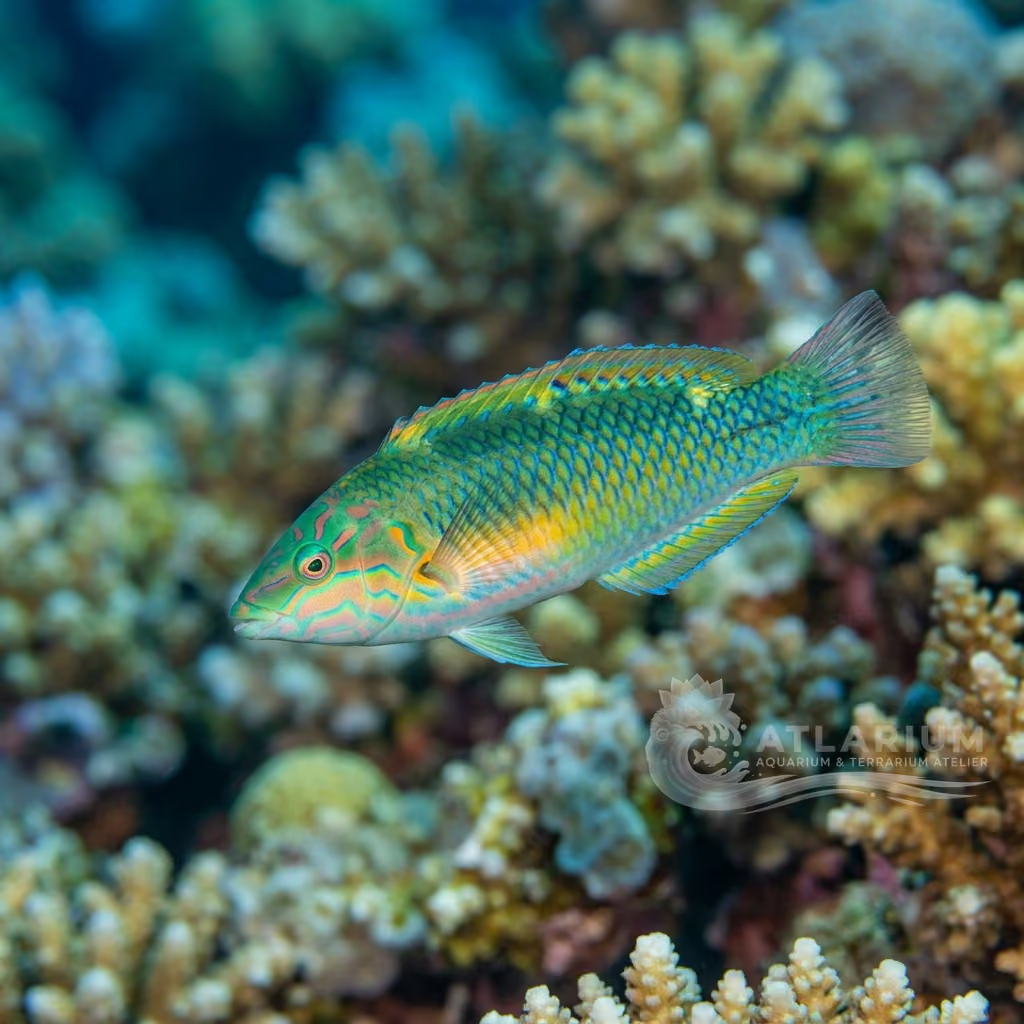
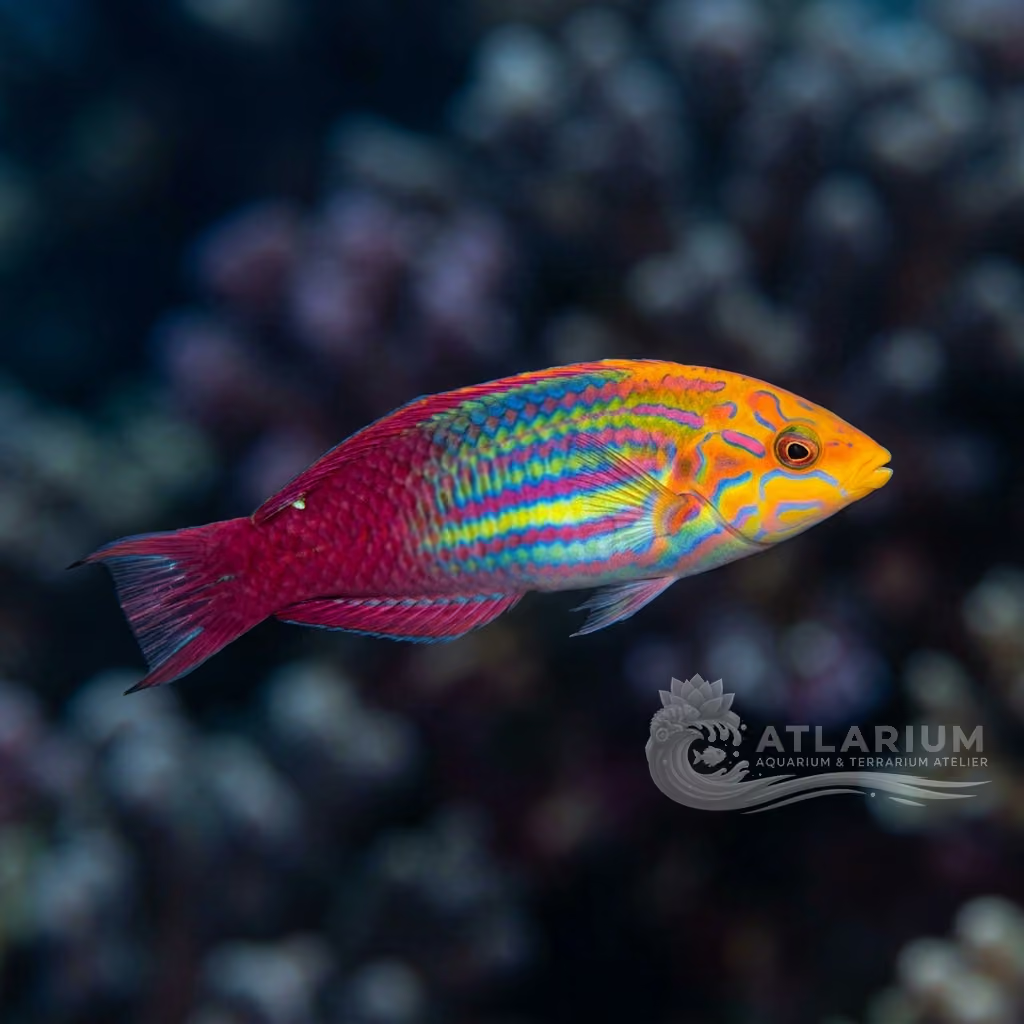
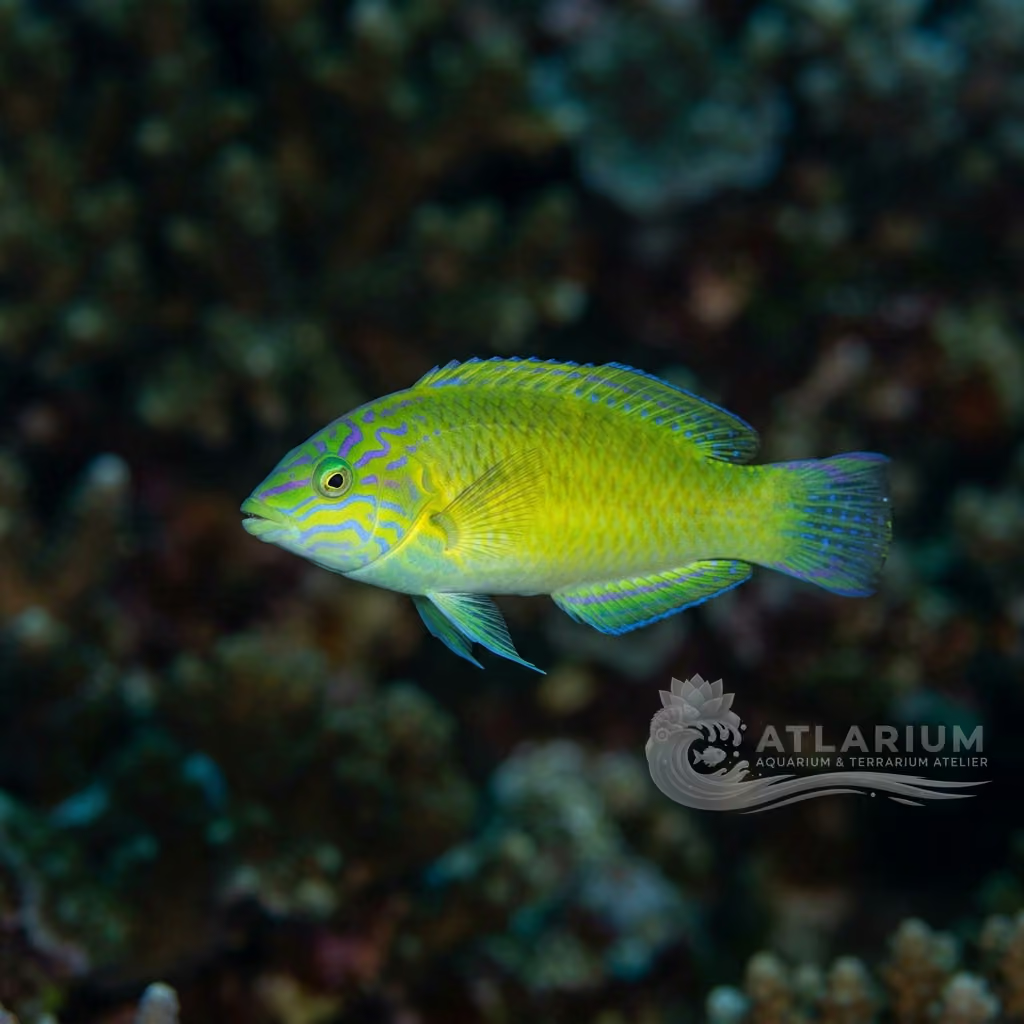
Coloration and Sexual Dimorphism: Features a beautiful and variable coloration depending on life stage and sex. Terminal phase males display iridescent green and blue body tones, highlighted by vivid orange-red longitudinal stripes and intricate facial markings. Juveniles and females present a more cryptic, brown-striped color scheme.

Soins, reproduction et cohabitation
Aquarium Setup: Requires a spacious tank of at least 150 liters. The most critical aspect of the setup is a deep substrate of fine, smooth sand (not crushed coral) at least 5-8 cm (2-3 inches) deep, allowing the fish to bury itself at night. Ensure rocks are placed securely on the glass bottom. A tight cover is essential to prevent jumping.
Diet and Feeding: Carnivorous. In the aquarium, they should be fed a variety of meaty foods such as frozen mysis, enriched brine shrimp, chopped krill, and high-quality pellets. They are excellent biological control agents, naturally keeping populations of flatworms, bristle worms, and pyramidellid snails in check.
Water Quality: Prefers cooler temperatures than standard tropical reefs, ideally between 19 and 24°C (66-75°F), replicating the Galapagos environment. Keep pH 8.1-8.4, and specific gravity 1.020-1.025. Strong water movement and high levels of dissolved oxygen are crucial for their well-being.
Compatibility and Cohabitation: Reef-safe with caution: they do not touch corals but will readily prey on small ornamental shrimp, tube worms, and tiny snails. Generally peaceful towards other fish, but may show territorial aggression towards other wrasses of similar shape and color. Best housed with active, robust tankmates.
Aquarium Breeding: Protogynous hermaphrodites, meaning they begin life as females, and dominant individuals eventually transition into males. Spawning involves broadcast spawning in open water, which is exceptionally difficult to achieve or raise in the confines of a home marine aquarium.
Risks and Diseases: The primary risk is physical injury to the snout or skin if the sand bed is too coarse or sharp, which can lead to fatal infections. They are also sensitive to high temperatures above 26°C (79°F), which can cause thermal stress and shorten their lifespan due to respiratory issues.

Origine et répartition géographiques
An endemic species with a highly restricted range, found exclusively in the Galapagos Islands archipelago in the Eastern Pacific Ocean. It inhabits rocky reefs, kelp-like environments, and adjacent sandy slopes at depths between 5 and 35 meters, where water is heavily influenced by the cool, nutrient-rich Humboldt Current.
Origine
Océans tropicaux et récifsAsie de l'Est

Profil de poisson
- Tempérament
- Semi-aggressive
- This is a shy but inquisitive fish that becomes more outgoing once it establishes a territory and feels secure. It is peaceful toward other species but may initially hide when introduced to a new environment. Over time, it will confidently patrol the tank and display its subtle, elegant swimming style.
- Régime alimentaire
- Carnivore
- It feeds primarily on small zooplankton and tiny benthic organisms in the wild. A captive diet should consist of small, meaty items like cyclops, rotifers, and finely chopped mysis shrimp. Offering enriched dry foods will help provide a balanced nutritional profile.
- Espérance de vie
- 5-7 years
- Taille adulte
- 12 cm
- Ratio des sexes
- Solitary
- Keeping a single individual or a pair is the most common and successful approach. Males can be aggressive toward one another, so maintaining only one male per tank is recommended. If forming a group, ensure the aquarium is large enough to dissipate any mild territorial disputes.
- Fréquence d'alimentation
- Twice daily
- To support its active metabolism, feeding multiple small meals throughout the day is ideal. Feeding two to three times daily keeps them healthy and encourages natural foraging behaviors. A steady supply of copepods in the aquarium can supplement their diet between scheduled feedings.
- Charge biologique
- Medium
- This species has a light to moderate bioload, making it manageable for well-maintained reef systems. Regular water changes and standard biological filtration are usually sufficient to process its waste. Employing a properly sized protein skimmer is still advised to ensure optimal water clarity.
- Courant
- Strong
- They appreciate a moderate to high water flow that simulates the gentle oceanic currents of their natural reef habitats. Adequate flow helps deliver planktonic food particles directly to them. Ensuring good surface agitation also provides the necessary oxygenation they require.
- Risque de saut
- Yes
- Like related species, they possess a startled response that often results in them darting upwards and jumping out of the water. A tight-fitting lid or fine mesh screen is critically important for their long-term survival. Avoid sudden changes in lighting or sudden movements outside the tank to minimize stress.
- Reproduction
- Protogynous hermaphrodite
- Captive breeding is highly improbable due to the complex pelagic larval phases characteristic of its family. Spawning in the wild involves broadcasting eggs and sperm into the water column during a rapid ascent. Rearing the larvae demands specialized, minute live foods that are very difficult to culture at home.
- Compatibilité et compagnons
- Verify
- It is a peaceful addition to most community marine aquariums and gets along well with other docile fish. It is generally considered reef safe, paying little attention to corals or most sessile invertebrates. Care should be taken not to house it with overly aggressive tank mates that might outcompete it for food.
- Niveau dans le bac
- Middle/Bottom
- They tend to inhabit the middle and upper levels of the water column while actively swimming and feeding. At night, they seek refuge in the rockwork or substrate to rest securely. Providing plenty of hiding spots and a sandy bottom will accommodate their natural resting behaviors.

Modèles et paramètres scientifiques
FishBase
Fenêtre sur les données scientifiques officielles de l’espèce
Données synchronisées le : 15/06/2026
- Niveau trophique
- 3,5 ± 0,5 se
- Résilience
- Élevée (moins de 15 mois)
- Singularité phylogénétique (PD50)
- 0.5
- Relation bayésienne longueur-poids
- a = 0.01, b = 3.09
- VulnérabilitéVulnérabilité faible (10 / 100)

Espèces associées
Recommandations regroupées par proches parents, compagnons et soins similaires.