Lined fairy wrasse
Cirrhilabrus lineatus
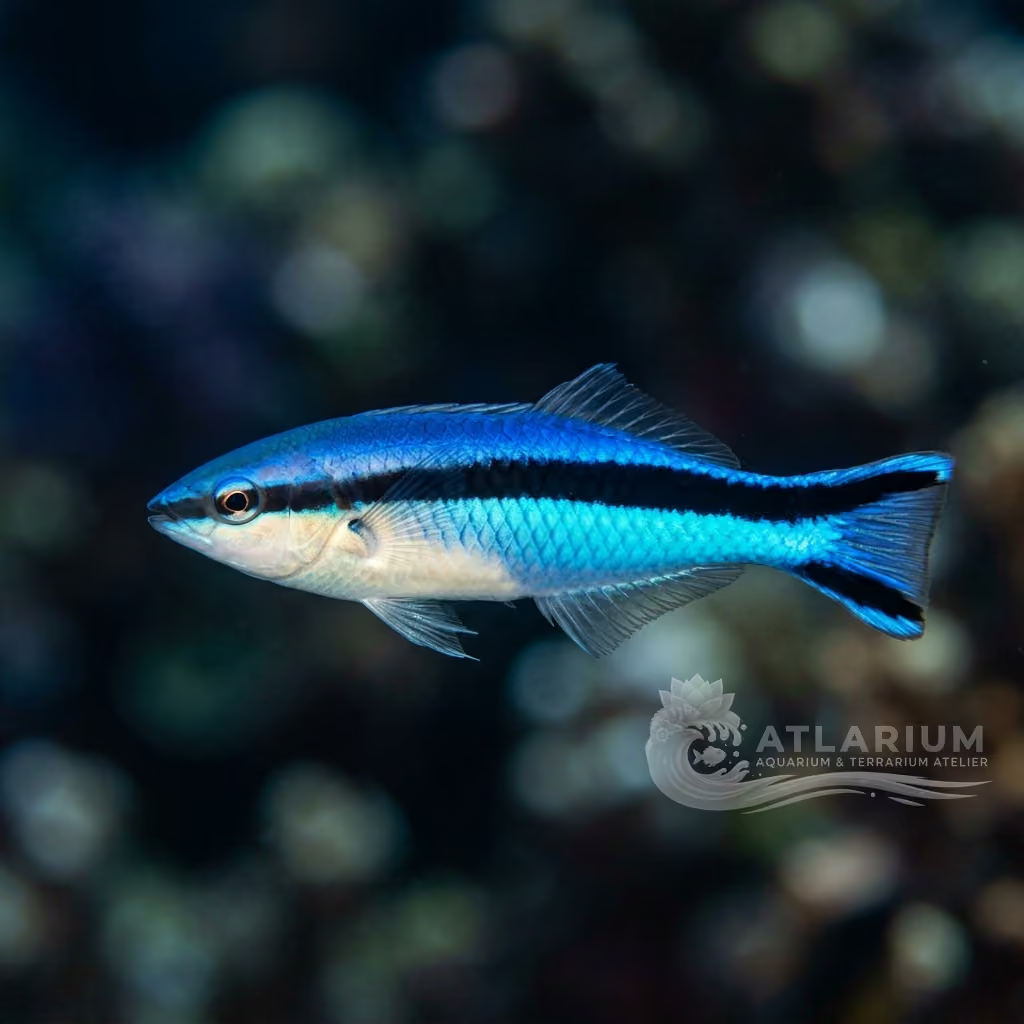
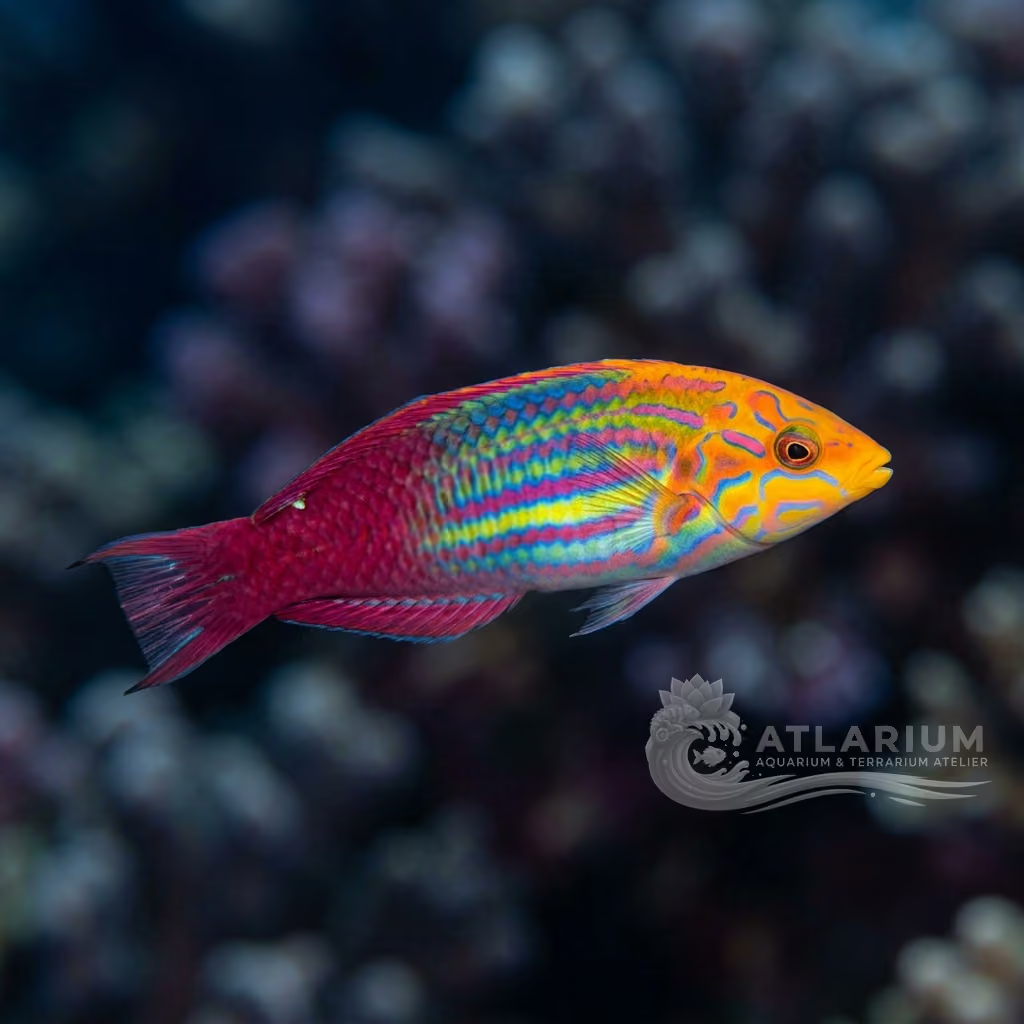
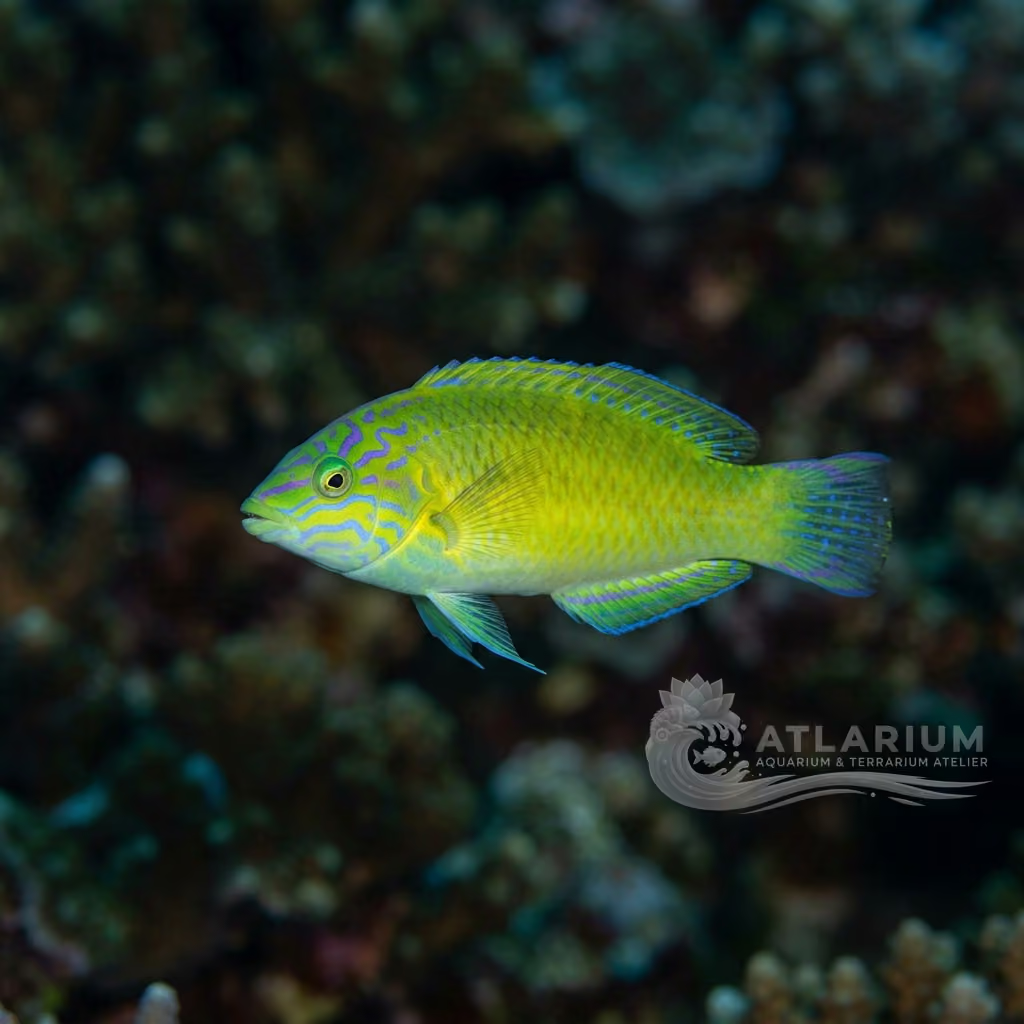
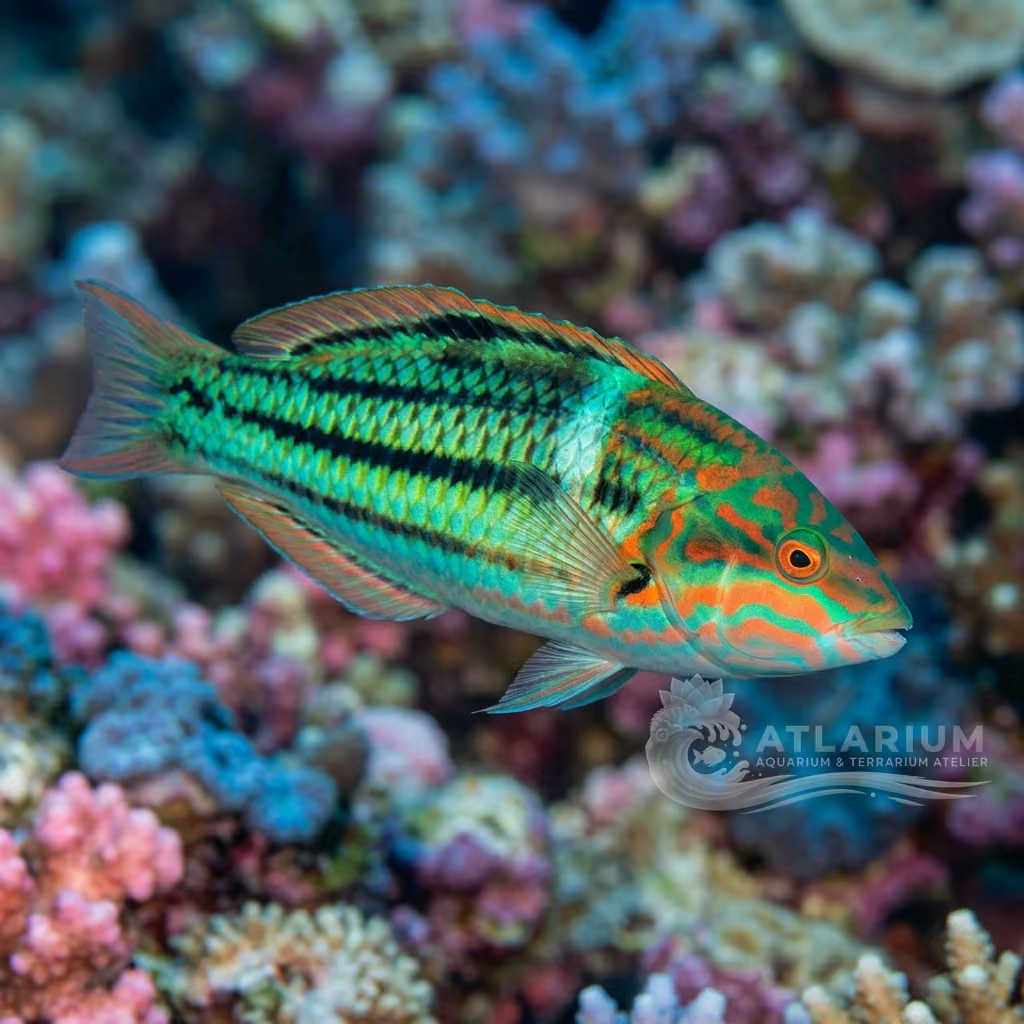
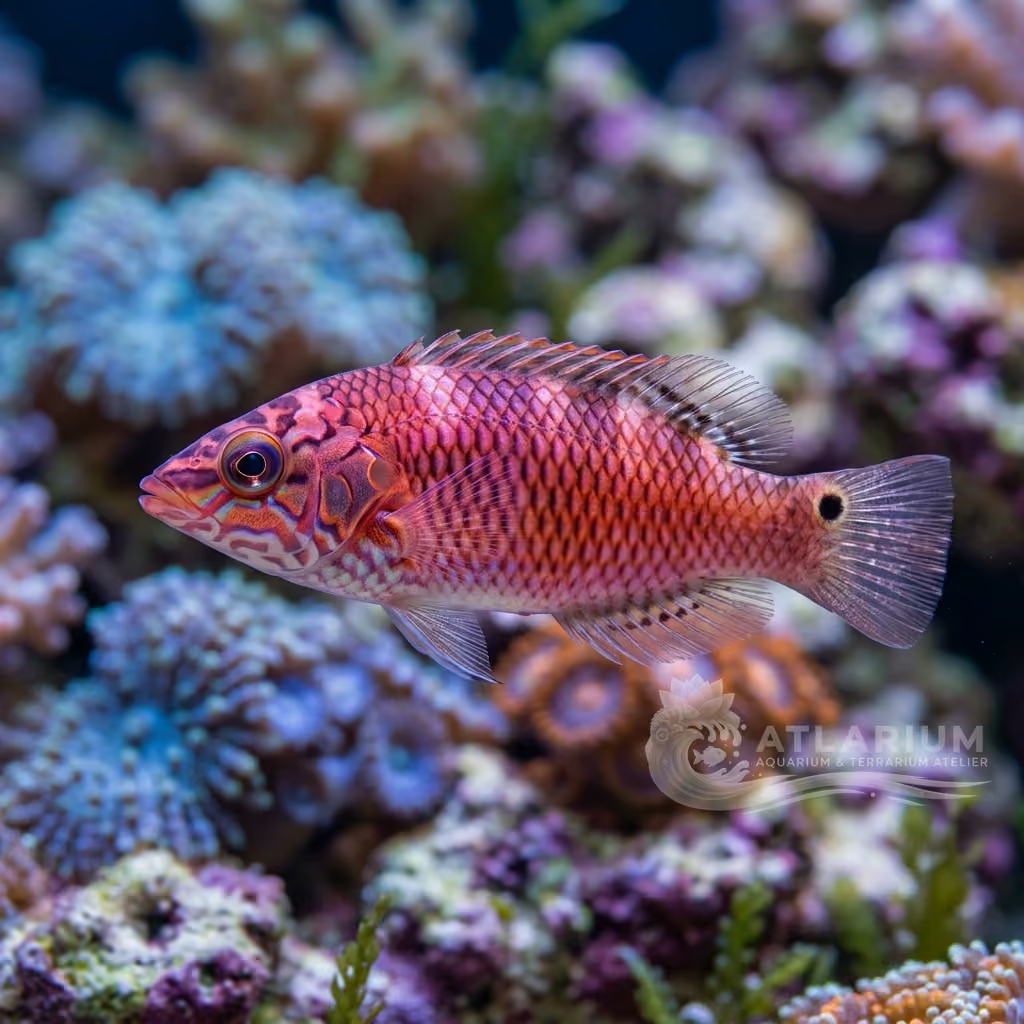
The Lineatus Fairy Wrasse from the Coral Sea displays neon blue stripes over a golden-yellow body. Peaceful and reef-safe, it requires a secure lid to prevent jumping.
Température de l’eau
22 - 27 °C
Valeur du pH
8.1 - 8.4
Type d'eau
Marin
Niveau dans le bac
Fond et milieu
Taille adulte
12 cm
Volume minimal du bac
>= 200 L
Groupe minimal
>= 1
KH
8 - 12 dKH

Description de l'espèce
Geographical Origin and Habitat: Cirrhilabrus lineatus is native to the Southwestern Pacific Ocean, with populations primarily concentrated in the Coral Sea, along the Great Barrier Reef of Australia, New Caledonia, and the Loyalty Islands. It inhabits outer reef slopes and deep channels rich in coral growth and coral rubble at depths ranging from 20 to 55 meters, where the water is pristine and swept by nutrient-rich ocean currents.
Taxonomy and Morphology: Belonging to the family Labridae, this species is considered one of the most aesthetically prized members of the genus Cirrhilabrus. It features an oval-elongated, laterally compressed body, with large, prominent eyes equipped with a divided cornea to precisely focus on tiny planktonic crustaceans in deeper waters. Adults can reach a maximum length of approximately 12 cm, showing a sleek profile.
Social Behavior: It is a peaceful, active, and social fish that swims constantly in the midwater column. In the wild, it lives in small harems consisting of a single dominant male and several females. It shows no aggression toward non-wrasse species, but adult males are highly territorial toward each other and should never be housed together in the same tank unless it is exceptionally large.
Coloration and Sexual Dimorphism: The coloration is spectacular and highly contrasty: the body has a golden-yellow or orange base, crossed longitudinally by several parallel neon blue or bright purple stripes. The head features an intricate pattern of blue and yellow lines. The dorsal, anal, and caudal fins are broad, with electric blue margins and red or yellow hues. Males exhibit much more intense coloration than females.

Soins, reproduction et cohabitation
Aquarium Setup: Requires an aquarium of at least 200 liters with plenty of open swimming space and a structure of live rock providing caves for night shelter. As with all fairy wrasses, a tightly covered aquarium with a lid or fine mesh screen is mandatory, as they are exceptional jumpers capable of leaping through even the smallest openings.
Diet and Feeding: Feeding must be varied and frequent. In the wild, they feed on suspended zooplankton. In captivity, they should be fed two to three times daily with high-quality frozen foods (mysis, brine shrimp, lobster eggs, and finely chopped krill) and enriched dry pellets or flakes. Proper nutrition is crucial to maintain the brilliance of their natural coloration.
Water Quality: Water parameters must be kept stable: temperature 22-26 °C, pH 8.1-8.4, specific gravity 1.020-1.025, and KH 8-12. An efficient filtration system with a protein skimmer and regular water changes are necessary to keep organic waste low. It appreciates moderate water movement to simulate its natural deep reef environment.
Compatibility and Cohabitation: This species is 100% reef safe and does not harm corals, clams, or beneficial invertebrates. It coexists peacefully with other calm community fish such as anthias, gobies, clownfish, and other non-aggressive wrasses. Avoid housing it with large predators or overly aggressive species that could intimidate or stress it.
Aquarium Breeding: Breeding in home aquariums is extremely rare and difficult. They are protogynous hermaphrodites. In the wild, males perform spectacular courtship displays (flashing) before engaging in a vertical spawning run to release pelagic eggs. Rearing the larvae requires specialized commercial-grade setups and constant cultures of live rotifers.
Risks and Diseases: The primary risk is jumping out of the tank, which is the most common cause of mortality for this species in captivity. They can also be sensitive to transport stress and external parasites like marine ich (Cryptocaryon) if water quality declines. Utilizing a dedicated quarantine tank and a slow drip acclimation is highly recommended.

Origine et répartition géographiques
Cirrhilabrus lineatus is native to the Southwestern Pacific Ocean, with populations primarily concentrated in the Coral Sea, along the Great Barrier Reef of Australia, New Caledonia, and the Loyalty Islands. It inhabits outer reef slopes and deep channels rich in coral growth and coral rubble at depths ranging from 20 to 55 meters, where the water is pristine and swept by nutrient-rich ocean currents.
Origine
Océans tropicaux et récifsAustralie, Nouvelle-Guinée et Océanie

Profil de poisson
- Tempérament
- Active
- The Lined Fairy Wrasse is active, curious, and non-aggressive, spending most of its time in the middle to lower levels of the tank. It establishes a social hierarchy within its harem where the dominant male acts as the leader. At night, it builds a mucous cocoon around its body to hide its scent from benthic predators while sleeping. A secure and tight lid is essential as they are known to jump when startled or stressed.
- Régime alimentaire
- Carnivore
- This species is a carnivorous zooplanktivore requiring a high-protein diet to support its high metabolism and retain its intense colors. In captivity, they should be fed frozen foods like mysis shrimp, enriched brine shrimp, and copepods. They also adapt well to high-quality dry foods such as pellets and flakes designed for marine carnivores. Regular addition of vitamins and carotenoid supplements will help maintain the brilliant blue, pink, and yellow hues of the males.
- Espérance de vie
- 5-7 years
- Taille adulte
- 12 cm
- Ratio des sexes
- Harem
- Solitary or in harem (one male, multiple females).
- Fréquence d'alimentation
- Twice daily
- Due to its highly active swimming behavior, the Lined Fairy Wrasse should be fed two to three times daily in small amounts. Frequent feedings provide a continuous source of energy and prevent weight loss or lethargy in a community setting. This schedule mimics their natural feeding habits on the reef, where they graze continuously on zooplankton. Ensure that food is consumed within a few minutes to prevent organic pollution.
- Charge biologique
- Medium
- The Lineatus Fairy Wrasse is a fast-moving, energetic species that constantly grazes on the water column for zooplankton, demanding frequent daily meals. This level of regular feeding adds a respectable amount of waste to the system, increasing its overall bioload. Adequate filtration, skimming, and water changes are necessary to offset the heavy feeding regimen these spectacular fish require.
- Courant
- Strong
- The Lined Fairy Wrasse prefers moderate to strong water flow, reflecting the reef environments of the Coral Sea. Stronger currents facilitate water oxygenation, which is crucial for this highly active fish. Water flow also stimulates their natural swimming behavior and helps disperse food in the column. The aquascape must provide rock caves and sheltered regions where they can rest out of the main current during the night.
- Risque de saut
- Yes
- These fish are easily terrified by erratic movements outside the tank or sudden changes in their surroundings, triggering a severe jumping instinct. A Lineatus Fairy Wrasse can easily find the smallest opening in a tank cover and propel itself out. A tightly fitted, breathable mesh lid is strongly recommended to protect your investment and the life of the fish.
- Reproduction
- Oviparous
- The Lined Fairy Wrasse is a protogynous hermaphrodite, and successful reproduction in home aquariums is extremely rare. In the wild, they exhibit pelagic spawning where eggs and sperm are released simultaneously in the open water column. During courtship, the dominant male shows stunning color shifts, flashing brilliantly to attract females. Rearing the pelagic larvae is very complex due to their delicate nature and microscopic food needs.
- Compatibilité et compagnons
- Peaceful
- This species is peaceful and reef-safe, making it highly compatible with other non-aggressive marine fish. It can be kept in a harem configuration consisting of a single male and several females. Good tankmates include anthias, peaceful gobies, cardfish, and small peaceful surgeonfish. Avoid housing them with aggressive predators or other male fairy wrasses of similar color to prevent territorial aggression.
- Niveau dans le bac
- Middle/Bottom
- Mid-water

Modèles et paramètres scientifiques
FishBase
Fenêtre sur les données scientifiques officielles de l’espèce
FishBase v25.04Données synchronisées le : 15/06/2026
- Niveau trophique
- 3,4 ± 0,4 se
- Résilience
- Élevée (moins de 15 mois)
- Singularité phylogénétique (PD50)
- 0.5
- Relation bayésienne longueur-poids
- a = 0.01072, b = 3.03
- VulnérabilitéVulnérabilité faible (10 / 100)

Espèces associées
Recommandations regroupées par proches parents, compagnons et soins similaires.