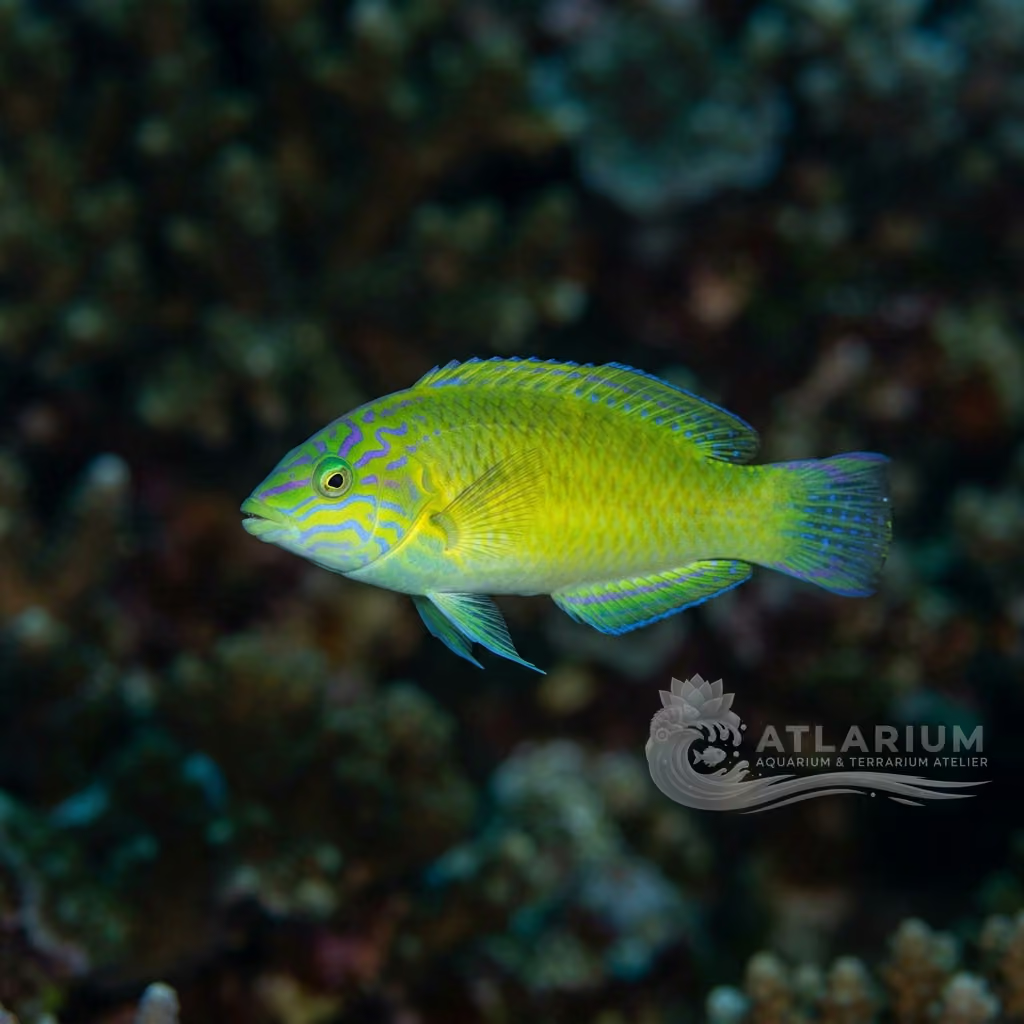
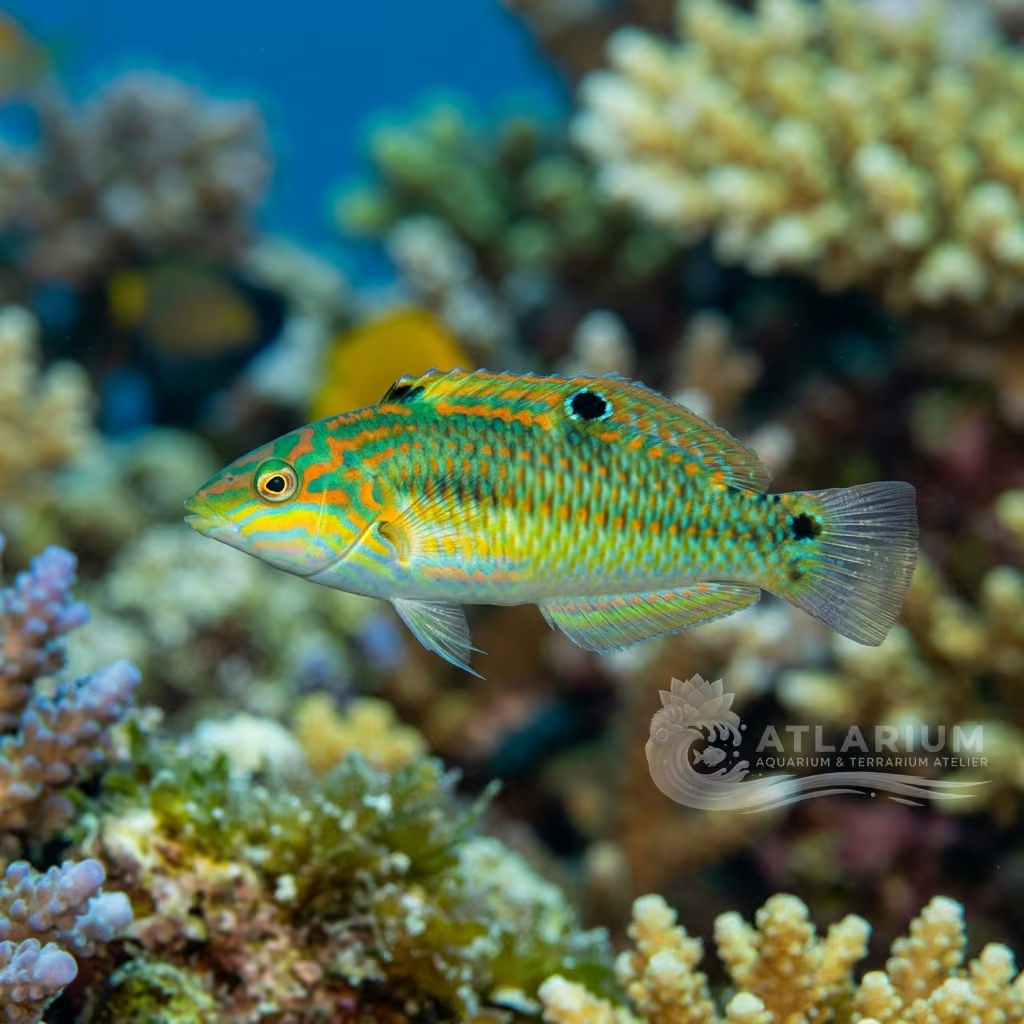
Oriental wrasse
Halichoeres orientalis
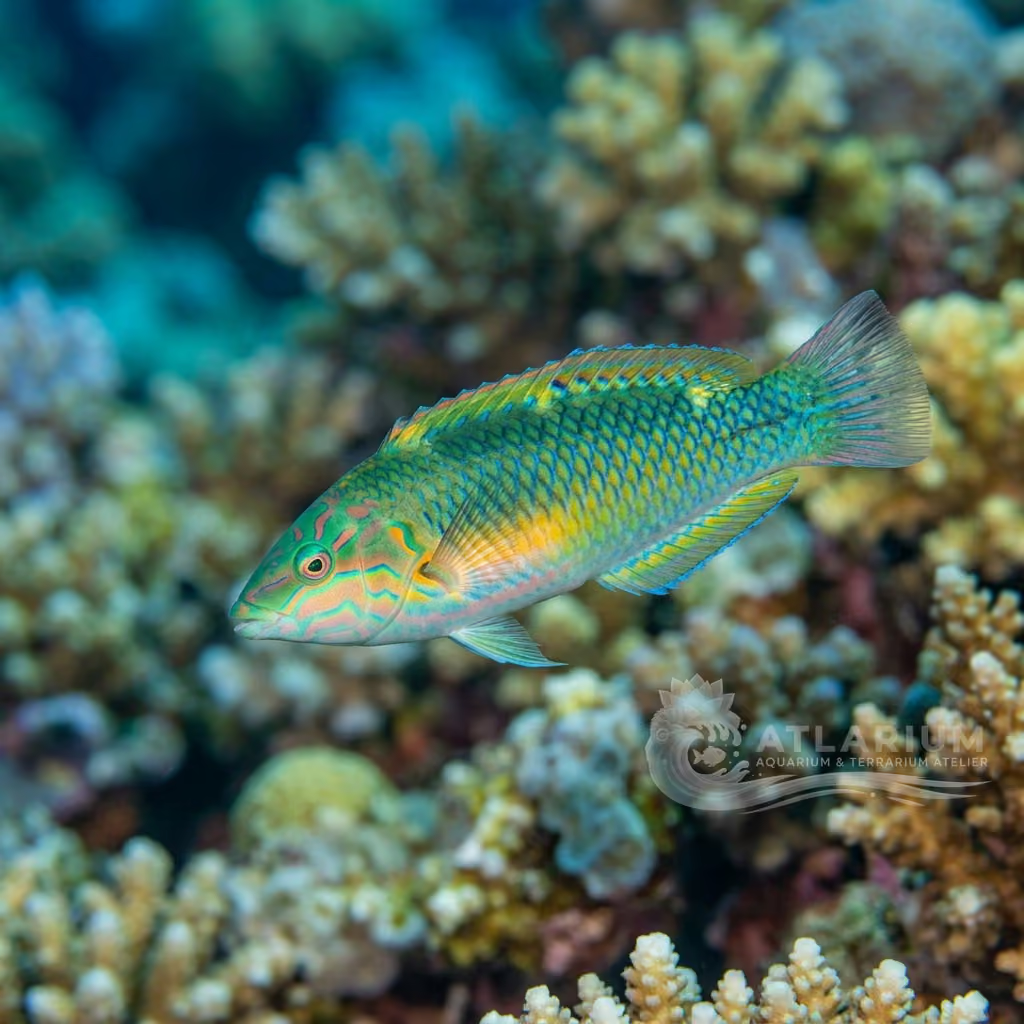
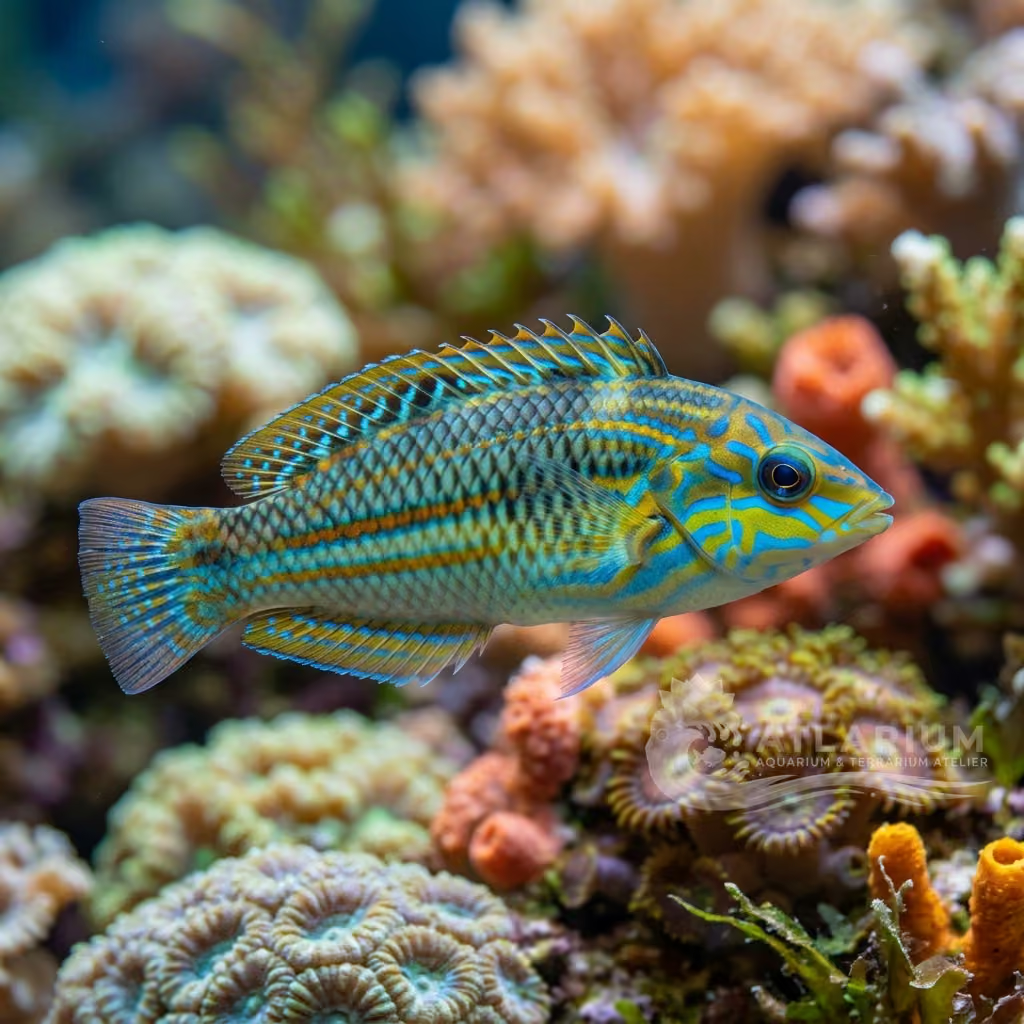
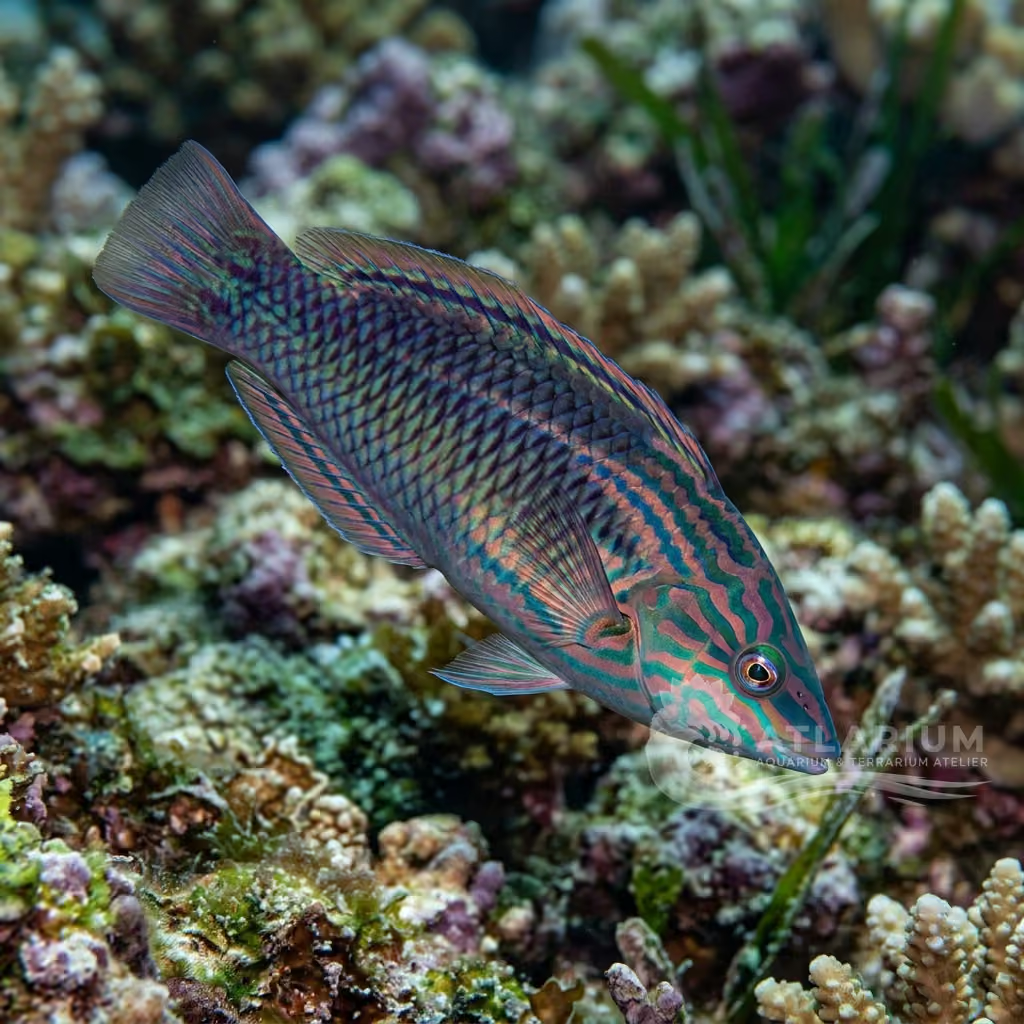
Native to the Northwest Pacific, this active marine wrasse is renowned for its vivid green body and salmon-pink stripes, perfect for lively reef environments.
Température de l’eau
20 - 25 °C
Valeur du pH
8.1 - 8.4
Type d'eau
Marin
Niveau dans le bac
Fond et milieu
Taille adulte
12 cm
Volume minimal du bac
>= 200 L
Groupe minimal
>= 1

Description de l'espèce
Geographical Origin and Habitat: Halichoeres orientalis is distributed in the Northwest Pacific, specifically in the coastal waters of southern Japan, Taiwan, and Korea. It inhabits subtropical coral reefs, rocky areas, and seaweed beds at depths ranging from 2 to 30 meters.
Taxonomy and Morphology: It belongs to the family Labridae. It features an elongated, slightly laterally compressed body with a pointed snout. It is a relatively small species for its genus, reaching a maximum standard length of about 7.6 cm.
Social Behavior: An extremely active, diurnal fish that swims constantly near the substrate. In the wild, it searches for micro-invertebrates. It exhibits peaceful behavior toward fish from other families, but can be competitive with closely related species for food and shelter.
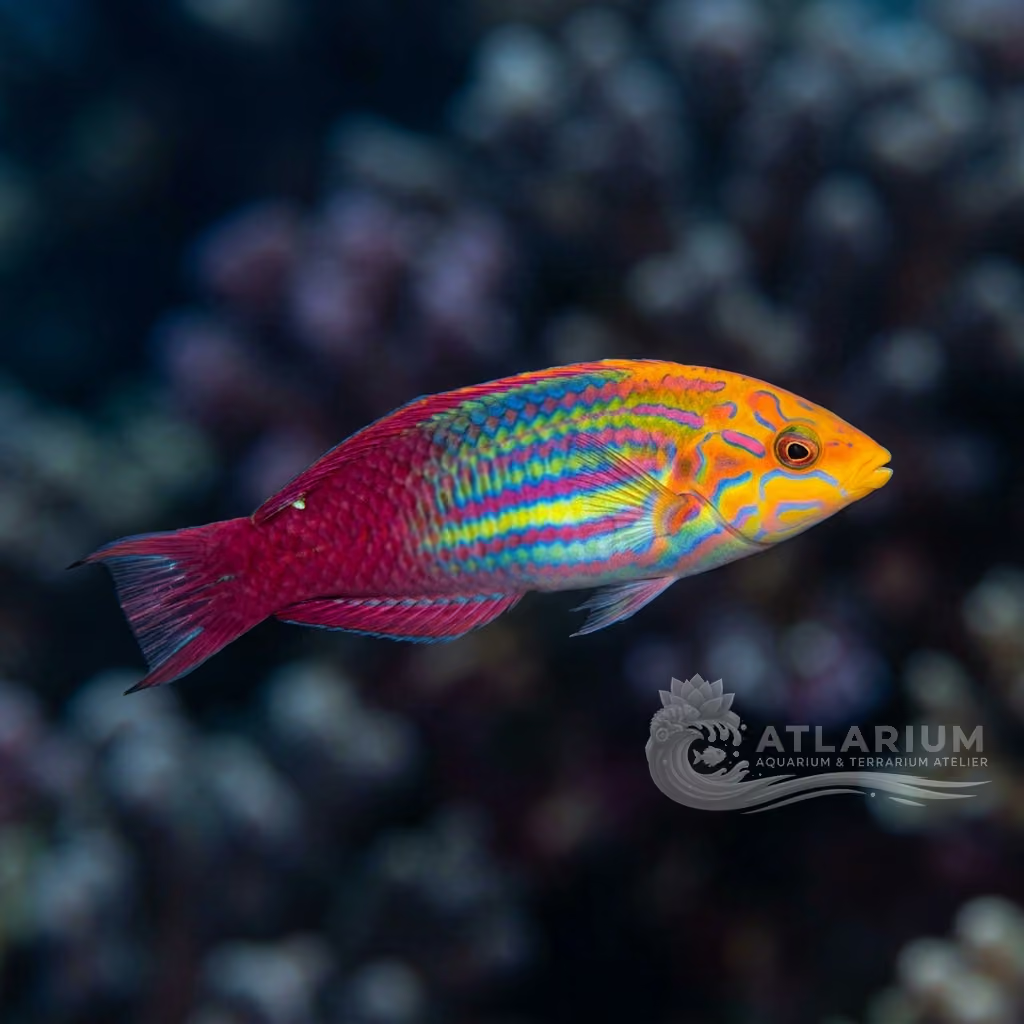
Coloration and Sexual Dimorphism: Features a green base color with four distinct salmon-pink to orange longitudinal bands on the head that extend along the body. Females and juveniles are less colorful, while terminal males display much more intense, contrasting colors.

Soins, reproduction et cohabitation
Aquarium Setup: A minimum tank size of 150 liters is recommended, with ample open space for swimming. A soft, fine sand bed of at least 5 cm depth is mandatory, as this species buries itself to sleep at night or when threatened.
Diet and Feeding: A carnivorous species with high energy requirements. Should be fed two to three times daily with frozen foods like brine shrimp, mysis, chopped krill, and lobster eggs. It will also accept premium marine pellets and flakes over time.
Water Quality: Requires stable marine parameters: temperature between 22°C and 26°C, pH between 8.1 and 8.4, and salinity (specific gravity) of 1.020 to 1.025. Efficient filtration and protein skimming are key to keeping nitrates and organic waste low.
Compatibility and Cohabitation: Excellent for reef and community tanks containing peaceful to semi-aggressive tankmates. Wrasse-safe, but not safe for ornamental shrimp, small crabs, or feather dusters, which are part of its natural diet.
Aquarium Breeding: Breeding in home aquaria is undocumented. This species is a protogynous hermaphrodite. In nature, spawning occurs in the open water column, releasing pelagic eggs that hatch quickly in a matter of hours.
Risks and Diseases: Mouth injuries can occur if the substrate is coarse or sharp rather than fine sand. Susceptible to marine ich (Cryptocaryon) under stress. A tight cover on the aquarium is absolutely necessary to prevent them from jumping out.

Origine et répartition géographiques
Halichoeres orientalis is distributed in the Northwest Pacific, specifically in the coastal waters of southern Japan, Taiwan, and Korea. It inhabits subtropical coral reefs, rocky areas, and seaweed beds at depths ranging from 2 to 30 meters.
Origine
Océans tropicaux et récifsAsie de l'Est

Profil de poisson
- Tempérament
- Peaceful
- They are constantly on the move during daylight hours. While usually peaceful, they are opportunistic predators. Their bold nature makes them a fascinating addition.
- Régime alimentaire
- Carnivore
- They are carnivores feeding on benthic invertebrates. In the aquarium, offer meaty foods like mysis shrimp. Providing a varied diet maintains their vibrant colors.
- Espérance de vie
- 5-8 years
- Taille adulte
- 12 cm
- Ratio des sexes
- Solitary
- It is best to keep them singly. Adding multiple males results in severe aggression. A group of females might establish a pecking order.
- Fréquence d'alimentation
- Twice daily
- They are highly active with a fast metabolism. Feeding them two to three times a day is ideal. Small frequent meals help reduce aggression.
- Charge biologique
- Low to Medium
- This species contributes a moderate bioload. They produce moderate waste due to their diet. A good skimmer and regular water changes are required.
- Courant
- Strong
- They originate from reef environments with strong water movement. Good water flow helps oxygenate the water. Varying flow patterns mimics their natural habitat well.
- Risque de saut
- Yes
- Wrasses are notorious for jumping out of aquariums. A tight-fitting lid or screen mesh is mandatory. Ensure all gaps are properly covered to prevent escape.
- Reproduction
- Oviparous
- These fish are broadcast spawners in the water column. Breeding in captivity is extremely rare. Specialized setups with deep tanks and planktonic food are required.
- Compatibilité et compagnons
- With caution
- They are generally peaceful towards other fish. However, they may become territorial with other wrasses. Use caution as they might eat small ornamental crustaceans.
- Niveau dans le bac
- Middle/Bottom
- They actively swim in the mid-water regions. They require a deep fine sand bed to sleep. Coarse substrate can damage their bodies and should be avoided.

Modèles et paramètres scientifiques
FishBase
Fenêtre sur les données scientifiques officielles de l’espèce
FishBase v25.04Données synchronisées le : 15/06/2026
- Niveau trophique
- 3,3 ± 0,5 se
- Résilience
- Élevée (moins de 15 mois)
- Singularité phylogénétique (PD50)
- 0.5
- Relation bayésienne longueur-poids
- a = 0.01, b = 3.09
- VulnérabilitéVulnérabilité faible (10 / 100)

Espèces associées
Recommandations regroupées par proches parents, compagnons et soins similaires.