Cleaner Goby
Elacatinus genie
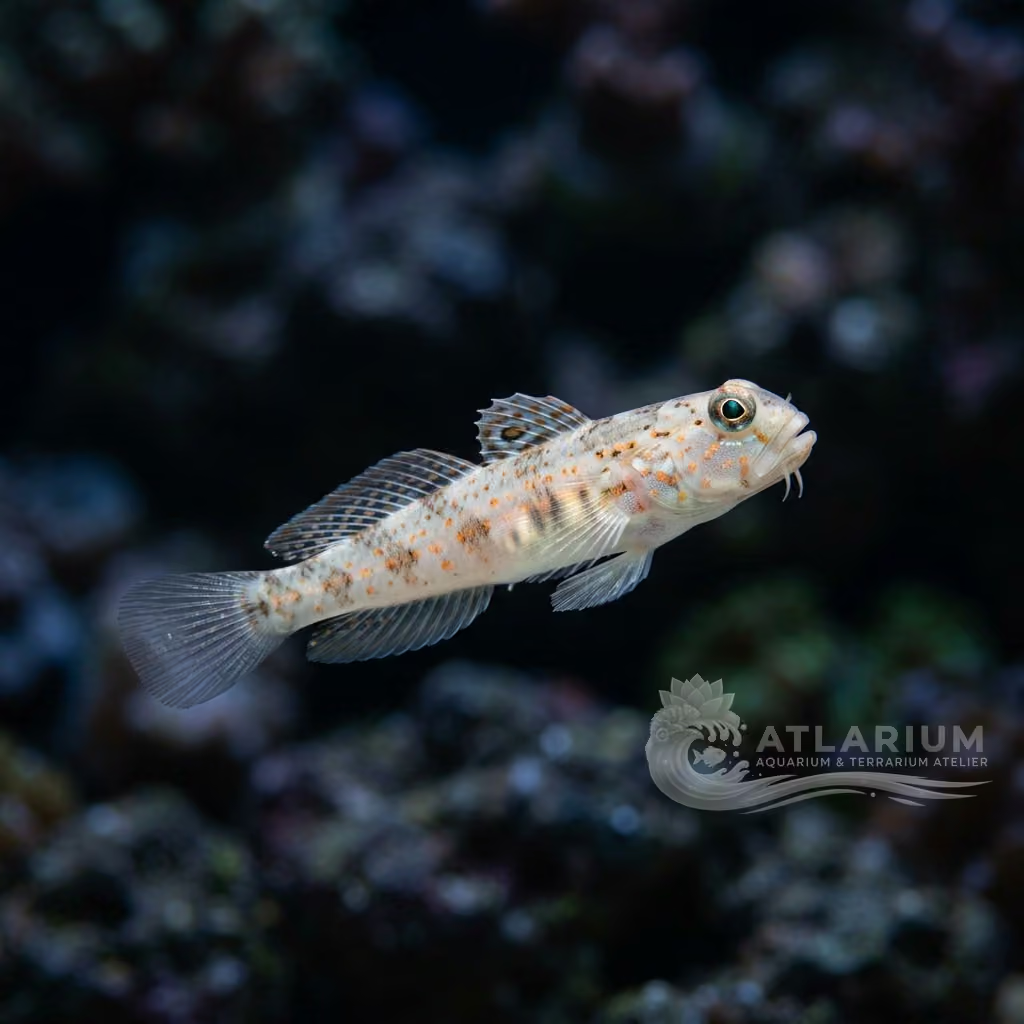
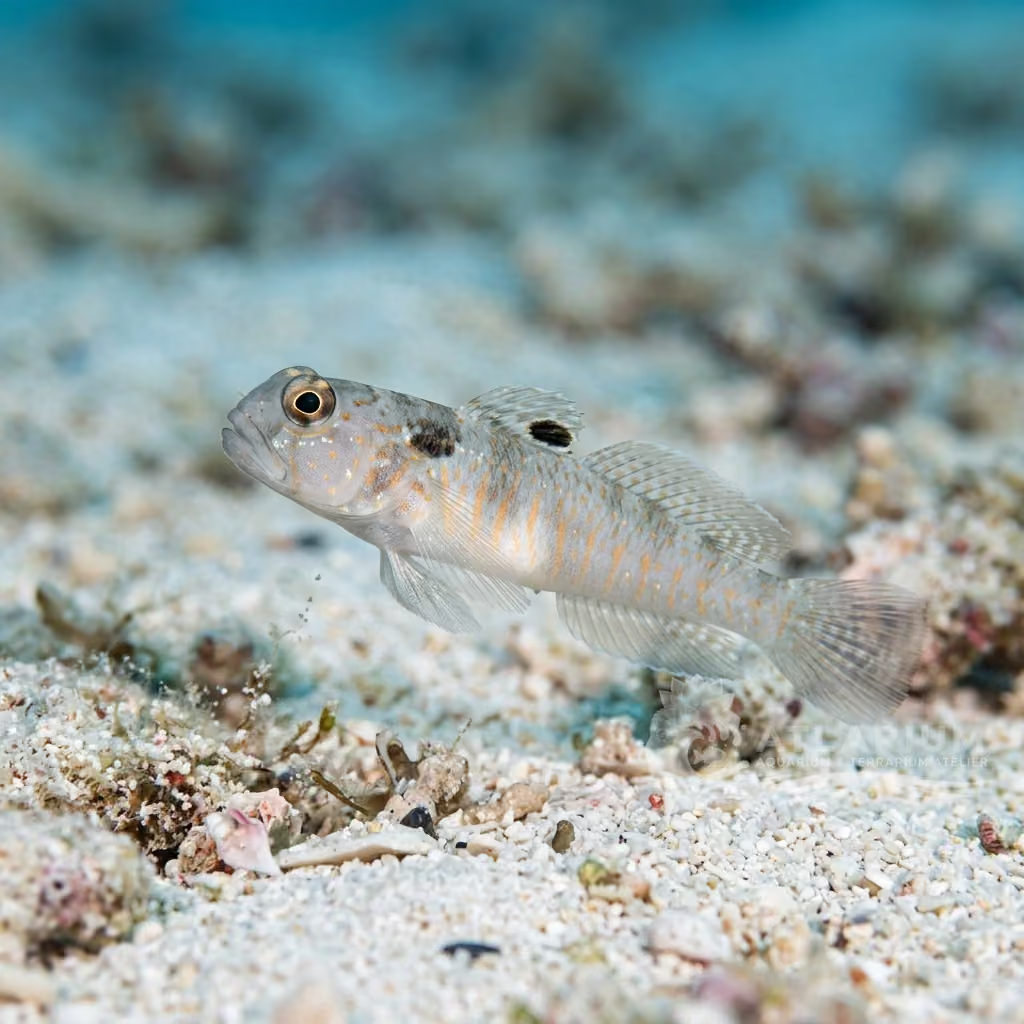
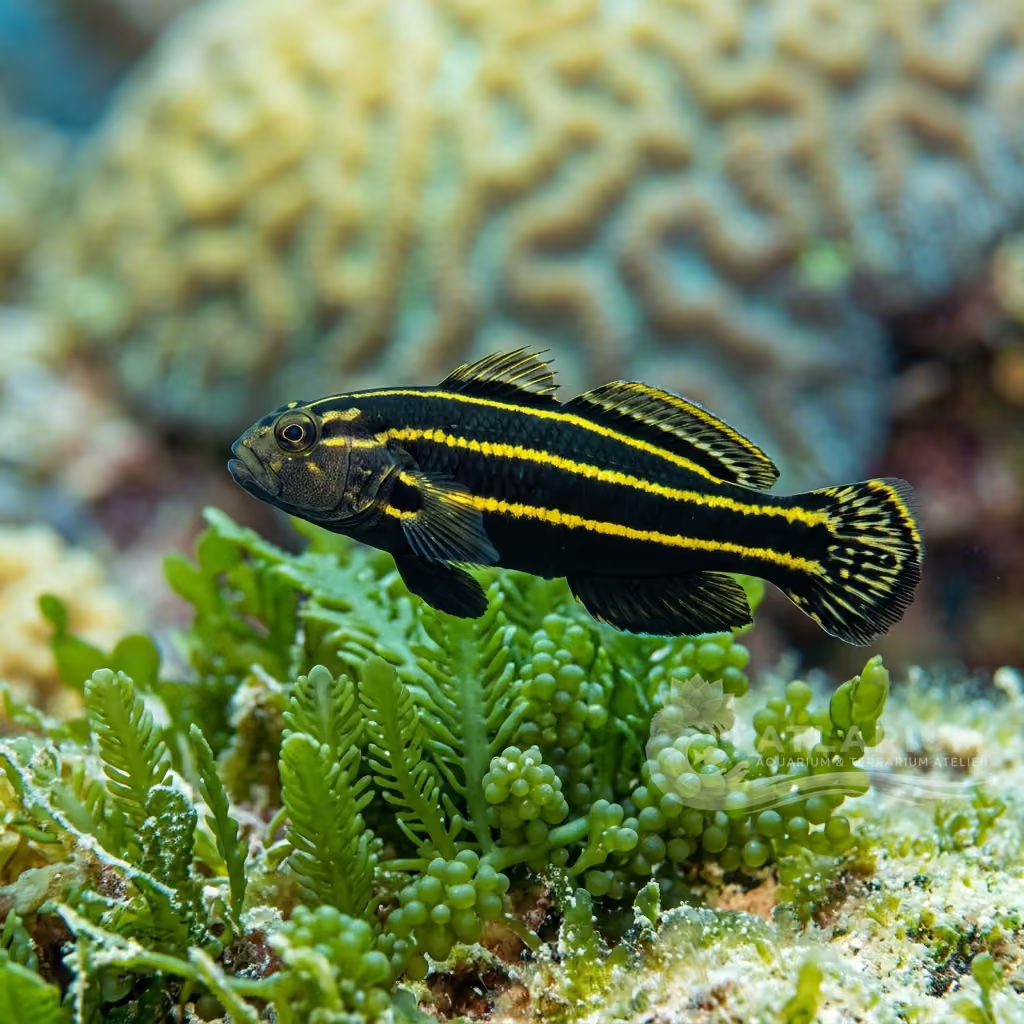
Endemic to the Bahamas, this cylindrical goby sets up cleaning stations on large corals. It adapts well to nano tanks, readily accepting prepared carnivore diets.
Température de l’eau
23 - 27 °C
Valeur du pH
8.1 - 8.4
Type d'eau
Marin
Niveau dans le bac
Fond
Taille adulte
4,5 cm
Volume minimal du bac
>= 40 L
Groupe minimal
>= 1
KH
8 - 12 dKH

Description de l'espèce
Geographical Origin and Habitat: This species is found in the tropical waters of the Western Atlantic, specifically endemic to the Bahamas and the Cayman Islands. It lives associated with large stony corals and tubular sponges in clear, shallow waters.
Taxonomy and Morphology: Classified within the Gobiidae family, under the genus Elacatinus. It possesses a very small, slender, and cylindrical body with pelvic fins modified into a sucking disc to cling onto substrates. Adults grow to about 4 centimeters.
Social Behavior: Peaceful and non-aggressive. It behaves as a specialized cleaner fish, establishing cleaning stations on top of coral heads where large reef fish visit to have parasites and dead tissue removed.
Coloration and Sexual Dimorphism: Features a dark background with a striking horizontal stripe that starts bright yellow on the snout and head, then transitions to white or neon blue toward the tail. There is no visible sexual dimorphism.

Soins, reproduction et cohabitation
Aquarium Setup: Can be housed in nano aquariums of 50 liters or larger. Provide live rock and large stony corals to emulate its natural habitat and support the establishment of its cleaning station.
Diet and Feeding: In addition to wild cleaning habits, it readily acclimates to aquarium foods. Feed finely chopped frozen mysis, brine shrimp, cyclops, and high-quality micro-pellets designed for marine fish.
Water Quality: Requires stable marine reef conditions: temperature 22.0 to 26.0 °C, pH 8.1 to 8.4, and salinity between 1.020 and 1.025. Excellent water movement and filtration are needed.
Compatibility and Cohabitation: Highly compatible with reef inhabitants. Larger fish generally tolerate it due to its cleaning services. Do not house with predatory species like groupers, frogfish, or aggressive wrasses.
Aquarium Breeding: Occasionally breeds in home aquariums. They deposit eggs in small caves or tubes, which are guarded by the male. Raising the resulting pelagic larvae requires specialized micro-foods.
Risks and Diseases: Hardy and relatively disease-resistant. The main risks are predation by incompatible tankmates and accidental suction into unprotected powerheads or overflow grates due to its small size.

Origine et répartition géographiques
This species is found in the tropical waters of the Western Atlantic, specifically endemic to the Bahamas and the Cayman Islands. It lives associated with large stony corals and tubular sponges in clear, shallow waters.
Origine
Océans tropicaux et récifsAmérique du Nord

Profil de poisson
- Tempérament
- Territorial
- The overall temperament of the Genie's Goby can be best described as peaceful. Their disposition makes them a unique addition to the appropriate aquatic community, provided their specific needs are respected. Stressful conditions, such as poor water quality or overcrowding, can drastically alter their typical behavioral patterns. A quiet environment and a stable routine will bring out the most confident and engaging personality from this species.
- Régime alimentaire
- Carnivore
- This species is known to be a cleaner/carnivorous in its natural habitat, requiring a varied diet in captivity. To ensure optimal health and coloration, provide high-quality prepared foods alongside live or frozen options like brine shrimp or bloodworms. It is essential to match the food particle size to the fish's mouth structure to facilitate easy consumption. Regular rotation of dietary items will prevent nutritional deficiencies and keep the fish highly active.
- Espérance de vie
- 1-2 years
- Taille adulte
- 4.5 cm
- Ratio des sexes
- Flexible
- Maintaining an appropriate sex ratio is vital, and a balanced distribution of males and females often works best for the Genie's Goby. In many cases, keeping a ratio heavily skewed towards females can help disperse male aggression during the breeding season. It is important to monitor the group dynamics closely to quickly identify and isolate any bullied individuals. A well-structured environment with plenty of visual barriers will support a harmonious mixed-sex group.
- Fréquence d'alimentation
- Twice daily
- Establishing a consistent feeding routine is important, with 1-2 small meals per day being ideal for the Genie's Goby. Aquarists should carefully monitor the fish during feeding time to ensure every individual gets its share. Any uneaten food should be promptly removed with a net or siphon to preserve the pristine aquatic environment. During periods of breeding or elevated temperatures, the feeding frequency may be slightly increased.
- Charge biologique
- Low
- The Genie's Goby (Elacatinus genie) produces a low bioload in the home aquarium. Proper filtration is an absolute necessity to handle the waste output generated by this species. Enthusiasts should be prepared to maintain a strict water change regimen to keep parameters stable. Monitoring the biological capacity of the tank will ultimately prevent unwanted algae spikes and water quality deterioration.
- Courant
- Strong
- Providing a moderate current is highly recommended for the overall well-being of the Genie's Goby. Adequate water circulation not only mimics their natural ecosystem but also ensures high dissolved oxygen levels throughout the aquarium. Hobbyists should avoid creating localized dead spots where debris might accumulate. Adjusting the filtration output angle can help achieve the perfect balance between steady circulation and calm resting areas.
- Risque de saut
- Yes
- Due to its energetic nature, the Genie's Goby carries a moderate probability of jumping out of an open-top aquarium. It is highly advised to secure the perimeter of the tank with a glass canopy or custom netting. Instances of leaping often happen at night or during sudden lighting changes, making a gentle sunrise/sunset lighting schedule beneficial. Maintaining exceptional water quality further discourages attempts to escape the enclosure.
- Reproduction
- Oviparous
- The reproductive strategy of the Genie's Goby involves being a demersal egg layer. Breeding this species in captivity can be a rewarding challenge that requires dedicated conditioning of the broodstock. Specific triggers such as changes in temperature, diet, or water chemistry are often necessary to induce spawning. Once breeding occurs, specialized care for the fry, including appropriately sized live foods, is critical for their survival and development.
- Compatibilité et compagnons
- Highly aggressive
- When considering tankmates, the Genie's Goby is generally considered acts as a cleaner for larger fish. It is important to avoid housing them with overly aggressive or large predatory fish that could bully them or outcompete them for food. Careful observation during the initial introduction period is highly recommended to ensure harmony within the community. Selecting species that occupy different levels of the water column can further reduce territorial disputes.
- Niveau dans le bac
- Bottom
- The Genie's Goby naturally gravitates towards the all levels section of the water column. Decorating this specific zone with appropriate hardscape, such as driftwood branches or rocky caves, encourages them to display their natural behaviors. It is important to ensure that water flow and lighting are optimized for this specific depth. Layering the tank inhabitants thoughtfully creates a visually dynamic and biologically sound ecosystem.

Modèles et paramètres scientifiques
FishBase
Fenêtre sur les données scientifiques officielles de l’espèce
FishBase v25.04Données synchronisées le : 15/06/2026
- Niveau trophique
- 3,4 ± 0,3 se
- Résilience
- Élevée (moins de 15 mois)
- Singularité phylogénétique (PD50)
- 0.5
- Relation bayésienne longueur-poids
- a = 0.01023, b = 3.01
- VulnérabilitéVulnérabilité faible (10 / 100)

Espèces associées
Recommandations regroupées par proches parents, compagnons et soins similaires.