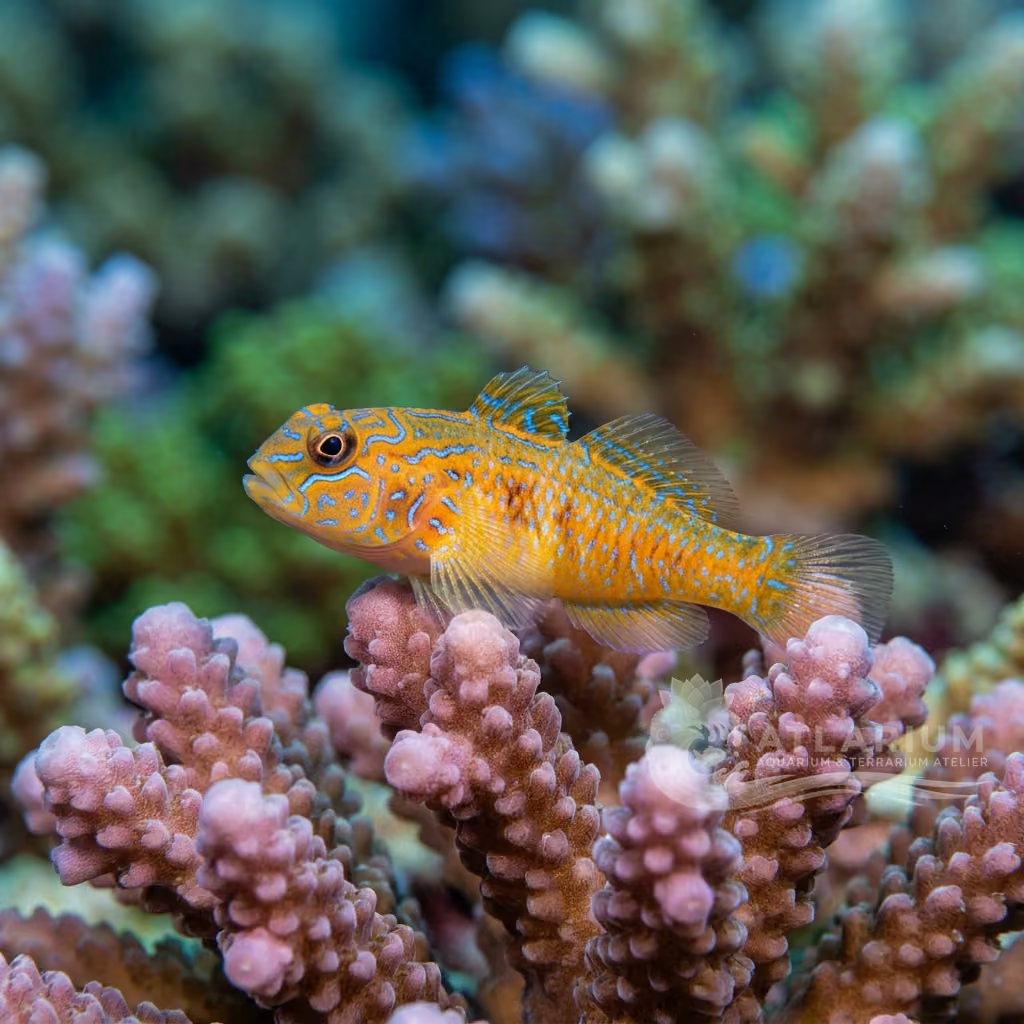
Yellowprow Goby
Elacatinus xanthiprora
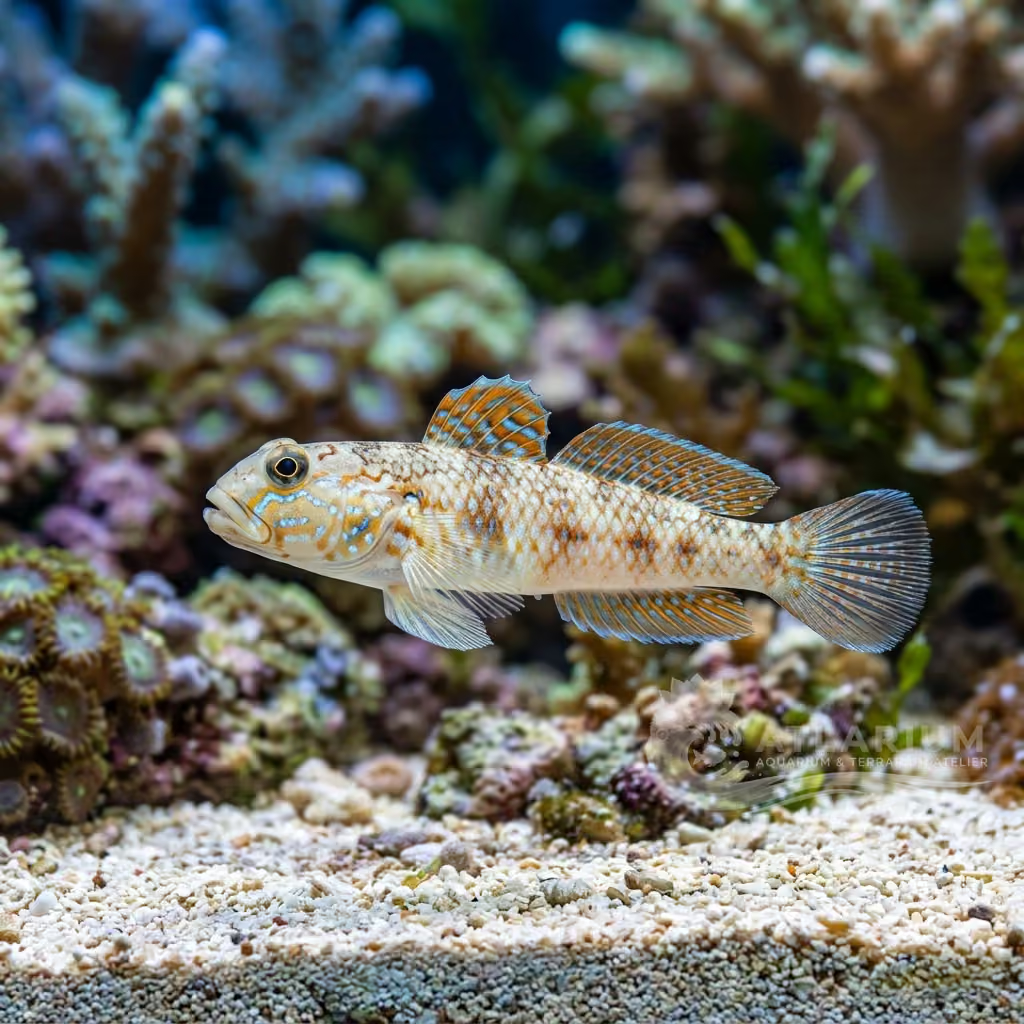
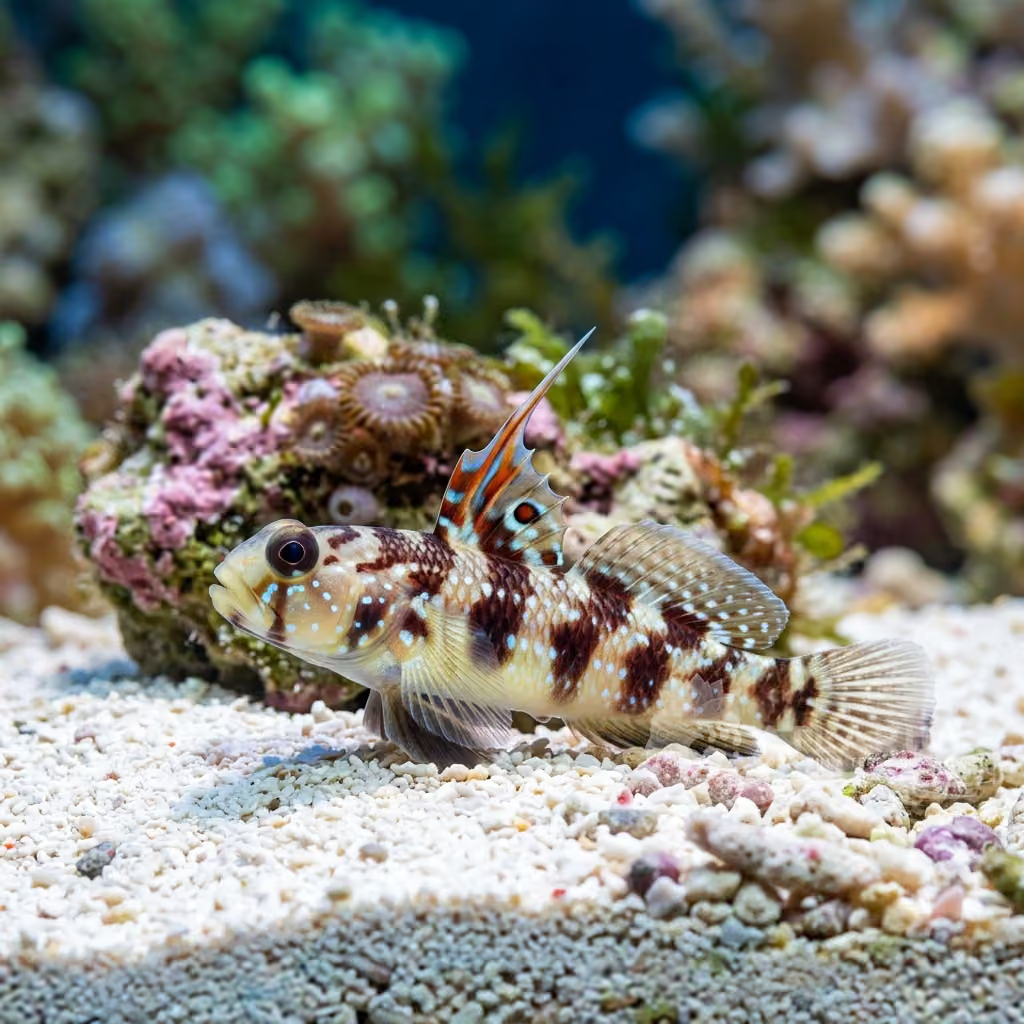
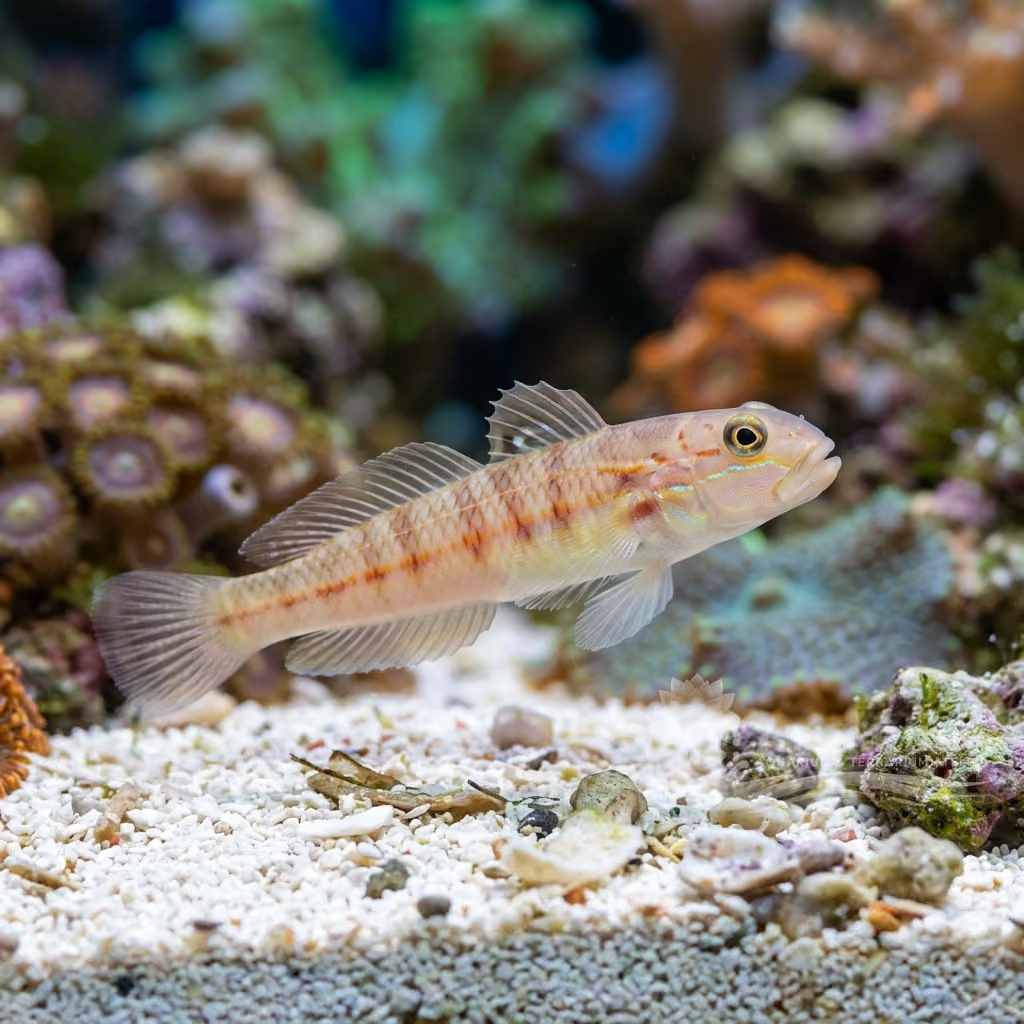
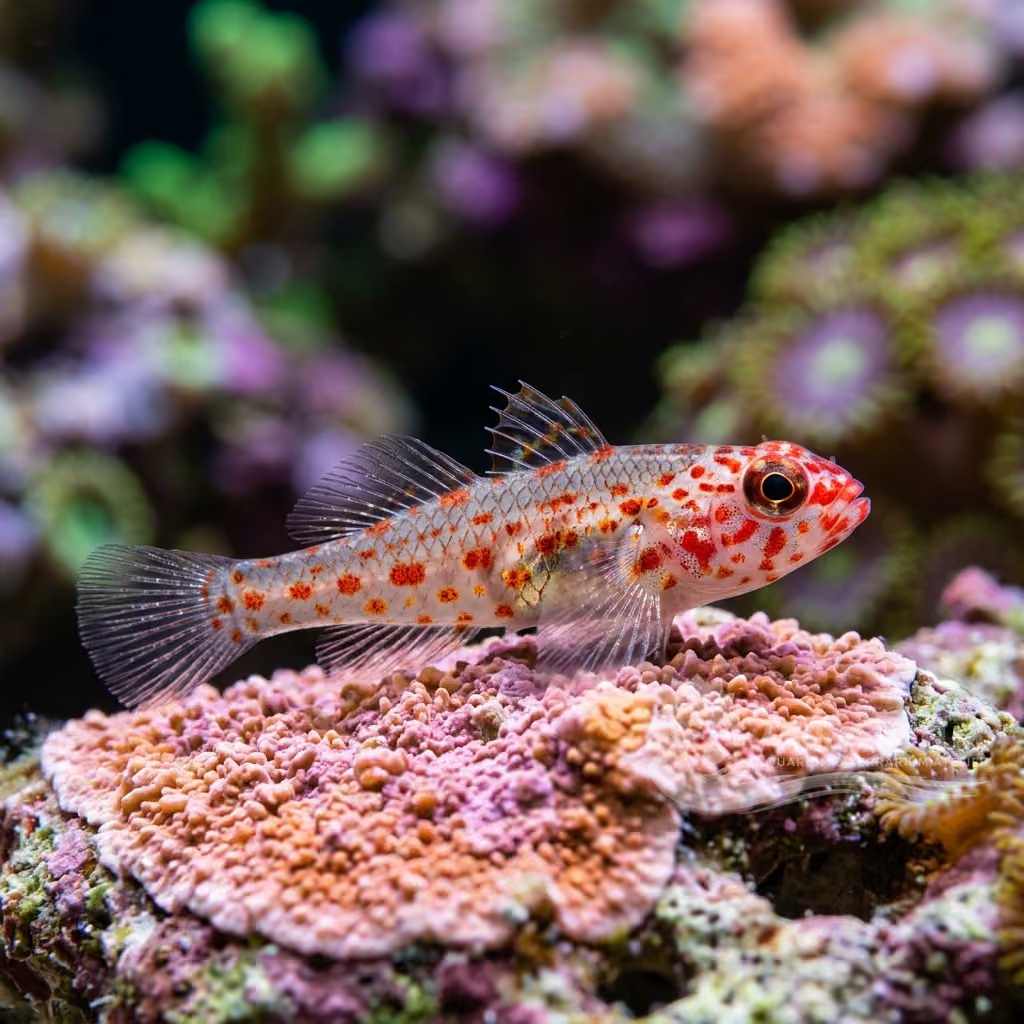
Sporting an electric-yellow stripe originating directly at the snout, this fearless mini-cleaner tends to the parasites of dangerous predators. It prefers sponge habitats and enhances any nano-reef.
Température de l’eau
22 - 27 °C
Valeur du pH
8.1 - 8.4
Type d'eau
Marin
Niveau dans le bac
Fond
Taille adulte
4,5 cm
Volume minimal du bac
>= 40 L
Groupe minimal
>= 1
KH
8 - 12 dKH

Description de l'espèce
Geographical Origin and Habitat: Native to the tropical Western Atlantic Ocean, particularly abundant around the Bahamas, the Florida Keys, the Gulf of Mexico, and throughout the Caribbean Sea. It is typically found in shallow coral reef environments, heavily associated with large tubular sponges and stony corals at depths ranging from 2 to 30 meters.
Taxonomy and Morphology: A member of the Gobiidae family under the genus Elacatinus, commonly referred to as the Yellowprow Goby. It is a miniature fish, reaching a maximum adult size of only 4 to 4.5 centimeters. Like other members of its genus, its pelvic fins are fused into a cup-like suction disk that allows it to cling onto vertical surfaces.
Social Behavior: Highly renowned for its mutualistic cleaning behavior. It sets up cleaning stations on large sponges or prominent rocks, performing a rocking dance to attract host fish. It feeds by nibbling ectoparasites, dead tissue, and mucus from the skin and gills of larger fish, displaying remarkable bravery around potential predators.
Coloration and Sexual Dimorphism: The body color is dark gray to jet black, highlighted by a prominent, electric-yellow stripe that begins at the tip of the snout (the 'prow') and runs horizontally along the upper side of the body to the tail. The belly is pale white. Visual differences between males and females are practically non-existent.

Soins, reproduction et cohabitation
Aquarium Setup: Perfect for nano-reef aquariums starting from 40 liters. The tank should feature live rock and, if possible, branching corals or sponges for the goby to perch on. Provide small cracks and holes where it can seek shelter. A secure lid is recommended, as these tiny fish can jump out of the water if startled by sudden shadows.
Diet and Feeding: While their natural diet consists of ectoparasites cleaned from larger fish, they adapt quickly to aquarium life. They should be fed small, high-quality frozen foods such as copepods, cyclops, lobster eggs, and finely chopped mysis or brine shrimp. They also readily accept micro-granules and high-protein powdered foods.
Water Quality: Requires clean water with stable marine parameters: temperature 22-27°C (72-81°F), pH 8.1-8.4, specific gravity 1.020-1.025. Regular water changes and good filtration are essential to maintain low nutrient levels. They are highly sensitive to ammonia spikes and dissolved copper treatments.
Compatibility and Cohabitation: Extremely peaceful and social, making them perfect candidates for community nano-reefs. They are 100% reef-safe and will not bother corals, clams, or ornamental shrimp. Do not house them with large, predatory fish such as lionfish, groupers, or large wrasses, which may consume them despite their cleaning status.
Aquarium Breeding: Spawning is achievable in home aquariums. They lay adhesive eggs inside small crevices, pipes, or empty shells. The male diligently guards and fans the egg clutch until they hatch, which usually takes about 5 to 7 days. Rearing the tiny larvae requires specialized live foods like rotifers.
Risks and Diseases: The main risk is starvation if introduced to a sterile tank with no other fish and if they reject frozen foods. They are also sensitive to high nitrate levels and skin infections. Avoid copper-based medications in their system, as these chemicals can be lethal to small benthic gobies.

Origine et répartition géographiques
Native to the tropical Western Atlantic Ocean, particularly abundant around the Bahamas, the Florida Keys, the Gulf of Mexico, and throughout the Caribbean Sea. It is typically found in shallow coral reef environments, heavily associated with large tubular sponges and stony corals at depths ranging from 2 to 30 meters.
Origine
Océans tropicaux et récifsAmérique centrale et CaraïbesAmérique du NordEurope, Méditerranée et Asie occidentale

Profil de poisson
- Tempérament
- Territorial
- The {sp} is famous for its bold, industrious, and completely peaceful temperament. Despite its tiny size, it shows no fear of massive fish, eagerly swimming up to clean their gills and scales. It is fascinating to watch it interact with tank mates, setting up cleaning stations and performing its natural duties. It is a highly beneficial and entertaining addition to any marine setup.
- Régime alimentaire
- Carnivore
- While it performs a cleaning function by picking parasites and dead skin off larger fish, this alone cannot sustain it in captivity. Its diet must be heavily supplemented with small, meaty foods like frozen cyclops, baby brine shrimp, and finely chopped mysis. They will also readily accept high-quality micro-pellets and crushed flakes. Ensuring they receive enough food directly is crucial, as they can be outcompeted by faster swimmers.
- Espérance de vie
- 1.5-2 years
- Taille adulte
- 4.5 cm
- Ratio des sexes
- Flexible
- There are no significant visual differences between the sexes, making them difficult to pair based on appearance alone. They can be kept singly or in pairs, though buying an established mated pair is the easiest way to ensure harmony. Two males may fight in smaller tanks, so caution is advised if keeping multiple individuals in a confined space. In large tanks, a small group may establish a peaceful hierarchy.
- Fréquence d'alimentation
- Twice daily
- Because of their small stomachs and high metabolism, they should be fed multiple small meals a day. Two to three targeted feedings are ideal to keep them healthy and active. If kept in a tank with larger fish that they actively clean, they may supplement their own diet, but direct feeding is still necessary. Turning off the flow briefly during feeding helps them catch the food.
- Charge biologique
- Low
- The Elacatinus xanthiprora adds an extremely minimal bioload to the marine aquarium due to its tiny size. It produces almost imperceptible amounts of waste, making it perfect for nano reefs or heavily stocked larger tanks. Regular, standard filtration systems will handle its biological impact without any issues. It is one of the most environmentally friendly fish to keep in terms of water quality management.
- Courant
- Moderate
- They prefer moderate water flow that allows them to swim easily between their perching spots. Too strong a current can blow them around, making it difficult for them to establish a cleaning station or catch food. They often sit on prominent rocks or coral heads in areas of gentle flow to advertise their cleaning services. Ensure there are low-flow crevices for them to sleep in at night.
- Risque de saut
- Yes
- Like most gobies, the {sp} is a known jumper, especially when startled by a sudden movement or aggressive tank mate. Because of their tiny, slender bodies, they can find their way through remarkably small gaps in an aquarium canopy. A perfectly fitted mesh screen lid is an absolute requirement to keep them safe. Uncovered tanks will almost inevitably result in the fish jumping out over time.
- Reproduction
- Oviparous
- This species can be bred in the home aquarium with dedicated effort and proper conditioning. The female lays a clutch of adhesive eggs in a small cave or crevice, which the male then aggressively guards until they hatch. The primary challenge lies in rearing the extremely tiny fry, which require microscopic live foods like rotifers immediately after hatching. Successful breeding often requires a dedicated rearing tank.
- Compatibilité et compagnons
- Peaceful
- This goby is exceptionally peaceful and completely reef-safe, making it a stellar community fish. In the wild, it operates as a cleaner fish, and larger predatory fish in the aquarium will often recognize this and allow it to clean them. It gets along with almost all peaceful and even moderately aggressive fish that respect its cleaner status. It will not bother corals, clams, or small ornamental shrimp.
- Niveau dans le bac
- Bottom
- This goby is a benthic species that spends most of its time perched on live rock, corals, or the glass. It establishes a specific territory, often a prominent 'cleaning station', where it waits for other fish to approach. It rarely swims in the open water column unless darting out to grab a piece of food. You will often see it clinging vertically to the aquarium glass or tank decor.

Modèles et paramètres scientifiques
FishBase
Fenêtre sur les données scientifiques officielles de l’espèce
FishBase v25.04Données synchronisées le : 15/06/2026
- Niveau trophique
- 3,4 ± 0,3 se
- Résilience
- Élevée (moins de 15 mois)
- Singularité phylogénétique (PD50)
- 0.5
- Relation bayésienne longueur-poids
- a = 0.01023, b = 3.01
- VulnérabilitéVulnérabilité faible (10 / 100)

Espèces associées
Recommandations regroupées par proches parents, compagnons et soins similaires.