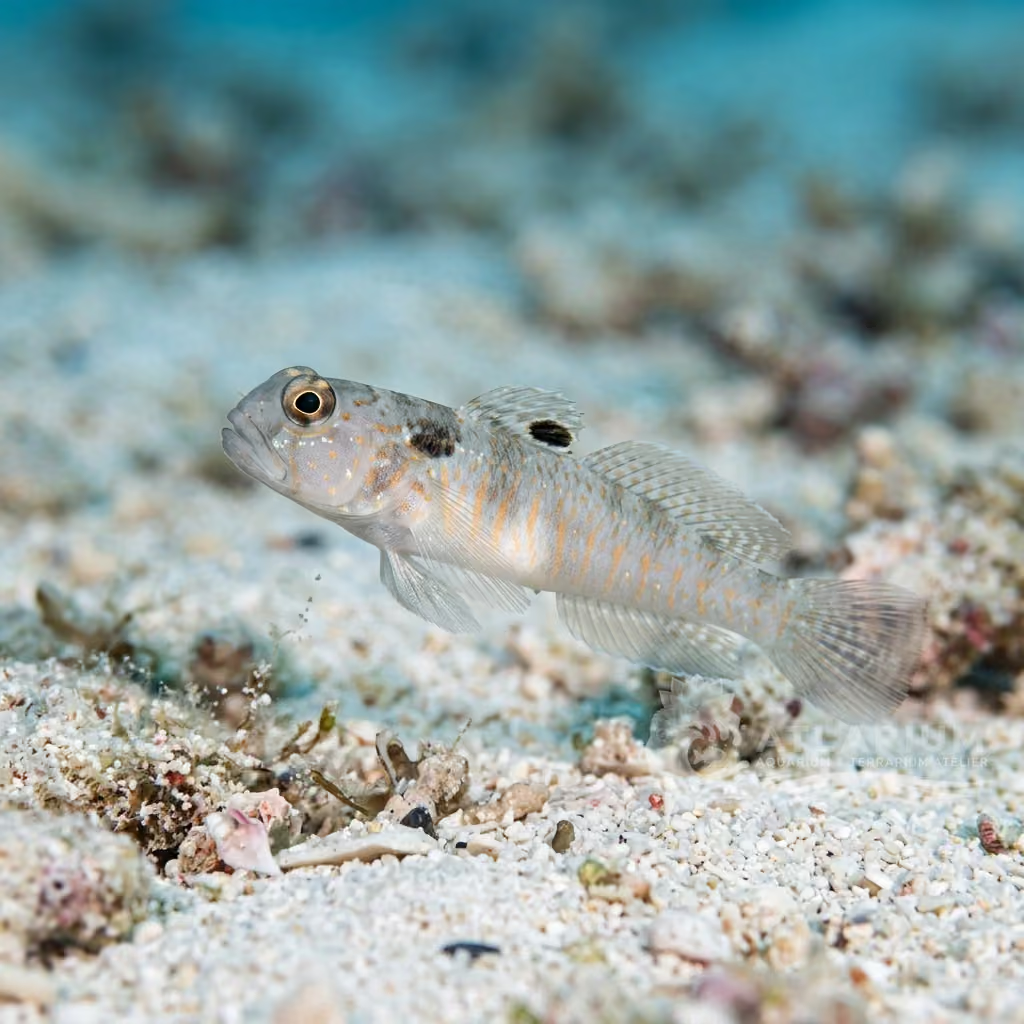
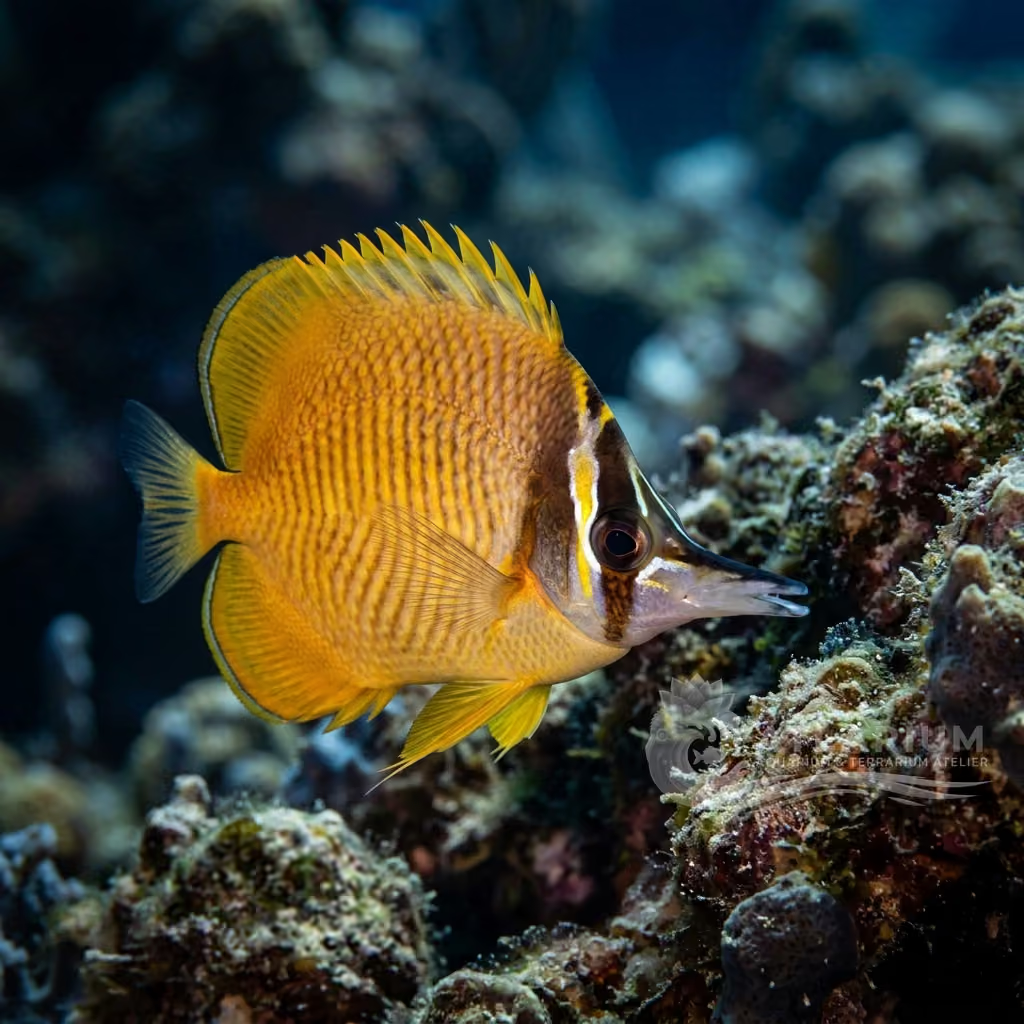
Spotted Coral Goby
Gobiodon spilophthalmus
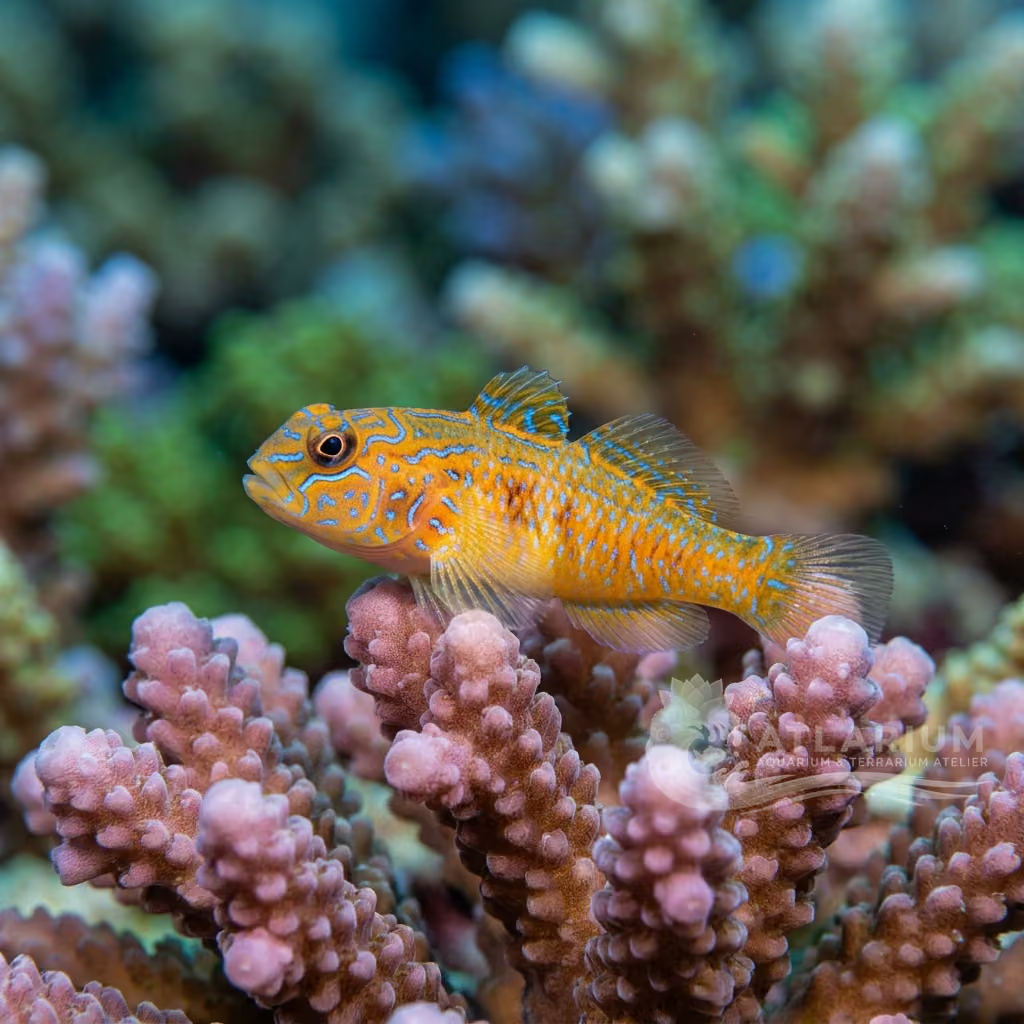
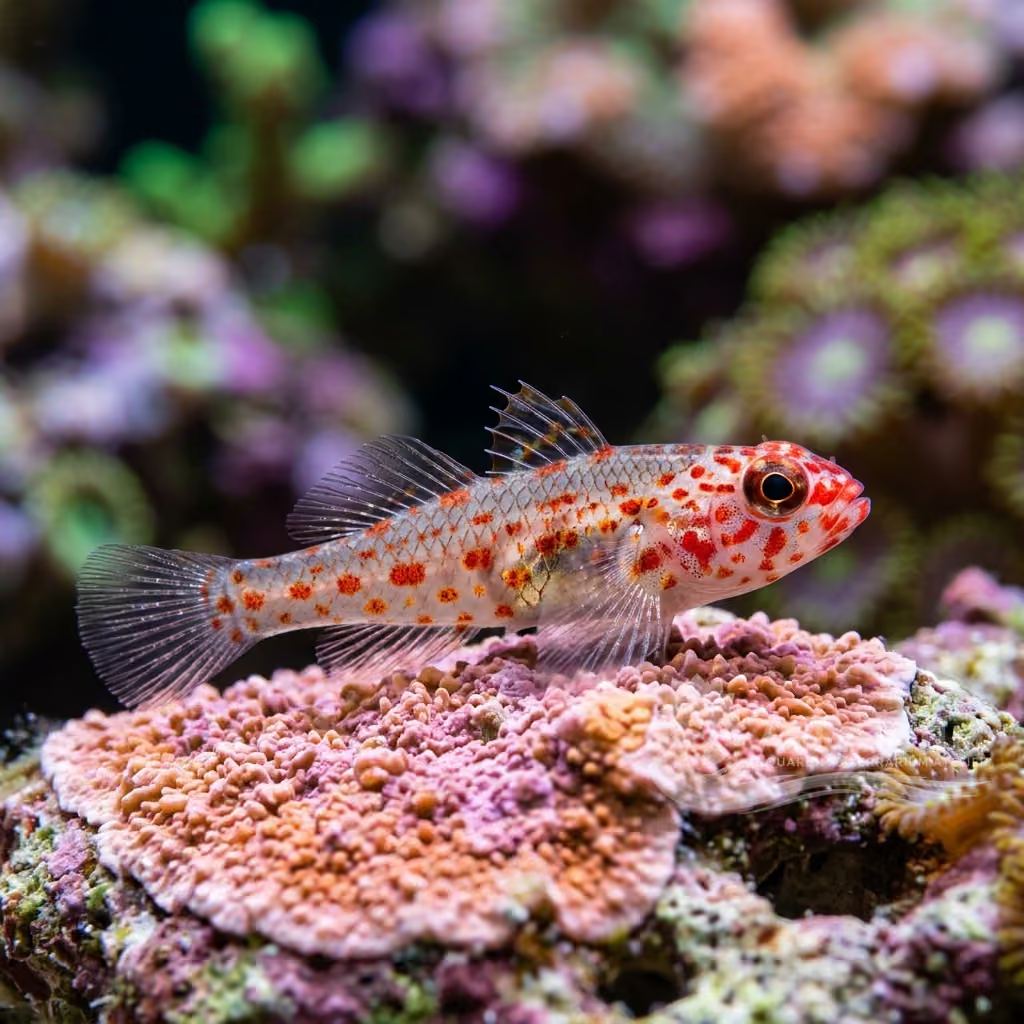
The Spotted Coral Goby is a tiny, sedentary fish with dark spots that perches in Acropora corals. Ideal for nano-reefs, it requires live branching SPS corals and frequent feeding of fine meaty foods.
Température de l’eau
22 - 27 °C
Valeur du pH
8 - 8.4
Type d'eau
Marin
Niveau dans le bac
Tous les niveaux
Taille adulte
4 cm
Volume minimal du bac
>= 40 L
Groupe minimal
>= 1
KH
8 - 12 dKH

Description de l'espèce
Geographical Origin and Habitat: Gobiodon spilophthalmus is native to the Western Pacific Ocean, with records spanning from southern Japan down to the Great Barrier Reef in Australia. It is a obligate coral-dwelling species, inhabiting branches of Acropora stony corals in shallow, sunlit coastal reefs and lagoons at depths under 15 meters.
Taxonomy and Morphology: A member of the Gobiidae family and the genus Gobiodon (commonly known as coral gobies). It has a stout, laterally compressed body, lacking scales. Instead, it is covered in a thick, toxic skin mucus that deters predators. It features a large, blunt head and small eyes. Adults reach a tiny maximum size of 4 cm.
Social Behavior: Peaceful, sedentary, and territorial toward conspecifics. It spends its entire life perched within the branches of a single Acropora colony, protecting its chosen coral from competitors. The toxic mucus on its body makes it unpalatable to larger predatory fish, allowing it to sit exposed.
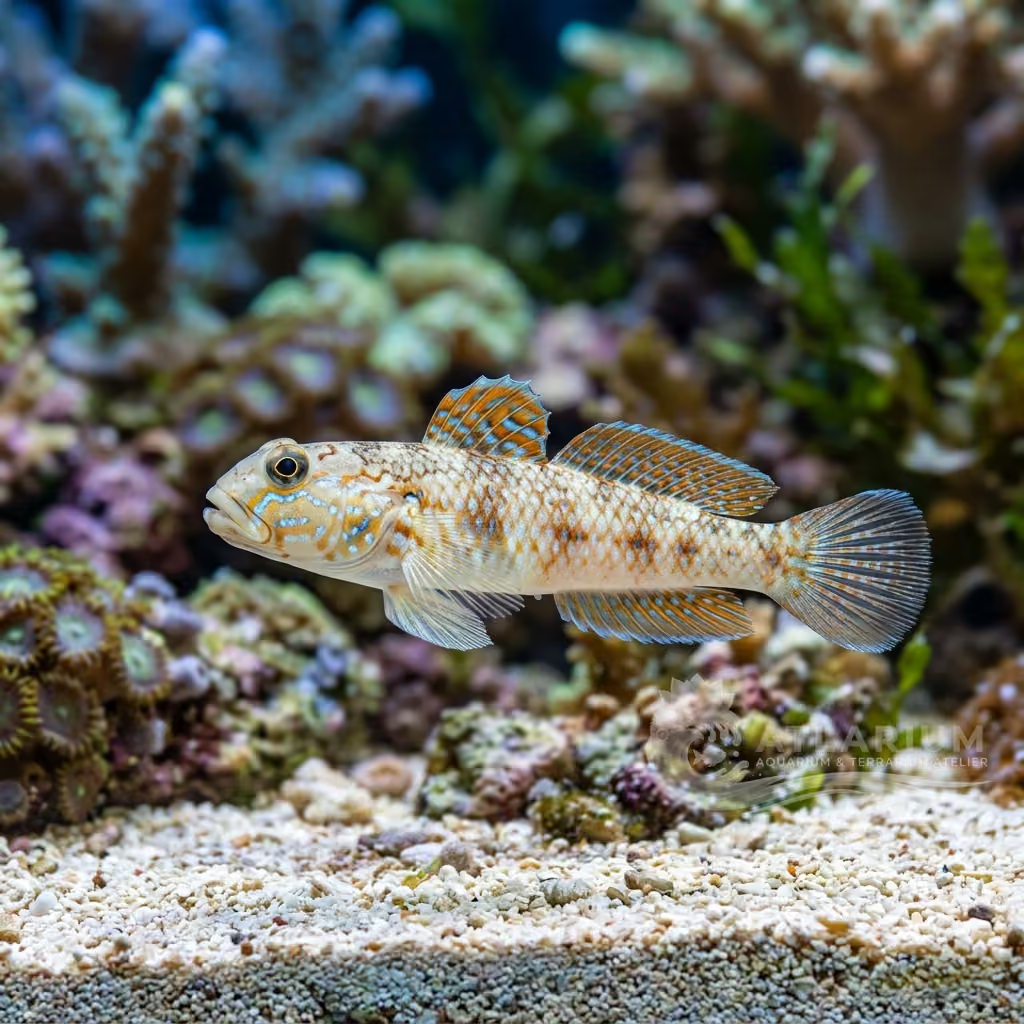
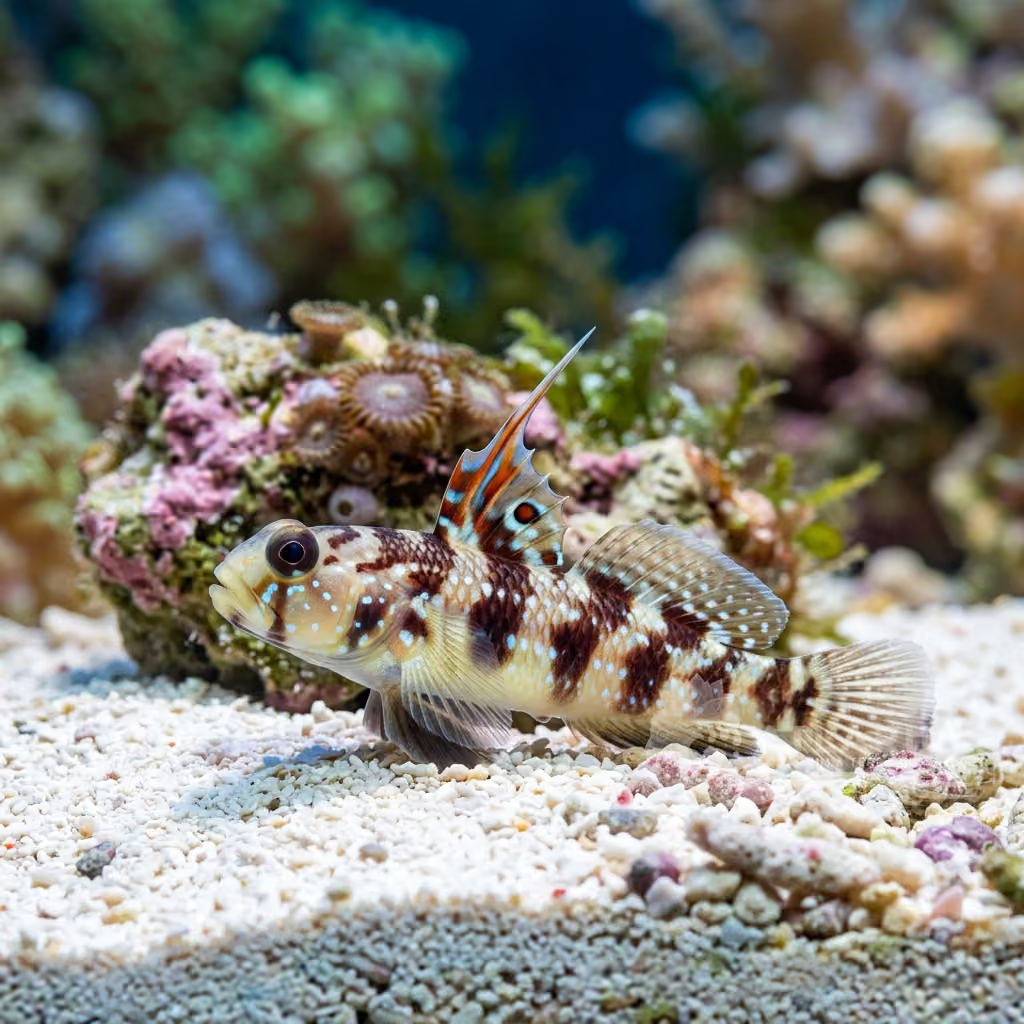
Coloration and Sexual Dimorphism: Body coloration is light greyish-brown to pale olive green, covered with tiny red, orange, or dark dots on the head and front half of the body, particularly around the eyes. Visual sexual dimorphism is absent; the species is a bi-directional hermaphrodite.

Soins, reproduction et cohabitation
Aquarium Setup: Perfect for small nano-reefs starting at 30-50 liters. It is mandatory to provide live branching Acropora corals or similar SPS skeletons for the fish to perch on and call home. Provide excellent filtration and gentle to moderate water flow, ensuring no fast currents blow them off the coral.
Diet and Feeding: A micro-carnivore. While they feed on coral mucus and polyps in the wild, in captivity they accept fine frozen foods (cyclops, newly hatched brine shrimp, lobster eggs, and minced mysis). Due to their small mouth and fast metabolism, feed them 2 to 3 times daily in small portions.
Water Quality: Requires stable, pristine reef parameters to support both the goby and its host coral: water temperature 24-27°C, pH 8.1-8.4, specific gravity (SG) 1.022-1.025, and near-zero nitrates. Conduct regular water changes and monitor parameters closely to ensure stability.
Compatibility and Cohabitation: Completely peaceful toward other tankmates. Keep with small, non-aggressive species like sand gobies, blennies, and firefish. It might occasionally nip at the polyps of its host Acropora, but this rarely harms a healthy coral colony. Avoid large predatory fish that might eat it despite the toxic mucus.
Aquarium Breeding: Captive breeding has been achieved. The pair lays a ring-shaped clutch of adhesive eggs around a coral branch after stripping a small area of tissue. The male guards and fans the eggs until hatching. Raising the tiny, primitive larvae requires specialized, small live feeds like rotifers.
Risks and Diseases: Starvation is the biggest risk, as they are easily outcompeted for food by faster swimming fish. They are highly sensitive to copper-based medications and sudden salinity changes. Ensure all rockwork and corals are securely anchored to prevent the goby from being crushed.

Origine et répartition géographiques
Gobiodon spilophthalmus is native to the Western Pacific Ocean, with records spanning from southern Japan down to the Great Barrier Reef in Australia. It is a obligate coral-dwelling species, inhabiting branches of Acropora stony corals in shallow, sunlit coastal reefs and lagoons at depths under 15 meters.
Origine
Océans tropicaux et récifsAsie de l'EstAustralie, Nouvelle-Guinée et Océanie

Profil de poisson
- Tempérament
- Semi-aggressive
- Their temperament is docile, shy, and highly observant. They rarely bother other tank inhabitants. However, two males in a small tank will fight fiercely.
- Régime alimentaire
- Carnivore
- The diet is exclusively carnivorous, focusing on small prey. Frozen cyclopods and enriched baby brine shrimp are perfect. Flake foods are rarely accepted by this specialized feeder.
- Espérance de vie
- 2-5 years
- Taille adulte
- 4 cm
- Ratio des sexes
- Flexible
- Like its relatives, it can change sex to form pairs. Two juveniles will naturally determine their gender roles. It is best to keep them strictly as a bonded pair.
- Fréquence d'alimentation
- 2-3 times daily
- Feed them multiple tiny portions two to three times daily. Their short digestive tracts demand a steady caloric intake. Spot feeding ensures they are not outcompeted for food.
- Charge biologique
- Low
- This rare goby carries an incredibly low bioload. It is ideally suited for nano aquariums with sensitive corals. Routine water changes easily manage its microscopic waste.
- Courant
- Moderate
- They favor moderate flow that brings food directly to them. Too much flow will force them to hide continuously. A gentle reef current is their optimal environment.
- Risque de saut
- Yes
- Jump risk is inherently low but not zero. They instinctively dive deeper into the rockwork when startled. Always employ a mesh lid to prevent unfortunate accidents.
- Reproduction
- Oviparous
- They strip tissue from SPS corals to lay their eggs. The male rigorously guards the resulting egg clutch. Successfully breeding and rearing them in captivity is very uncommon.
- Compatibilité et compagnons
- Community
- It is deeply peaceful towards other marine species. It makes a perfect companion for passive nano-fish like firefish. Keep it away from anything large enough to swallow it.
- Niveau dans le bac
- All levels
- They are mid to high-level dwellers by nature. They cling tenaciously to branching corals or prominent rocks. They have absolutely no need for open sand beds.

Modèles et paramètres scientifiques
FishBase
Fenêtre sur les données scientifiques officielles de l’espèce
FishBase v25.04Données synchronisées le : 15/06/2026
- Niveau trophique
- 3,3 ± 0,4 se
- Résilience
- Élevée (moins de 15 mois)
- Singularité phylogénétique (PD50)
- 0.5
- Relation bayésienne longueur-poids
- a = 0.01023, b = 3.01
- VulnérabilitéVulnérabilité faible (10 / 100)

Espèces associées
Recommandations regroupées par proches parents, compagnons et soins similaires.