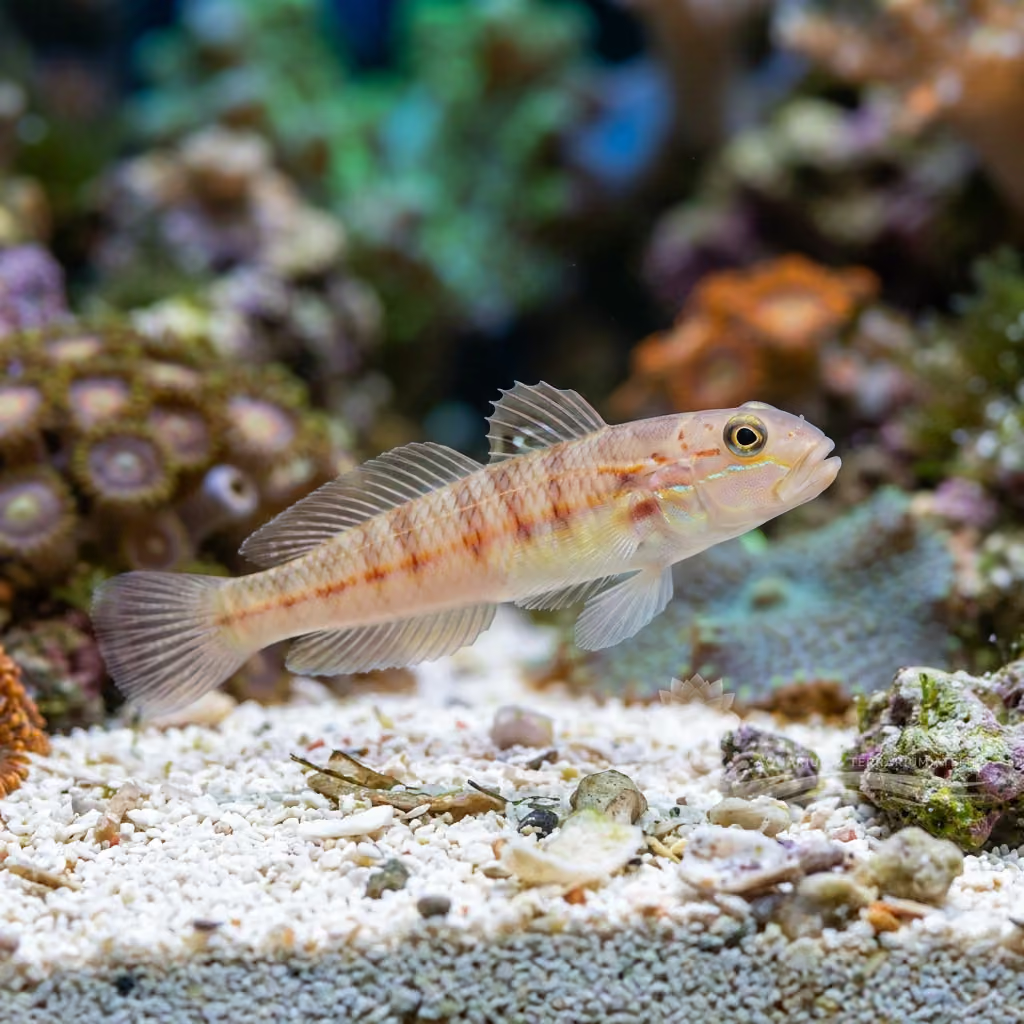
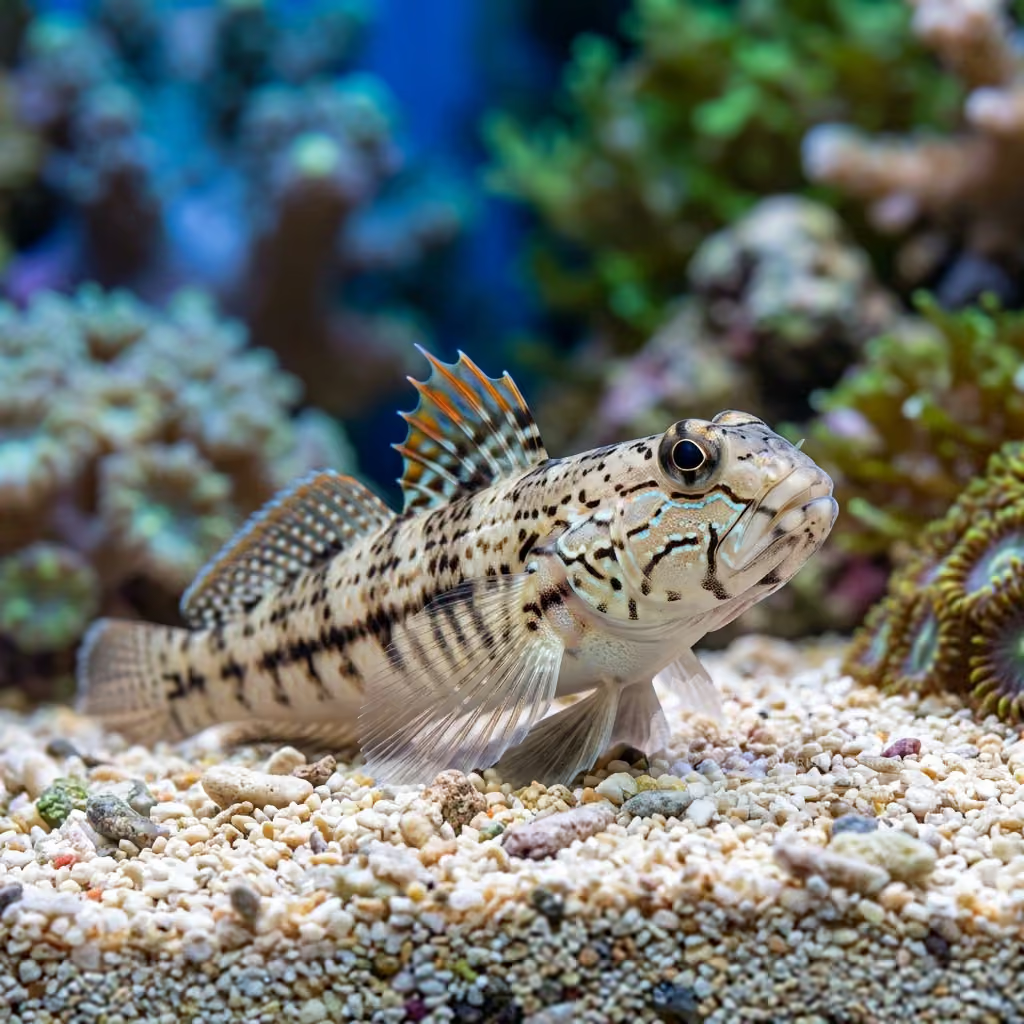
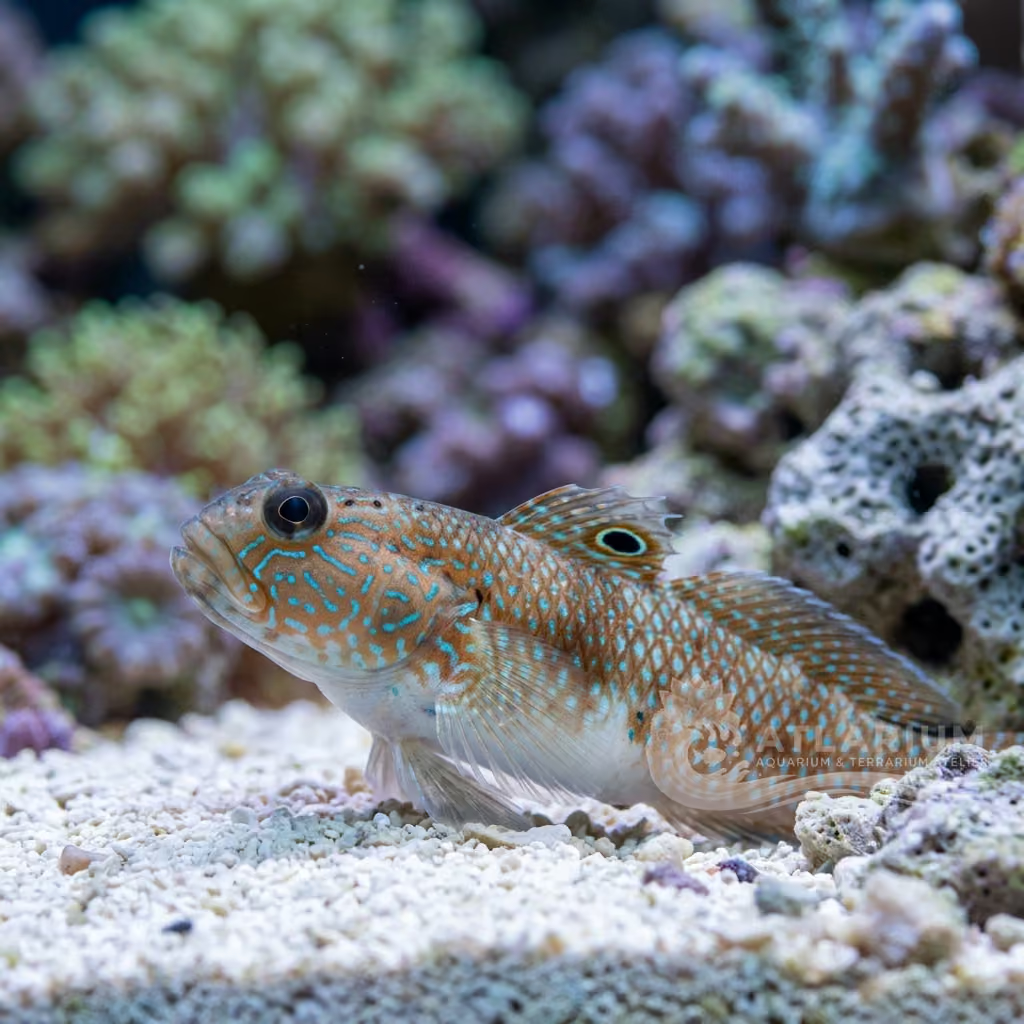
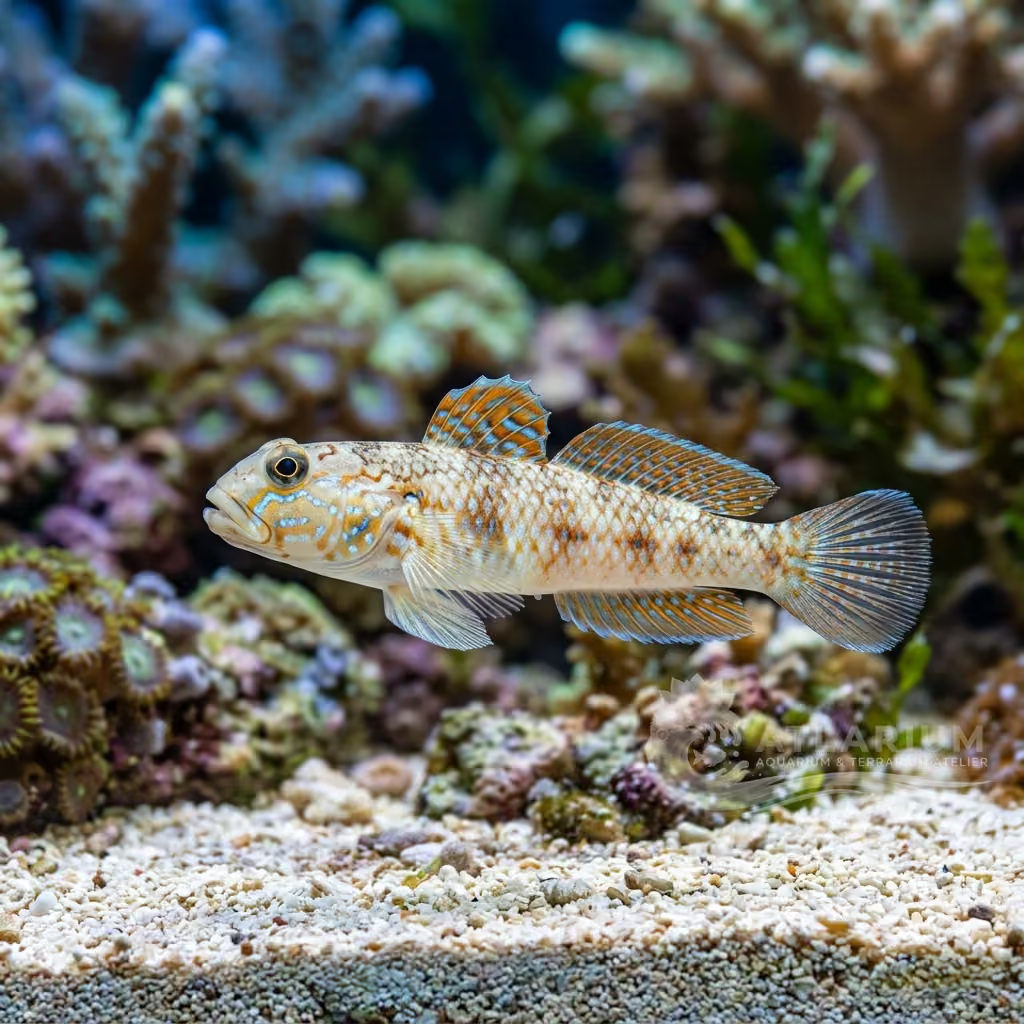
Twinspot goby
Signigobius biocellatus
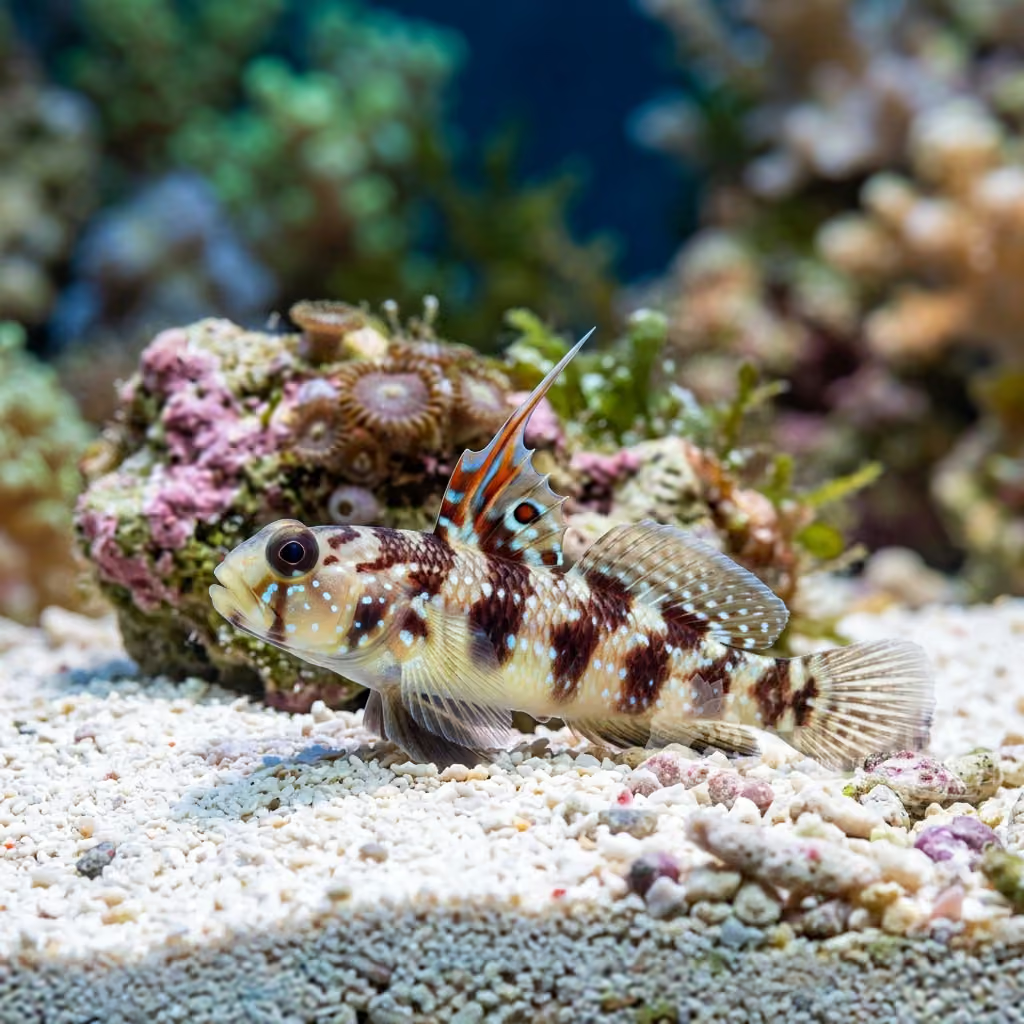
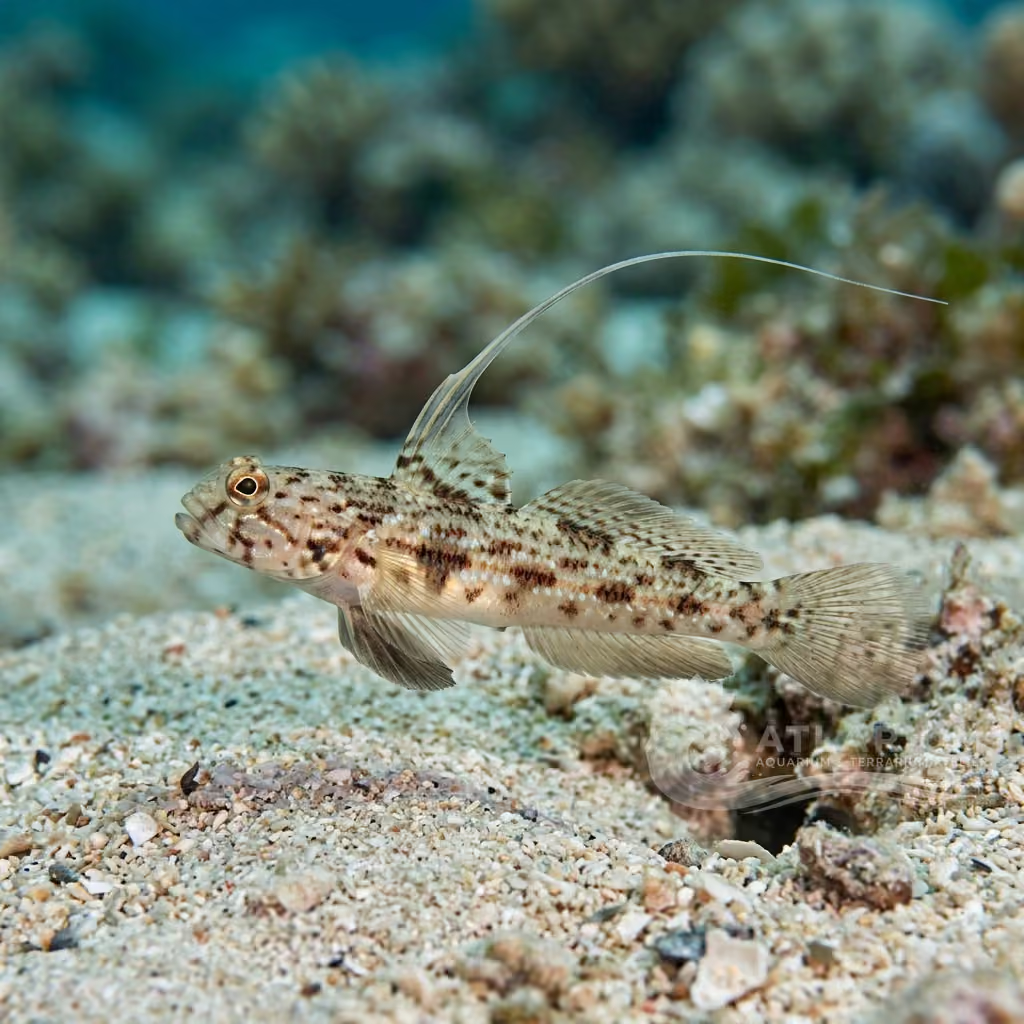
Known as the Twinspot Goby, this marine fish mimics a crab's eyes using large dorsal ocelli. It continuously sifts fine sand for microfauna and is best kept in monogamous pairs in mature reefs.
Température de l’eau
22 - 26 °C
Valeur du pH
8.1 - 8.4
Type d'eau
Marin
Niveau dans le bac
Fond
Taille adulte
7 cm
Volume minimal du bac
>= 100 L
Groupe minimal
>= 1
KH
8 - 12 dKH

Description de l'espèce
Geographical Origin and Habitat: Signigobius biocellatus, commonly known as the Twinspot or Crab-eyed goby, is native to the tropical western Pacific Ocean, including Indonesia, the Philippines, Papua New Guinea, the Solomon Islands, and the Great Barrier Reef. It inhabits sheltered lagoons, silty bays, and sandy patches close to coral reefs at depths of 1 to 15 meters, where fine sediment accumulates.
Taxonomy and Morphology: Belonging to the family Gobiidae, it is the sole member of the genus Signigobius, making it a monotypic taxon. The body is elongated, slightly compressed, and reaches a maximum size of 6.5 centimeters. The head is rounded with prominent, upward-facing eyes, and the two high dorsal fins feature large, distinct ocelli.
Social Behavior: Almost always found in highly compatible, monogamous pairs. They spend their days hovering just above the sandy substrate or filtering it for food. They display a unique hopping swimming pattern that mimics the defensive posture of a small crab, which helps deter predators. They retreat into shared sand burrows at night.
Coloration and Sexual Dimorphism: The body color is white to light beige, covered in reddish-brown spots and irregular bars. Its double dorsal fins carry two large black ocelli ringed in bright orange-yellow. Sexual dimorphism is not outwardly visible, though females carrying eggs will develop a noticeably rounder abdomen before spawning.

Soins, reproduction et cohabitation
Aquarium Setup: Demands a mature reef tank of at least 100 liters with a large sand footprint. A deep sand bed (at least 5 cm) composed of fine, live aragonite sand is mandatory for their survival. All rockwork must be secured directly to the bottom glass to prevent collapses due to their burrowing and tunneling activities.
Diet and Feeding: Notoriously difficult to feed, with a high risk of starvation in home aquariums. They feed solely on microscopic infauna (copepods, small worms) by sifting mouthfuls of sand. They must be fed multiple times daily with live copepods, rotifers, and finely chopped frozen foods (mysis) delivered close to their burrow.
Water Quality: Requires pristine, stable marine parameters: temperature of 24-27 °C, pH of 8.1-8.4, specific gravity of 1.022-1.025, and zero ammonia and nitrite. Nitrate and phosphate levels must be kept minimal. Efficient protein skimming and moderate water flow are needed to maintain high dissolved oxygen levels.
Compatibility and Cohabitation: Extremely shy and peaceful. They should never be housed with aggressive, fast-moving, or larger fish (such as large tangs, dottybacks, or aggressive wrasses) that will outcompete them for food or keep them in hiding. Ideal tankmates include pipefish, small firefish, and peaceful micro-gobies.
Aquarium Breeding: Spawning in captivity occurs but raising the fry is exceptionally challenging. The pair spawns inside their sand burrow, and the male seals the entrance to protect and fan the eggs until they hatch. Rearing the pelagic, microscopic larvae requires specialized live microfoods and dedicated larval tanks.
Risks and Diseases: Starvation due to a lack of live sand microfauna is the primary cause of death. They are highly susceptible to marine ich (Cryptocaryon) and skin velvet when stressed by poor acclimation or temperature fluctuations. They have low tolerance for copper-based medications, which should be avoided if possible.

Origine et répartition géographiques
Signigobius biocellatus, commonly known as the Twinspot or Crab-eyed goby, is native to the tropical western Pacific Ocean, including Indonesia, the Philippines, Papua New Guinea, the Solomon Islands, and the Great Barrier Reef. It inhabits sheltered lagoons, silty bays, and sandy patches close to coral reefs at depths of 1 to 15 meters, where fine sediment accumulates.
Origine
Océans tropicaux et récifsAfrique et MadagascarAsie du Sud et du Sud-EstAustralie, Nouvelle-Guinée et Océanie

Profil de poisson
- Tempérament
- Peaceful
- They are extremely timid, delicate, and peaceful fish. Their primary defense mechanism is the pair of large eye-spots on their dorsal fins, which they display to deter predators. They require a quiet, stress-free environment to thrive in captivity.
- Régime alimentaire
- Carnivore
- They are obligate sand-sifters that extract micro-fauna, copepods, and detritus from the substrate. In the aquarium, their diet must be heavily supplemented with frozen mysis, baby brine shrimp, and sinking micropellets. It is notoriously difficult to get them to accept prepared foods, requiring a mature, established sand bed.
- Espérance de vie
- 2-4 years
- Taille adulte
- 7 cm
- Ratio des sexes
- Flexible
- They do very poorly as single specimens and should almost exclusively be purchased and kept as a bonded pair. Two unpaired individuals of the same sex may fight, or one may simply waste away. Finding a pre-bonded pair is highly recommended for long-term success.
- Fréquence d'alimentation
- 3-4 times daily
- They continuously forage throughout the day by taking mouthfuls of sand and filtering out edible matter. Target feeding them multiple times a day is usually required to prevent starvation. Use a pipette to gently blow food directly into their vicinity.
- Charge biologique
- Low to Medium
- The Twinspot Goby produces a very low bioload due to its small size and efficient metabolism. They are sand-sifters that help keep the substrate clean by consuming micro-fauna and detritus. Standard reef filtration is more than capable of handling their minimal waste.
- Courant
- Moderate
- They prefer low to moderate water flow near the bottom of the aquarium. High flow can stir up their fine sand bed and make it difficult for them to feed effectively. Gentle, indirect currents are best for keeping their environment stable.
- Risque de saut
- No
- Reproduction
- Oviparous
- Breeding has been occasionally documented in home aquariums when a bonded pair is present. They construct an intricate burrow where the female lays her eggs. Both parents are intensely involved in guarding the burrow and maintaining its structural integrity.
- Compatibilité et compagnons
- Peaceful
- They are incredibly peaceful and must be kept with other highly peaceful, non-aggressive tank mates. Aggressive or boisterous fish will outcompete them for food and cause them to starve. They are completely reef safe and will not harm any corals or decorative invertebrates.
- Niveau dans le bac
- Bottom
- They are exclusively bottom dwellers that rely on a deep, fine sand bed for their survival. They rarely, if ever, swim up into the water column. They will spend their entire day hovering just above the sand, sifting it through their gills.

Modèles et paramètres scientifiques
FishBase
Fenêtre sur les données scientifiques officielles de l’espèce
FishBase v25.04Données synchronisées le : 15/06/2026
- Niveau trophique
- 3,5 ± 0,37 se
- Résilience
- Élevée (moins de 15 mois)
- Singularité phylogénétique (PD50)
- 1
- Relation bayésienne longueur-poids
- a = 0.01023, b = 3.01
- VulnérabilitéVulnérabilité faible (10 / 100)

Espèces associées
Recommandations regroupées par proches parents, compagnons et soins similaires.