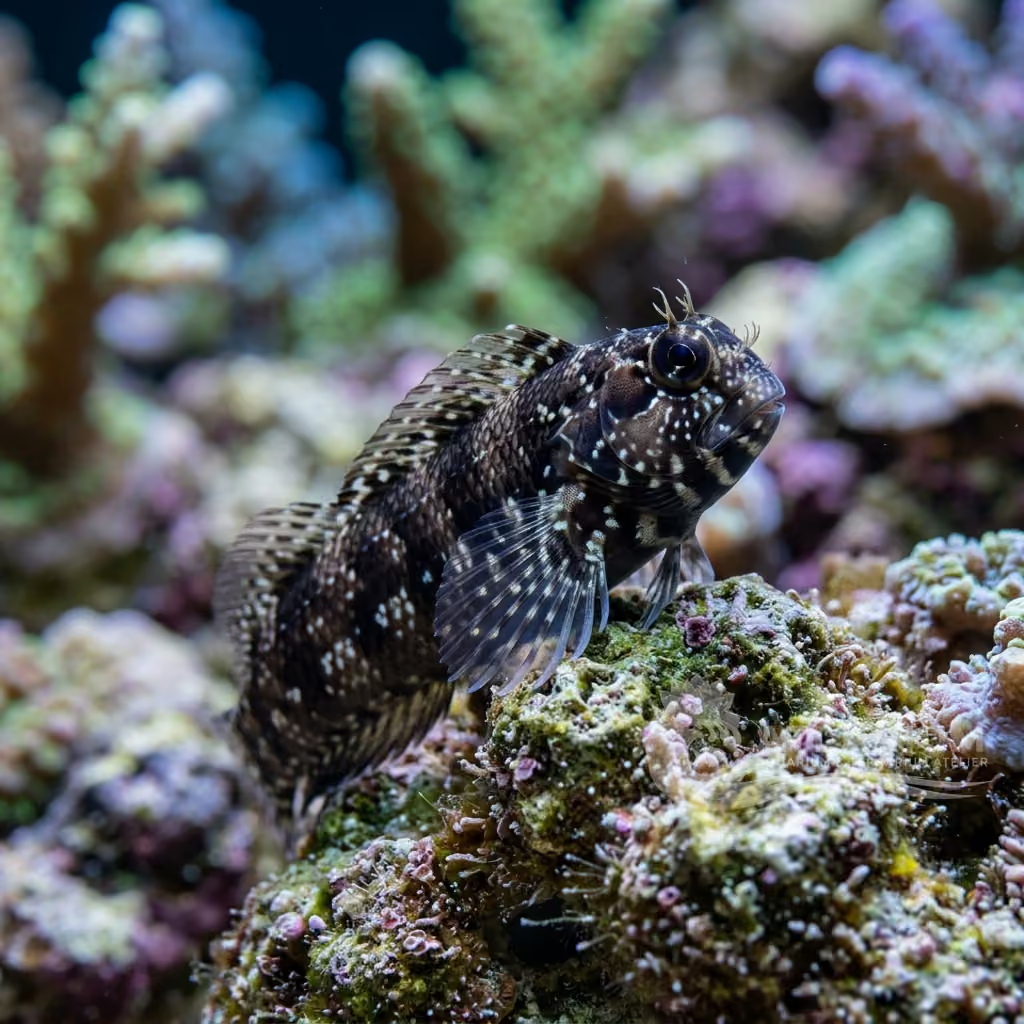
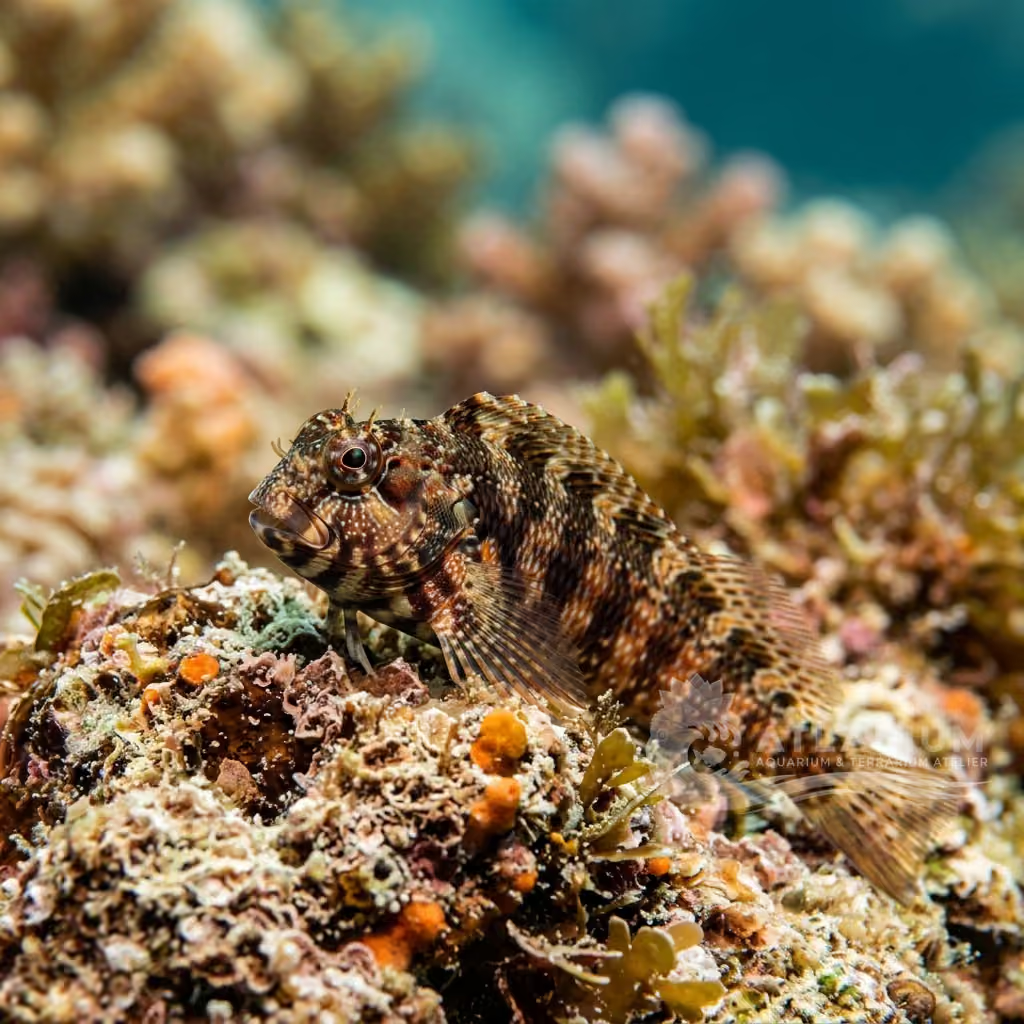
Queensland Blenny
Ecsenius mandibularis
Native to the Great Barrier Reef, this peaceful and entertaining marine blenny is highly valued as a microalgae grazer, adding both utility and lively charm.
Température de l’eau
22 - 26 °C
Valeur du pH
8.1 - 8.4
Type d'eau
Marin
Niveau dans le bac
Fond et milieu
Taille adulte
6 cm
Volume minimal du bac
>= 80 L
Groupe minimal
>= 1

Description de l'espèce
Geographical Origin and Habitat: Endemic to the coastal waters of eastern Australia, specifically found throughout the Great Barrier Reef in Queensland. It inhabits shallow coral reefs, lagoons, and sheltered inner reefs rich in algae growth.
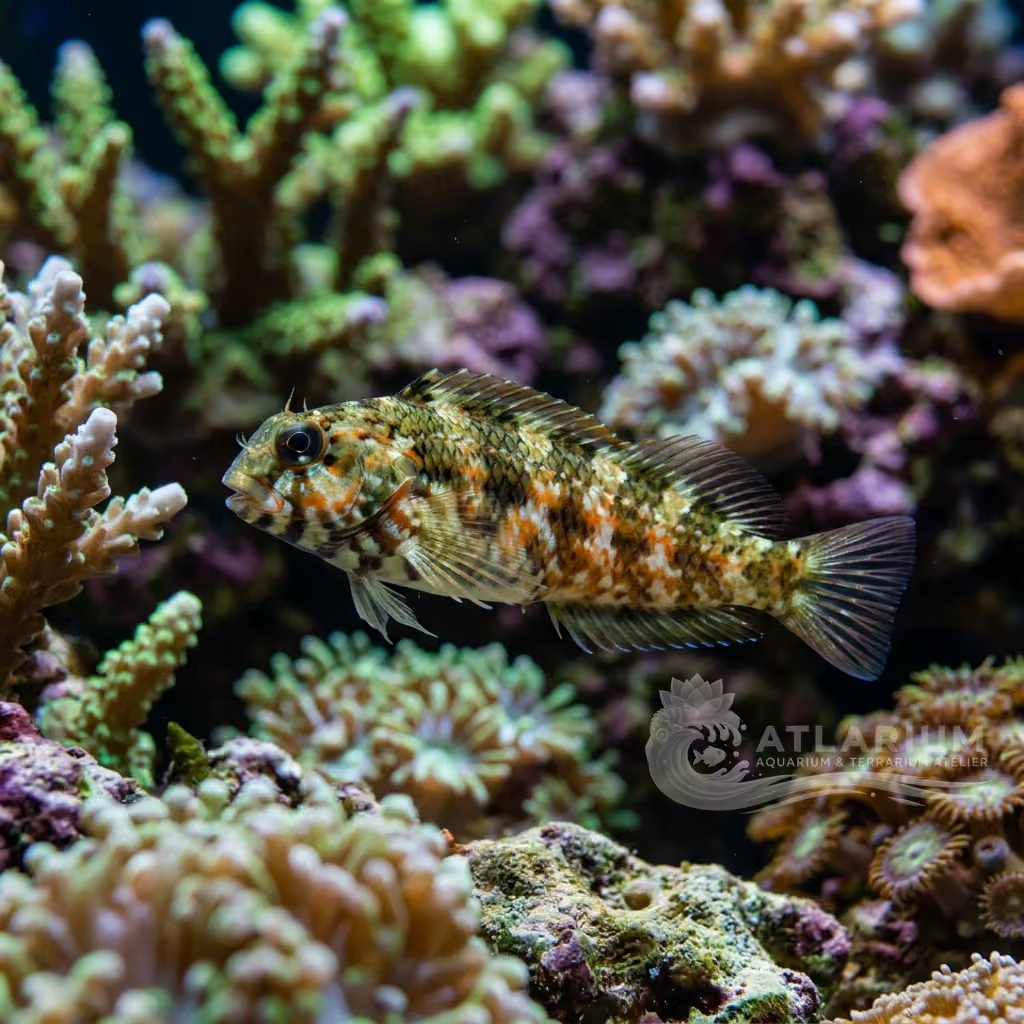
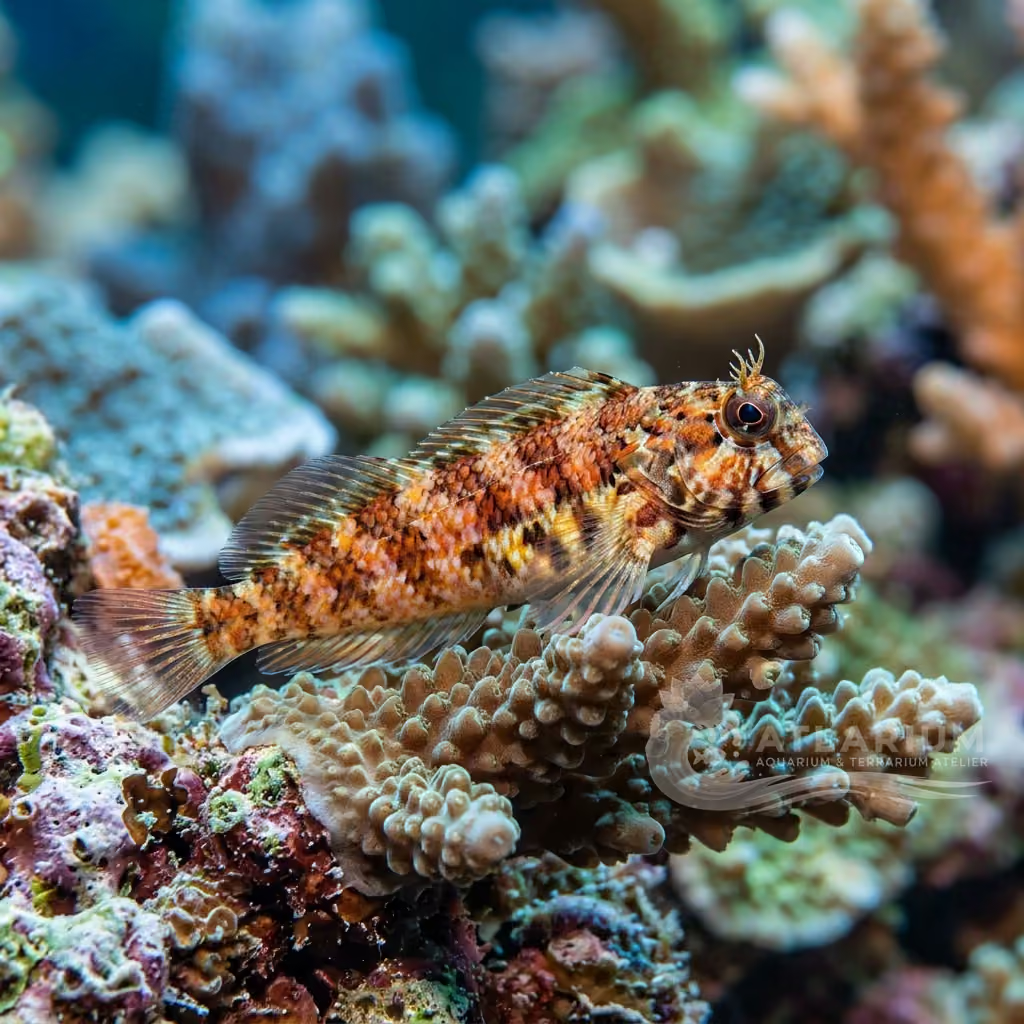
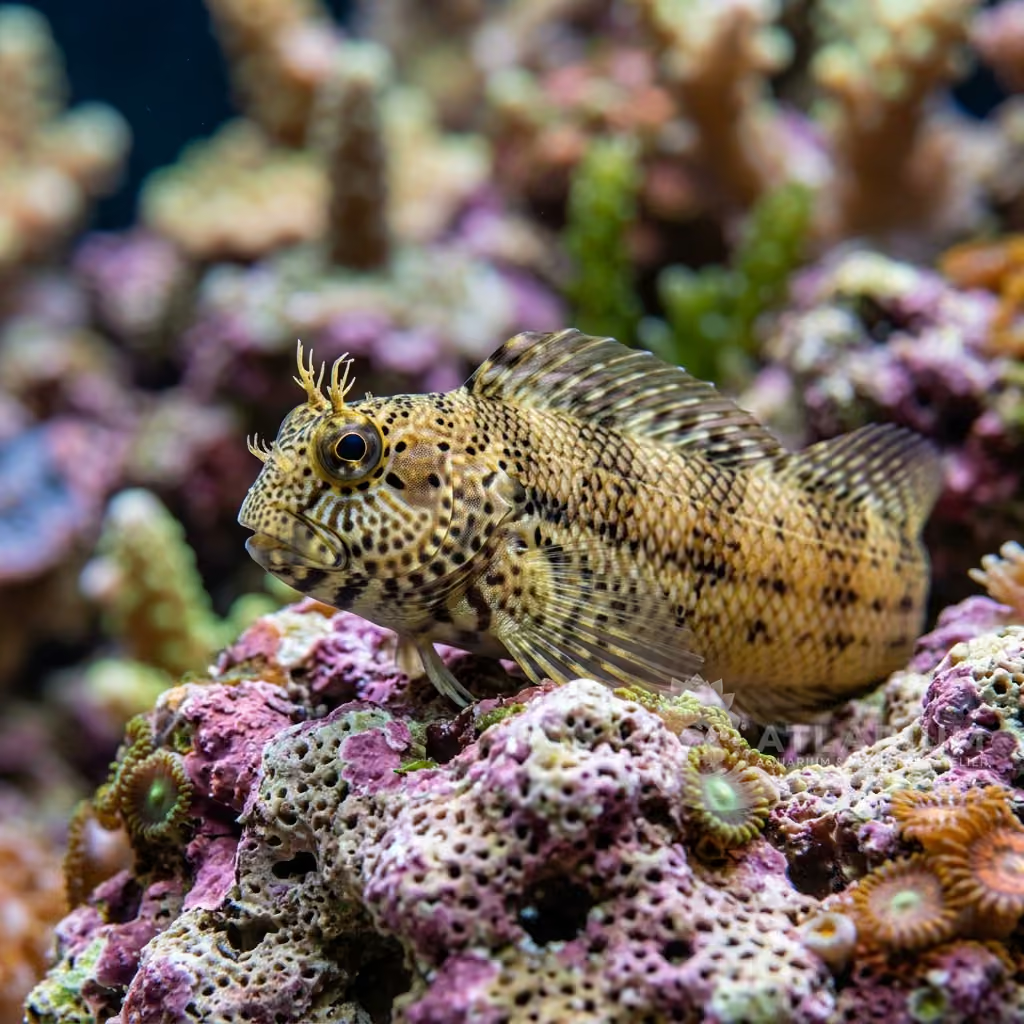
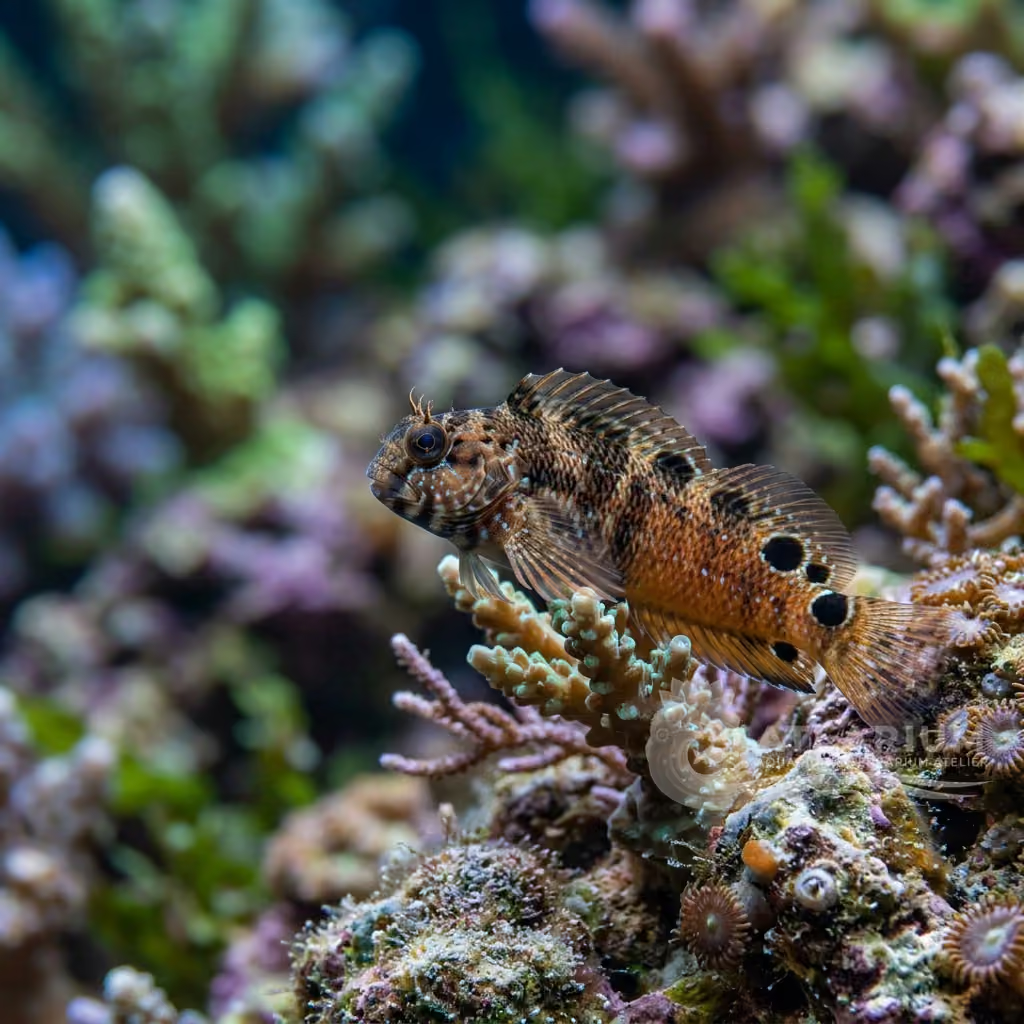
Taxonomy and Morphology: Belongs to the family Blenniidae and the genus Ecsenius. It reaches a maximum adult length of about 6 to 7 centimeters. Features a blunt head with large mobile eyes and specialized comb-like teeth used for scraping algae off rocks.
Social Behavior: Peaceful toward most tankmates, but exhibits territorial behavior toward conspecifics and similar blenny species. It is famous for its comical behavior, perching on rocks and backing into tight holes to watch the aquarium.
Coloration and Sexual Dimorphism: Body is pale greyish-brown to olive, covered with rows of small light and dark spots along the sides. Adult males are slightly larger and may develop longer filaments on the caudal fin lobes compared to females.

Soins, reproduction et cohabitation
Aquarium Setup: An aquarium of at least 80 liters is recommended. Provide extensive live rock arrangements with multiple small caves and crevices. The rocks are essential for both shelter and supporting natural microalgae growth.
Diet and Feeding: Herbivore and detritivore. Primarily grazes on microalgae and biofilm on live rock; in captivity, they must be offered spirulina flakes, algae wafers, nori sheets, and frozen herbivore preparations, with occasional mysis.
Water Quality: Requires standard marine conditions: water temperature of 22-27 °C, pH of 8.1-8.4, and specific gravity of 1.020-1.025. Ensure efficient biological filtration and moderate water movement to keep dissolved oxygen high.
Compatibility and Cohabitation: Reef-safe. Highly compatible with peaceful reef fish such as clownfish, gobies, wrasses, and anthias. Do not house with other Ecsenius blennies in small tanks to prevent aggressive territorial fights.
Aquarium Breeding: Egg layer. Adhesive eggs are deposited in a cave or empty shell, where the male guards them until they hatch. Raising the planktonic larvae is extremely difficult in a home aquarium due to their small size.
Risks and Diseases: Very hardy. The main risk is malnutrition in a very clean tank without natural algae or inadequate herbivore supplementation; ensure they are feeding regularly to prevent hollow bellies.

Origine et répartition géographiques
Endemic to the coastal waters of eastern Australia, specifically found throughout the Great Barrier Reef in Queensland. It inhabits shallow coral reefs, lagoons, and sheltered inner reefs rich in algae growth.
Origine
Océans tropicaux et récifsAustralie, Nouvelle-Guinée et Océanie

Profil de poisson
- Tempérament
- Semi-aggressive
- They possess a charming and comical personality, often observing their surroundings with curious expressions from their perches. While generally peaceful, they can show territorial behavior towards new additions that compete for bottom space or algae grazing areas. They are usually ignored by larger, more active swimming fish, making them a wonderful and entertaining addition to a community reef tank. Once established, they become quite bold and visible.
- Régime alimentaire
- Herbivore
- In the wild, they graze heavily on microalgae and detritus found on live rock. In the home aquarium, their diet should consist primarily of vegetable matter, including spirulina, marine algae, and specialized herbivore preparations. They will also eagerly accept meaty foods like mysis shrimp and brine shrimp, which should be offered as supplementary nutrition. Supplying an abundance of mature live rock is highly beneficial.
- Espérance de vie
- 3-5 years
- Taille adulte
- 6 cm
- Ratio des sexes
- Solitary
- While they can be kept singly without any issues, keeping a mated pair or a small harem (one male with multiple females) can be attempted in larger aquariums. Males are generally highly territorial towards other males, so keeping multiple males in the same tank is highly discouraged. Providing ample hiding spots and visual breaks can help manage any aggression within a harem setup. It is best to introduce females before or simultaneously with the male.
- Fréquence d'alimentation
- Twice daily
- To mimic their natural grazing behavior, it is recommended to feed them small amounts multiple times a day. Providing continuous access to algae-covered rocks or supplemental nori sheets will keep them actively foraging and healthy. Feeding them at least two to three times daily ensures they receive adequate nutrition and maintain their body weight. Without frequent feeding, they may begin to harass corals.
- Charge biologique
- Low to Medium
- The Ecsenius mandibularis produces a relatively small amount of waste, contributing minimially to the overall bioload of the aquarium. Regular water changes and standard filtration are typically sufficient to handle their waste output. They do not put a heavy strain on the biological filtration systems, making them suitable for mature reef tanks. Their small adult size means they consume less food and thus excrete less.
- Courant
- Strong
- They thrive in areas with moderate to strong water flow that simulates the turbulent conditions of their natural reef environment. Good water movement helps keep the live rock free of detritus and promotes the growth of the microalgae they feed upon. The flow should not be so overpowering that it prevents them from swimming or resting comfortably in their favorite crevices. Intermittent wave action is particularly appreciated.
- Risque de saut
- Yes
- Like many blennies, this species is known to be a prolific jumper, especially when first introduced to a new environment or if chased by aggressive tank mates. A tightly fitting lid or a fine mesh screen cover is absolutely essential to prevent them from jumping out of the aquarium. Even small gaps around equipment can provide an escape route, so thorough securing of the tank top is necessary. Startled fish will dart upwards instinctively.
- Reproduction
- Oviparous
- Breeding in the home aquarium is rare but not impossible, as they are substrate spawners. The male will typically prepare a crevice or an empty shell to serve as a nest, where he will court a female to deposit her eggs. Once the eggs are laid and fertilized, the male will guard the nest fiercely until the larvae hatch and enter the pelagic stage. Rearing the fry requires specialized tiny live foods like rotifers.
- Compatibilité et compagnons
- Reef safe
- The Ecsenius mandibularis is generally peaceful towards most other tank mates, particularly those occupying different ecological niches. They are considered reef safe and will not bother corals or most invertebrates, though they might occasionally nip at clam mantles or large-polyp stony corals if underfed. Caution is strongly advised when keeping them with other blennies or fish with similar body shapes to avoid territorial disputes. They mix well with free-swimming fish.
- Niveau dans le bac
- Middle/Bottom
- This species is primarily a benthic fish, spending the majority of its time perching on live rock and the substrate. They are rarely seen swimming freely in the middle or upper levels of the water column unless they are dashing out to grab food. They will choose a favorite rock crevice or hole to use as a safe retreat, observing the tank from this vantage point. Their modified pectoral fins allow them to prop themselves up easily.

Modèles et paramètres scientifiques
FishBase
Fenêtre sur les données scientifiques officielles de l’espèce
FishBase v25.04Données synchronisées le : 15/06/2026
- Niveau trophique
- 2 ± 0 se
- Résilience
- Élevée (moins de 15 mois)
- Singularité phylogénétique (PD50)
- 0.5
- Relation bayésienne longueur-poids
- a = 0.00776, b = 3
- VulnérabilitéVulnérabilité faible (10 / 100)

Espèces associées
Recommandations regroupées par proches parents, compagnons et soins similaires.