Fiji Blenny
Ecsenius fijiensis
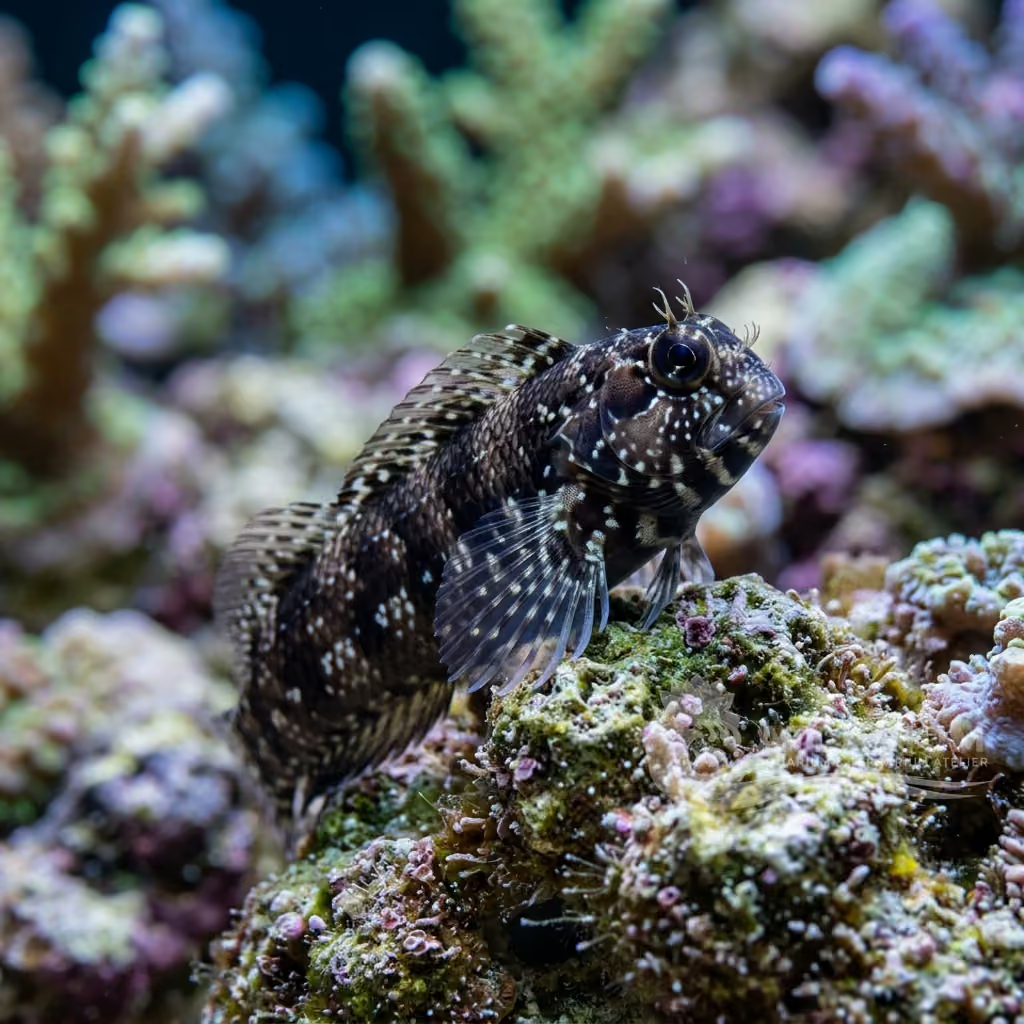
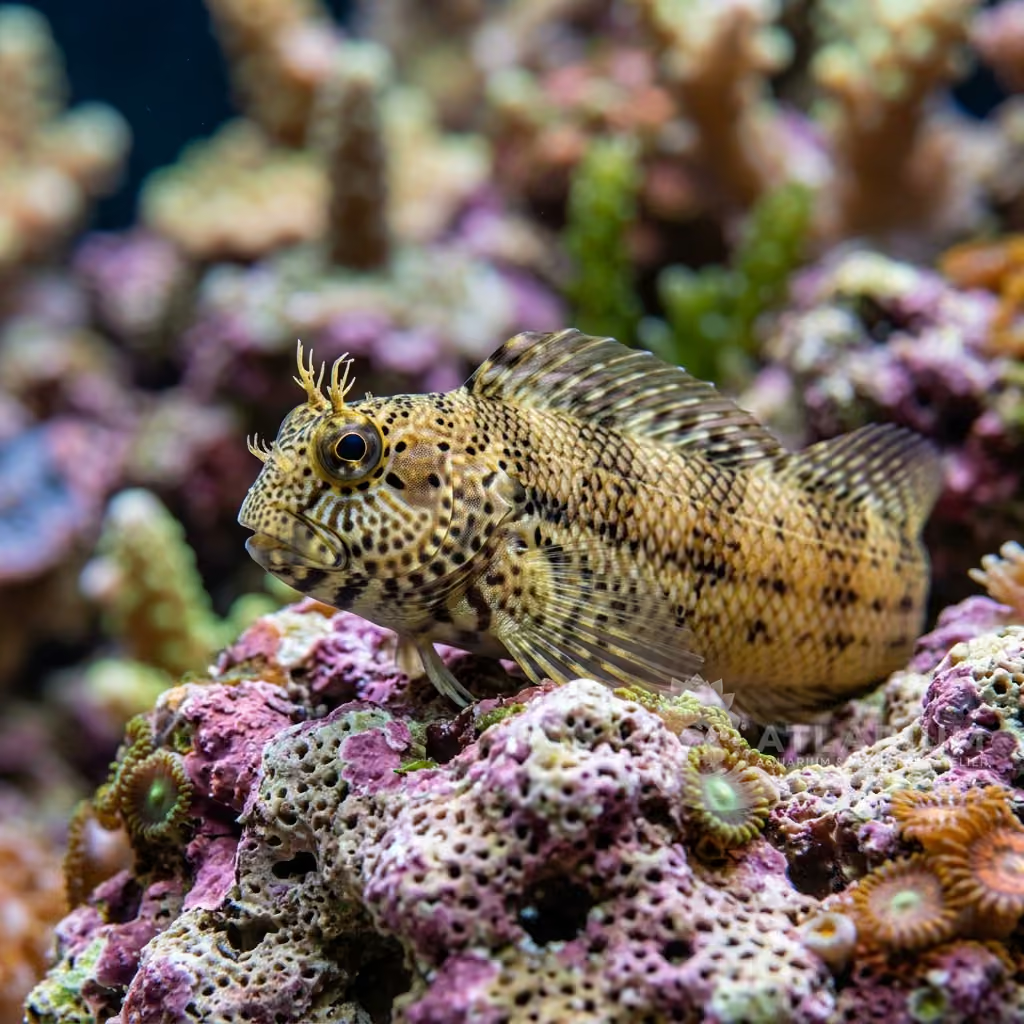
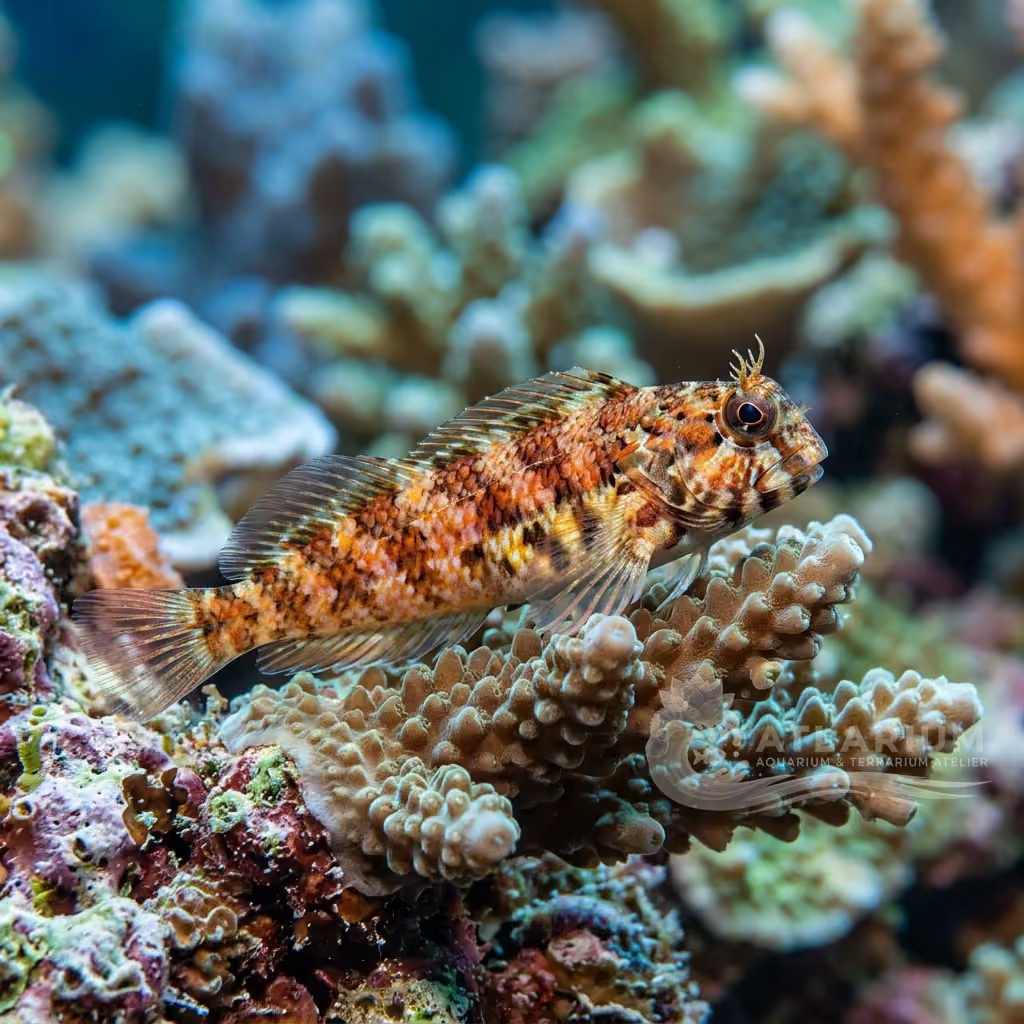
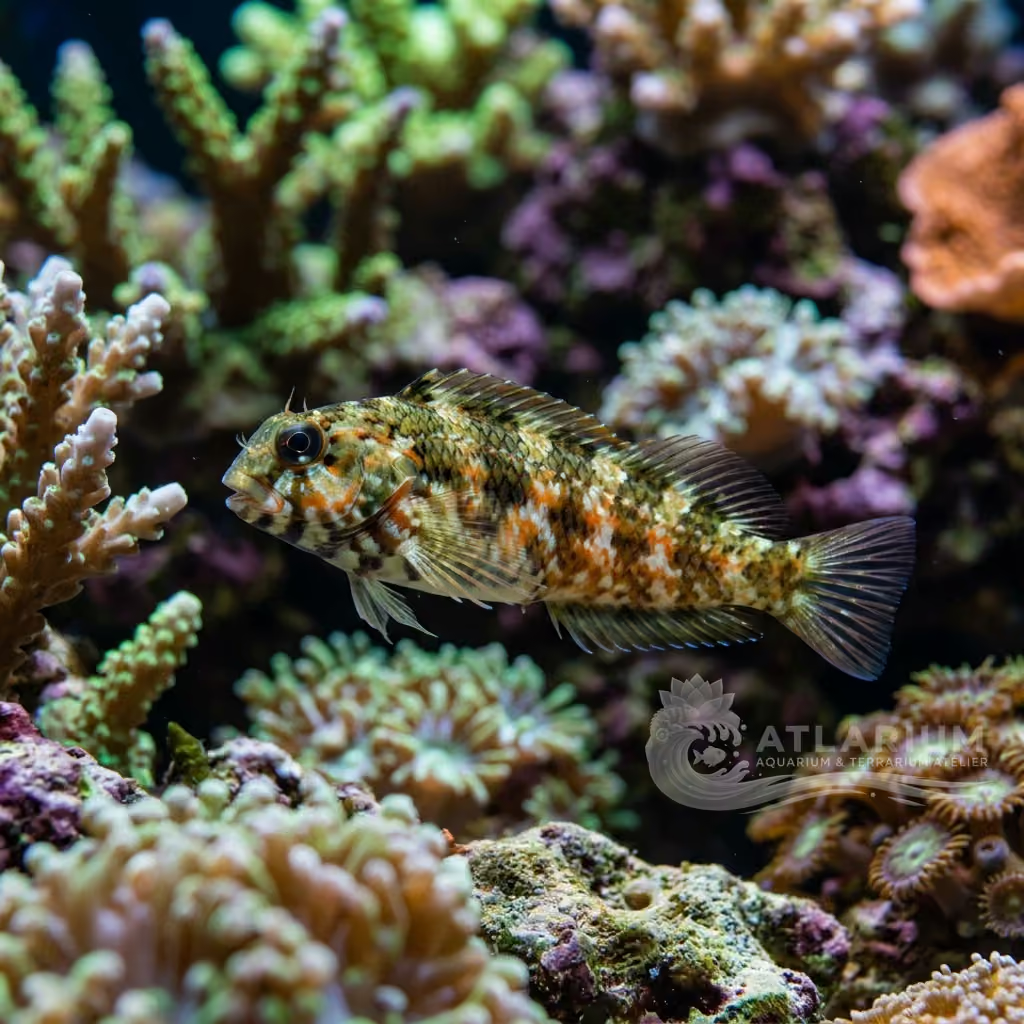
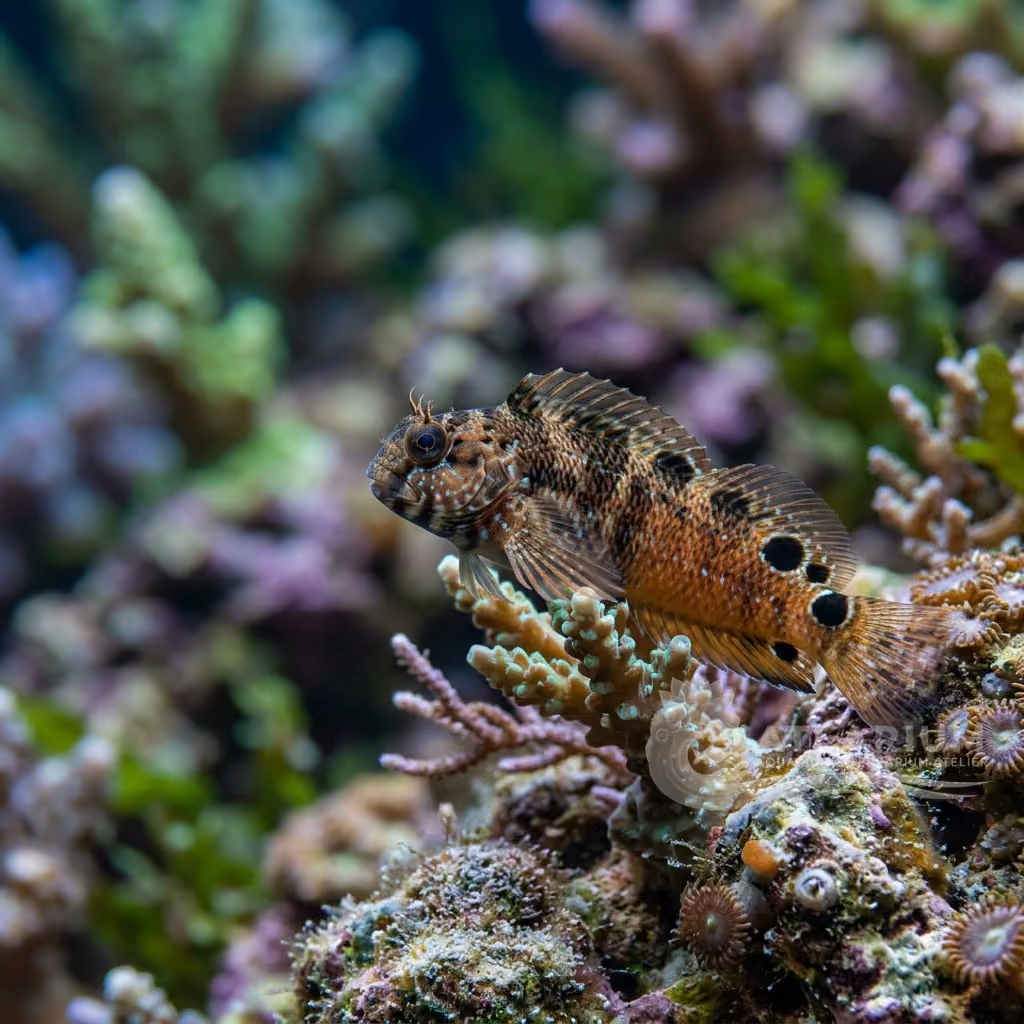
Endemic to Fiji, this striking blenny showcases a bold bi-color transition from charcoal grey to brilliant orange. It is a fantastic, reef-safe nano inhabitant that constantly grazes on rockwork.
Température de l’eau
23 - 27 °C
Valeur du pH
8.1 - 8.4
Type d'eau
Marin
Niveau dans le bac
Fond
Taille adulte
4 cm
Volume minimal du bac
>= 60 L
Groupe minimal
>= 1
KH
8 - 12 dKH

Description de l'espèce
Geographical Origin and Habitat: Ecsenius fijiensis is native to the Southwestern Pacific Ocean, where it is strictly endemic to the tropical waters of the Fiji Islands. Within this habitat, it typically colonizes sheltered coral reefs, warm shallow lagoons, and outer reef slopes at depths ranging from 1 to 15 meters. It prefers perching on hard corals and live rocks that are heavily covered with benthic microalgae.
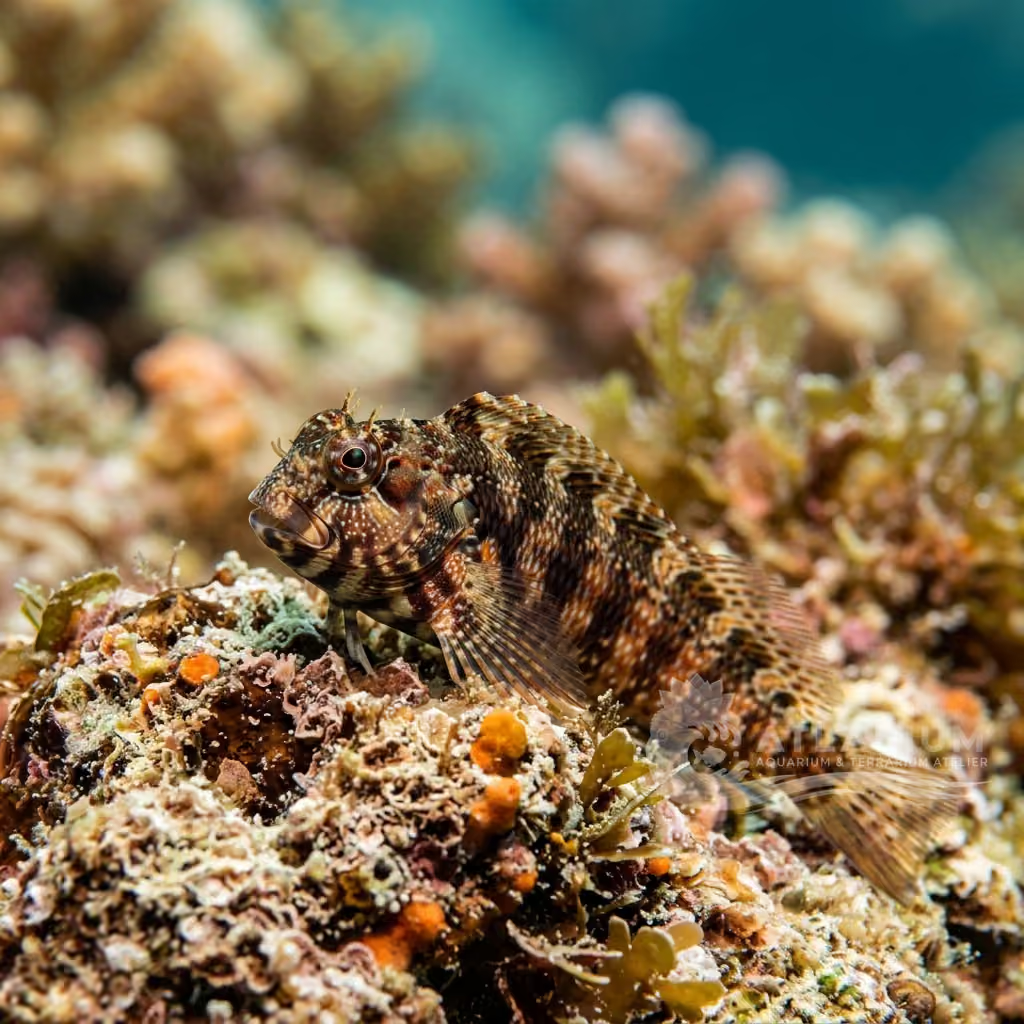
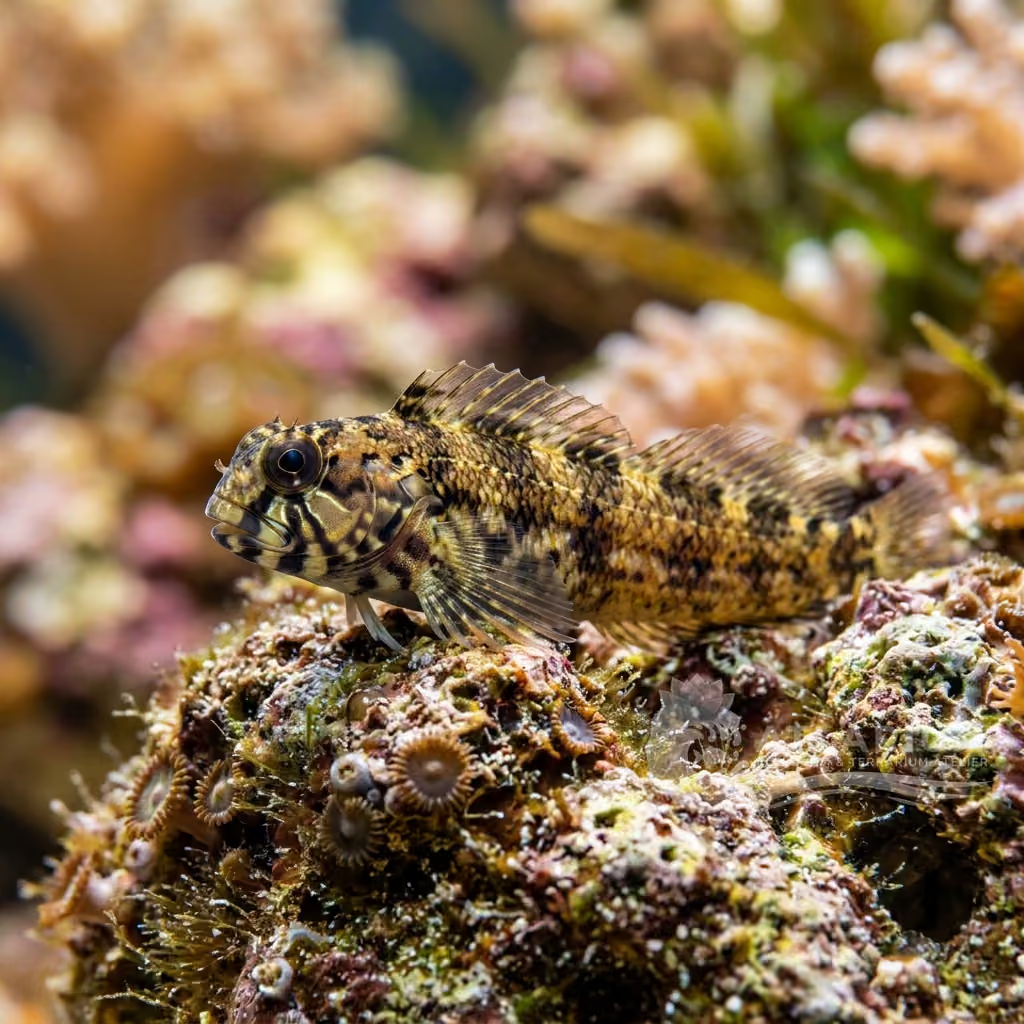
Taxonomy and Morphology: This species belongs to the family Blenniidae and is among the smallest members of the genus Ecsenius. The maximum recorded length of adults is just 4 cm. It features the classic morphology of marine blennies, with an elongated, scaleless cylindrical body, large mobile eyes set high on the head, and a small downward-facing mouth adapted for scraping rock surfaces.
Social Behavior: It is a peaceful, curious, and calm fish, making it an ideal inhabitant for small marine aquariums and nano-reefs. It spends most of its day perching on live rock or hard coral branches, actively scanning the surroundings. Males can show mild intraspecific territoriality in small tanks, but they completely ignore other fish species in the community.
Coloration and Sexual Dimorphism: The coloration of Ecsenius fijiensis is striking and sharply divided: the anterior half of the body is dark, ranging from charcoal grey to black, while the posterior half and the tail display a brilliant orange or intense yellow. There is no obvious visual sexual dimorphism, though mature males may grow slightly larger than females during spawning seasons.

Soins, reproduction et cohabitation
Aquarium Setup: To house this blenny, a small aquarium or nano-reef of at least 60 liters is sufficient. The tank should be decorated with plenty of live rock arranged to create crevices, small caves, and hiding spots where the fish can retreat. It is absolutely essential to fit the aquarium with a tight-fitting lid or fine screen, as this species is known to jump when startled.
Diet and Feeding: Ecsenius fijiensis has a primarily herbivorous diet. In the wild, it feeds by constantly grazing on benthic microalgae, diatoms, and organic biofilm on rock surfaces. In captivity, to ensure its long-term health, it is necessary to supplement its diet with high-quality commercial spirulina pellets, finely chopped nori seaweed, and vegetative flakes, alongside small frozen foods.
Water Quality: Water quality must be maintained at excellent and stable reef parameters. The temperature should range between 23 and 27 °C, pH between 8.1 and 8.4, and salinity should remain stable with a specific gravity of 1.020-1.025. Good water movement and efficient filtration are recommended to prevent the accumulation of toxic nitrogenous compounds.
Compatibility and Cohabitation: This species is considered 100% reef safe. It coexists peacefully with hard and soft corals, small crustaceans, and other calm, non-aggressive fish such as gobies. Avoid housing it with large predators or overly fast, territorial marine fish that might intimidate it and force it to remain permanently hidden.
Aquarium Breeding: Breeding this species in a home aquarium is extremely rare and is primarily hindered by the very small size of the larvae, which are difficult to feed. During spawning, the female lays adhesive eggs inside small rock crevices or cavities, which are then fertilized and diligently guarded by the male until hatching.
Risks and Diseases: The primary risk associated with keeping this fish is starvation in newly established or sterile aquariums that lack natural algae growth. Additionally, like many other scaleless blennies, Ecsenius fijiensis is highly sensitive to copper-based therapeutic treatments and spikes in ammonia or nitrites, which can cause severe skin damage.

Origine et répartition géographiques
Ecsenius fijiensis is native to the Southwestern Pacific Ocean, where it is strictly endemic to the tropical waters of the Fiji Islands. Within this habitat, it typically colonizes sheltered coral reefs, warm shallow lagoons, and outer reef slopes at depths ranging from 1 to 15 meters. It prefers perching on hard corals and live rocks that are heavily covered with benthic microalgae.
Origine
Océans tropicaux et récifs

Profil de poisson
- Tempérament
- Aggressive
- Overall, the Ecsenius fijiensis boasts a peaceful, comical, and highly engaging temperament. They are extremely curious fish that will often observe the aquarist through the glass. While peaceful with dissimilar species, they will fiercely defend their chosen perch against similar blennies or gobies. Providing ample rockwork and line-of-sight breaks easily mitigates any mild territorial disputes.
- Régime alimentaire
- Herbivore
- The Ecsenius fijiensis is primarily an omnivore with a strong preference for marine microalgae. They will actively graze on rocks, keeping nuisance algae growth under control. Their diet must be heavily supplemented with high-quality spirulina flakes, algae wafers, and occasional meaty items like mysis shrimp. A varied diet ensures they receive the necessary vitamins for vibrant coloration and long-term health.
- Espérance de vie
- 3-5 years
- Taille adulte
- 4 cm
- Ratio des sexes
- Solitary
- It is generally best to keep them individually unless you can acquire a confirmed mated pair. Housing two males or two females of the same species in a standard-sized tank will usually result in intense territorial aggression. Visual sexing can be challenging, though males sometimes exhibit slightly larger bodies or elongated fin rays. A solitary individual will comfortably establish its own territory without stress.
- Fréquence d'alimentation
- Twice daily
- Because they have small stomachs and are constant grazers, they benefit from being fed one to two times daily. Providing small, frequent meals mimics their natural foraging behavior on the reef. An established aquarium with plenty of live rock will allow them to snack on algae between scheduled feedings. Ensuring they have a continuous food source prevents undesirable nipping at corals.
- Charge biologique
- Low
- The Ecsenius fijiensis adds a very low bioload to the aquarium system, making it an excellent choice for smaller tanks. Their small size and efficient metabolism ensure that they do not heavily pollute the water. Routine maintenance and a standard protein skimmer are more than adequate to handle their waste. This makes them highly suitable for delicate reef environments where water purity is paramount.
- Courant
- Strong
- They thrive in environments with moderate to strong water flow that replicates the dynamic currents of a natural reef. Good circulation helps keep their favored resting spots clear of detritus and promotes healthy oxygenation. They will often be seen perched on rocks right in the path of the current, watching for passing food. Adequate flow is essential for their overall well-being and active behavior.
- Risque de saut
- Yes
- Blennies are known to be significant jump risks, especially when first introduced or if they feel threatened. They can easily propel themselves out of an open-topped aquarium. A well-fitted lid or a custom mesh screen is absolutely vital to keeping this fish safely inside the tank. Many aquarists have unfortunately lost these charismatic fish to carpet surfing incidents.
- Reproduction
- Oviparous
- The Ecsenius fijiensis is a demersal spawner, laying their eggs in small crevices or empty shells. The male will diligently guard and fan the nest until the eggs hatch into pelagic larvae. While spawning is frequently observed in home aquariums, successfully raising the tiny fry is incredibly difficult. It requires specialized microscopic live foods and dedicated rearing systems.
- Compatibilité et compagnons
- Peaceful
- This species is considered reef safe and is generally a fantastic community fish. They get along well with most peaceful tank mates and will not actively bother corals or mobile invertebrates. However, they may occasionally nip at the mantles of clams or large-polyp stony corals if underfed. They can display territorial behavior towards other blennies or fish with a similar body shape.
- Niveau dans le bac
- Bottom
- This fish is predominantly a bottom to mid-level dweller, spending most of its time perched on live rock. They find a favorite crevice or barnacle shell and reverse into it, leaving only their curious head exposed. While they occasionally dart into the water column to catch food, they quickly return to their rocky perches. Their comical perching behavior is a defining characteristic of the species.

Modèles et paramètres scientifiques
FishBase
Fenêtre sur les données scientifiques officielles de l’espèce
FishBase v25.04Données synchronisées le : 15/06/2026
- Niveau trophique
- 2 ± 0 se
- Résilience
- Élevée (moins de 15 mois)
- Singularité phylogénétique (PD50)
- 0.5
- Relation bayésienne longueur-poids
- a = 0.00776, b = 3
- VulnérabilitéVulnérabilité faible (10 / 100)

Espèces associées
Recommandations regroupées par proches parents, compagnons et soins similaires.