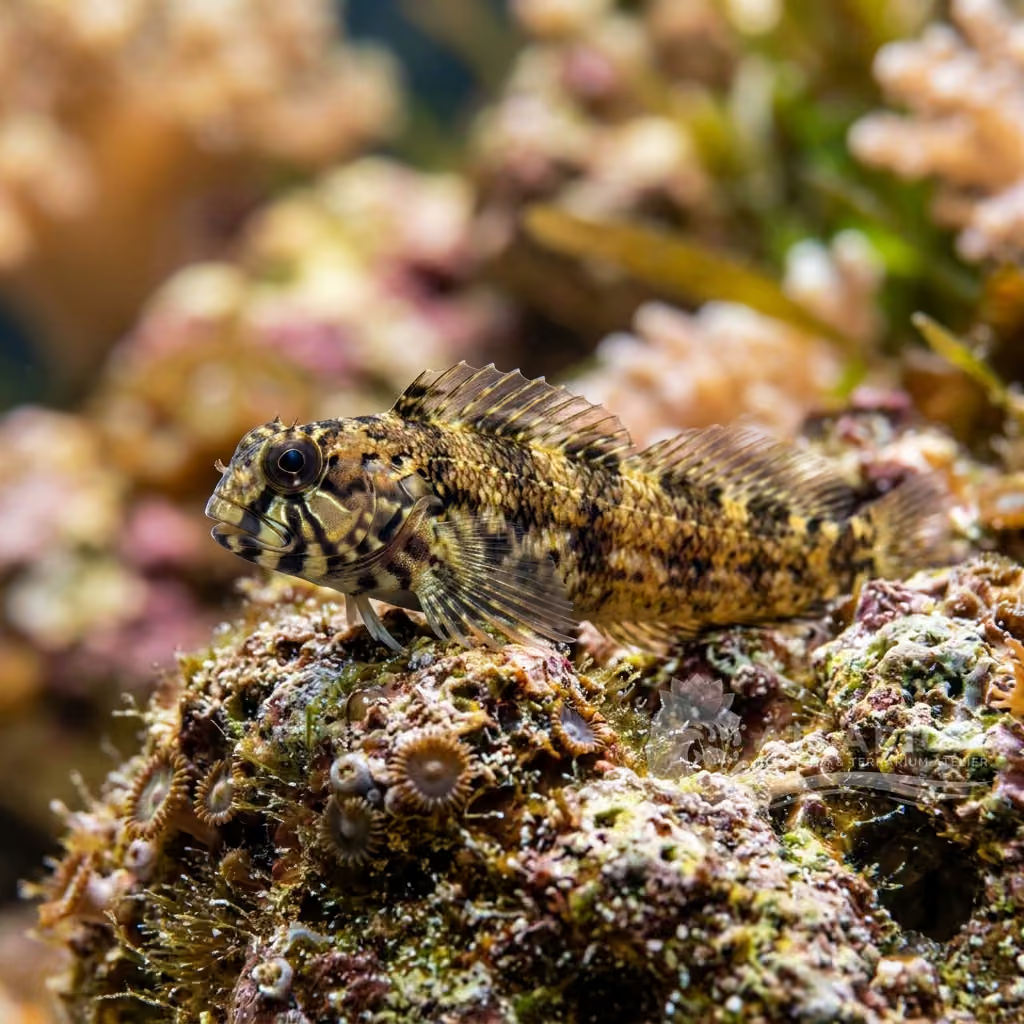
Yelloweye Combtooth Blenny
Ecsenius opsifrontalis
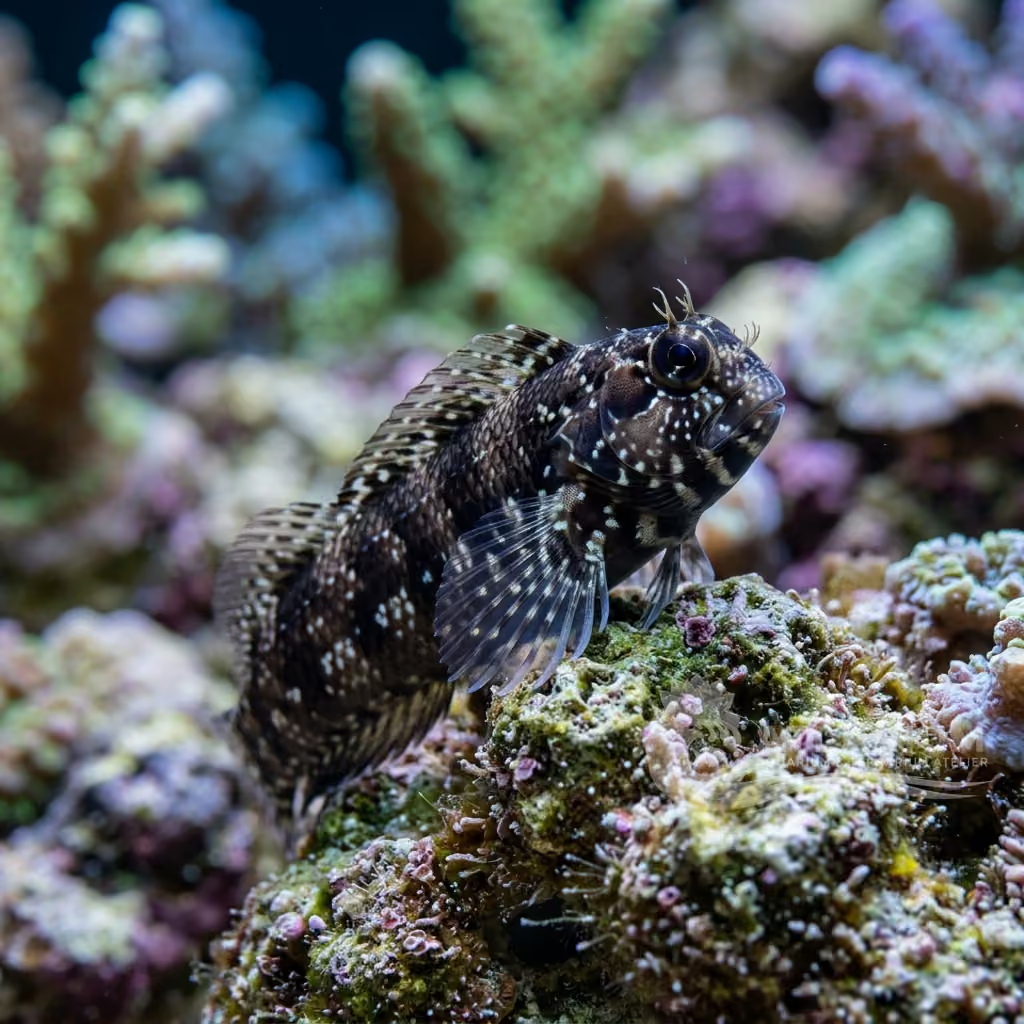
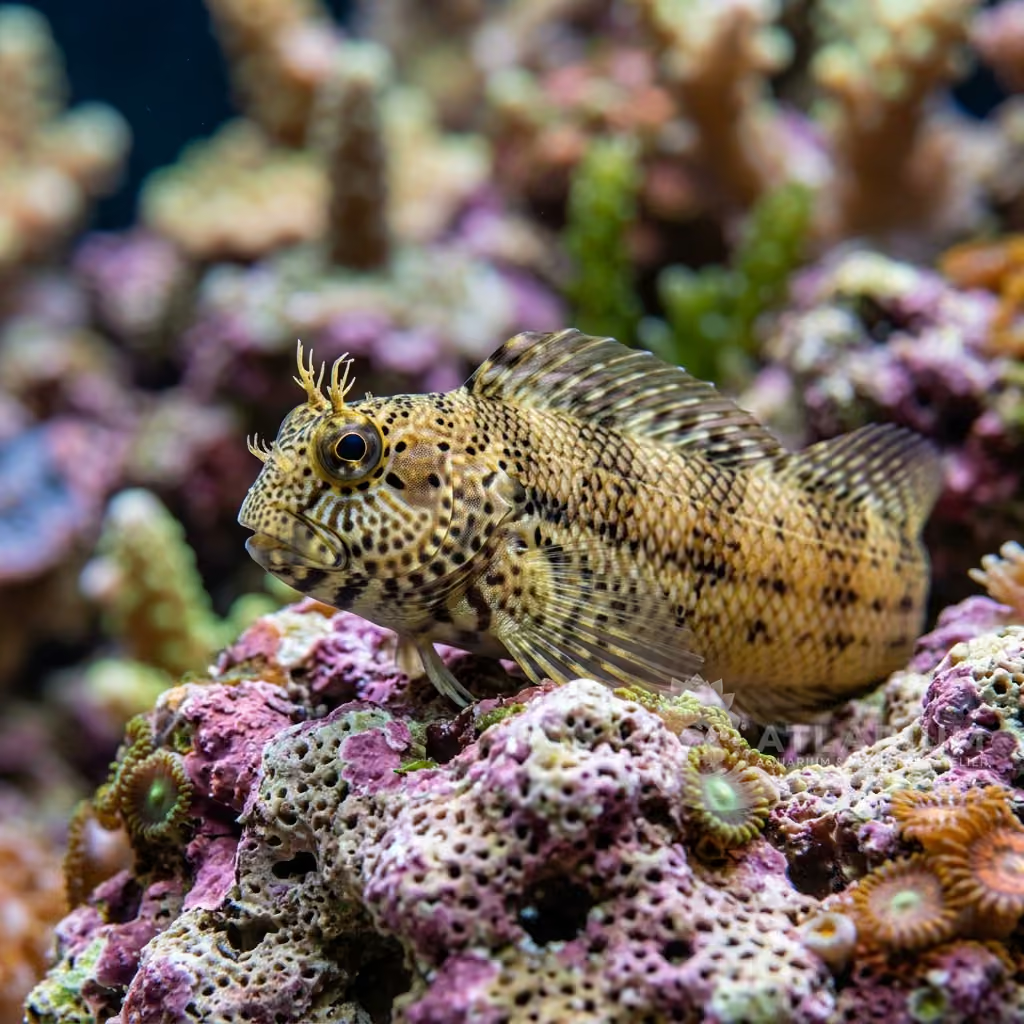
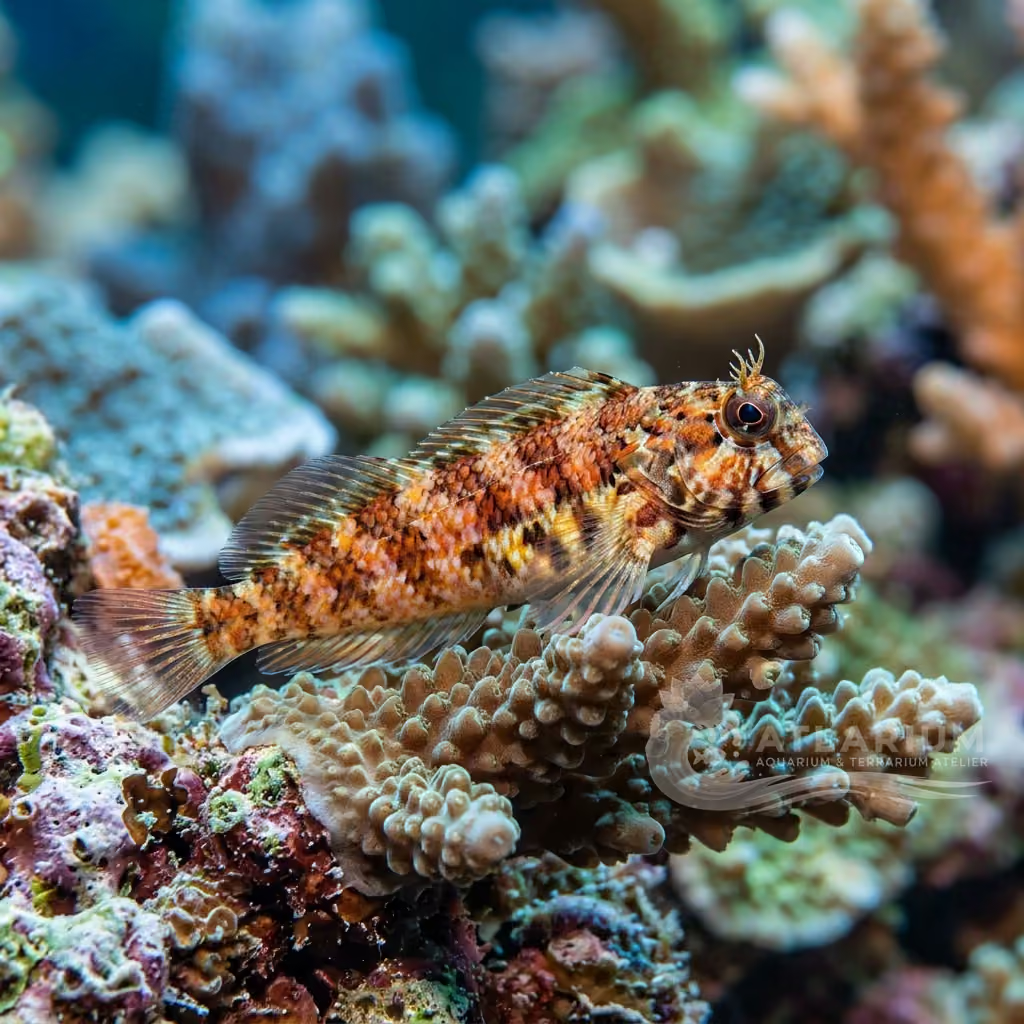
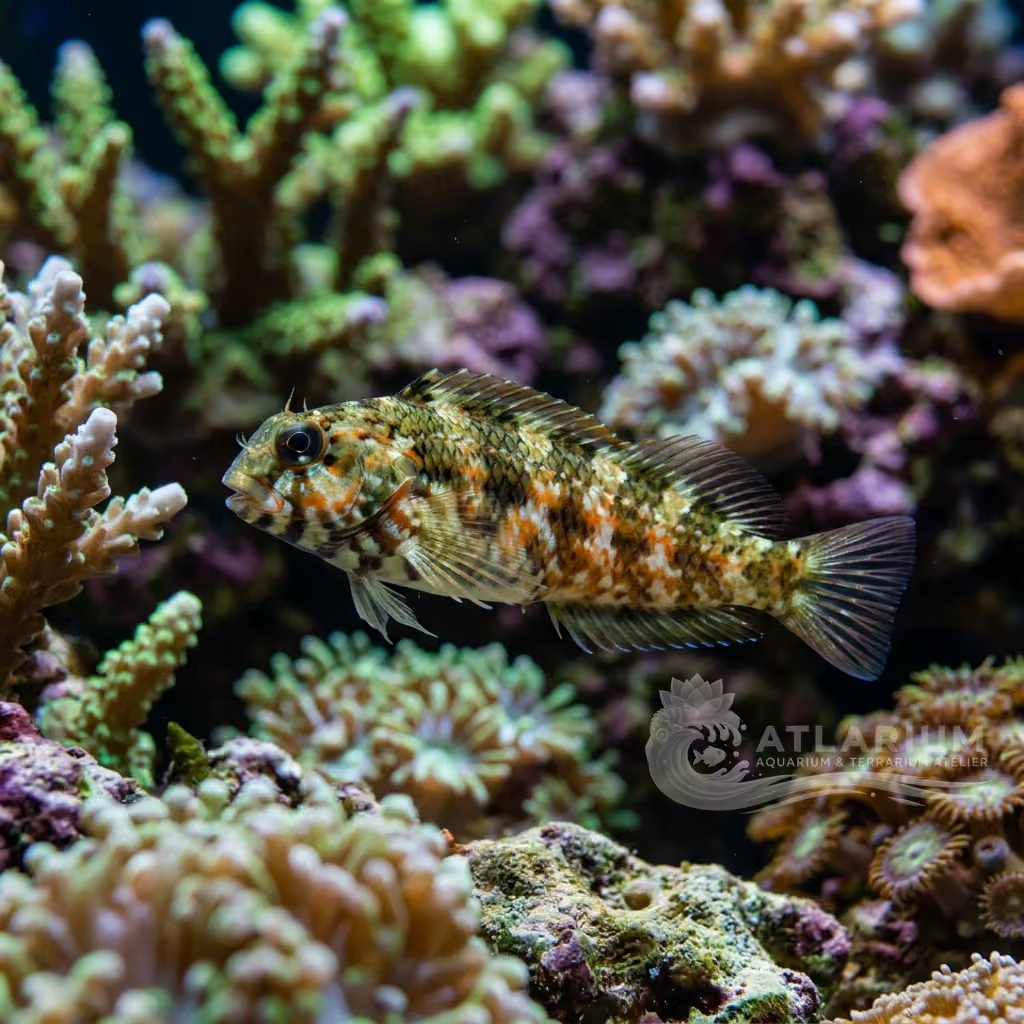
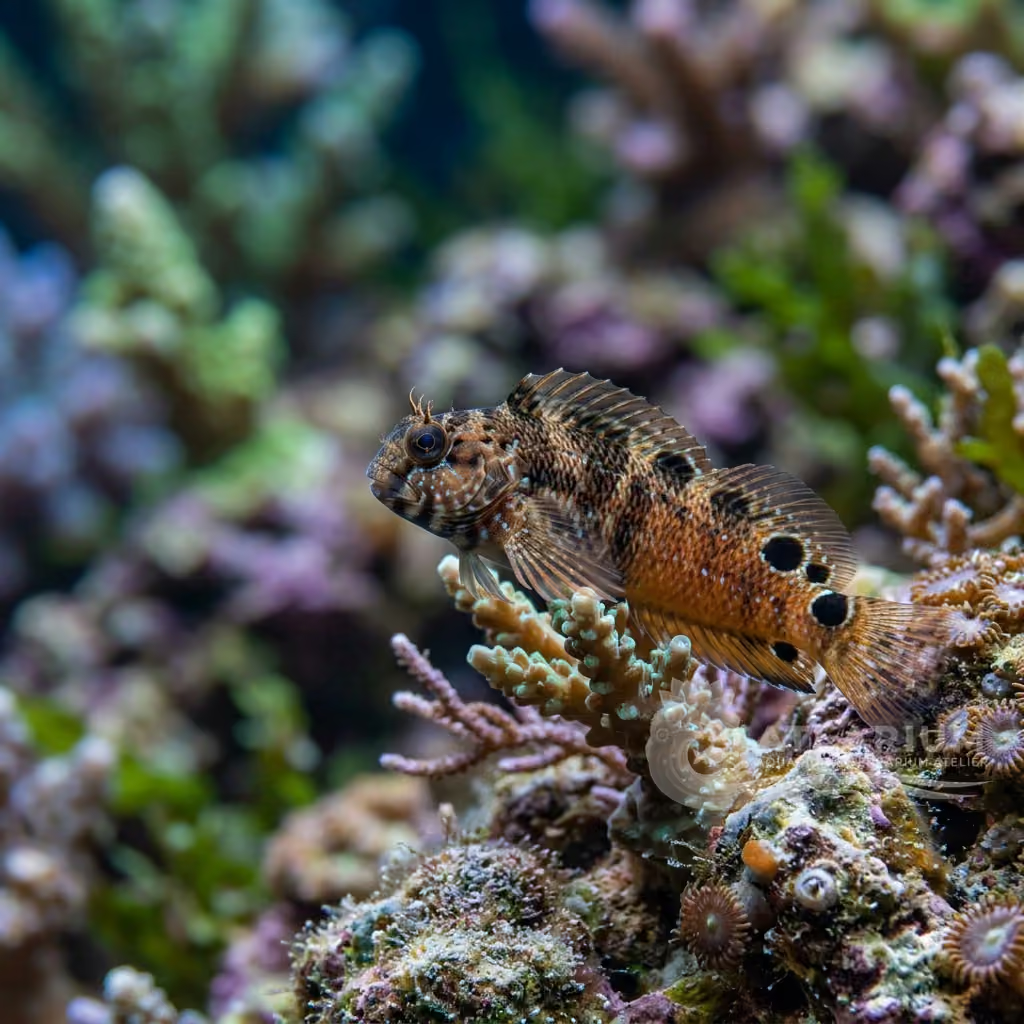
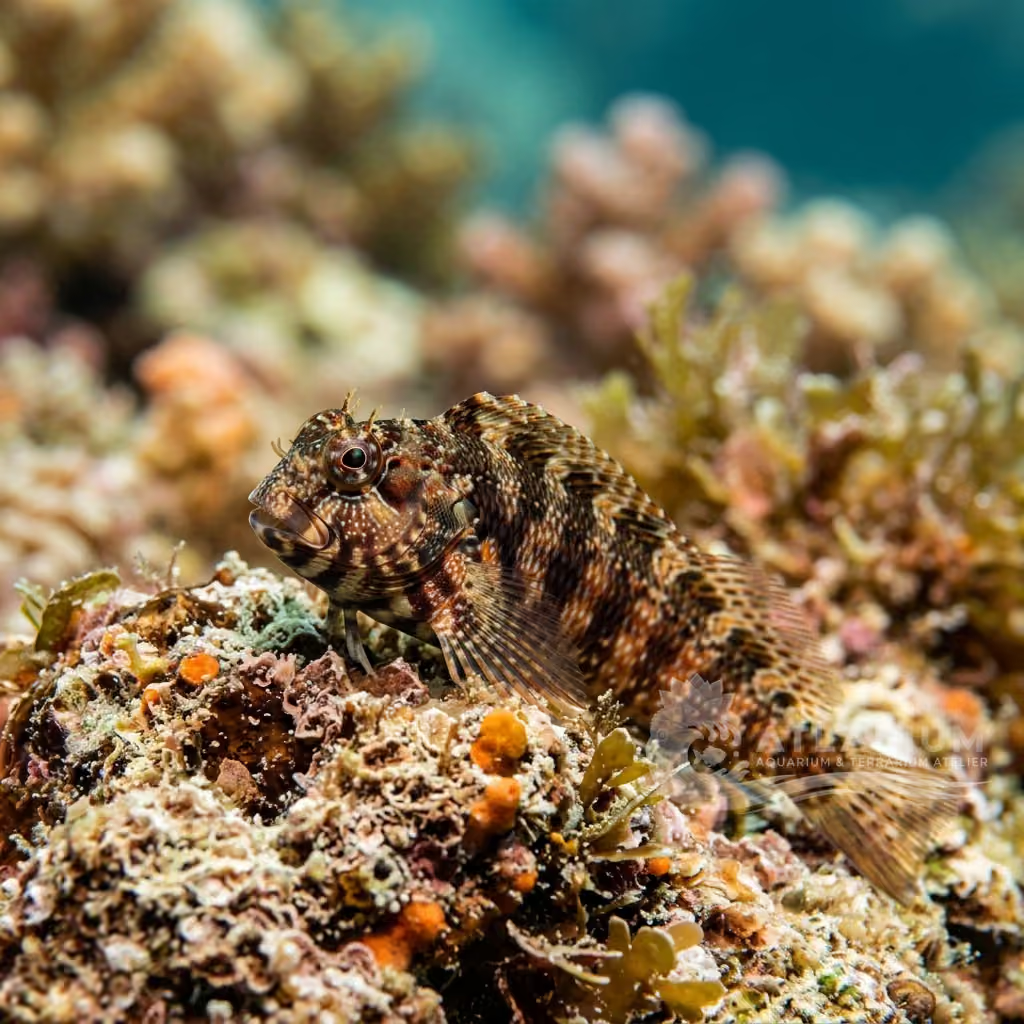
Distinguished by prominent lemon-yellow rings framing its eyes, this diminutive blenny spends its day playfully darting from reef crevices. It requires specialized algae grazing to remain healthy.
Température de l’eau
23 - 27 °C
Valeur du pH
8.1 - 8.4
Type d'eau
Marin
Niveau dans le bac
Fond
Taille adulte
5 cm
Volume minimal du bac
>= 80 L
Groupe minimal
>= 1
KH
8 - 12 dKH

Description de l'espèce
Geographical Origin and Habitat: Mainly restricted to the tropical waters of the Central and Western Pacific Ocean, ranging from the Mariana, Marshall, and Caroline Islands south to Samoa and Fiji. It inhabits shallow, coral-rich outer reefs, surge zones, and reef crests exposed to moderate currents at depths of 1 to 15 meters.
Taxonomy and Morphology: A member of the Blenniidae family in the genus Ecsenius. Commonly known as the Yelloweye Combtooth Blenny. It is a diminutive fish, reaching a maximum adult length of only 4 to 5 centimeters. The scale-less body is elongated, featuring specialized comb-like teeth used for scraping algae off rocky substrates.
Social Behavior: A peaceful and highly characterful fish. It spends its active hours perching on rockwork or coral branches, watching the surrounding area with curious eye movements. When threatened, it makes a rapid backward dart into a small hole or crevice in the live rock, leaving only its head protruding to watch for danger.
Coloration and Sexual Dimorphism: The body color is semi-translucent or pale beige, marked with thin, horizontal orange, red, or light brown stripes running along the sides. The most distinguishing feature is the large eyes, which are framed by a highly prominent, bright lemon-yellow ring. There is no visible sexual dimorphism.

Soins, reproduction et cohabitation
Aquarium Setup: Ideal for mature nano-reefs of at least 80 liters (20 gallons). The tank must be designed with plenty of mature live rock containing small holes and crevices (branched coral rocks are perfect) where the fish can establish territories. A secure mesh screen or lid is mandatory to prevent the fish from jumping out of the tank.
Diet and Feeding: Strictly herbivorous. In the aquarium, they spend their time grazing on rocks, consuming diatoms and filamentous microalgae. Supplement their diet with high-quality spirulina flakes, dried nori seaweed, and herbivore pellets. They may occasionally consume frozen brine shrimp, but a lack of vegetable fiber will cause digestive issues.
Water Quality: Keep water conditions stable: temperature 23-27°C (73-81°F), pH 8.1-8.4, specific gravity 1.020-1.025, and GH 15-25. Regular water changes are essential to prevent nitrate accumulation. They are sensitive to poor water quality, ammonia spikes, and copper-based medications.
Compatibility and Cohabitation: 100% reef-safe. They do not harm corals, though they may occasionally perch on coral branches, causing brief polyp retraction. Peaceful towards other community fish; do not house them with large, aggressive predators or fast-swimming territorial fish that might prevent them from feeding.
Aquarium Breeding: Captive breeding is very rare and challenging. They spawn adhesive eggs inside small rock crevices, which are guarded and fanned by the male until they hatch. Raising the tiny pelagic larvae is difficult due to their requirement for specialized live rotifers and microalgae.
Risks and Diseases: The primary risk is starvation if introduced to a brand-new, sterile aquarium lacking natural microalgae growth on the rocks. Additionally, territorial conflicts can occur with other blennies of similar size or species (such as other Ecsenius) if kept in small aquariums with insufficient hiding spots.

Origine et répartition géographiques
Mainly restricted to the tropical waters of the Central and Western Pacific Ocean, ranging from the Mariana, Marshall, and Caroline Islands south to Samoa and Fiji. It inhabits shallow, coral-rich outer reefs, surge zones, and reef crests exposed to moderate currents at depths of 1 to 15 meters.
Origine
Océans tropicaux et récifs

Profil de poisson
- Tempérament
- Peaceful
- Overall, the Ecsenius opsifrontalis boasts a peaceful, comical, and highly engaging temperament. They are extremely curious fish that will often observe the aquarist through the glass. While peaceful with dissimilar species, they will fiercely defend their chosen perch against similar blennies or gobies. Providing ample rockwork and line-of-sight breaks easily mitigates any mild territorial disputes.
- Régime alimentaire
- Herbivore
- The Ecsenius opsifrontalis is primarily an omnivore with a strong preference for marine microalgae. They will actively graze on rocks, keeping nuisance algae growth under control. Their diet must be heavily supplemented with high-quality spirulina flakes, algae wafers, and occasional meaty items like mysis shrimp. A varied diet ensures they receive the necessary vitamins for vibrant coloration and long-term health.
- Espérance de vie
- 2-4 years
- Taille adulte
- 5 cm
- Ratio des sexes
- Solitary
- It is generally best to keep them individually unless you can acquire a confirmed mated pair. Housing two males or two females of the same species in a standard-sized tank will usually result in intense territorial aggression. Visual sexing can be challenging, though males sometimes exhibit slightly larger bodies or elongated fin rays. A solitary individual will comfortably establish its own territory without stress.
- Fréquence d'alimentation
- Twice daily
- Because they have small stomachs and are constant grazers, they benefit from being fed one to two times daily. Providing small, frequent meals mimics their natural foraging behavior on the reef. An established aquarium with plenty of live rock will allow them to snack on algae between scheduled feedings. Ensuring they have a continuous food source prevents undesirable nipping at corals.
- Charge biologique
- Low
- The Ecsenius opsifrontalis adds a very low bioload to the aquarium system, making it an excellent choice for smaller tanks. Their small size and efficient metabolism ensure that they do not heavily pollute the water. Routine maintenance and a standard protein skimmer are more than adequate to handle their waste. This makes them highly suitable for delicate reef environments where water purity is paramount.
- Courant
- Moderate
- They thrive in environments with moderate to strong water flow that replicates the dynamic currents of a natural reef. Good circulation helps keep their favored resting spots clear of detritus and promotes healthy oxygenation. They will often be seen perched on rocks right in the path of the current, watching for passing food. Adequate flow is essential for their overall well-being and active behavior.
- Risque de saut
- Yes
- Blennies are known to be significant jump risks, especially when first introduced or if they feel threatened. They can easily propel themselves out of an open-topped aquarium. A well-fitted lid or a custom mesh screen is absolutely vital to keeping this fish safely inside the tank. Many aquarists have unfortunately lost these charismatic fish to carpet surfing incidents.
- Reproduction
- Oviparous
- The Ecsenius opsifrontalis is a demersal spawner, laying their eggs in small crevices or empty shells. The male will diligently guard and fan the nest until the eggs hatch into pelagic larvae. While spawning is frequently observed in home aquariums, successfully raising the tiny fry is incredibly difficult. It requires specialized microscopic live foods and dedicated rearing systems.
- Compatibilité et compagnons
- Peaceful
- This species is considered reef safe and is generally a fantastic community fish. They get along well with most peaceful tank mates and will not actively bother corals or mobile invertebrates. However, they may occasionally nip at the mantles of clams or large-polyp stony corals if underfed. They can display territorial behavior towards other blennies or fish with a similar body shape.
- Niveau dans le bac
- Bottom
- This fish is predominantly a bottom to mid-level dweller, spending most of its time perched on live rock. They find a favorite crevice or barnacle shell and reverse into it, leaving only their curious head exposed. While they occasionally dart into the water column to catch food, they quickly return to their rocky perches. Their comical perching behavior is a defining characteristic of the species.

Modèles et paramètres scientifiques
FishBase
Fenêtre sur les données scientifiques officielles de l’espèce
FishBase v25.04Données synchronisées le : 15/06/2026
- Niveau trophique
- 2 ± 0 se
- Résilience
- Élevée (moins de 15 mois)
- Singularité phylogénétique (PD50)
- 0.5
- Relation bayésienne longueur-poids
- a = 0.00776, b = 3
- VulnérabilitéVulnérabilité faible (10 / 100)

Espèces associées
Recommandations regroupées par proches parents, compagnons et soins similaires.